

Lithium is the upgrade almost every caravanner wants, and the price range is enough to make anyone suspicious. A 200Ah lithium battery can cost less than $750 or more than $2,500, and the spec sheets look remarkably similar.
So we lined up four of the most common 200Ah-class batteries sold in Australia and did the maths the brochures skip: what you pay per kWh of storage, per year of warranty and per day off-grid. Three of the four store exactly the same energy. The cheapest and the dearest are 3.7 times apart.
The four batteries, side by side
Prices are as listed by the manufacturer or a major Australian retailer, checked on 14 October 2026. They move often, so check before you buy.
| Battery | Price | Capacity, weight, warranty, cycles |
|---|---|---|
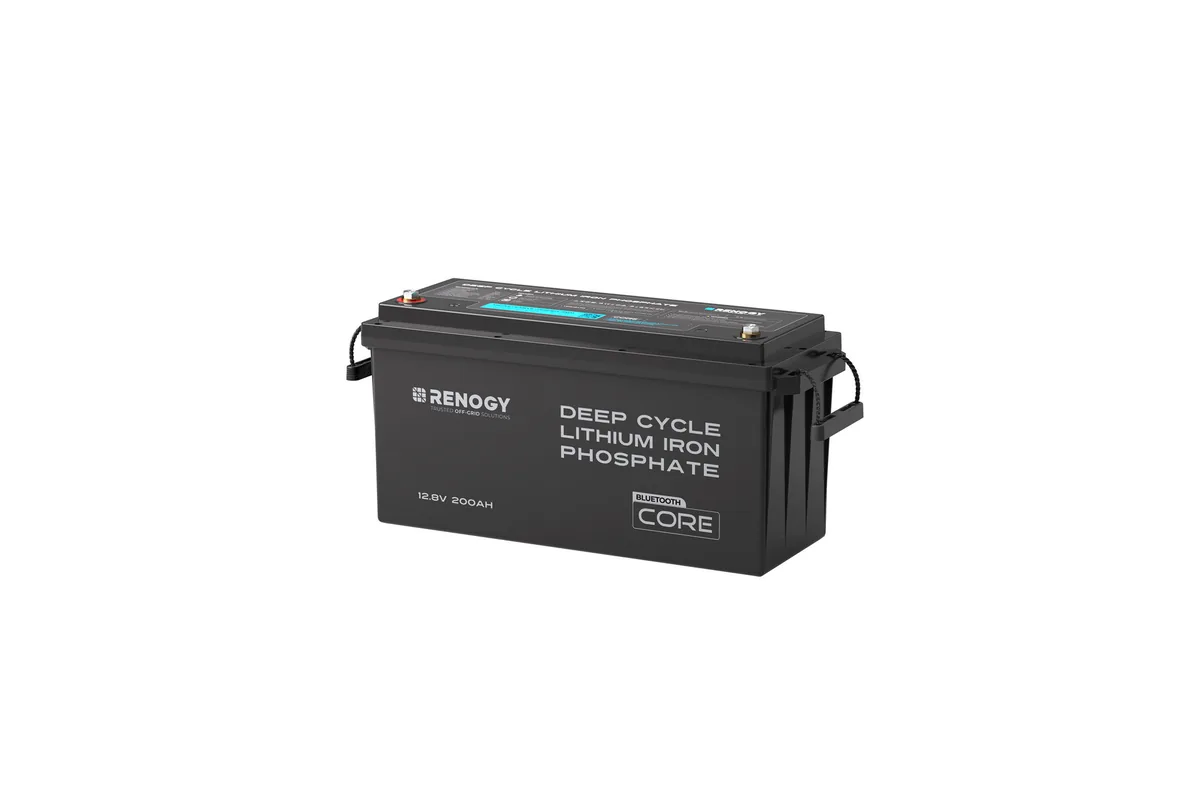
| Renogy Core 200Ah | $728.99 | 200Ah, 20.2kg, 5 years, 5,000 cycles at 80% DoD |
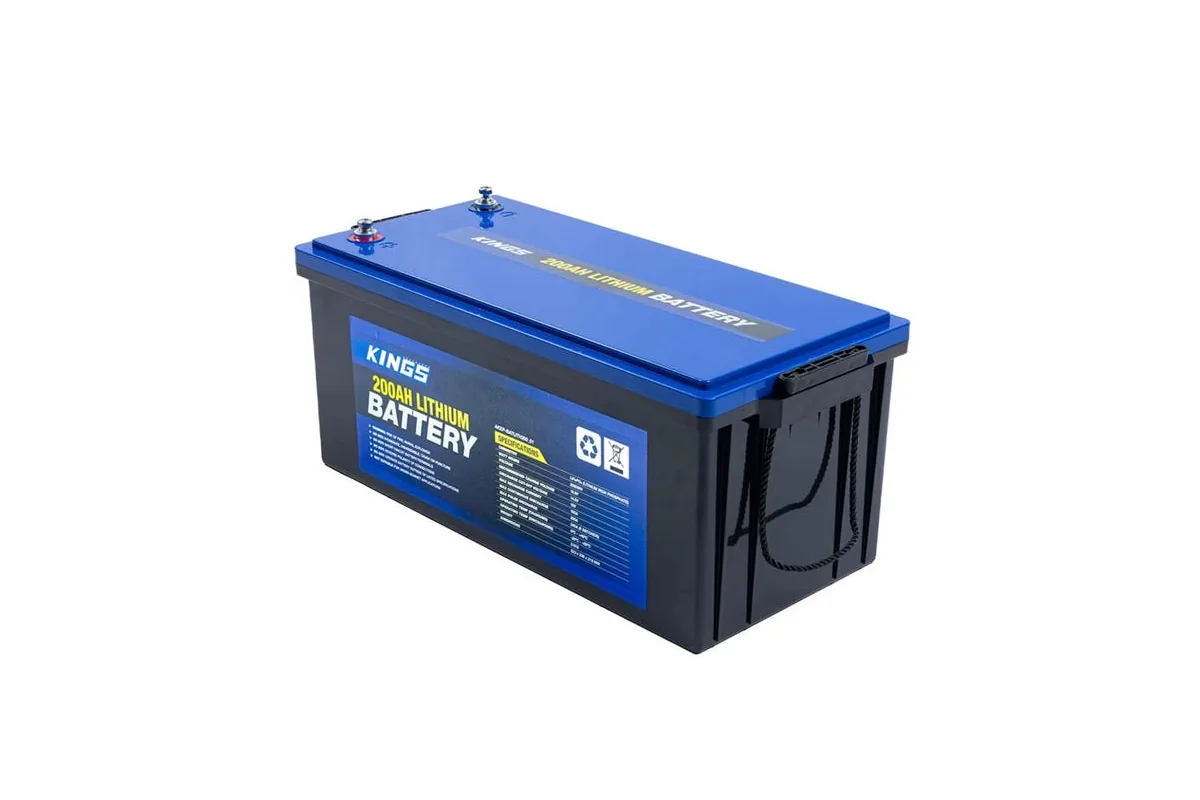
| Kings 200Ah | $849 | 200Ah, 20.2kg, 3 years, 2,000+ cycles at 80% DoD |
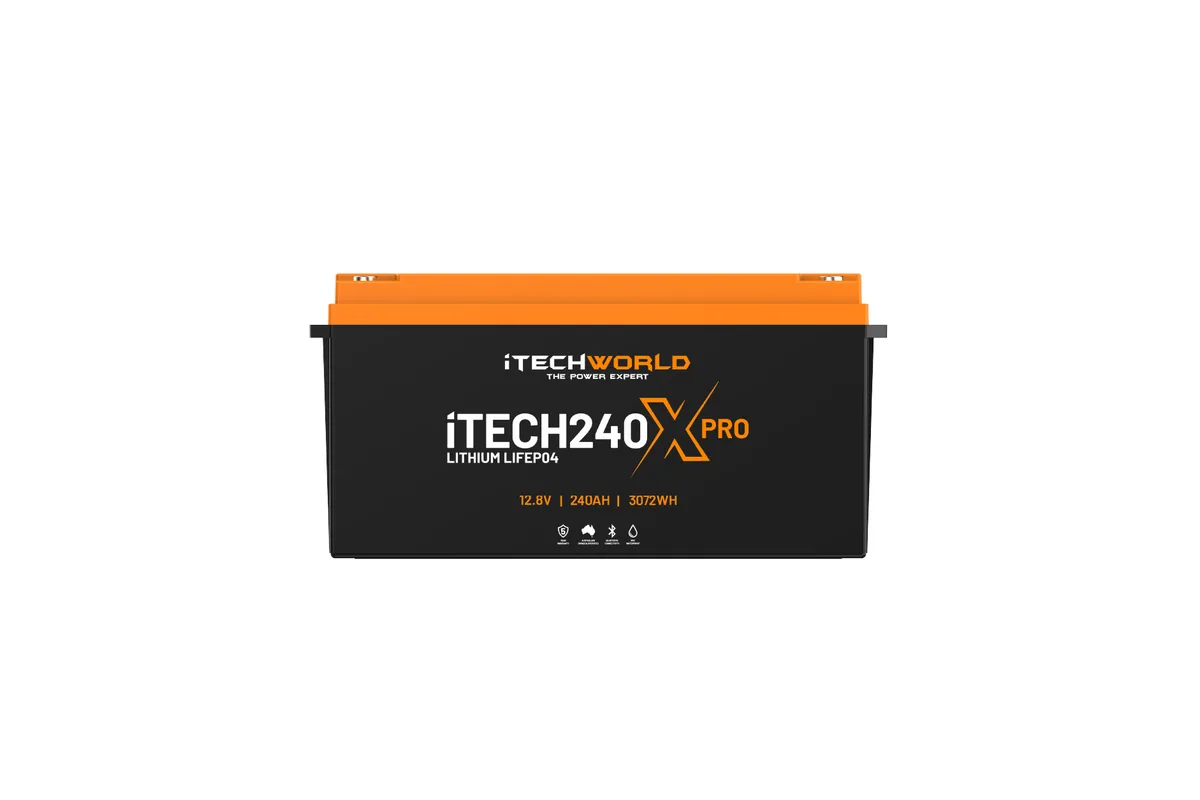
| iTechworld iTECH240X PRO | $1,249 (RRP $1,699) | 240Ah, 24.8kg, 5 years (3 full replacement, 2 pro-rata), 5,000+ cycles at 80% DoD |
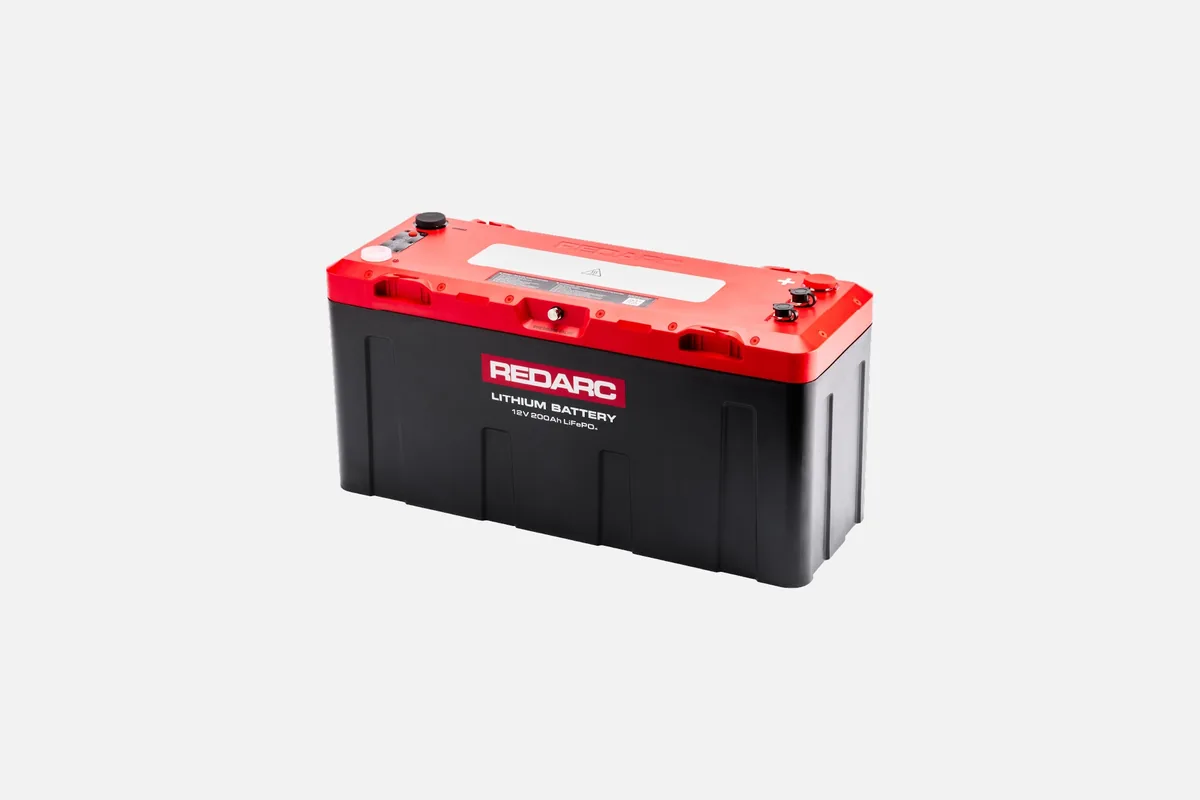
| REDARC 200Ah | $2,699 | 200Ah, 23kg, 5 years, 6,000+ cycles |
All four are 12.8V lithium iron phosphate (LiFePO4) batteries with a built-in battery management system and a 200A discharge rating. That last figure matters if you run a big inverter: 200A at 12V is roughly 2,400W, enough for a microwave or a small air-conditioner, but not both at once.
Same energy, very different prices
Multiply amp-hours by 12.8V and three of these batteries come out at exactly 2.56kWh. That is the energy in the box, and it is what decides how long your fridge and lights run. On that measure the Renogy, Kings and REDARC are identical.
The price is not. Per kWh of storage, the Renogy works out at $285, the Kings at $332 and the REDARC at $1,054. The iTechworld sits in between at $407, and it is the only one of the four that gives you more energy: 240Ah, or 20 per cent more than the others, for 71 per cent more than the Renogy.
The same 2.56kWh costs anywhere from $729 to $2,699.
Rated capacity is identical on three of the four, and so is the time they keep your fridge running. The price, the warranty and what sits around the cells are what change.
Price per kWh of rated capacity
How we worked it out: price divided by rated energy (amp-hours x 12.8V nominal). Prices as listed by the manufacturer or a major retailer, checked on 14 October 2026.
The numbers that matter
The REDARC costs 3.7 times the Renogy for the same rated 2.56kWh.
Same energyAll three 200Ah batteries, at 80Ah a day with no solar. The 240Ah iTechworld gets 2.4.
No differenceThe Renogy is the cheapest per year of warranty, ahead of iTechworld at $250, Kings at $283 and REDARC at $540.
Lowest per yearEven the lowest claim here, 2,000 cycles, lasts about 17 years at 120 full cycles a year.
Warranty matters moreHow many days will it run your van?
Assumptions: rated capacity, no solar or DC-DC charging. 80Ah a day is a compressor fridge, lights, a water pump and phone charging for two people. Using 80 per cent of the battery leaves a reserve; most makers allow more. Days are pure arithmetic: capacity x usable % / daily use.
What the extra money does and does not buy
What a day off-grid actually costs
A couple running a compressor fridge, lights, a water pump and phone chargers typically uses around 80Ah a day. Use 80 per cent of the battery and keep the rest in reserve, and every one of the 200Ah batteries gives you two days without any charging. The iTechworld gives you 2.4.
That is the number that surprises people. Spending an extra $1,970 on the REDARC over the Renogy buys you no extra time off-grid at all. Whatever you are paying for at the top end, it is not more stored energy. Plug your own daily use into the calculator above to see how the four compare for your setup.
Why cycle life is the wrong number to shop on
Cycle ratings are the headline figure on most lithium packaging, and they range here from 2,000 to more than 6,000. In practice it rarely decides anything for a caravanner.
Even a heavy user who drains and refills the battery 120 times a year would take about 17 years to reach 2,000 cycles. Most owners will sell the van, or the battery will age out on the calendar, long before that. Each maker also measures cycles under its own conditions, so the claims are not directly comparable.
The warranty is a better guide, because it is what you can actually claim on. Divide the price by the warranty term and the cheapest battery is also the cheapest per year of cover: the Renogy works out at $146 a year over its five-year warranty, ahead of the iTechworld at $250, the Kings at $283 and the REDARC at $540. Read the terms too: iTechworld's five years is three years of full replacement followed by two years pro-rata.
Worth knowing: Kings' own listing gives two weights for this battery, 20.2kg in the spec table and "just ~23kg" in the product description. If you are tight on payload, ask for the confirmed figure before you plan around it.
What the extra money can buy
Paying more does not get you more energy, but it can get you other things. REDARC builds a display, an isolation switch and internal heating for below-zero charging into its battery, and claims the highest cycle life of the four. A longer warranty is not what the extra money buys: the Renogy, iTechworld and REDARC all carry five years, against three for Kings.
Beyond the spec sheet, consider who you will deal with if something fails. A local warranty process and a dealer or auto-electrician network that knows the product are worth something when you are 900km from home. That is harder to put a number on, and it is a fair reason to pay more, as long as you know that is what you are paying for.
Before you hand over the money, five questions are worth asking:
- What is the warranty term, and who handles a claim in Australia? A five-year warranty is only as good as the process behind it.
- Is the capacity rated or actual? Renogy, for example, says its 200Ah battery can deliver up to 6 per cent more. Compare like with like.
- What is the continuous discharge rating? Match it to your inverter. A 2,000W inverter at full load draws about 170A.
- Does it protect itself in the cold? Lithium should not be charged below freezing. Look for low-temperature charge protection or self-heating if you travel in winter.
- What is the confirmed weight? Five kilograms either way matters when you are close to your ATM.
We have not tested these four units. This is a comparison of published prices and specifications, and the right battery depends on your daily use, your charging setup and how you value warranty and support.
How we picked these four
We chose four popular 200Ah-class batteries spread across the price range, and verified each one's price, capacity and warranty on the manufacturer's or a major retailer's site. Enerdrive, now part of Dometic and a common factory fit, sells two standalone 200Ah batteries that sit within this price range: the B-TEC Ultra IP67 at $1,321.60 on sale (normally $1,652) and the B-TEC Slimline at $2,472.30. We have reviewed the EcoWatt EcoStore Slimline PRO 230Ah separately, but could not verify a current price for it.
What we would do
Work out your daily use first, then size the battery to it, not the other way around. Our guide to designing a balanced caravan power system walks through it, and how much solar you actually need covers the charging side, which matters more for long stays than battery size alone.
Then compare on price per kWh and warranty, not on cycle claims. If you are still deciding whether lithium is worth it at all, start with our lithium battery explainer.
The Verdict
Three of these four batteries put exactly the same 2.56kWh in your van, so for most owners the extra money at the top end is buying features, support and brand rather than time off-grid or a longer warranty.
Decide what those are worth to you before you look at the price tag. Then judge each battery on what a usable kWh and a year of warranty actually cost, because that is where the real differences sit.
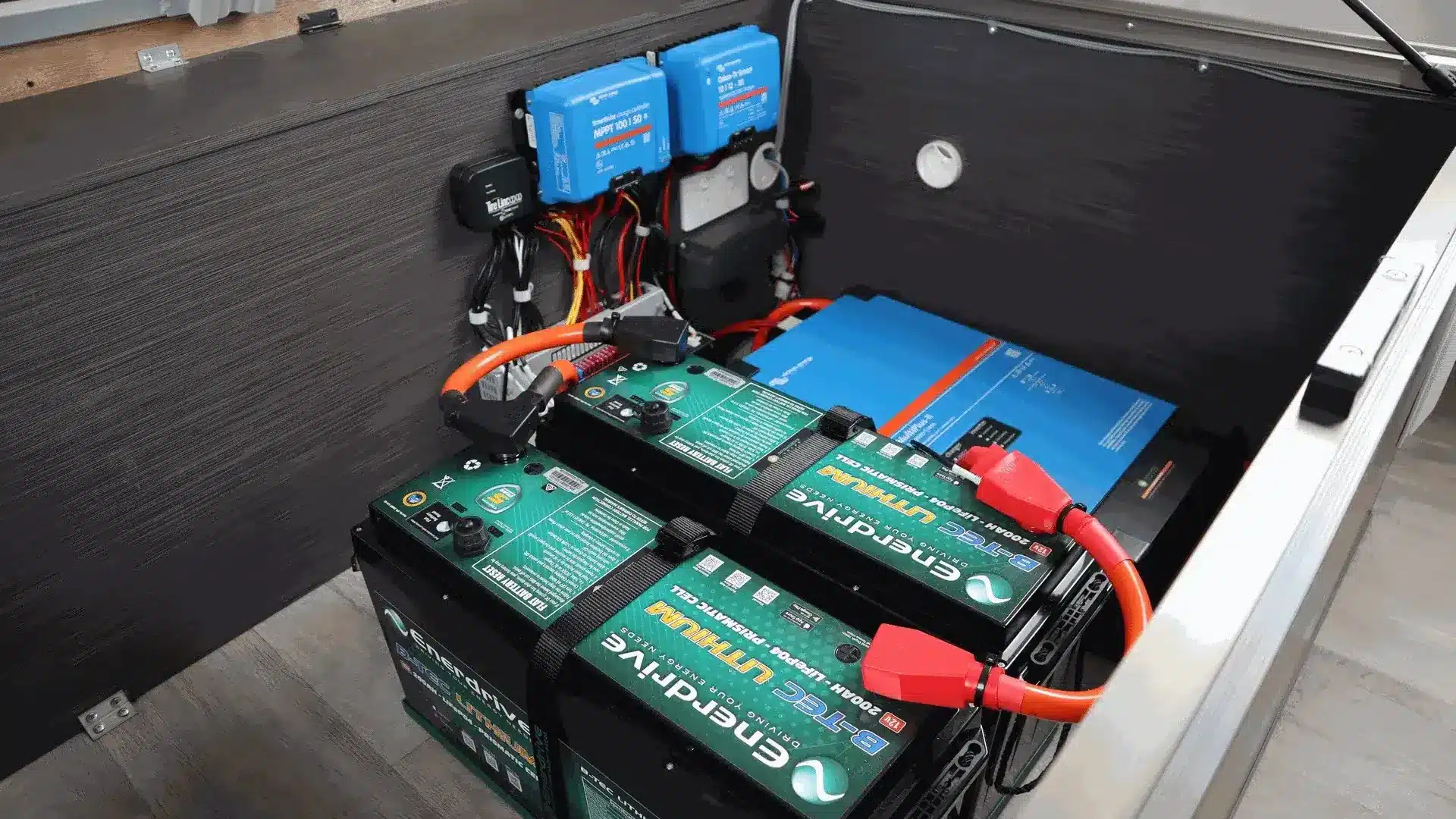
Images: install photo, What's Up Downunder. Product images: Kings, iTechworld, REDARC and Renogy, used for editorial review.