
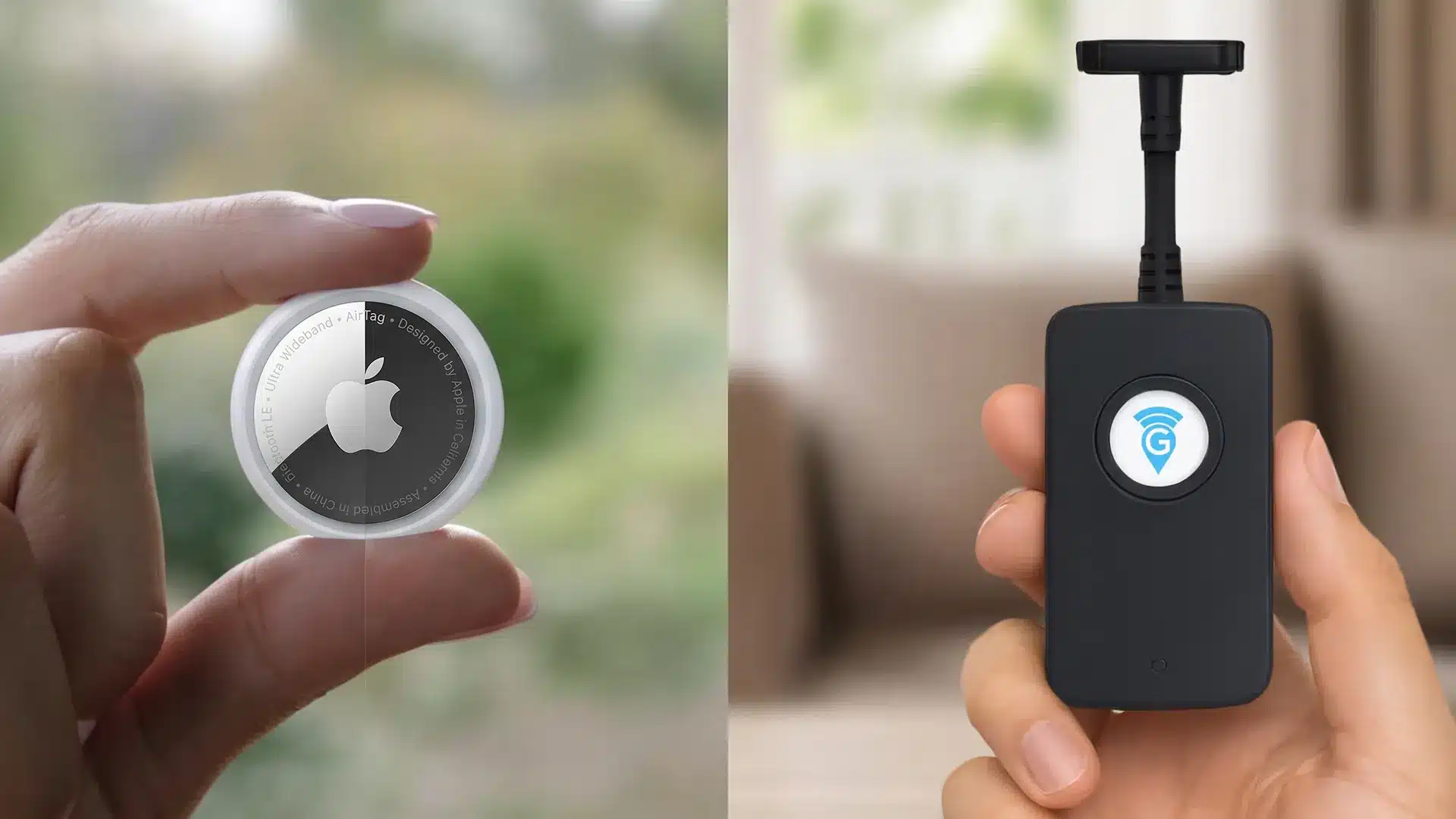

An AirTag costs about the same as half a tank of fuel. A dedicated GPS tracker can cost that much every few months, plus an install.
So the obvious question is whether the cheap option is good enough. The answer comes down to one design decision Apple made deliberately, and most people buying AirTags for their van have no idea about it.
They are not the same kind of device
An AirTag has no GPS chip and no SIM card. It is a Bluetooth beacon. It knows nothing about where it is. Its location comes from other people’s iPhones passing close enough to hear it and quietly report the position back to Apple.
In a busy caravan park, that works. On the Oodnadatta Track, there are no phones to hear it, so there is no position.
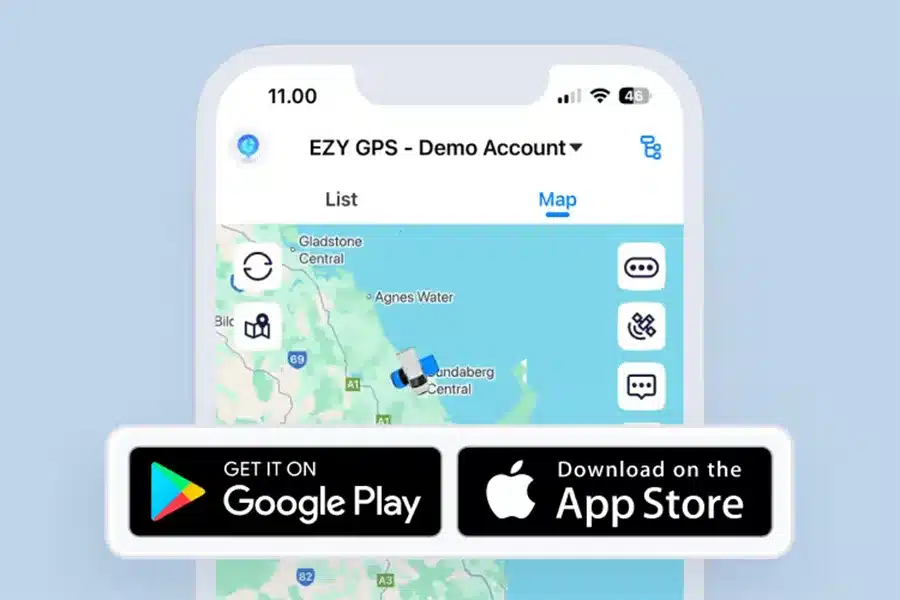
A dedicated caravan tracker is the opposite. It has a satellite receiver and its own 4G connection, so it reports its own position without needing anyone nearby. Most are hardwired into the van’s 12V system with a backup battery, so cutting the power triggers an alert rather than silence.
The bit nobody mentions: AirTags are built to be found
This is the part that matters most, and it is not a flaw. It is the point.
Apple designed AirTags to be detectable, because the alternative is a stalking device. If an AirTag that is not yours travels with you, your iPhone alerts you automatically. Android phones have their own unknown tracker alerts. And an AirTag separated from its owner will eventually chirp to draw attention to itself.
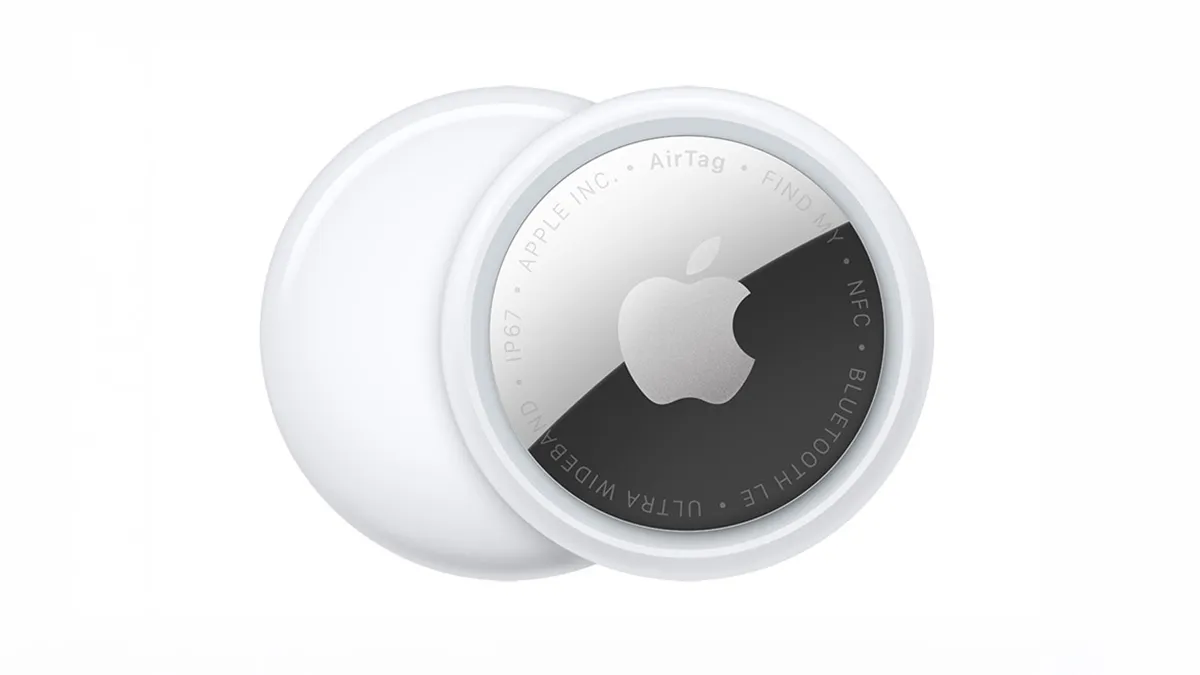
Apple says plainly that these products should not be used to track property that does not belong to you, and that AirTag is designed to be detected.
Read that from the thief’s point of view. Someone tows your van away, their phone tells them a tracker is travelling with them, and Apple’s own instructions walk them through disabling it. Once they do, you stop receiving locations.
A dedicated tracker sends no such invitation.
AirTag or GPS Tracker: The Short Version
Two very different devices that look like the same purchase. Here is what separates them.
Head to head
No GPS, no SIM. Position comes from nearby Apple devices, so it needs people around to work.
Lost propertyReports its own position over the mobile network. Wired to 12V with a backup battery.
Anti-theftAn AirTag travelling with someone triggers an alert on their phone. A dedicated tracker does not.
The deciding factorAirTag has no subscription. Hardwired plans start around $120 plus GST a year, device included.
Plus installWhat actually matters
Where an AirTag still earns its place
Plenty, actually, as long as you are honest about the job.
It is genuinely good at finding things you have misplaced rather than things someone has taken. Tools, an annexe bag, a generator, the kids’ scooters, gear left behind at a site. It is also a reasonable first ping in a populated area, because the Find My network is dense in towns and holiday parks.
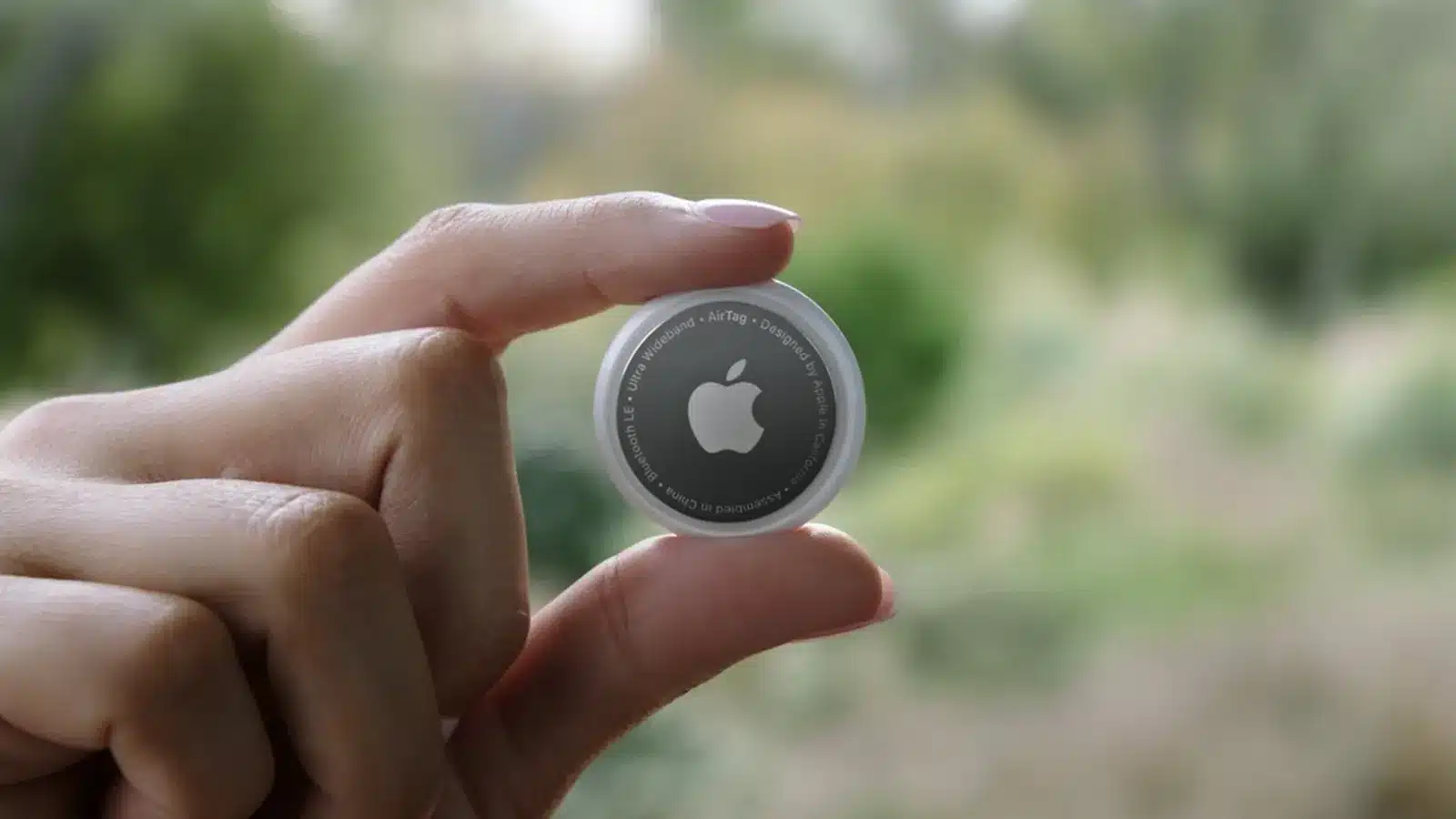
Just do not buy one believing it is an anti-theft device. It is a lost-property device that occasionally helps with theft.
What a proper tracker costs
Expect an annual subscription in the low hundreds. EZY GPS, as one Australian example, lists an annual plan at $120 plus GST per device with the tracker included, and notes that professional installation by a qualified auto electrician typically runs $120 to $150 on top.
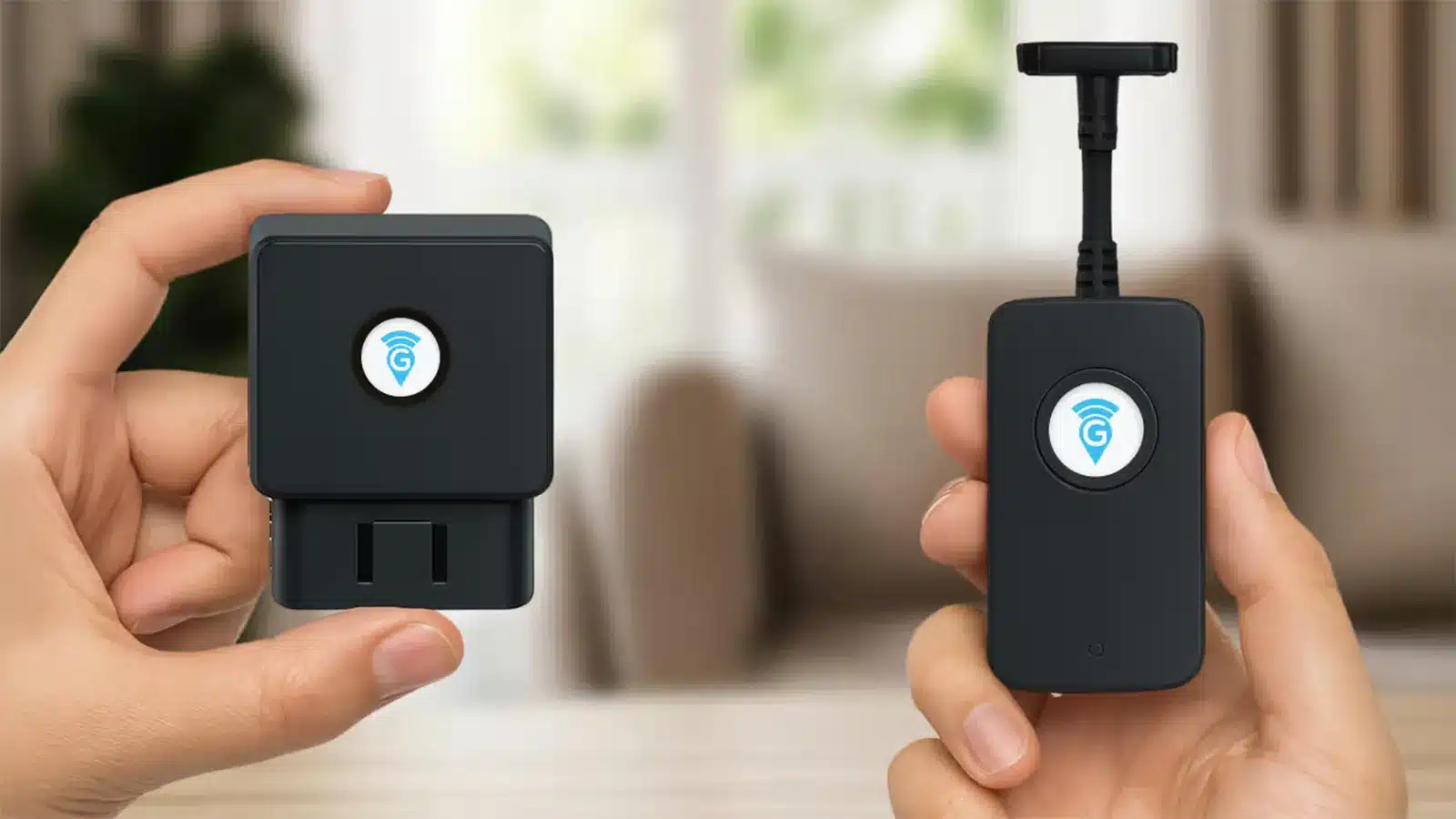
That install requirement is not a sales tactic. Hardwiring into your van’s 12V system is auto-electrical work, and it needs a fused constant feed and a clean earth to be done safely.
Worth asking your insurer about too. Some look favourably on a hardwired tracker, though you should confirm rather than assume. Our guide to what caravan insurance actually covers is a good starting point for that conversation.
Which is better?
If your van lives in a locked garage and you want to find a misplaced toolbag, an AirTag is a sensible $45.
If your van sits in a driveway, a storage yard or a caravan park while you are somewhere else, the AirTag is the wrong tool. Buy the hardwired tracker.
Either way, neither one prevents anything. A tracker improves your odds of telling police where to look. Physical security and the right insurance still do the heavy lifting, and the ownership mistakes that lead to claims are worth reading alongside this.


