
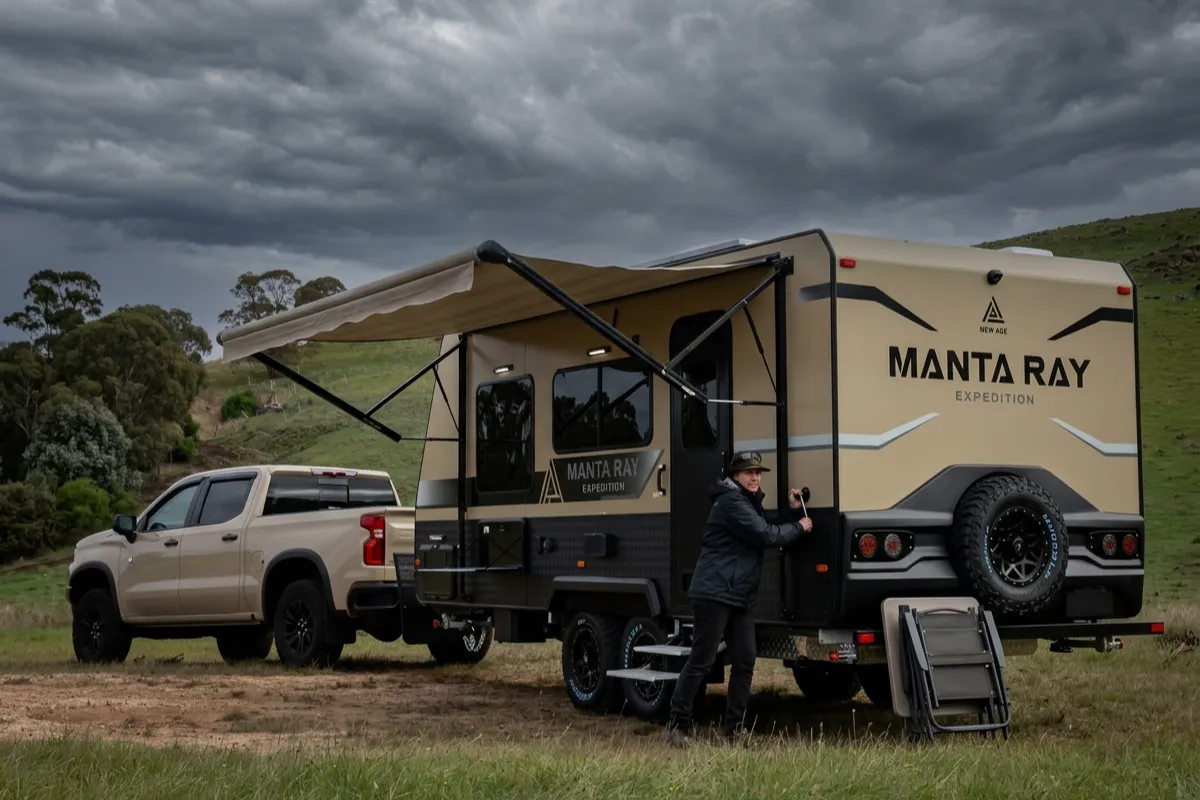
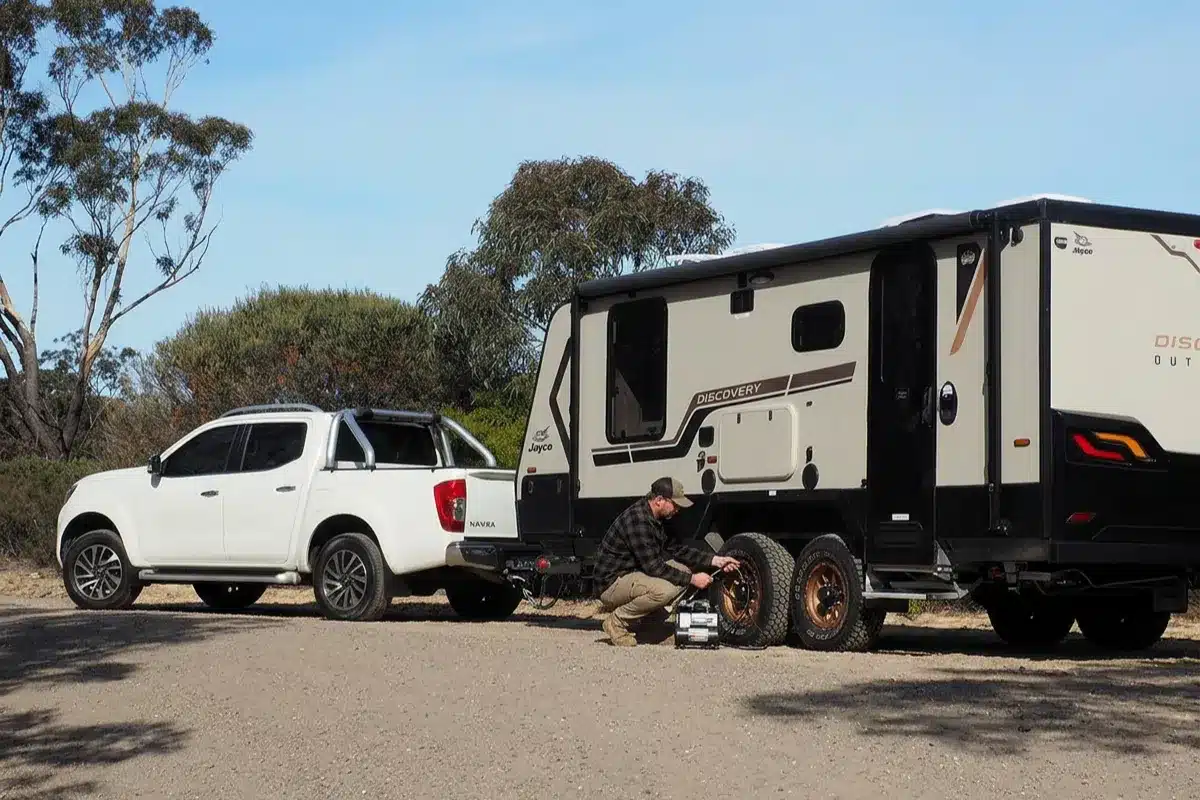


A caravan is not just something you hitch up and forget about. Avoiding common caravan ownership mistakes is important, as it has seals, tyres, brakes, bearings, gas systems, electrical systems, plumbing, locks, awnings, appliances, storage compartments and towing hardware that all need attention.
Most owners do the right thing. But many common problems do not come from one big mistake. They come from small things being missed over time.
A seal is not checked. Tyres age out. A tow ball download is guessed. An awning is left out in strong wind. A battery upgrade is installed but not documented. A van is packed differently to how it was weighed. A small leak goes unnoticed until it becomes a much bigger problem.
That is when everyday ownership mistakes can turn into damage, disruption and insurance conversations.
Mistake 1: Treating maintenance as optional
Caravans work hard. They sit in the weather, travel long distances, deal with vibration, carry weight and often spend months between trips. That means maintenance matters even when the van looks fine from the outside.
The common mistake is only checking the obvious things before a trip: lights, water, gas bottles and tyre pressure. Those are important, but they are only part of the picture.
Owners should also think about:
| – Roof and window seals – Hatch seals – Wheel bearings – Brakes – Suspension – Tyres | – Coupling and safety chains – Electrical connections – Water fittings – Gas appliances – Awning hardware |
Water damage is a good example. It can start small, stay hidden and become expensive before anyone notices.
How to avoid it:
Build a basic maintenance routine. Check the van before every trip, after rough roads and at least annually. Keep service records, receipts and repair notes. If the van has been stored for a while, do not assume it is ready just because it was fine last time.
Mistake 2: Ignoring small leaks
A small leak is rarely just a small leak.
Water can travel behind panels, under flooring, into cupboards and around window or roof openings before it becomes visible. By the time you notice a soft wall, swollen cabinetry, mould smell or damp bedding, the problem may have been building for a while.
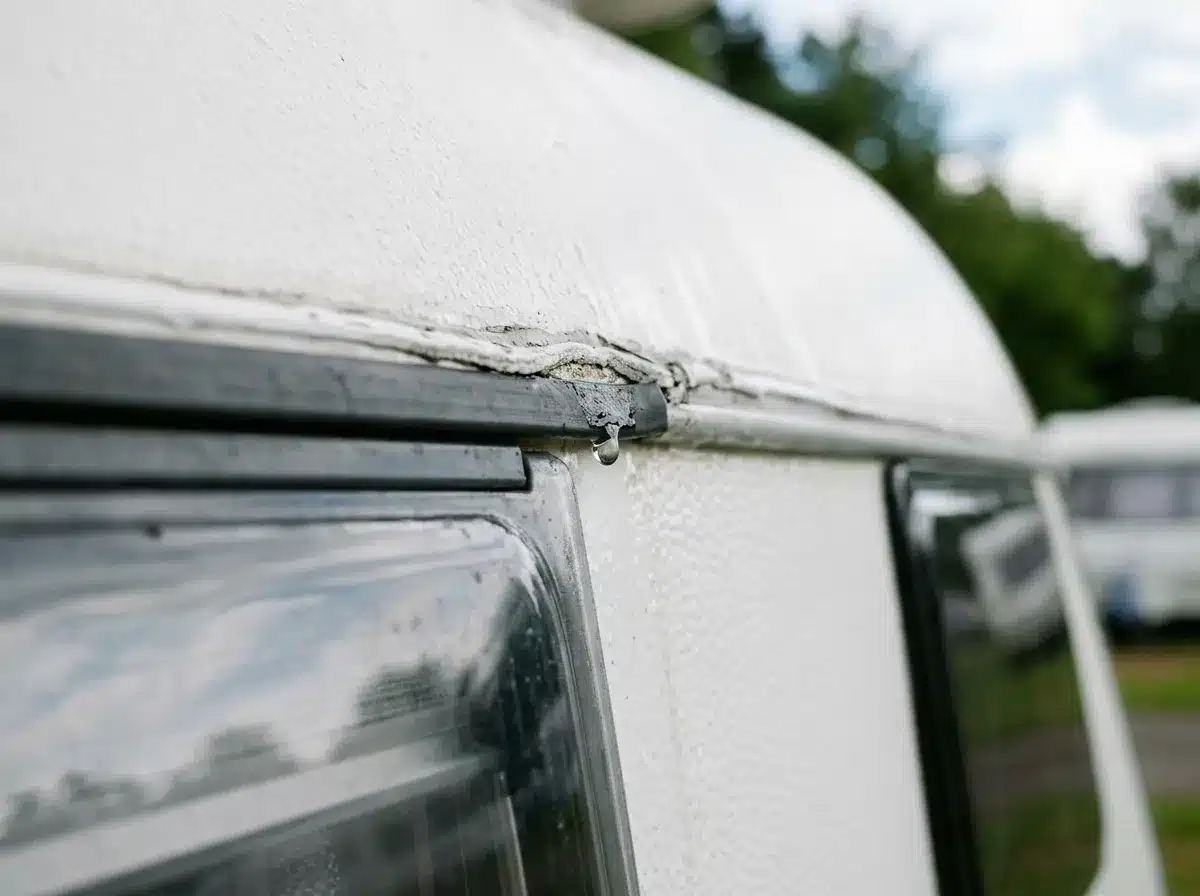
Common leak points include:
| – Roof hatches – Windows – External lockers – Plumbing fittings | – Shower areas – Under-sink connections – Hot water systems – Sealant around roof-mounted accessories |
Leaks can happen because of age, movement, poor sealing, impact, weather exposure or simple wear and tear.
How to avoid it:
Inspect seals regularly. Look for cracks, lifting sealant, soft spots, discolouration, musty smells and damp areas. After heavy rain, check inside cupboards, around beds, under sinks and near external lockers. If you find moisture, investigate it early.
Do not wait for a small leak to become a major repair.
Mistake 3: Towing before you understand the real weight
One of the biggest ownership mistakes is assuming the van is legal and safe because it was sold as towable.
What matters is how it is loaded now.
After purchase, owners often add batteries, solar panels, water tanks, toolboxes, bike racks, appliances, food, clothes, chairs, hoses, bedding, recovery gear and personal items. The van may be very different to its original tare weight.
The key figures to understand are:
- ATM: the maximum legal loaded weight of the caravan
- GTM: the maximum weight carried by the caravan wheels when hitched
- Tow ball mass: the downward load on the tow vehicle
- Payload: how much weight you can add after tare mass
- GVM and GCM: the loaded vehicle limit and combined vehicle-and-caravan limit
A vehicle advertised with a strong towing capacity may still be limited by payload, rear axle load, tow ball download or GCM once passengers, fuel, accessories and luggage are added.
How to avoid it:
Weigh the caravan and tow vehicle when packed for a real trip. Do not rely only on brochure figures. Store heavy items low and secure. Recheck weight after major upgrades or when your travel style changes.
Mistake 4: Loading the van poorly
Even if the total weight is legal, poor weight distribution can create problems.
Too much weight at the rear can affect stability. Too much forward weight can increase tow ball load. Heavy items stored high can affect the centre of gravity. Loose items can move during travel and damage fittings, doors, drawers or appliances.
Poor loading can also make the van harder to control in wind, when overtaking, downhill, or on uneven roads.
How to avoid it:
Keep heavy gear low, centred and secured. Avoid loading too much weight behind the axle. Secure appliances, tables, chairs and loose items before towing. If the van feels unstable, do not just “drive through it”. Stop, reassess the load and get professional advice if needed.
Mistake 5: Leaving the awning out in bad weather
Awnings make camp more comfortable, but they are also one of the easiest things to damage.
Wind can come through quickly. Rain can pool. Storms can arrive while you are away from camp. An awning that looks fine in the morning can become a problem by afternoon.
The mistake is treating the awning like a permanent structure.
It is not.
How to avoid it:
Wind the awning in before leaving camp, before bed if conditions are uncertain, and whenever strong wind or storms are forecast. Secure loose outdoor items, pack away lightweight gear and avoid leaving shade walls, mats, chairs and tables exposed in poor weather.
A few minutes packing up can save a lot of damage.
Mistake 6: Forgetting theft prevention
Caravan security is often treated as something to think about after something goes wrong.
But caravans, accessories and contents can be attractive targets, especially when stored in driveways, yards, parks, free camps or roadside stops.
Theft risk is not only about the van itself. It can also include:
| – Portable fridges – Generators – Bikes – Tools – Electronics | – Camping gear – Gas bottles – Recovery gear – Outdoor cooking equipment |
How to avoid it:
Use hitch locks, wheel locks, door and window locks, storage compartment locks and secure key storage. Do not leave valuables visible through windows. Pack expensive outdoor gear away when unattended. Photograph valuable items and keep serial numbers where useful.
Good security makes theft harder and records easier.
Mistake 7: Not documenting upgrades and contents
A caravan can change a lot after purchase.
Owners add lithium batteries, solar panels, inverters, awnings, annexes, toolboxes, bike racks, diesel heaters, air conditioners, communication gear, water tanks, appliances and storage systems.
The mistake is fitting all of this, then keeping no record of it.
That can make it harder to understand the value of the caravan, explain what has been installed, support servicing, prepare for resale or discuss insurance details.
How to avoid it:
Keep receipts, photos, installation records, serial numbers and compliance paperwork where relevant. Photograph the van after major upgrades, including battery compartments, roof-mounted gear, external lockers and interior appliances.
If your van has changed from its original factory setup, your records should reflect that.
Mistake 8: Skipping pre-trip checks
Many claims and trip problems begin with something that could have been picked up before leaving.
A rushed departure can mean missed tyre pressure, loose hatches, low battery charge, unsecured appliances, open vents, worn tyres, faulty lights or forgotten safety gear.
A simple pre-trip routine can prevent a lot of stress.
How to avoid it:
Before towing, check:
| – Tyre pressure and visible tyre condition – Wheel nuts – Lights and indicators – Coupling and safety chains – Breakaway system, if fitted – Gas bottles turned off for travel | – Hatches, windows and doors secured – Awning locked away – Fridge and appliances secured – Water pump switched off – Loose items packed down – Mirrors and brake controller set correctly |
Do the same routine every time. Good habits are easier than trying to remember everything from scratch.
Mistake 9: Pushing on when conditions change
Weather, roads and fatigue can turn a normal travel day into a risky one.
Strong wind can make towing harder. Heavy rain can reduce visibility. Flooded roads can stop a route completely. Heat can affect tyres and people. Fatigue can slow reactions.
The mistake is pushing on because the booking is made or the destination is “only another hour away”.
How to avoid it:
Check weather and road conditions before leaving. Do not drive through floodwater. Stop early if wind, rain, fire risk or fatigue becomes a problem. Keep fuel and water in reserve. Have a Plan B for overnight stops.
The safest trip is not always the one that sticks to the original plan.
Common ownership mistakes checklist
Before The Next Trip,
Ask These Questions
A better caravan trip often starts before you leave home. Use this checklist to avoid the common ownership mistakes that can lead to damage, stress or costly repairs.
| Ownership area | Mistake to avoid | Better habit |
|---|---|---|
| Maintenance |
Avoid Waiting until something fails |
Do this Service the van regularly and check seals, tyres, brakes and fittings. |
| Water damage |
Avoid Ignoring damp smells or small leaks |
Do this Inspect leak points after rain and repair early. |
| Weight |
Avoid Relying on brochure figures |
Do this Weigh the loaded van and tow vehicle. |
| Loading |
Avoid Packing heavy gear high or at the rear |
Do this Store heavy items low, centred and secure. |
| Awning |
Avoid Leaving it out in wind or storms |
Do this Wind it in before bad weather or leaving camp. |
| Theft |
Avoid Leaving valuables visible or unsecured |
Do this Use locks and store expensive gear out of sight. |
| Upgrades |
Avoid Fitting accessories without records |
Do this Keep receipts, photos and installation paperwork. |
| Pre-trip checks |
Avoid Rushing departure |
Do this Follow the same checklist every time. |
| Conditions |
Avoid Pushing on despite weather or fatigue |
Do this Stop early, reroute or delay when needed. |
The Bottom Line
Most caravan ownership mistakes are not dramatic. They are simple things missed over time.
A seal not checked. A tyre not inspected. A van not weighed. An awning left out. A toolbox overloaded. An upgrade not documented. A policy not reviewed. A warning ignored.
The good news is that many of these issues can be avoided with better habits.
Maintain the van. Weigh it properly. Pack it carefully. Secure the campsite. Keep records. Read your policy documents. Check conditions. And when something doesn’t feel right, stop early and sort it before it becomes a bigger problem.
Caravan ownership should be enjoyable. A little more care before and during the trip can help keep it that way.
Take a look at our guide: Setting Up Your Caravan for Comfortable, Insured Everyday Living
This article was produced with support from CIL Caravan Insurance. What’s Up Downunder maintains full editorial independence.
Disclaimer: This content has been prepared by CIL Insurance, a trading division of AAI Limited ABN 48 005 297 807 AFSL 230859, and is intended to provide general information only. It does not take into account your objectives, financial situation or needs. Before making any decision, consider whether the product is right for you and read the relevant Product Disclosure Statement. The Target Market Determination is also available.
The information is intended to be of a general nature only. Subject to any rights you may have under any law, we do not accept any legal responsibility for any loss or damage, including loss of business or profits or any other indirect loss, incurred as a result of reliance upon it – please make your own enquiries.