


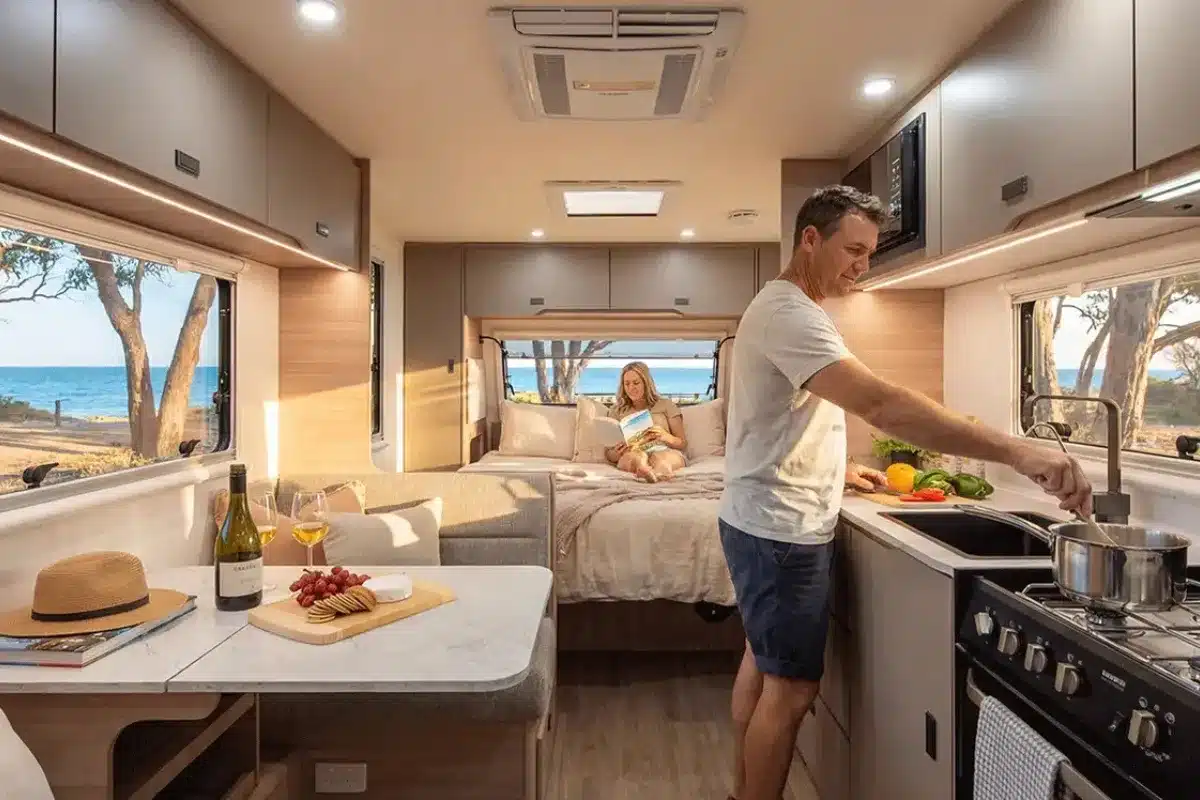
A caravan has become a second living space, a touring base, a mobile office, or the start of long-term travel around Australia. That changes the way a caravan needs to be set up.
Comfort still matters. A good mattress, practical kitchen, smart storage and reliable power can make life on the road much easier. But once your van starts carrying more gear, appliances, personal items and upgrades, you also need to think about weight, safety, value and insurance.
The goal is simple: set the van up properly so everyday travel feels easier, safer and more comfortable.
Everyday Caravan Living Checklist
Before You Rely on Your Caravan as a Regular Living Space
A caravan used for regular weekends, long stays or extended touring needs more than a quick pack-and-go check. Use this list to make sure the van is comfortable, safe, organised and properly documented before it becomes part of everyday life.
| Area to Check | What to Review Before You Travel |
|---|---|
| Living Comfort Storage, bedding, ventilation and general daily use. |
|
| Power & Appliances Battery capacity, charging, inverter use and high-draw items. |
|
| Water & Plumbing Tanks, pumps, hoses, fittings and grey water requirements. |
|
| Outdoor Setup Awning, annexe, mats, chairs and portable gear. |
|
| Insurance & Records Proof of ownership, upgrade records and contents evidence. |
|
From Holiday Mode to Living Mode
A caravan used a few times a year is usually packed differently to one used for regular touring.
Once you start spending more time away, the van fills up quickly. Clothing, tools, cooking gear, electronics, outdoor furniture, recovery gear, bedding, medical devices, laptops and portable appliances can all become part of the normal travel kit.
That is when a van quietly shifts from holiday mode to living mode.
The fridge runs more often. The battery system works harder. Cupboards get fuller. The awning gets used more. The annexe may stay up longer. More devices need charging, and more items stay permanently packed inside the van.
None of this is a problem on its own. The issue starts when the caravan’s layout, payload, power setup and insurance records have not kept up with how the van is now being used.
Start with Weight, Storage and Payload
Comfortable caravan living often starts with storage, but storage is also one of the easiest areas to get wrong.
The more cupboards, drawers, toolboxes and external lockers a caravan has, the easier it is to keep adding gear. Over time, that can push the van closer to its legal weight limits.
Before loading your caravan for regular travel, understand the key numbers.
Tare Mass
This is caravan’s weight when it leaves the manufacturer, usually before personal gear, food, water, gas bottles, accessories or owner-added upgrades are added. It is the starting point, not your real travel weight.
ATM, or Aggregate Trailer Mass
This is the maximum legal weight of the caravan when fully loaded and not connected to the tow vehicle. In simple terms, this is the heaviest your caravan is allowed to be when packed for travel.
GTM, or Gross Trailer Mass
This is the maximum weight carried by the caravan’s wheels when the van is fully loaded and hitched to the tow vehicle. It matters because it relates to the load carried through the caravan’s axle group, wheels, tyres and suspension.
Tow Ball Mass
This is the downward weight the caravan places on the tow vehicle’s tow ball. It affects steering, braking, suspension, rear axle load and towing stability. It also counts as part of the tow vehicle’s load.
Payload Allowance
This is how much weight you can add after tare mass. A simple way to think about it is:
ATM – Tare Mass = Caravan Payload Allowance
That allowance needs to cover water, gas, food, clothes, bedding, tools, cooking gear, batteries, solar upgrades, bike racks, annexes and personal items.
Payload can disappear fast.
Your tow vehicle has limits too, including braked towing capacity, tow ball download, GVM, GCM, rear axle load and tyre load ratings.
A vehicle may be advertised with a 3,500 kg towing capacity, but that does not automatically mean it can tow a 3,500 kg caravan while also carrying passengers, fuel, luggage, accessories and a heavy tow ball load.
The real question is: can the tow vehicle and caravan stay within every limit when both are fully loaded for travel?
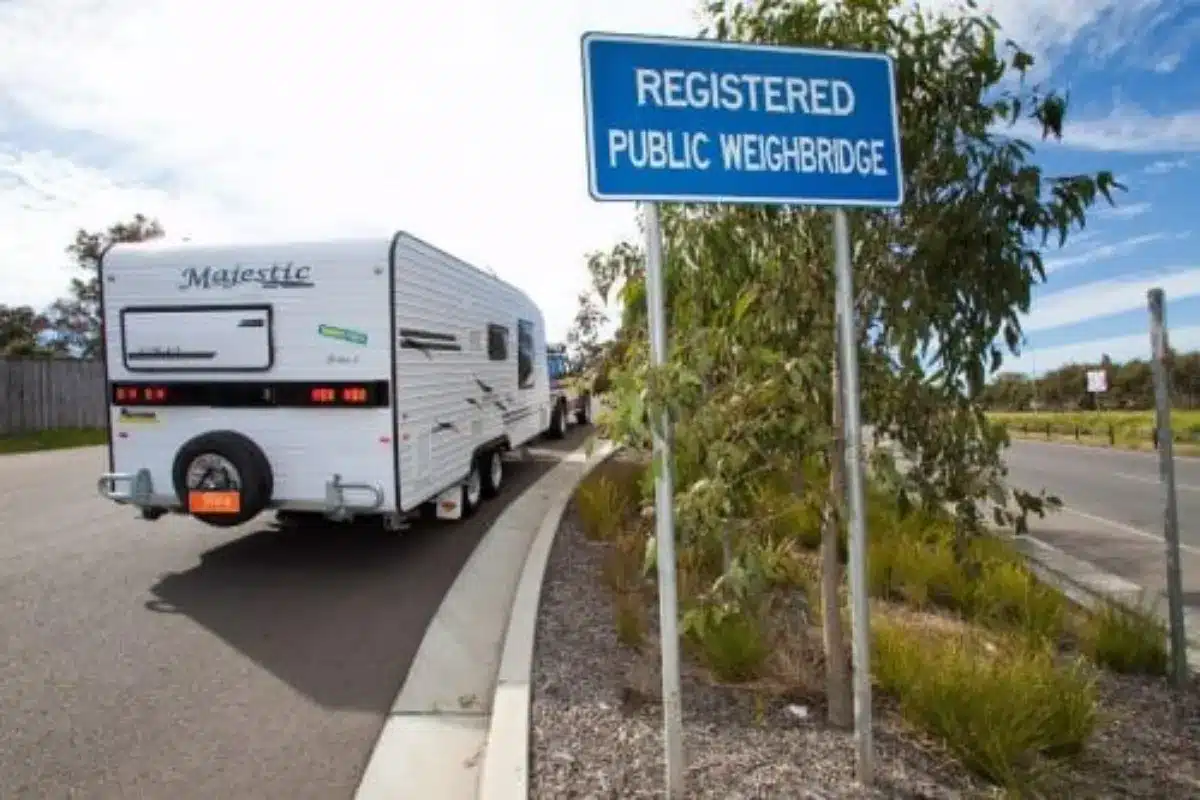
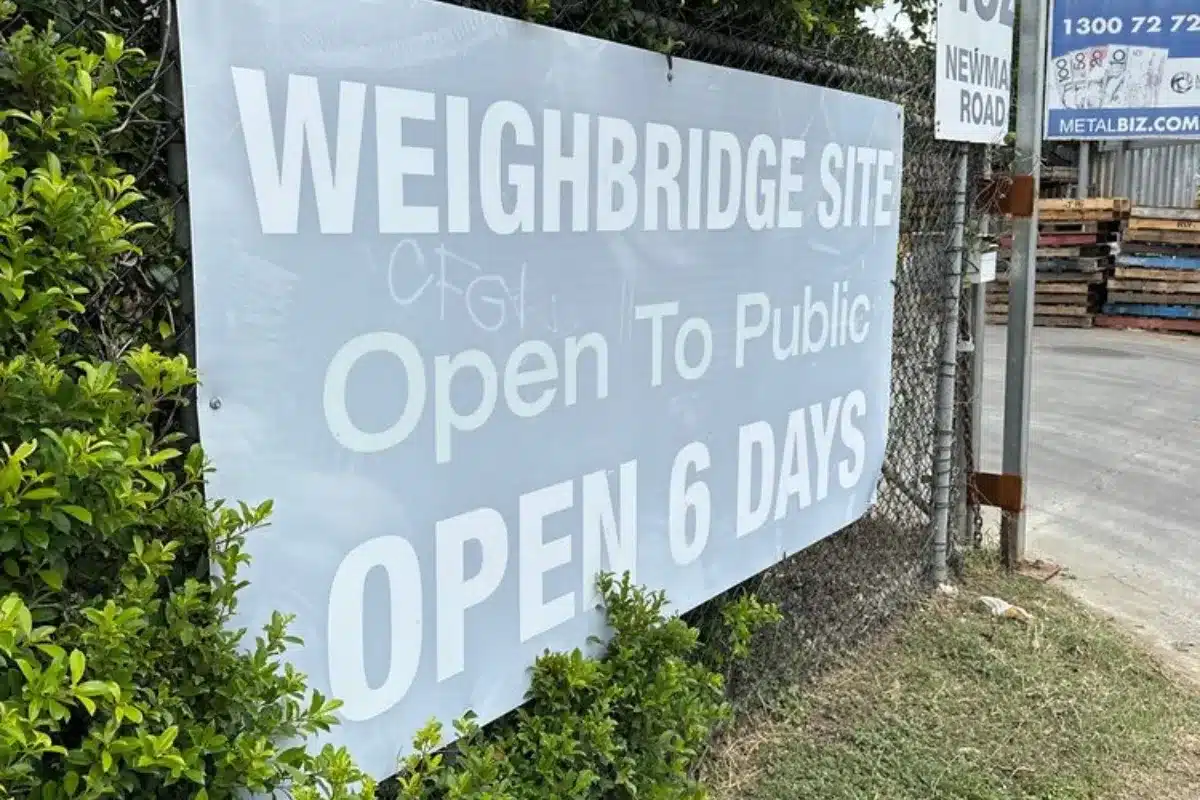
A weighbridge check is one of the best ways to know.
Set the Van Up for the Way You Actually Travel
Not every caravan needs the same setup.
A couple staying mostly in powered caravan parks will have different needs to a family free camping in the outback. A solo traveller working remotely will use power, storage and internet differently again.
Before adding upgrades, be honest about how you actually travel.
Do you mostly stay in caravan parks? Will you free camp regularly?
The best caravan setup is not always the one with the most gear. It is the one that suits your real travel style.
That matters for comfort, but it also matters for records. The more your van changes from its original setup, the more important it becomes to keep track of what has been added, installed, upgraded or permanently carried.
Match Your Power System to Daily Use
Modern caravan life runs on power.
Fridges, lights, fans, pumps, TVs, chargers, laptops, coffee machines, microwaves, induction cooktops and air conditioners all place demand on the system.
For regular use, the power setup needs to work as one complete system, not a collection of separate add-ons.
That means checking battery capacity, solar input, inverter size, charger compatibility, wiring suitability, ventilation, appliance draw and installation records.
A bigger battery does not automatically mean you can run everything. A larger inverter does not mean the wiring, chargers and battery management system are suited to the load.
This matters for comfort because poor system design can lead to cut-outs, flat batteries and unreliable appliances. It also matters for safety and insurance because major electrical upgrades can change the caravan’s value and risk profile.
If lithium batteries, solar panels, inverters or 240V systems have been added, keep receipts, photos, installation records and compliance paperwork where relevant.
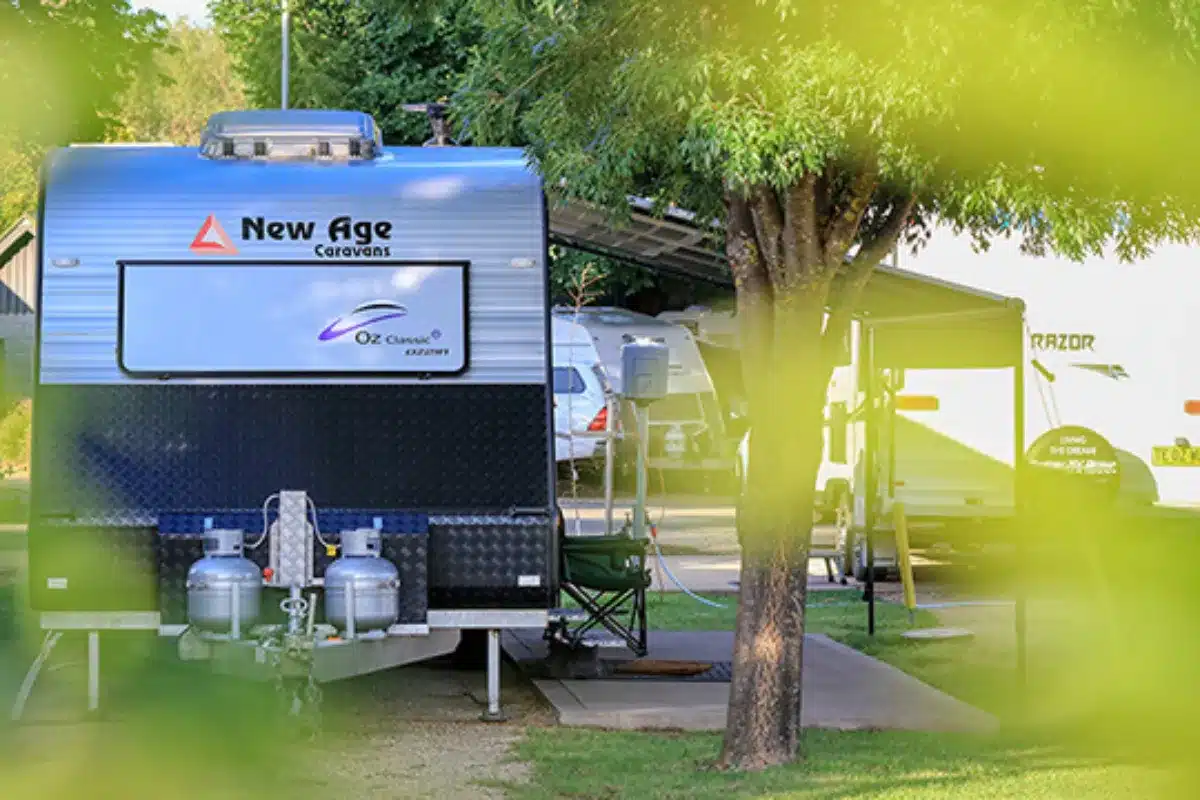
Keep Water, Kitchen and Plumbing Practical
Water is one of the biggest comfort factors in a caravan, but for everyday living, tank size is only part of the picture.
The full system matters: fresh water, grey water, water pump, hot water service, hoses, fittings, filters and leak points.
Small leaks can cause major damage if they go unnoticed. A loose fitting under the sink, a cracked hose connection or a poorly sealed hatch can lead to damage inside cabinetry, flooring or wall panels.
If you use your van regularly, check plumbing areas often. Look under sinks, around the shower,
near the hot water system and inside storage compartments.
The same practical thinking applies to the kitchen.
A caravan kitchen needs to work hard in a small space. The best everyday setups reduce clutter and make daily routines easier. Think nesting cookware, stackable containers, non-slip drawer liners, secure pantry storage, lightweight plates, compact appliances and clear bench space.
Be careful before adding too many high-draw appliances. A microwave, induction cooktop, air fryer, toaster and coffee machine might all be useful, but they add weight, take up space and increase power demand.
Do Not Underestimate Contents
It is easy to underestimate how much value sits inside a caravan once it is set up for regular use.
Bedding, outdoor chairs, privacy screens, fans, heaters, tools, cooking gear, clothes, electronics, appliances and personal items all add up.
A simple contents record is worth having.
Take photos of the caravan when packed. Photograph cupboards, drawers and external lockers. Keep receipts for higher-value items. Record serial numbers for electronics. List permanent and portable gear that stays in the van.
This makes it easier to understand what is actually being carried and whether your insurance still reflects your setup.
Secure the Outdoor Setup
For many travellers, the outdoor setup is half the lifestyle.
Awnings, annexes, mats, chairs, tables, barbecues, portable fridges, lighting and shade walls all make camp more comfortable. They also face weather, theft and storage risks.
Pack awnings and annexes down in poor weather, especially wind or storms. Do not leave loose outdoor gear unsecured when you leave camp. Store portable fridges, tools and electronics safely when not in use.
Security Should Be Part of the Setup
A regularly used caravan may spend time in caravan parks, driveways, storage yards, roadside stops and free camps.
Security should not be an afterthought.
Consider hitch locks, wheel locks, door and window locks, storage compartment locks, tracking devices, alarms, careful parking choices and secure key storage.
Also watch the simple things. Do not leave valuables visible through windows, don’t leave expensive gear outside overnight and lastly, don’t store keys in obvious places.
Good security makes the caravan harder to steal, harder to access and easier to identify if something goes wrong.

Document Upgrades and Modifications
Everyday caravan living often leads to upgrades.
Common additions include lithium batteries, solar panels, inverters, extra water tanks, toolboxes, bike racks, awnings, annexes, suspension changes, dust reduction systems, air conditioning, diesel heaters and communication gear.
These can improve comfort, but they may also change the caravan’s weight, value and risk profile.
Keep records of what was installed, who installed it, when it was installed, what it cost and whether certification was required.
This is especially important if the caravan has moved well beyond its original factory specification.
Check Whether Your Insurance Still Reflects the Van You Own
A caravan can change a lot after purchase.
The original insured value or policy details may have reflected a standard van. After years of upgrades, accessories and everyday living gear, that may no longer be accurate.
Consider whether your insurer needs to know about major electrical upgrades, added solar or battery systems, structural changes, high-value accessories, permanent fixtures, contents kept in the caravan, changed storage arrangements or changed usage patterns.
That does not mean every small item needs a policy update. But major changes should not be ignored.
The key question is simple:
If something happened to the caravan, would your records and insurance details reflect what was actually fitted, stored and used?
If the answer is no, it is worth reviewing.
The Bottom Line
Setting up a caravan for comfortable everyday living is about more than making it feel like home.
It is about building a setup that travels safely, works properly, stays within legal limits and reflects the real value of what is inside and attached to the van.
The more your caravan becomes part of everyday life, the more important it is to think about the full picture: weight, storage, power, water, security, contents, upgrades and insurance.
A well-set-up caravan does not just make travel more comfortable. It helps you understand what you are carrying, what you are relying on and what may need.
This article was produced with support from CIL Caravan Insurance. What’s Up Downunder maintains full editorial independence.
Disclaimer: This content has been prepared by CIL Insurance, a trading division of AAI Limited ABN 48 005 297 807 AFSL 230859, and is intended to provide general information only. It does not take into account your objectives, financial situation or needs. Before making any decision, consider whether the product is right for you and read the relevant Product Disclosure Statement. The Target Market Determination is also available.
The information is intended to be of a general nature only. Subject to any rights you may have under any law, we do not accept any legal responsibility for any loss or damage, including loss of business or profits or any other indirect loss, incurred as a result of reliance upon it – please make your own enquiries.