


Caravan insurance is one of those things many owners organise, file away and hope they never need. But if something does happen, the details matter.
A storm rolls through camp. A stone damages a window. A van is stolen from storage. Water gets in through a damaged seal. An awning is damaged in wind. A portable fridge, tools or camping gear go missing. A towing incident damages both the caravan and another vehicle.
That is when many owners start asking the big question:
What does my caravan insurance actually include?
The answer depends on your policy, level of cover, listed details, optional covers, limits, exclusions and the circumstances of the event. That is why the Product Disclosure Statement, policy schedule and any updates from your insurer matter.
CIL’s website advises customers to consider the Product Disclosure Statement before deciding whether to purchase the product, and notes that the Target Market Determination is also available. CIL’s FAQ also directs customers to refer to the PDS to find out what is covered by CIL Caravan Insurance.
This guide is not a replacement for reading your policy documents. It is a practical starting point for understanding the types of things caravan owners should check before they travel.
Caravan insurance is not just about the van
When people think about caravan insurance, they usually think about the caravan itself. That is part of it, but a touring setup can include much more.
A caravan may carry appliances, bedding, cooking gear, tools, hoses, chairs, portable fridges, electronics, bikes, annexes, awnings, batteries, solar systems and other accessories. Some of those items may be permanently fitted. Others may be portable. Some may be listed. Some may fall under contents. Some may have limits. Some may need to be added or discussed with your insurer.
That is why it is useful to think about cover in layers. There is the caravan structure itself, but there may also be fixtures, fittings, accessories, upgrades, contents, annexe equipment, awnings, legal liability, theft, accidental damage, weather-related events and emergency costs to consider.
The most important habit is simple: do not assume. Check.
Start with the caravan insurance cover policy schedule
Your policy schedule is one of the most important insurance documents you have.
It usually sets out key details such as the insured item, agreed or listed values where applicable, excesses, optional covers, listed accessories, policy dates, storage address and other policy-specific information. For caravan owners, the schedule should be checked whenever the van changes.
That could mean after adding solar panels, upgrading to lithium batteries, fitting an inverter, adding an annexe, installing a diesel heater, adding a toolbox or bike rack, changing storage location, changing how the caravan is used, or regularly carrying high-value contents.
A caravan can change a lot after purchase. The policy details that made sense when the van was standard may not reflect the van five years later. If your caravan has been upgraded, modified or regularly carries expensive gear, it is worth checking whether your policy schedule still reflects what you own.
What may be included: damage to the caravan
Comprehensive caravan insurance is generally designed to respond to loss or damage to the insured caravan, subject to the policy terms, limits, conditions and exclusions.
CIL’s caravan insurance page says CIL can provide cover for your caravan anywhere in Australia against events including hail, storm including cyclone and flood, accidental loss or damage, theft and attempted theft, fire and explosion, and motor burnout. Limits, conditions and exclusions apply, so owners should always check the PDS and policy schedule for their own situation.
For owners, this is where wording matters. Do not just ask, “Am I insured?” Ask what events are covered, what events are excluded, whether limits apply, what excess may be payable, and what evidence might be needed if a claim is lodged.
The PDS is where those details sit.
Weather events: storm, hail, flood and fire
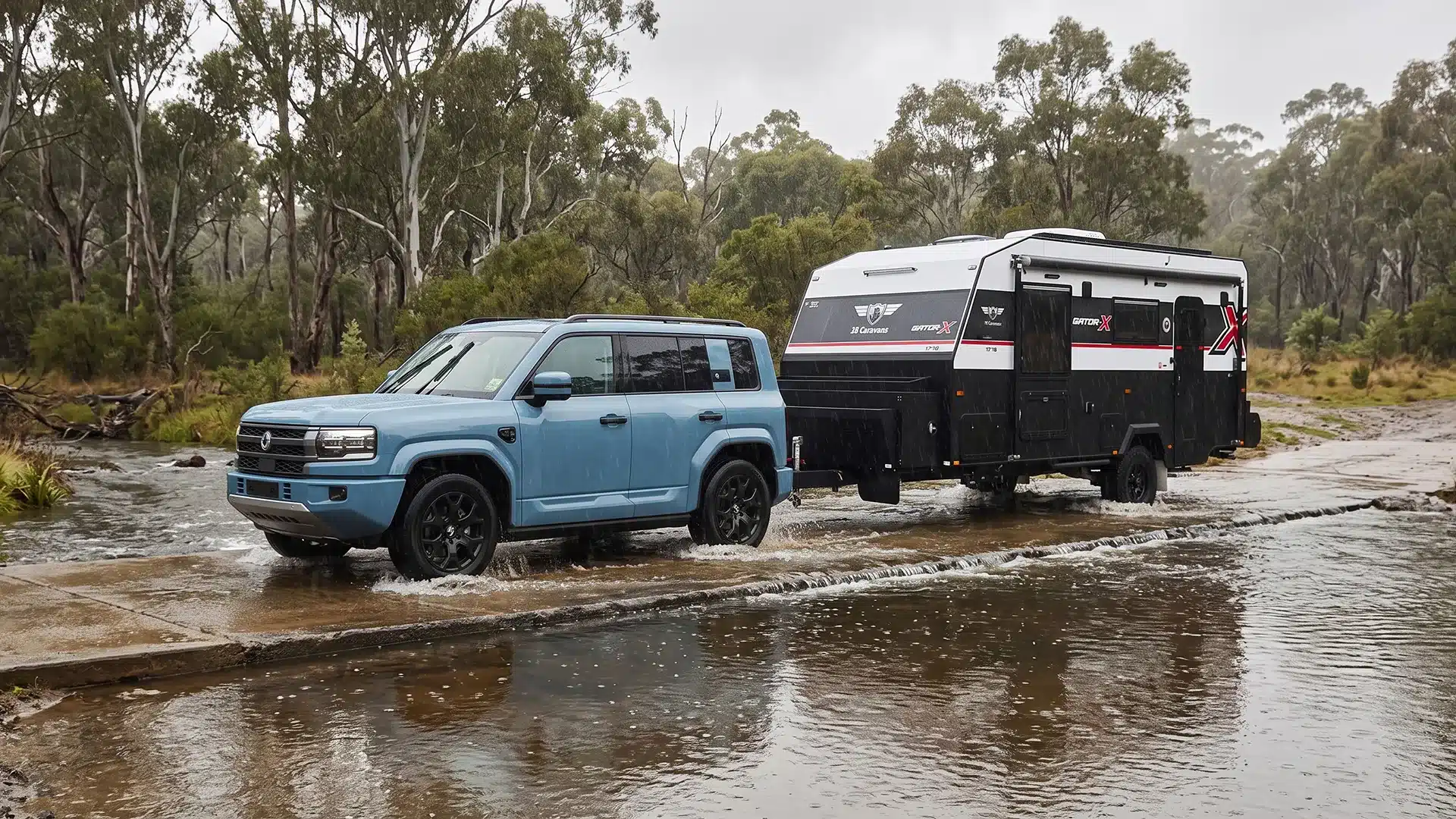
Australian touring means dealing with weather. Storms, hail, flood, fire and strong wind can all affect caravans. A van may be damaged while towing, while parked at a caravan park, while stored at home or while sitting in a storage yard.
CIL’s public caravan insurance page lists hail, storm including cyclone and flood, fire and explosion among events its caravan insurance can provide cover against. However, the exact cover depends on the relevant PDS, policy schedule, limits, conditions and exclusions.
Owners should pay particular attention to how the policy treats flood, storm, hail, fire, cyclone-related damage, awnings, annexes, outdoor gear, contents, wear and tear, poor maintenance and any waiting periods that may apply.
It is also worth remembering that weather preparation still matters. Insurance is not a substitute for winding in the awning, securing loose gear, avoiding floodwater, leaving fire-risk areas early when advised or maintaining the caravan properly.
Theft and attempted theft
Caravans can be attractive targets. The van itself may be stolen, or thieves may target portable items such as bikes, generators, tools, fridges, electronics, outdoor cooking gear or recovery equipment.
CIL’s caravan insurance page lists theft and attempted theft among the events its caravan insurance can provide cover against, subject to policy terms. For owners, the practical question is not only whether theft is covered. It is also how theft-related items are treated under the policy.
Check whether contents are included, whether limits apply, whether certain items need to be listed, whether items are covered inside or outside the caravan, how accessories are treated, and whether locks, security or storage conditions matter.
Good habits help. Use hitch locks, wheel locks, door locks and storage compartment locks. Keep expensive portable gear out of sight. Record serial numbers. Photograph valuable items. Store keys carefully. The better your records, the easier it is to explain what was owned and what happened.
Contents: the area owners often underestimate
Many caravans are worth far more than the van itself once they are packed for travel. Inside the van may be bedding, kitchen gear, portable appliances, clothing, electronics, tools, camping equipment, medical devices, hobby gear and personal items.
Individually, these may not feel like major purchases. Together, they can add up quickly. This is where owners should check how contents are treated. Look at whether contents are included, what the contents limit is, whether that limit is enough, whether certain items are excluded, whether high-value items need to be listed, and whether items outside the caravan are treated differently.
The simplest habit is to create a contents record.
Take photos of cupboards, drawers and external lockers when the caravan is packed. Keep receipts for high-value items. Record serial numbers for electronics. Update the record when gear changes. This is useful for insurance, but also for maintenance, packing, resale and trip planning.
Accessories, modifications and upgrades
Caravans rarely stay standard. Owners add solar panels, lithium batteries, inverters, bike racks, awnings, annexes, water tanks, toolboxes, diesel heaters, suspension upgrades, air conditioners, reversing cameras, communications gear and storage systems.
These upgrades can improve the van, but they can also change its value, weight, risk profile and documentation needs.
Some items may be considered fixtures. Some may be accessories. Some may need to be noted on the policy. Some may have limits. Some may affect how the caravan is used, stored or valued.
Before and after major upgrades, check whether the upgrade should be listed, whether the insured value should be reviewed, whether installation records are needed, and whether the item affects weight, towing limits, storage or usage.
Keep receipts, photos, serial numbers and installation paperwork.
If your van has moved well beyond the factory setup, your records should show that.
Annexe, awnings and outdoor gear
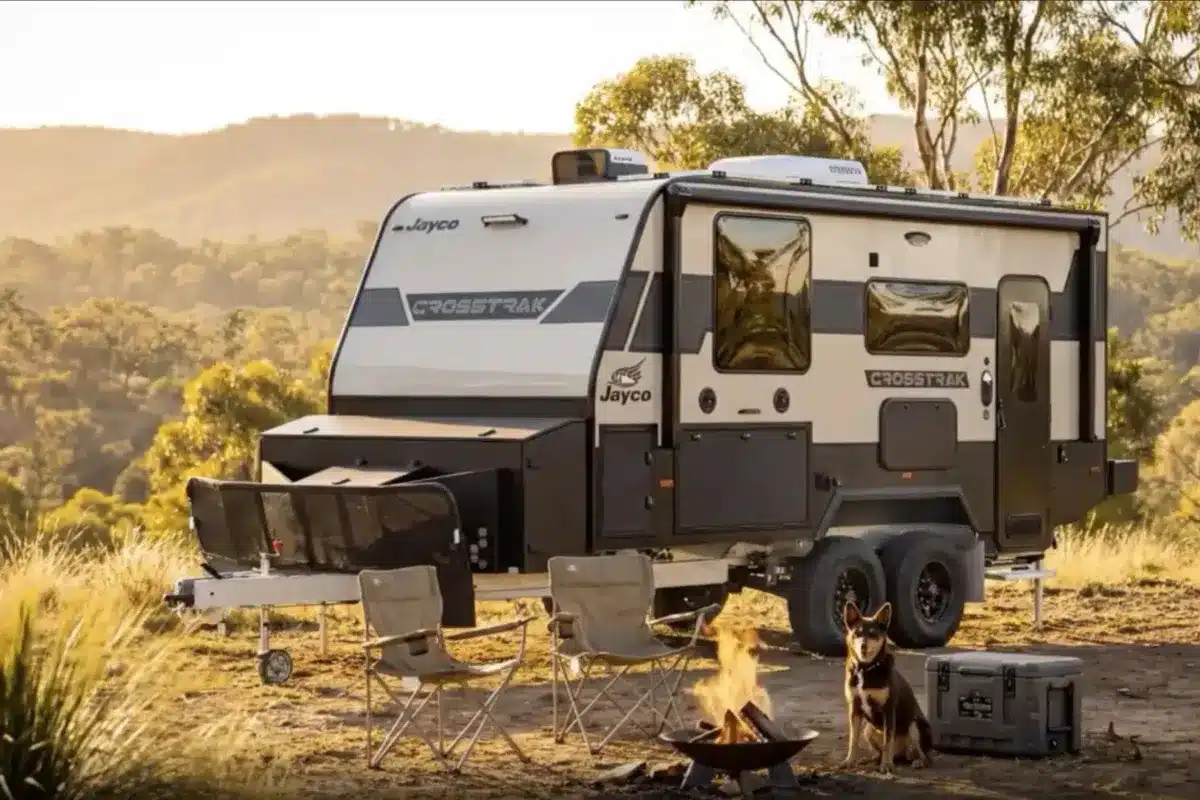
Awnings and annexes are part of the caravan lifestyle, but they are also common sources of damage. Wind, storms, falling branches, poor setup, wear and tear or accidental impact can all cause problems.
Owners should check how their policy treats awnings, annexes, shade walls, poles, ropes, mats, outdoor furniture, cooking gear, portable fridges and items left outside the caravan. Do not assume everything outside the van is treated the same way as something stored inside it.
The safer habit is to pack down before strong weather, secure loose items and avoid leaving expensive gear unattended outside.
Towing, recovery and emergency costs
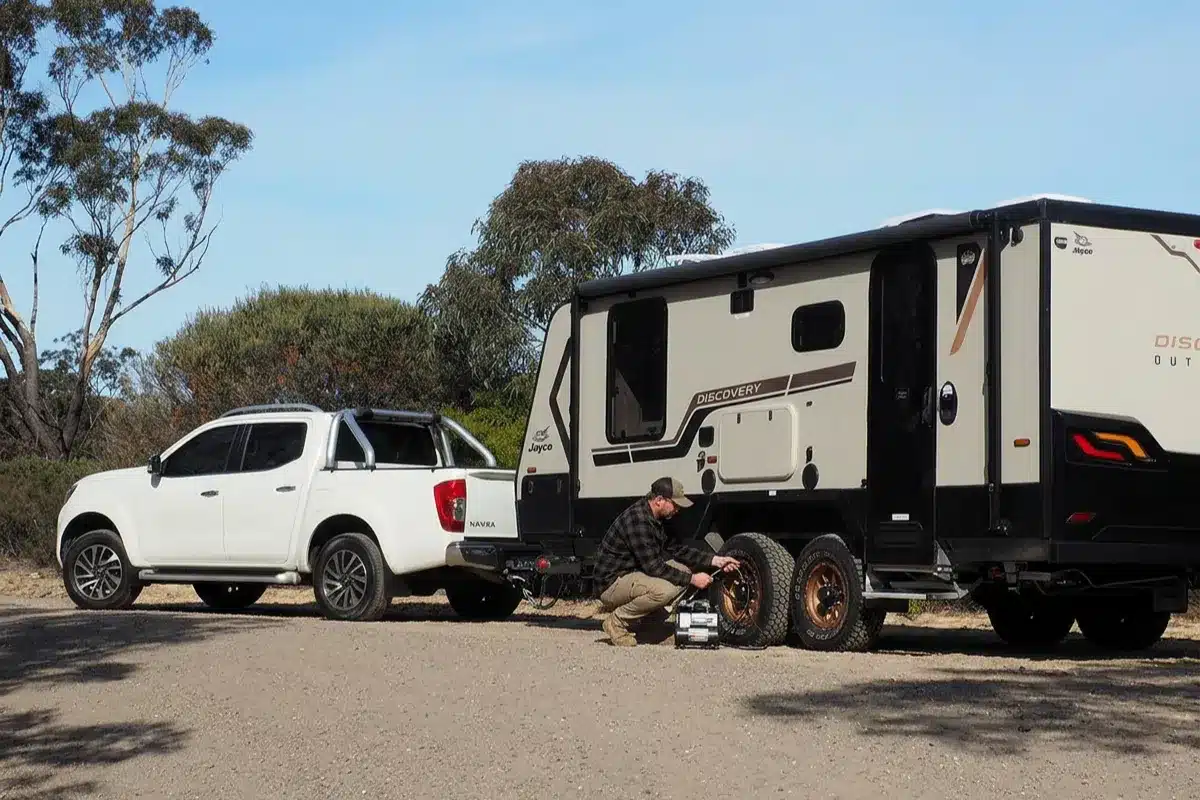
A caravan claim may not only involve repairing the van. There may be towing, recovery, temporary storage, emergency repairs, travel interruption, accommodation or transport issues. These areas can vary between policies, so they should be checked carefully.
Before a trip, understand whether towing or recovery is included, whether emergency repairs are covered, whether limits apply, whether accommodation or transport may be included, and whether approval is needed before work is arranged.
CIL’s online claims page says it is handy to have details about what happened and any damage, plus the name, address and registration of anyone else involved when lodging a claim.
Before a trip, save your insurer’s claims number, roadside assistance details and policy number somewhere accessible, including offline.
Legal liability
Legal liability is another part of cover owners should understand. This can matter if your caravan causes damage to someone else’s property or injury to another person, depending on the policy and circumstances.
For example, a towing incident, campsite accident or caravan-related damage may raise questions about liability.
Owners should check whether legal liability is included, the limit of liability, when it applies, when it does not apply, and whether it applies while towing, parked, stored or at camp.
Do not admit fault at the scene. Make sure everyone is safe, exchange details where required, take photos, collect witness information if possible and contact your insurer for guidance.
What caravan insurance may not include
This is the part every owner should read carefully. Insurance policies do not cover every situation.
Exclusions, limits and conditions vary, but owners should commonly check wording around wear and tear, gradual deterioration, rust or corrosion, lack of maintenance, existing damage, illegal or unsafe use, overloading, unroadworthy condition, unauthorised modifications, business or hire use, contents limits, items left unsecured, flood or storm definitions, driving through floodwater and storage requirements.
The point is not to guess what is excluded. The point is to read the PDS and ask questions before a problem occurs.
CIL’s website repeatedly directs customers to read the Product Disclosure Statement before making a decision about its products, and notes that the Target Market Determination is available.
The records every caravan owner should keep
Good records are one of the easiest ways to make caravan ownership simpler.
Keep a digital or physical folder with your policy schedule, PDS, purchase documents, registration details, service records, repair invoices, upgrade receipts, installation certificates where relevant, photos of the caravan exterior and interior, photos of awnings and accessories, a contents list, serial numbers for high-value items and emergency contacts.
Update this after major trips, upgrades, repairs or gear changes. A few minutes of record-keeping can save a lot of stress later.
Understanding Your Cover Checklist
Before your next trip, take a few minutes to check whether your caravan insurance still reflects the van you actually own, carry and use.
Policy basics
Check that:
- your policy is current
- the insured caravan details are correct
- your policy schedule lists the right make, model and year
- the insured value still reflects the caravan and major upgrades
- your storage details are correct
- you understand the excess that may apply
Caravan, accessories and upgrades
If you have added gear or changed the van since taking out the policy, check whether those changes need to be recorded or listed.
Keep installation records, receipts and photos, especially for major upgrades.
Contents and personal gear
Check whether contents are included and what limits apply.
Photograph valuable items and keep receipts or serial numbers where useful.
Weather, theft and damage
Review how your policy treats different conditions.
Make sure you understand any limits, exclusions or conditions that may apply, and what evidence may be needed if damage occurs.
Claims and emergency information
Before you leave, make sure you have easy access to:
- your insurer’s claims number
- your policy number
- roadside assistance details, if applicable
- digital or printed copies of key insurance documents
Contact your insurer before travelling if anything is unclear.
A caravan can change a lot after purchase. The more gear, accessories and upgrades you add, the more important it becomes to keep your records and policy details up to date.
Caravan insurance is not just a box to tick before a trip.
It is something owners should understand, review and keep up to date as the caravan changes.
Your cover may help protect the caravan, accessories, contents, weather damage, theft, accidental damage, liability and emergency costs, depending on the policy. But the exact answer is always in the PDS, policy schedule, limits, conditions and exclusions.
Do not wait until something goes wrong to find out what your cover says.
Read the documents. Keep records. Photograph the van and contents. Update details after major upgrades. Ask questions if you are unsure.
A little time spent understanding your cover before you travel can make a difficult situation much easier to manage later.
Take a look at more CIL Tips Here
This article was produced with support from CIL Caravan Insurance. What’s Up Downunder maintains full editorial independence.
Disclaimer: This content has been prepared by CIL Insurance, a trading division of AAI Limited ABN 48 005 297 807 AFSL 230859, and is intended to provide general information only. It does not take into account your objectives, financial situation or needs. Before making any decision, consider whether the product is right for you and read the relevant Product Disclosure Statement. The Target Market Determination is also available.
The information is intended to be of a general nature only. Subject to any rights you may have under any law, we do not accept any legal responsibility for any loss or damage, including loss of business or profits or any other indirect loss, incurred as a result of reliance upon it – please make your own enquiries.