
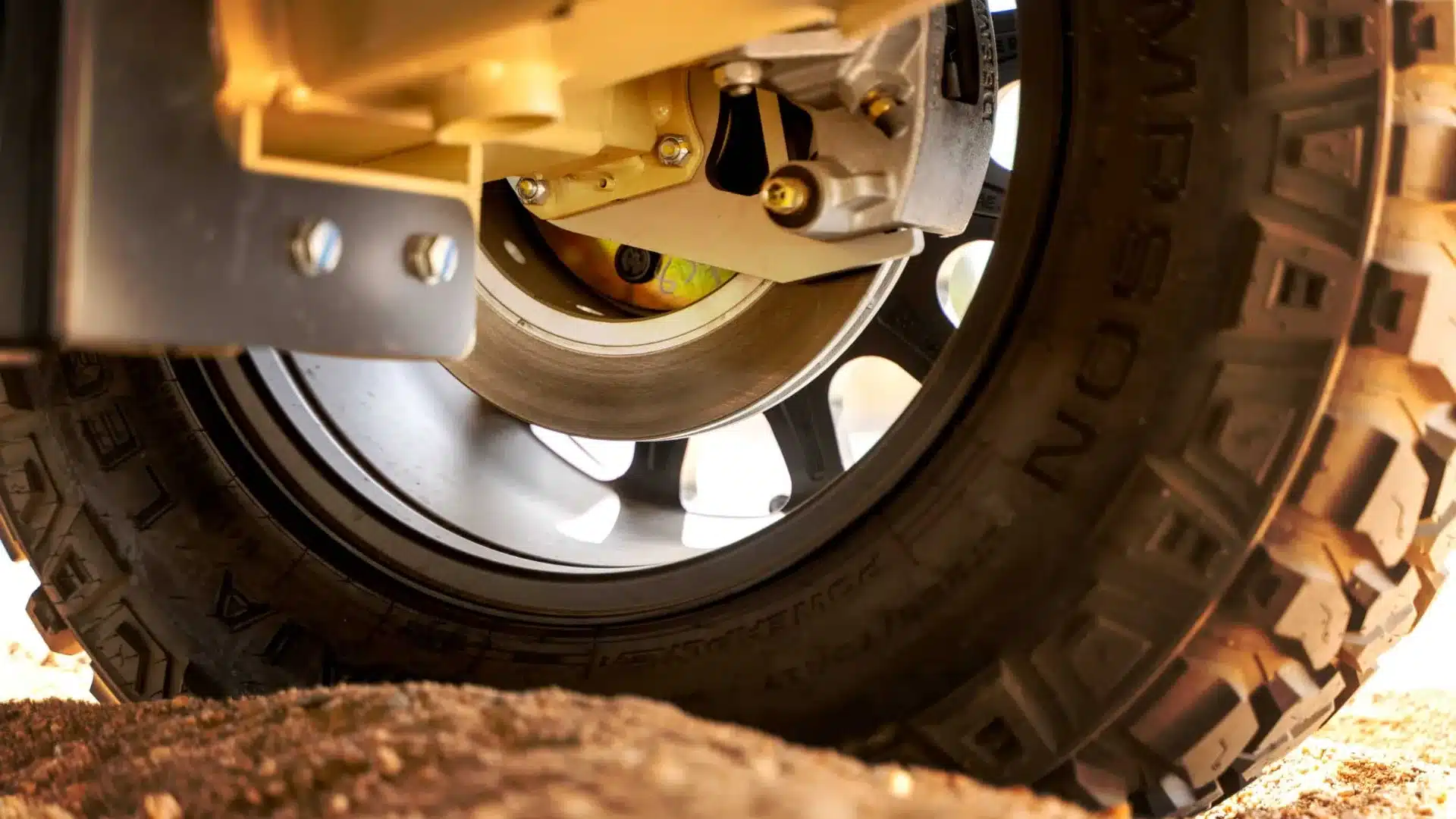

Most of the Australian chassis, suspension and caravan makers we checked say to service caravan wheel bearings every 10,000km or 12 months, whichever comes first. AL-KO halves that to 6 months or 5,000km for vans used off-road or in hot, dusty, flooded, corrosive or muddy conditions, and suggests the same shorter schedule for vans that sit in storage.
That’s the cheap part of the story. The expensive part is what happens when a bearing fails a long way from a mechanic, and how far a top-tier roadside plan’s towing cap actually reaches.
How often should caravan wheel bearings be serviced?
Here’s what the makers’ own documents say. The first check comes early, while new running gear settles in.
| Source | Normal use | Off-road or harsh |
|---|---|---|
| AL-KO chassis handbook | 12 months or 10,000km | 6 months or 5,000km |
| AL-KO electric brake axles | 10,000km or 12 months; first service at 300 to 1,000km | Not stated |
| Cruisemaster (CIS-012) | Check after the first 1,000km, then every 6 months or 10,000km | At least every 5,000km off-road (XT user guide) |
| Jayco service book | First service at 1,000km or 3 months, then 10,000km or 12 months | Not stated |
Cruisemaster’s own suspension user guides muddy this a little: the XT guide says 6 months or 10,000km in its text, but its service table header reads 12 months. The same guide’s log book is clearer for rough roads: service at least every 5,000km off-road. If your documents disagree, the shorter interval is the safe one to follow.
Time matters as much as distance. RACQ’s trailer advice says bearings should ideally be serviced at least annually, as they “can deteriorate from standing for long periods”. A van that does 3,000km a year still needs its annual service.
High-kilometre tourers hit the distance limit first. In a 15,000km year, a 10,000km schedule means a service about every eight months, or 1.5 a year. Cruisemaster’s 6-month interval makes it two, and AL-KO’s off-road schedule of 5,000km makes it three.

What does a bearing service actually involve?
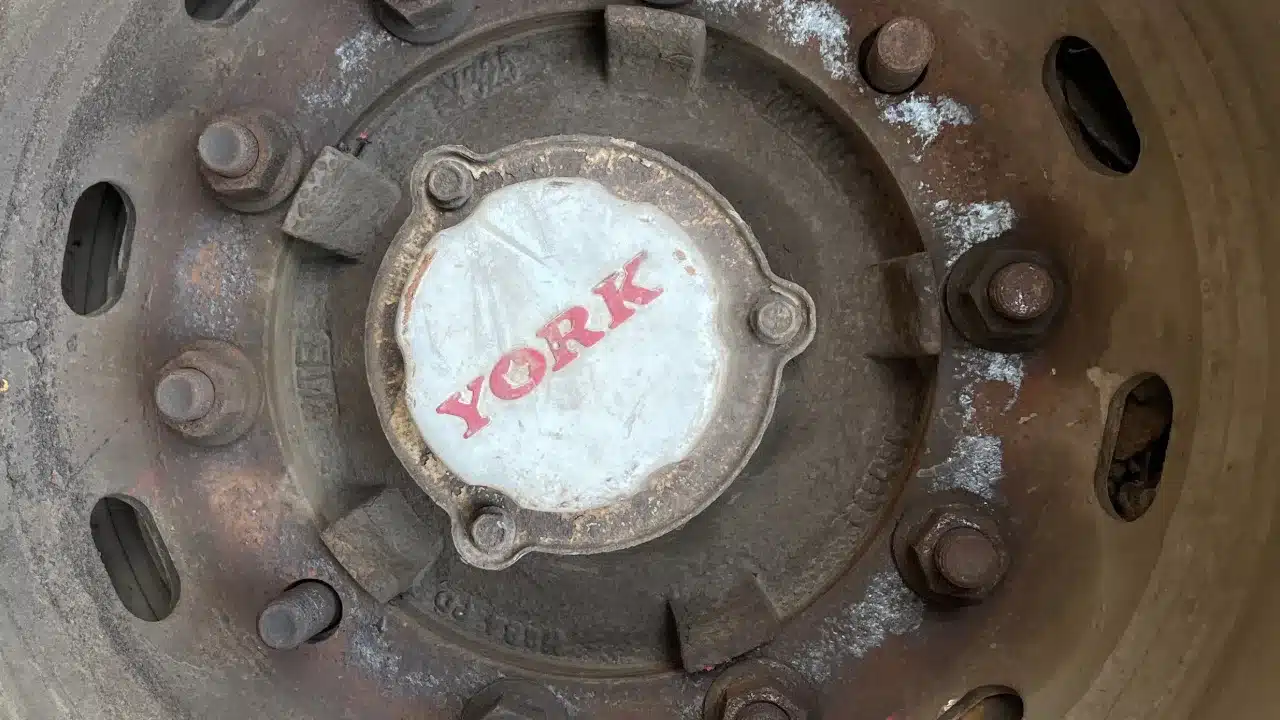
Jayco’s annual service checklist is a good benchmark. It covers:
- inspecting the bearings for uneven wear
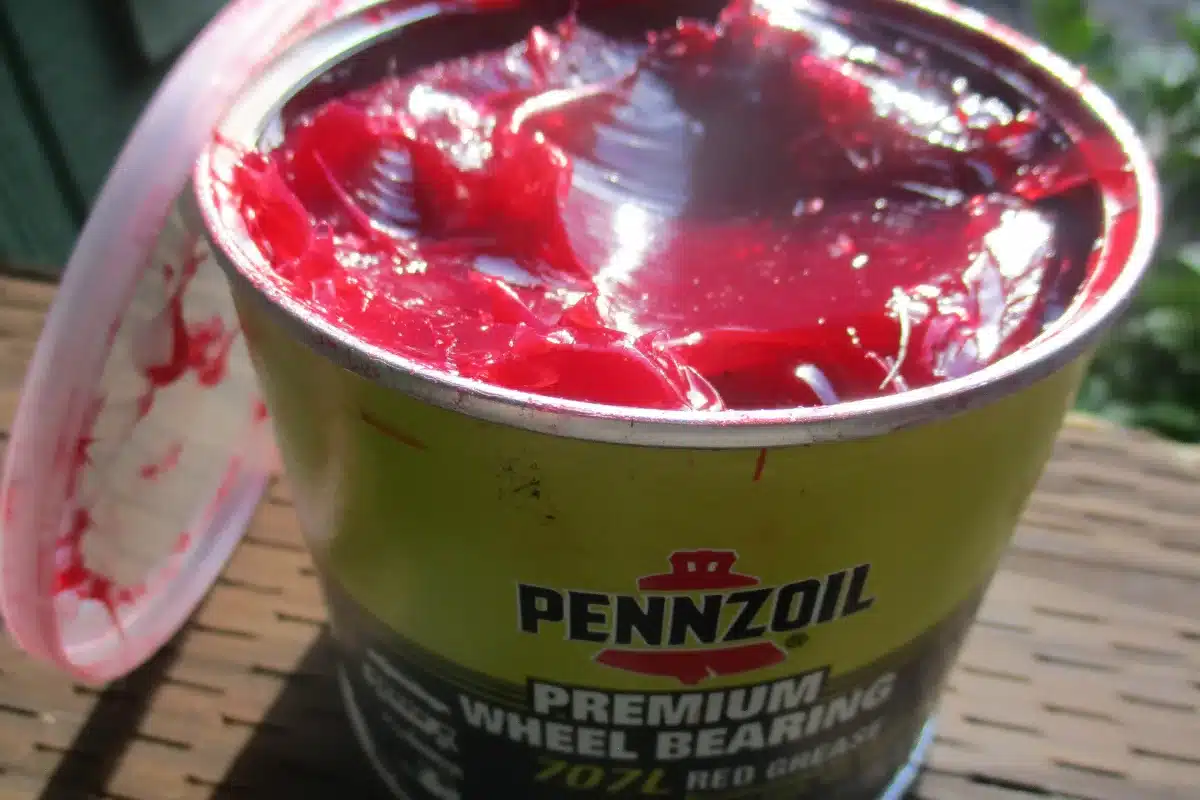
- repacking them with new grease
- replacing the bearing seals and split pin
- checking end play and adjusting if required.
Jayco’s warranty excludes greasing wheel bearings, so the service is on you. We couldn’t find a published price from AL-KO, Cruisemaster, Jayco or any motoring club, so ask your workshop for a quote that itemises bearings, seals and grease.
Easy-lube hubs don’t change the rule. AL-KO says E-Z Lube on the Dexter Torflex axles it sells lets you grease without removing the drum, but the axles are still subject to normal inspection. Dexter is blunter: easy-lube and oil-filled hubs “must not replace periodic inspection” of the bearings.
A bearing fails 400km from town. How far will the tow go?
We read the caravan towing terms for every state and territory club’s top roadside plan. None of the towing caps covers the whole distance.
Kilometres of a 400km caravan tow left uncovered
Covered by the plan Left to you
How we worked it out: one-way caravan towing caps outside metro areas from each club’s terms, checked 15 October 2026: NRMA Ultimate Care, RACV Total Care, RACQ Ultimate Care, RAA Premium, RAC WA Ultimate Plus, RACT Ultimate, AANT Premium. *RAC WA’s 300km is a round trip from the contractor’s base, so we count it as 150km one way. Assumes the van is within each club’s weight and size limits and the nearest mechanic is 400km away. NRMA and RACV also offer a tow back to the attending service centre, RAA and AANT add a short tow in any direction (up to 50km), and some plans add caravan recovery benefits, so some outcomes may be better than shown. Our analysis.
Bearing services in a 15,000km year
Jayco and AL-KO, normal use
1.5 a year
10,000km or 12 months: due about every eight months.
Cruisemaster CIS-012
2 a year
6 months or 10,000km: the calendar comes up first.
AL-KO, off-road or harsh
3 a year
6 months or 5,000km: due about every four months.
A new van’s first year
2–4 visits
Counting the early check (100 to 1,000km, by maker). AL-KO’s off-road log book, counted from new, makes it four.
Assumes 15,000km spread evenly over 12 months and each interval counted from the previous service. Sources: AL-KO chassis handbook, Cruisemaster CIS-012, Jayco Owner’s Information and Service Book (June 2025).
What are the warning signs of a failing bearing?
- Play in the wheel. With the wheel off the ground, AL-KO says to rock the top of the tyre in and out, then spin it and listen for abnormal sounds.
- A knock. Cruisemaster says any end play makes “an audible knock”, a sign the bearings need adjusting.
- Grinding or squeaking when moving, which Jayco lists among its pre-trip checks.
- Any noise you can’t explain. RACQ’s advice is to stop and check your wheels, nuts and bearings straight away.
- A hot hub. RAC WA says to hold a hand over the hubs every time you stop: “Warm is okay, but hot-to-touch might indicate a problem”. Transport for NSW says high temperatures may point to sticking brakes or bearing failure.
Watch out: no Australian maker or authority we checked publishes a temperature limit for hubs, so treat any “safe” figure you see online with caution. Compare one hub with the others on the same axle instead. RAC WA also warns that an electric brake controller set too high overheats hubs and leads to premature bearing failure.
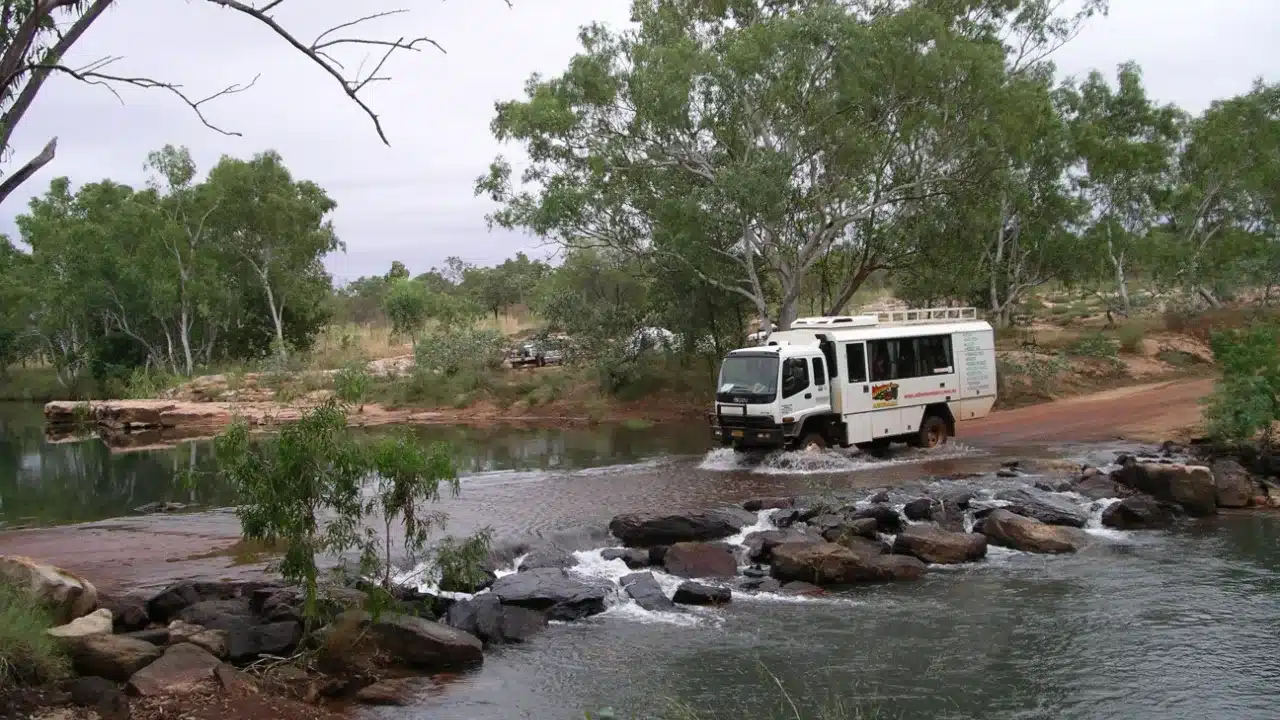
Water is the other enemy. RACQ’s boat-trailer advice says even a small amount of water will cause “a very rapid failure”, which is worth remembering after a deep creek crossing on a trip like Cape York.
Will roadside assistance tow your caravan 400km?
Not on the towing cap alone. We read the terms for each state and territory club’s top plan for a car towing a caravan. Distances are the literal caps for a breakdown outside the city.
| Club and top plan | Caravan towing | Caravan limits |
|---|---|---|
| NRMA Ultimate Care ($28.99/month, $347.88 a year) | First 100km, or to the attending country service centre’s town. Remote NSW: up to 100km back to its boundary | 2t GVM, 12.5m long, 2.5m wide, 2.6m high (the Vehicle Plus add-on, $153/year, lifts the weight limit to 10t) |
| RACV Total Care ($337/year) | First 100km, or back to the attending service centre | 8t GVM; 9.0m, which RACV says refers to “the entire length of any tow vehicle, including the A-frame”. Confirm with RACV how that applies to your rig |
| RACQ Ultimate Care ($310/year) | Up to 200km back to the provider outside the metro area | 4.0t GVM, 9.7m including drawbar |
| RAA Premium ($293/year) | Up to 200km back to the country depot | Under 3t GVM |
| RAC WA Ultimate Plus ($410/year) | Up to 300km round trip, measured from the contractor’s base | 4t; may be restricted over 2.5t outside the metro area |
| RACT Ultimate ($264/year) | Up to 100km in country areas | 3.5t, 6m long, 2.3m wide, 3.2m high for a broken-down van; constructed roads only, no off-road breakdowns |
| AANT Premium ($286/year) | Up to 200km back to the regional depot | Under 3t |
Prices and terms checked 15 October 2026. Interstate, you get the local club’s basic service, and some top plans top it up or reimburse you. This is general information: read your club’s terms before you rely on it.
Three things stand out. First, weight or size can rule your van out before distance matters: NRMA’s standard limits are 2t GVM and 2.6m high, RAA and AANT stop under 3t, and RACT’s broken-down van limit is 2.3m wide. Check your compliance plate and tape measure. Second, a 400km gap leaves 200 to 300km beyond the towing caps, and NRMA’s terms say any excess is charged at membership rates. Third, RAC WA’s 300km is a round trip from the tow operator’s base, which covers far less road than it sounds.
Towing caps aren’t the whole story. RACQ Ultimate Care says a broken-down caravan will be recovered if you’re more than 100km from home and repairs will take more than 24 hours, within a $7,000 yearly limit on all benefits. That depends on a suitable tilt tray or car carrier being available, which RACQ says might not be possible in remote areas. Other top plans have away-from-home benefits too, but some only apply when the car itself breaks down: RAA Premium’s contribution of up to $500 a year towards recovering a caravan, for example, applies when the car can’t be repaired within 48 hours. Ask your club exactly what applies before you rely on it.
RACQ also says it can only help if a caravan’s running gear is in serviceable condition. Ask your club how that applies to a collapsed bearing before you need to know.
Should you carry spare bearings?
Jayco’s spare-parts list for touring includes wheel bearings, and RAC WA’s off-road caravan guide says the further out you go, the more it’s worth knowing how to repack one. We found no official advice to carry a complete spare hub.
If you carry a kit, make sure it matches your hub: bearing kits are sold per hub and size. Pack grease, seals and split pins, and practise once at home. Our remote touring guide covers the rest of the kit, the caravan jobs nobody tells you about covers other maintenance that’s easy to miss, and six tyre failures on one outback lap shows how quickly the spares run out.
The WUDU takeaway
Service your bearings by the calendar as well as the odometer, and on the shorter schedule if you travel dirt roads or leave the van parked for months. The service is routine workshop work. A failure 400km out can leave you paying for hundreds of kilometres of towing that your roadside plan’s towing cap may not cover.
Images: Gibb River Road, Phil Whitehouse, CC BY 2.0; Pentecost River crossing, MissMegido, CC BY-SA 4.0; wheel hub, Photohelp13, CC BY-SA 4.0; grease, Surv1v4l1st, CC BY-SA 4.0. All via Wikimedia Commons, cropped and resized.


