

You’ve hitched up the van, pulled out of the driveway, and noticed the front of your tow vehicle is sitting a little higher than it should. The rear is squatting, steering feels lighter than normal, and something just doesn’t feel right. Sound familiar?
That’s the moment most caravanners start asking about weight distribution hitches. And it’s a good question to ask, because getting this wrong affects how your rig handles, how your brakes perform, and ultimately how safe you are on the road.
Here’s everything you need to know before you buy.
What Does a Weight Distribution Hitch Actually Do?
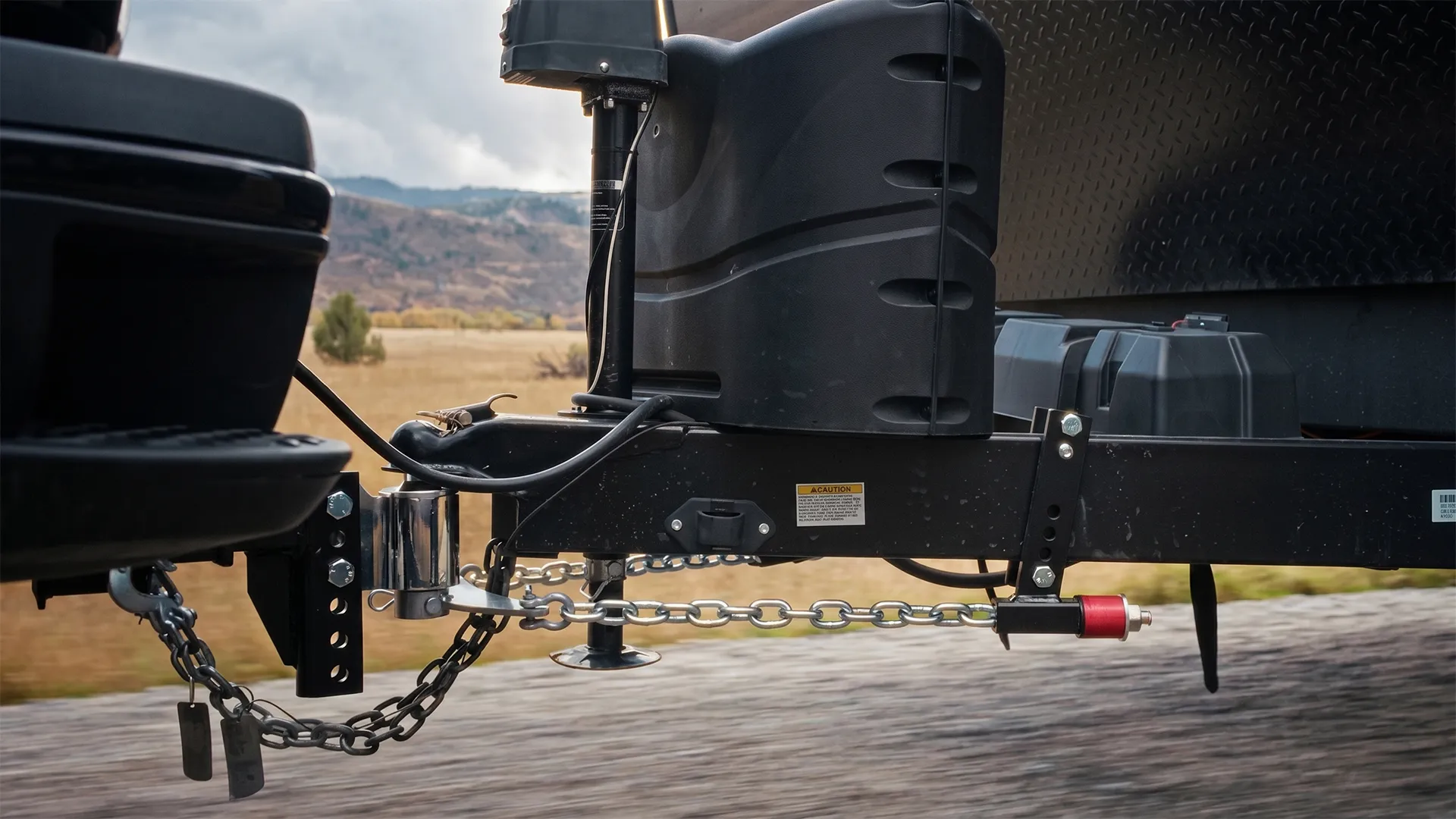
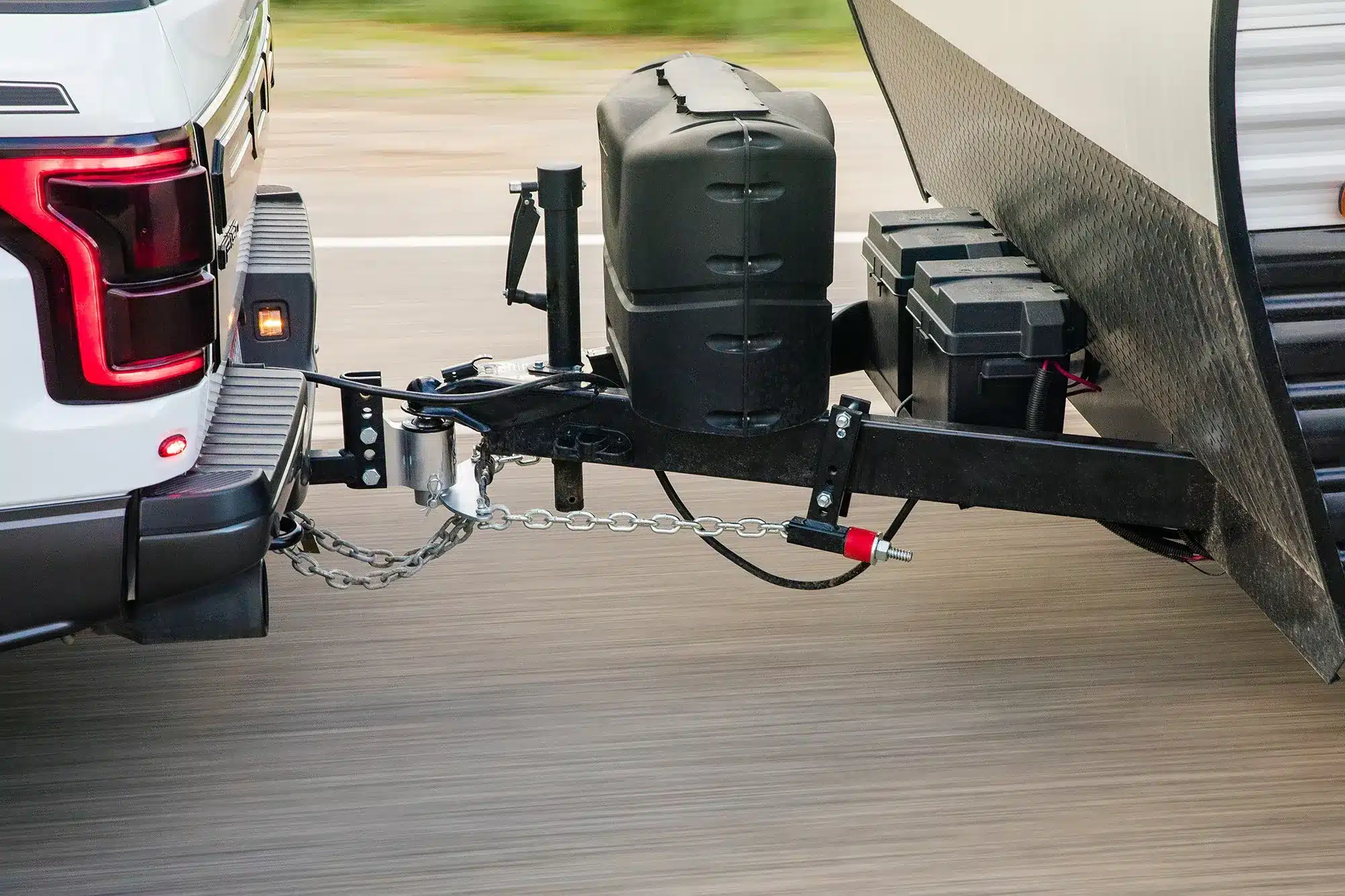
A weight distribution hitch (WDH) uses spring bars to lever weight off your rear axle and spread it across the front axle of your tow vehicle and the axles of your trailer. The result is a more level, stable rig that handles closer to how your vehicle was designed to drive.
Two things worth clearing up before we go further.
A WDH does not reduce your towball weight. The weight your caravan places on the ball is still there; the hitch just redistributes where that load is felt across your axles. If your towball weight exceeds your vehicle’s rating, a WDH won’t fix that.
A WDH is also not a sway control device. Sway (that side-to-side movement of the van at highway speed) is a separate problem that requires a separate solution, either a friction sway bar or an electronic stability system. Some hitches combine both functions, but they are not the same thing.
Do You Actually Need One?
Not every setup does. If your tow vehicle sits level after hitching and handles confidently at highway speed, you may be fine without one.
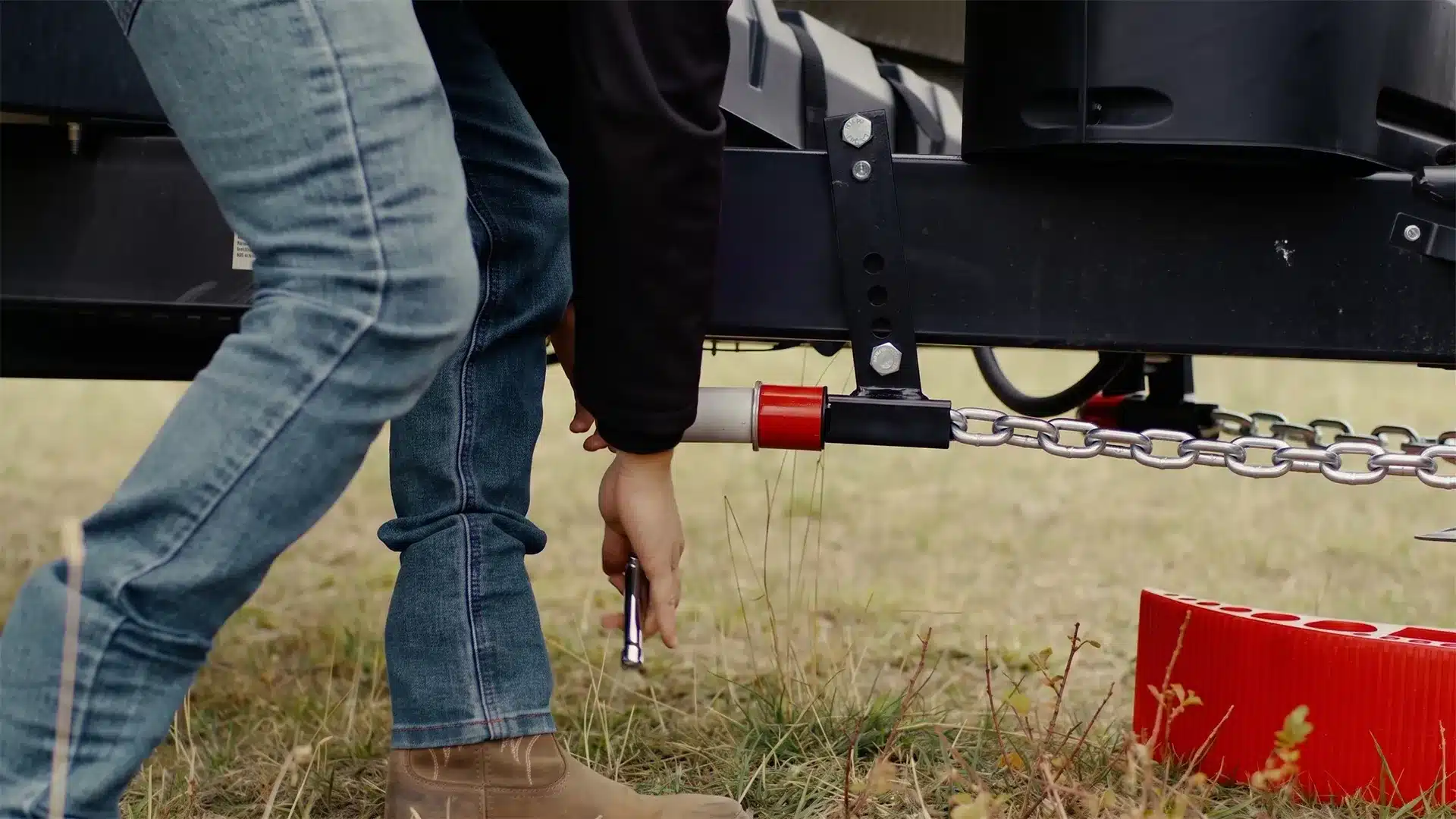
A simple way to check: measure the height from the ground to the top of your front wheel arch before you hitch up. Hitch up fully loaded, then measure again in the same spot. If the front has risen more than around 10mm, a WDH is worth serious consideration.
As a general rule, if your caravan is approaching half the weight of your tow vehicle or more, a WDH will make a meaningful difference to how your combination handles. The heavier and longer the van, the more important it becomes. A good starting point on towball weight is this breakdown from Elecbrakes if you want to understand the numbers before you buy.
What Types Are There?
Round bar hitches are the most common and most affordable. Spring bars slot into downward-facing sockets in the head and are tensioned into position. They suit lighter towing setups and work well behind SUVs and light utes. Easy to set up and widely available.
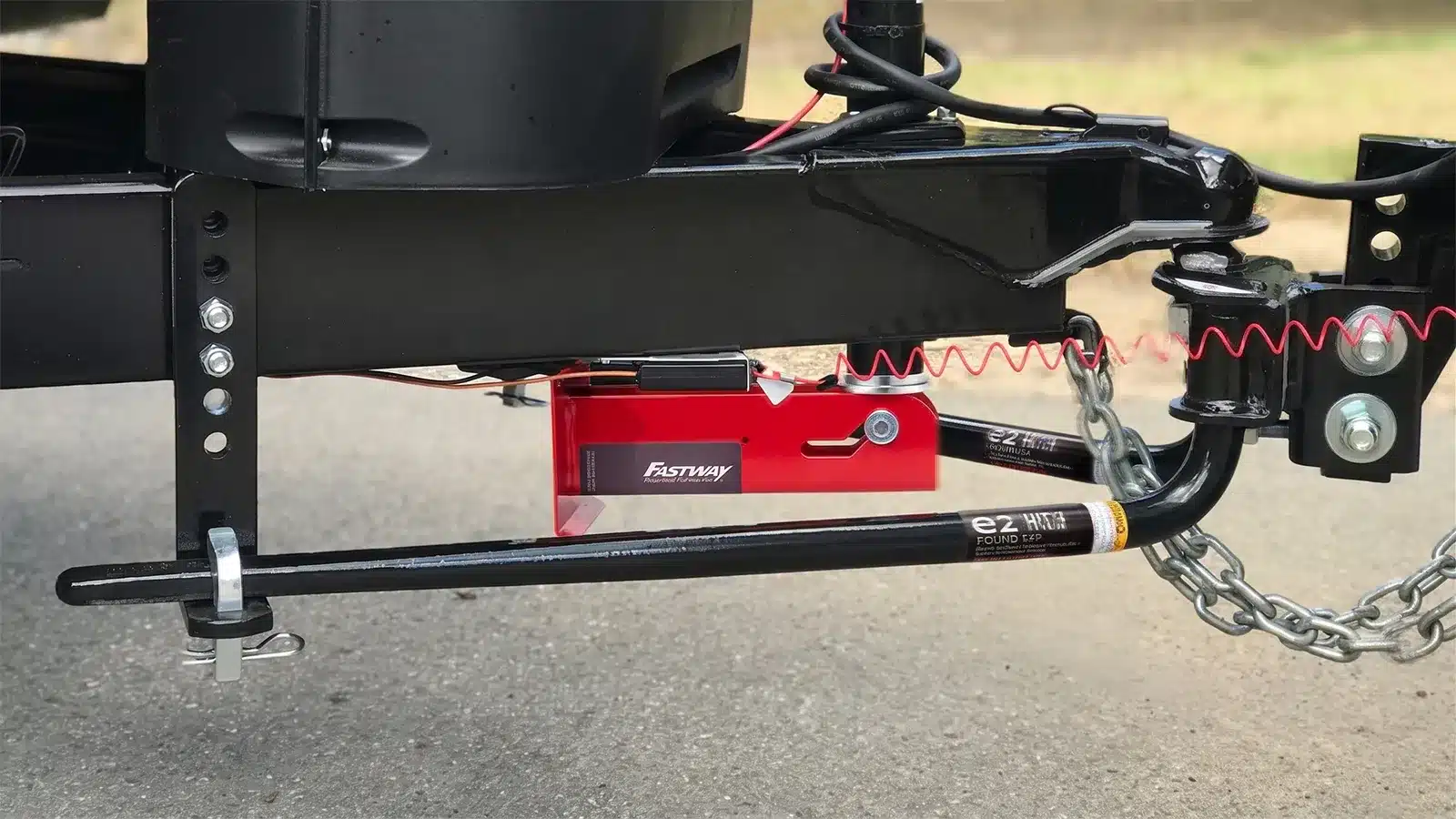
Trunnion bar hitches use solid square spring bars that attach at the side of the head. They handle heavier loads, offer better ground clearance, and are generally preferred for larger vans and heavier tow vehicles. A step up in price but a step up in capacity.
Integrated sway control hitches combine weight distribution with friction or hydraulic sway damping in a single unit. Brands like Equal-i-zer offer this in one package, which can simplify your setup if sway is also a concern.
Worth noting: some tow vehicle manufacturers specify that a WDH must be used when towing above a certain weight. Check your vehicle’s towing manual before you decide.
Which Brand Should You Look At?
Hayman Reese is the go-to for most Australian caravanners. They’ve been building towing equipment for decades and their WDH range is engineered specifically for Australian roads and conditions. Options cover towball weights from 275kg through to 545kg and beyond, with pricing starting around $500 for a mid-range 600lb unit and climbing past $1,000 for heavy-duty configurations. Stocked widely across Australia and straightforward to find parts and support for.
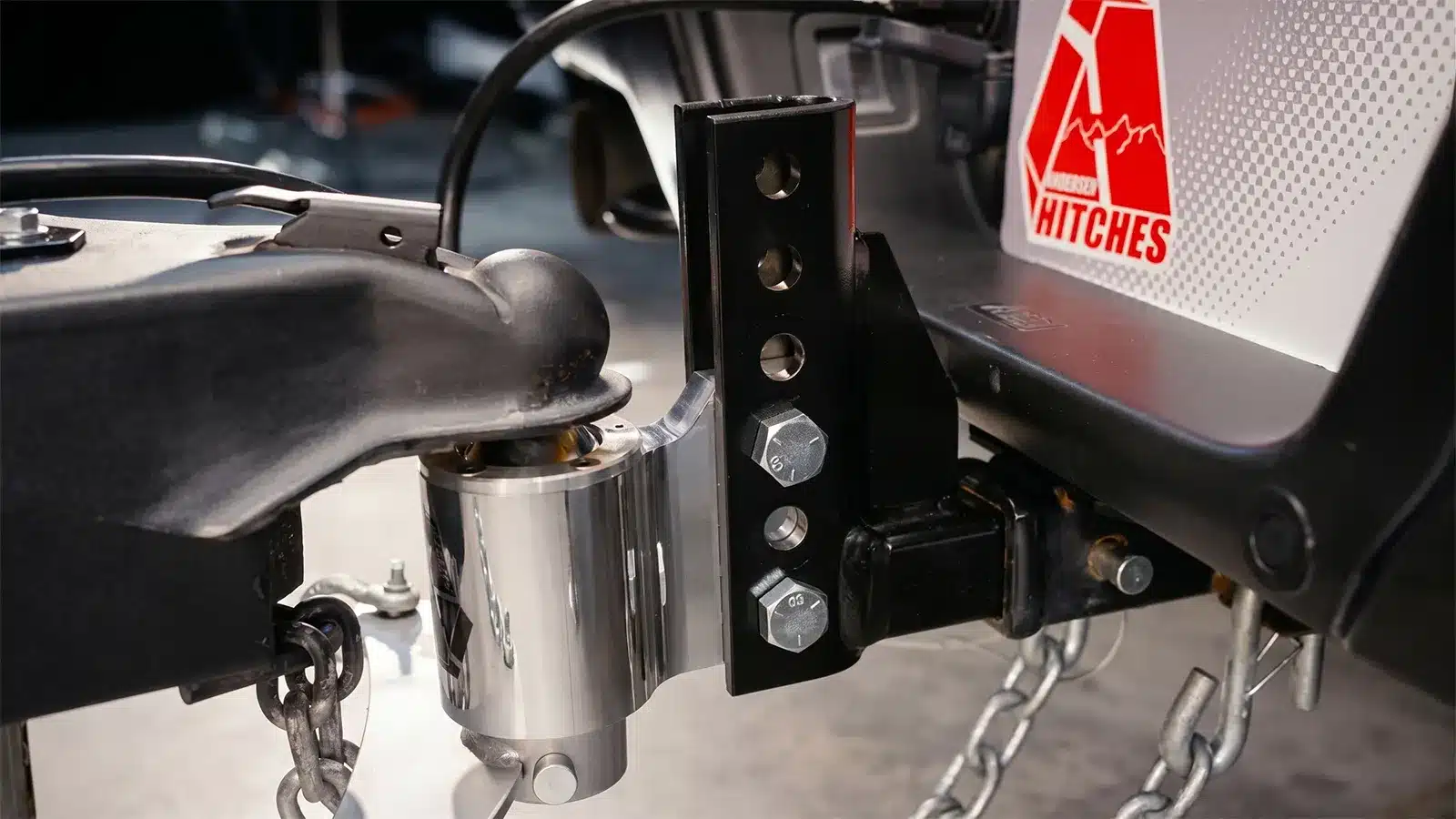
Andersen is the premium option for buyers who want something different. The Andersen WDH does away with traditional spring bars in favour of a unique coupling system that’s quieter, faster to set up, and RVSA compliant for the Australian market. Our team has taken a look at the Andersen 4″ Drop Weight Distribution Hitch, worth reading if you’re considering it. Andersen also publish a solid explainer on their own site if you want a deeper dive into how WDHs work generally.
Equal-i-zer is a solid choice if you want weight distribution and sway control in one unit. It’s priced at the higher end but simplifies what would otherwise be two separate purchases.
Getting Your Setup Right
The most important step before any of this is knowing your actual towball weight. Not guessing it. Measuring it. A ball weight scale costs under $100 and gives you the real number your setup is working with. Your van needs to be loaded the way you’d actually travel for the reading to mean anything.
Once you know that number, you can match it to the right WDH capacity rating. Too light and you won’t get the redistribution you need. Too heavy and you risk overloading the hitch components.
When fitting:
- Both spring bars need equal tension. Uneven tensioning pulls the rig sideways and defeats the purpose.
- The hitch head needs to be set so the van sits level side to side, not just front to back.
- Keep the spring bar pivot points greased. It’s a small maintenance job that makes a real difference to how the hitch operates and how long it lasts.
Common Mistakes to Avoid
Assuming a WDH solves overloading. If your towball weight is over your vehicle’s rated limit, the answer is to reduce load in the van, not to fit a hitch and hope for the best.
Skipping the ball weight measurement. A lot of buyers eyeball it. Don’t. The difference between 200kg and 280kg on the ball is significant, and the wrong hitch rating means you’re not getting the redistribution you’re paying for.
Confusing it with sway control. If your van is swaying, a standard WDH won’t fix it on its own. Address the sway separately.
Forgetting the WDH adds weight. A typical unit weighs around 25kg. That counts toward your vehicle’s GVM and payload. Worth factoring in if you’re already running close to your limits. If you’re not sure where you stand on that, our guide on towball leverage and weight is a good place to start.
So, Should You Get One?
A weight distribution hitch is one of those purchases that makes an immediate, noticeable difference to how your rig feels on the road. If your setup is causing your tow vehicle to squat, or you’re towing a van that’s getting close to half your vehicle’s weight, it’s worth the investment.
The right one for you depends on your towball weight, your tow vehicle, and how much you want to spend. Hayman Reese covers most setups reliably at a practical price. If you want something more refined, the Andersen is worth a look.
Get the ball weight right first, match your hitch to the number, set it up evenly, and you’ll notice the difference from the first kilometre.
Looking for more on towing setup? Check out our guide on caravan payload explained.