
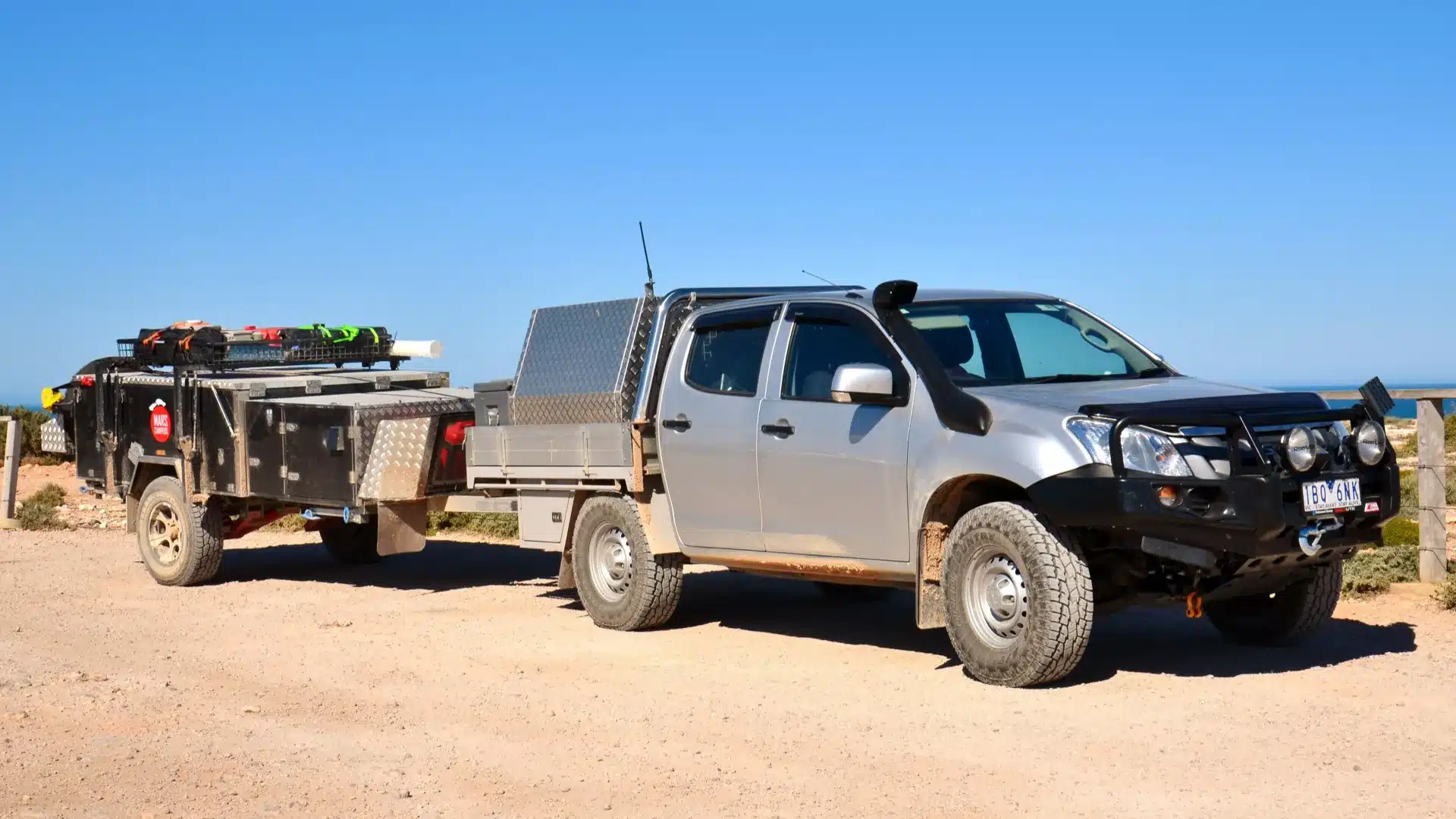

A couple on a weekend away, running a 12V compressor fridge, a few LED lights, the water pump, a TV and two phones, uses about 53 amp-hours of battery a day. The fridge accounts for close to four-fifths of that.
Full-timers working from the van, with a second fridge, Starlink Standard, two laptops, coffee and a microwave, can use up to about 210Ah. And an hour of air conditioning run off the battery costs more than the weekend couple’s entire day. Here is where the power goes, and how to work out your own number.
A day in the van, hour by hour
Morning
The lights go on, the pump runs for a shower and the dishes, and the phones come off charge. None of this is heavy. A 3W LED downlight draws 0.22A, and a Shurflo 4008 caravan pump draws up to 7.5A, but only while a tap is open. Twenty minutes of pumping across a day comes to about 2.5Ah.
Middle of the day
This is when connectivity takes over. A Starlink Mini averages 25 to 40W and runs straight from 12V. A Starlink Standard averages 75 to 100W and comes with a 100 to 240V mains power supply, so off-grid it runs through an inverter, which adds losses of its own. Left on for ten hours, the Standard alone can use 68 to 91Ah.
Evening
Lights, a couple of hours of TV, and maybe a coffee after dinner. A 24-inch TV can use around 17W on its energy label (the Avtex V249DS, for example), which is about 2.8Ah for two hours, though you should check your own TV’s rating plate. Anything with a heating element is a different story. A pod coffee machine pulls 1,255W, a big draw through an inverter even for a minute or two.
Overnight
The fridge never stops, and in winter the diesel heater joins it. A small diesel heater such as the Autoterm Air 2D draws 10 to 29W once it is running, so ten hours overnight costs roughly 8 to 24Ah, plus a short burst for the glow plug at start-up. In battery terms, that makes it one of the least power-hungry ways to heat a van.
What each appliance actually draws
These are the makers’ published figures, expressed as amp-hours at 12V, the voltage most manufacturers quote. A lithium battery’s nominal voltage is 12.8V, so working at 12V errs slightly on the safe side. The “typical day” column uses the use shown, which you should change to match how you travel.
| Appliance | Published figure | Typical day |
|---|---|---|
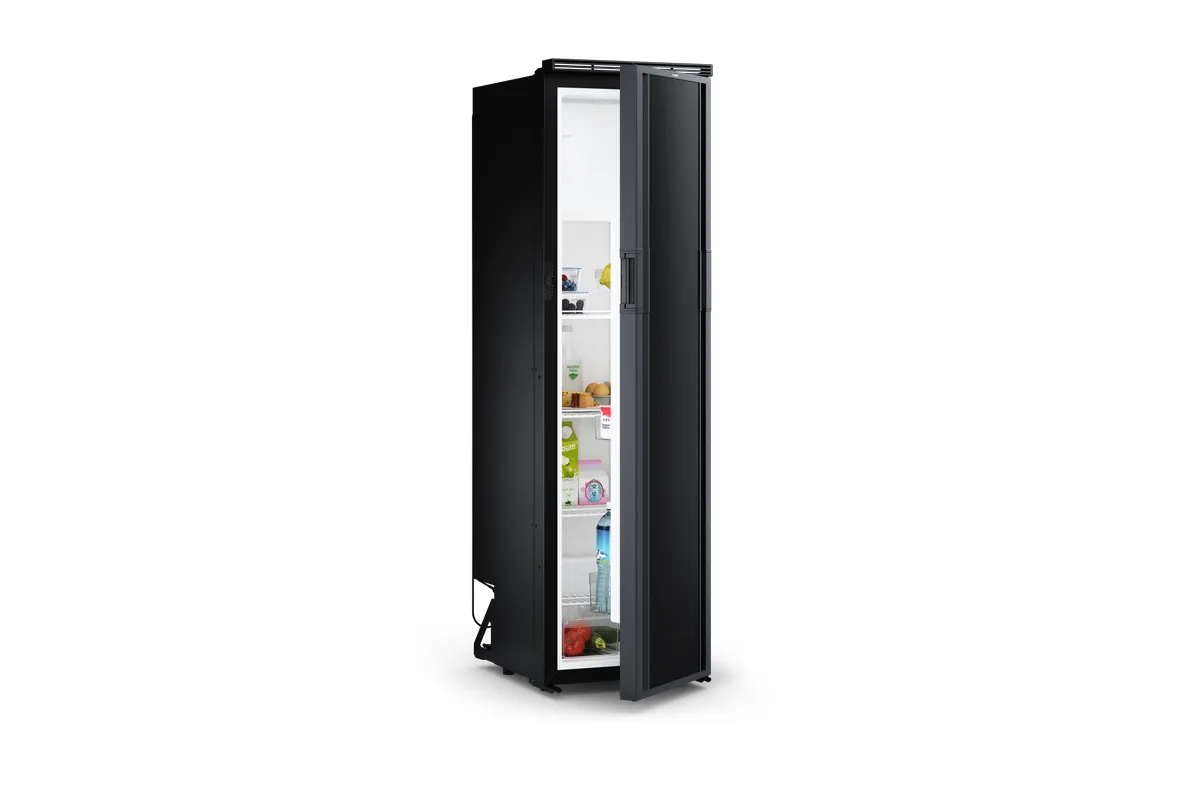
| 12V upright fridge, 153L (Dometic RCT10.4G) | 41.3Ah per 24h (IEC 62552 test) | 41.3Ah |
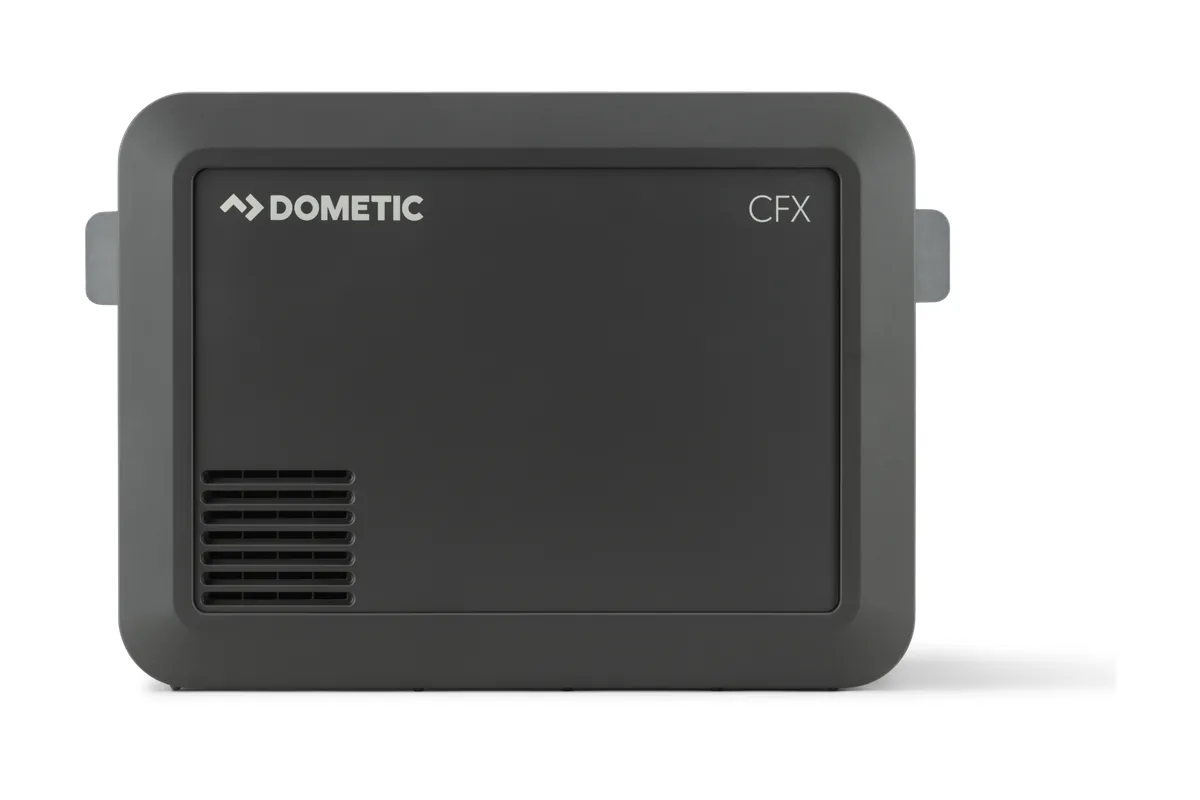
| Portable fridge, 45L (Dometic CFX5 45) | 0.76Ah per hour at 12V, 32°C outside, 4°C inside | 18.2Ah over 24h |
| 3W LED downlight | 0.22A | 0.9Ah per light, 4h |
| Water pump (Shurflo 4008) | 7.5A maximum | 2.5Ah for 20 min |
| 24-inch TV (Avtex V249DS energy label) | About 17W | 2.8Ah for 2h |
| Starlink Mini | 25 to 40W average | 17 to 27Ah for 8h |
| Starlink Standard (via inverter) | 75 to 100W average | 68 to 91Ah for 10h |
| Diesel heater (Autoterm Air 2D) | 10 to 29W running | 8 to 24Ah for 10h |
| Laptop (MacBook Air 13-inch) | 53.8Wh battery | 5Ah per full charge |
| Phone | About 15Wh per charge (our estimate) | 1.4Ah per charge |
| Pod coffee machine (via inverter) | 1,255W | 2.8Ah per cup |
| Microwave, 20L (Camec, via inverter) | 1,150W input | 17.4Ah for 10 min |
| Inverter left on, no load (Victron Inverter Smart 12/2000) | 8W | 0.7Ah per hour |
Loads run through an inverter assume 92 per cent efficiency, the best case Victron quotes for its Inverter Smart 12/2000 (formerly Phoenix), so real figures will be a little higher. Laptop and phone figures include about 10 per cent charger losses. The coffee figure assumes 90 seconds at full power per cup. Fridge figures are the manufacturer’s test ratings; real use rises in hot weather and when the door opens often.
One hour of air conditioning uses more than a weekend couple’s whole day
Daily battery use for three common setups, worked out from manufacturers’ published figures at 12V.
Amp-hours per day
*Family assumes Starlink Mini at 40W and the heater at 20W; full-timers assume Starlink Standard at 100W.
The numbers that matter
Fridge share, weekend couple
78%
A 153L upright 12V fridge uses 41.3Ah of a 53Ah day.
One hour of aircon
88Ah
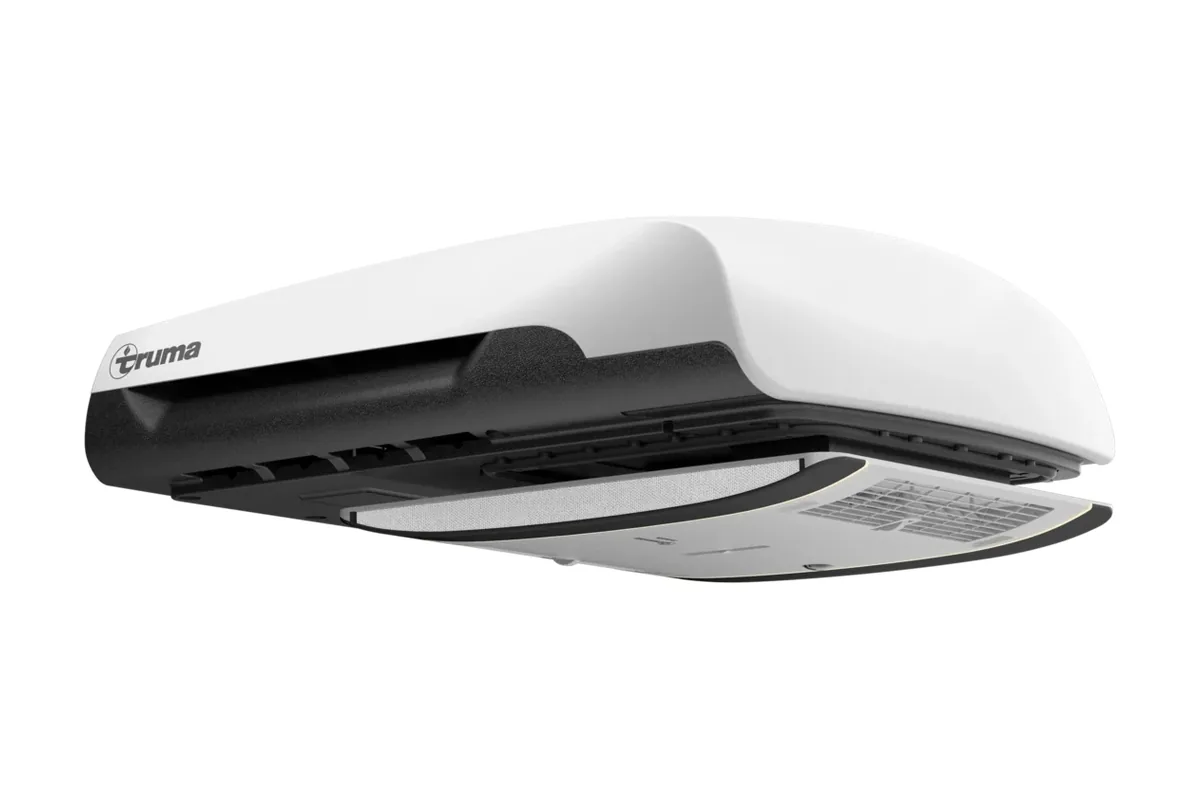
A Truma Aventa comfort (4.2A at 230V in cooling) run off the battery through an inverter.
More than the couple’s whole dayStarlink Standard, 10 hours
91Ah
At its 100W upper average, through an inverter. The Mini runs on 12V and uses up to 27Ah over 8 hours.
Diesel heater, overnight
8 to 24Ah
Ten hours at the Autoterm Air 2D’s 10 to 29W running draw.
Light on the batteryAssumptions: Amp-hours at 12V; 240V loads through an inverter at 92% efficiency (best case) plus 8W idle while it is on; device charging includes 10% charger losses; hours of use as listed in the article. Sources: Dometic, Truma, Starlink, Autoterm, Victron, Narva, Pentair, Breville, Camec, Apple; checked 15 October 2026.
Three ways of travelling, three budgets
The weekend couple: about 53Ah a day. Upright 12V fridge, 16 light-hours (four lights for four hours), 20 minutes of pump, two hours of TV and two phone charges. The fridge is 78 per cent of the total. A 100Ah lithium battery used to 80 per cent covers about a day and a half with no charging.
The family in winter: about 90 to 115Ah a day. The same fridge, 30 light-hours, 45 minutes of pump, three hours of TV, Starlink Mini for eight hours, a diesel heater for ten hours overnight and four phone charges. On the published ranges, Starlink and the heater together add 25 to 51Ah. Cold also shrinks the battery: Victron rates its lithium batteries at about 80 per cent of their capacity at 0°C, and allows charging only from 5°C.
The full-timers working on the road: up to about 210Ah a day. An upright fridge plus a second portable fridge, 20 light-hours, 30 minutes of pump, three hours of TV, Starlink Standard through the inverter for ten hours, two laptop and two phone charges, four coffees and ten minutes of microwave. At its top figure, Starlink is the biggest single load at up to 91Ah, more than both fridges combined, and the inverter’s idle draw adds about 7Ah just by being switched on.
Work out your own
Change the numbers to match your setup. The calculator starts with the weekend couple, and the battery figure assumes you keep 20 per cent in reserve and have no solar or DC-DC charging coming in.
Daily power calculator
Daily use
53Ah
About 635Wh.
Battery for one day
66Ah
Keeping 20% in reserve, no charging.
Your battery covers about 1.5 days with no charging.
How it works: each row multiplies your quantity by the amp-hours shown, at 12V. 240V items include inverter losses at 92% efficiency; add hours to “Inverter switched on” for the time it runs. Figures are manufacturers’ ratings; heat, cold and habits change real use.
The loads that do not belong on a battery
Three appliances change the maths completely when they run from the battery through an inverter, rather than from mains power or gas.
- Air conditioning. A Truma Aventa comfort delivers 2.4kW of cooling and draws 4.2A at 230V to do it, about 966W, which works out at roughly 88Ah an hour from the battery. The Dometic FreshJet FJZ7 Lite is rated at under 5.8A, up to about 121Ah an hour.
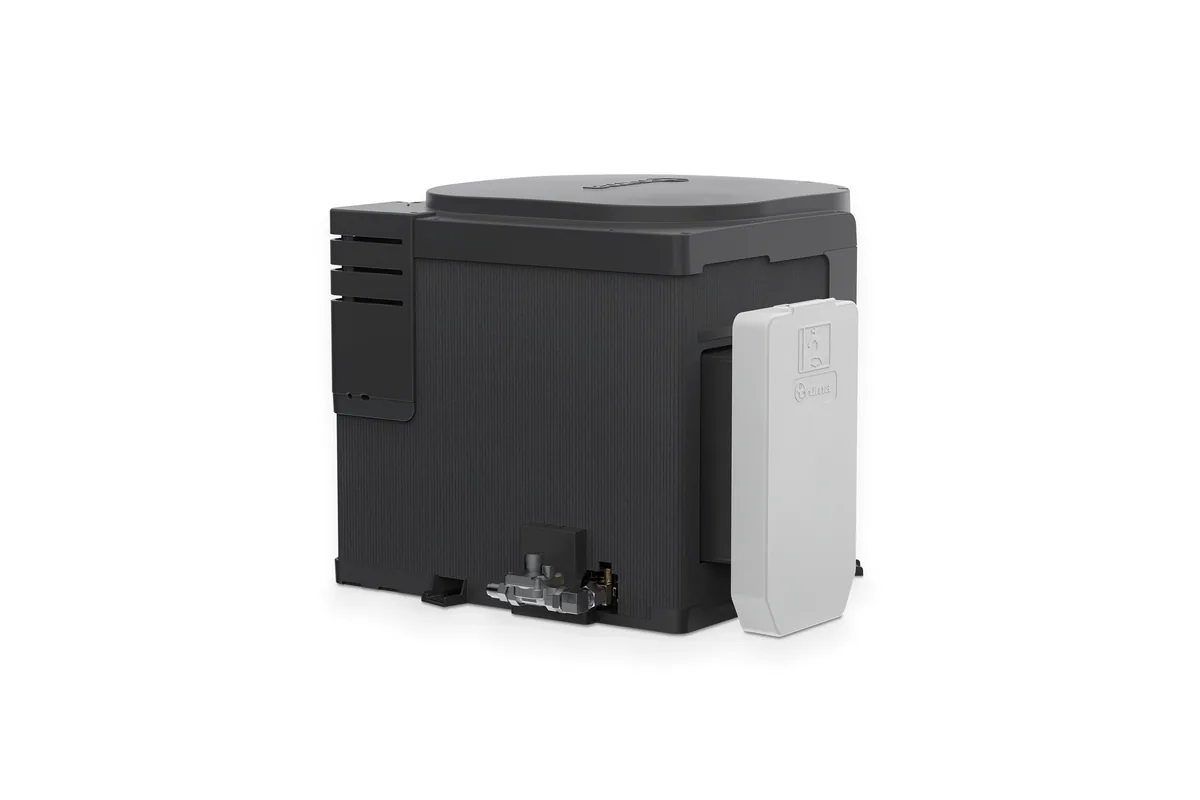
- Electric hot water. The Truma UltraRapid's 1,415W element takes about 40 minutes to heat its 14-litre tank from around 20°C to 65°C, which would cost about 85Ah. On gas, its 12V controls draw a fraction of an amp.
- Induction cooking. A 2.3kW two-zone cooktop at full power for 15 minutes is about 52Ah. Lower settings and one zone cost proportionally less.
Watch out: inverters have limits as well as losses. The Victron Inverter Smart 12/2000 is rated at 1,600W continuous at 25°C, so it cannot run a 2.3kW cooktop. The Truma Aventa's 966W running load is within that rating, but it draws 28A at 230V for 150 milliseconds as it starts, about 6.4kVA, which is beyond the inverter's 4,000W peak. Loads like these need a larger inverter and a battery designed to feed it.
None of this means you cannot run them off-grid. It means they need a battery bank, inverter and charging system designed around them, which is a much bigger and more expensive job than covering a fridge and lights. Our guides to choosing a caravan air conditioner and designing a balanced power system go into the detail.
Turning your number into a battery
Divide your daily amp-hours by 0.8 to get the lithium capacity that covers one day with 20 per cent in reserve, then multiply by the number of days you want to go without charging. The weekend couple needs about 66Ah for one day, the family about 110 to 145Ah and the full-timers up to about 265Ah. If you are choosing between sizes, our 200Ah lithium battery comparison breaks down what a usable kilowatt-hour costs, and how much solar you actually need covers the charging side.
If your number looks too high, start with the fridge. A well-ventilated cabinet, a sensible set temperature and fewer door openings can save more amp-hours than switching off every light in the van.
The WUDU takeaway
For a couple running a fridge, lights and phones, the daily power budget is really a fridge budget with a few cheap extras attached. The exceptions are anything that heats or cools with electricity, and a mains-powered satellite dish left running all day. Decide which of those you genuinely need off-grid before you buy the battery, because that decision, not the number of lights, sets the size of everything else.
Figures are taken from manufacturers' published specifications, checked on 15 October 2026. Hours of use and efficiencies are our assumptions, shown in the table and the calculator, and your actual consumption will vary with temperature, settings and habits.
Images: Bahnfrend, CC BY-SA 4.0, via Wikimedia Commons (featured image, cropped); Dometic (fridges); Truma (air conditioner and hot water system).