
After the wild coastline and convict history of the Tasman Peninsula, the road now turns towards Hobart, where First Nations culture, local food, seafood, fishing and city touring all come together.
This episode also includes another Mornington Peninsula Camplify Short Stay with Fiona Basile, exploring Mt Martha, local makers, animal encounters and a relaxed coastal caravan base.
From Port Arthur To Hobart
Tasmania has a way of changing pace quickly. One minute you are standing on the edge of a wild coastline, looking out across the Tasman Peninsula. The next, you are heading towards Hobart, where history, food, waterways and working seafood all sit within easy reach of each other.
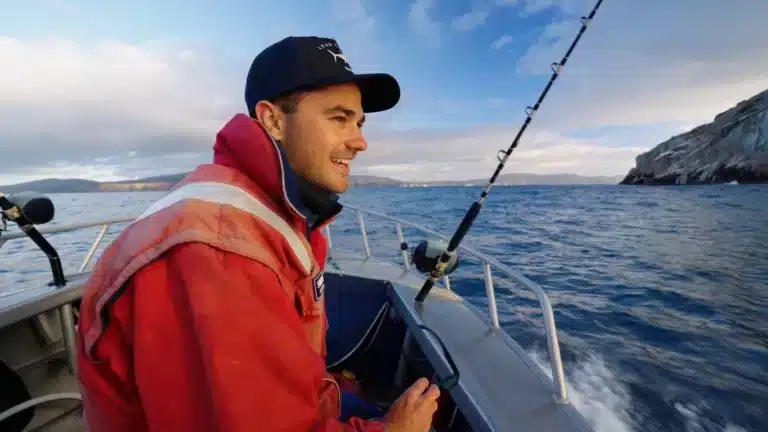
For Jono, this episode is about following the story of the region through the people who live, work and care for the land and water here. The journey begins with First Nations culture and Country, moves through Hobart’s food scene, then heads back to the water for fishing, lobster and a proper hands-on seafood story.
It is a different side of Tasmania, but one that fits perfectly into the wider Island Journey. This leg is about slowing down, listening, tasting, fishing and understanding more about the places travellers often pass through.
palawa kipli At Piyura Kitina / Risdon Cove
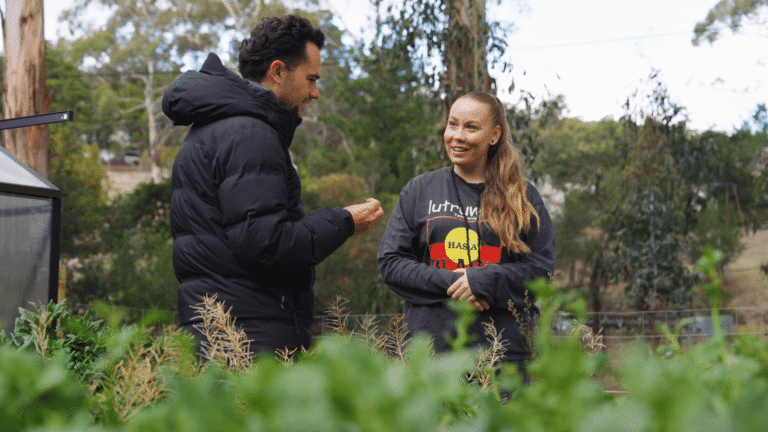
Jono’s first stop is with palawa kipli at Piyura Kitina / Risdon Cove.
This is an important and deeply significant place. It carries a long Aboriginal history, and it is also connected to one of Tasmania’s earliest recorded colonial massacres.
In the episode, Jono spends time learning about Country, food, history and the ongoing importance of caring for and protecting significant places.
Kitana Mansell, also shows us a focus of bush tucker, local herbs, native greens and pepperberry.
Jono tastes pepperberry and quickly discovers it brings real heat. It is spicy, sharp and distinctly Tasmanian.
But this stop is about more than flavour. It is about understanding how food connects to culture, place and survival. The conversation also touches on the importance of caring for Country and protecting significant areas from inappropriate development.
For travellers, it is a powerful reminder that Tasmania is not just a destination to look at. It is Country, with stories, knowledge and responsibilities that continue today.
VIEW this experience
palawa kipli At Piyura Kitina
These ingredients return later in the episode as part of Jono’s camp-style steak sandwich, bringing the First Nations food story into the wider cooking segment in a respectful and practical way.
Where They Stayed: BIG4 Hobart Airport Tourist Park
For this Hobart leg, Jono stays at BIG4 Hobart Airport Tourist Park.
The park gives travellers a practical base close to Hobart, with easy access to the city, the waterfront, markets and surrounding day trips. It also includes a pet-friendly area, which makes it useful for caravanners and road travellers exploring Tasmania with their dogs.
For this episode, the park works as a base rather than the whole story. Jono can set up, head out for the day, explore Hobart and the Derwent, then return to camp after a busy run of food, fishing and local experiences.
VIEW this experience
BIG4 Hobart Airport Tourist Park
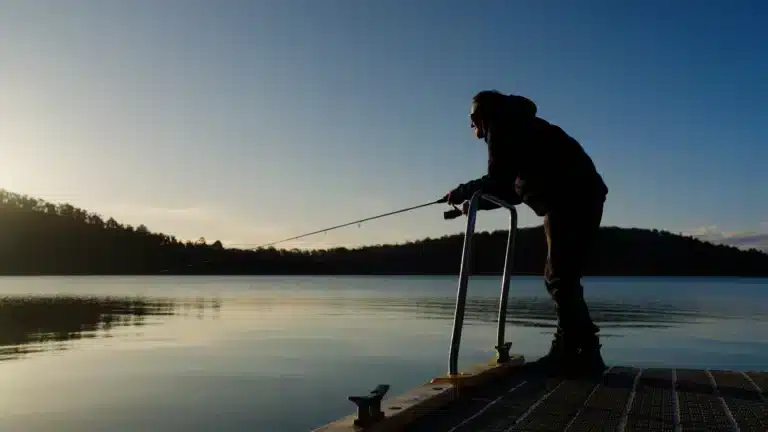
Fishing On The River Derwent
The Derwent is such a big part of Hobart’s identity. It runs through the city, shapes the waterfront and gives travellers a completely different view of the region from the water.
This part of the episode brings the journey back to what Jono loves: fishing, fresh air and getting a feel for a place by spending time outdoors.
Old Town Hobart and Salamanca Market Bakery
For anyone visiting Hobart, Salamanca is one of those classic stops that gives you a quick taste of the city’s food culture. In this episode, the market visit is practical too. Jono is picking up local bread for the camp-style steak sandwich that comes later.
After days on the road, on the water and around working seafood, this stop brings the pace right back. It is about wandering the streets, grabbing a coffee and trying one of Tasmania’s classic bakery favourites: a scallop pie.
For travellers, Hobart is one of those places where the simple stops can be just as memorable as the big-ticket attractions. A good coffee, a local pie and a walk through the historic streets is an easy way to get a feel for the city before heading back out towards the water.
Margate Jetty And The Lobster Boat Chieftain
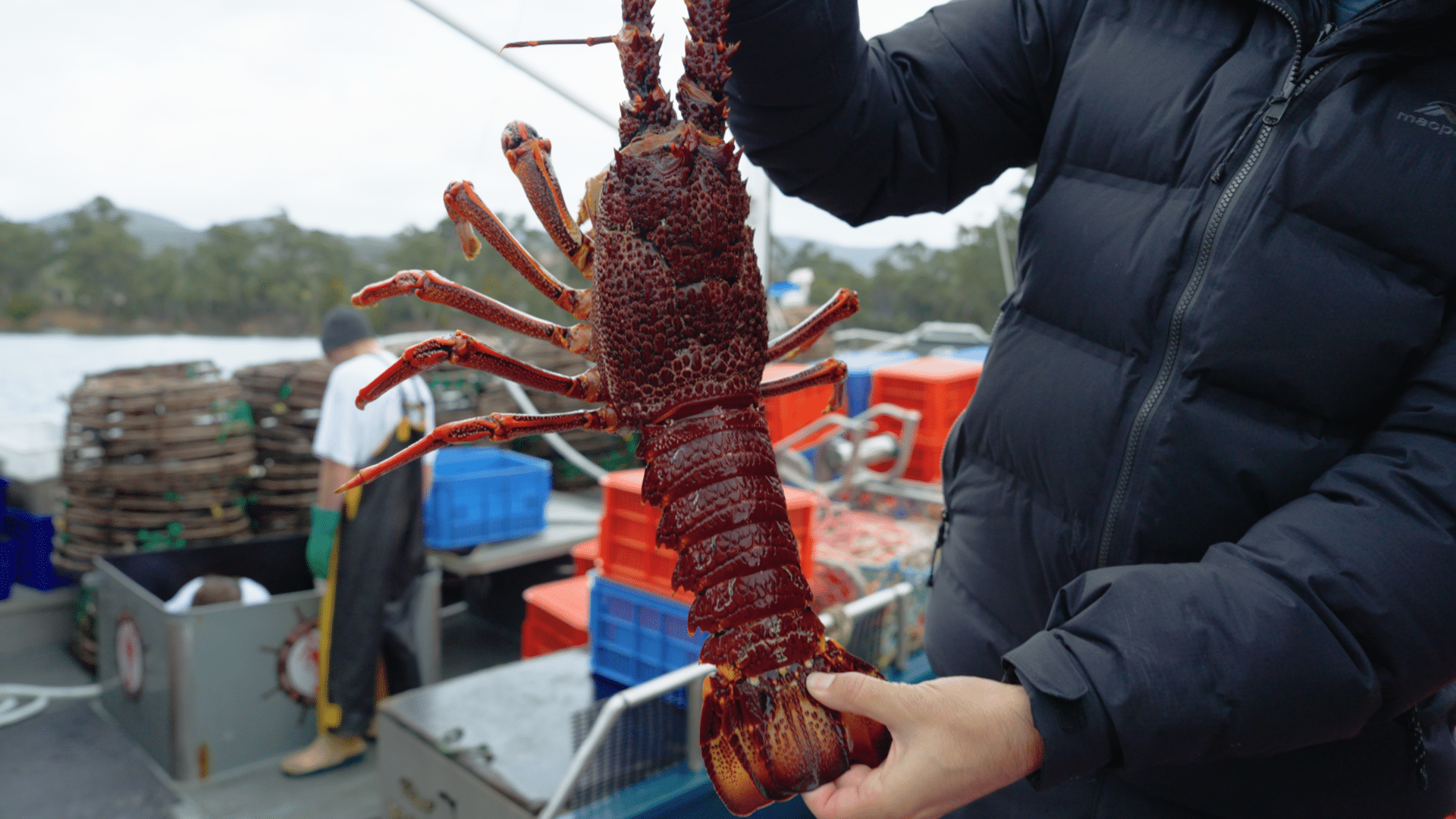
This is where the lobster boat Chieftain comes in. The Chieftain is a 17.5 metre working vessel used by Aussie Lobster Hunters, and it gives Jono a close look at the scale of Tasmania’s lobster industry.
These are not quick little trips. The crew can be away for up to 28 days at a time chasing Tasmanian rock lobster. Once they unload, the turnaround can be fast, with the boat preparing to head back out again.
The scale of the operation is impressive. The Chieftain can carry around two tonnes of bait and 13,000 litres of salt water, with capacity for up to 2.5 tonnes of lobster when full.
For travellers, it is a great reminder that the seafood enjoyed around Hobart does not just appear on a plate. Behind every fresh catch is time, skill, weather, patience and hard work.
From Boat To Processing With ABTEC
Once the lobster is off the water, the job is not finished. The catch then needs to be handled and processed properly, and that is where ABTEC comes in.
It is the next step in the seafood chain, helping take the lobster from the working boat through to the stage where it can be prepared, packed and sent on.
Jono is not just seeing the final dish. He is following part of the seafood journey from the working vessel to the processing stage, showing the care and logistics behind Tasmania’s seafood industry.

STEREO · NCE
NCE – Stereo – Headunit and Speakers
The NCE stereo is a practical addition to the touring setup.
Sponsored Content
What’s Up Downunder Kitchens: Jono’s Steak Sandwich
Recipe from Episode 3
Jono’s Steak Sandwich
Ingredients
- Sourdough Bread
- Steak – Porterhouse or Scotch Fillet
- Seasonal Greens
- Cheese
- Onion
- Seed mustard
- Garlic herb oil
- Sea Salt
We recommend Medium Rare Steaks
Method
- 1Start with the sourdough bread. Drizzle the bread with olive oil and season it with Tasman Sea Salt.
- 2Char the sourdough on the grill until it has colour and crunch.
- 3Cook the steak to your liking, then let it rest before slicing.
- 4Dress the greens and season them well.
- 5Spread seed mustard over the bread, then start layering.
- 6Add cheese, greens, steak and onion, then finish with the lid of charred sourdough.
- 7Serve it hot, with the juices from the steak and the crunch of the bread doing most of the work.
- 8Finish and serve. Off the heat, add the chopped parsley and a final drizzle of olive oil. Serve immediately.
Camp Cooking Tips
- ✓Camp tip: A steak sandwich is only as good as the bread. A good local loaf makes the whole thing feel less like a quick meal and more like something worth stopping for.

Gas Cooktop · Thetford
Gas Cooktop — 4 Burner
Perfect for Jono’s Eggs on toast in the caravan
Sponsored Content
Camplify Short Stay: Mornington Peninsula With Fiona Basile
Camplify Short Stay · This Season
Mornington Peninsula

📍 Dromana to Blairgowrie
This short stay brings together the best kind of quick getaway ingredients: a coastal swim, local food, animals, makers and a simple caravan base close to the water.
VIEW this experience
Whitecliffs Foreshore Reserve
Mt Martha Swim With The Sea Wolves
Fiona starts the day at Mt Martha, joining the Sea Wolves for a cold-water swim and a real local Mornington Peninsula experience. For trip planning around the swim location, find out more about Mt Martha Beach here: The Sea Wolves Facebook
Sages Cottage Farm
Sages Cottage Farm brings together food, gardens, farm life and inclusive tourism on the Mornington Peninsula. It is a relaxed stop for travellers wanting local produce, a country setting and a community-focused experience. Find out more: Sages Cottage Farm
The Funky Farm
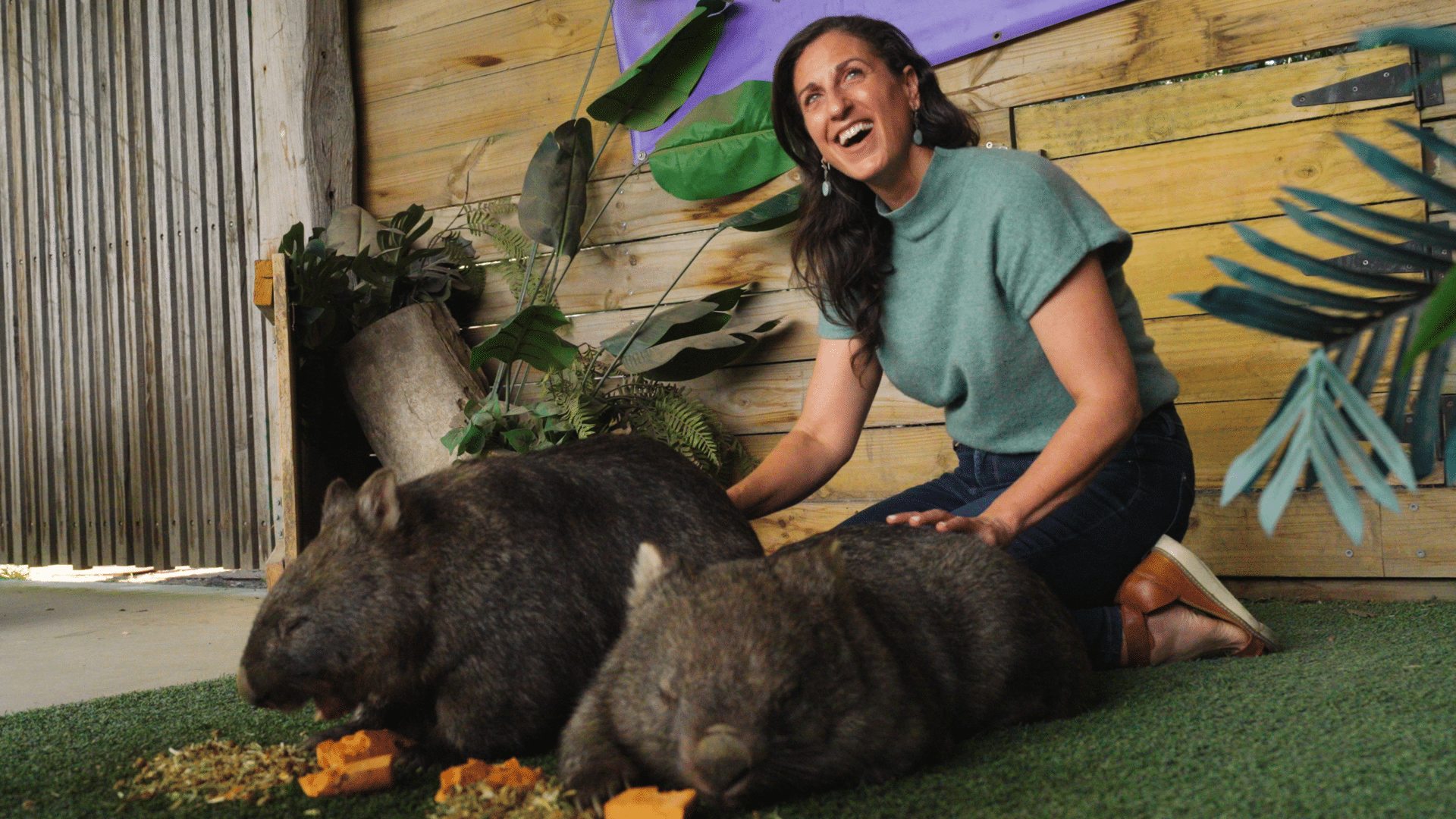
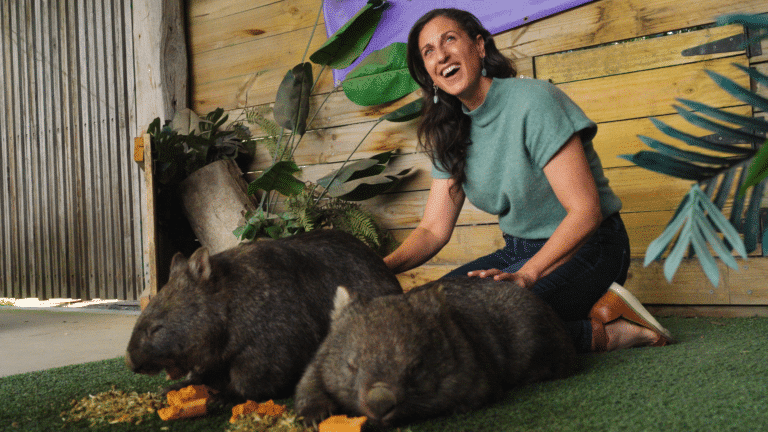
The Funky Farm is a boutique wildlife experience in Hastings, offering small-group guided tours and close-up animal encounters. It is a fun, family-friendly stop for travellers exploring the Mornington Peninsula. Find out more: The Funky Farm
Gordon Studio Glassblowers
Gordon Studio Glassblowers is a family-run glass art studio in Red Hill, showcasing handmade art glass and traditional glassblowing skills. Visitors can explore the gallery and, when available, watch the craft in action. Find out more: Gordon Studio Glassblowers

Feature · Immerse
Immerse is Fiona Basile’s internationally award winning photographic book
Celebrate the beauty of the ocean and the joy of a special open water swimming community.
Sponsored Content
Plan Your Own Port Arthur To Hobart Journey
This episode is a good reminder that the road from Port Arthur to Hobart can be much more than a drive between two points.
You can build a journey around culture, seafood, markets, working wharves, fishing, camp cooking and city touring without needing to rush.
Suggested itinerary
Port Arthur to Hobart
- 1Port Arthur to Hobart
Travel from the Tasman Peninsula towards Hobart and set up at a holiday park close to the city. - 2First Nations food and culture
Spend time learning about Tasmanian Aboriginal food, Country and history with a respectful guided experience. - 3Hobart markets and waterfront
Visit Salamanca Market, pick up local produce and explore Hobart’s waterfront. - 4Seafood and fishing
Head south towards Margate, learn more about Tasmania’s lobster industry, then enjoy a relaxed fishing session around the Derwent or nearby piers. - 5Camp cooking and city exploring
Use your local ingredients for an easy camp meal, then spend extra time exploring Hobart, Battery Point, Constitution Dock or the wider region.
Traveller Notes
“This episode has a really strong food and people focus. It starts with Country and culture at Piyura Kitina / Risdon Cove, then follows Hobart’s seafood story from the market to the wharf, the lobster boat, the processing side and finally back into a simple camp-style meal. It is the kind of episode that shows how much more you get from a trip when you take the time to understand where the food, history and local stories come from.”
Proudly also supported by