
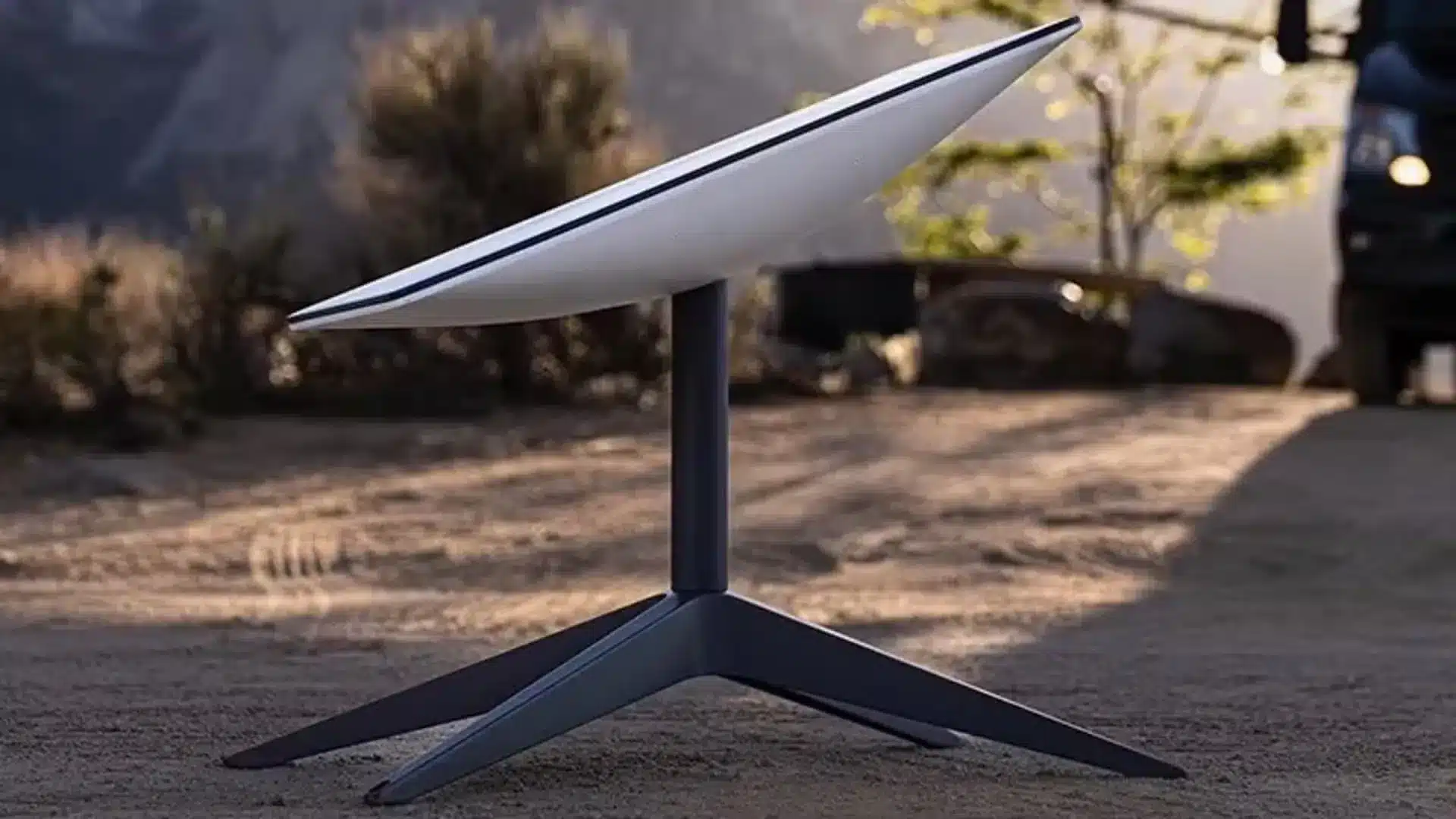

Staying connected on the road used to mean hoping for a single bar of Telstra near a highway servo. Not anymore. Starlink has changed the game for Aussie caravanners and it delivers real broadband speeds deep in the outback, the Kimberley, and everywhere in between.
But it comes at a cost. With hardware starting at $549 and monthly plans ranging from $85 to $210, is it genuinely worth it for caravan life? Here’s what you need to know before you sign up.
Quick Verdict
Starlink delivers unmatched internet performance in remote Australia. For full-timers and remote workers, it’s hard to justify not having it. For casual tourers who dip off-grid a few weeks a year, the ongoing cost is harder to rationalise.
Pros and Cons
Pros
- Exceptional speeds and low latency even in remote areas
- Easy to set up and move between campsites
- Reliable enough for streaming, video calls, and large uploads
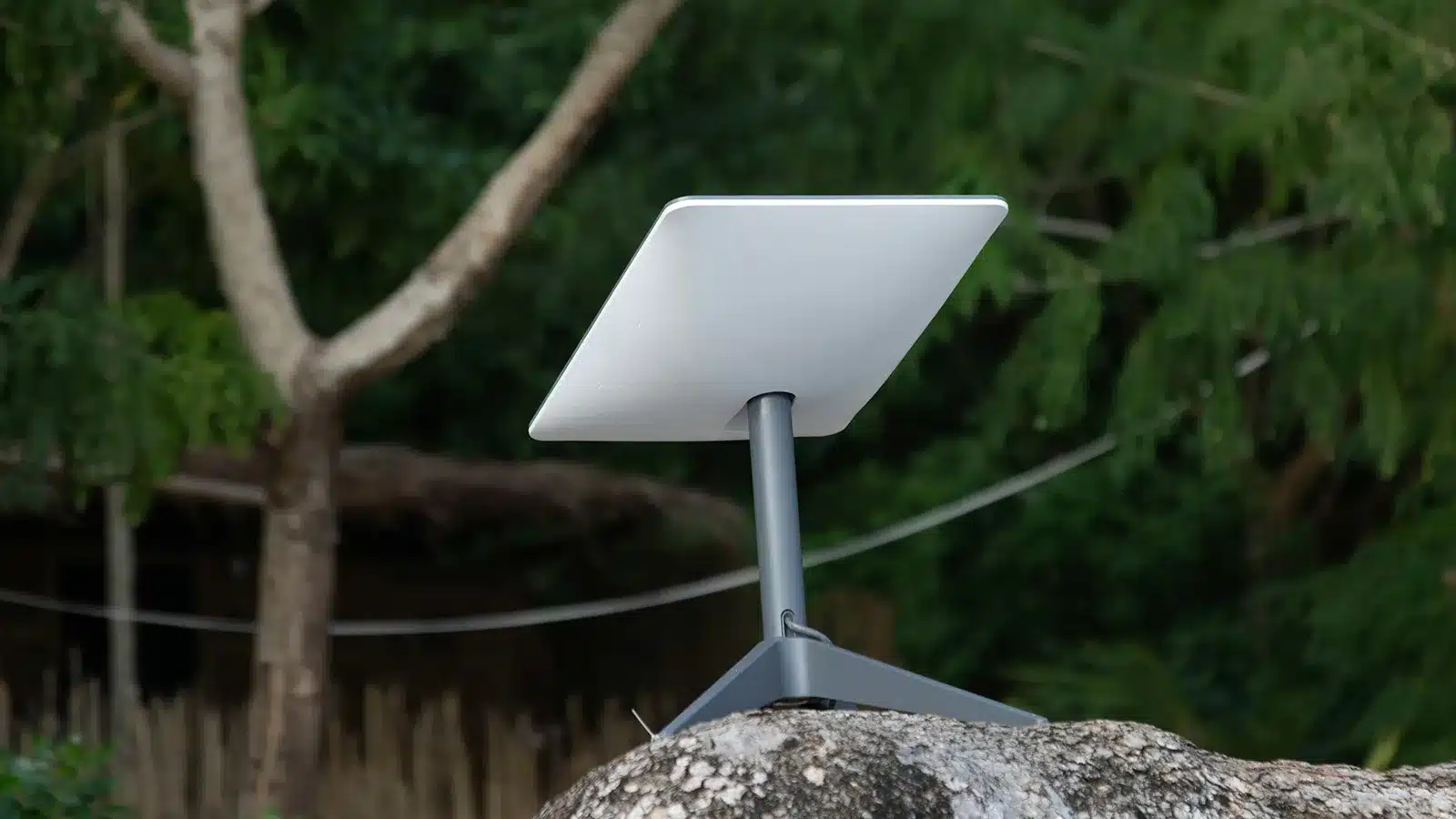
- Hardware is built tough for outdoor Australian conditions
- The 2026 Cub H16 and other new vans now come with dedicated Starlink ports
Cons
- Monthly plans range from $85 to $210: a significant ongoing cost
- Notable power draw, especially the Standard dish (75–100W average)
- Needs a clear view of the sky: dense bush camps can be a problem
- Hardware costs $549 (Standard) or $599 (Mini)
- Not a replacement for UHF radio or satellite phones in an emergency
Hardware: What You’re Actually Buying
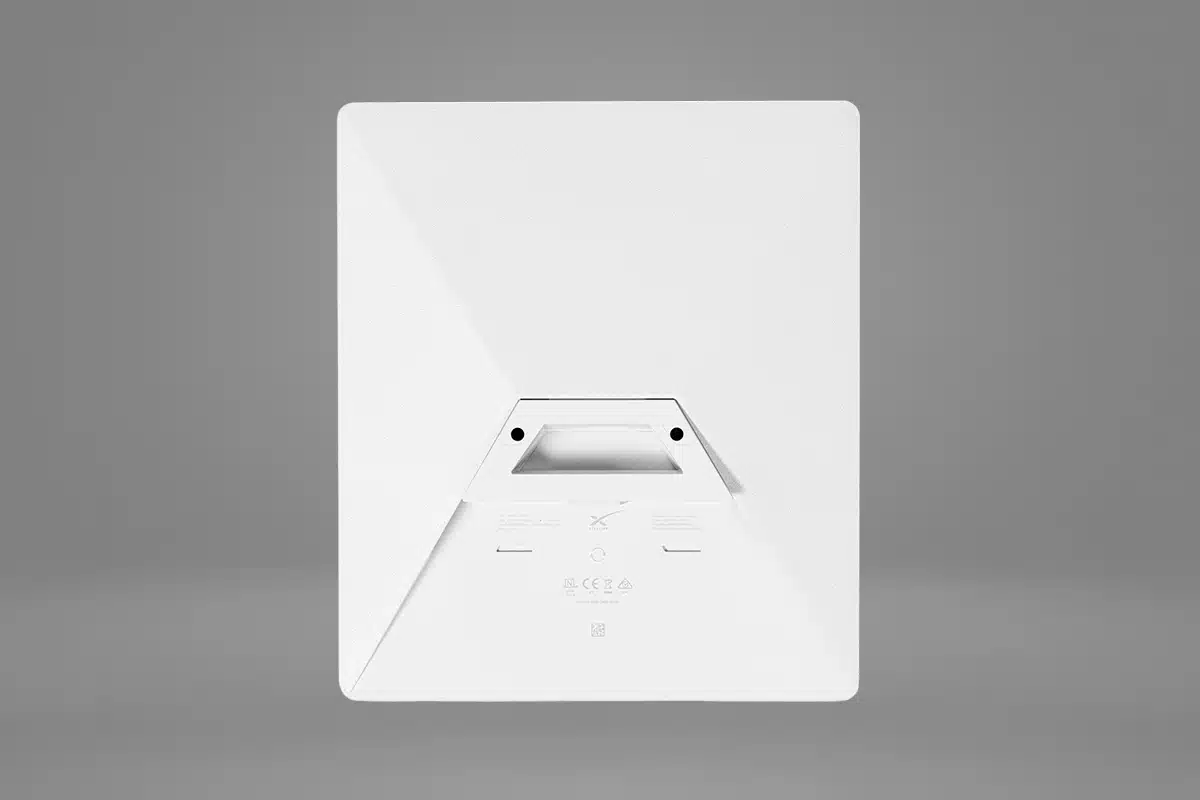
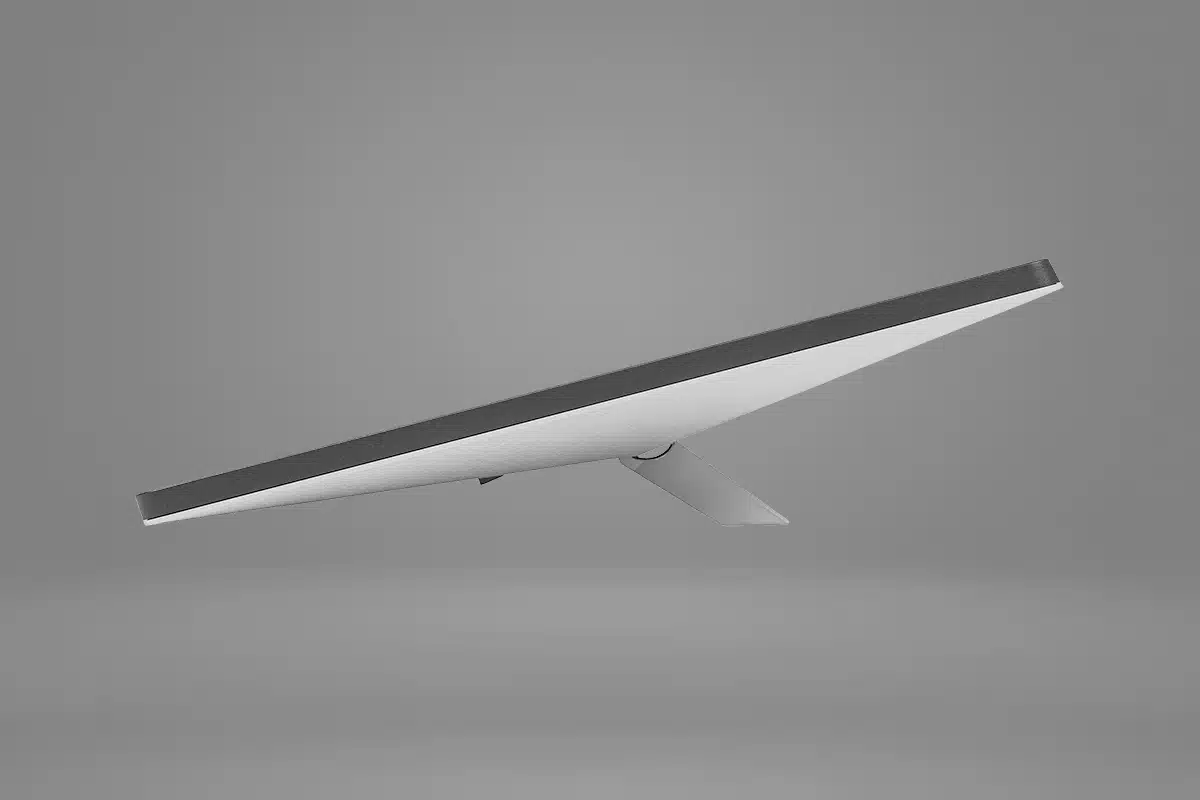
There are two dishes worth knowing about for caravan use: the Standard and the Mini.
Starlink Standard
The Standard dish is the larger of the two at around 594 x 383mm and 2.9kg. The full kit includes the dish, a cable, and a router. It’s designed to sit stationary at camp and delivers the best speeds of the two options but it draws more power (75–100W average) and takes up more storage space.
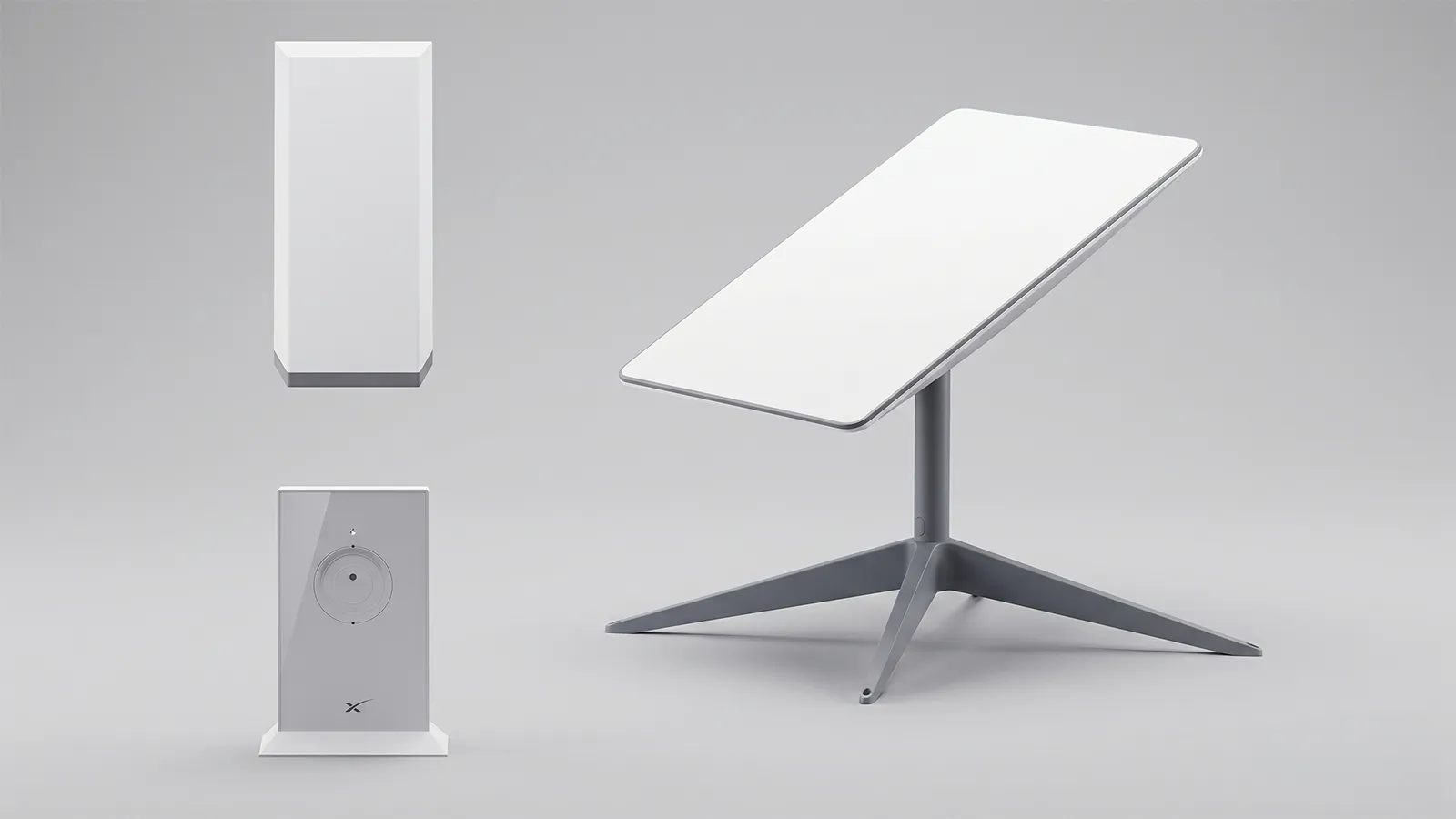
The router in the Standard kit runs on 240V, so most caravanners opt for a 12V conversion kit or a compatible third-party router to run it straight from the van’s power system.
Hardware cost: $549
Starlink Mini
The Mini is the one most caravanners are gravitating toward. At 298 x 259mm and just 1.1kg, it’s genuinely compact, roughly the size of a laptop,. It has built-in Wi-Fi, so no separate router is needed, and it draws significantly less power (around 25–40W). The trade-off is slightly lower peak speeds compared to the Standard.
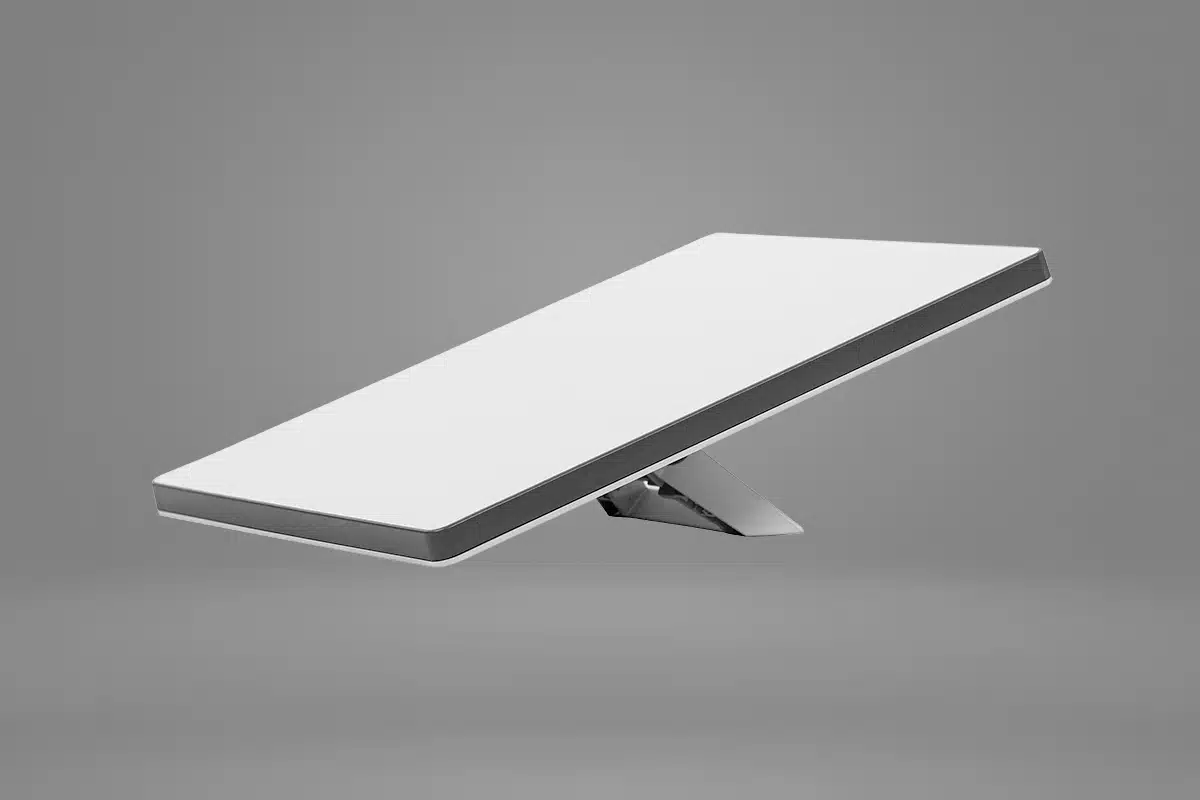
Hardware cost: $599
Caravan Integration Is Getting Easier
If you’re buying new, some manufacturers are already ahead of the curve. The 2026 Cub H16 comes standard with a dedicated Starlink port, meaning no DIY cable runs or drilled holes. Just plug in and go. Expect more van builders to follow.
Plans: What Does It Actually Cost Per Month?
Starlink’s mobile plans for caravanners are marketed under the Roam banner. There are three options:
| Plan | Data | Monthly Cost |
|---|---|---|
| Standby | Low-speed only (~0.5 Mbps) | $15/month |
| Roam 100GB | 100GB high-speed, then unlimited low-speed | $85/month |
| Roam Unlimited | Unlimited high-speed | $210/month |
Note: Starlink increased Australian plan prices in June 2026. All prices above reflect current rates. Always check starlink.com/au for the latest pricing as it can change.
Which Plan Makes Sense for Caravanners?
Roam 100GB ($85/month) suits most recreational tourers and grey nomads. 100GB covers a solid month of video calls, streaming, and general browsing. Once you hit the cap, you drop to low-speed data rather than being cut off entirely. It keeps you on emails and maps at minimum.
Roam Unlimited ($210/month) is the pick for full-timers and remote workers who can’t risk a throttled connection mid-workday.
Standby ($15/month) is a smart money-saver for seasonal travellers. When you’re home for winter, drop to Standby to keep the account alive without paying for full Roam. Switching between plans is instant in the Starlink app with no lock-in.
A grey nomad who travels four months and runs Standby for the other eight pays around $400 for the yearcompared to $1,020 on Roam 100GB year-round.
Real-World Performance
The real test of any internet solution is how it performs when you’re kilometres from the nearest mobile tower. Starlink consistently delivers where mobile data can’t with download speeds of 100 Mbps or more and low latency that holds up for video calls are routinely achievable in remote locations.
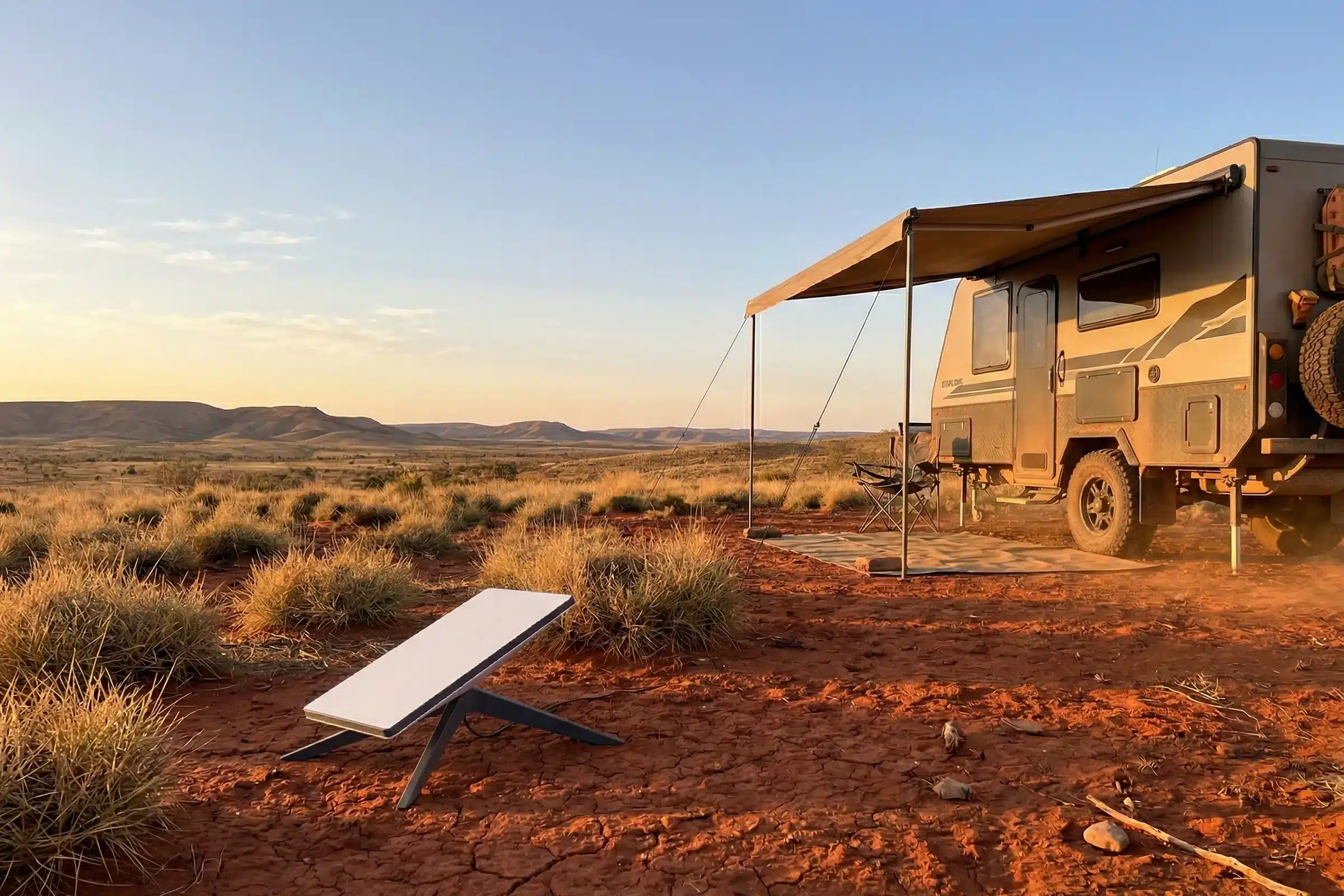
Road tests in places like the Nullarbor and parts of the Kimberley, where mobile coverage is non-existent, show Starlink maintaining a solid, workable connection throughout. For remote workers earning a living from the road, this alone changes what’s possible.
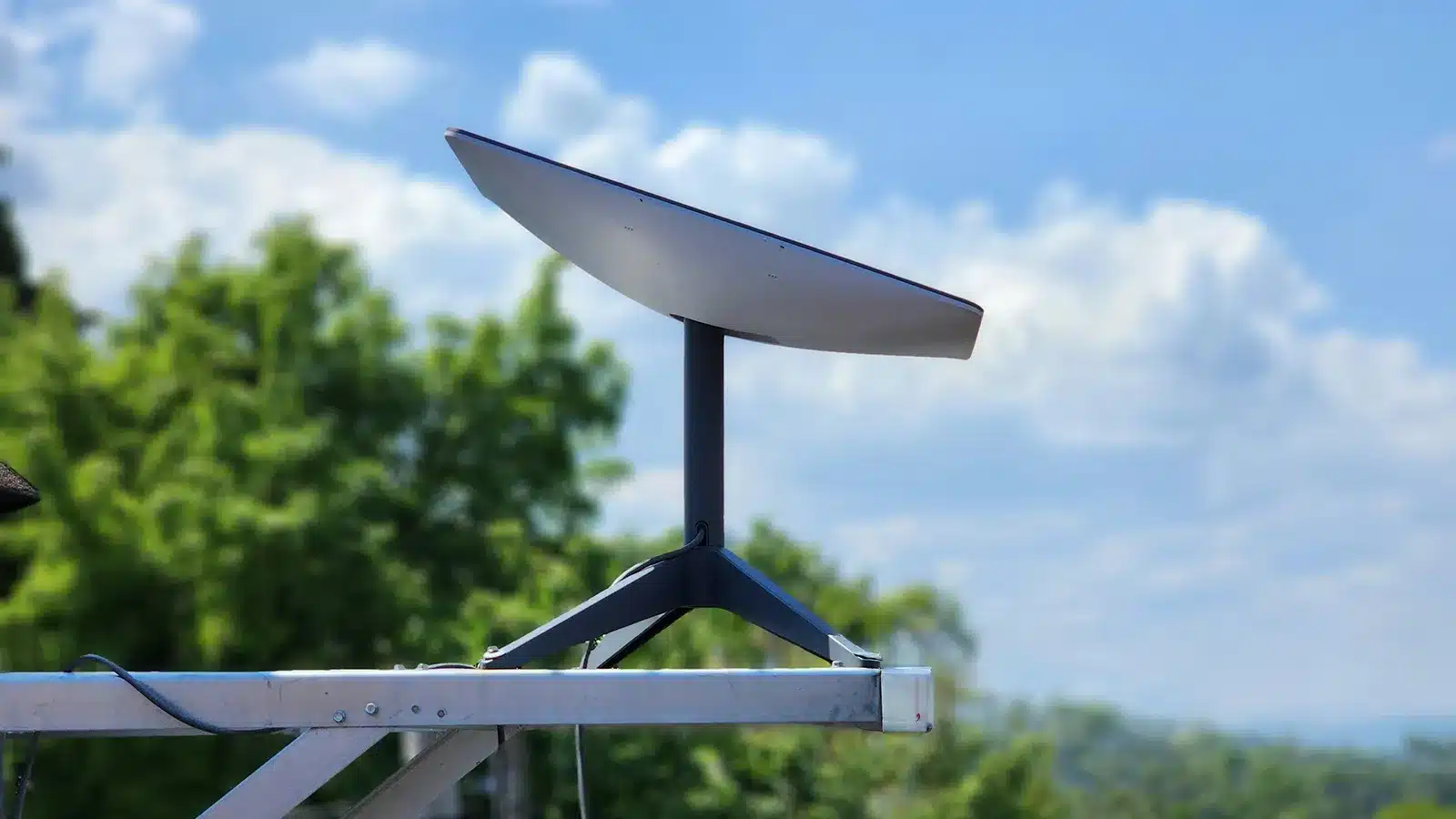
Where it struggles: Dense tree cover can seriously degrade the signal or block it entirely. Bush camps tucked under a canopy may require positioning the dish away from the van or using a pole mount to clear the obstruction. It’s worth having a telescopic pole mount in your kit for exactly this reason.
Power: What Your Setup Needs
Power consumption is the practical detail that catches people out.
- Starlink Standard: 75–100W average draw
- Starlink Mini: 25–40W average draw
On a 12V system, the Standard dish runs around 6–8 amps. The Mini is considerably more caravan-friendly at roughly 2–3 amps.
For extended off-grid stays, you’ll want a well-sorted power system to support Starlink alongside your fridge, lighting, and other appliances. A 200Ah+ lithium battery bank with adequate solar (200W minimum, 400W+ preferred) is the realistic baseline. For more detail, check our balanced caravan power system guide.
Value: Who Should Buy It?
Buy it if you:
- Work remotely and need reliable internet to earn while travelling
- Travel full-time and want to stay genuinely connected
- Regularly visit remote areas beyond mobile coverage
- Have kids who want to stream or game on the road
Hold off if you:
- Only venture off-grid a few weeks per year
- Have a modest power setup that can’t handle the draw
- Are primarily travelling in areas with decent Telstra 4G coverage
- Are trying to keep trip costs lean. At $85–$210/month adds up fast
For casual tourers, a combination of a mobile signal booster and pre-downloaded content (Netflix, Spotify, maps) is still a cost-effective alternative worth considering before committing to a Starlink subscription.
The Bottom Line
Starlink is the best remote internet solution available to Australian caravanners. It’s not particularly close. The hardware is well-made, setup is straightforward, and the performance in the outback is genuinely impressive.
The decision comes down to how much you travel, where you go, and how dependent you are on connectivity when you get there. For full-timers and remote workers, the monthly cost is just a cost of doing business. For weekend warriors, it’s worth running the numbers on your actual usage before committing.
If you’re looking at the Mini specifically, we have a dedicated Starlink Mini for caravans guide with more detail. And for staying safe in remote areas beyond internet access, our remote caravan touring guide covers satellite messengers, PLBs, and UHF radio.