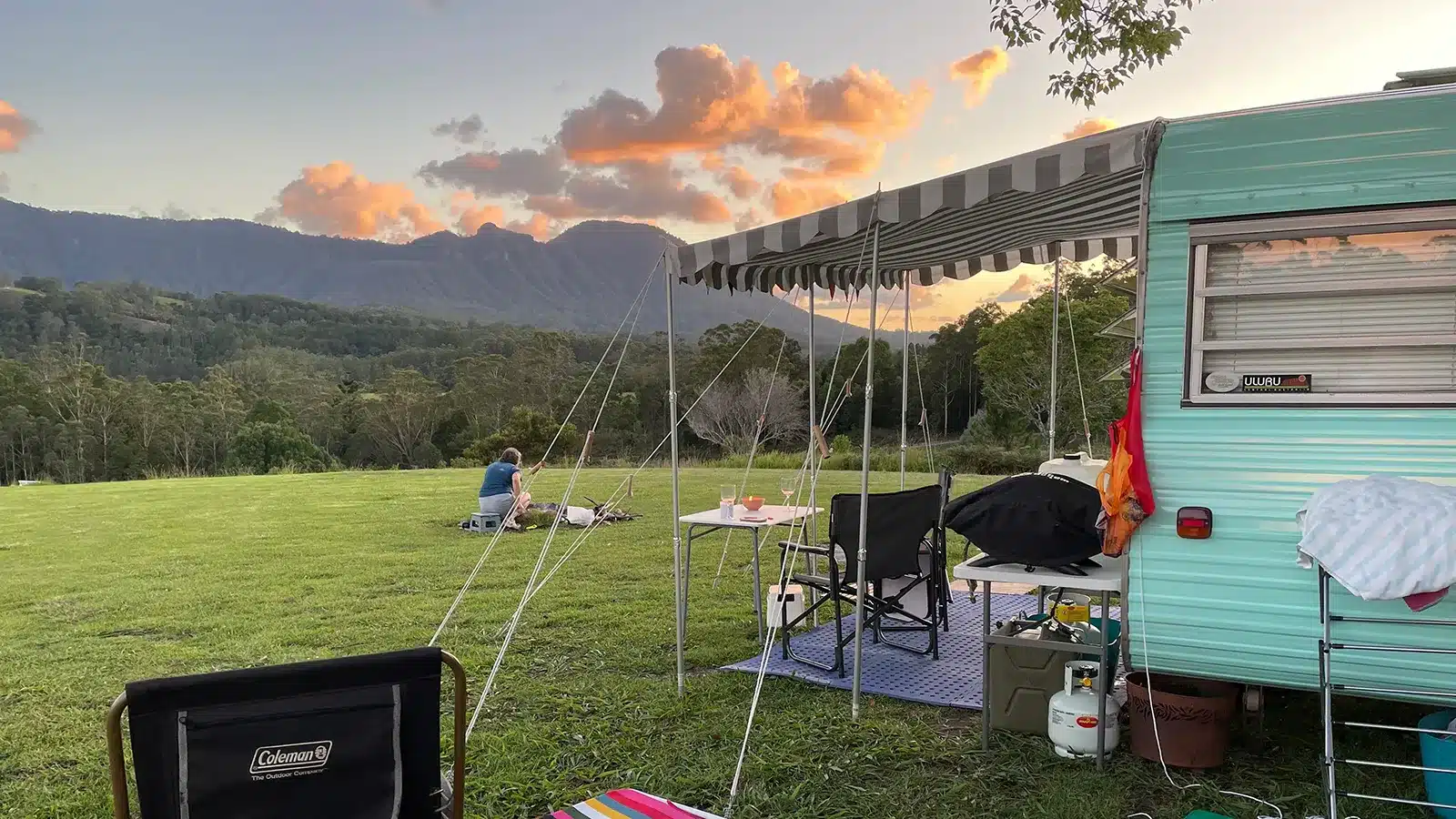

Hipcamp launched in Australia in 2019. Back then it was a niche idea: book a campsite on someone’s farm or vineyard the same way you’d book an Airbnb. Interesting, but fringe.
Seven years later, it lists more than 50,000 Australian campsites across every state and territory, draws on a global base of 8 million registered campers, and just expanded its footprint by adding more than 60 Hampshire Holiday Parks to its platform. It is no longer fringe.
So what does that actually mean for the caravan parks, holiday parks, and camping experiences Australians have relied on for decades?
What is Hipcamp?
Think of it as Airbnb for outdoor stays on private land. Instead of booking a room in someone’s home, you book a campsite on their farm, outback station, vineyard, or coastal property. Sites range from a bare patch of paddock with a long-drop toilet to fully fitted glamping tents with king beds and hot tubs.
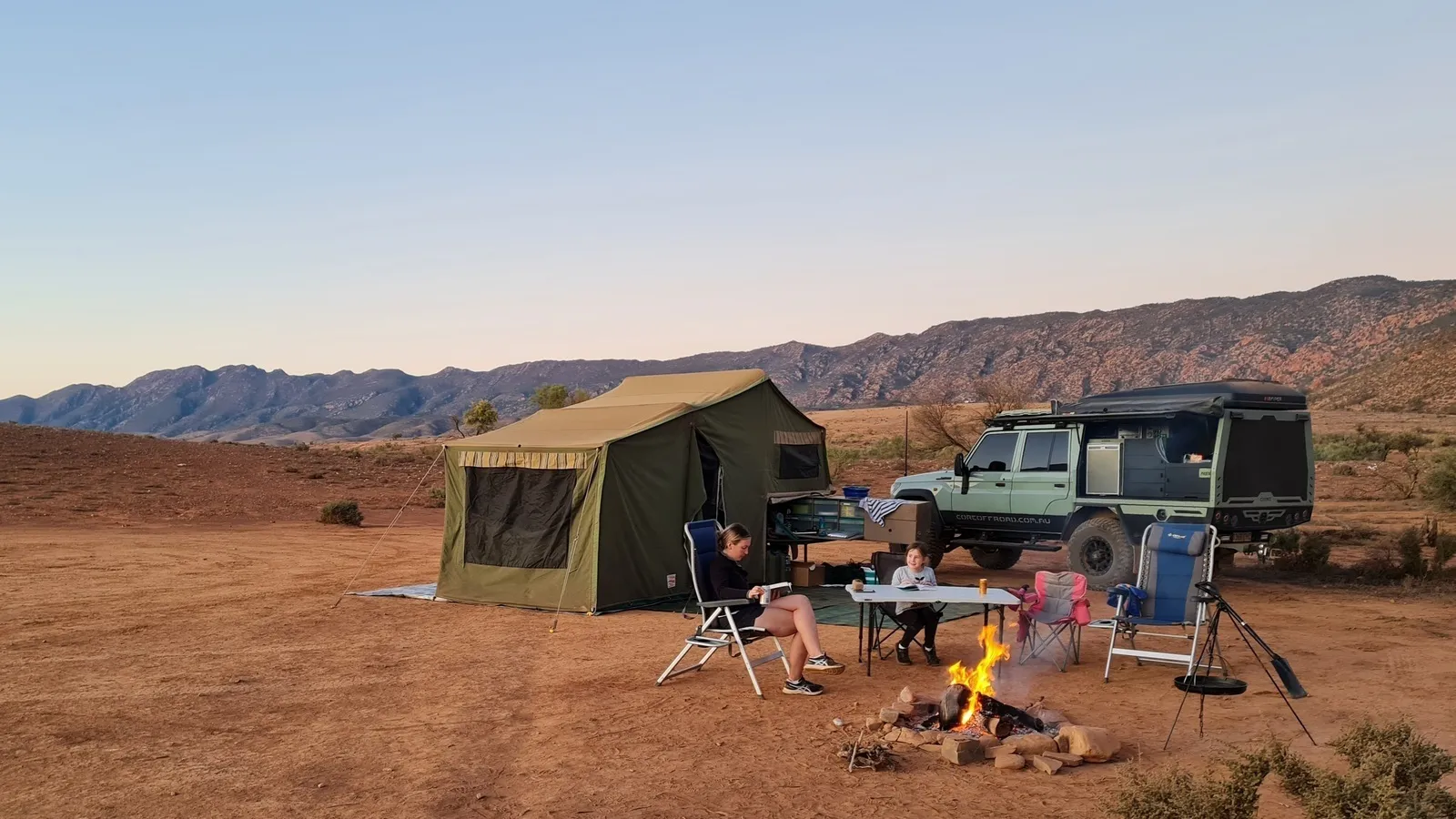
The appeal is straightforward. National parks and state forests cover a fraction of Australia’s landscape. Hipcamp opens up the rest: private bushland, working cattle stations, orchard properties, and beachfront acreage that have always existed but were never accessible to campers before.
Prices run from around $15 a night for a basic tent site up to $500-plus for premium glamping. A 10 to 15 per cent platform service fee is added on top of every booking.
The Part That Changes Things
The May 2026 partnership with Hampshire Holiday Parks is the move worth watching. Hipcamp is no longer just connecting campers with private landowners. It is now listing established commercial parks on its platform too.
That shifts the dynamic. Hipcamp started as a challenger to traditional parks. Now it is becoming a distribution channel for them. Parks that list on Hipcamp gain visibility with 8 million registered campers who might never have found them through direct search.
For the established holiday park industry, this looks less like a threat and more like a booking engine, similar to how hotels eventually embraced platforms like Booking.com after initially resisting them.
What It Means if You’re Choosing Where to Camp
The honest answer is that Hipcamp and traditional caravan parks serve different needs, and the rise of one does not replace the other.
Holiday parks and free camps each have a different value proposition, and Hipcamp sits somewhere in between. It offers more privacy and uniqueness than a commercial park, but without the consistency of facilities or the regulatory standards that come with them.
Where Hipcamp genuinely wins is access. Dogs are welcome at many private sites where national parks prohibit them. Last-minute availability is often better than state park booking systems. And the experience of camping on a working farm or beside a private waterfall is something no powered site can replicate.
Where it loses ground is value. A basic $40 Hipcamp tent site plus platform fees can cost more than a well-run caravan park with powered sites, hot showers, and a camp kitchen. For campers who prioritise going further off grid, the calculus is different, but for families on a budget, national parks and established parks remain hard to beat on pure dollars per night.
Hipcamp vs Caravan Parks: How They Stack Up
50,000+ private Australian sites and growing — here’s how to choose
- Basic tent site: $15–$40
- Powered caravan site: $30–$60
- Glamping / cabin: $100–$500+
- + 10–15% platform service fee
- Unpowered site: $25–$45
- Powered site: $40–$80
- Cabin / ensuite: $100–$200+
- No platform fee
Choose Hipcamp when…
- ✓You want to camp with your dog
- ✓Parks are booked out
- ✓You want a unique private setting
- ✓Farm stays, vineyards, stations
- ✓Last-minute availability needed
Choose a caravan park when…
- ✓Budget is the priority
- ✓You need consistent facilities
- ✓Travelling with kids
- ✓You want powered sites reliably
- ✓Long stays with full amenities
Worth knowing: Hipcamp’s service fee is not always refunded if you cancel, even when the host approves the cancellation. Always check the specific listing’s cancellation terms before you book.
The Landowner Side
One angle most campers miss entirely is what Hipcamp means for Australian landowners. Rural properties that were carrying the costs of large acreage with no income from it can now list a few campsites and generate consistent revenue from visitors. It is a genuine economic shift for regional Australia, and it creates camping options in areas where none previously existed.
It is free to list. Hipcamp takes its cut from confirmed bookings only. For a cattle farmer with a creek frontage and some flat ground, that is a low-risk way to put idle land to work.
The Bottom Line
Hipcamp is not replacing the caravan park. It is expanding the total map of where Australians can camp, adding 50,000 private sites that simply did not exist in the booking ecosystem five years ago. For the industry, the smart parks are already listing on it. For campers, it is worth having in your toolkit. Just read the reviews carefully and always check the cancellation policy before you book.