
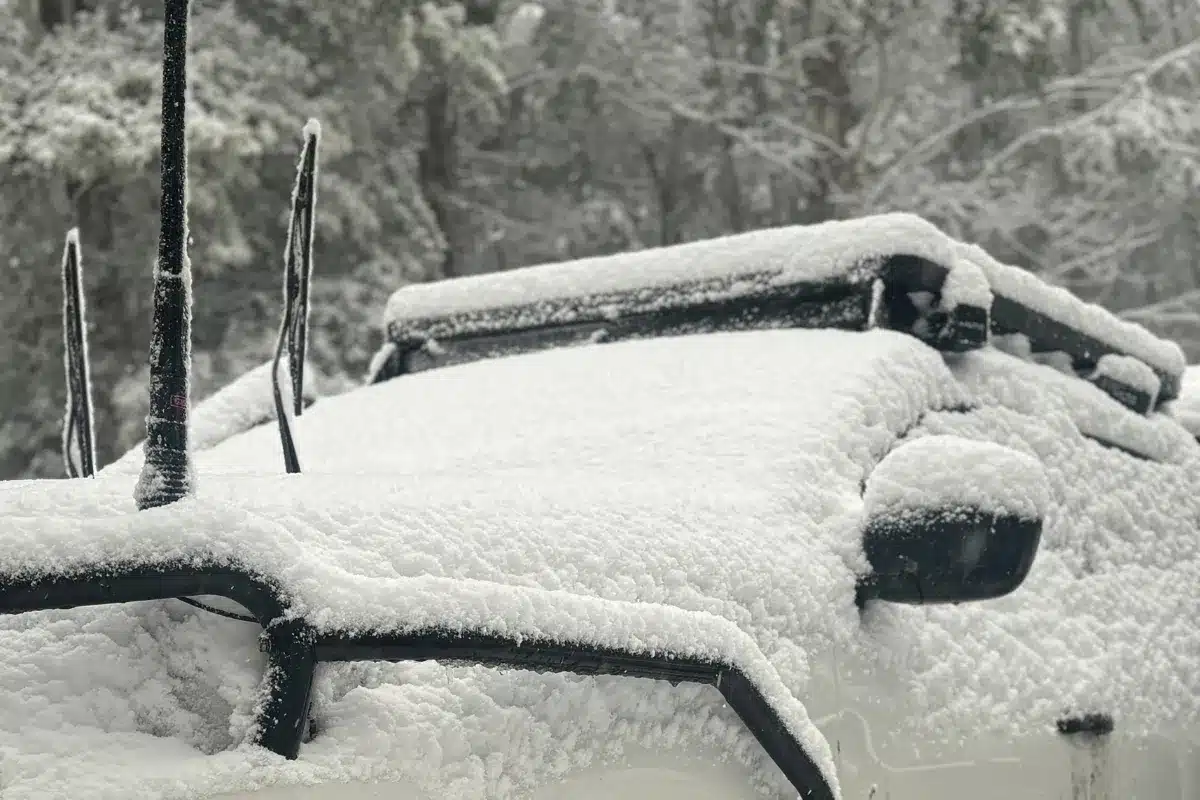

The High Country is a place where conditions can change quickly, roads can close, phone reception can disappear and a simple day trip can become a much longer day than planned. That is the bit interstate travellers do not always know.
A lot of the VIC High Country closes in winter.
That does not mean the whole region shuts down. Far from it. You can still visit towns, book caravan parks, explore the valleys, head to alpine resorts, hunt snow and enjoy a proper winter getaway. But if your plan involves remote tracks, 4WD shortcuts, high-country camping, forest roads or simply following Google Maps into the mountains, you need to check before you go.
Because in the Vic High Country, a closed gate is not a suggestion.
As a Victorian, I get asked the same question every winter.
“We’re coming down for a snow trip. What do you recommend?”
And my answer is usually the same.
“Be over prepared.”
Why The Vic High Country Has Seasonal Road Closures
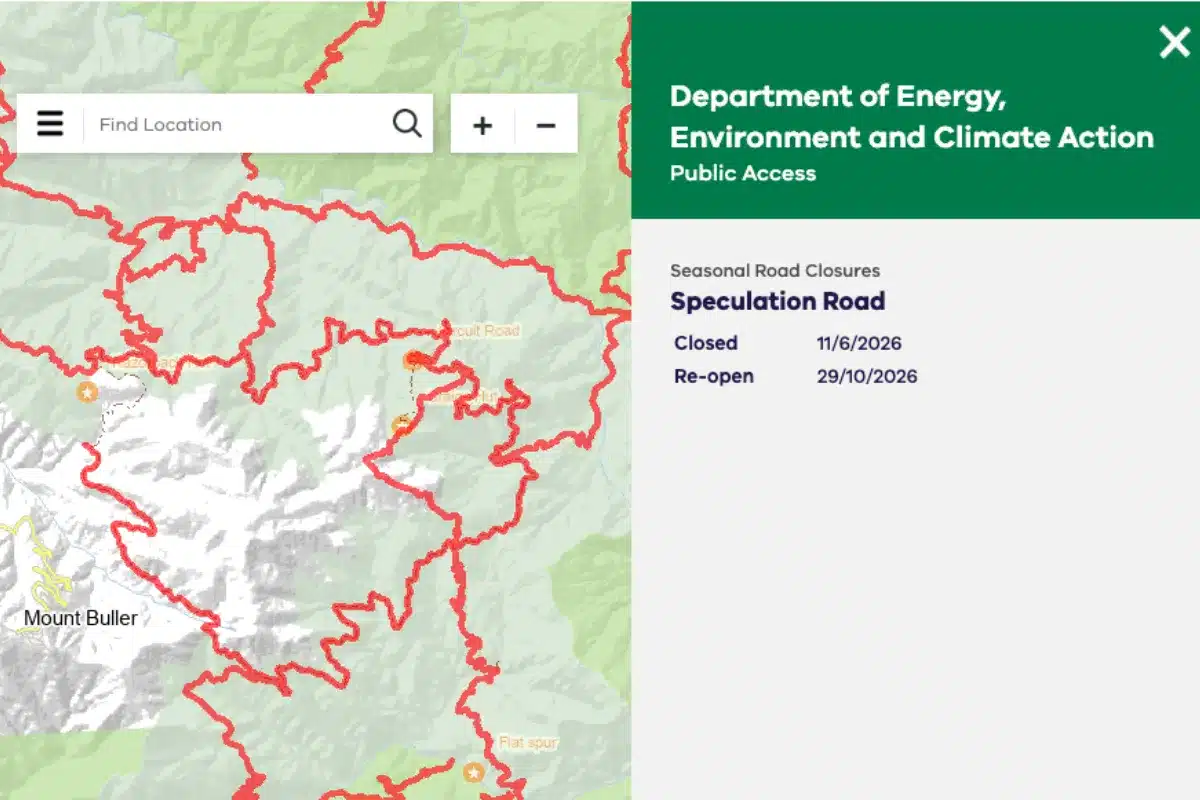
Every winter, many roads and tracks across Victoria’s parks and forests are closed to vehicles.
These seasonal road closures are there for good reason. Rain, snow and ice can soften track surfaces, increase erosion, damage waterways and make remote roads dangerous. A track that might be manageable in summer can quickly become slippery, boggy, icy or blocked in winter.
For caravanners, 4WD tourers and snow chasers, this is where planning matters.
You may see a road on a map. Your navigation app may even suggest it as the quickest route. But that does not mean it is open, safe, suitable for towing or appropriate for your vehicle.
Before travelling, check the official closure information for the exact road, track or park you plan to visit.
Seasonal VIC High Country Closure Does Not Mean Your Snow Trip Is Cancelled
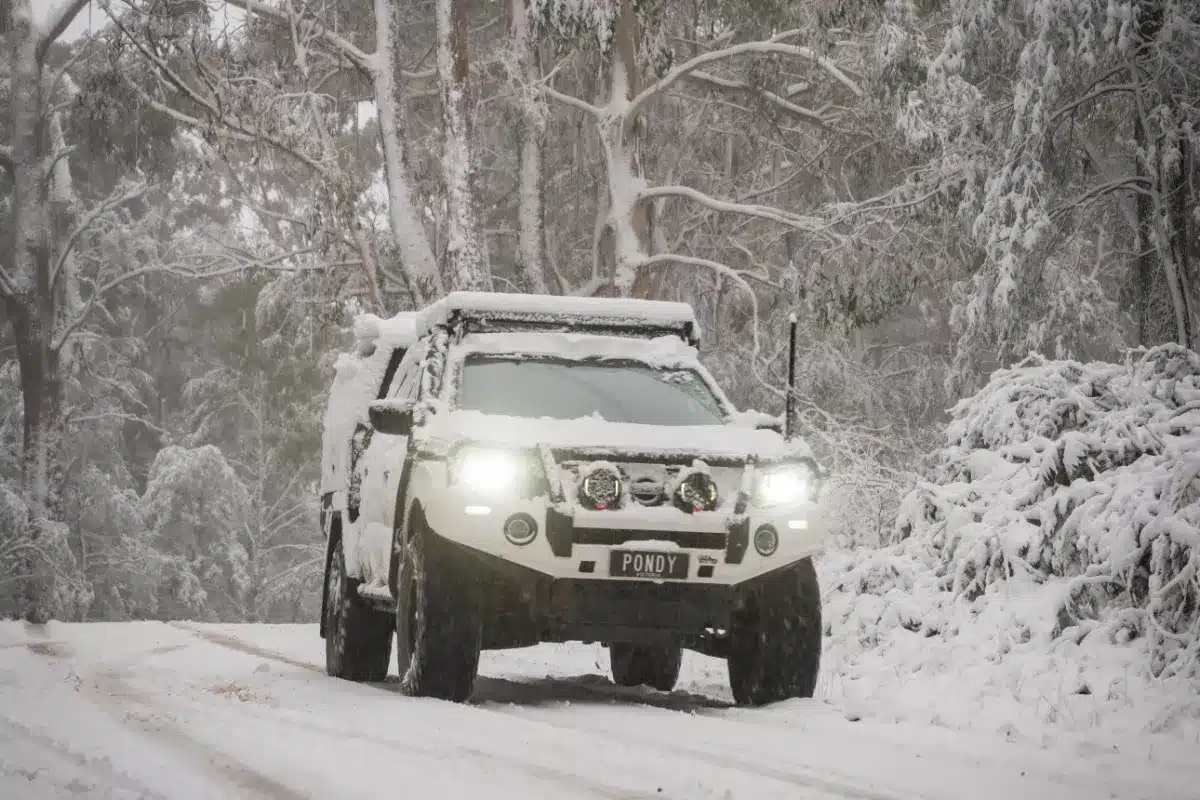
The good news is you can still have a brilliant High Country winter trip.
You just need to plan it differently.
Winter is often better treated as a base-camp style trip. Instead of towing the van into remote alpine areas or trying to tackle high tracks, set yourself up in a lower-altitude town or caravan park, then head up to the snow as a day trip.
That means less stress, fewer towing risks and more flexibility if the weather changes.
Good base areas can include towns around Bright, Porepunkah, Harrietville, Myrtleford, Mansfield, Merrijig, Omeo, Dinner Plain, Marysville and the surrounding High Country regions, depending on where you are heading.
The idea is simple:
Base low. Play high. Return before dark.
Vic High Country Snow Travel
The Winter Touring Rule
To Remember
A snow trip in the Victorian High Country is easier, safer and more enjoyable when you plan around conditions, closures and daylight.
Stay below the snow line where practical
Use a lower-altitude town or caravan park as your base, then head up to the snow as a day trip.
Keep the alpine section flexible
Snow, fog, ice and chain requirements can change the plan quickly, so treat mountain travel as weather-dependent.
Prepare for delays
Carry food, water, warm clothing, chargers and essential safety gear in the vehicle, not just back at the van.
Know when to change the plan
If conditions, closures or confidence change, turn around before the day becomes harder than it needs to be.
The Big Mistake Interstate Travellers Make
The biggest mistake is assuming that “open on the map” means open in real life.
This is especially important for travellers coming from New South Wales, South Australia, Queensland or Western Australia who may not be familiar with Victorian alpine road rules and seasonal track closures.
In the High Country, conditions can change quickly. A sunny morning in town can still mean snow, black ice, fog, fallen trees or chain requirements higher up.
Steph’s Tip: Plan For The Trip You Might Have, Not Just The Trip You Want
When friends from interstate ask me about heading to the snow, they are usually thinking about the fun part.
Where should we stay?
Where is the best snow?
Can we take the kids?
Can we tow the van nearby?
All good questions.
But the more important question is this: what is your backup plan if the weather turns?
That is the mindset you need in the High Country.
Pack as though you might be delayed. Fill the tank before you need to. Keep food and water in the car. Charge the power banks. Carry warm clothing even if you are “only going for a quick look”. Know where you are staying that night. Know your turn-around point.
The best High Country travellers are not the ones who push through no matter what.
They are the ones who know when to change the plan.
Snow trip packing checklist
What To Pack For A
Vic High Country Winter Trip
Pack for the trip you might have, not just the trip you want. Keep the essentials in the vehicle so they are with you if the day changes.
For snow roads and delays
- Correct diamond-pattern snow chains
- Gloves, torch and kneeling mat for chain fitting
- Small shovel and windscreen scraper
- Jump starter or jumper leads
- Offline maps and paper map backup
- UHF radio for convoy travel
- PLB or registered distress beacon for remote travel
For comfort and safety
- Waterproof jacket and warm layers
- Beanie, gloves and spare socks
- Waterproof shoes or boots
- Change of clothes
- Wet gear bag
- Blanket or sleeping bag in the vehicle
- Sunglasses, sunscreen and lip balm
For unexpected waits
- Extra drinking water
- Snacks that do not need cooking
- Thermos with a hot drink
- Phone charging cables
- 12V charger and power bank
- Torch or headlamp
- Medication and basic first aid kit
For winter camp comfort
- Full gas bottles
- Charged batteries
- Extra drinking water
- Levelling blocks for wet ground
- Boot tray or wet gear tub
- Ventilation plan to reduce condensation
- Easy dinner for late arrival
Should you pack Snow Chains? Yes, Even If You Have A 4WD
If you are heading into Victoria’s alpine resorts during the declared snow season, you need to understand snow chain rules before you leave.
All vehicles entering Falls Creek, Mt Baw Baw, Mt Buller, Mt Hotham and Mt Stirling must carry snow chains during the declared snow season. That includes AWD and 4WD vehicles.
At Lake Mountain, chain requirements are determined daily depending on weather and road conditions.
The type of chain matters too. Diamond-pattern wheel chains are required. Ladder chains, spider chains and snow socks are not accepted at Victorian alpine resorts.
Do not assume you can sort it out at the top. Chains need to be hired or purchased before you begin the mountain ascent.
Before you go:
- Check your tyre size
- Check your vehicle manual for chain compatibility
- Hire or buy the correct diamond-pattern chains
- Practise fitting them before the trip
- Carry gloves, a torch and a plastic bag or kneeling mat
- Use designated chain fitting bays when directed
Trying to fit chains for the first time in freezing rain on the side of the road is not the kind of holiday memory anyone needs.
Should You Tow A Caravan Into The Snow?
For most travellers, the answer is no.
Even if you are experienced at towing, snow roads add extra risk. Ice, steep grades, poor visibility, chain fitting areas, narrow shoulders and limited turning space can make towing stressful very quickly.
The safer option is to leave the caravan at a lower-altitude caravan park and head into the snow in the tow vehicle.
Before booking your base, ask the caravan park:
- Are roads to the park usually accessible in winter?
- Is the park suitable for larger rigs in wet weather?
- Do sites get muddy or icy?
- Is there space to leave the van while you day trip?
- Are there shuttle or transfer options nearby?
- What is the safest route in from your direction?
- Do they recommend avoiding any roads while towing?
If you are travelling in a motorhome, check the current rules for resort access, parking and overnight stays. Being allowed to park during the day does not automatically mean you can sleep there overnight.
Alpine Diesel Or Diesel Anti-Freeze: Sort It Before You Climb
If you drive a diesel tow vehicle, 4WD or motorhome, fuel is one of the big winter checks.
In freezing conditions, standard diesel can thicken or wax, which may make the vehicle hard to start or run poorly. That is the last thing you want halfway through a snow trip.
The safest option is to fill with alpine diesel before heading into snow country.
If alpine diesel is not available, a diesel anti-freeze or anti-gel additive may be used as an alternative, but it needs to be added before the fuel gets too cold and before waxing becomes a problem. Always follow the product instructions and make sure it is suitable for your vehicle.
Do not wait until the vehicle is already struggling. Sort your fuel before you climb into colder areas.
If in doubt, ask a local service station in the alpine region what they recommend for current conditions.
Check Your Coolant, Battery And Winter Basics
Diesel anti-freeze is about your fuel. Vehicle coolant is a separate check.
Before any winter High Country trip, make sure your vehicle’s cooling system is suitable for freezing conditions. This is not the time to guess what is in the radiator.
Before you leave home, check:
- Coolant condition
- Battery health
- Tyre tread and tyre pressure
- Wipers and washer fluid
- Winch & recovery gear
- Heater and demister
- Headlights, brake lights and fog lights
- Brakes
- Spare tyre
- Jump starter or jumper leads
Cold weather can expose weak batteries and poor maintenance very quickly. If your vehicle is overdue for a service, get it checked before heading into the mountains.
Do Not Go Alone If You Are Heading Remote
For a simple day trip to a busy snow resort, many travellers will be fine travelling independently if they are well prepared.
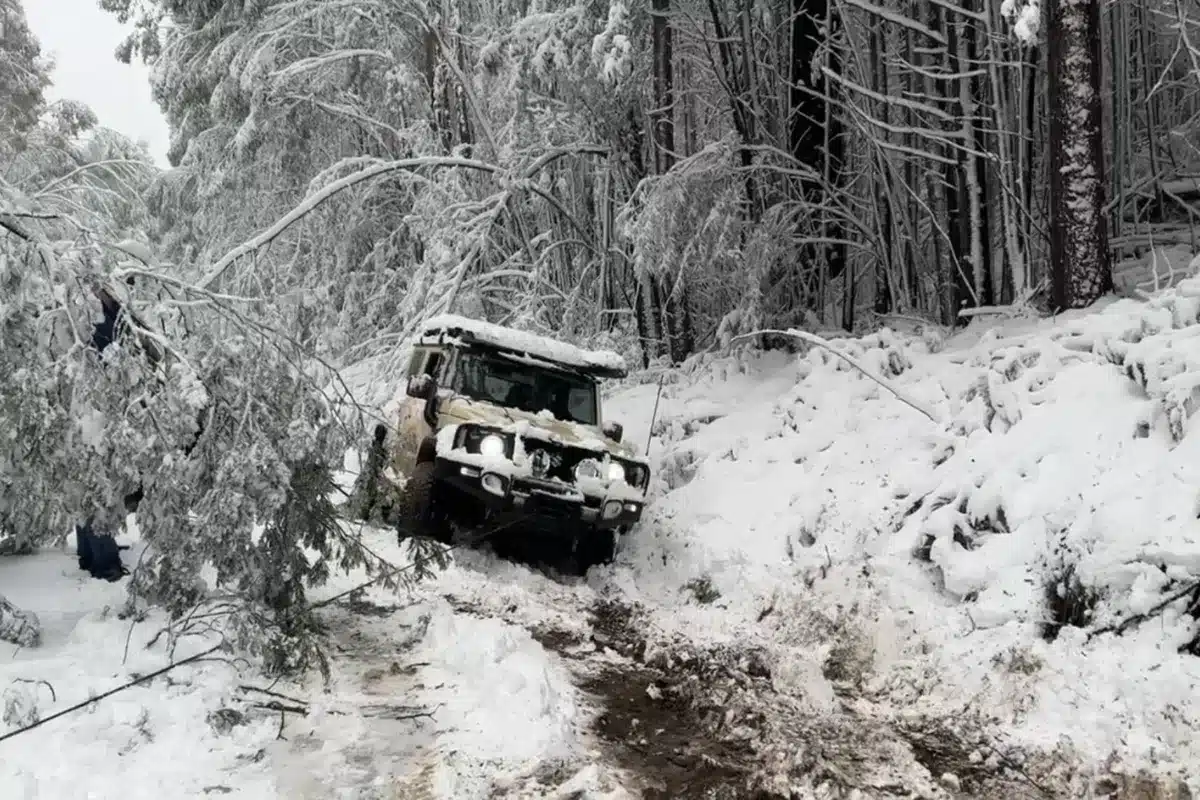
But if you are planning remote High Country roads, forest tracks or 4WD touring in winter, do not go alone.
Travel with another vehicle where possible.
Tell someone who is not travelling with you:
- Where you are going
- Which route you plan to take
- When you expect to arrive
- When you expect to return
- What to do if they do not hear from you
Mobile reception is patchy across the High Country. You cannot rely on being able to Google your way out of trouble.
Paper maps are your best friend!
Carry A PLB Or Distress Beacon For Remote Travel
If you are heading into remote areas, consider carrying a registered Personal Locator Beacon.
A PLB is small, portable and designed to be carried by a person. It should only be activated in a life-threatening emergency, but where there is no mobile reception, a registered beacon can help emergency services locate you.
Some travellers also carry satellite phones or satellite messengers. These are very useful, especially for two-way communication, but make sure you understand what your device can and cannot do.
For land-based touring, a GPS-equipped PLB is usually the practical personal option. EPIRBs are more commonly associated with boating, although beacon types and use cases vary, so check the device is suitable for your style of travel and is correctly registered.
Carry Extra Food That Does Not Need Cooking
Always keep extra food in the vehicle, not just in the caravan.
If you get delayed by weather, turned around by a closure, stuck behind an incident or forced to wait for conditions to improve, you may not be able to get back to camp when planned.
Pack food that does not need cooking, such as:
- Muesli bars
- Trail mix
- Crackers
- Tuna or salmon sachets
- Long-life snacks
- Fruit
- Jerky
- Chocolate
- Up & Go-style drinks
- Bottled water
A thermos is also worth packing. A hot drink on a cold day can make a big difference.
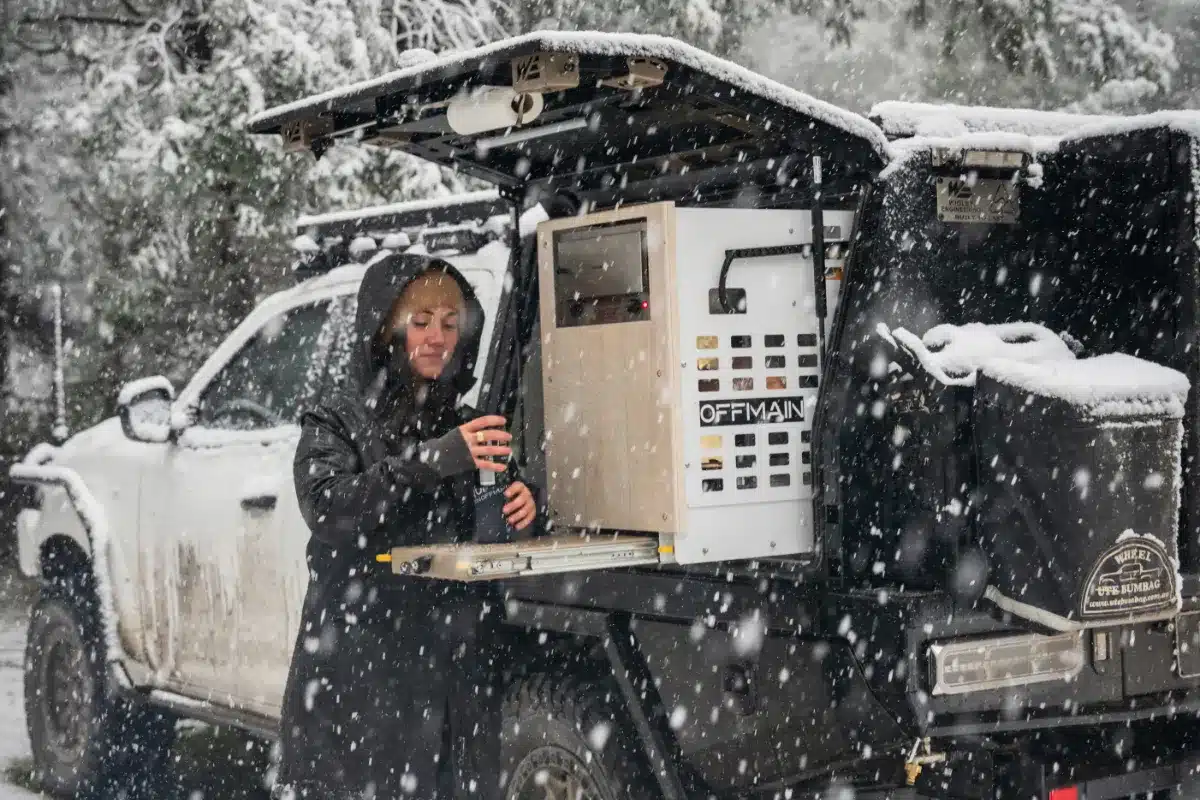
Keep Power In The Car
Cold weather drains batteries faster, and phones often run down quickly when they are searching for reception. Keep your charging gear in the car, not just in the caravan.
Pack:
- Phone charging cables
- 12V charger
- Fully charged power bank
- Torch or headlamp
- Spare batteries
- UHF radio if travelling in convoy
- Offline maps
- Paper map as a backup
If you are heading into remote areas, do not make your phone your only navigation tool.
Chainsaw, Axe Or Folding Saw: Only Where Permitted
A fallen branch or tree can block a High Country track, especially after snow, wind or storms.
Some experienced travellers carry a folding saw, axe or chainsaw as part of their 4WD kit. But this needs to be handled carefully.
Only carry and use this gear where it is legal, safe and permitted.
Do not cut standing trees. Do not collect firewood in national parks or protected areas managed by Parks Victoria. Do not assume that because timber is on the ground, you are allowed to take it.
For many travellers, a compact folding saw or small axe is a more practical emergency item than a chainsaw.
The best decision may still be to turn around. If a road is blocked, closed, unsafe or beyond your experience level, do not push on just because you have tools in the vehicle.
Winter trip planner
Before You Head Into
The High Country
Seasonal closures, snow chains, alpine fuel, weather and daylight all matter. Use this simple timeline before a Victorian High Country snow trip.
Build the plan
- Check seasonal road closures for your exact route.
- Book a lower-altitude caravan park or accommodation.
- Confirm snow chain rules and hire options.
- Check tyres, battery, coolant, wipers and lights.
- Download offline maps and plan a backup route.
Check conditions
- Check VicTraffic, VicEmergency and resort road reports.
- Review weather warnings, not just the snow forecast.
- Fill the fuel tank before mountain areas.
- Charge phones, radios, torches and power banks.
- Pack food, water and warm clothing in the vehicle.
Travel smart
- Leave early and drive in daylight where possible.
- Use chain fitting bays when directed.
- Do not drive around closure gates.
- Do not assume other tyre tracks mean a road is safe.
- Turn around early if conditions feel beyond your comfort level.
Good Winter Base Towns To Consider
Your best base will depend on where you are heading, but some High Country areas commonly used by winter travellers include:
- Bright and Porepunkah for access towards Mount Buffalo, Harrietville and the wider Alpine region
- Harrietville for travellers heading towards Mount Hotham
- Dinner Plain for alpine village stays, subject to current access and accommodation rules
- Mansfield and Merrijig for access towards Mt Buller and Mt Stirling
- Marysville for access towards Lake Mountain
- Myrtleford for a lower-altitude base with access to the surrounding High Country
- Omeo for travellers exploring the eastern High Country
Always check road conditions and towing suitability before choosing your route.
The Victorian Snow Trip Rule I Always Come Back To
If you are coming from interstate, the biggest thing to remember is that Victoria’s snow country is not just a destination. It is mountain travel.
That means you need to think about access, fuel, weather, daylight, phone reception, road closures, snow chains and what happens if the day does not go to plan.
It does not have to be difficult. It just needs a bit more preparation.
So when someone asks me what I recommend for a Victorian snow trip, my answer is not one town, one resort or one caravan park.
It is this:
Base low.
Play high.
Pack extra.
Turn around early.
And always be more prepared than you think you need to be.
That is how you enjoy the High Country properly.
Where To Check Before You Leave
Before heading into the Victorian High Country in winter, check:
- Parks Victoria seasonal road closures
- Forest Fire Management Victoria Public Access Map
- VicTraffic
- VicEmergency
- Bureau of Meteorology weather warnings
- Alpine Resorts Victoria
- The individual resort website for your destination
- Your caravan park or accommodation provider
Save important pages before you go, because mobile reception can be unreliable in the High Country.
Final Word
The Victorian High Country is a stunning winter destination, but it is not a place to wing it.
For interstate travellers chasing snow, the surprise is often not the cold. It is the seasonal closures, chain rules, alpine fuel requirements, fast-changing weather and limited phone reception.
Plan ahead, check the official sources, pack properly and choose a smart base.
Do that, and a winter High Country trip can still be one of the best cold-weather escapes you will have in the van.
FAQs
Are High Country roads closed in winter?
Many roads and tracks across Victoria’s High Country are seasonally closed during the wetter months to protect tracks, waterways and visitor safety. Closures vary by road and park, so always check official sources before travelling.
Can I still visit the Victorian High Country in winter?
Yes. Towns, caravan parks, accommodation, attractions and alpine resorts may still be accessible, depending on conditions. The key is to plan around seasonal road closures and avoid assuming all tracks are open.
Do I need snow chains in Victoria if I have a 4WD?
Yes, if you are entering specified Victorian alpine resorts during the declared snow season. The requirement applies to all vehicle classes, including AWD and 4WD vehicles.
What type of snow chains do I need in Victoria?
Victorian alpine resorts require diamond-pattern snow chains. Ladder chains, spider chains and snow socks are not accepted for resort entry.
Should I tow my caravan into the snow?
In most cases, it is safer to leave the caravan at a lower-altitude caravan park and drive into the snow for the day. Snow, ice, fog, steep grades and limited turning space can make towing risky.
What is alpine diesel?
Alpine diesel is diesel fuel blended for cold conditions. It helps reduce the risk of diesel thickening or waxing in freezing temperatures. Diesel travellers should fill with alpine diesel before heading into snow country where possible. If alpine diesel is not available, a diesel anti-freeze or anti-gel additive may be used as an alternative, provided it is suitable for your vehicle and added before the fuel gets too cold.
Do I need anti-freeze for a snow trip?
Your vehicle’s cooling system should be suitable for freezing conditions before heading into alpine areas. Have your coolant and anti-freeze checked before you leave.
Should I carry a PLB in the High Country?
For remote High Country travel, a registered Personal Locator Beacon is a smart safety item. Mobile reception can be patchy, and a PLB can help emergency services locate you in a life-threatening situation.
Can I use a chainsaw or collect firewood in the High Country?
Only where it is legal, safe and permitted. Firewood collection is restricted in Victoria and is not allowed in protected areas managed by Parks Victoria. Do not cut standing trees or collect timber unless you have confirmed the rules for that area.