
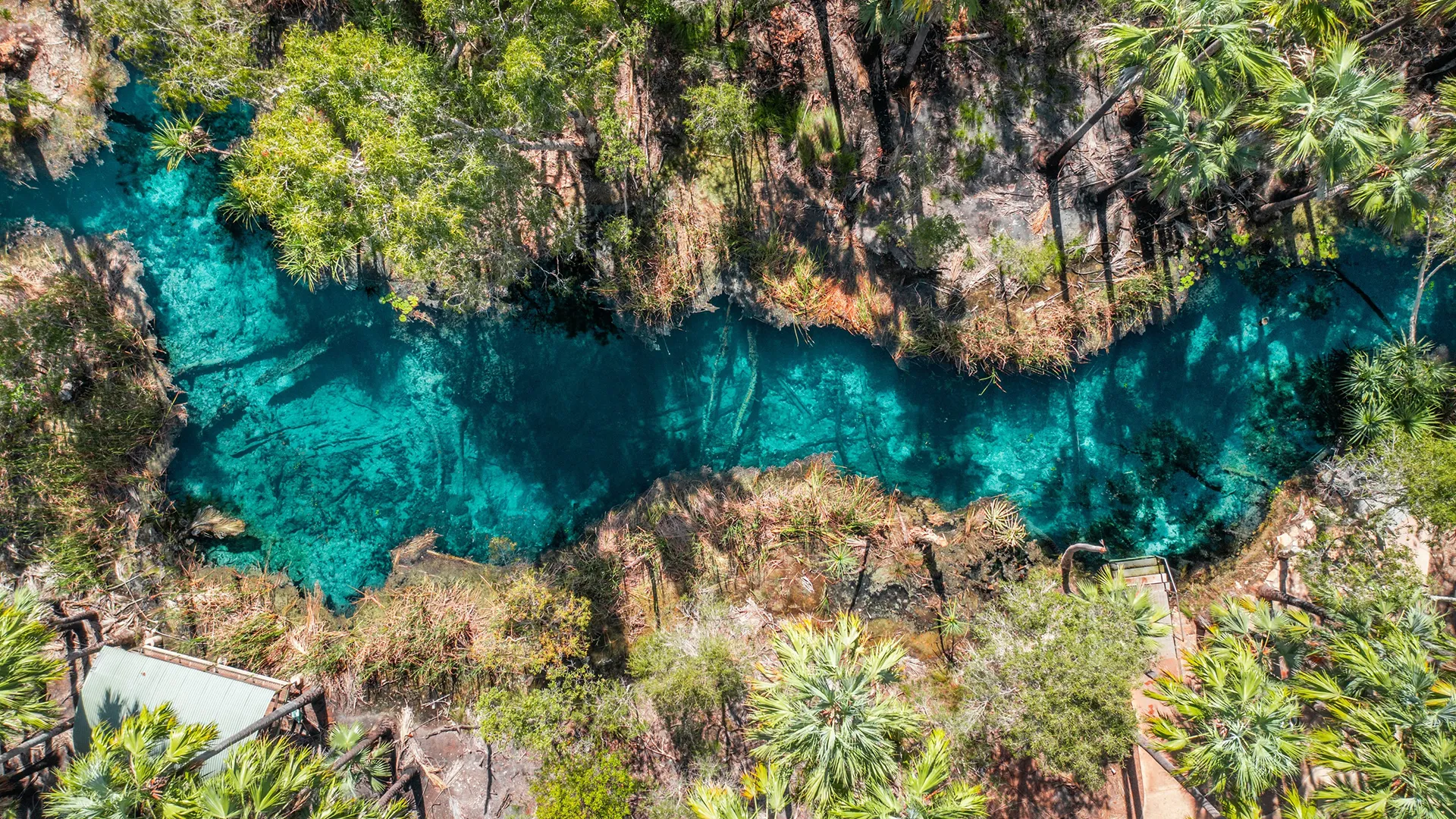

There are the parks on the list: the ones that fill up in May, the ones that appear in every roundup, the ones your caravan club neighbour has been to three times. And then there are the others. The ones that require a bit of a turn-off, a few extra kilometres of unsealed road, or simply the knowledge that they exist. These three are in that second category. All of them are genuinely beautiful. None of them are particularly hard to get to. They just require the decision to go.
Three Parks Worth the Detour
Quick reference: location, access, facilities and what makes each one worth going out of your way
Bitter Springs, Northern Territory
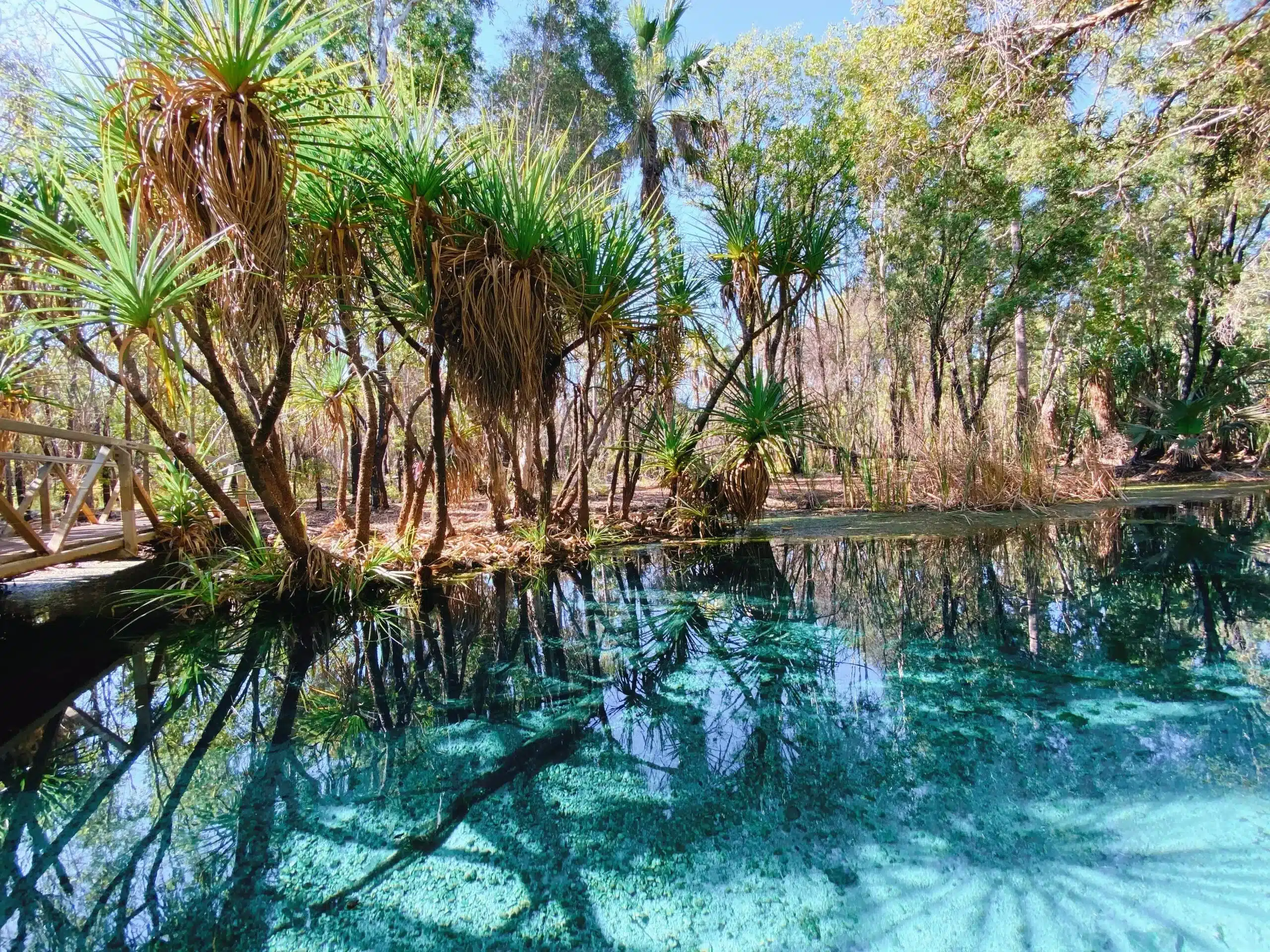
Most travellers on the Stuart Highway stop at Mataranka for the thermal pools, which are fine. The ones who know to keep driving another five minutes turn off onto a dirt track and find Bitter Springs, which is something else entirely.
The spring feeds a narrow, crystal-clear channel through a forest of paperbark trees. You get in at one end and let the current carry you through roughly 300 metres of absolute quiet, the water a constant 34 degrees regardless of the season, the paperbarks arching overhead, the light coming through in patches. There is almost nothing else like it in Australia.
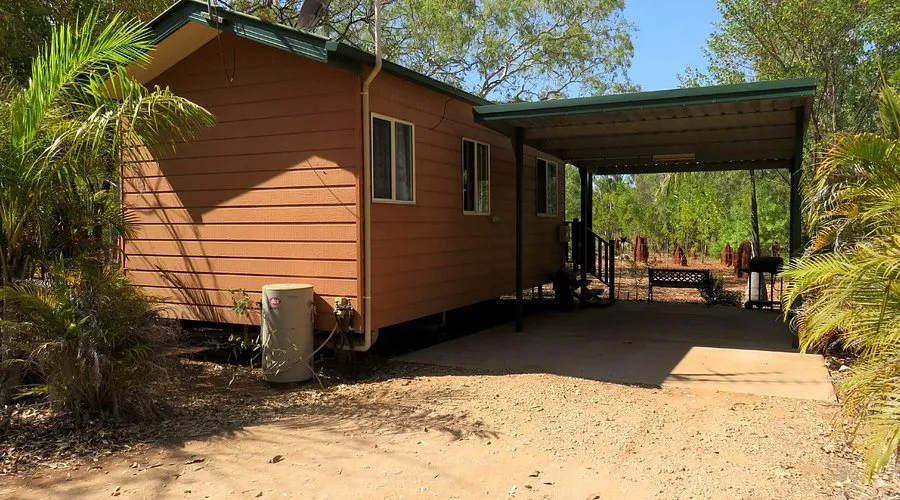
The campground sits on the banks of the Little Roper River and is run as a private park. Powered sites cost $40 a night with a ten per cent discount for three-night stays. Facilities are good: clean toilets, hot showers, a camp kitchen, laundry. There is also a national parks campground, Jalmurark, a few minutes away with grassed sites, toilets, and hot showers if you prefer the Parks system.
Peak season is May to September and you should book ahead at bitterspringscabins.com.au. It is accessible in a standard caravan with no issues. The detour from the highway adds about ten minutes each way.
The honest note: Mataranka itself is not remarkable. Bitter Springs is. The two are not the same thing, and the road signs don’t particularly help you understand the difference. You’re looking for the Bitter Springs turn-off, not the Mataranka thermal pools. Do not get them confused or you’ll spend the afternoon in a tourist waterhole wondering what the fuss is about.
Boodjamulla (Lawn Hill) National Park, Queensland
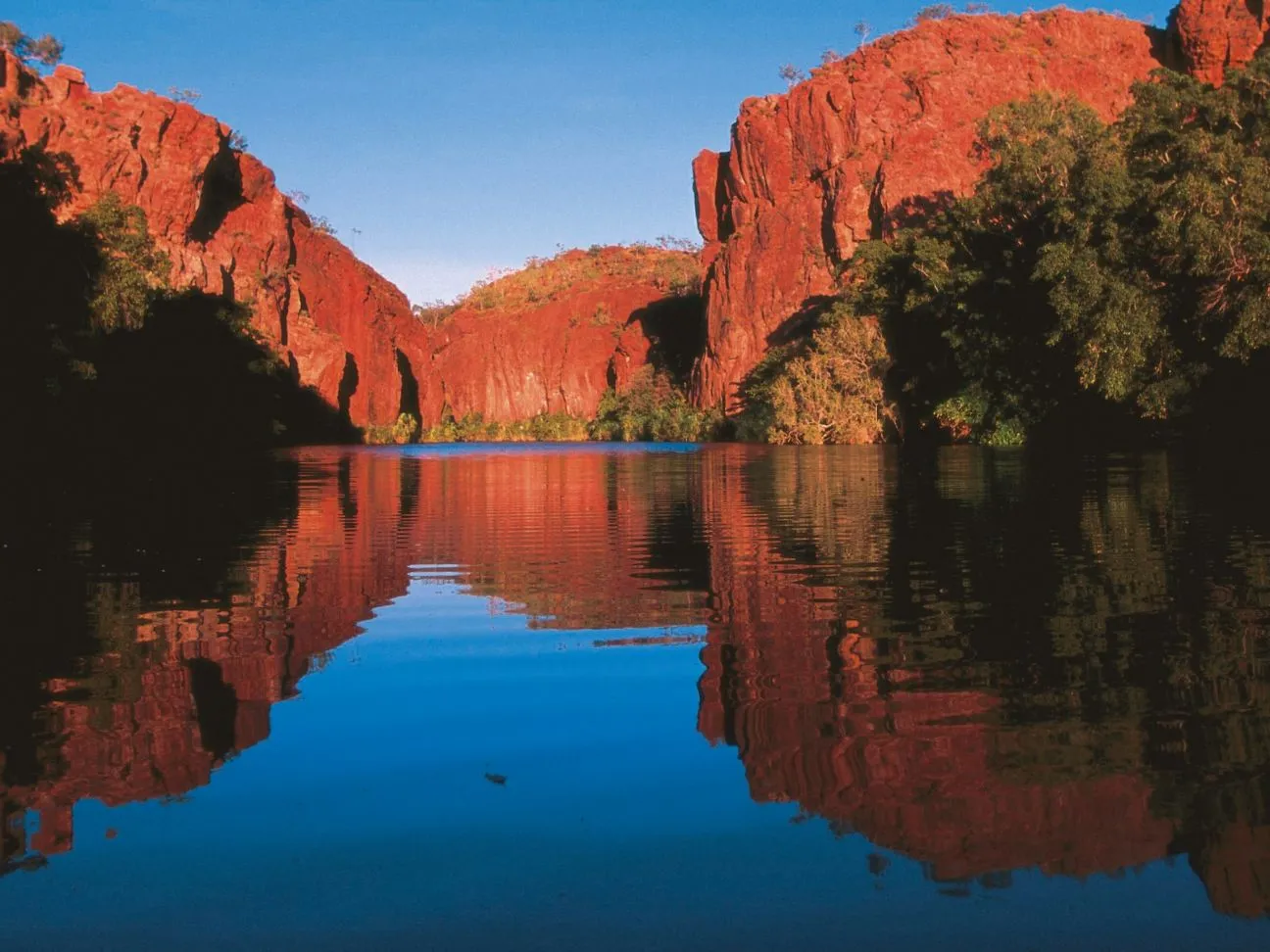
Boodjamulla is 270 kilometres north-west of Mount Isa and sits so close to the Northern Territory border that it barely registers as Queensland. Most people touring outback Queensland stick to the Matilda Highway and miss it entirely. That is a genuine shame because the gorge here is one of the most quietly spectacular places in the country.
The Lawn Hill Gorge is a deep sandstone canyon fed by freshwater springs, with walls of ochre and red rising above water that is improbably clear and green. You can canoe along the gorge floor, swim at the base of the walls, and walk through country that carries the deep history of the Waanyi people, whose rock art is visible on the walls if you take the time to look properly.
The campground has 14 sites suitable for caravans or camper trailers up to 12 metres. Facilities include flushing toilets, cold showers, and water. There are no powered sites and no rubbish removal, so carry your waste out. Gas or fuel stoves only. No open fires. The road in is accessible by 2WD from May to October, though 4WD is recommended.
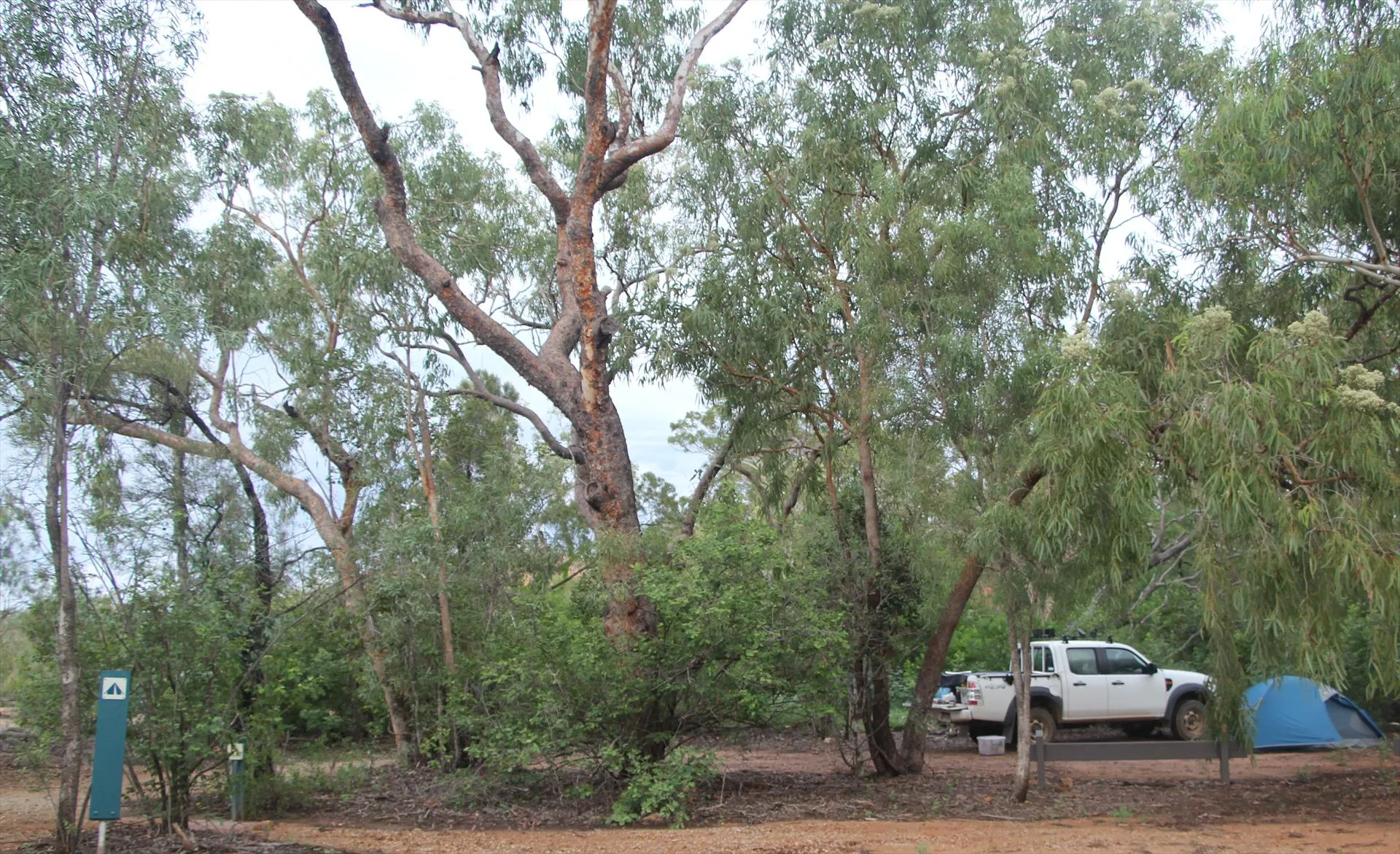
Bookings are essential and must be made before you arrive. Peak season runs April to October and sites go. The Queensland Parks booking line is 13 74 68 or book online through the Queensland Parks system.
The honest note: The drive from Mount Isa is long, unsealed in parts, and passes through some extraordinarily empty country. This is not a park you stumble upon. You have to mean it. Every person who has meant it says the same thing when they get there.
Coward Springs, South Australia
The Oodnadatta Track is one of those drives that feels like the proper outback once you’re on it. Coward Springs sits about halfway along, and it rewards the stop in a way that is hard to explain until you’re there.
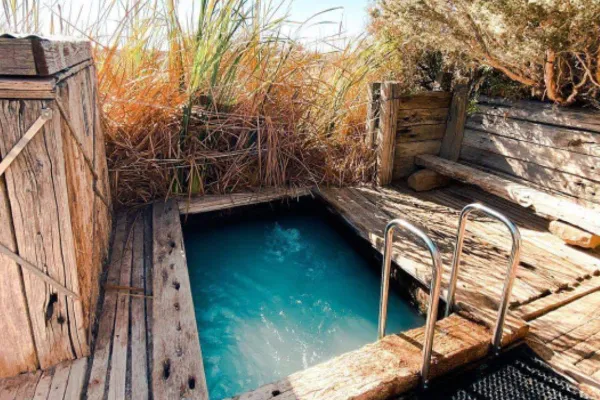
The campground was once a water stop on the Old Ghan Railway, drawing from the Great Artesian Basin to fill steam engines crossing the desert. The railway is long gone, but the bore still runs, and the owners have channelled it into an open-air spa fed by warm artesian water coming up from deep underground. It is unusual, it is completely genuine, and after a day on the Oodnadatta Track it is one of the better things you will find in outback South Australia.
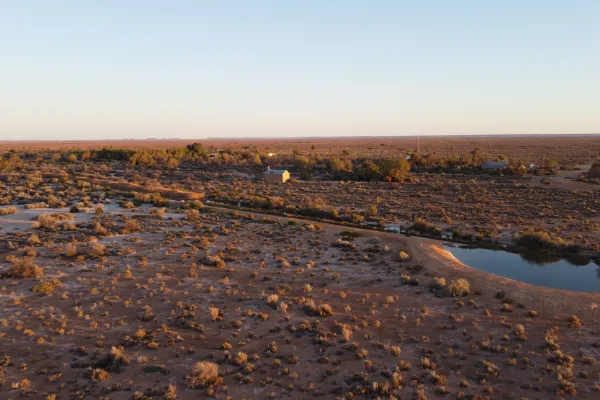
The campsite has shaded spots under old trees and date palms that the railway workers planted over a century ago. Each site has its own fireplace. There are hot showers and compost toilets. No drinking water on site, no power, no phone reception. Bring what you need. Cost is around $18 per adult per night. Book ahead at cowardsprings.com.au before you head out. There is no phone reception on the track itself.
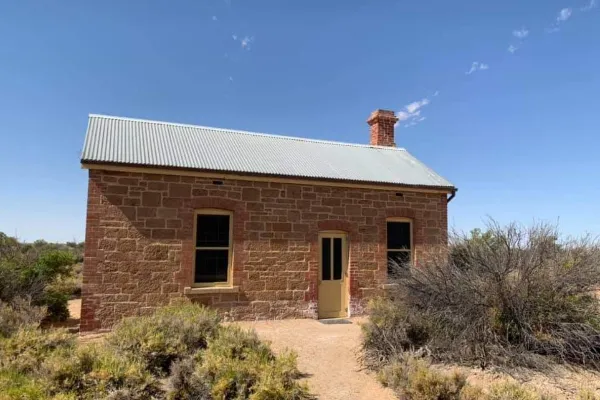
The Engine Drivers Cabin has been restored and opens as a small museum. The birdlife around the wetland the bore creates is genuinely remarkable, particularly in early morning. The stars at night are what you’d expect from a place with no light for a very long way in every direction.
The honest note: The Oodnadatta Track is accessible to most caravans in dry conditions but does require some care. Check road conditions before departing. The track is sealed at neither end, and the experience is part of the point.
If you’re working out which of these fits your winter route, the overview of where grey nomads are heading this season has the context on the NT and outback Queensland corridors these two parks sit within. And if the fuel maths for a detour feels uncertain, the 2026 road trip cost breakdown has the per-kilometre numbers to check it against.