
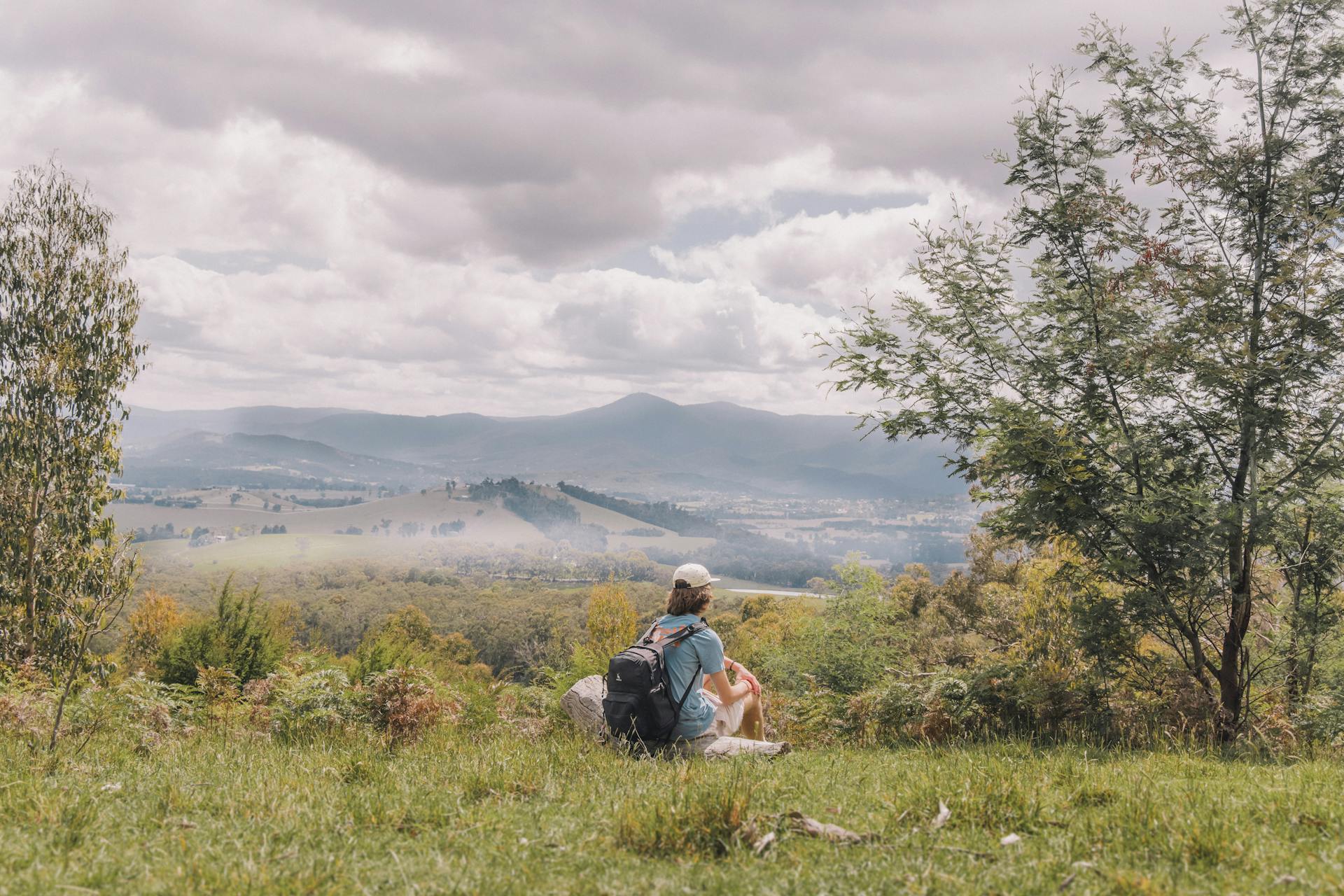

The Death of the Heatwave Holiday
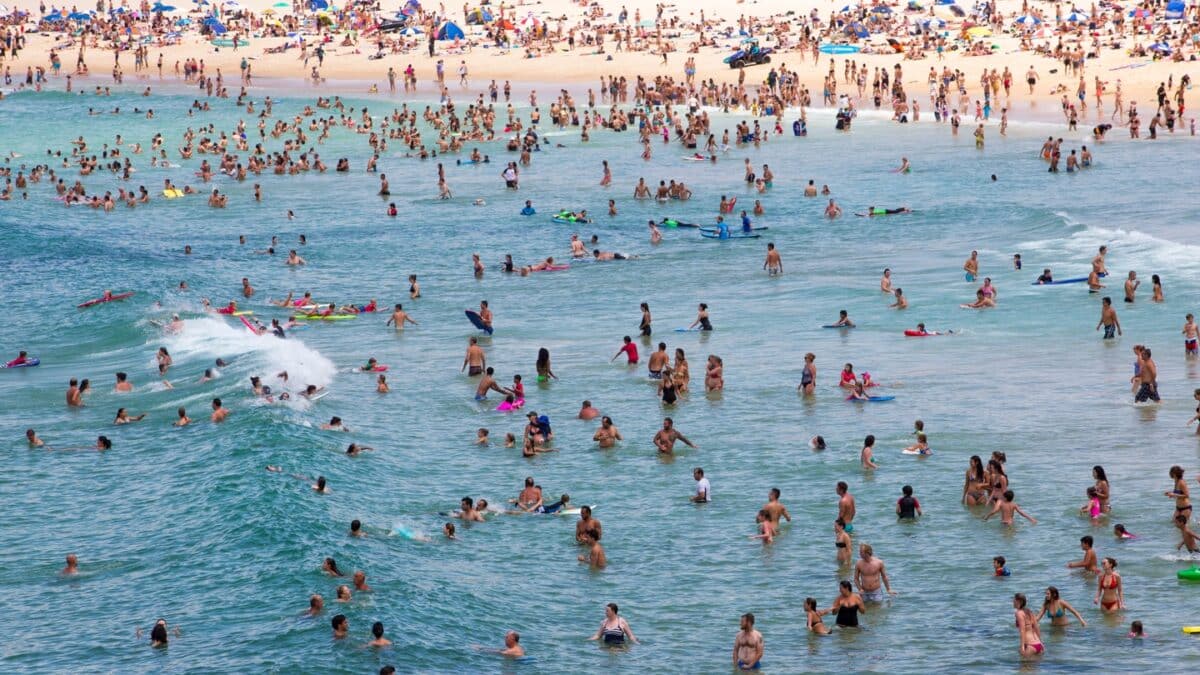
For decades, the Australian summer break followed a familiar pattern. Load the car, head for the coast, and hope the weather behaved.
By 2026, that assumption no longer holds.
Repeated heatwaves, longer fire seasons and increasingly unpredictable summer weather have reshaped how Australians think about holidays⁵. The traditional beach-first escape is being replaced by something more practical. Climate comfort.
This is where the coolcation enters the conversation.
A coolcation is a holiday deliberately planned around milder temperatures rather than coastal access. In Australia, it often involves an altitude shift. Travellers are choosing inland and elevated regions where daytime heat is lower, evenings are cooler, and travel feels less exposed to extreme weather.
Skyscanner’s 2026 Travel Trends research shows 74% of Australians are now actively considering mountain or cooler-climate trips for the 2026 summer and autumn seasons¹. This reflects a broader move away from what many travellers describe as the “Summer of Extremes” toward holidays that feel safer, quieter and more predictable.
Alongside this is the rise of hushpitality. Travel focused on low noise, low crowds and genuine downtime rather than high-energy attractions.
The Data: Why We’re Heading Inland and Up
What is rising: inland interest and on-road travel
Search and booking growth in cooler inland hubs (year-on-year), plus caravan registrations growth since 2019.
How to read this: Bars are scaled to the largest figure shown (85%). The intent is comparison, not a full market view.
Sources: Skyscanner Travel Trends and regional search and booking trend data². Tourism Research Australia caravan and camping data (caravan registrations up 27% since 2019)⁶.
The shift toward cooler destinations is already visible in booking and search behaviour, and in national domestic tourism data⁶.
According to Skyscanner trend data, several inland and elevated Australian regions have recorded sharp year-on-year growth in travel interest:
- Yarra Valley, Victoria: 85% year-on-year growth²
- Jindabyne, New South Wales: 65% growth²
- Daylesford and the Macedon Ranges, Victoria: 45% growth²
This growth aligns with national tourism data showing record levels of caravan and camping travel, with the majority of trip nights spent in regional and inland Australia⁶.
These destinations share a few practical advantages. They sit at higher elevations, experience cooler summer conditions, and are within manageable driving distance of major cities.
The cost factor
Price is also influencing decision-making.
Skyscanner data indicates that regional inland accommodation can cost up to 50% less than comparable peak-season coastal stays³, a gap that aligns with broader affordability trends in regional travel⁶.
For families, caravanners and longer-stay travellers, the cost difference makes inland travel a more realistic option.
The Alpine Glow-Up
The coolcation trend is not only changing where Australians travel. It is changing what they expect when they arrive.
Across Australia’s high country regions, holiday parks and regional accommodation providers have been steadily upgrading facilities to suit cooler climates and longer stays.
The old perception of inland parks as basic stopovers is fading. Many now offer:
- Insulated alpine-style cabins designed for year-round use
- Safari tents and glamping options suited to cooler nights
- Repurposed rail carriages and heritage-style accommodation
- Shaded, tree-dense sites that remain comfortable in warmer conditions
High-country examples
- Tawonga Tourist Park, Victoria
Located near Mount Bogong, this park benefits from altitude, river access and consistently cooler overnight temperatures. Demand has increased outside the winter ski season, particularly during autumn. - Upgraded regional holiday parks
Across Victoria and southern New South Wales, councils and operators are prioritising shade, drainage and thermal comfort. These practical upgrades matter more than novelty features when travelling during warmer months.
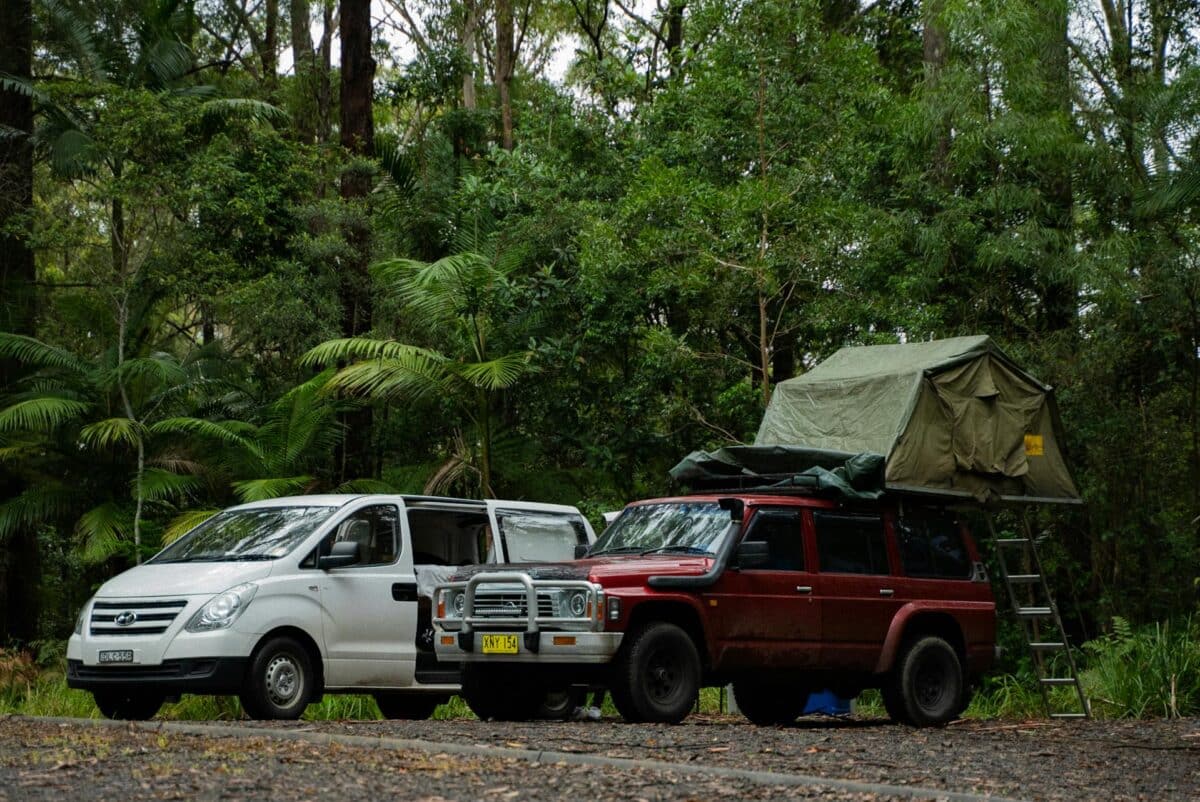
For caravan and camping travellers, these improvements translate into longer, more comfortable stays without relying heavily on air conditioning.
Case Study: Tawonga Tourist Park and the High-Country Coolcation
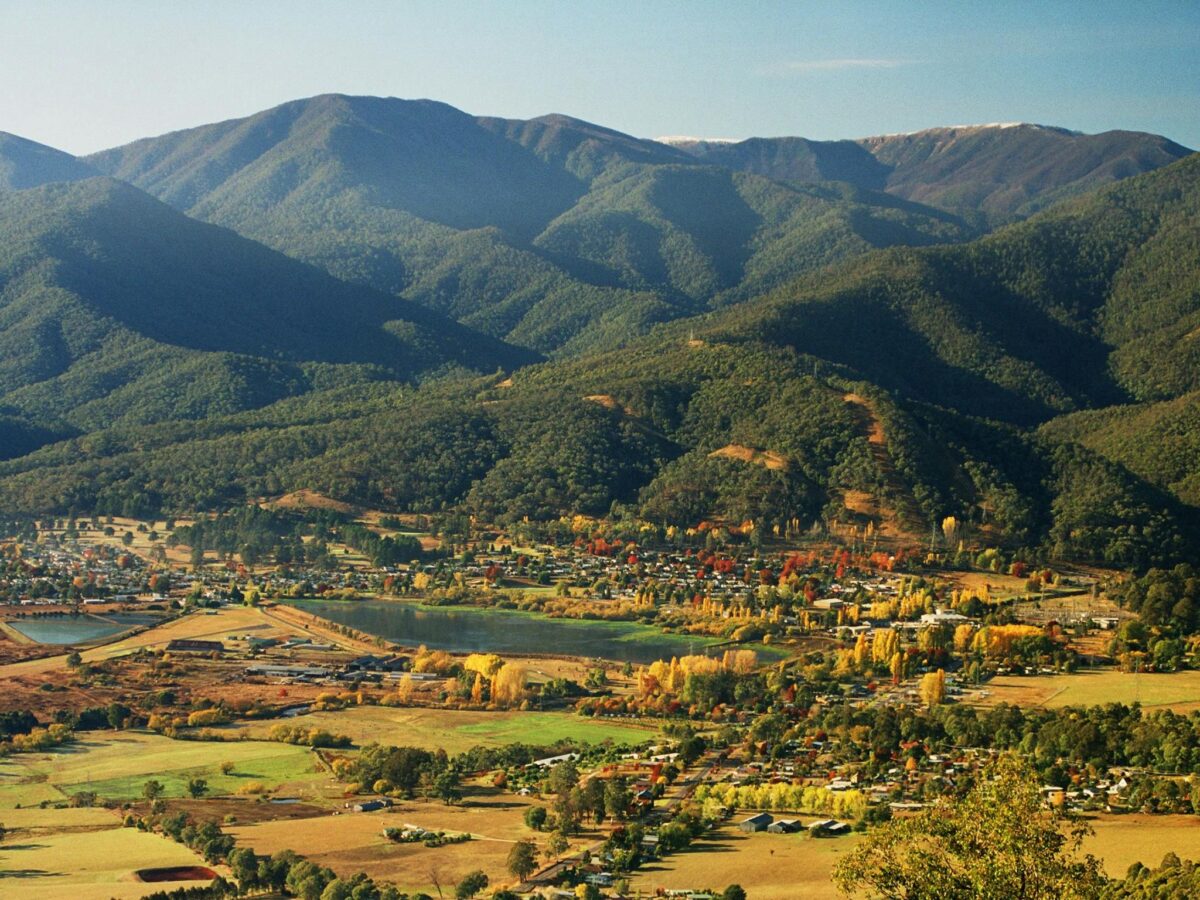
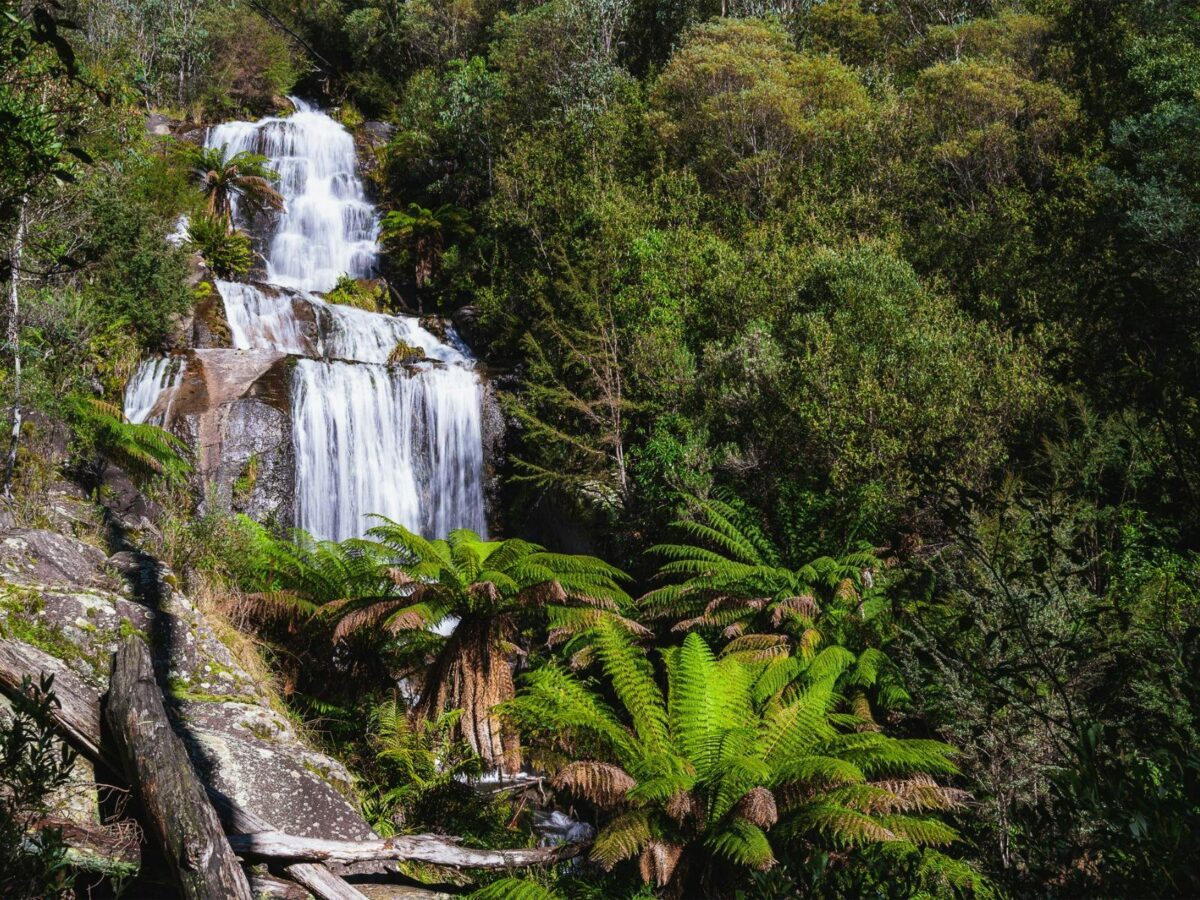
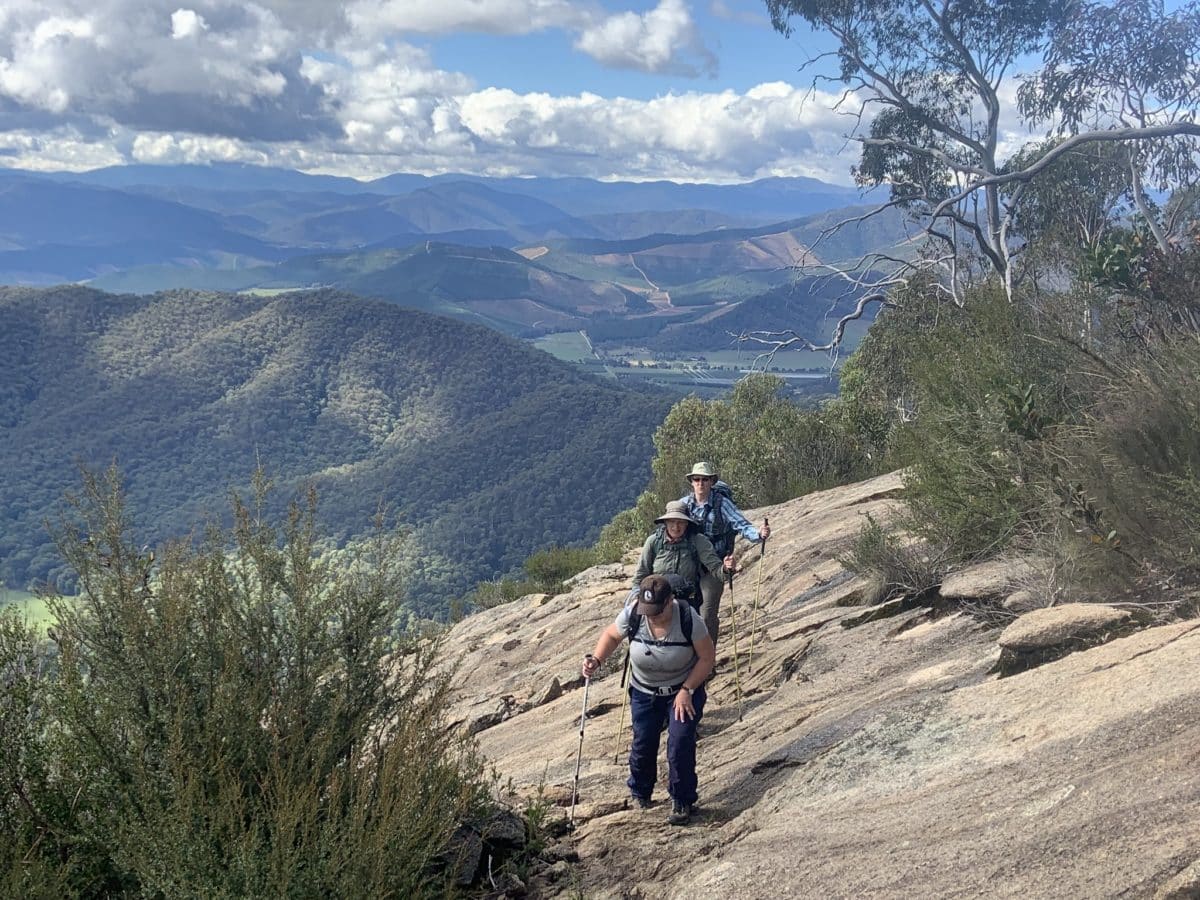
Set at the foothills of Mount Bogong in Victoria’s Alpine Shire, Tawonga Tourist Park is a useful example of how altitude-based stays are fitting neatly into the coolcation shift.
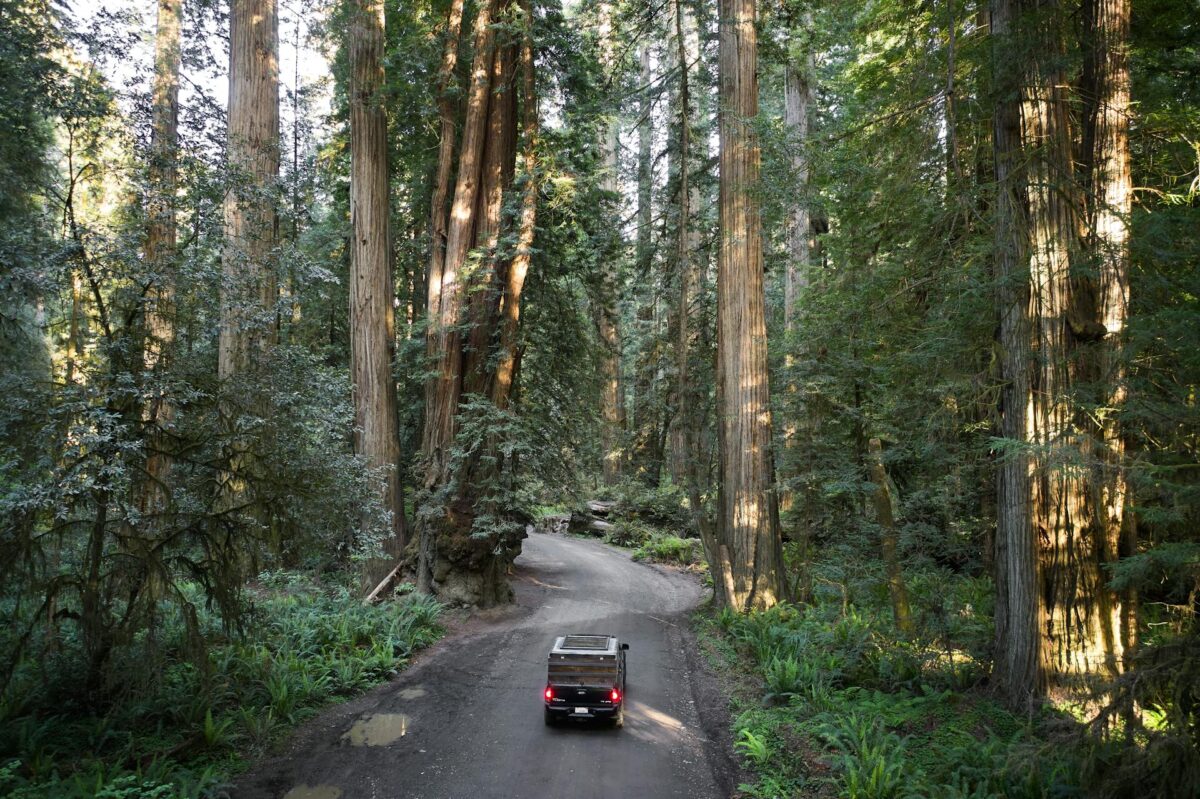
At around 500 metres above sea level, the park consistently experiences cooler daytime temperatures and noticeably colder nights than nearby lowland or coastal regions during late summer and early autumn. For travellers looking to escape heat without heading into ski-season conditions, this altitude sits in a practical middle ground.
The park itself reflects the broader inland “glow-up” trend. Sites are well-shaded, evenings cool quickly, and accommodation options are designed for year-round use rather than peak summer only. It suits caravanners, camper trailers, and cabin guests who want comfort without crowds.
What travellers do nearby
Stays here tend to revolve around low-intensity, high-reward activities, which aligns closely with the hushpitality and slow travel movement.
Common nearby experiences include:
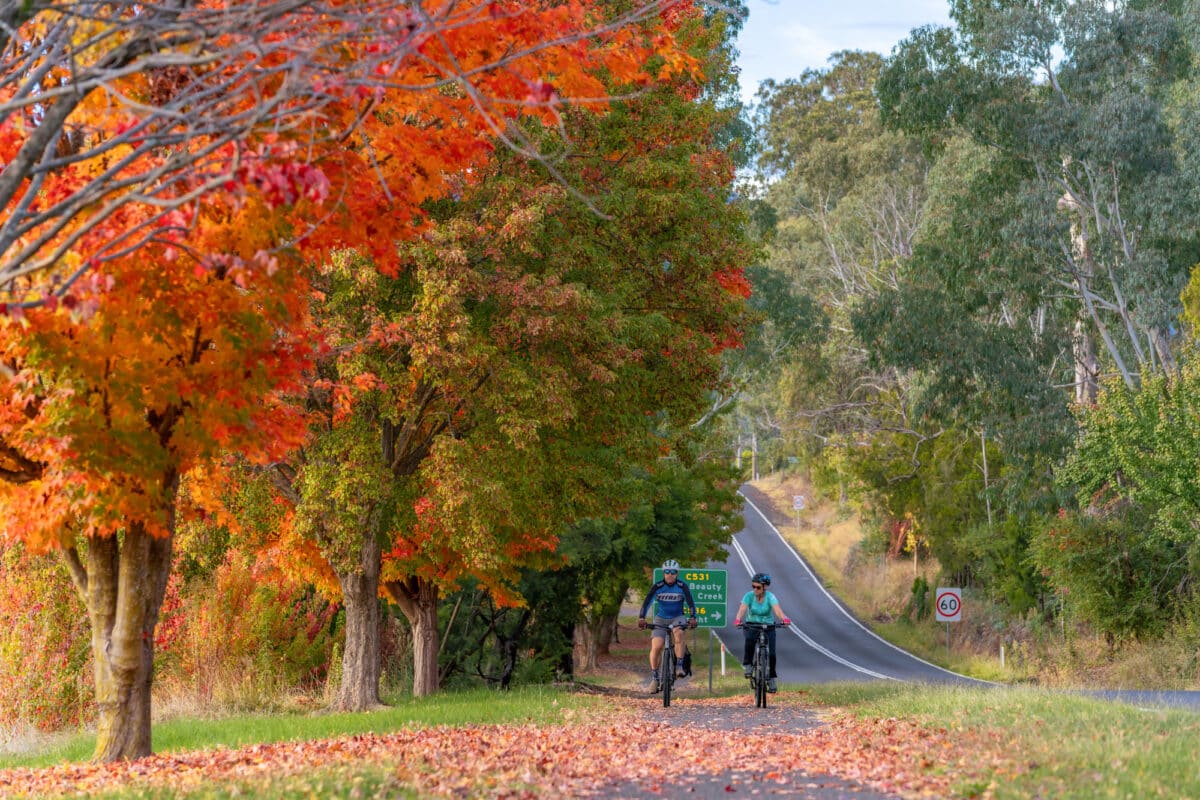
- Walking and cycling trails along the Kiewa River and surrounding valleys
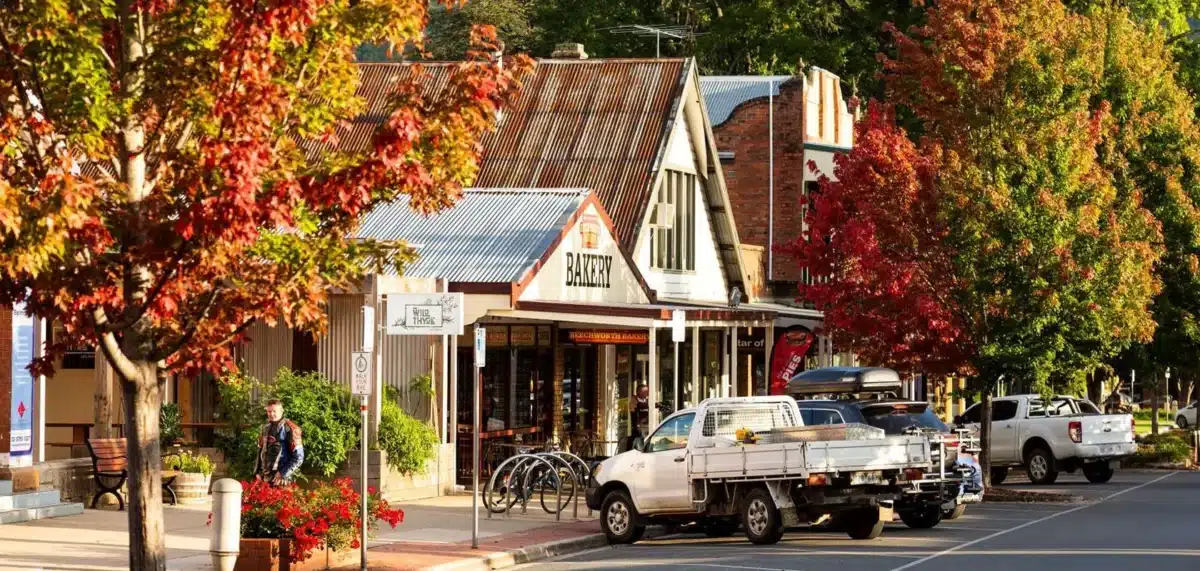
- Day drives through alpine towns such as Mount Beauty and Bright, known for bakeries, cafes, and seasonal produce
- Short scenic road trips into the Alpine National Park without committing to long alpine hikes
- Food-focused outings, including regional pubs, farm gates, and cellar doors rather than formal attractions
The emphasis is on flexibility. Travellers base themselves at the park, choose one or two simple outings per day, and return before evening temperatures drop.
Why it fits the 2026 coolcation trend
Tawonga Tourist Park works as a coolcation example because it delivers three things travellers are actively seeking:
- Thermal relief without extreme alpine conditions
- Space and quiet outside peak coastal corridors
- Access to experiences that reward slowing down rather than packing in activities
It demonstrates how altitude-based holiday parks are no longer just alternatives to the coast. For many travellers planning 2026 trips, they are becoming the first choice.
The Hushpitality Experience
Coolcation travellers are not chasing packed itineraries.
Skyscanner’s research highlights a clear shift in how people want to spend their time when travelling to cooler regions:
- 72% prioritise food and drink experiences, including regional dining and local produce⁴
- 69% value historical landmarks and heritage towns⁴
- A growing preference for slow-paced travel and minimal daily scheduling
This aligns with the broader slow travel movement, where the journey itself is part of the holiday.
Scenic rail trips, winding mountain drives and single-base stays are replacing fast-paced, multi-stop itineraries. Travellers are spending more time in one place and less time moving between destinations.
The Altitude Advantage: A Practical Framework
Why altitude appeals
From a planning perspective, higher-elevation destinations offer several practical benefits:
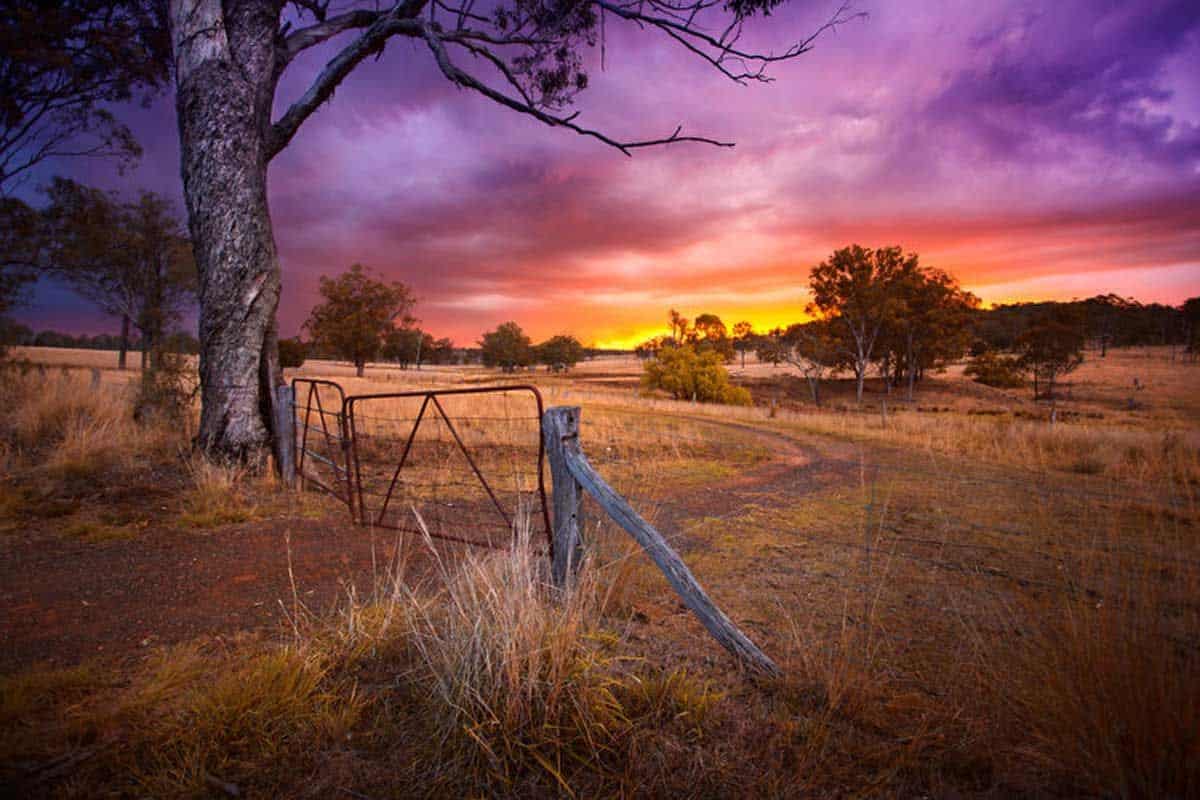
- Lower average daytime temperatures and cooler nights
- Less crowd concentration compared with popular beach strips
- Reduced exposure to prolonged heat stress during summer
While fire awareness remains essential everywhere, many travellers perceive inland alpine regions as offering more predictable conditions during extreme heat periods, particularly compared with exposed coastal corridors⁵.
The result is a holiday that feels calmer and less physically demanding.
When to go
For 2026, March to April stands out as the most balanced travel window.
Autumn shoulder season travel offers:
- Stable weather conditions
- Fewer school holiday crowds
- Better availability across regional accommodation
- Strong seasonal food and wine experiences
Tools worth using
- VicEmergency app
Useful for real-time weather alerts, fire information and travel updates when touring regional Victoria. - Skyscanner 2026 tools
Helpful for identifying lower-cost Saturday flights into cooler hubs such as Hobart or Melbourne, particularly when pairing flights with inland road trips rather than coastal travel.
Why the Coolcation Is Likely to Last
The move toward altitude is not a short-term reaction. It reflects a deeper change in how Australians define a good holiday.
Comfort is replacing spectacle. Predictability is replacing risk-taking. Quieter, cooler destinations are no longer seen as compromises.
By 2026, many travellers are no longer asking how close a destination is to the beach. They are asking how it feels to spend time there.
For a growing number of Australians, the answer lies inland and uphill.
Glossary: Key Travel Terms Explained
Coolcation
A holiday planned around cooler temperatures rather than beach access. In Australia, this usually means inland or elevated destinations that offer relief from summer heat.
Altitude Shift
A change in travel behaviour where travellers choose higher-elevation or inland regions over coastal destinations, often to manage heat, crowds, and weather volatility.
Climate Comfort
A planning priority focused on travelling in conditions that reduce heat stress and weather disruption, including cooler daytime temperatures and more predictable conditions.
Summer of Extremes
A term describing increasingly volatile Australian summers characterised by heatwaves, bushfire risk, and sudden weather events that affect travel comfort and safety.
Hushpitality
A style of travel centred on quiet, low-stimulus environments. It prioritises rest, space, and reduced crowd exposure over entertainment-driven experiences.
Slow Travel
A travel approach that values fewer destinations, longer stays, and time spent in one place, with the journey itself treated as part of the experience.
Autumn Shoulder Season
The period between peak summer and winter travel, typically March to April, offering better availability, milder weather, and improved value.
Single-Base Travel
A travel style where visitors stay in one location and explore surrounding areas on day trips, reducing driving fatigue and packing time.
Related Reading
Sources
- 1. Skyscanner, Travel Trends 2026: Coolcation and Climate Comfort, 2025
https://www.skyscanner.com/travel-trends - 2. Skyscanner, Regional Search and Booking Trends, Australia, 2025–2026
- 3. Skyscanner, Accommodation Pricing Comparisons: Coastal vs Inland Destinations, 2025
- 4. Skyscanner, Travel Trends 2026: Activity Preferences, Australia
- 5. CSIRO & Bureau of Meteorology, State of the Climate 2024, Australian Government
https://www.csiro.au/en/research/environmental-impacts/climate-change/state-of-the-climate - 6. Tourism Research Australia, National Visitor Survey: Caravan and Camping, 2024
https://www.tra.gov.au/en/domestic/caravan-and-camping-data