
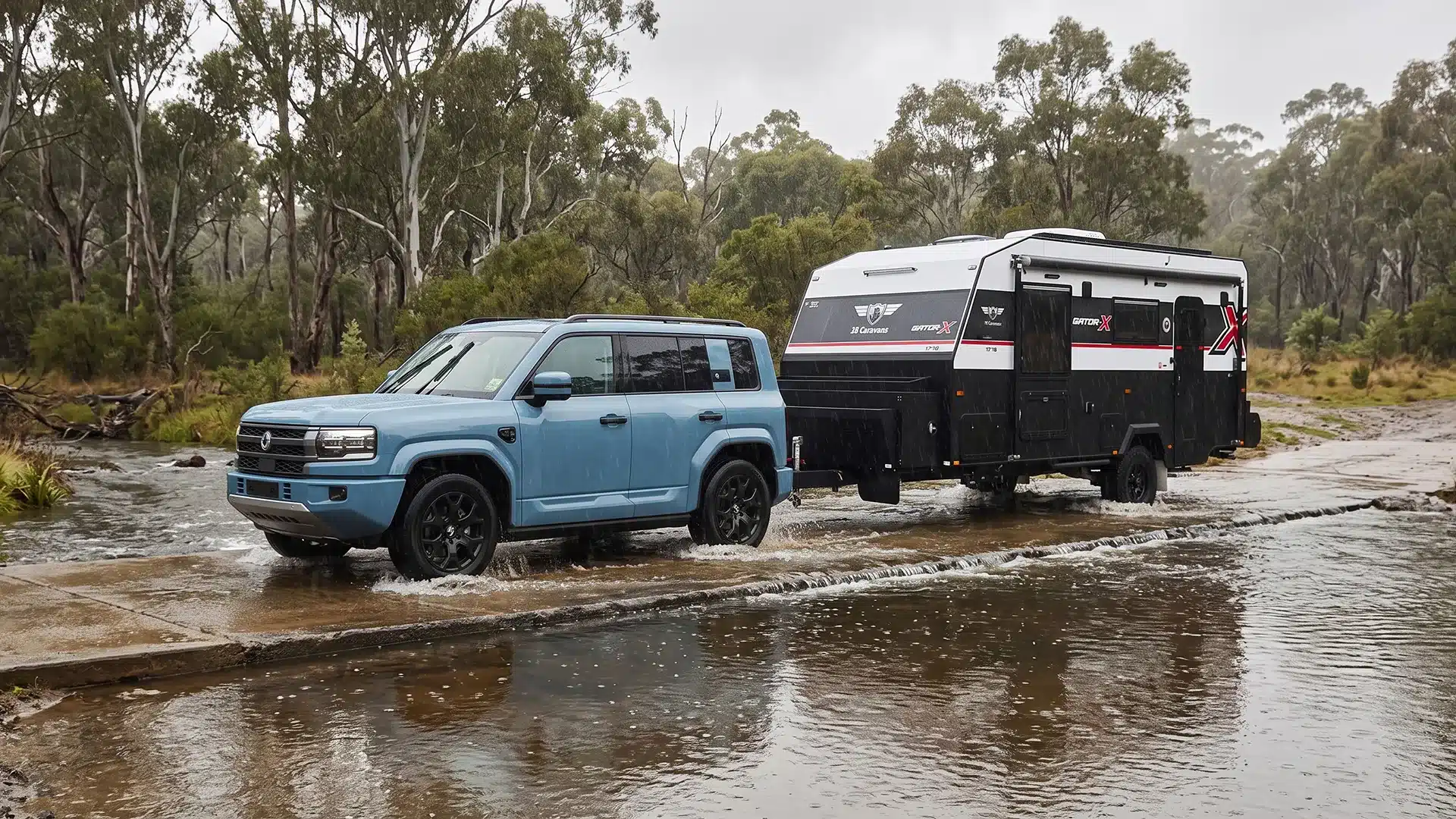


A hot day can become a heatwave. A calm afternoon can turn into damaging wind. A summer storm can bring hail, lightning and flash flooding. A dry inland route can shift into an area of elevated fire danger. A coastal escape can be affected by heavy rain, fallen branches or road closures.
For caravan owners, extreme weather needs more preparation than it does for everyday driving.
You are towing weight, carrying gear, relying on power and water systems, and often staying in places where shelter, fuel, phone reception or repair options may be limited.
Good preparation is not about cancelling every trip when the forecast looks uncomfortable. It is about knowing when to leave, when to wait, when to pack down, when to change route and when to call the day early.
Extreme weather is not one problem
When caravanners talk about bad weather, they often mean rain. But extreme weather can create several different hazards.
Heat can affect people, pets, fridges, batteries, tyres and sleep.
Storms can bring hail, lightning, heavy rain, strong wind and falling branches.
Flooding can cut roads, damage campsites and make crossings unsafe.
Bushfire conditions can change route choices before flames are visible.
Strong wind can make towing difficult and damage awnings. Cold snaps, snow and alpine weather can affect diesel, water lines and road access.
The first step is understanding the type of weather you are dealing with.
A thunderstorm requires a different response to a heatwave. A high fire danger day requires different planning to a wet, windy coastal front. A remote-area forecast needs more caution than a short drive between serviced caravan parks.
The forecast should shape the plan, not sit in the background.
Check warnings before the trip, then keep checking
Weather preparation should start before you leave home, but it should not stop there. Before towing, check the Bureau of Meteorology forecast and warnings, state emergency service alerts, road authority updates, park or campground notices and fire danger ratings for the areas you will travel through.
The Bureau of Meteorology provides national weather forecasts and warnings, including severe weather, flood, heatwave, fire weather and other hazard warnings. (Bureau of Meteorology)
- For heat, the Bureau issues warnings for severe or extreme heatwaves, including expected temperatures, timing, duration and affected towns or communities.
- For thunderstorms, the Bureau says all thunderstorms are dangerous because they produce lightning, and it issues severe thunderstorm warnings to help keep Australians safe when conditions may produce more dangerous impacts.
- For fire conditions, Australia’s Fire Danger Rating System is nationally consistent, using the same colours, signs and terminology across the country to help people understand the level of threat and what to do. (AFDRS)
For touring, it is not enough to check the destination. Check the route as well. A town may be open, but the road in may be affected by flooding, fire activity, wind damage, fallen trees or local closures.
Touring safety checklist
Extreme Weather
Touring Checklist
Before the next trip, use this checklist to plan around changing weather, road conditions, camp safety and the records you may need if something goes wrong.
- Weather forecast checked
- Bureau warnings checked
- Fire Danger Rating checked
- Flood warnings checked
- Road closures checked
- Caravan park access confirmed
- Backup route identified
- Fuel stops planned
- Offline maps downloaded
- PDS and policy schedule reviewed
- Awning wound in before strong wind
- Loose gear secured
- Windows, hatches and lockers closed
- Valuables moved away from exposed areas
- Phones and power banks charged
- Emergency instructions understood
- Exit routes identified
- Shade, water and cooling planned for heat
- Do not drive into floodwater
- Delay travel in dangerous wind, fire or storm conditions
- Watch for debris, soft shoulders and damaged roads
- Stop early if fatigue builds
- Keep fuel above your normal minimum
- Avoid roads unsuitable for towing
- Follow emergency service advice
- Photograph damage if it occurs
- Save receipts and repair invoices
- Keep screenshots of warnings and closures
- Record where and when damage happened
- Contact your insurer if you are unsure what applies
Heatwaves: plan for people, pets and power
Heat is one of the easiest hazards to underestimate.
Caravans can become uncomfortable quickly in hot conditions, especially if parked in full sun or relying heavily on battery power. Fridges work harder. Batteries may be under more pressure. Water use increases. Pets can overheat. People may sleep poorly and become fatigued before the next towing day even begins.
Before travelling in hot conditions, think about: shaded sites, access to powered sites, early starts to avoid towing in peak heat, pet cooling needs. Next ventilation, air conditioning or fan use, battery capacity and fridge performance. Lastly extra drinking water and food storage.
If a severe or extreme heatwave is forecast, consider whether the trip needs to be delayed, shortened or rerouted. Powered sites, shaded parks, swimming access and shorter travel days may become more important than the original itinerary.
Do not forget the tow vehicle. Hot conditions can affect tyres, cooling systems and driver fatigue. A long day on the road after a poor night’s sleep in the heat is not ideal when towing.
Storms: pack down before the weather arrives
Storms can move quickly, and a caravan campsite can become exposed very fast.
The biggest mistake is waiting until the wind has already picked up before packing away. By then, chairs, mats, shade walls, awnings and loose gear may already be difficult or unsafe to secure.
CIL’s storm and flood advice includes closing doors and windows, staying away from overhanging trees and branches during strong winds, keeping dry and warm, and checking the caravan and contents for damage after storm or flood events. (CIL)
Before storms arrive:
- wind in the awning
- take down shade walls and loose canvas
- secure chairs, tables, mats and cooking gear
- close windows, hatches and storage lockers
- move valuables away from exposed areas
- avoid parking under large overhanging branches
- charge phones and portable power banks
- know where stronger shelter is located
If hail is possible, move under suitable cover only if it is safe and permitted. Do not try to tow through a severe storm just to protect the van. Your safety comes first.
After the weather passes, check roof hatches, windows, external lockers, awnings, annexes, vents and interior cupboards for water entry or damage.
Flooding: never treat water on the road as a shortcut
Floodwater is one of the clearest no-go situations for caravanners. A flooded road can hide washed-out edges, damaged surfaces, potholes, debris or fast-moving current. A caravan also changes how the tow vehicle handles and stops, and moving water can affect stability quickly.
The rule is simple: do not drive into floodwater.
If the road is flooded, turn around and choose another route. If there is no safe alternative, wait.
This can be frustrating when bookings are made and the next stop is close, but pushing through floodwater is never worth the risk.
For trip planning, watch for more than just current flooding. Heavy rain upstream can affect river levels later. Local roads can stay closed after rain has stopped. Gravel roads may be damaged or unsuitable for towing even after they reopen.
When in doubt, call the caravan park, visitor information centre, local council or roadhouse and ask whether the road is suitable for caravans.
Bushfire conditions: make decisions early
Bushfire conditions can change faster than a travel plan. Hot, dry and windy weather can raise the risk before there is any visible smoke. Lightning can start fires. Wind changes can alter fire direction. Road closures may happen quickly. The safest decision is often made early.
Country Fire Authority (CFA) travel advice says never travel into a high-risk bushfire area where a Catastrophic day has been declared, and says that if you are staying in a high-risk bushfire area, the safest option is to leave the night before or early in the day. (CFA Victoria)
Before touring through bushfire-prone areas, check:
- Fire Danger Rating
- active warnings
- total fire bans
- park and campground closures
- wind direction
- planned burns
- road closures
- exit routes
- fuel levels
- phone reception
If the rating is high or warnings are active, rethink where you camp. Avoid sites with only one way out. Know the nearest town, sealed road and safer place. If emergency services advise leaving, act early.
Towing a caravan takes more time and space than driving a car, so do not leave decisions until the last moment.
Strong wind: towing may be the wrong call
Wind is one of the most uncomfortable conditions for towing. A large caravan has a lot of side area. Crosswinds, exposed bridges, open plains, coastal roads, mountain passes and the bow wave from trucks can all affect stability.
Strong wind can also damage awnings, annexes, shade walls and loose camp gear.
Before towing in windy conditions, consider whether you can delay departure, take a more sheltered route or stop early. Watch for official warnings, but also trust what you feel on the road. If the van is moving around, steering feels unsettled or fatigue is building, find a safe place to stop.
Avoid trying to “make up time” in poor conditions. Slower speeds, longer stopping distances and extra concentration are part of towing in difficult weather. Sometimes the safest choice is not towing at all until the wind eases. At camp, wind in the awning before it becomes a problem. Do not leave it out because “we are only going into town for an hour”.
Cold, snow and alpine weather: prepare the vehicle as well as the van
Extreme weather is not only heat and storms. Cold conditions can create their own problems, especially in alpine regions or high country areas. Roads may be closed or restricted. Snow chains may be required in some areas. Diesel vehicles may need appropriate fuel for alpine conditions. Water hoses and fittings can be affected by freezing temperatures. Batteries may perform differently in cold weather.
Before heading into cold or alpine conditions, check local road rules, park access, weather warnings and whether caravans are suitable for the roads you plan to use.
Also check:
- fuel type and alpine diesel availability
- antifreeze or coolant condition
- tyre condition and pressure
- battery health
- water hose protection
- heating setup
- spare warm clothing
- food and water in case of delay
- phone charging options
- whether your planned campground remains open
Do not assume a route is suitable for towing just because it appears open online. Call ahead where conditions are uncertain.
Build a weather buffer into the trip
The best extreme-weather plan is the one that gives you options. If every day is packed tightly, there is no room to delay, detour, stop early or wait out weather. That creates pressure to keep driving when conditions suggest you should not. Build in a buffer where you can.
That may mean:
- avoiding long travel days during risky weather
- keeping one or two flexible nights in the itinerary
- booking parks with reasonable cancellation or change options
- identifying backup stops before you leave
- keeping fuel above your usual minimum
- carrying extra water and food
- downloading offline maps
- checking whether pets can stay at alternate accommodation
The more remote the trip, the more margin you need.
Extreme weather often becomes harder to manage when fuel is low, reception is gone, daylight is fading and everyone is tired.
Keep records if weather affects the van
If weather damages the van, forces a change of plan or creates repair costs, keep good records. Take photos of damage as soon as it is safe. Photograph the campsite, roof, awning, external lockers, windows and interior areas where water may have entered. Save receipts, repair invoices, towing paperwork, booking changes and screenshots of warnings or road closures.
These records may be useful when speaking with repairers, accommodation providers, roadside assistance services or your insurer.
Also make sure you understand your own policy documents before a trip. Cover, limits and exclusions can vary. Check the PDS, policy schedule and any updates that apply to your policy.
The Bottom Line
Extreme weather is part of touring in Australia, but it should never be treated as background noise.
Heat, storms, floods, fire danger, wind and cold conditions can all change how safe, comfortable or practical a caravan trip becomes.
The best preparation is simple: check warnings, plan flexible routes, carry a sensible buffer, pack down early, avoid flooded roads, leave bushfire-prone areas early when advised, and stop before weather or fatigue takes over.
A good caravan trip is not the one that sticks to the plan at all costs. It is the one where you make smart decisions when conditions change.
Common Ownership Mistakes That Lead to Claims and How to Avoid Them
This article was produced with support from CIL Caravan Insurance. What’s Up Downunder maintains full editorial independence.
Disclaimer: This content has been prepared by CIL Insurance, a trading division of AAI Limited ABN 48 005 297 807 AFSL 230859, and is intended to provide general information only. It does not take into account your objectives, financial situation or needs. Before making any decision, consider whether the product is right for you and read the relevant Product Disclosure Statement. The Target Market Determination is also available.
The information is intended to be of a general nature only. Subject to any rights you may have under any law, we do not accept any legal responsibility for any loss or damage, including loss of business or profits or any other indirect loss, incurred as a result of reliance upon it – please make your own enquiries.