
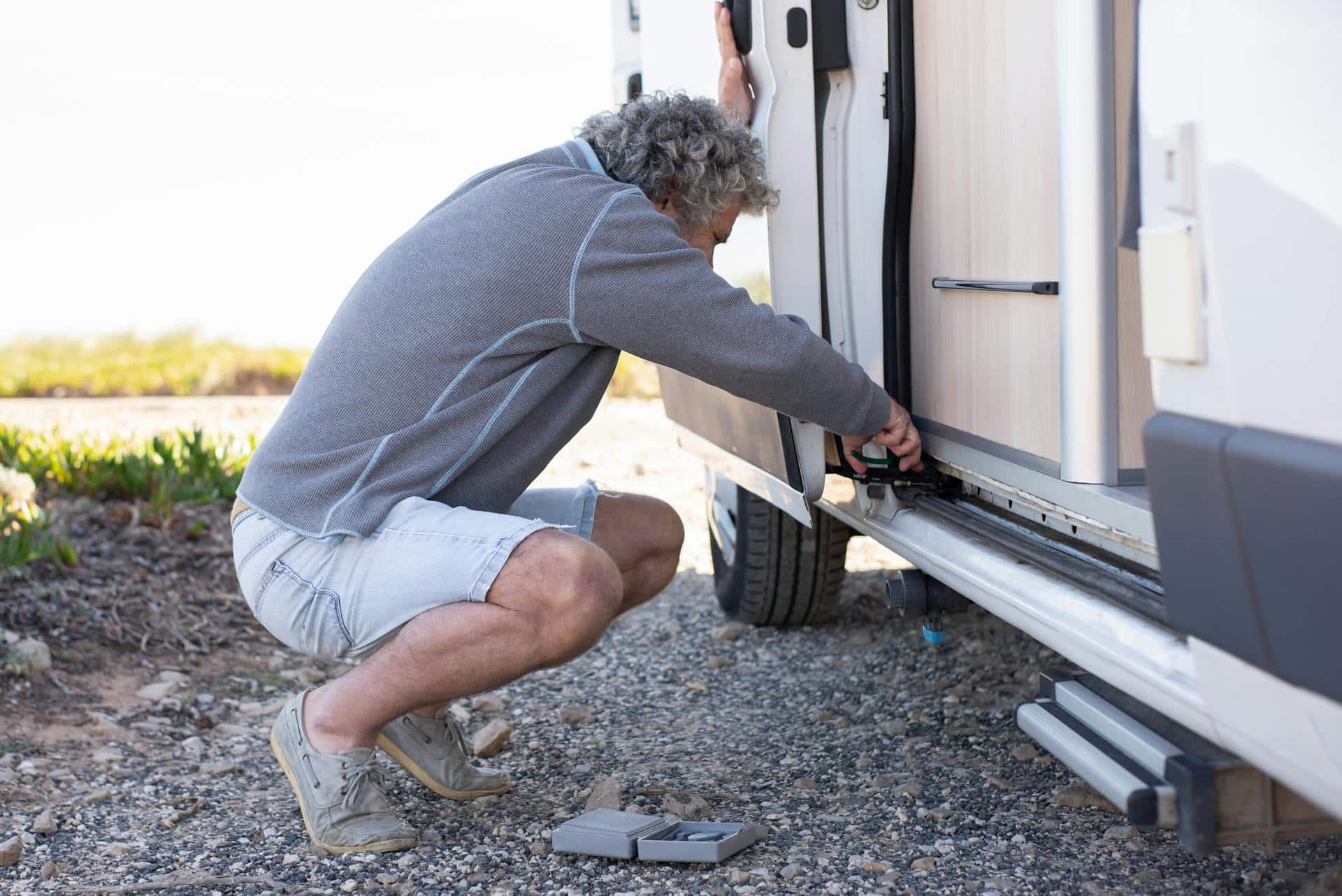

For many caravan owners, the focus is always on getting away – planning routes, packing gear, and setting up camp. What often gets overlooked is what happens after the trip ends. The first few days back at home are when small issues can quietly turn into long-term problems if they’re ignored.
This guide explains practical, low-pressure post-trip caravan care steps. It’s not a checklist of rules, and it’s not about perfection. Instead, it outlines sensible habits that help protect your caravan, reduce maintenance costs, and make the next trip easier.
This advice is particularly relevant for new caravan owners, but the principles apply no matter how long you’ve been travelling.
Why Post-Trip Care Matters
A caravan works hard while travelling. Heat, vibration, dust, moisture, and road grime all take a toll – even if nothing looks wrong when you pull into the driveway.
Problems like corrosion, mould, flat-spotted tyres, stale water, and battery issues usually don’t start on the road. They start after the trip, when the caravan is parked and left unattended.
Post-trip care isn’t about fixing things. It’s about resetting the van after use.
Most issues don’t show up straight away – they often begin quietly after the caravan is parked.
The First 24–72 Hours: The Ideal Window
You don’t need to do everything the moment you arrive home. But the first few days are the easiest time to catch issues while they’re still minor.
This is when:
- Dirt and salt are still fresh and easy to remove
- Moisture hasn’t had time to build up
- Wear or damage from the trip is still visible
Post-trip caravan care timeline
Post-trip care works best when it’s spread over a few simple stages, rather than rushed all at once.
Arrival
Unload & air out
Open doors and hatches, remove food, and let heat and moisture escape.
Day 1
Clean inside
Wipe surfaces, empty the fridge, and deal with spills before smells or mould develop.
Day 1–2
Wash outside
Remove dust, bugs, and grime from the body, wheels, and underside.
Day 2–3
Inspect & reset
Check tyres, seals, battery state, and drain or reset water systems.
After
Storage-ready
Pack away dry gear, protect tyres, and leave the van ready for the next trip.
Clean Before You Store
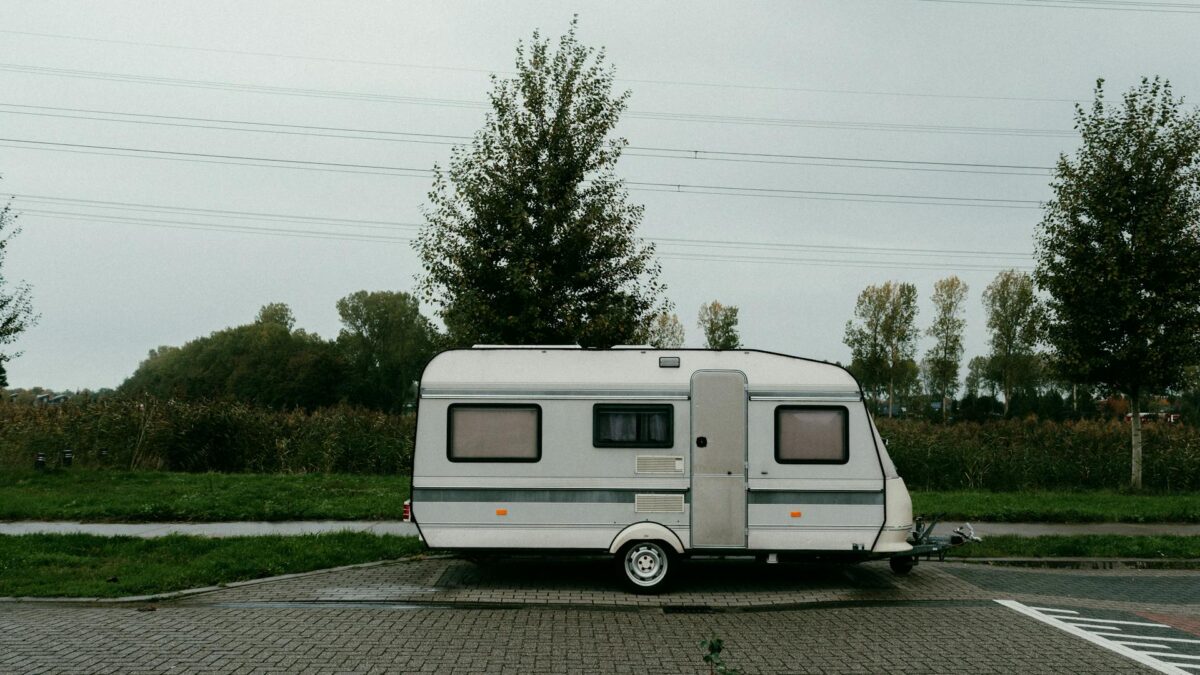
Cleaning isn’t just cosmetic. Dirt and grime can trap moisture and speed up corrosion.
Exterior wash
- Rinse dust, mud, and bugs from the body
- Pay attention to the front, roof edges, wheels, and underneath
- If you’ve travelled near the coast or on salted roads, washing the chassis is especially important
Interior clean
- Remove all food items
- Wipe benches, cupboards, and the fridge
- Vacuum crumbs and dust
Leaving food residue or moisture inside a closed van is one of the most common causes of mould and pest issues.
Caravan & Campsite Hygiene Tips for Travellers
Let the Caravan Breathe
One of the simplest and most overlooked steps is airing out the van.
After a trip:
- Open windows, roof hatches, and doors for several hours if weather allows
- Leave the fridge door slightly ajar once it’s turned off
- Allow mattresses, cushions, and canvas areas to dry fully
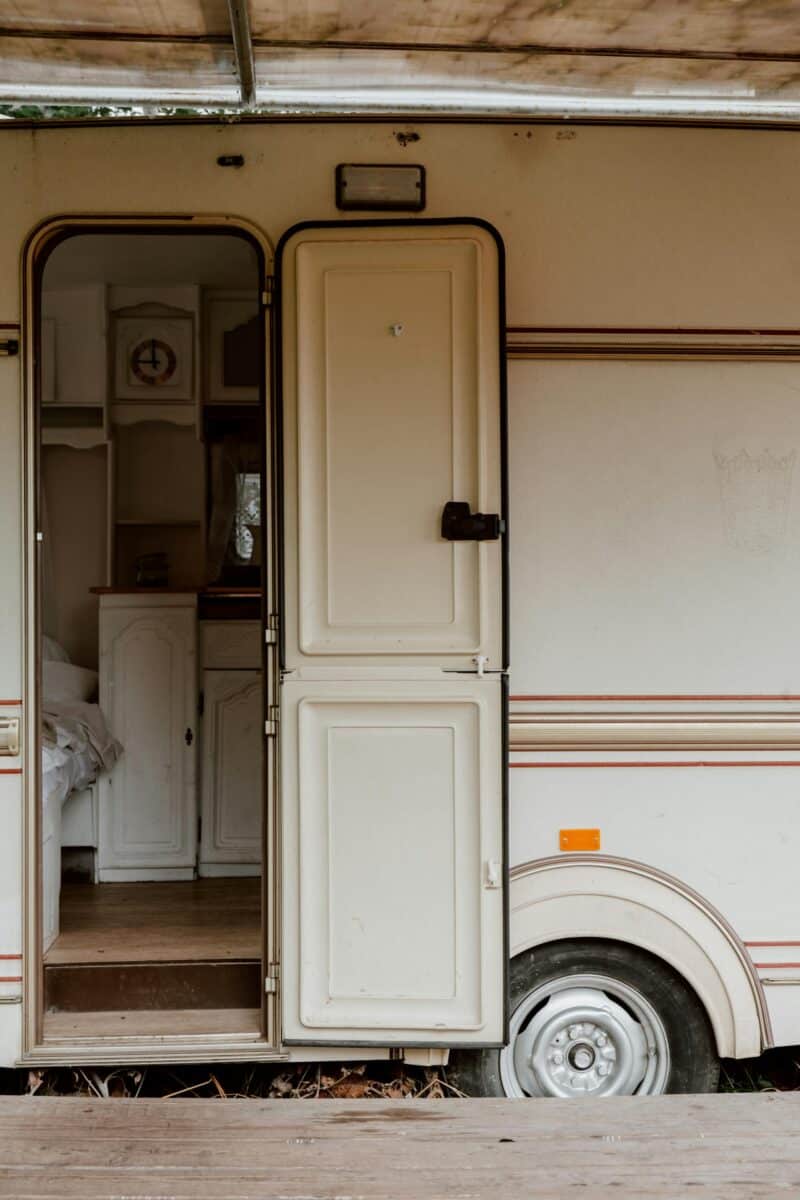
Moisture doesn’t need much time to cause problems, especially in warm or humid conditions.
Water Systems: Reset, Don’t Forget
Water that’s fine during a trip can become stale when left sitting.
Post-trip basics:
- Drain fresh water tanks if the van won’t be used soon
- Empty hot water systems according to manufacturer advice
- Run taps briefly to clear lines
If the caravan will be stored for an extended period, flushing the system before the next trip is just as important.
Tyres and Wheels After Travel
Tyres take a lot of load during a trip, especially on long highway runs or rough roads.
Once home:
- Visually inspect tyres for cuts, bulges, or uneven wear
- Check pressures after they’ve cooled
- If storing for a while, consider adjusting pressures to suit storage conditions
Tyre issues often develop quietly while the caravan sits, not while it’s moving.
Tyres: after travel vs positioned for storage
Two quick checks – once the tyres have cooled – help you spot issues early and set the caravan up to sit well between trips.
Let tyres cool, then do a quick visual check before you forget what the trip was like.
- Look for cuts, bulges, or uneven wear.
- Re-check pressures once tyres are cool.
The goal is to help the tyres sit well while the caravan is parked between trips.
- Keep the van level and use chocks as needed.
- Consider tyre covers or shade if stored outdoors.
Electrical and Battery Reset
Many battery issues show up just before the next trip – often because they weren’t reset properly after the last one.
Post-trip steps may include:
- Reconnecting to 240V power if available
- Checking battery charge levels
- Turning off non-essential loads
This is also a good time to make sure safety systems like breakaway units and detectors haven’t been left running unnecessarily.
Is It Lithium Ready? – Caravan Battery Upgrade Guide
Quick Walk-Around Inspection
You don’t need tools for this – just time and attention.
Look for:
- Loose fittings or fasteners
- Signs of damage underneath
- Issues with seals, doors, or hatches
- Anything that looks different from before the trip
Catching a small issue early often avoids a much bigger repair later.
Packing Away for Storage
Before leaving the caravan parked:
- Ensure annexes, hoses, and leads are clean and dry
- Store gear so it’s not pressing on walls or doors
- Consider tyre covers or shade if stored outdoors
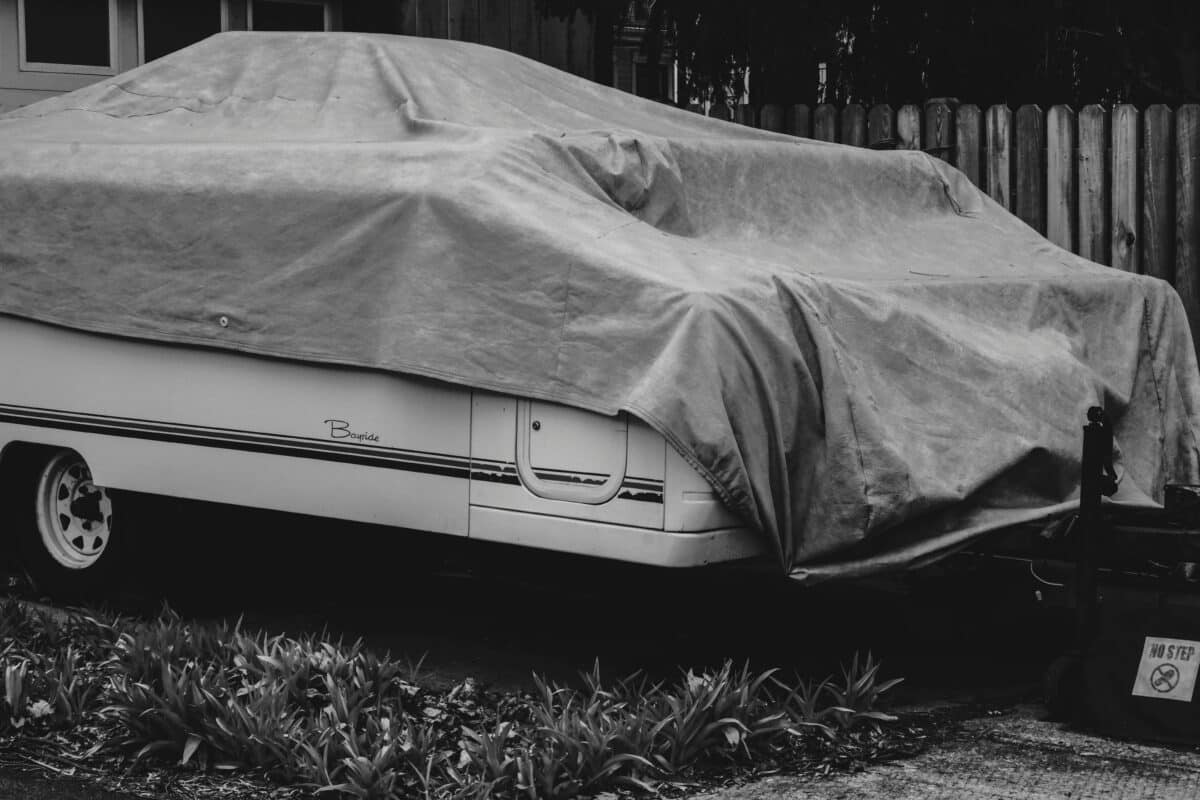
Storage is not a neutral state. How the caravan is left determines how it will age.
Caravan Garage Guide 2025 – Building Your Home Base
Common Post-Trip Pitfalls
These are the issues owners most often discover weeks later:
- Mould from trapped moisture
- Flat or damaged tyres
- Dead batteries
- Stale or contaminated water
- Pest entry
None of these usually come from a single mistake – they come from skipping small steps.
Closing Summary
Post-trip caravan care doesn’t need to be complicated or time-consuming. A few considered actions in the days after returning home can help protect your caravan, reduce maintenance costs, and make the next trip easier to prepare for.
Think of it as closing the loop on your trip – not extra work, just part of responsible ownership.
- This guide is intended as general ownership advice, not a technical maintenance schedule
- Storage, drainage, and battery practices may vary by caravan design and manufacturer
- Owners should always follow specific manufacturer recommendations where provided