

The short answer is that it depends, not on specs, but on how you travel, what vehicle you are driving, and what your trips actually look like in practice. In 2026, hard shell rooftop tents are pulling ahead in Australian search interest for the first time, with searches for hard shell formats rising by as much as 200 per cent over the past 30 days. That shift reflects genuine changes in how Australians are camping. But soft shell tents are not obsolete. For plenty of travellers, they still make more sense.
This guide works through every meaningful difference between the two so you can make the call with confidence and stop second-guessing yourself in the driveway.
What You Are Actually Choosing Between
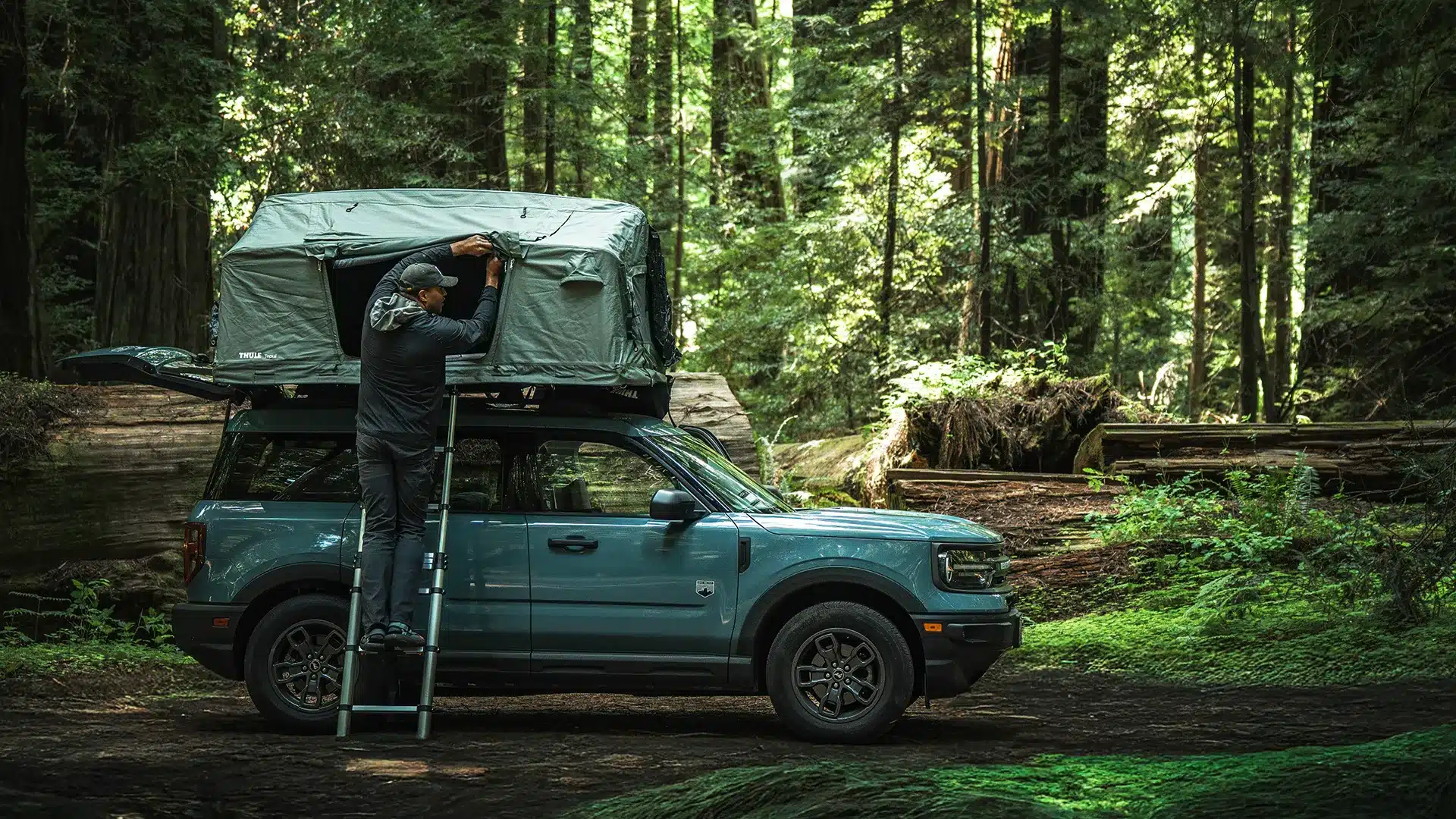
A soft shell rooftop tent folds out from a weatherproof cover on your roof rack, expanding sideways like a book. The sleeping platform sits on a folded section of the tent, supported by aluminium poles, with the canvas canopy stretched above it. Setup involves unzipping the outer cover, unfolding the tent body, and extending the ladder. The whole process takes five to fifteen minutes depending on the model.
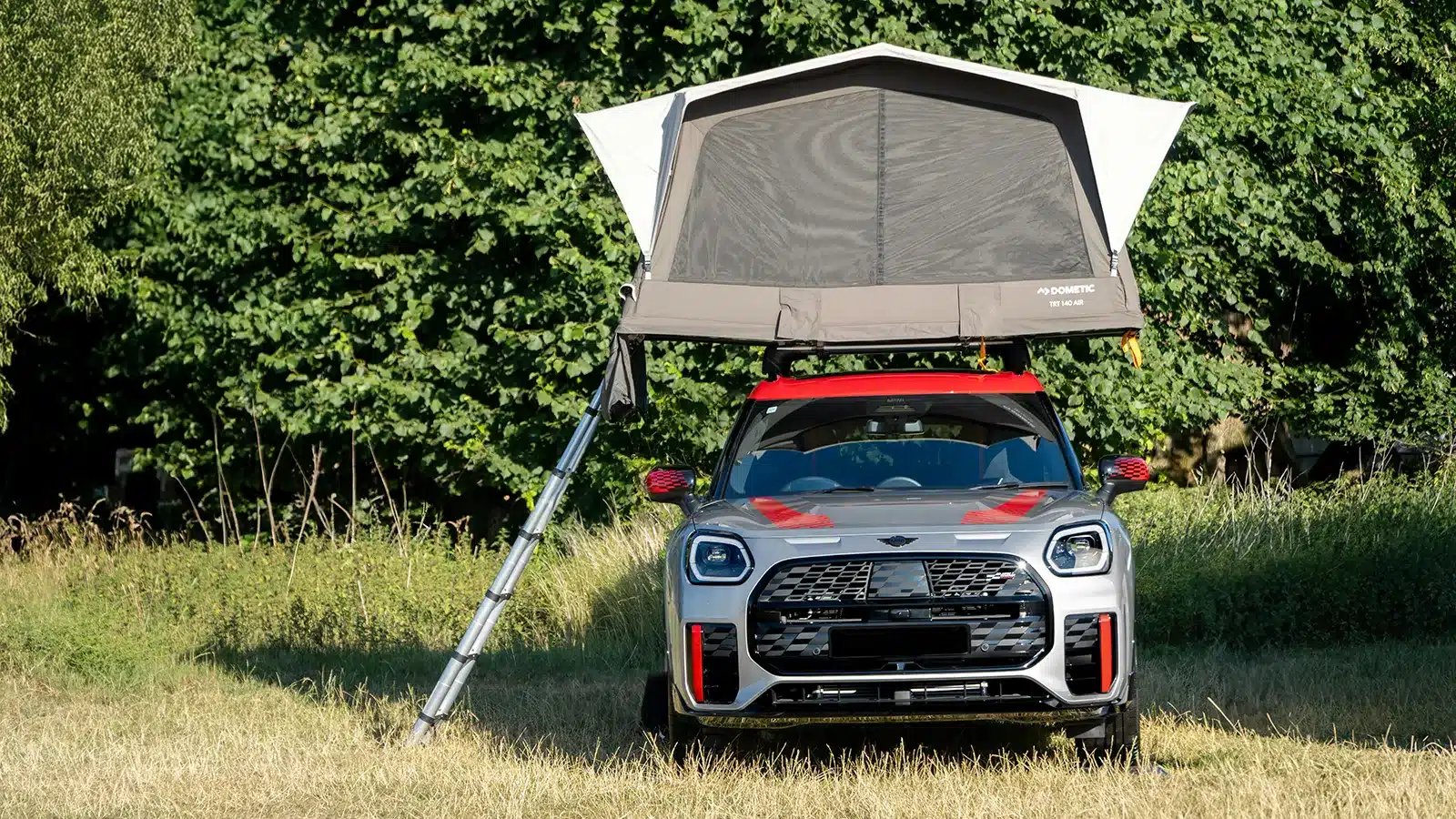
A hard shell tent sits on your roof as a sealed flat unit until you are ready to camp. You release one or two latches, lift the lid, and gas struts hold it open while the internal canvas body drops down. Setup takes sixty seconds or less. In the morning, you fold it closed, latch it, and drive away.
That difference in setup time is the core of the decision for most buyers. Everything else flows from it.
Setup Speed: The Difference Is Bigger Than It Sounds
Sixty seconds versus ten minutes does not sound significant until you have arrived at a remote camp at 7pm after nine hours on corrugated roads with two hungry kids in the back seat.
Hard shell owners report consistently across forums and review sites that the speed advantage changes how often they go camping. A one-night stop between regions feels low-effort. An unexpected good camp spot is worth pulling over for. There is no mental calculation about whether the setup time is worth it.
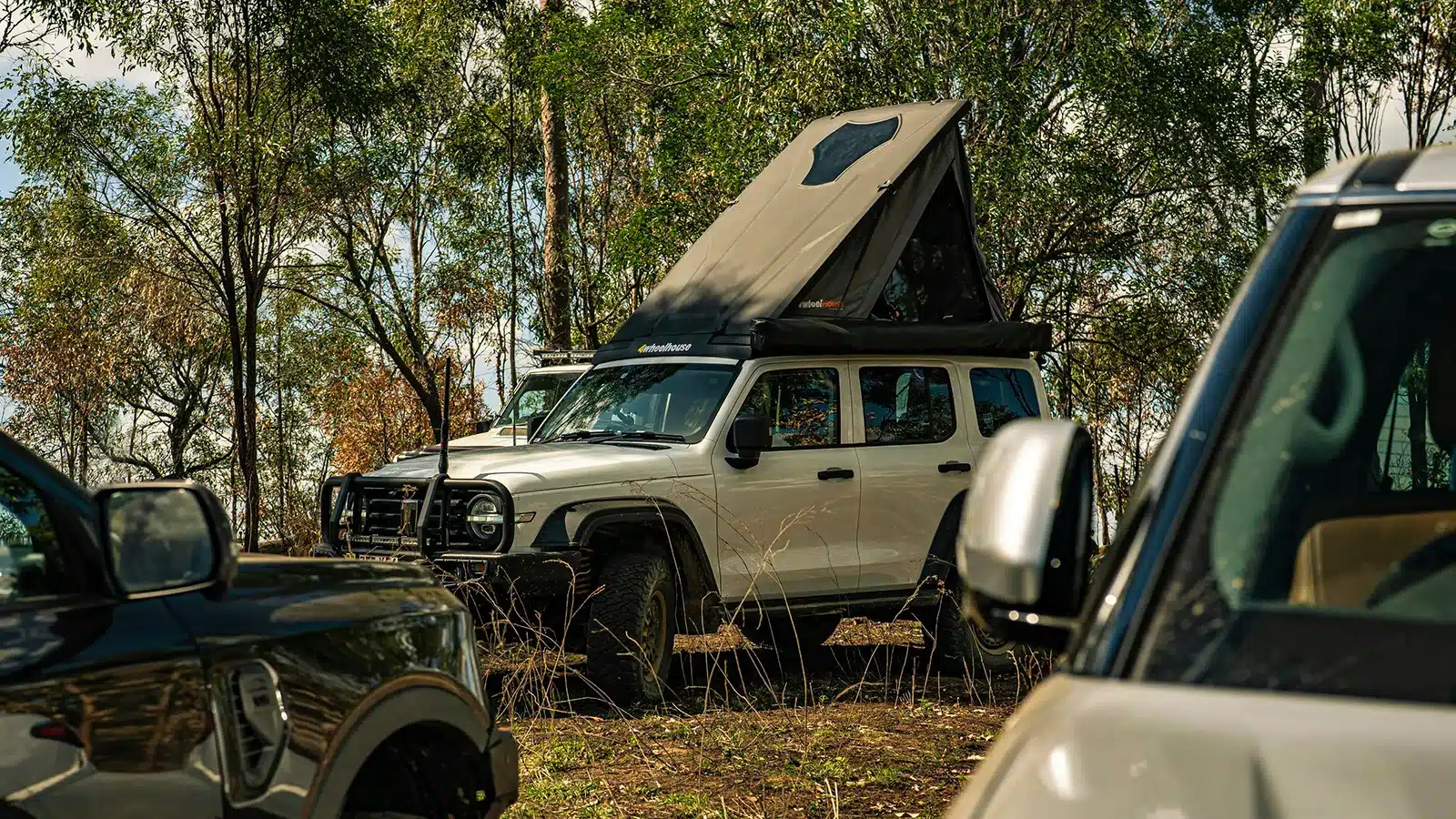
Soft shell owners who do not move frequently say setup time does not matter much to them. If you are base-camping for three or four nights, five minutes on the first evening is not a consideration. But if your style involves moving every day or two, that time compounds quickly across a longer trip.
Pack-down carries the same gap. A hard shell is closed and latched in under two minutes. A soft shell takes ten minutes minimum, and packing it away in rain means wrestling with wet canvas while everything else at camp gets soaked.
Tip: Before you decide, be honest about how many one-night stops your trips involve. If you move camp more than three times a week on average, the hard shell speed advantage will pay back its price premium quickly.
Aerodynamics and Fuel: A Cost You Pay on Every Drive
A soft shell tent sits on your roof as a bulky rectangular shape when packed down. That extra drag adds up, particularly on the long highway stretches that define most Australian touring. Owners report higher fuel consumption and noticeable wind noise at speed, both of which are genuine factors on a 5,000-kilometre lap.
Hard shell tents are designed with a sloped, streamlined profile. Better-designed units sit low on the roof and shed air cleanly. At highway speeds, the difference in fuel consumption between a quality hard shell and a quality soft shell is real, though it varies by vehicle, tent weight, and how fast you drive.
For travellers covering 30,000 kilometres or more a year, the fuel saving from a hard shell at current prices adds up to a meaningful number. Over a big trip, a hard shell can partially offset its price premium through the bowser.
Weather Performance: Both Work, One Is More Forgiving
A hard shell tent is a sealed unit when closed. Rain cannot penetrate the shell, dust cannot infiltrate, and humidity does not affect the structure. When open, the canvas sides handle rain and wind like any quality fabric tent, but the rigid lid above provides real protection.
Soft shell tents rely entirely on the quality of their canvas, seam sealing, and zip performance. A well-made soft shell from a reputable brand handles Australian rain without issue. A budget soft shell with thin canvas and poor zips is a problem waiting to happen, and the risk is not just leaking. Packing the tent away damp and developing mould is a common outcome that is very hard to reverse.
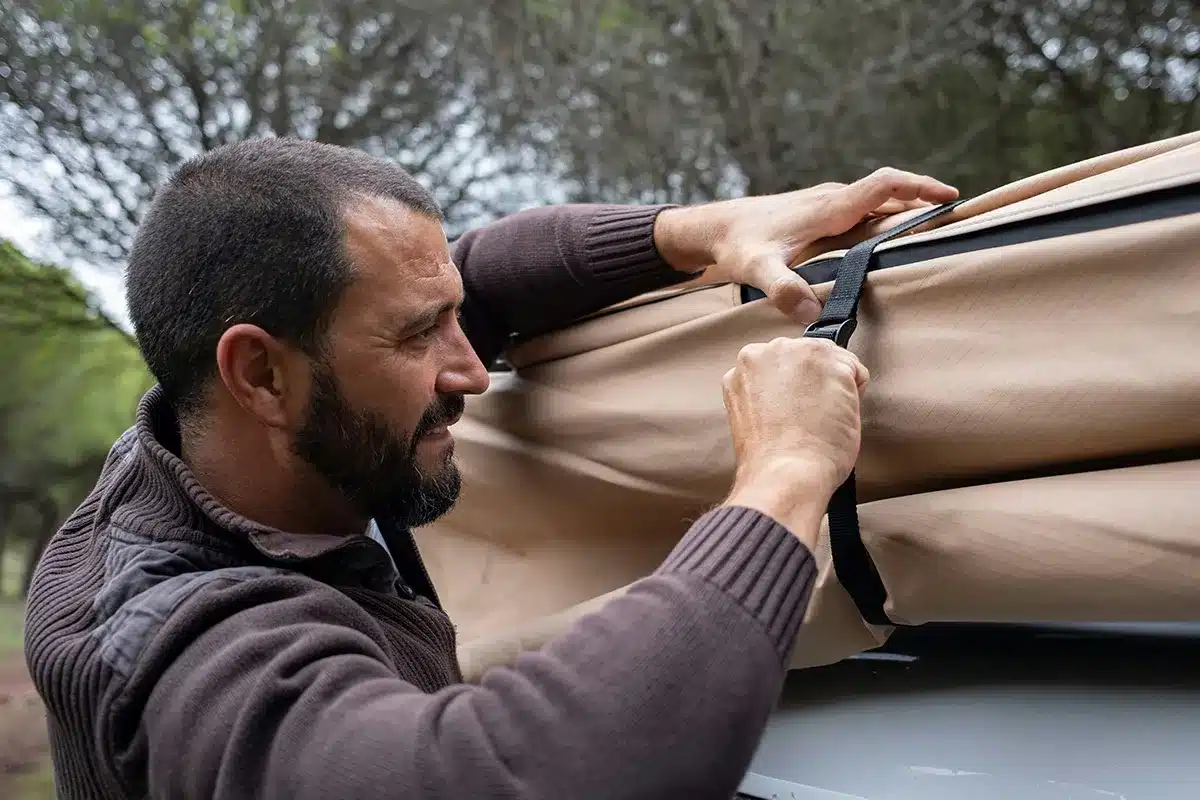
The hard shell also eliminates one common soft shell frustration: it always packs away dry. The canvas is inside the shell and does not get wet during rain. With a soft shell, you either wait for it to dry before packing, or you manage it when you get home.
Internal Space and Comfort: Where Soft Shell Has the Edge
This is where the comparison genuinely flips. A soft shell tent, when fully deployed, offers more usable internal space than a hard shell at the same price point. The tent body expands outward and upward, giving you room to sit up fully, move around, and store gear inside. Many soft shells include an annexe that creates a ground-level enclosed space below the tent, which is useful for families or longer stays.
Hard shell tents have a fixed sleeping area determined by the closed dimensions of the shell. The standard 1.4m and 1.8m hard shell sizes are comfortable for two adults lying down, but headroom is limited and internal storage is minimal. If you want to read in bed comfortably, change clothes without gymnastics, or sit up to eat breakfast without hunching, a soft shell generally wins.
Mattress quality also differs. Most quality hard shells include a 60mm to 80mm memory foam mattress that compresses inside the shell. The better soft shells often offer a thicker sleeping surface because they do not have the same physical constraints. Budget units in both categories cut corners on the mattress, and this is the first place most owners wish they had spent more money.
Tip: If you are buying at the budget end of either category, set aside $80 to $150 for a quality mattress topper. It is the single upgrade that makes the biggest difference to comfort across multi-night trips.
Weight and Roof Load: The Question That Trips Buyers Up
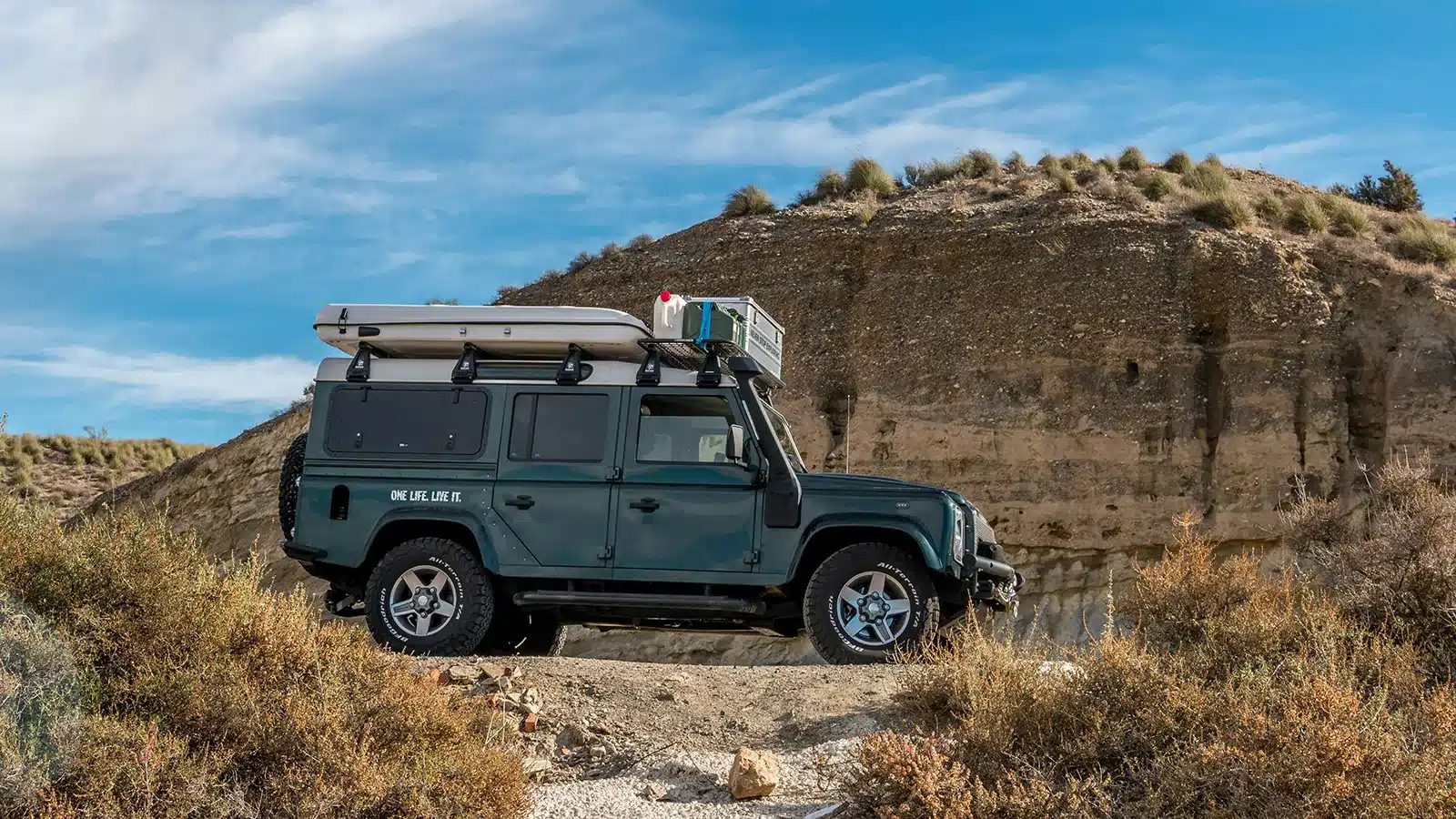
Every vehicle has two roof load ratings: a static rating (when parked) and a dynamic rating (while moving). The dynamic rating is the one that matters for a rooftop tent, and it is almost always the lower number. For most Australian 4WDs, the dynamic rating sits between 75 and 100 kilograms.
A typical hard shell weighs between 45 and 95 kilograms. A typical soft shell sits between 40 and 65 kilograms. When you add the weight of the roof rack (usually 15 to 25 kilograms), it is easy to see how quickly a heavy hard shell uses up the entire roof load budget.
Smaller SUVs including the Toyota RAV4, Suzuki Jimny, and Subaru Forester have lower dynamic load ratings that rule out most full-size hard shell options. Compact hard shells such as the iKamper Skycamp Mini or the Dune Nomad Lite at 46.5 kilograms are the practical choices for these vehicles. Lifted utes and large wagons including the HiLux, LandCruiser, Prado, and Patrol can typically carry a full 1.8m hard shell without issue.
Tray-mounted rigs deserve a separate mention. A tray rack on a 79 Series or similar has far higher load ratings than a cab roof mount, which expands the tent options considerably.
Tip: Always check your vehicle’s dynamic roof load rating in the owner’s manual before purchasing any RTT. The number on the spec sheet for the tent weight does not include the roof rack, ladder, or bedding inside the tent.
Price: What You Actually Pay
The commonly quoted sticker price rarely tells the full story. A soft shell at $1,800 often needs crossbars, mounting hardware, and possibly an annexe to be genuinely useful. A hard shell at $3,400 that includes crossbars, solar panel, Anderson plug, and all mounting hardware in the box is a different calculation entirely.
| Budget | Mid Range | Premium | |
|---|---|---|---|
| Soft shell | $750 to $1,500 | $1,500 to $2,400 | $2,400 to $2,800 |
| Hard shell | $1,250 to $2,200 | $2,200 to $3,500 | $3,500 to $5,000+ |
As reference points from the current Australian market: the Adventure Kings Tourer soft shell starts at around $750, the Dune Nomad Lite hard shell at around $1,250, the Kings Grand Tourer Lite hard shell at $1,450, the Motop MT MAX hard shell at $2,999, the Drifta Desert Cruiser hard shell at $2,990 to $3,190, and the Alucab expedition hard shells from around $4,000. The ARB Simpson III soft shell sits at $2,800 to $3,200 and represents the quality ceiling of the soft shell category in the Australian market.
Always calculate the total setup cost, not just the tent sticker price. Getting caught out by $800 in required extras after the fact is a very common experience for first-time RTT buyers.
Hard Shell vs Soft Shell: Which Is Right for You?
Compare the two formats on every factor that matters for Australian touring. Tap any checklist item to personalise your result.
👇 Tick what applies to you and find your match
Who Should Actually Buy Each One
The data from the 2026 Australian search trends is clear: hard shell is winning the format battle. Searches for hard shell formats are rising across every major query while soft shell volumes are flat or declining. That reflects a market maturing from early adopters into mainstream buyers who prioritise speed and simplicity. It mirrors a broader shift; off-grid camping is growing fast across every demographic, not just seasoned tourers
That said, the soft shell is not going anywhere. For families wanting maximum space, long-stay base campers, and first-time RTT buyers who want to try the lifestyle before committing to a premium price point, a quality soft shell from ARB, Darche, or OzTent makes a strong case.
Choose a hard shell if you move camp frequently, value quick setup on one-night stops, drive long highway distances between camps, or travel in wetter conditions where packing away dry matters. Hard shells reward travellers who prioritise efficiency and want to stop overthinking the setup routine.
Choose a soft shell if you base-camp for multiple nights, want more internal space for the money, travel primarily in warm northern climates where ventilation matters more than speed, or are trying RTT camping for the first time before committing to a premium unit.
Your vehicle is the non-negotiable filter. Smaller SUVs including the RAV4, Jimny, and Forester should look at compact hard shells or quality soft shells to stay within dynamic load limits. Dual-cab utes and large wagons can typically carry a full 1.8m hard shell without issue. Tray-mounted setups have the most flexibility of all.
If you’re building a full off-grid setup around your RTT, our rooftop tent and portable power guide covers what you need to run the system.
The Condensation Issue: Both Types Deal With It
Condensation is the most consistently mentioned issue by rooftop tent owners, regardless of which format they own. Warm air from breathing overnight hits the cooler surface of the shell or canvas and creates moisture. Left unchecked, this leads to damp bedding, mildew smell, and eventually mould.
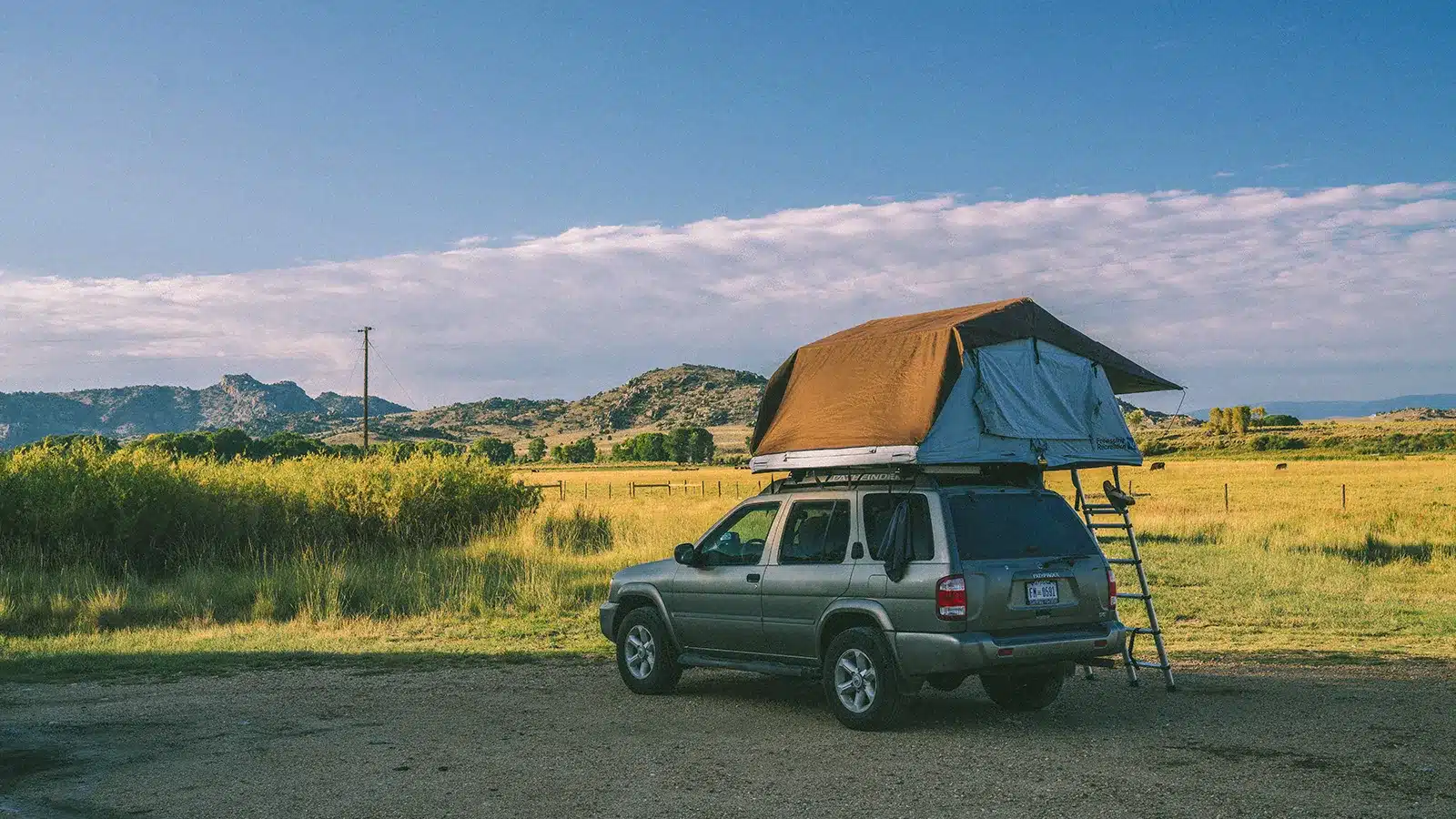
The fix is identical for both tent types: keep at least one vent partially open every night, even when temperatures drop. Experienced owners report success in temperatures as low as minus seven degrees Celsius with this approach alone. An anti-condensation mat under the mattress also helps by allowing air circulation underneath the sleeping surface.
Budget tents in both categories handle this worse than quality units because thinner materials lose heat faster and offer fewer ventilation options. If you are buying at the budget end of either category, a dedicated anti-condensation mat is a non-negotiable addition.
Campers regularly pushing into alpine country in winter should also look at a diesel heater as a condensation and comfort solution.
Tip: If you are regularly camping in humid coastal areas (Queensland, Top End, NSW coast), prioritise a tent with multiple mesh vents that can stay open while still blocking insects. Ventilation matters as much as the zip quality in these environments.
Five Questions to Answer Before You Buy
Before handing over any money, have clear answers to these. Does the tent weight plus the roof rack stay within your vehicle’s dynamic load rating? Does the quoted price include crossbars, mounting hardware, and everything needed to install it? Have you checked the closed dimensions against your garage clearance and the tightest tracks on your planned trips? Do you have a specific plan for managing condensation in the climate you most often camp in? And is there an Australian dealer or service network behind the brand if something needs replacing in the field?
The brands with the strongest Australian dealer and service networks in 2026 are ARB (nationwide branches), Darche (BCF and independent 4WD retailers), OzTent (BCF and Anaconda), and Adventure Kings (direct online and Amazon AU). Newer direct-to-consumer brands like Motop and Rigdup operate with workshop pickup points. Alucab and iKamper operate through authorised Australian distributors with longer parts lead times.
The Bottom Line
The question is not which format is objectively better. The question is which format suits the way you actually travel. Answer that honestly, map it against your vehicle’s load rating and your realistic budget including all the extras, and the right tent becomes obvious.
If you move camp frequently and want setup to disappear from your mental load entirely, a hard shell will change your camping experience. If you want maximum space per dollar and do not mind the extra setup time, a quality soft shell from a reputable Australian brand still delivers excellent value.
Buy once. Buy the one that fits how you travel.