

Rising caravan prices, storage fees and registration costs are prompting some Australian travellers to reconsider how much gear they really need. They are also questioning whether owning both a caravan and a boat still makes sense.
While traditional setups remain the norm, a small but growing group of travellers is looking at simpler, multi-use options. This is because the cost and logistics of running two separate rigs continue to add up.
What’s driving the rethink
For many touring families and couples, the cost of caravanning has increased noticeably over the past few years. New caravan prices have risen. Tow vehicles are more expensive. In addition, ongoing costs such as insurance, registration and storage are harder to ignore.
Owning a caravan and a separate boat often means managing two registrations, two insurance policies and dedicated storage for each. On top of that, you have the towing and launch logistics that come with travelling between regions.
As those pressures increase, some travellers are starting to question whether both setups are being used often enough to justify the expense.
Where hybrid options fit
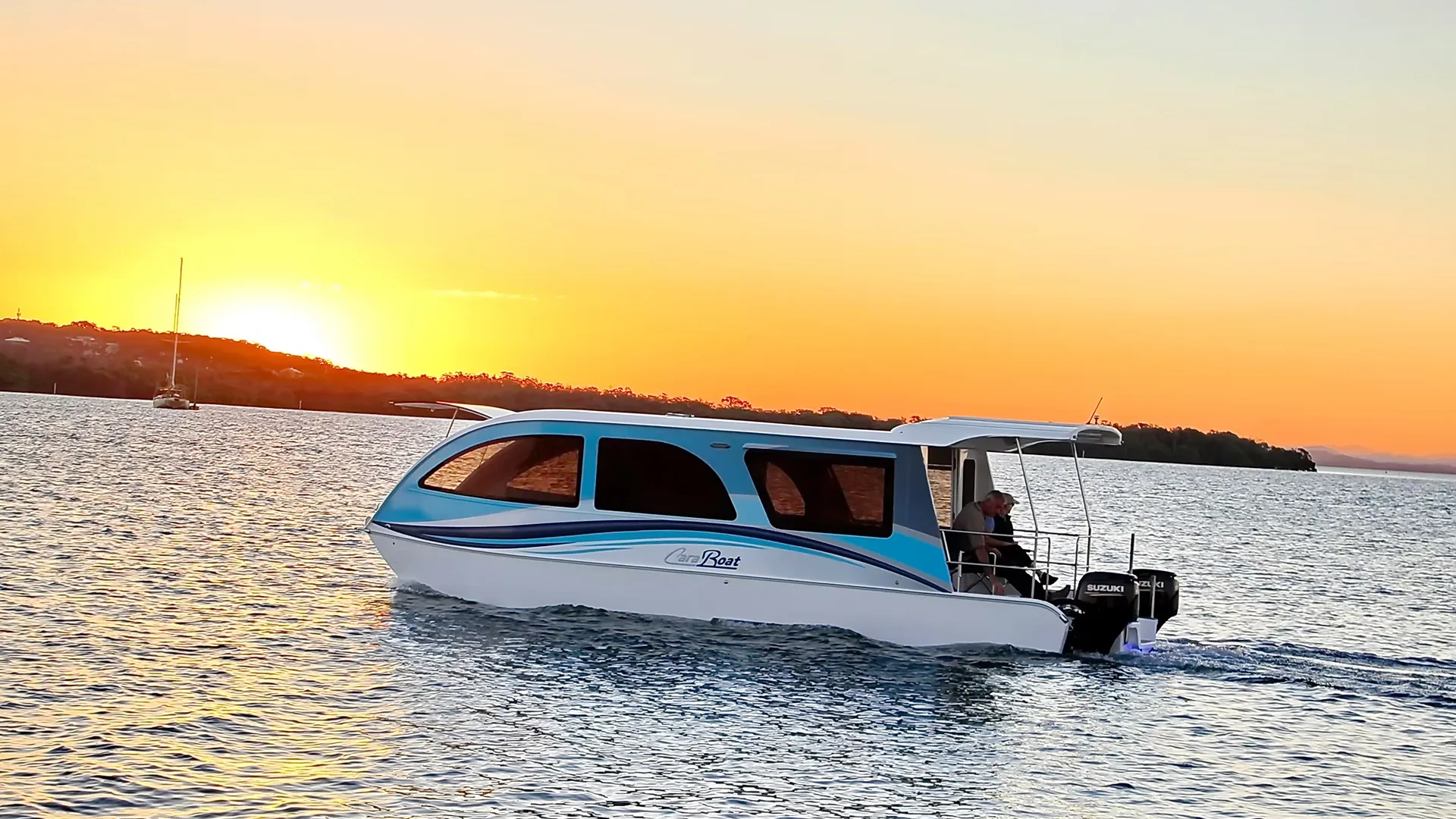
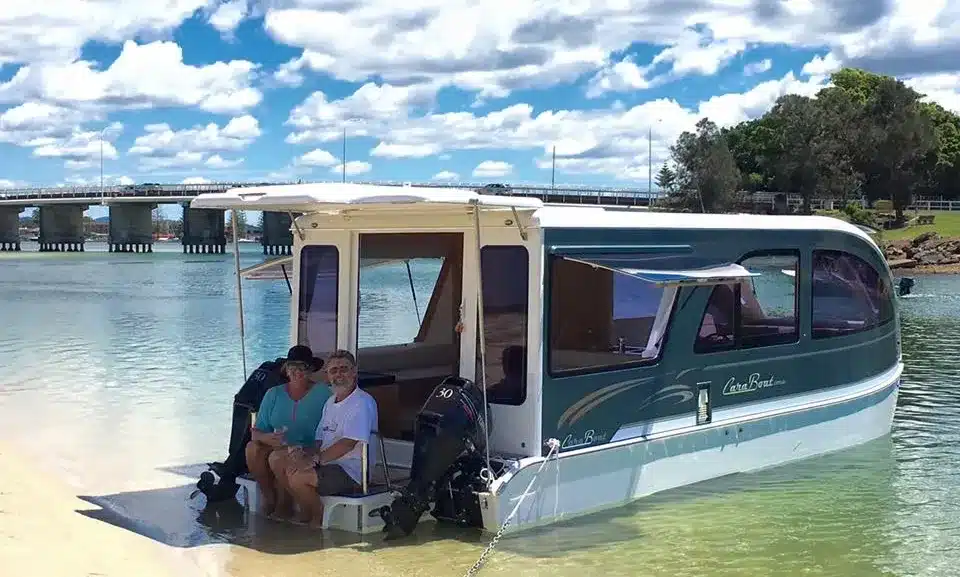
One alternative attracting renewed attention is the caravan–boat hybrid — a single road-registered unit designed for both towing and launching on the water.
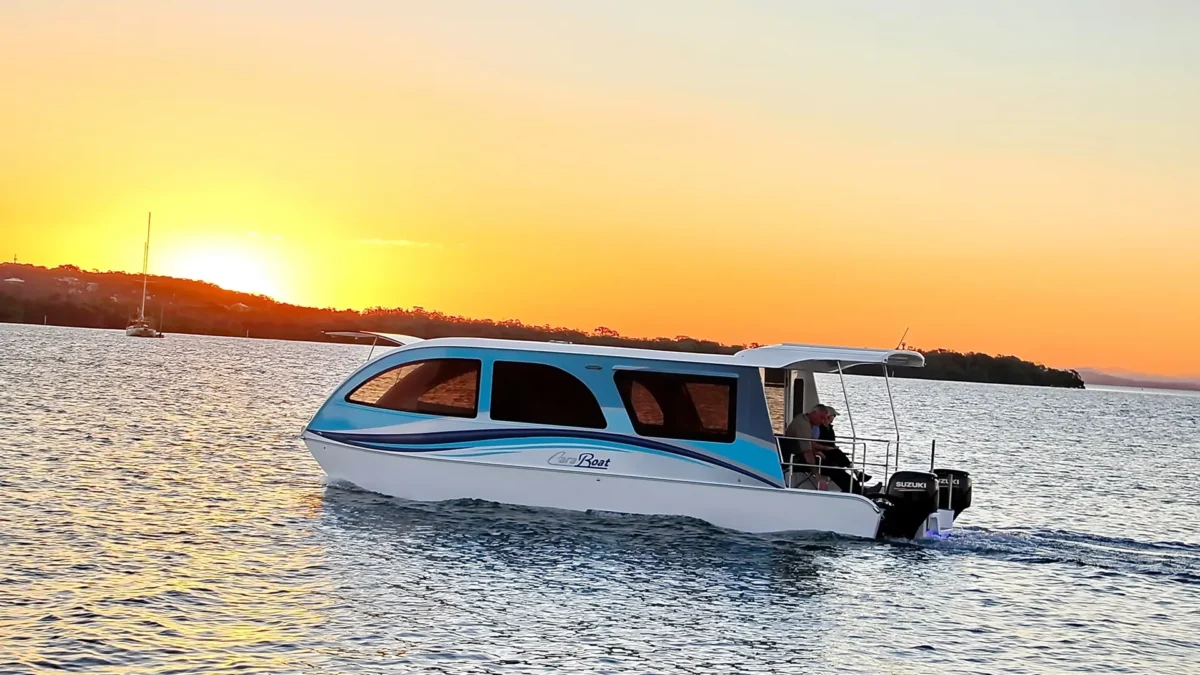
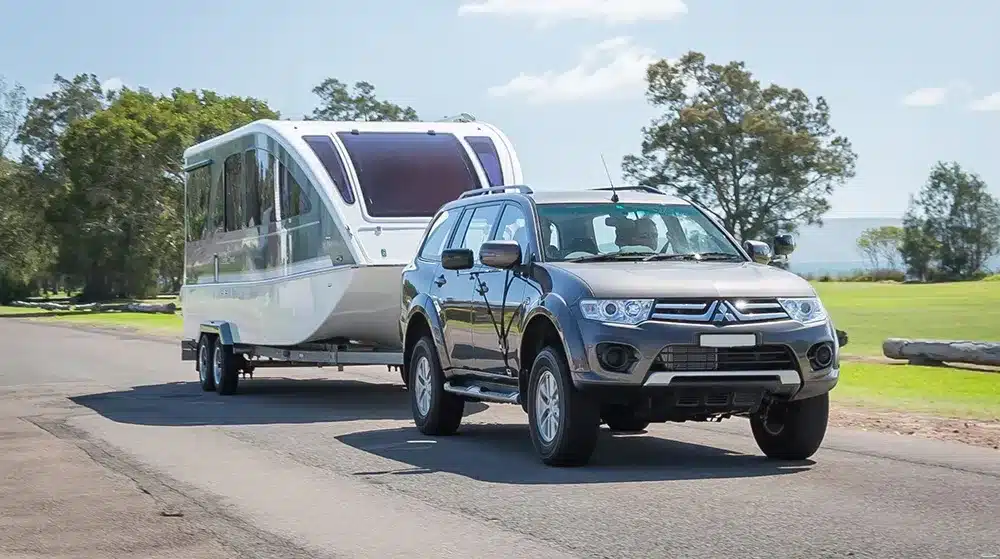
Examples such as Caraboat combine basic accommodation with a hull capable of inland and coastal boating, depending on conditions. While the concept has been around for decades, it is being revisited less as a novelty and more as a way to reduce duplication.
For some travellers, the appeal is not downsizing for its own sake, but simplifying ownership and running costs while retaining access to both land and water travel.
Who this type of setup suits — and who it doesn’t
Hybrid setups are not a direct replacement for a full-size caravan paired with a dedicated boat, and they come with clear trade-offs.
They may suit couples or small families who enjoy casual boating while touring, particularly in coastal or river regions where launching is straightforward. They can also appeal to travellers with limited storage space at home.
They are less suited to larger families, long off-grid stays, or those wanting serious offshore boating capability. Interior space, payload and comfort are typically more limited than a conventional caravan. In addition, boating performance depends heavily on conditions and experience.
A wider shift toward “one-rig” touring
The renewed interest in hybrids reflects a broader trend across Australian touring. More travellers are looking for setups that serve multiple purposes rather than specialised rigs for each activity.
Similar thinking is already evident in the move toward compact caravans, slide-on campers and tow vehicles that double as everyday transport. The common thread is practicality — reducing costs, complexity and unused capacity.
What travellers should consider
For travellers weighing up their options, the key question is how often each setup is actually used, a consideration also explored in our guide to buying a caravan in 2026.
It’s worth asking:
- How often do we really use a boat while touring?
- Are we paying for storage or registration that sees little use?
- Would a smaller, multi-use setup change how we travel?
For many, the answer will still favour a traditional caravan and boat combination. For others, especially as costs continue to rise, simplifying is becoming an increasingly realistic consideration.
The takeaway
Caravan–boat hybrids remain a niche option, but they are re-entering the conversation for a practical reason rather than novelty.
As touring expenses climb, more travellers are reassessing what they need, what they use, and what they can manage long-term. For a small but growing group, that reassessment is leading to one clear question: whether running one versatile rig might make more sense than maintaining two.