
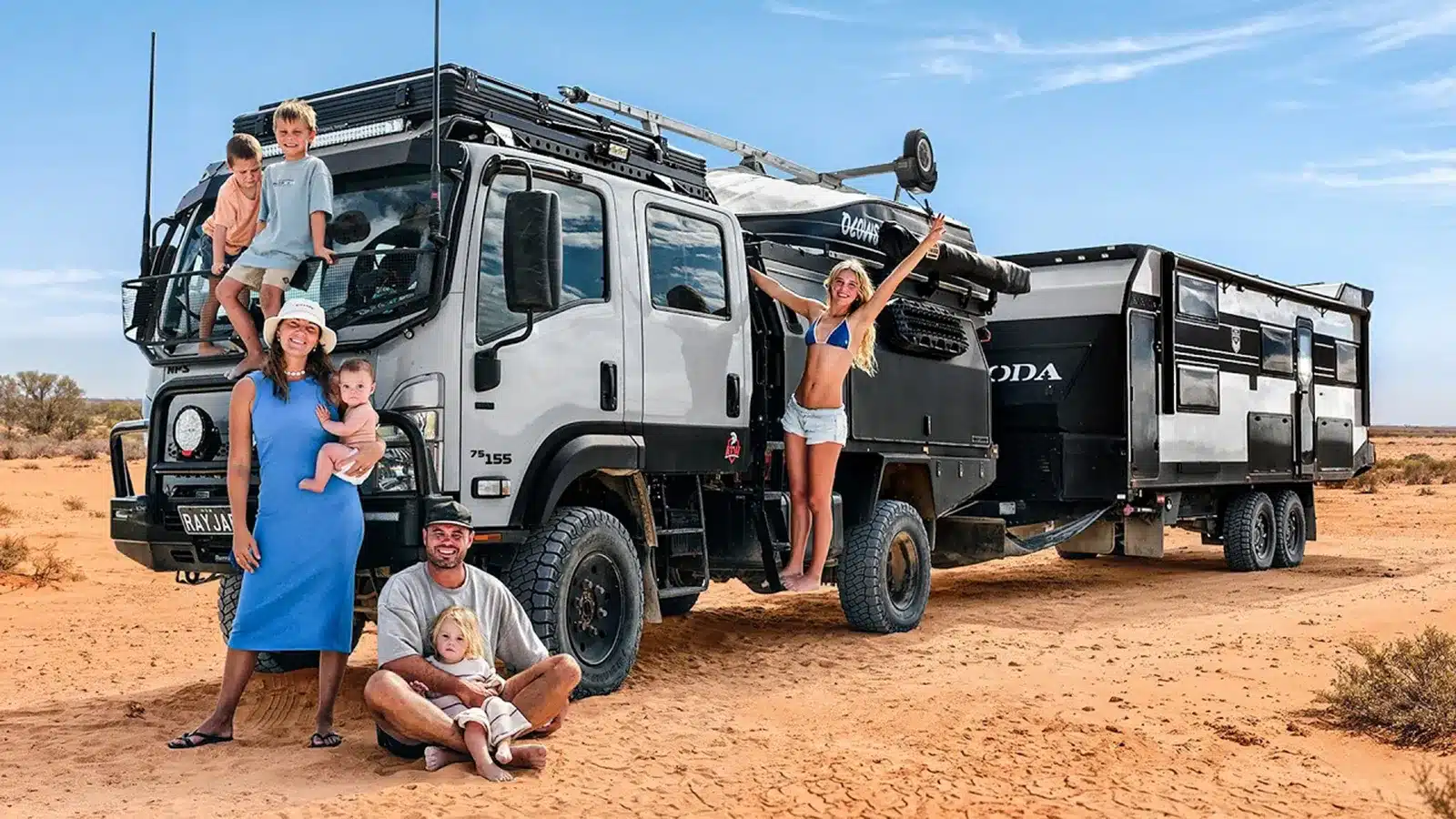

The cultural icon of the Australian caravan industry has historically been the “Grey Nomad,” but recent market data reveals a massive demographic shift. Today’s parks look entirely different, driven by a new wave of travellers bringing larger budgets, premium rigs, and a completely different approach to the open road.
The Rise of the “Working Wealth” Nomad
The modern caravaner is younger, time-poor, and heavily employed. They are wielding significant purchasing power and reshaping the campground ecosystem.
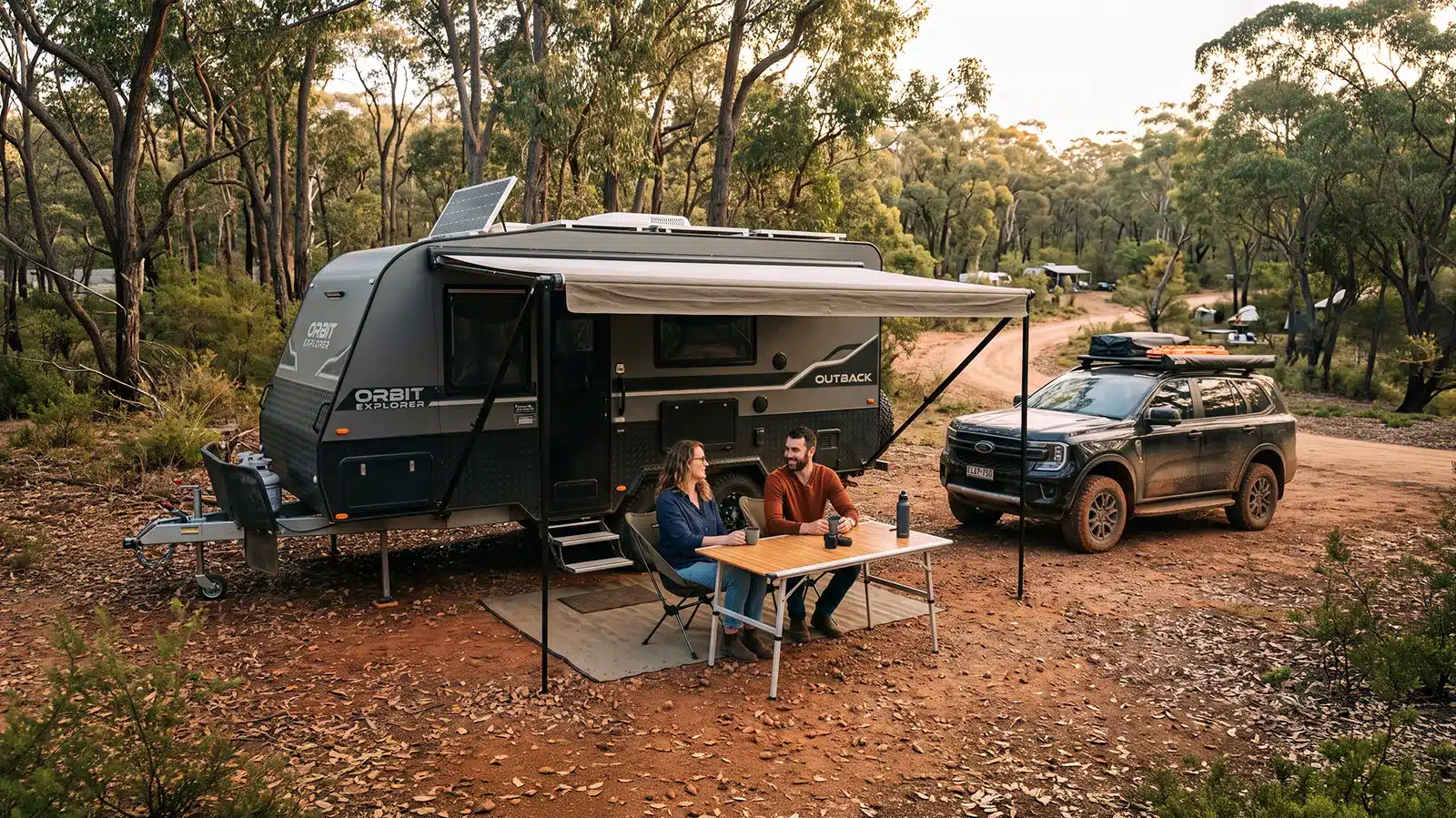
Tourism Research Australia data reveals that 43 per cent of domestic caravan and camping visitors in bellwether states like New South Wales are actively engaged in full-time employment. The largest single demographic group in the market now reports an average household income between $100,000 and $149,999.
This influx of working wealth has supercharged the industry. In 2025, Australians took a staggering 17.3 million domestic caravan and camping trips, injecting $12.6 billion into the national economy.
Big Rigs and Remote Work Hubs
This demographic transformation explains a manufacturing shift that might otherwise seem contradictory during a period of national cost-of-living pressures.
While the historical average unit price across all recreational vehicles (including basic camper trailers and entry-level stock) hovers around $26,000, today’s dual-income buyers are bypassing the basics. There is a surging consumer preference for large, premium towable vehicles exceeding six metres in length, rigs that frequently command well over $80,000.
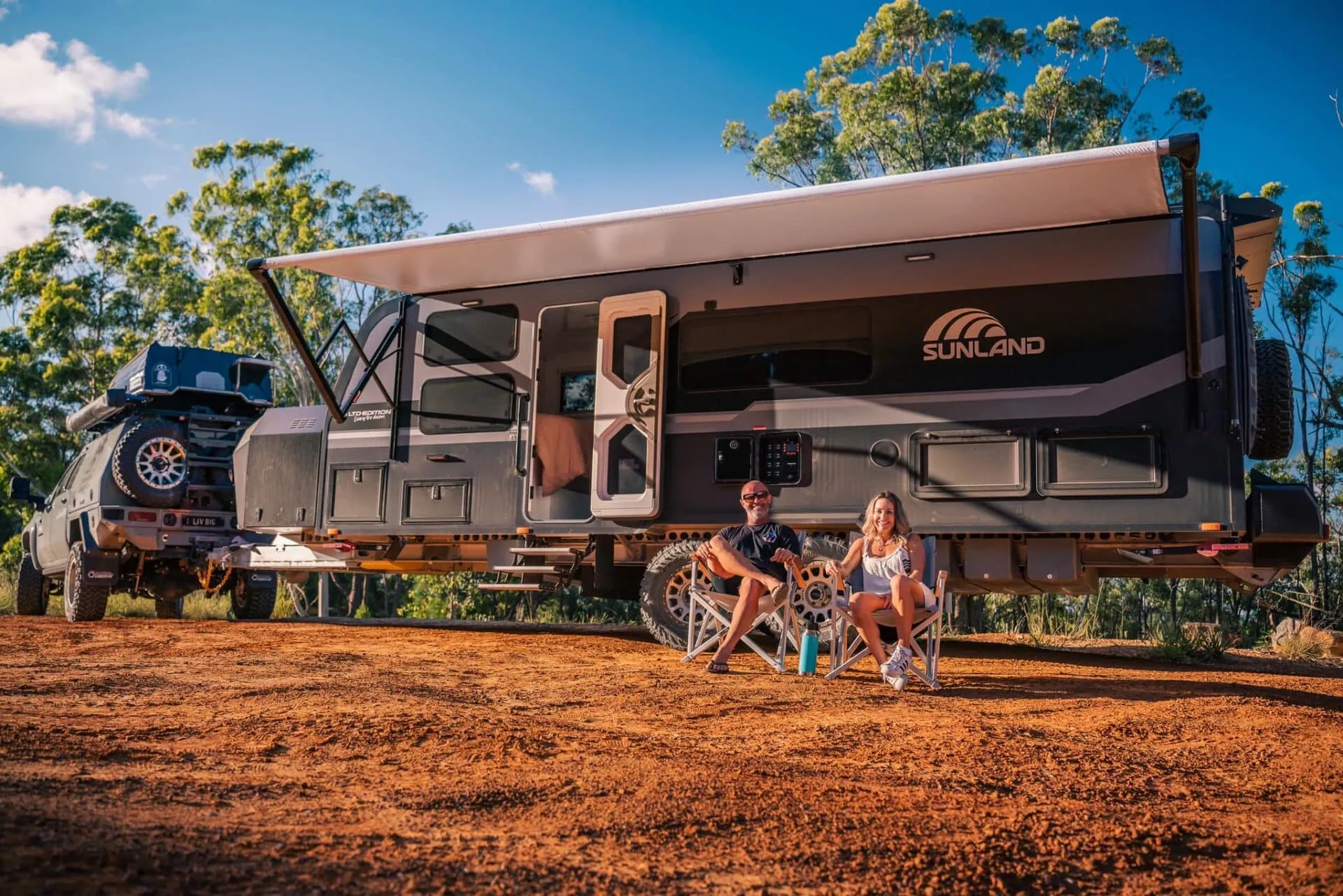
For these professionals, a caravan is no longer just a weekend sleeper. They function as mobile apartments and remote working hubs. Equipped with sprawling floor plans, lithium battery banks, and sophisticated off-grid capabilities, these vans allow families to work from the road and bypass the inflated costs of traditional domestic hotels.
The Weekend Warrior Booking Squeeze
Because these travellers are balancing full-time jobs, their habits contrast sharply with the slow, meandering journeys of their predecessors. Bound by annual leave and professional obligations, they are prioritising value, proximity, and convenience.
This shift has created a unique tension in how Australians book their holidays:
- Shorter Stays: The average caravan and camping trip length has contracted to just 3.4 nights.
- Hyper-Local Travel: Consumers are increasingly favouring shorter, high-impact holidays much closer to home.
- The Booking Catch-22: While time-poor professionals prefer to delay booking decisions until the last minute, the reality of a booming market means spontaneity is risky. Parks are frequently at capacity on weekends, forcing these travellers to rely heavily on booking apps to snipe cancellations or lock in their dates months in advance.
The Road Ahead
If you are hitting the road this year, expect to see more professionals logging into Zoom from their awnings and a surge in luxury, high-tech caravans. The open road is no longer the exclusive domain of the retiree; it has been aggressively claimed by a new generation looking for flexibility and a smart hedge against soaring holiday costs.
With international caravan and camping visitors to Australia also rebounding rapidly, the campground ecosystem is more vibrant, crowded, and dynamic than ever before.