

Australia’s caravan industry is entering a period of adjustment after several years of unprecedented growth driven by pandemic-era travel demand.
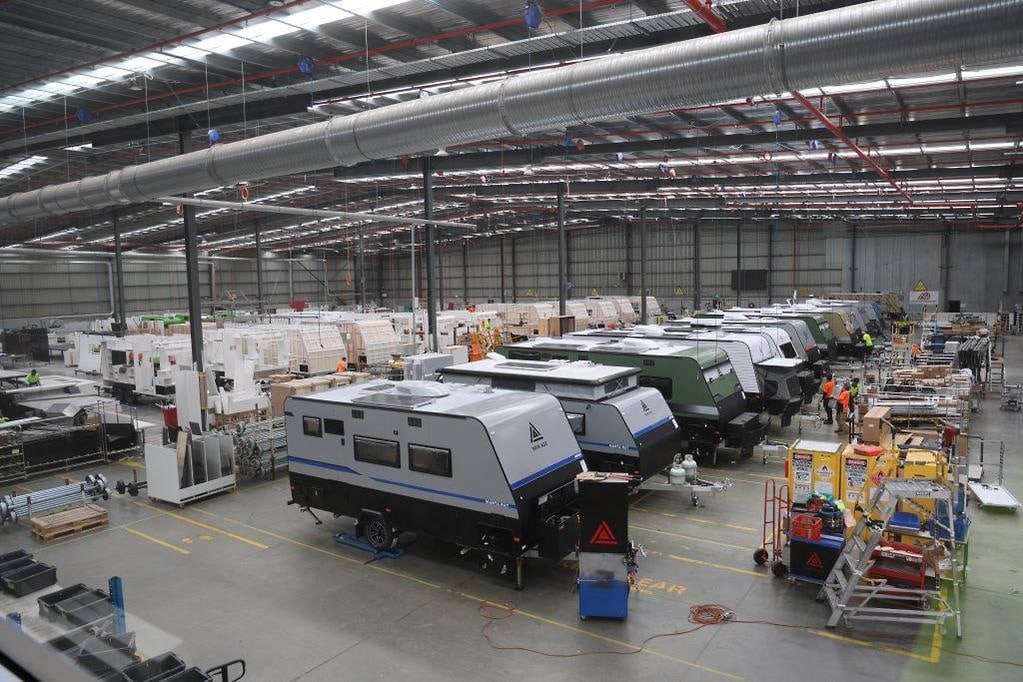
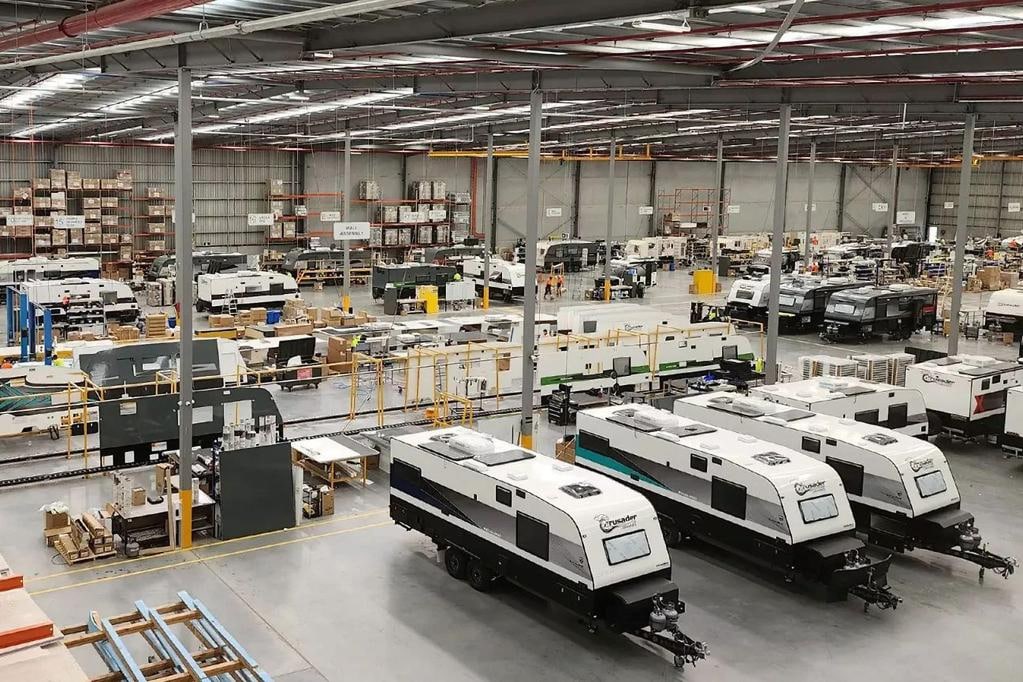
During COVID-19 border closures, caravanning surged as Australians embraced domestic road travel. As a result, manufacturers expanded rapidly to meet record order books, and long wait times became common. However, as travel patterns normalise and economic pressures rise, the caravan industry after the pandemic boom is facing a very different landscape.
From Boom to Correction
In recent months, that shift has become increasingly clear. Several Australian caravan manufacturers have either collapsed or entered administration, most notably luxury builder Zone RV. Industry observers say this reflects a broader market correction rather than isolated failures.
At the same time, oversupply is placing pressure on the sector. Caravans ordered during peak demand are now arriving in a market where buyers are more cautious. Consequently, dealership yards are holding higher stock levels, while purchasing decisions are taking longer.
Rising Costs and Changing Buyers
Manufacturers are also contending with rising production costs, including labour, materials and compliance requirements. Australian-built caravans are typically bespoke and premium, which adds to build quality but also increases prices.
Meanwhile, buyer behaviour continues to evolve. While interest in caravanning remains strong, many Australians now prioritise shorter trips, lighter vans and overall value. In addition, cost-of-living pressures and higher interest rates have made buyers more selective, particularly in higher price brackets.
A Market Still Strong — But More Competitive
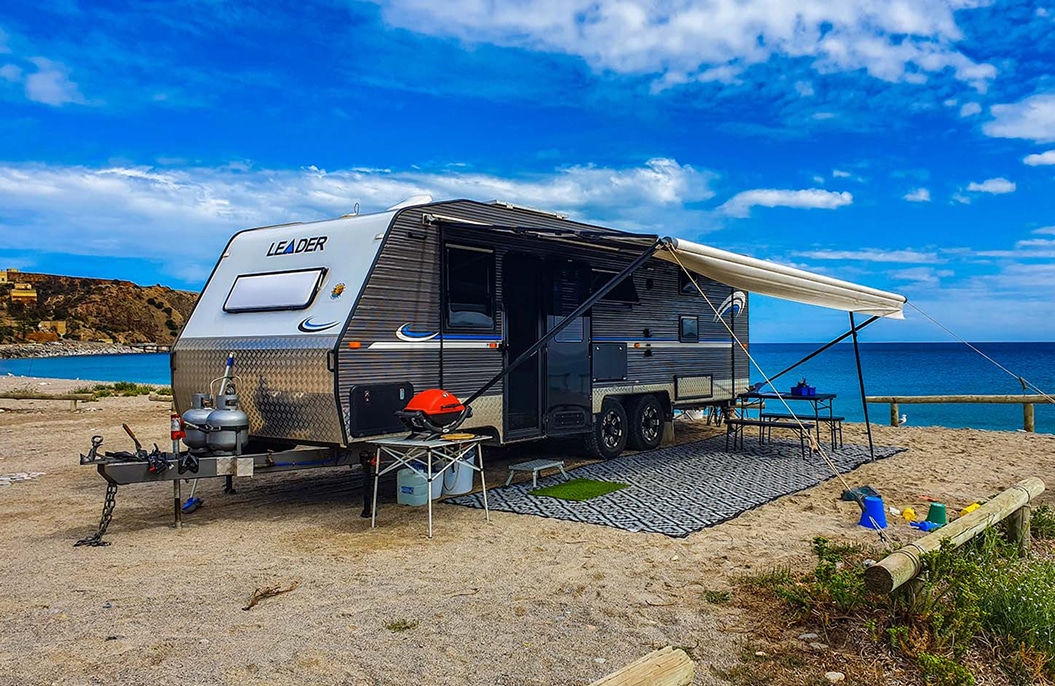
Despite these challenges, caravanning and camping remain firmly embedded in Australian travel culture. Registration numbers remain high, holiday parks continue to perform well during peak periods, and domestic travel demand remains resilient.
However, the competitive landscape is changing. Industry analysts expect a phase of consolidation, with established and well-capitalised manufacturers better positioned to adapt. For smaller builders, tighter margins are making survival increasingly difficult.
What This Means for Buyers
For consumers, the current market presents both opportunity and risk. Increased stock levels may lead to sharper pricing and improved availability. At the same time, buyers are encouraged to carry out due diligence before placing deposits, including checking warranty coverage, delivery timelines and manufacturer stability.
Looking Ahead
The pandemic boom reshaped the caravan industry at extraordinary speed. While the current reset is challenging for some businesses, it may ultimately lead to a more sustainable and resilient sector.
As demand stabilises, the industry’s long-term outlook remains closely tied to Australians’ love of road travel, regional tourism and the freedom that caravanning provides, even if the era of runaway growth has passed.