
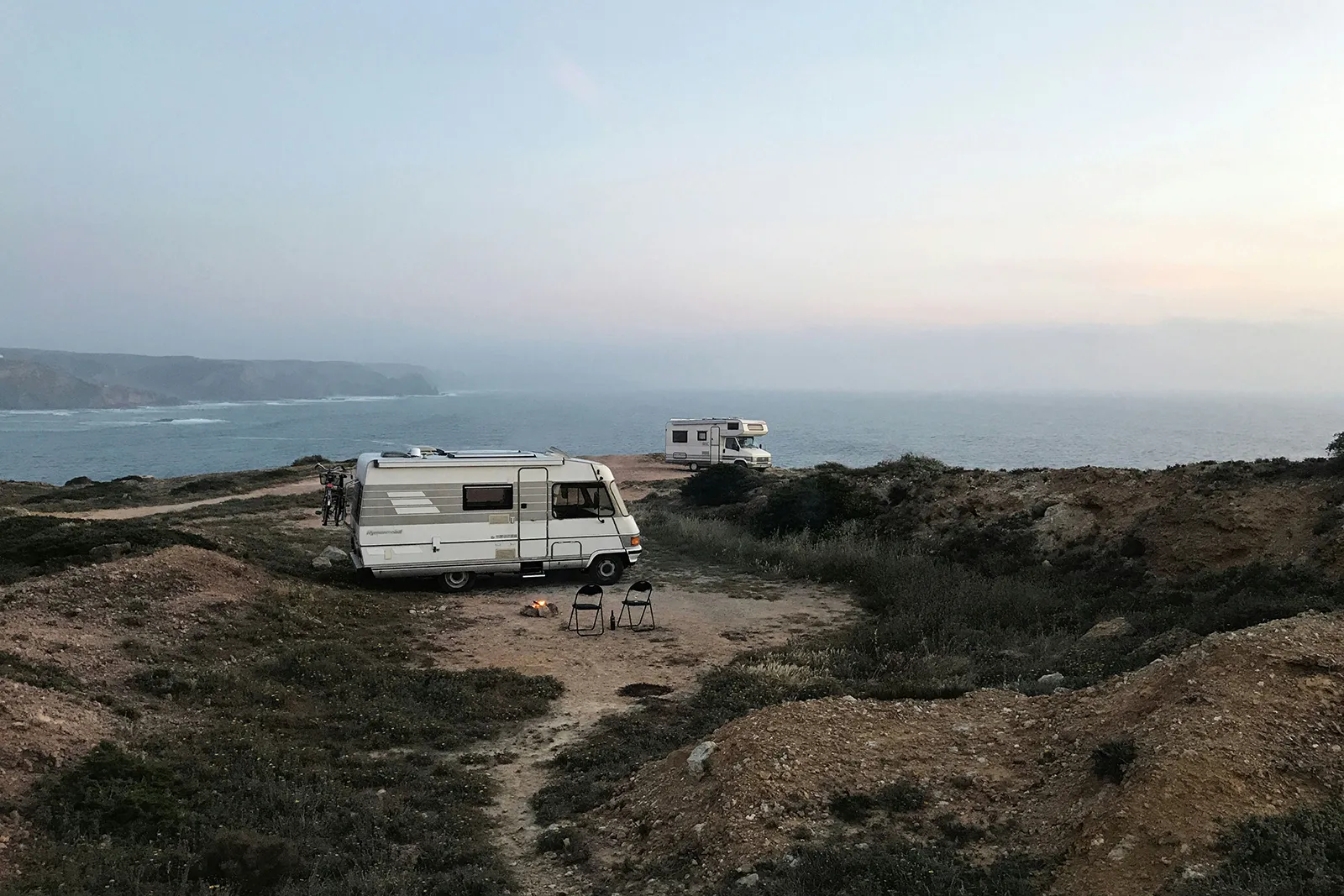
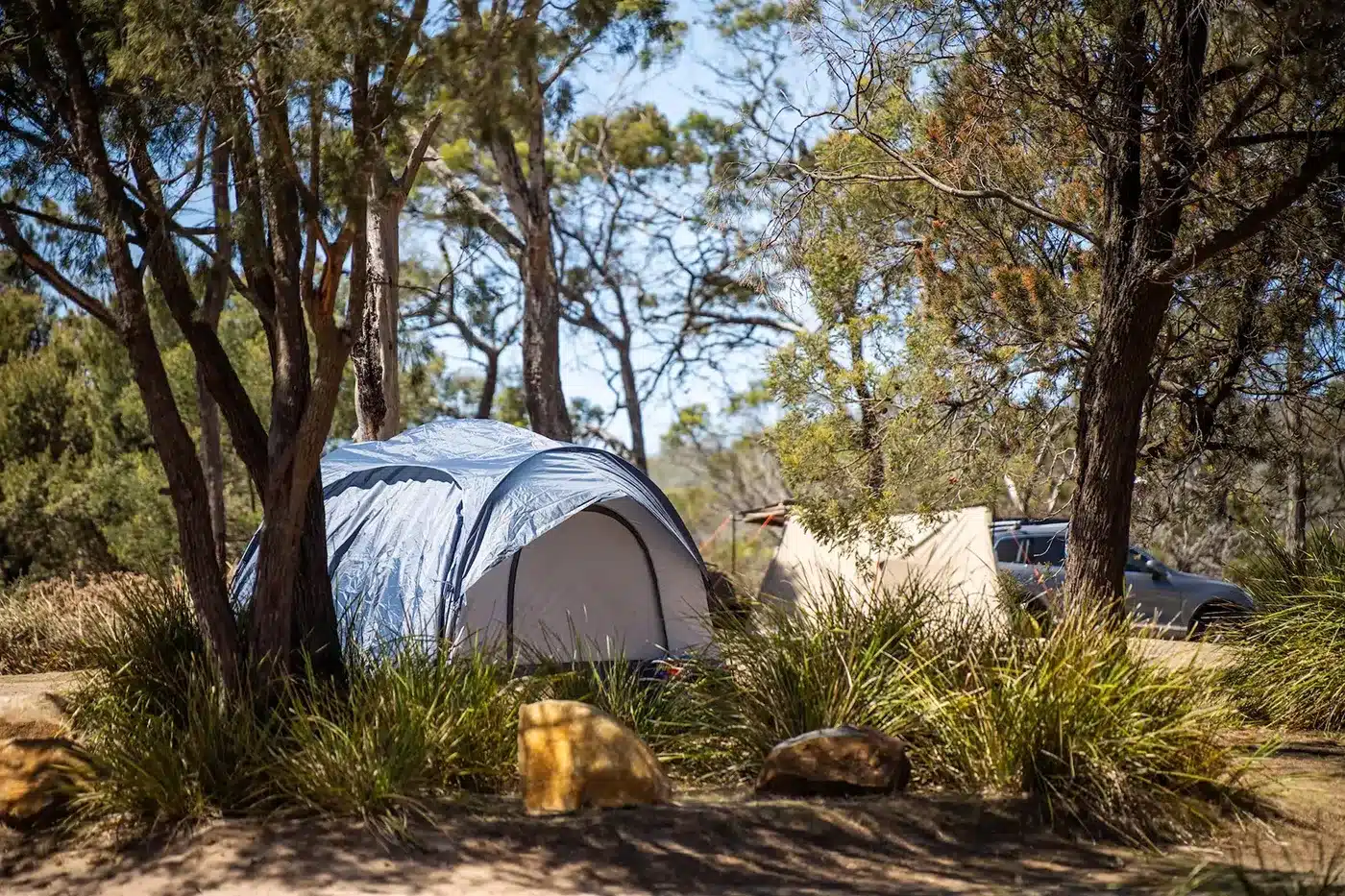

Off-grid camping is becoming more common across Australia, with increasing numbers of caravanners and campers choosing remote or low-cost stays instead of traditional holiday parks. The shift reflects a combination of rising travel costs, demand for less crowded locations, and improved access to self-sufficient touring setups.
What’s Driving the Shift
Travellers are increasingly looking for alternatives to powered caravan sites, particularly during peak periods when coastal holiday parks are heavily booked or prices rise. Rising costs, along with ongoing caravan and camping trip disruptions across Australia, have also influenced how people plan their travel, with more opting for flexible, self-sufficient options that allow them to adjust plans on the road.
Free camps, donation-based sites, and low-cost council-managed areas are being used more frequently, especially in regional and inland locations. Many of these sites offer limited or no facilities, requiring travellers to be fully self-contained.
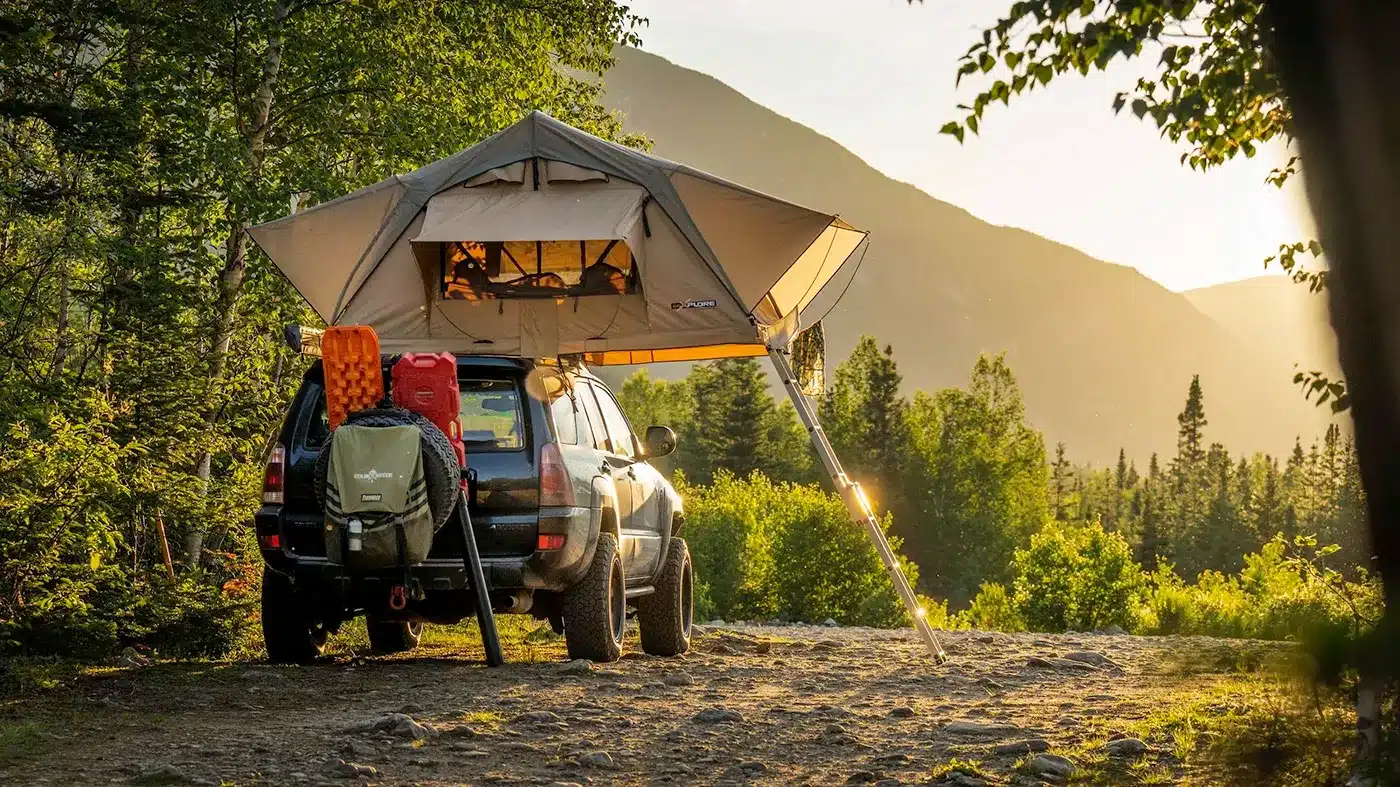
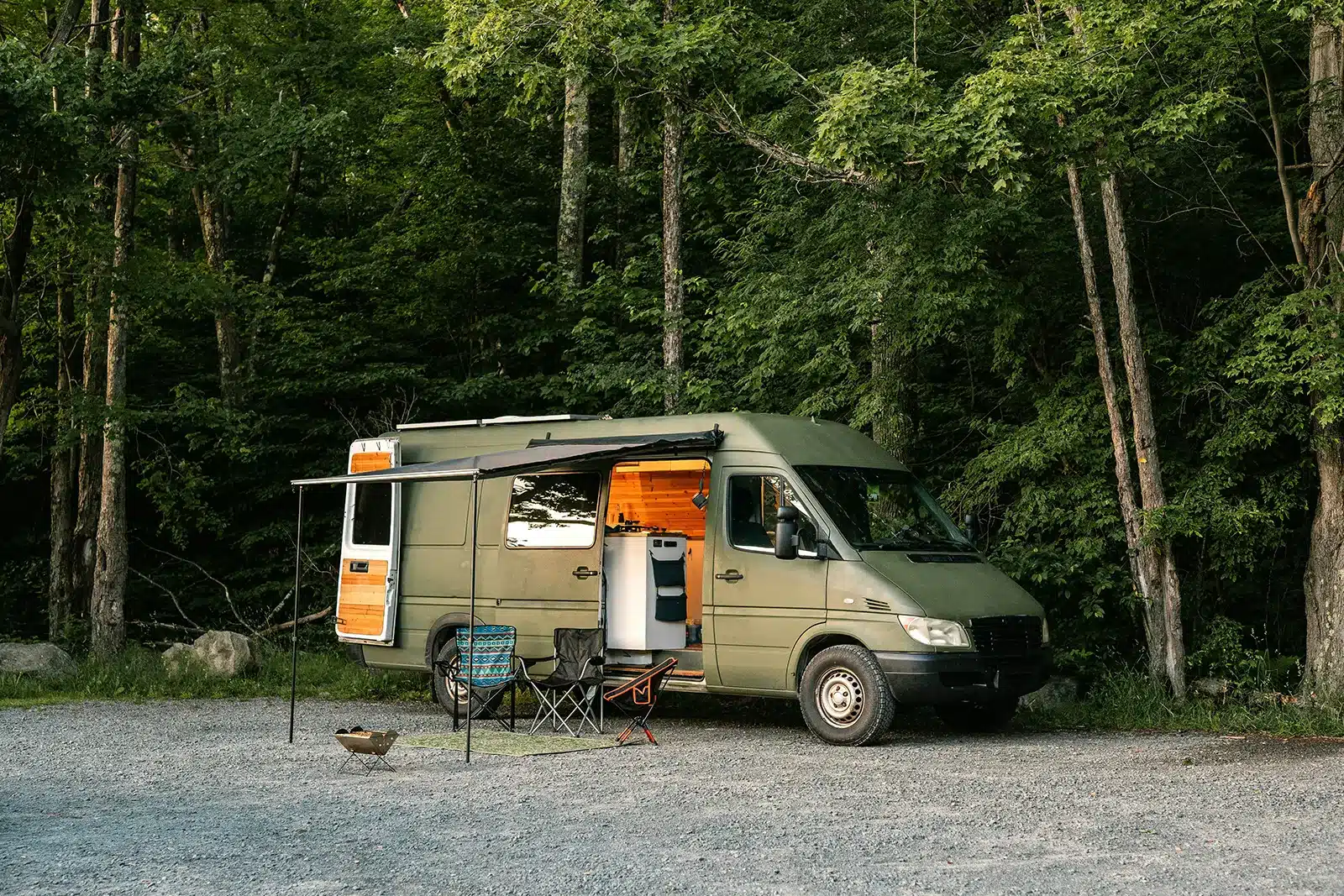
At the same time, more caravans and 4WDs are being set up for off-grid travel. Solar panels, lithium battery systems, increased water storage, and portable power units are now common inclusions in modern touring setups.
Where Travellers Are Heading
Off-grid camping demand is spread across multiple regions, rather than concentrated in one area.
Locations seeing increased use include:
- Inland New South Wales and Queensland, where established free camping networks exist
- Western Australia’s coastal and remote touring routes
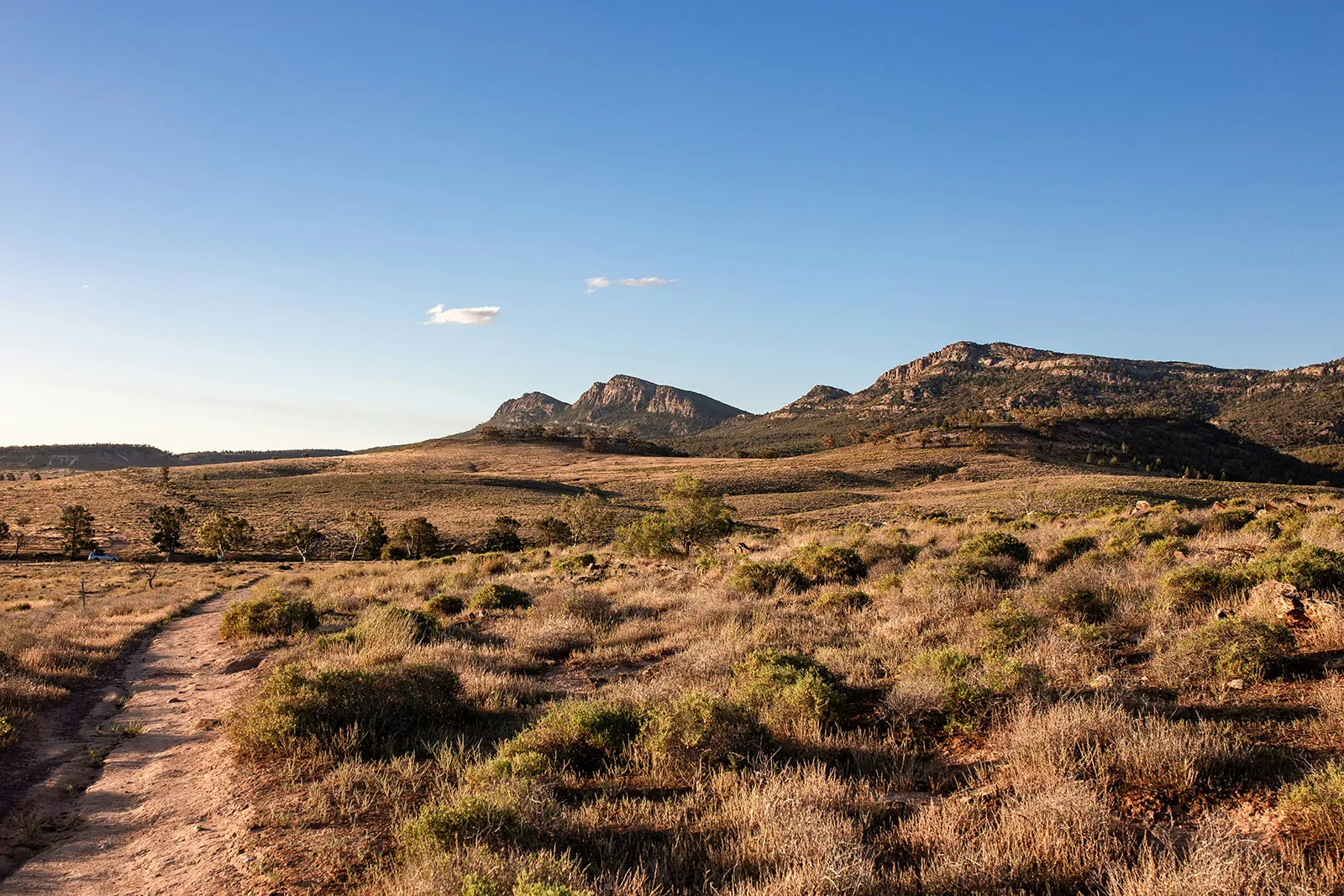
- South Australia’s Eyre Peninsula and outback regions
- Victoria’s High Country and parts of Gippsland
These areas offer access to natural environments and fewer crowds, but typically have limited services and infrastructure.
What’s Changed for Travellers
Many travellers are now combining holiday park stays with off-grid camping as part of longer trips.
Many travellers are now combining holiday park stays with off-grid camping as part of longer trips. This hybrid approach reflects a broader trend, with more Australians recognising the value of choosing caravan parks over hotels for access to essential amenities, while still using off-grid options to reduce costs and avoid crowded destinations.
For some, off-grid camping supports longer stays in regional areas where commercial accommodation options are limited.
Practical Considerations
Off-grid camping requires planning and suitable equipment.
Travellers need to manage:
- Water supply and storage
- Power generation and battery capacity
- Waste disposal, including grey water and rubbish
- Food storage and refrigeration
Mobile coverage is often limited in remote areas, and road access may not be suitable for all vehicles or caravans.
Local regulations also vary between councils and land managers. Some areas restrict free camping, enforce time limits, or require permits.
What Travellers Should Know
- Not all caravans or camper trailers are suited to off-grid travel without modification
- Popular free camps can still reach capacity during peak travel periods
- Self-containment requirements apply in some regions
- Road conditions should be checked before travelling to remote locations
Travellers new to off-grid camping may need to adjust their setup and expectations compared to staying in a serviced holiday park.
The Bigger Picture
The increase in off-grid camping reflects broader changes in how Australians are travelling.
Holiday parks continue to play a key role in the touring network, particularly for families and those seeking full amenities. However, demand for alternative camping options is growing as travellers prioritise flexibility, cost management, and access to less crowded destinations.
Off-grid camping is expected to remain part of the touring mix as more travellers adopt self-sufficient setups and explore regional Australia.