
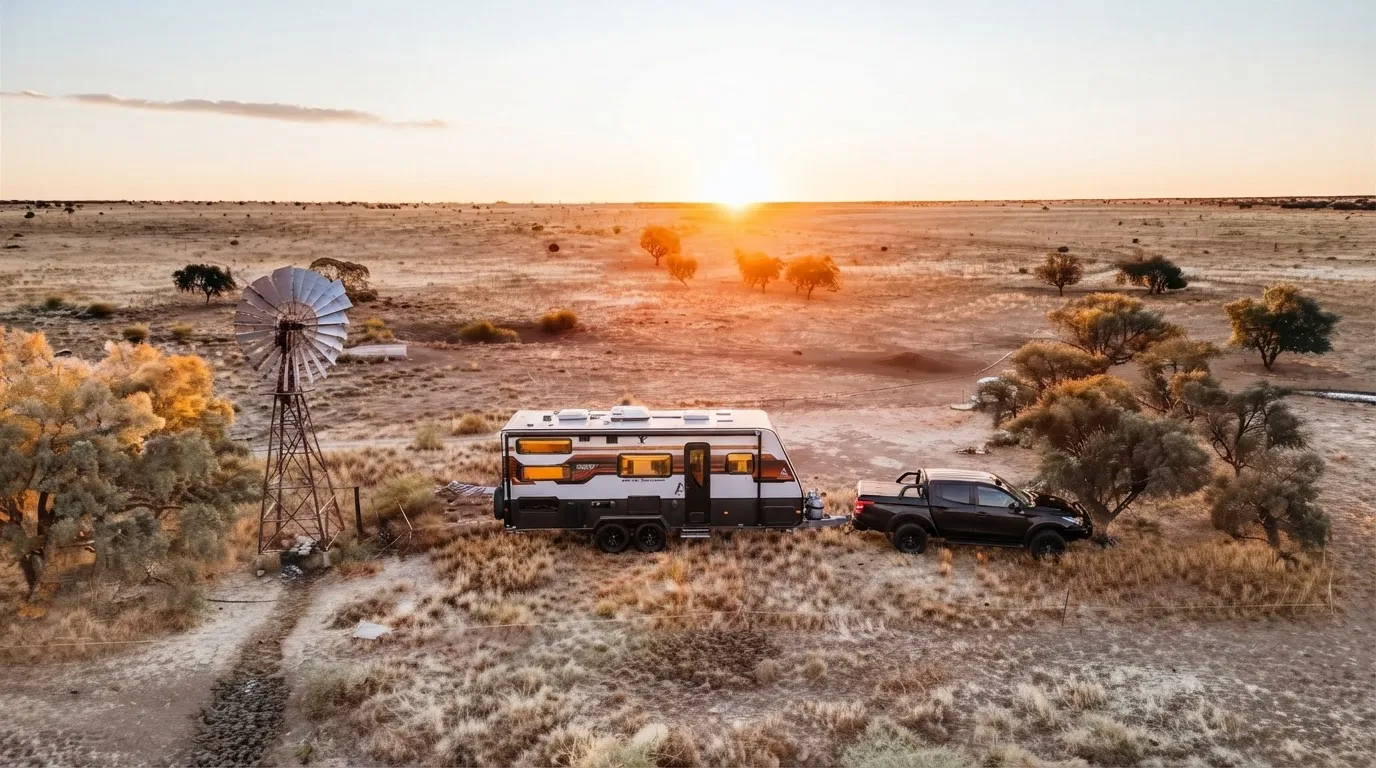
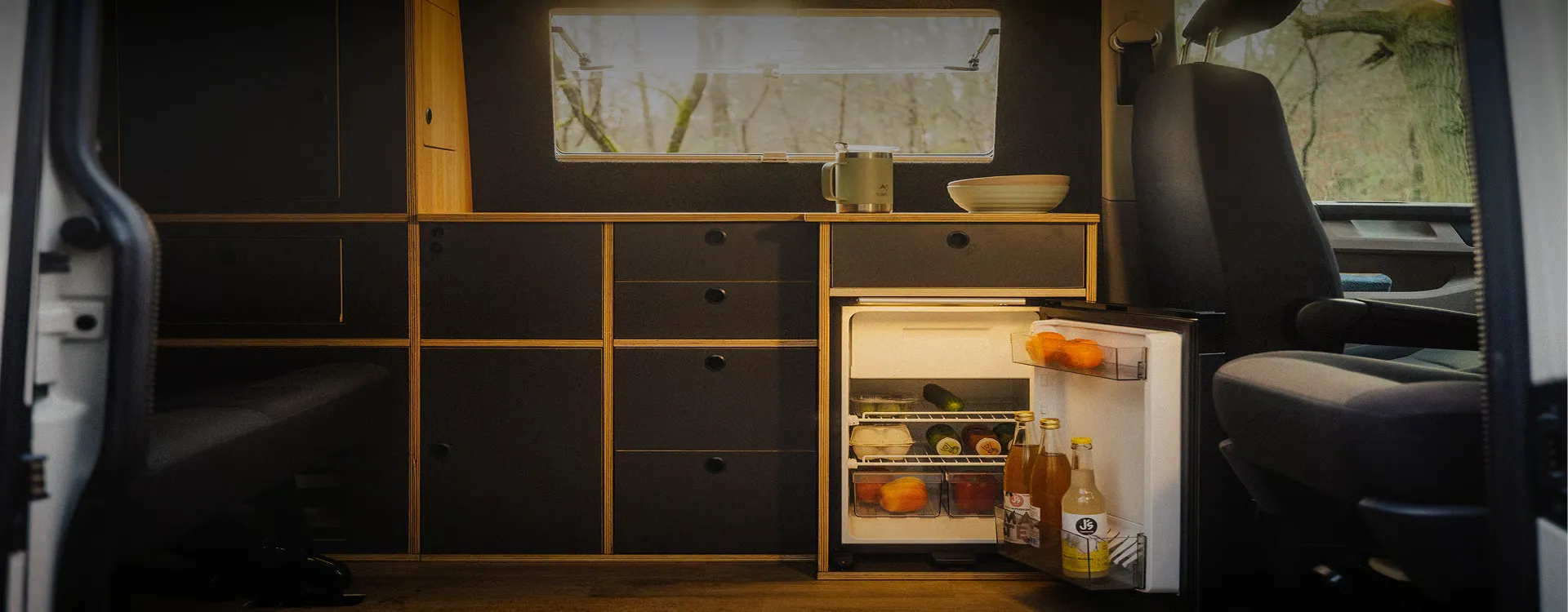


Hot weather changes the way a van performs. Fridges work harder. Batteries may drain faster. Air conditioners run longer. Fans stay on. Phones, laptops and tablets need charging. Water use increases. Food storage becomes more important. Even simple appliances can feel less reliable when the van is hot, parked in full sun or relying on battery power for longer than expected.
For caravan owners, summer comfort is not just about having the right gear. It is about knowing whether that gear can handle real conditions.
A setup that works perfectly in mild weather may feel very different during a heatwave, a long coastal stay, a free-camping trip or a run of hot travel days.
The aim is simple: reduce the strain before it becomes a problem.
Summer changes the load on your caravan
Most owners think about summer in terms of destinations: beaches, rivers, national parks, family holidays and longer stays. The caravan sees it differently.
Summer usually means more cooling, more refrigeration, more water use, more shade, more outdoor living and more time spent running appliances. A fridge that cruised through winter may work hard in 35-degree heat. A battery system that copes with lights and a water pump may struggle once fans, inverters, chargers and appliances are added. A van parked in direct sun may heat up faster than expected.
That does not mean the setup is wrong. It means owners need to understand what changes when temperatures rise.
Before a summer trip, think about what will be running every day, what will be running at the same time, and what will happen if the weather is hotter than planned.
Start with the fridge
The fridge is often the hardest-working appliance in a summer caravan. It may be running day and night, trying to keep food safe while the van is parked in heat, opened regularly and loaded with groceries. If the fridge has poor ventilation, damaged seals, blocked vents or too much warm food placed inside at once, it may struggle.
Summer fridge preparation is simple but important.
Make sure vents are clear, door seals are in good condition and the fridge is operating properly before you leave. Avoid overpacking it so tightly that air cannot move. Let hot food cool before storing it. Try to load cold items into the fridge rather than asking it to pull down the temperature of everything at once.
Where possible, park with shade in mind. Even partial afternoon shade can reduce heat inside the van and help appliances work more efficiently.
If the fridge starts struggling, do not ignore it. Poor cooling can point to ventilation, power supply, seal or servicing issues.
Think carefully about air conditioning
Air conditioning can make a summer trip far more comfortable, especially for families, older travellers, pets or anyone spending long periods inside the van.
Air conditioning is also one of the biggest power loads in a caravan.
For many owners, it is most practical on mains power at a powered site. Running air conditioning off-grid needs a properly designed battery, inverter and charging setup, and even then, expectations need to be realistic.
Before summer touring, check how your air conditioner is intended to be used. Clean filters, make sure airflow is not blocked and check for changes in performance such as weak cooling, unusual noise or water dripping where it should not.
It is also worth having a backup comfort plan. Fans, shaded sites, reflective window covers, early starts, swimming stops and powered sites may all help reduce pressure on the system.
Comfort matters, but so does knowing what the setup can actually support.
Do not overload the power system
Summer touring often reveals the difference between having power and having enough usable power.
A caravan may have solar, batteries and an inverter, but that does not mean every appliance can run at once. Coffee machines, microwaves, induction cooktops, air fryers and air conditioners can all draw heavily from the system.
The issue is not just whether an appliance turns on. It is whether the batteries, solar input, charger, inverter, wiring and protection devices are all suited to the demand.
A common mistake is adding one upgrade and assuming the rest of the system will cope. A larger inverter does not automatically mean the van can run more appliances safely. A bigger battery does not automatically solve poor charging, poor ventilation or unrealistic power use.
Before heading away, know your main power draws. Understand what should run on mains power, what can run from battery, and what should not be used together.
If lithium batteries, solar panels, inverters or major electrical changes have been added, keep receipts, photos and installation records.
Heat affects more than appliances
Hot weather can affect the whole touring setup.
Tires may run hotter. The tow vehicle works harder. People become fatigued faster. Pets need more shade and water. Food can spoil more quickly. Batteries and electronics may not like being stored in enclosed, hot spaces. Outdoor gear can be damaged by prolonged sun exposure.
This is where summer planning becomes broader than just power.
Travel earlier in the day where practical. Give the fridge and air conditioner less work by choosing shaded sites where possible. Keep drinking water easy to access. Avoid long towing days after poor sleep in a hot van. Check tire pressures when appropriate and inspect tires before long travel days.
Summer issues often build slowly. A hot van, tired driver, struggling fridge and low battery can turn a good trip into a hard one.
Manage appliance habits
A summer setup can often be improved without adding more gear.
Small habits help. Run one high-draw appliance at a time. Keep fridge openings brief. Use outdoor cooking when it keeps heat out of the van. Charge devices during good solar conditions where possible. Clean filters and vents. Pack appliances away securely before towing.
Also think about where portable appliances are stored. Heat, vibration and poor ventilation can shorten the life of gear. A coffee machine, fan, portable fridge or induction cooktop should be secured for travel and stored where it will not overheat or damage cabinetry.
If expensive appliances live in the caravan permanently, include them in your contents record. Take photos, keep receipts and record serial numbers where useful.
Keep water use realistic
Summer touring usually means using more water.
Showers, hand washing, drinking water, cooking, pets and cleaning all add up quickly. If you free camp or stay in more remote areas, the water setup needs to match the way you travel.
Extra water can be useful, but it also adds weight. One litre of water weighs about one kilogram, so larger tanks, jerry cans or portable bladders can use payload quickly.
Before travelling, think about how much water you will realistically need and where you can refill. Check hoses, fittings, pumps and tank condition before you leave. Look for leaks under sinks, near the hot water service and around external connections.
A small leak in summer can be more than annoying. It can waste water, damage cabinetry and leave you short when you need it most.
Review the setup before peak heat
The best time to find a problem is before the trip.
Before summer touring, test the fridge, air conditioner, fans, water pump, hot water system, battery monitor, solar charging and main appliances. Do this before the van is packed and before the first hot weekend away.
Also check whether your insurance records still reflect the van you own and the gear you carry. If you have added appliances, electrical upgrades, solar, lithium batteries, inverters, portable fridges or other high-value items, keep a record of what has changed.
Check your own PDS, policy schedule, limits and exclusions so you understand what is included and what conditions may apply.
Hot weather touring checklist
Summer Touring
Setup Checklist
Before heading off in hot weather, check your power, appliances, water, cooling, travel setup and records so the van is ready for summer conditions.
- Fridge vents and seals are checked
- Air conditioner filters are clean
- Battery capacity suits your travel style
- Solar input is working properly
- Inverter use is understood
- High-draw appliances are not used all at once
- Portable appliances are secured for travel
- Drinking water is planned
- Hoses and fittings are checked
- Water pump works properly
- Shade options are packed
- Fans or cooling backups are available
- Pets have shade and water
- Tyres are inspected
- Long travel days are planned carefully
- Earlier starts are considered during hot spells
- Powered sites are booked where needed
- Backup stops are identified
- Receipts are saved for major appliances
- Electrical upgrade records are kept
- Contents photos are updated
- PDS and policy schedule are reviewed
- Insurer is contacted if anything is unclear
The Bottom Line
Summer touring should feel easy, relaxed and enjoyable. But hot weather can place extra pressure on the systems owners rely on most.
Fridges, air conditioners, batteries, solar, water pumps and portable appliances all work harder when the heat builds.
The answer is not always more gear. Often, it is a better-matched setup, better habits and a more realistic plan.
Know what your power system can support. Keep appliances ventilated and maintained. Plan for water use. Avoid pushing the van, tow vehicle or driver too hard in extreme heat. Keep records of upgrades and high-value items.
A good summer caravan setup is not the one with the most appliances.
It is the one that keeps working when the weather gets hot and the trip becomes real.
This article was produced with support from CIL Caravan Insurance. What’s Up Downunder maintains full editorial independence.
Disclaimer: This content has been prepared by CIL Insurance, a trading division of AAI Limited ABN 48 005 297 807 AFSL 230859, and is intended to provide general information only. It does not take into account your objectives, financial situation or needs. Before making any decision, consider whether the product is right for you and read the relevant Product Disclosure Statement. The Target Market Determination is also available.
The information is intended to be of a general nature only. Subject to any rights you may have under any law, we do not accept any legal responsibility for any loss or damage, including loss of business or profits or any other indirect loss, incurred as a result of reliance upon it – please make your own enquiries.


