


From purchase price to insurance, storage and servicing, here’s what it actually costs to own a caravan in Australia in 2026.
For many Australians, buying a caravan is about freedom. Weekends away. Long regional loops. The ability to travel on your own terms.
But before committing to the lifestyle, it’s worth understanding the full financial picture. The purchase price is only one part of the equation. Ongoing costs can be significant, and they vary depending on how often you travel, where you store your van and what type of caravan you own.
Here’s a clear breakdown of what caravan ownership really costs.
The Purchase Price: Where It Starts
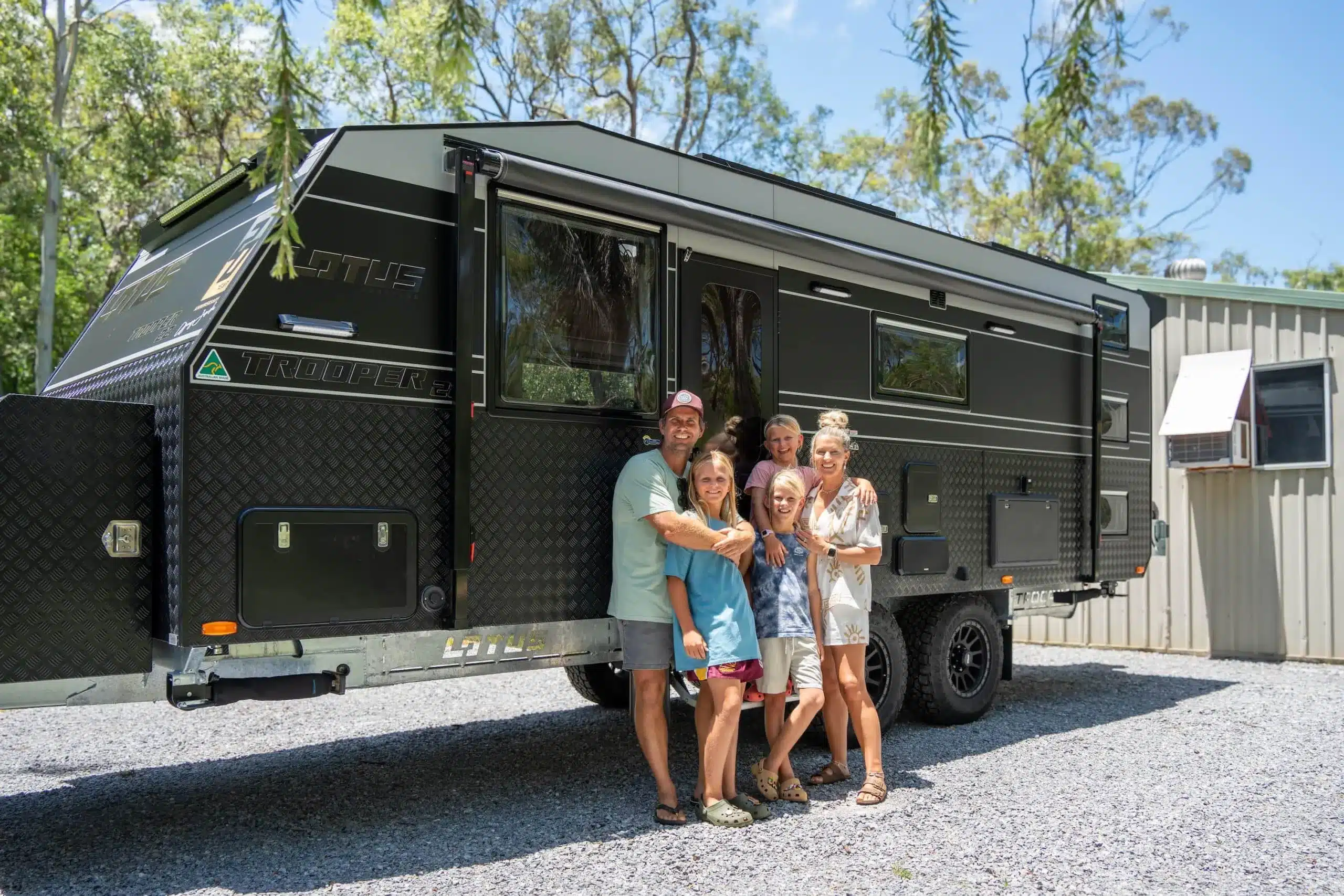
Caravan prices in Australia vary widely depending on size, layout, build quality and intended use.
Typical price ranges in 2026:
- Small or entry-level vans: $20,000 to $50,000
- Mid-range family touring vans: $60,000 to $90,000
- Off-road or premium models: $80,000 to $140,000+
Used caravans can cost significantly less than new models, but condition, service history and water ingress risks need careful inspection.
It’s also important to factor in on-road costs, registration, potential dealer delivery fees and any required upgrades to your tow vehicle. For some buyers, that might include a brake controller, towing mirrors or suspension upgrades.
The upfront figure can climb quickly once everything is accounted for.
The Ongoing Annual Costs
This is where many first-time owners underestimate the commitment. Even if your caravan spends part of the year parked, it continues to cost money.
Insurance
Caravan insurance typically ranges from around $800 to $2,500 per year.
Premiums depend on:
- Agreed value of the van
- Where it is stored
- How often it is used
- Optional inclusions such as contents or annexe cover
Off-road vans and higher-value models attract higher premiums.
Registration
Registration fees vary by state and by caravan weight. In most states, owners can expect to pay several hundred dollars annually. Heavier caravans generally cost more to register.
Always check your state’s transport authority website for current rates.
Servicing and Maintenance
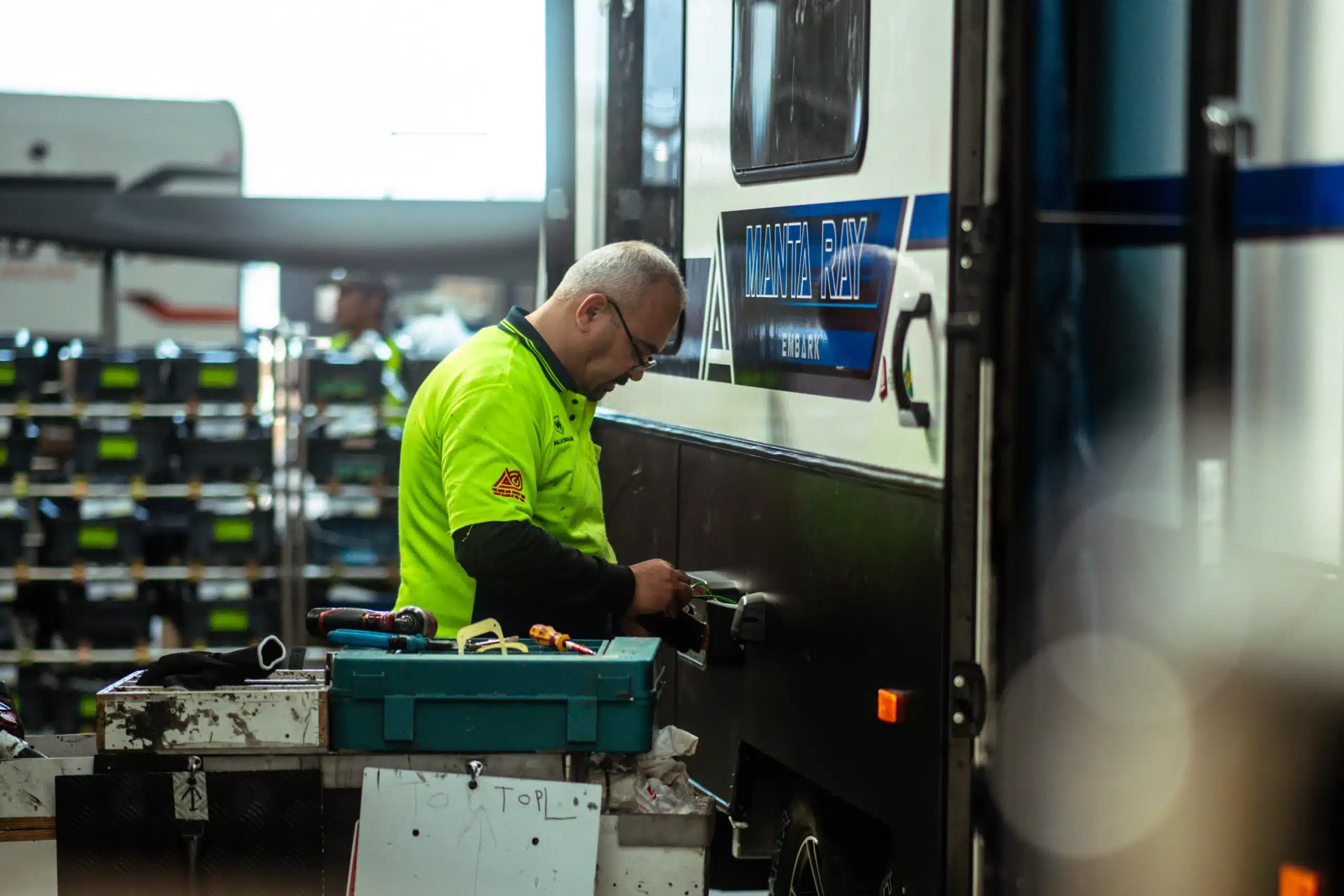
An annual service typically costs between $400 and $1,000, depending on location and workshop rates.
Routine servicing usually includes:
- Brake inspection and adjustment
- Bearing checks
- Suspension inspection
- Gas and electrical safety checks
- Seal and water ingress inspection
Tyres, batteries and brake components will also require replacement over time. These are not annual costs, but they should be budgeted for.
Storage
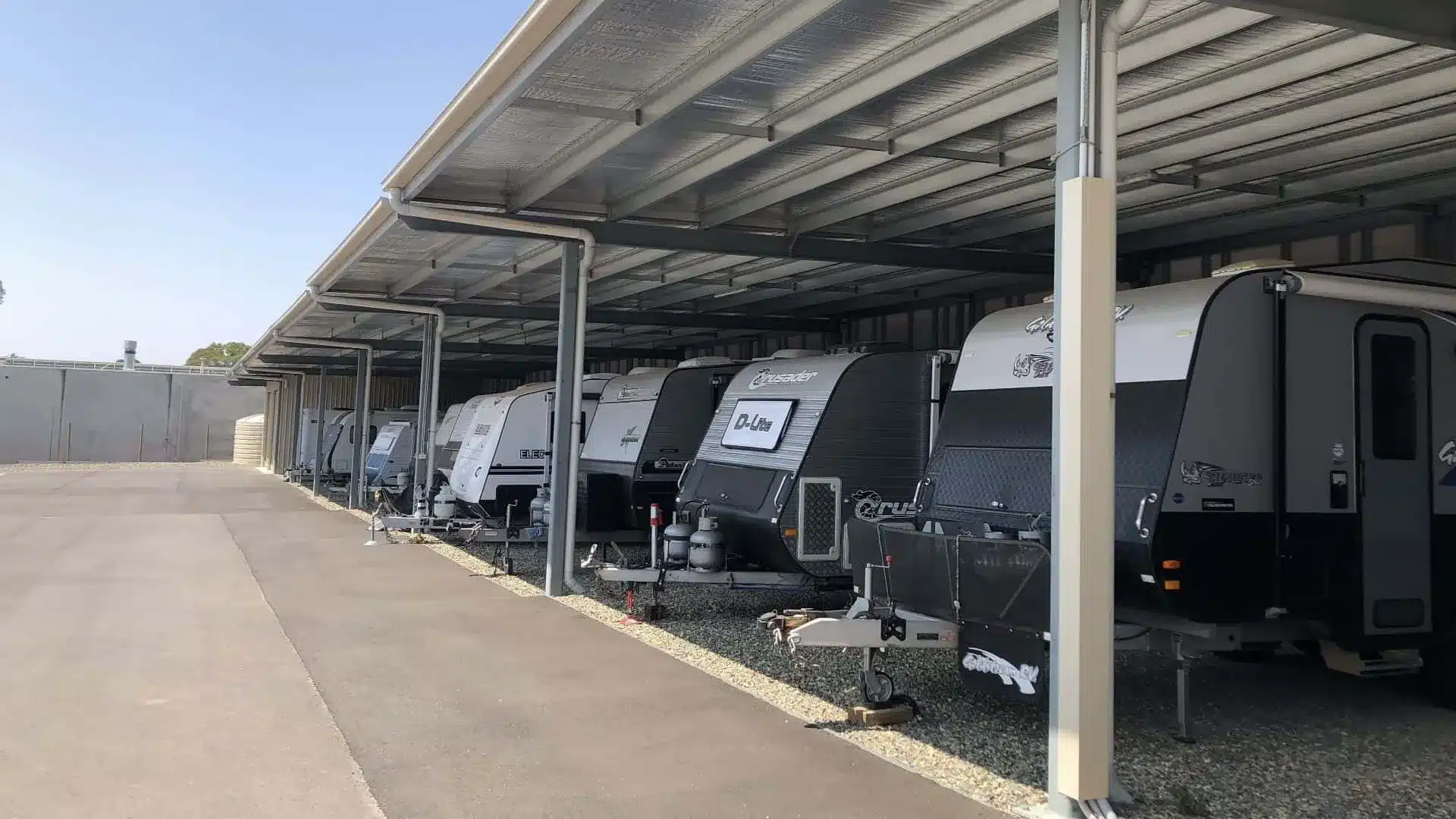
If you cannot store your caravan at home, commercial storage quickly becomes a significant expense.
Outdoor storage typically ranges from $80 to $250 per month, depending on location and security. Secure indoor facilities cost more. In metropolitan areas, annual storage can exceed $2,000.
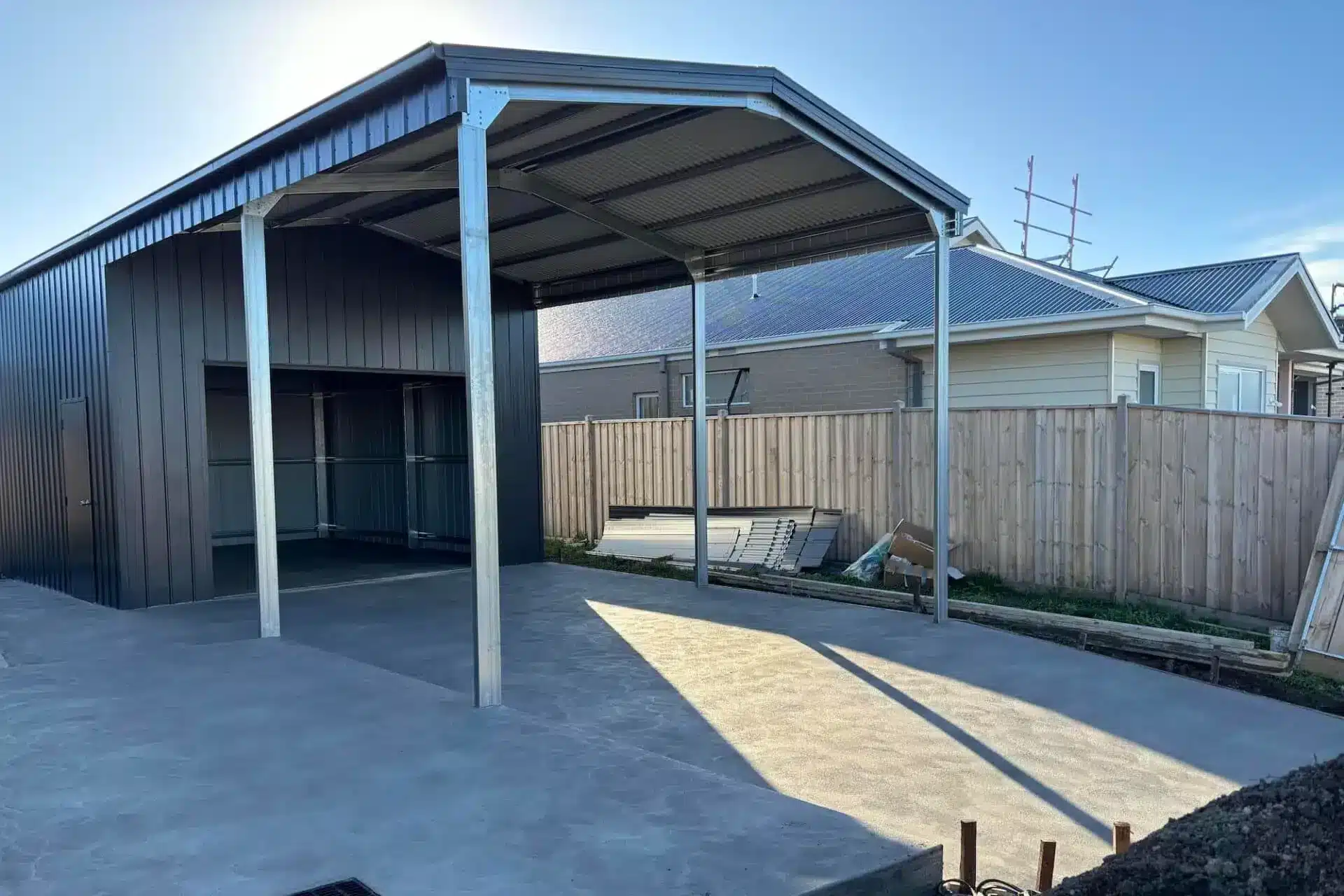
For some owners, storage becomes one of the largest recurring costs. That’s why some look at building a dedicated shed or garage at home. Our Caravan Garage Guide – Building Your Home Base explains what’s involved, from council approvals to design considerations.
Depreciation: The Quiet Cost
Caravans are depreciating assets.
New caravans can lose a noticeable percentage of their value in the first few years. While resale values have remained relatively strong in recent times, especially for well-maintained off-road models, depreciation remains a real cost.
Over five years, the drop in resale value can represent one of the largest financial impacts of ownership.
This is often overlooked because it is not paid out-of-pocket each year. However, it affects the total cost of ownership when it comes time to sell or upgrade.
The Hidden Extras
Beyond the predictable expenses, there are variable costs that catch some owners off guard:
- Solar and battery upgrades
- Suspension upgrades
- Replacement appliances
- Unexpected water damage repairs
- Weight compliance adjustments
- Accessories such as levelling ramps, hoses and towing aids
Fuel is another consideration. Towing increases fuel consumption significantly compared to solo driving. Over long trips, that difference adds up.
A Five-Year Ownership Example
To put the numbers into context, consider a mid-range caravan purchased for $75,000.
Estimated annual costs:
- Insurance: $1,500
- Registration: $600
- Servicing and maintenance: $1,000
- Storage: $2,000
That totals around $5,100 per year before fuel or travel expenses.
Over five years, that equals $25,500 in holding costs alone.
If depreciation over that period totals, for example, $20,000, the combined five-year cost could exceed $45,000, not including park fees or fuel.
This does not mean ownership is poor value. It simply means the true cost is broader than many expect.
Where Your Caravan Dollars Go
A snapshot of common ownership costs. Figures are illustrative; adjust to suit your specific scenario.
- Insurance$1,50029%
- Registration$60012%
- Servicing$1,00020%
- Storage$2,00039%
Five-Year Long-Term Impact
Figures are indicative. Your costs vary by state, storage type, and van value.
Is It Still Worth It?
For frequent travellers, especially those touring for extended periods each year, ownership can still represent strong value compared with booking cabins, hotels or long-term rentals.
For occasional holidaymakers who travel once or twice a year, hiring may be more economical.
The key is usage. The more nights you spend travelling, the more the ownership equation shifts in your favour.
What Buyers Should Consider Before Committing
- Can you store the caravan at home?
- How often will you realistically travel each year?
- Have you budgeted for annual servicing and insurance?
- Are you comfortable with depreciation?
- Does your tow vehicle meet weight and compliance requirements?
Being realistic about these factors reduces financial stress later.
The Bottom Line
Caravan ownership in Australia can cost several thousand dollars per year in ongoing expenses, even before you factor in travel costs.
That does not diminish the appeal. For many Australians, the flexibility and independence outweigh the financial commitment.
But going in with clear expectations makes all the difference.
Understanding the full cost helps you decide whether to buy, wait or hire. It also ensures that when you do hit the road, you can focus on the journey rather than the budget.