

Overview
Across Australia, more caravan and camping trips are being interrupted, delayed, or cut short than many travellers expect. In some cases it is weather. In others, it is park closures, compliance checks, or setups that do not perform as planned.
For travellers, this is not about bad luck. It reflects how conditions around touring have changed. Regulations are tighter, demand is higher, and off-grid expectations are often greater than what real-world setups can deliver.
This guide breaks down the most common issues currently catching out caravan and camping travellers, and why they are happening more often.
What’s Disrupting Caravan and Camping Trips Right Now
A quick snapshot of four issues travellers are running into more often across Australia. Each one is explained in more detail below.
Weight limits and loading
Fully loaded vans can exceed legal limits once water, accessories, batteries and personal gear are added.
Lithium and electrical rules
Standards have tightened for battery placement and 12V upgrades, particularly in living areas and enclosed spaces.
Expectations versus reality
Heat, shade and high appliance loads can push solar and battery systems beyond what many setups can sustain.
Closures, bans and alerts
Fire danger, flooding and seasonal restrictions are closing parks and tracks with short notice in some regions.
What’s Catching Travellers Out Right Now
Weight Limits and Roadside Checks
One of the most common problems affecting caravan travellers is vehicle and caravan weight.
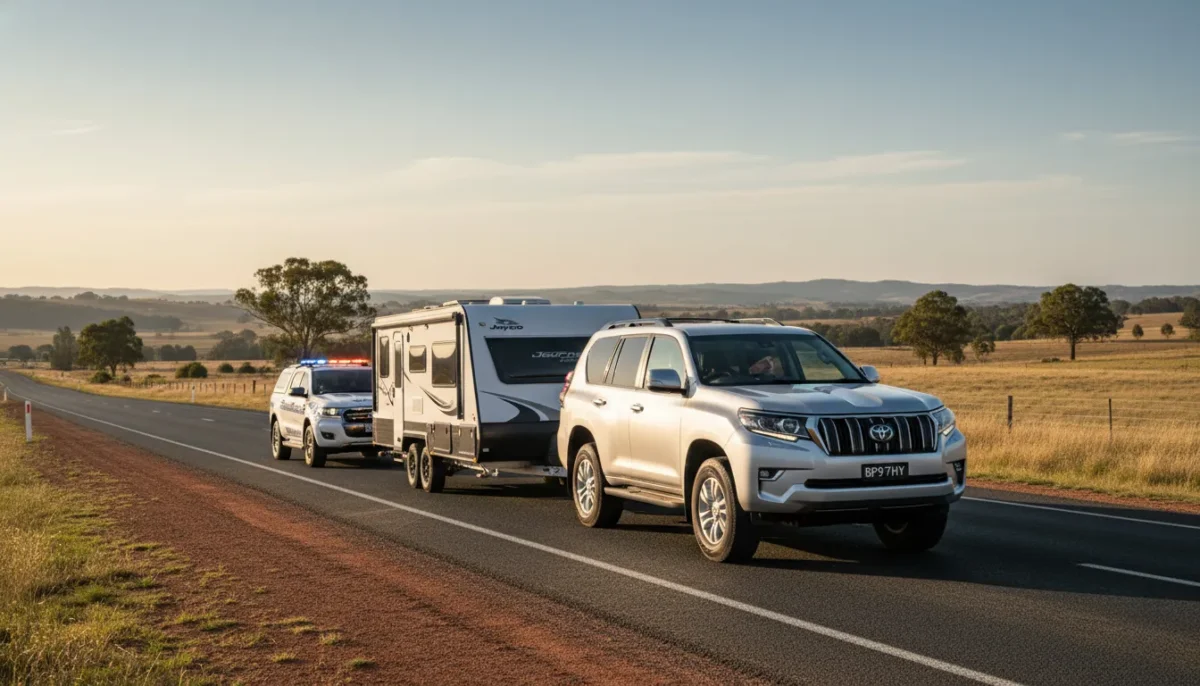
Roadside enforcement has increased in several states, with police and transport authorities conducting targeted checks on caravans and tow vehicles. These checks regularly identify vans that are overweight or incorrectly loaded.
Road authorities across Australia have repeatedly reported that up to 70 per cent of caravans checked during roadside inspections are overweight once fully loaded. In many cases, the excess comes from everyday touring additions such as water, batteries, solar equipment, and personal gear rather than major modifications.
Many travellers rely on brochure figures or dealer advice rather than actual weighbridge measurements. Once personal gear, water, food, batteries, and accessories are added, legal limits are often exceeded.
The impact is immediate. Fines, defect notices, trip delays, and in some cases vehicles being ordered off the road.
Lithium Battery Upgrades and Compliance Issues
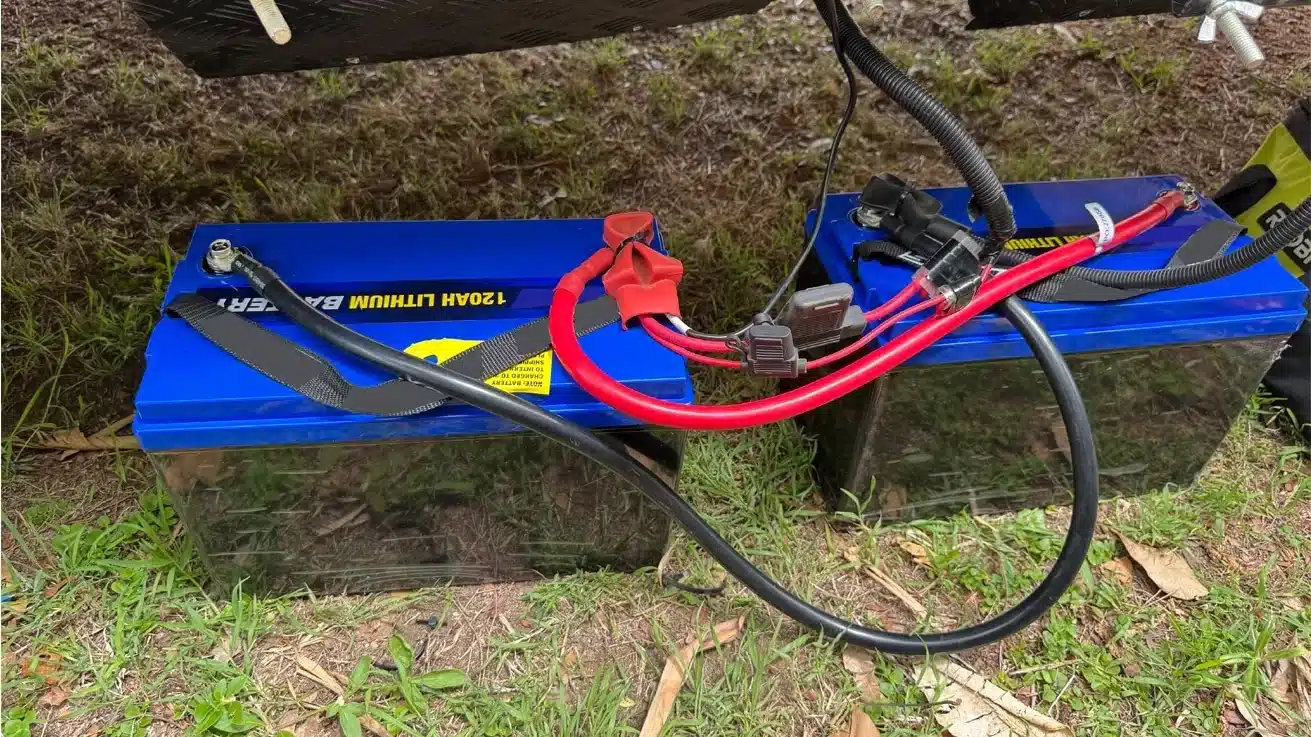
Lithium batteries are now common in touring setups, but regulations around how they are installed have changed.
Under current Australian electrical standards, lithium batteries cannot be installed inside caravan living areas unless they are housed in a compliant, sealed and vented enclosure. Many older DIY installations and some retrofits do not meet these requirements.
Travellers are often unaware of the issue until a roadside inspection, insurance query or electrical fault brings it to light. While existing caravans are not automatically deemed illegal, any new installation or modification must comply with the current standards.
As a result, lithium compliance has become a frequent issue during servicing, resale and fault diagnosis on the road. It has also raised a broader question for owners planning upgrades or buying second-hand caravans: is the van actually lithium ready?
Power Expectations That Don’t Match Reality
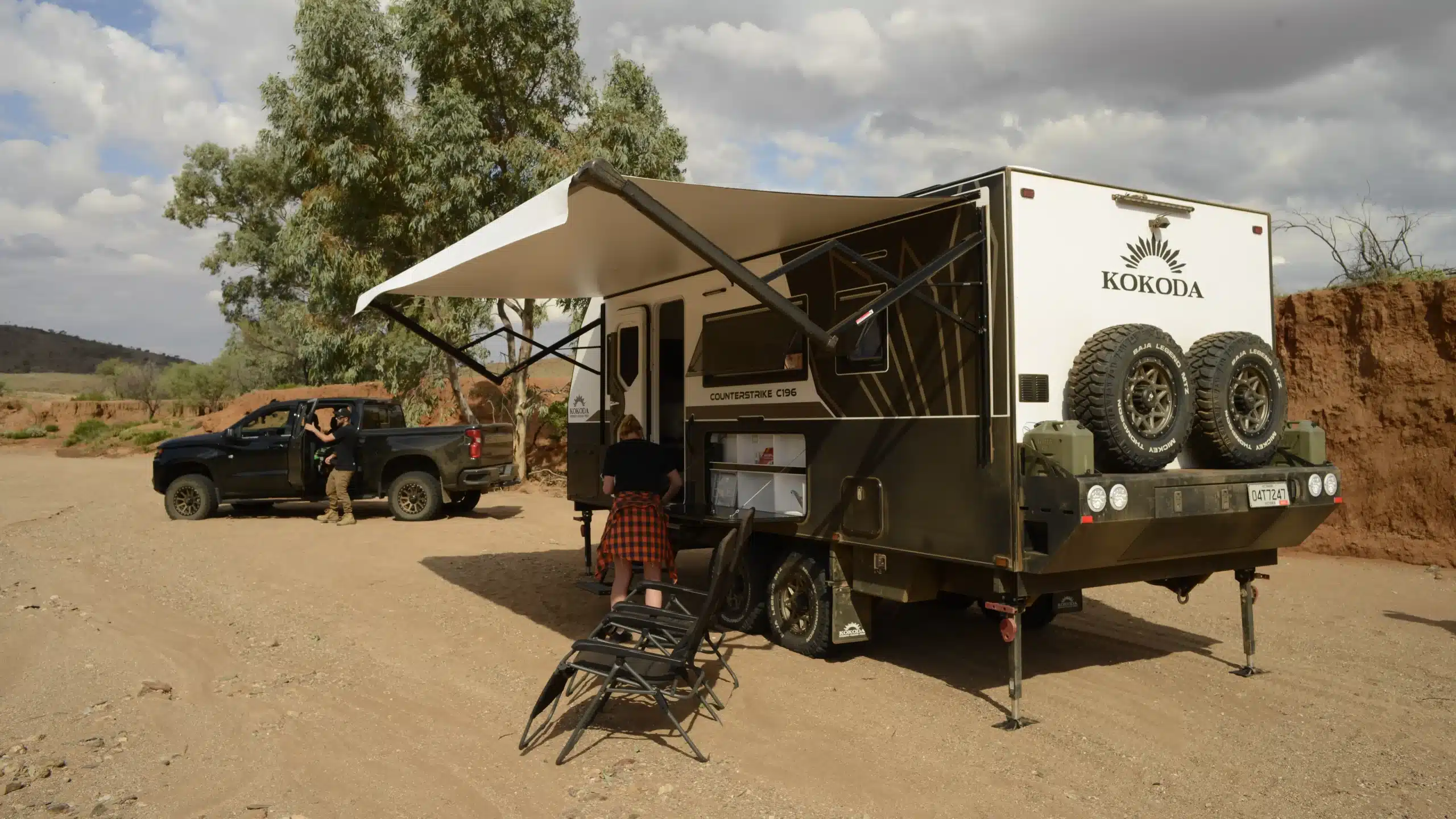
Off-grid power remains one of the biggest sources of confusion for caravan and camping travellers.
Running air conditioners, induction cooktops, or multiple appliances on battery and solar is technically possible, but only with large, expensive systems and careful energy management. Many setups struggle once temperatures rise or cloud cover increases.
Portable solar performance, battery capacity, and inverter limits are often overestimated. As a result, travellers find themselves unable to power essential equipment, forcing early exits from free camps or unplanned moves to powered sites.
Park Closures and Seasonal Access Limits
More travellers are being caught out by seasonal closures and access restrictions.
Bushfire danger periods, extreme heat, flooding, and wet-season conditions are leading to temporary and sometimes sudden closures of national parks, state forests, and popular campgrounds.
Some areas, such as desert regions and remote tracks, close entirely during summer months for safety reasons. Others may shut with little notice due to fire risk or weather events.
Relying on past experience or older travel advice is no longer reliable.
Legal and Compliance Issues Many Travellers Miss
Towing and Licensing Requirements
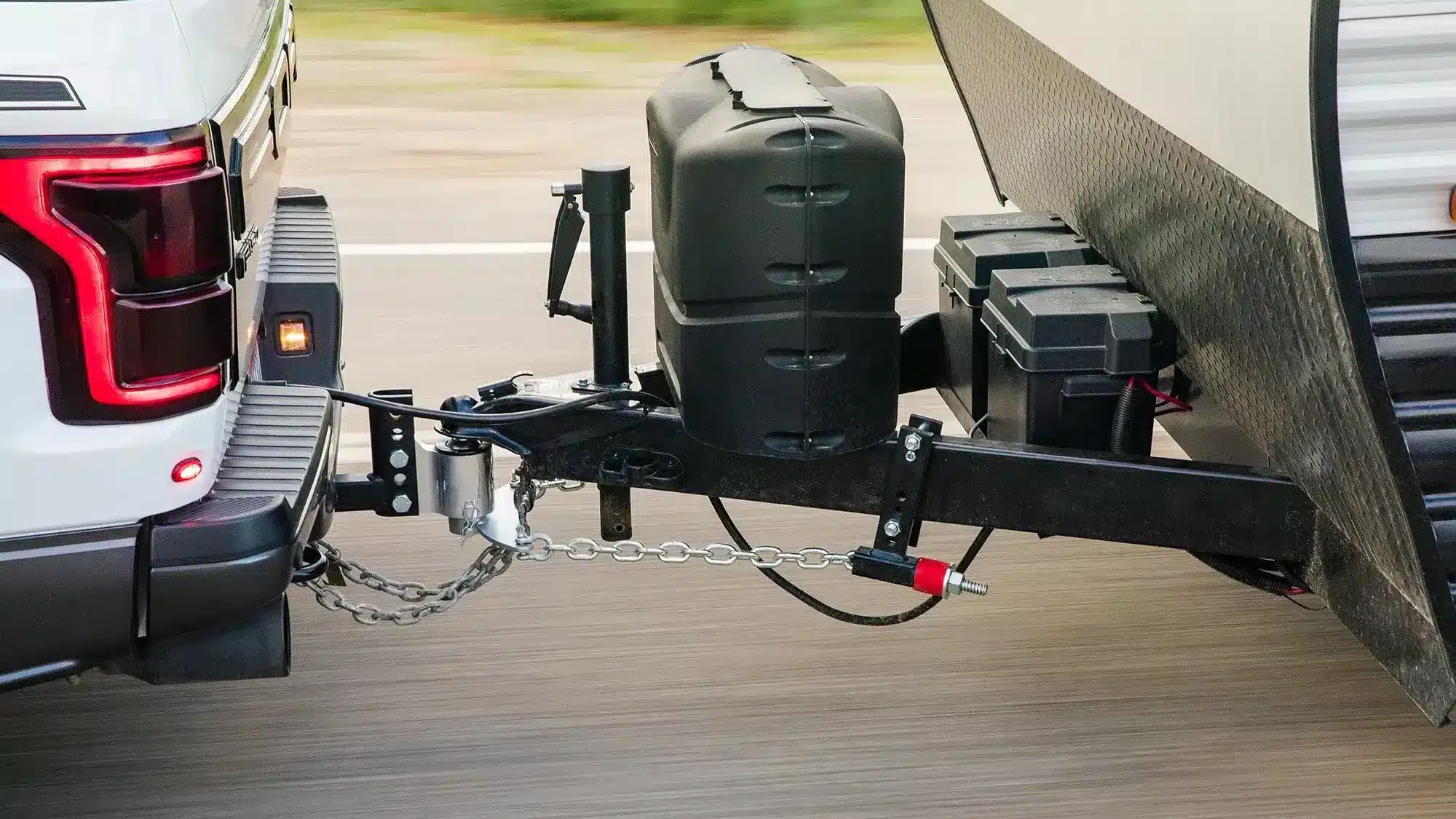
Licence requirements vary by state and depend on vehicle and caravan weights. Some travellers assume their standard licence covers all towing scenarios, which is not always the case.
Misunderstanding licence limits, combined with overweight rigs, increases legal risk and insurance exposure.
Insurance and Non-Compliance
Insurance policies may be affected by non-compliant setups. Overweight caravans, unapproved electrical modifications, or unsafe installations can complicate claims after accidents or breakdowns.
Several travellers only discover these issues after an incident, when options are limited.
Off-Grid Touring: Expectations Versus Reality
Off-grid travel has become more popular, but it demands realistic planning.
Solar output varies significantly based on weather, panel placement, and season. Batteries perform differently in heat. Internet systems and satellite equipment add constant power draw.
Travellers who plan around best-case scenarios often struggle when conditions change. Those who plan conservatively tend to stay out longer and avoid forced relocations.
Understanding system limits is more important than upgrading equipment.
Planning for a More Unpredictable Touring Environment
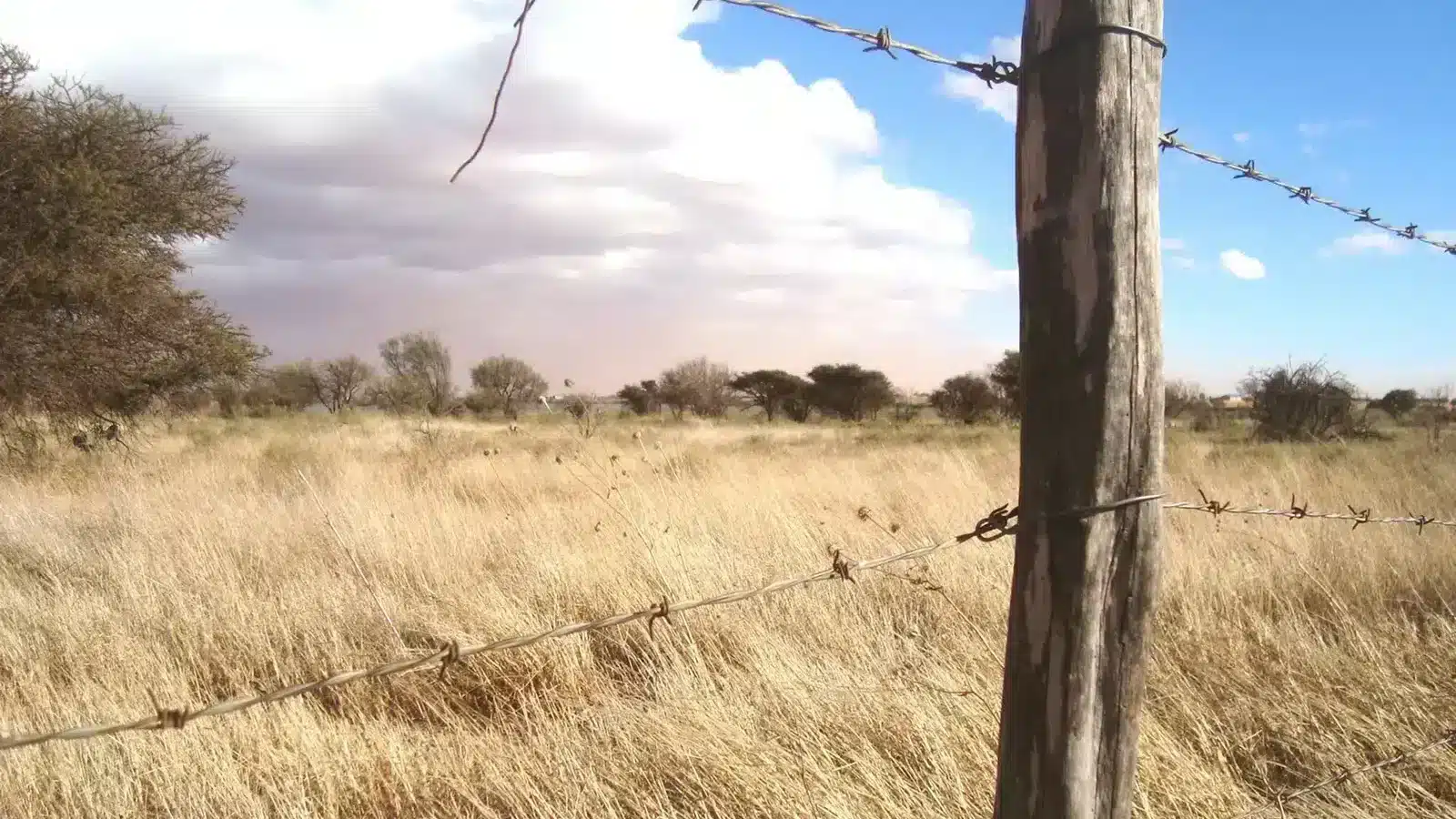
Today’s touring environment is less forgiving than it was a decade ago.
High demand means popular locations book out quickly. Environmental conditions change faster. Compliance expectations are clearer and more actively enforced.
Travellers who adapt best:
- Check current park alerts and closures before arrival
- Weigh their rigs fully loaded
- Plan power usage conservatively
- Allow flexibility in routes and timing
This is not about travelling less. It is about travelling with fewer assumptions.
Key Takeaways for Caravan and Camping Travellers
- Brochure weights rarely reflect real-world loads
- Electrical upgrades must meet current standards
- Off-grid power systems have limits, especially in summer
- Seasonal closures are increasing and often change quickly
- Compliance issues can disrupt trips as much as weather
Closing
Caravan and camping travel remains one of the best ways to see Australia, but it now requires more awareness than it once did.
Most trip disruptions are avoidable. They stem from mismatched expectations, outdated information, or incomplete preparation rather than major failures.
Travellers who stay informed, flexible, and realistic are far more likely to enjoy uninterrupted time on the road.