
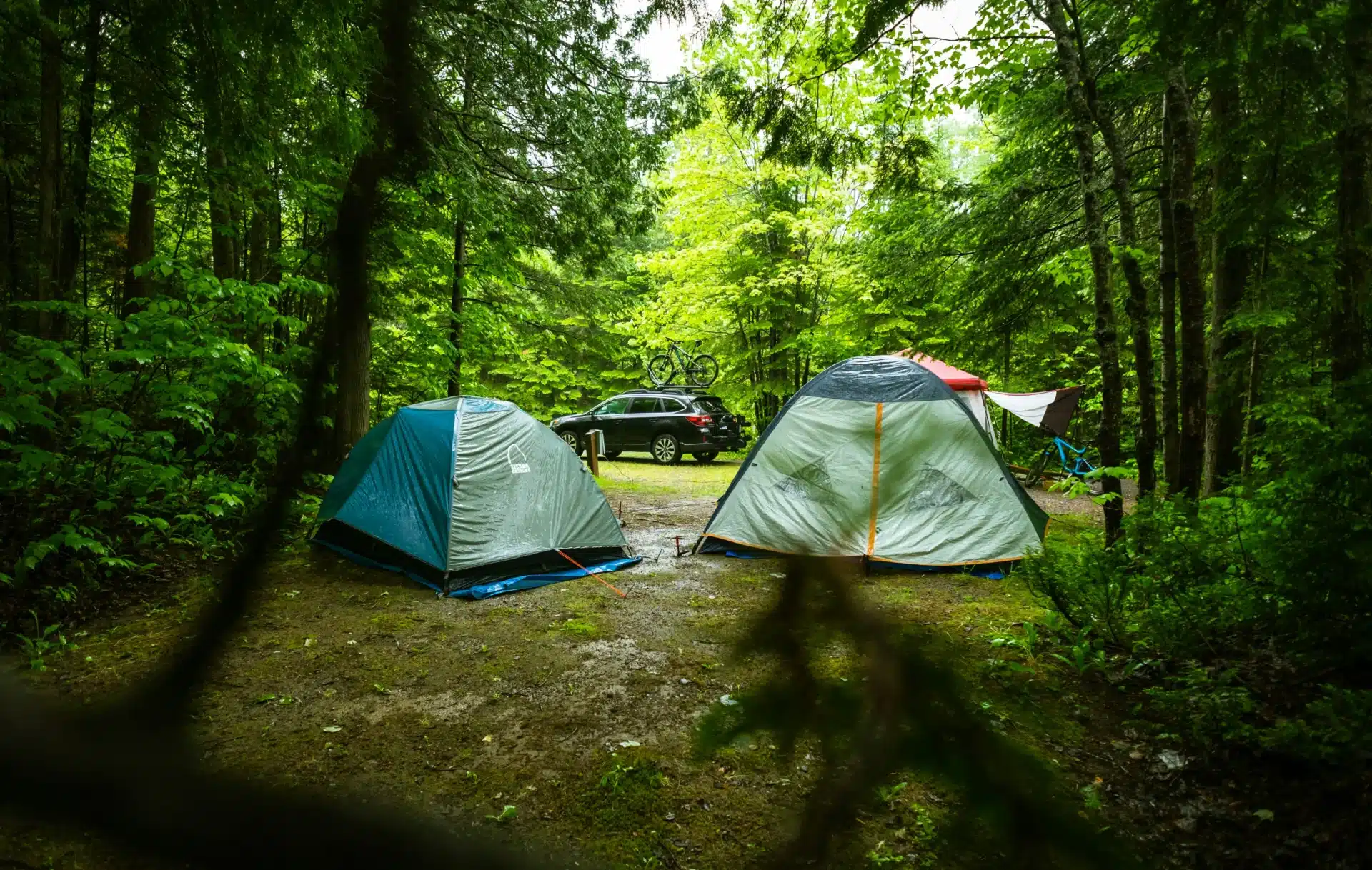

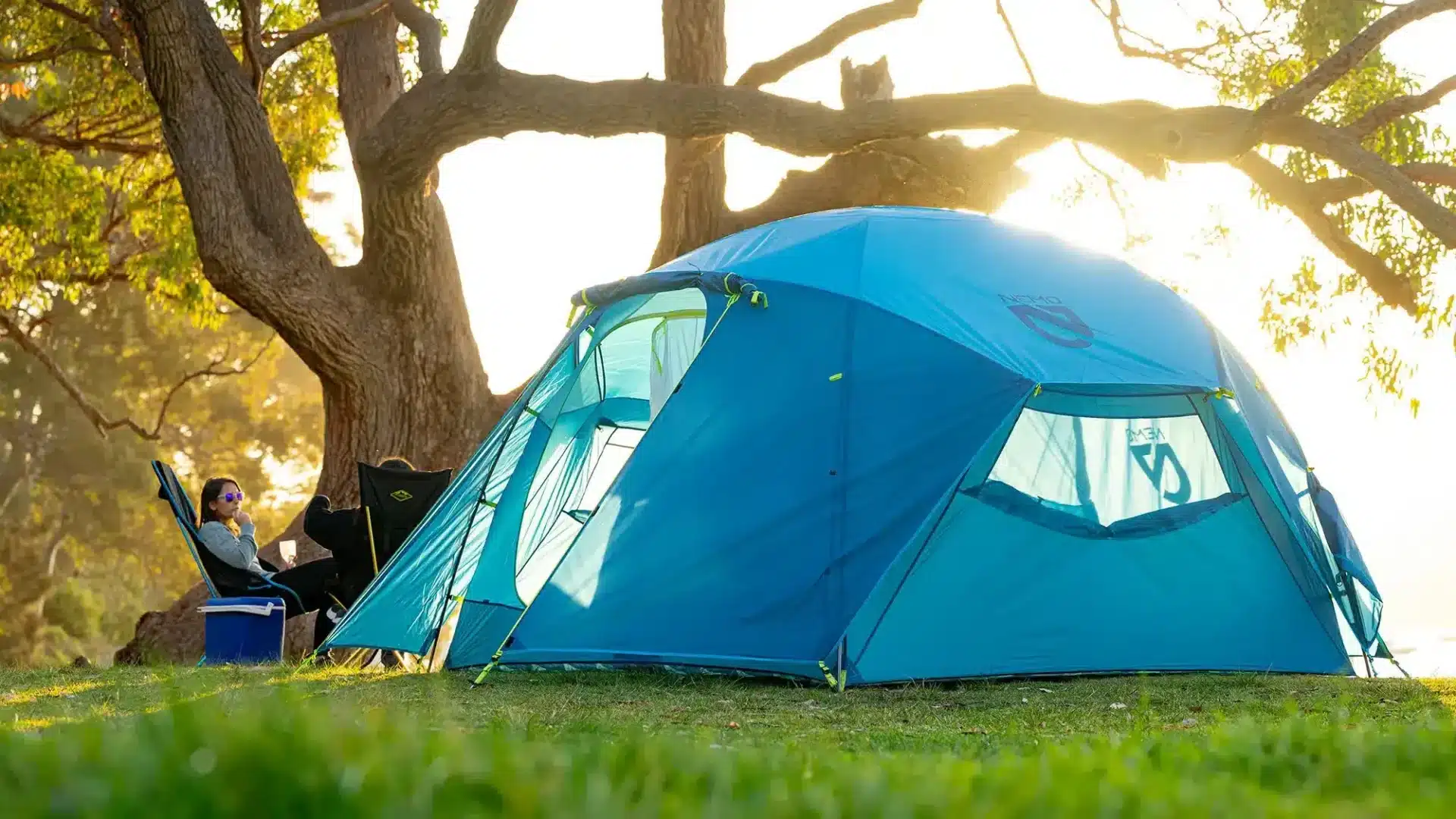

If you’ve ever pulled into a holiday park with dark clouds building overhead, you’ve probably wondered the same thing: will the tent actually hold up if the rain sets in?
Walk through any camping store and you’ll see waterproof ratings listed in millimetres. 1,500mm. 3,000mm. 5,000mm. The numbers look technical, but they influence how your weekend unfolds when the weather turns.
Here’s what those ratings mean in practical terms, and how they apply to caravan and park-style camping across Australia.
Tent Waterproof Ratings
What the numbers actually mean for your next trip. Factor in seams, pitching, and site drainage for full protection.
1) The Fly Rating Scale
Typical holiday parks and fair-weather weekends. Needs a taut pitch to avoid water pooling on the fly.
The “sweet spot” for touring. Provides a reliable buffer for changeable conditions and longer rain events.
Maximum confidence for sustained rain and coastal winds. Usually found in heavier, specialized materials.
2) Fast Decision Guide
Stick to 1,500mm ratings. Prioritize light weight, pack size, and ease of pitch for weekend trips.
Aim for 2,000–3,000mm. Look for taped seams, full fly coverage, and multiple guy-line points.
Go 5,000mm+ and check floor ratings; water pressure from kneeling can exceed the fly’s rating.
The Condensation Factor: A “wet tent” isn’t always a leaking tent. Without proper ventilation, moisture from breath can collect inside the fly, mimicking a leak.

What does “mm waterproof rating” actually measure?
The millimetre figure refers to a laboratory test known as a hydrostatic head rating. In simple terms, fabric is tested under increasing water pressure until moisture penetrates it. The higher the number, the greater the pressure the fabric can withstand before leaking.
It is not a forecast of how much rain will fall. It is a measure of resistance to water pressure.
That matters because rain in a sheltered caravan park behaves differently to wind-driven rain on an exposed headland.
Is 1,500mm waterproof enough?
For many Australian caravan parks and fair-weather trips, a 1,500mm fly rating can be adequate. This is common in instant-up and family-style tents designed for convenience and airflow.
For example:
Coleman Excursion Instant Tent 6
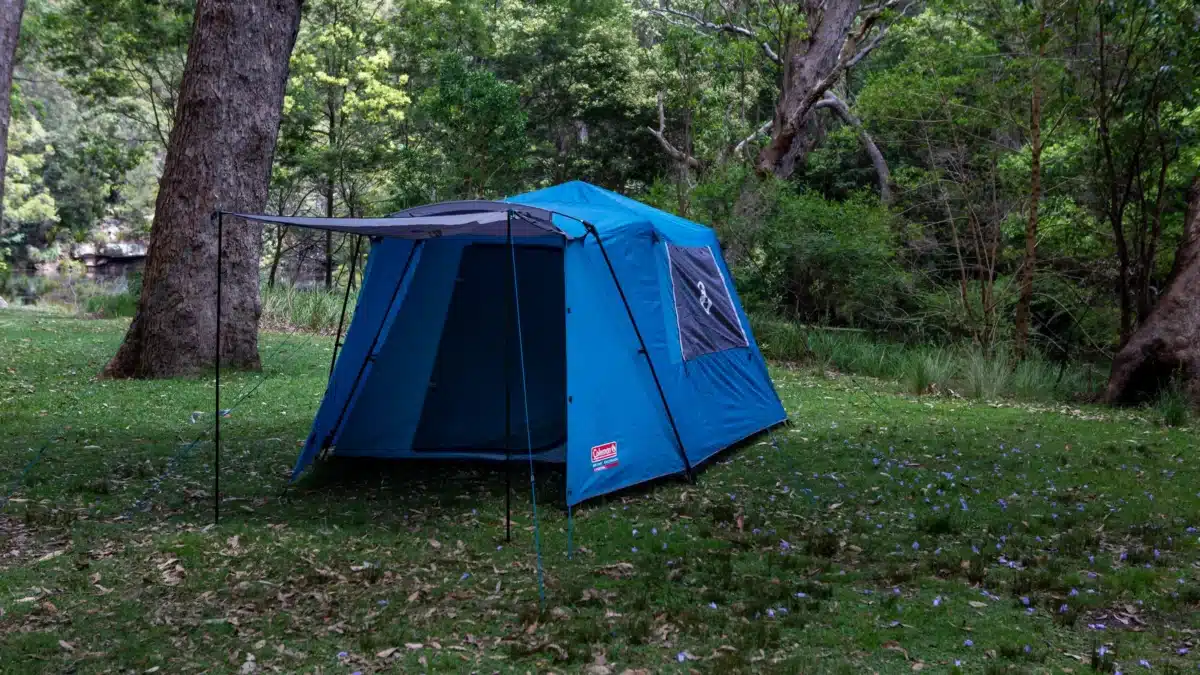
- Fly rating: 1,500mm
- Packed weight: 19.1kg
- Setup style: Instant frame system
- Typical retail price: around $599, with club pricing often lower
In calm conditions with properly tensioned guy ropes and sealed seams, this level of waterproofing can handle moderate rain.
Where it can struggle is during prolonged rainfall, strong wind, or pooling water around the base. In those situations, construction quality and floor rating become just as important as the fly number.
Why some premium tents list lower numbers
Interestingly, not all higher-priced tents advertise extreme waterproof ratings.
NEMO Aurora Highrise 6P
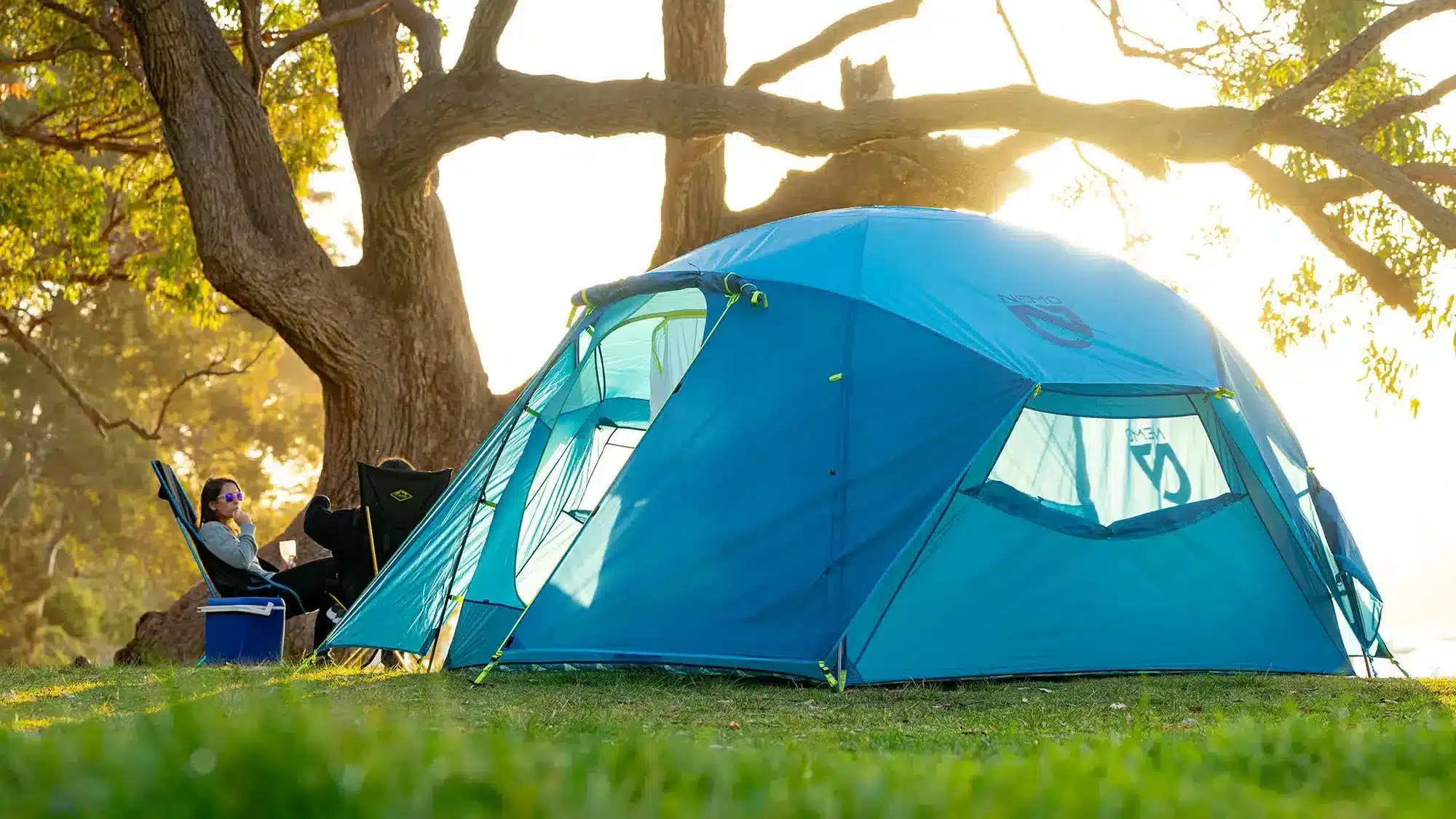
- Fly rating: 1,200mm
- Floor rating: 1,500mm
- Packed weight: 8.46kg
- Peak height: 196cm
On paper, the fly rating appears lower than some heavy-duty models. However, this style of tent is designed primarily for managed environments such as holiday parks and established campgrounds. Ventilation, internal height, and structural stability often take priority over extreme storm resistance.
In short, not every traveller needs expedition-level waterproofing.
When higher ratings make sense
If you regularly camp in exposed coastal areas, during shoulder seasons, or in regions prone to sustained rainfall, a higher hydrostatic head can provide extra confidence.
BlackWolf Turbo 300
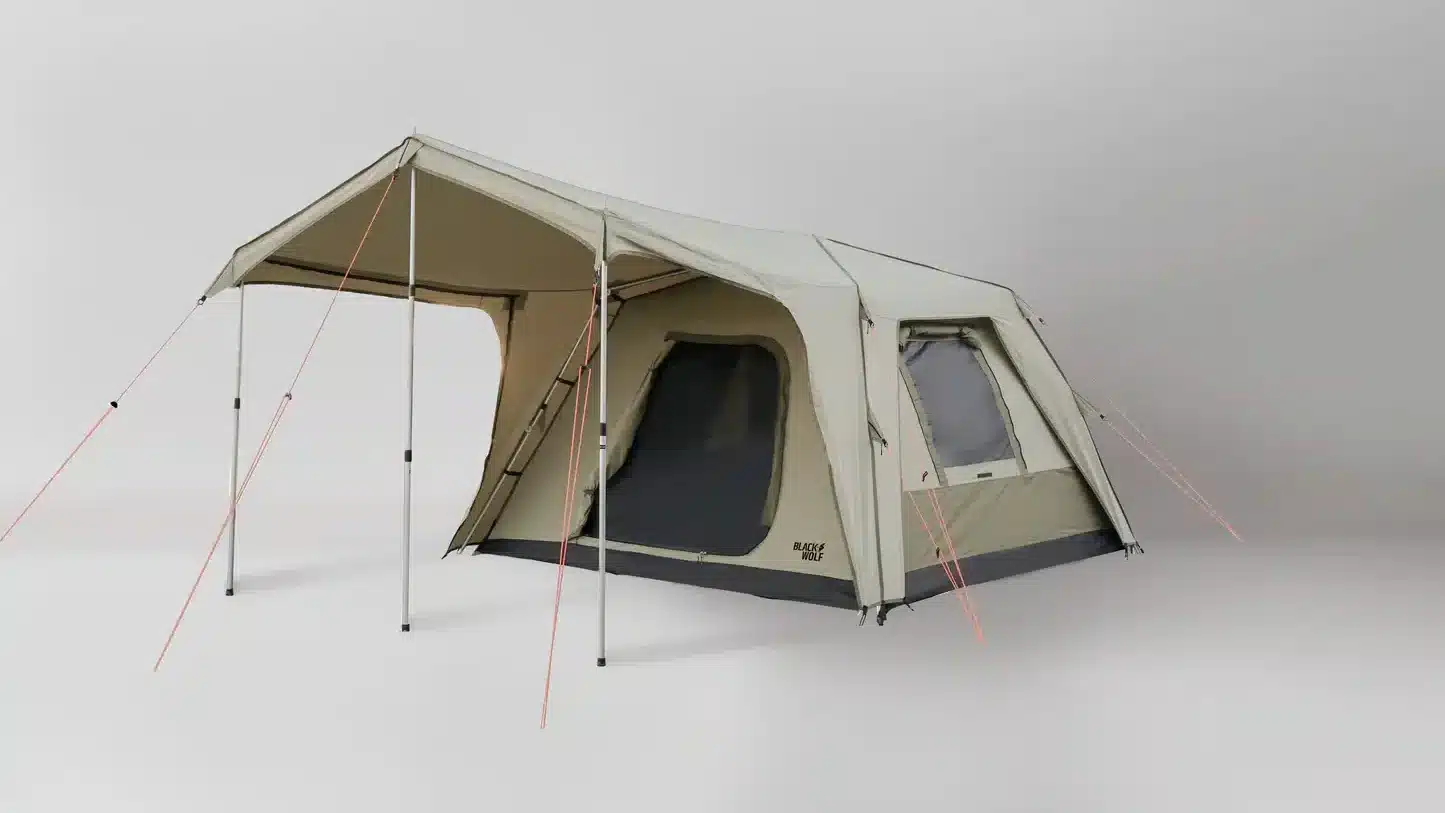
- Fly rating: 5,000mm
- Floor rating: 10,000mm
- Packed weight: 26kg
- Typical retail price: around $1,349
This type of tent is built with heavy-duty materials and prioritises weather resistance. The trade-off is weight and pack size. At 26kg, it is strictly a vehicle-based setup.
What matters more than the number
Waterproof rating is only one part of the picture.
1. Seam sealing
A high-rated fabric will still leak if seams are poorly sealed. Look for factory-taped seams and reinforced stitching.
2. Floor construction
Floors often have a higher rating than the fly for a reason. Ground pressure from knees, bedding, or gear can force water through fabric if the rating is too low.
3. Pitch and site selection
Even the best tent can struggle if pitched in a low spot where water pools. Slight elevation and proper guy rope tension make a significant difference.
4. Ventilation
Condensation is frequently mistaken for leaks. Good airflow reduces internal moisture buildup, especially in humid coastal conditions.
So what should campers choose?
For most travellers staying in established parks, a well-made 1,500mm family tent can be suitable, provided:
- It is correctly pitched
- Seams are sealed
- Drainage around the site is sensible
If you regularly travel through alpine regions, coastal wind corridors, or during shoulder seasons, stepping up to a higher-rated tent offers additional peace of mind.
The key is matching your tent to your travel style, not simply chasing the biggest number on the tag.
The bottom line
Waterproof ratings are useful, but they are not the whole story.
For caravanners and campers using established holiday parks across Australia, mid-range ratings combined with solid construction are often enough. For those travelling further afield or in unpredictable seasons, higher-rated materials provide an extra layer of confidence.
Before your next trip, check the number. Then check how and where you camp.
That combination matters more than the label alone.