

For years, the standard caravan fit-out followed a familiar formula: fixed kitchen, built-in storage, permanent beds and hardwired systems. That approach is still common, but it is no longer the default for many travellers.
Across Australia, more caravanners are choosing modular gear over permanent fit-outs, favouring setups that can be added, removed or reconfigured depending on the trip. The shift reflects how people are travelling now, mixing off-grid stays with caravan parks, changing vehicles more often, and looking to manage weight, cost and resale more carefully.
Rather than locking everything into one layout, modular gear allows travellers to tailor their setup as their needs change.
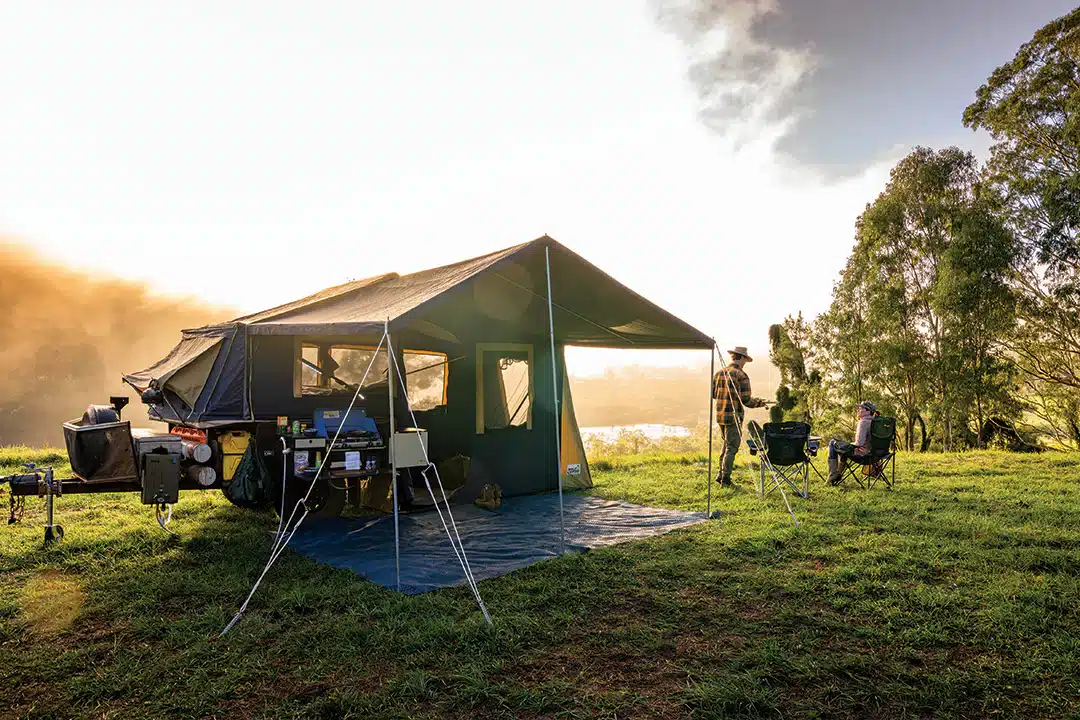
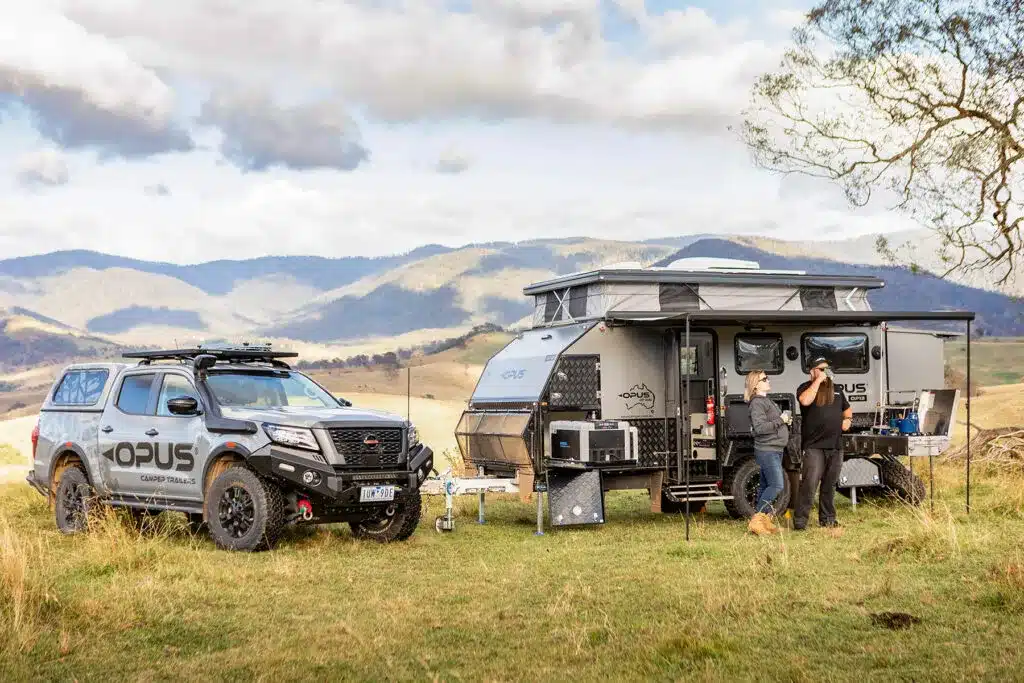
While purpose-built modular caravans are still uncommon, many caravanners are borrowing ideas from camper trailers and 4WD touring, using portable and removable gear to make their setups more flexible.
What modular gear means in a caravan context
In practical terms, modular gear refers to equipment that is not permanently fixed to the caravan. It can include items that slide out, clip in, pack away or move between vehicles.
Common examples include portable kitchens, removable storage systems, standalone power units, folding furniture and external shower or toilet setups. The defining feature is flexibility. These items can be used when needed and left behind when they are not.
For many travellers, this approach offers more control over how their caravan is used on different trips.
The key gear categories driving the shift
Modular kitchens and cooking setups
One of the most noticeable changes is where and how caravanners cook.
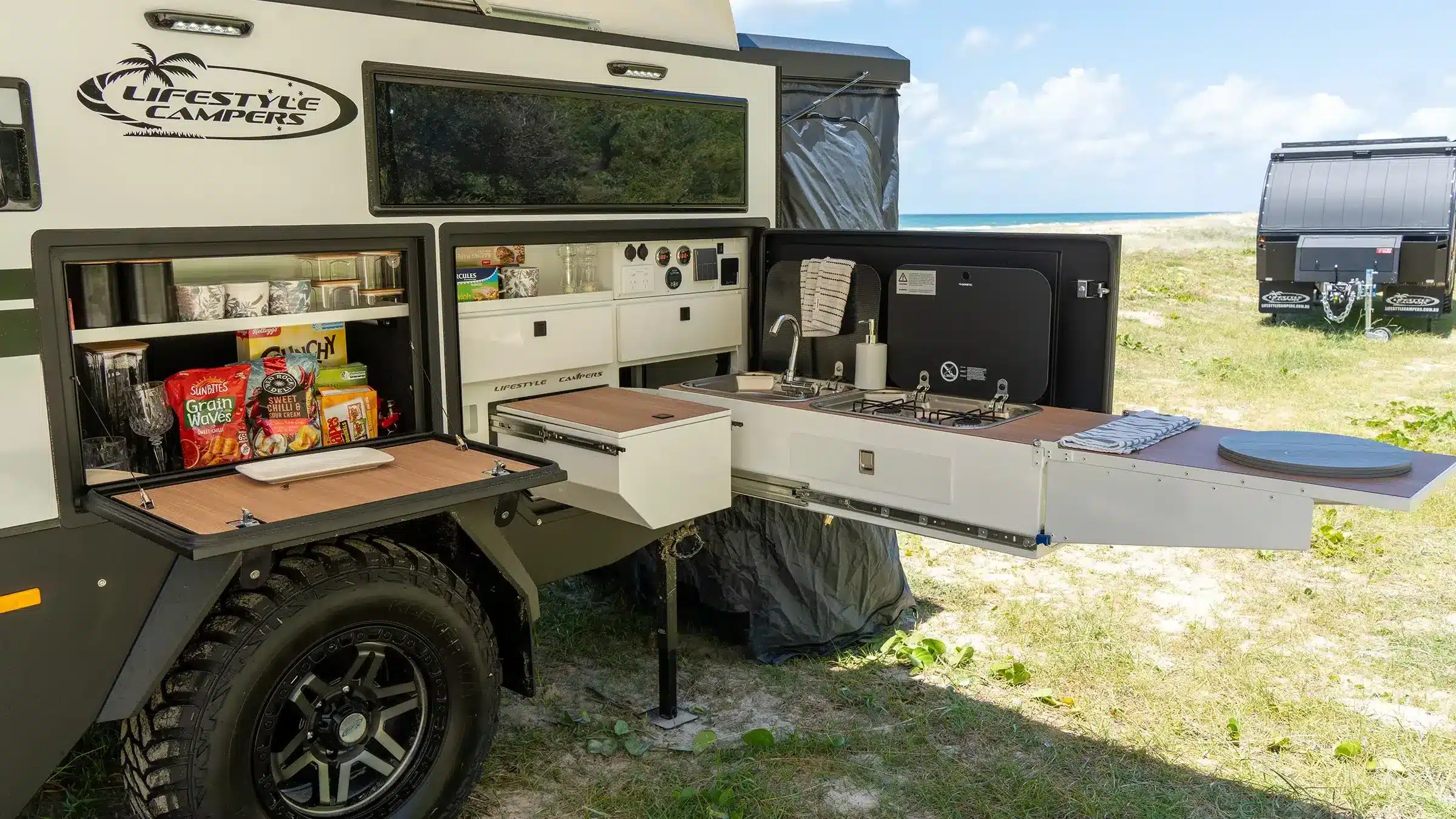
Instead of fully built-in internal kitchens, many newer setups rely on slide-out or portable cooking systems. These can include gas stoves, induction cooktops, sinks and prep areas mounted in drawer systems or freestanding units.
Outdoor kitchens free up internal space, reduce heat and smells inside the van, and suit travellers who prefer cooking under an awning or annex. When travelling short distances or staying in parks with camp kitchens, the entire setup can be left at home.
Removable storage systems
Fixed cabinetry adds weight and limits flexibility. Modular storage systems offer an alternative.
Stackable crates, drawer modules, fridge slides and portable pantry boxes allow travellers to organise gear without committing to a permanent layout. These systems can be reconfigured, removed for cleaning, or swapped depending on whether the trip is a weekend away or a longer off-grid run.
The ability to remove storage also helps with weight management, particularly for travellers operating close to payload limits.
Portable power and energy gear
Power systems are another area where modular gear is gaining ground.
Portable lithium power stations, folding solar panels and plug-in battery systems allow travellers to run fridges, lighting and small appliances without hardwiring everything into the van. These systems can often be upgraded independently as battery and solar technology improves.
For travellers who change caravans or tow vehicles regularly, portable power gear can move with them, rather than being tied to one build.
Clip-in comfort and utility add-ons
Bathrooms and internal fittings are also becoming more flexible.
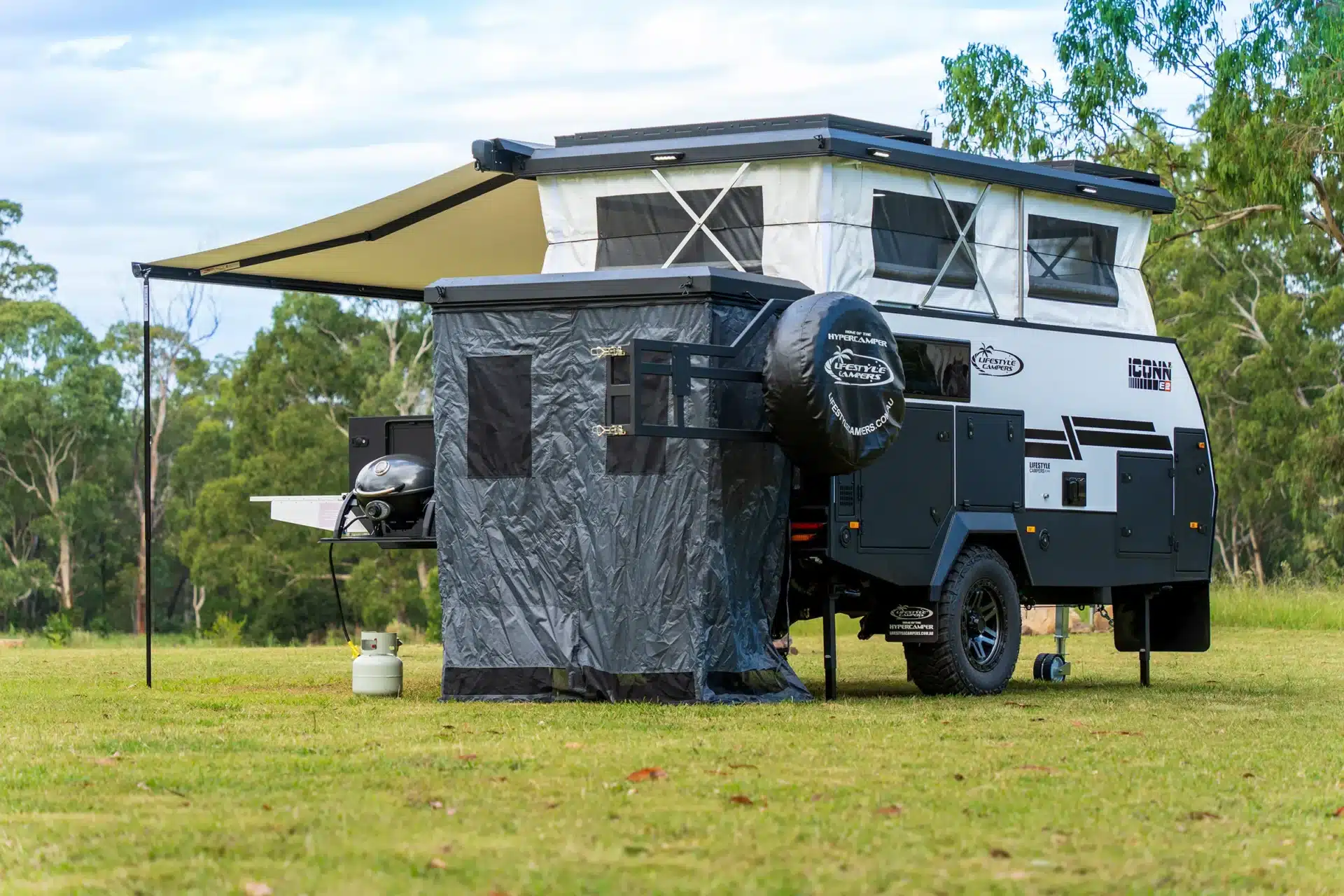
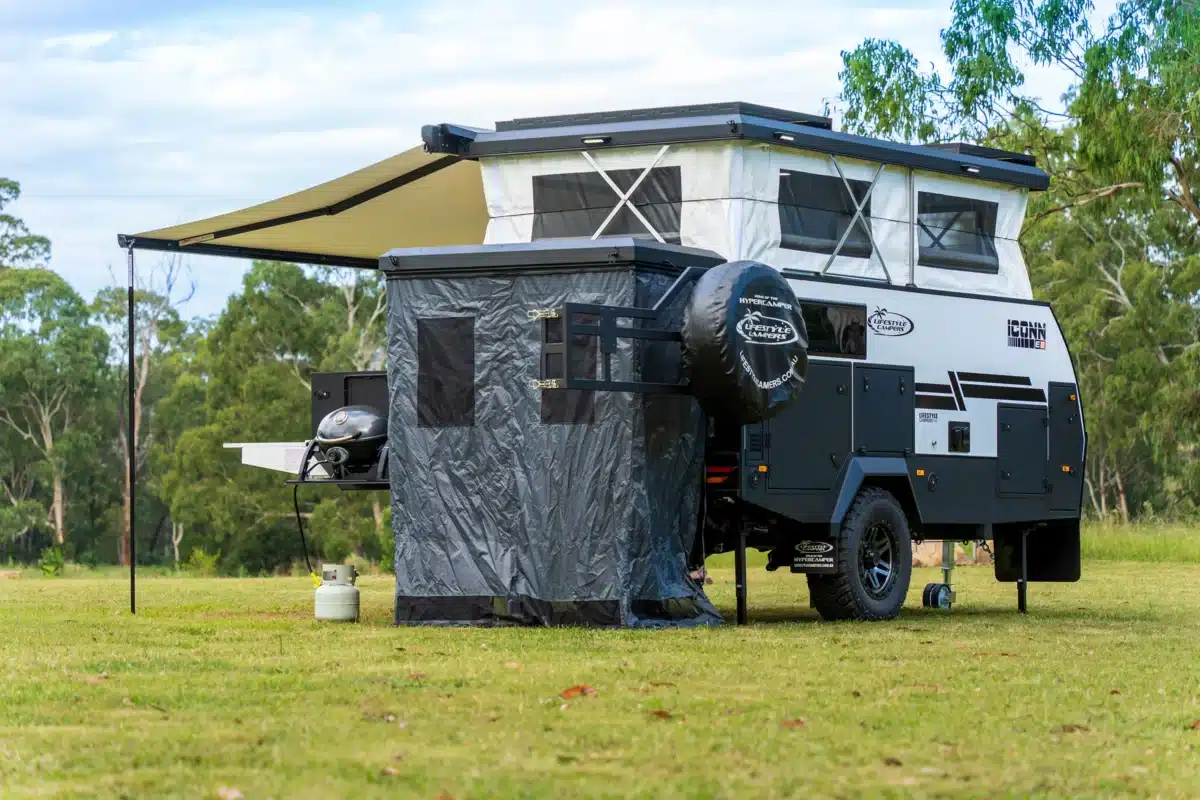
Portable toilets, external shower tents, removable tables and fold-away beds are increasingly common, particularly in hybrid and off-road caravan designs. These options allow vans to switch between minimalist travel and longer stays without carrying the weight and maintenance of permanent installations.
For some travellers, using park amenities or external setups is a worthwhile trade-off for a lighter, more open interior.
Why fixed fit-outs are falling out of favour
Permanent fit-outs still suit many travellers, particularly those who spend most nights in caravan parks or prefer an all-in-one interior.
However, fixed setups come with trade-offs. Built-in cabinetry and appliances add weight that is always carried, whether used or not. Custom installations can be expensive to repair or modify later, and permanent changes may limit resale appeal.
As travel styles diversify, a single fixed layout does not always suit every trip.
Quick compare
Modular gear vs fixed fit-outs
Six practical differences that affect cost, weight and flexibility on the road.
Cost
Often easier to build over time, paying only for what you actually use.
Higher upfront spend, with later changes often costing more.
Weight
Bring what you need and leave the rest at home, easier to manage payload.
Permanent cabinetry and appliances add weight on every trip.
Flexibility
Can be added, removed or reconfigured depending on the trip.
One layout, harder to adapt for different travel styles.
Upgrade path
Individual items can be upgraded as needs or technology change.
Upgrades often involve reworking parts of the build.
Resale impact
Gear can be removed, keeping the van closer to standard.
Highly customised fit-outs can narrow the buyer pool.
Installation complexity
Generally simpler, with fewer permanent changes.
Often requires trades, wiring, plumbing and mounting.
Note: Outcomes vary by caravan type, how gear is secured, and how often you move camp.
What this means for caravan buyers
For new buyers, modular gear offers a way to start simple and build gradually. Instead of paying for a full fit-out upfront, travellers can add gear as they learn how they actually travel.
It also allows caravans to serve more than one purpose. A van can be set up for remote touring one month, then stripped back for park stays the next.
This approach suits travellers who want flexibility without committing to a single style of caravanning.
How manufacturers are responding
Manufacturers are adjusting to this shift.
In hybrid and off-road segments, newer caravan designs increasingly feature more open interiors, external access points and pre-installed power connections that make it easier to use modular or removable gear.
The trend suggests modular thinking is influencing design decisions, not just aftermarket choices.
What travellers should consider before going modular
Modular gear still needs to be secured properly. Weight distribution, tie-down points and weather protection all matter, particularly on rough roads.
Compatibility between systems is also important. Not all portable power, storage or kitchen systems work seamlessly together, and travellers need to consider how components interact as a whole setup.
A practical shift, not a passing trend
The move toward modular gear reflects how caravanning is evolving. Travellers want flexibility, lighter setups and the ability to change without rebuilding from scratch.
Fixed fit-outs are not disappearing, but they are no longer the only answer. For many caravanners, modular gear offers a more adaptable way to travel, one that suits changing routes, changing vehicles and changing priorities on the road.