


Overview – Why this product matters
Dust is one of the most common frustrations for caravanners travelling on Australian gravel and outback roads. Fine red dust can enter through small gaps in doors, windows and vents, settling on bedding, cupboards and electronics.
The Gusto Dust Reduction System (DRS) is designed to address this problem by creating positive air pressure inside a caravan, helping prevent dust from entering while driving on unsealed roads.
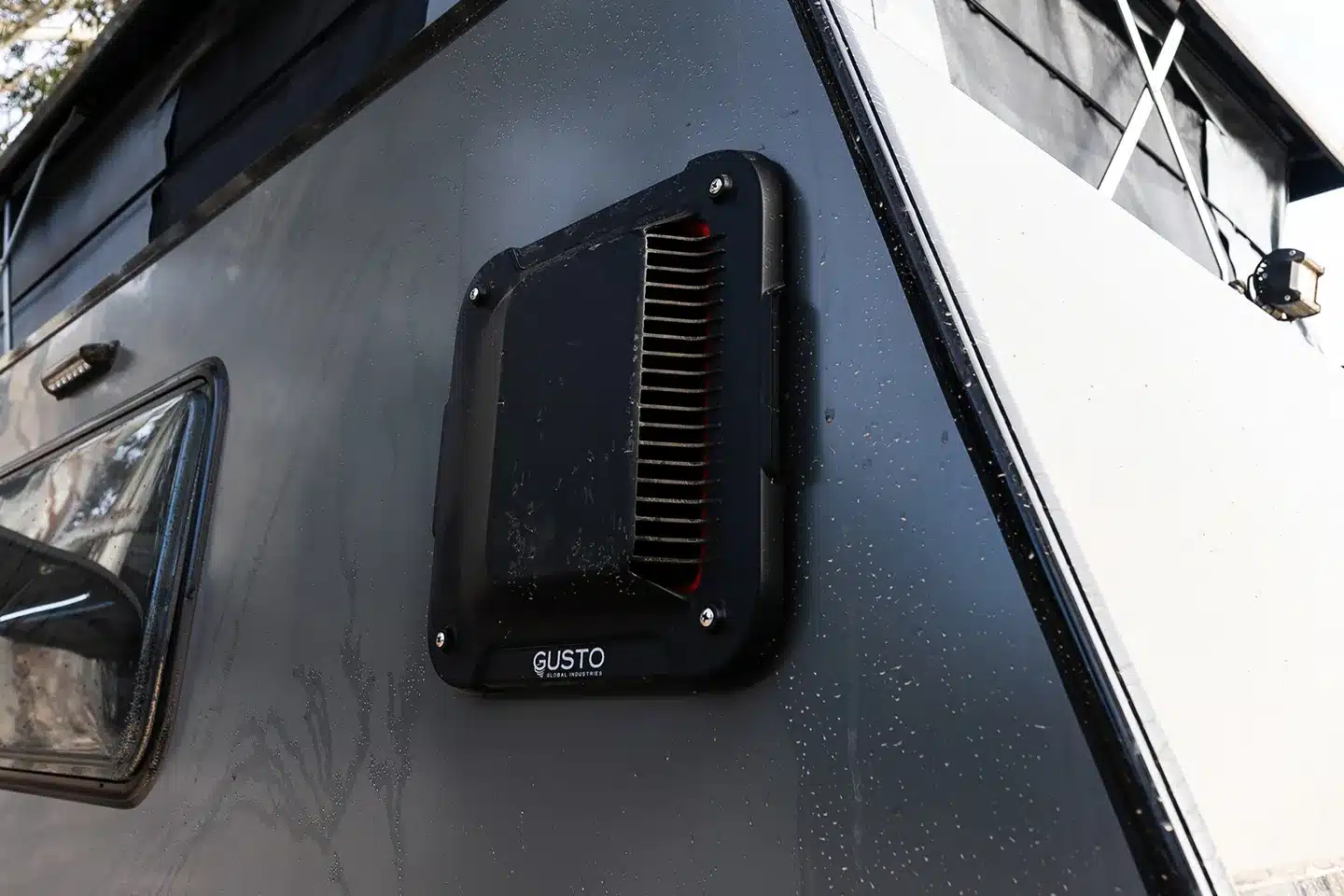
Unlike some dust management systems that mount on the roof, the Gusto DRS installs on either side of the caravan body, leaving roof space available for solar panels and other equipment. The system runs from a 12–14V power supply and is designed to pressurise the van interior in seconds.
For travellers regularly touring remote or dusty regions, a system like this aims to keep the living space cleaner and reduce the amount of post-trip cleaning required.
Key Specs / Features
Type / Category: Caravan Dust Reduction System
Mounting: Side-mounted caravan installation
Power Supply: 12–14V
Operation: Pressurises caravan interior in seconds
Function: Creates positive pressure to reduce dust entry
Design: Australian owned, patented, registered design
Installation: Side mounting avoids roof penetration and structural reinforcement
Performance in the Field
Dust reduction systems work on a simple principle: positive air pressure.
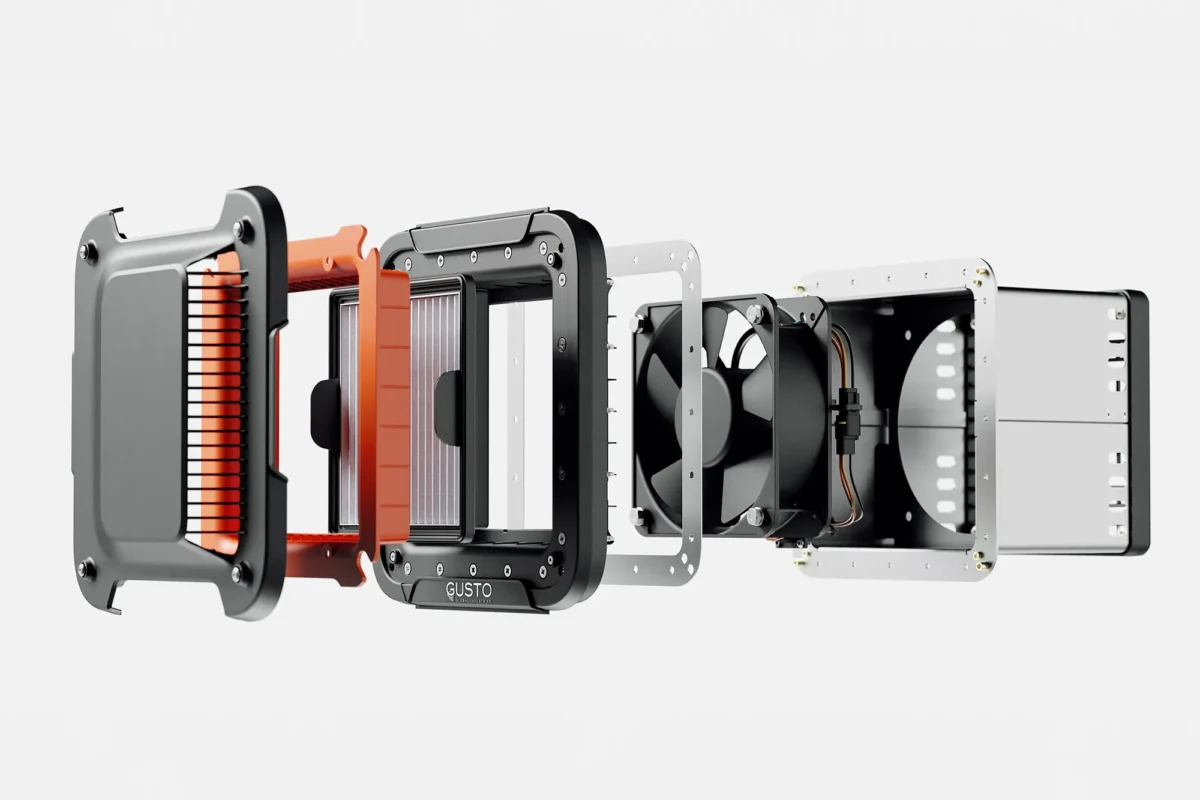
When the system pushes filtered air into the caravan faster than air can escape, it creates a slight pressure inside the cabin. This pressure forces air outward through small gaps rather than allowing dusty air to be drawn inside.
The Gusto DRS claims to pressurise a caravan within seconds, which means it can begin protecting the interior almost immediately when the system is switched on.
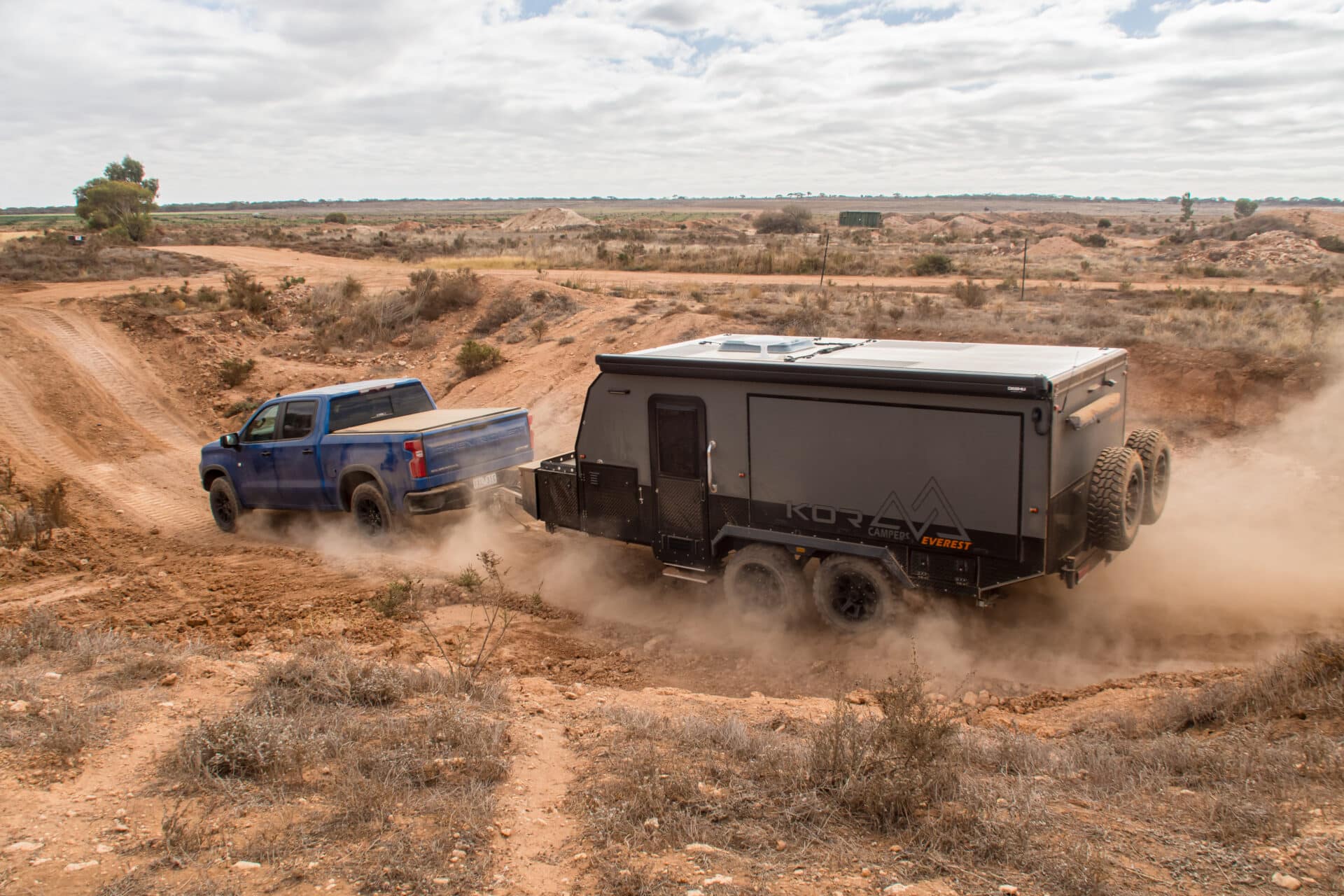
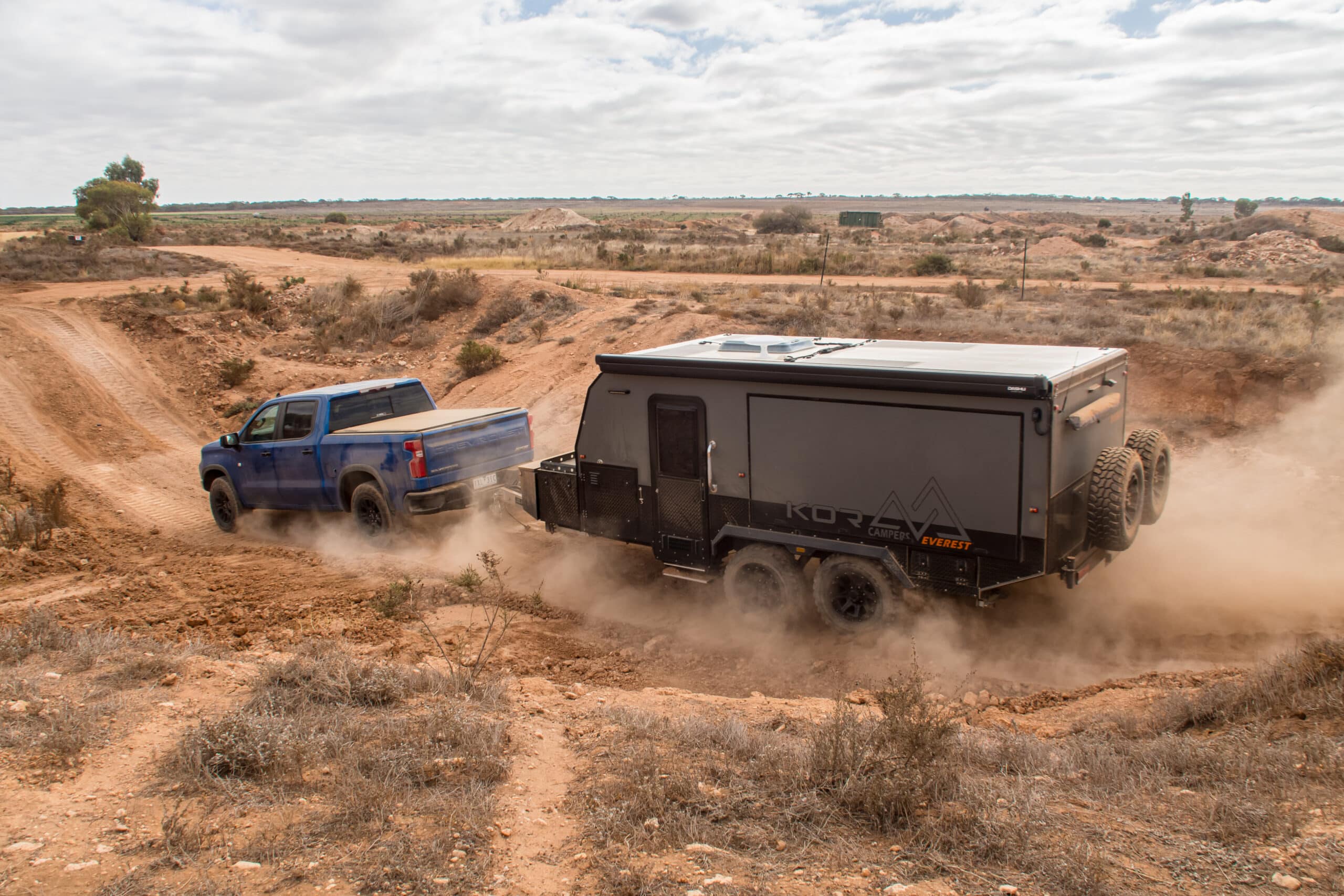
For caravanners travelling on long stretches of gravel roads, particularly in convoy conditions where dust clouds are common, this type of system is designed to reduce dust entering the caravan through:
- door seals
- window gaps
- roof vents
- service hatches
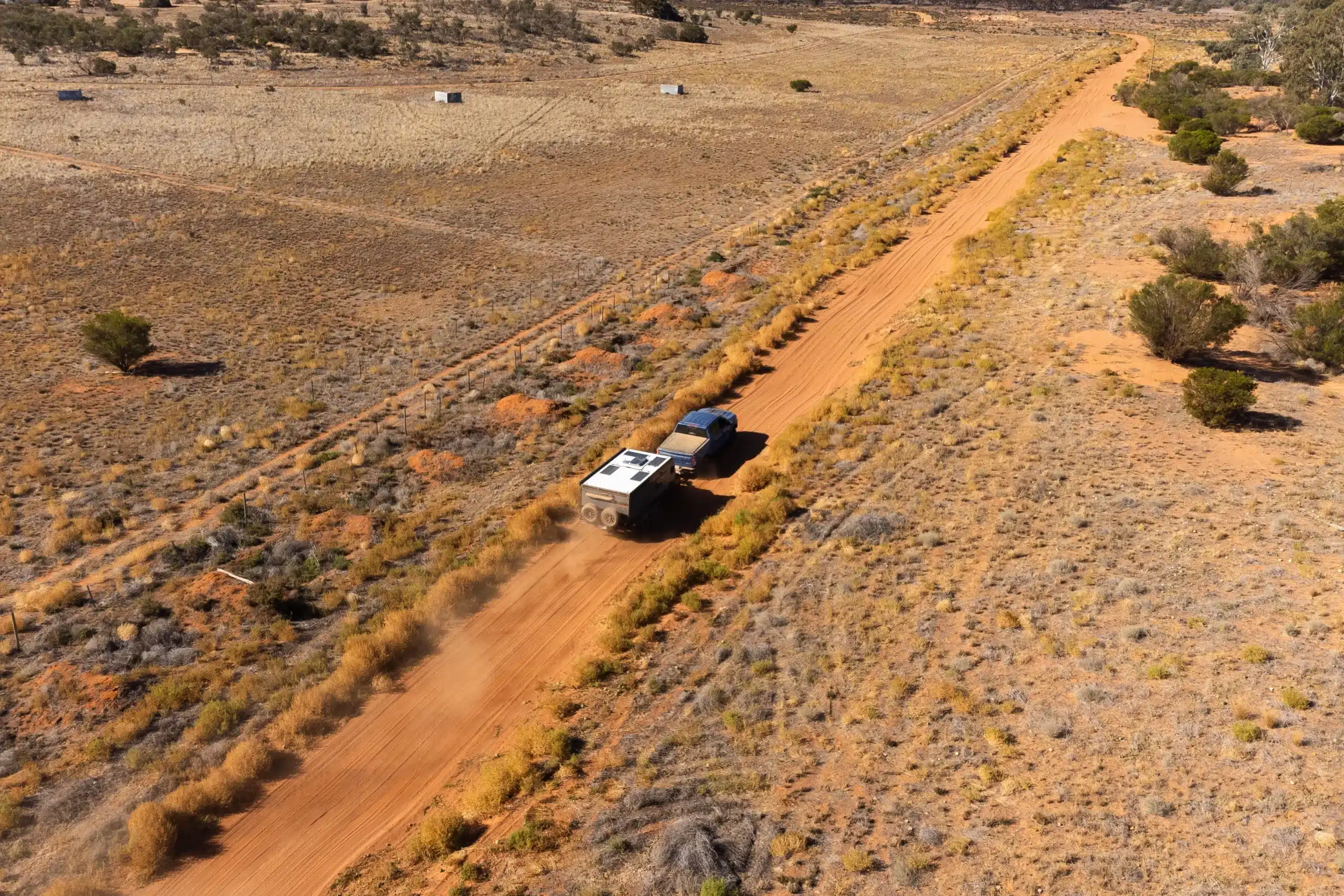
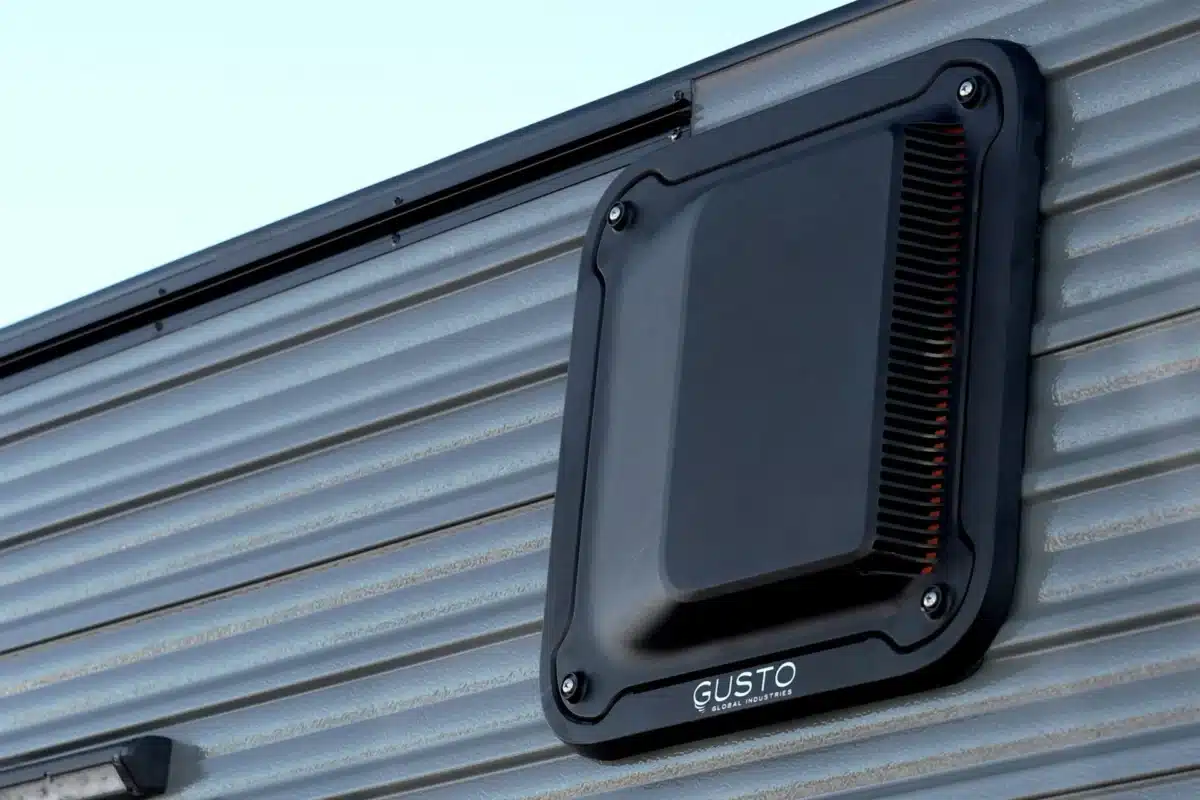
Because the unit mounts to the side wall rather than the roof, it avoids cutting large openings in the caravan roof structure. This may simplify installation and reduce potential waterproofing concerns that sometimes accompany roof-mounted accessories.
The side mounting also leaves roof real estate free for solar panels, which is increasingly important for off-grid travellers relying on solar power.
The system operates from a standard 12–14V caravan electrical supply, meaning it can run directly from the caravan battery system while travelling.
Fit & Practicality
Installation flexibility is one of the main practical benefits of the Gusto system.
Mounting the unit on either side of the caravan allows installers to position it where it best suits the van layout and internal airflow.
For owners running larger solar setups, this design can be appealing because it avoids competing with rooftop components such as:
- solar panels
- air conditioners
- satellite dishes
- roof racks
Because the system runs from the caravan’s existing 12V system, there is no need for additional power infrastructure.
In day-to-day use, the goal is simple: turn the system on before entering dusty roads and allow the caravan to remain slightly pressurised while travelling.
For travellers regularly exploring:
- outback touring routes
- gravel national park roads
- remote station tracks
a system like this can help reduce dust build-up inside cupboards and sleeping areas.
Value for Money
Dust reduction systems are a niche accessory but increasingly common among caravanners travelling Australia’s interior.
Their value largely depends on how often the caravan is used on unsealed roads. For travellers who primarily stay on sealed highways and caravan parks, the benefit may be limited.
However, for travellers spending long periods on dusty roads, the ability to maintain a cleaner interior can reduce cleaning time and help protect sensitive items such as electronics and bedding.
Installation costs, system capacity and filtration quality will ultimately determine how the Gusto DRS compares with other dust reduction systems available in the market.
As with any caravan modification, professional installation is generally recommended to ensure proper sealing and electrical integration.
Verdict – Should you buy it?
The Gusto Dust Reduction System targets a very specific touring problem that many Australian caravanners know well: dust infiltration on gravel roads.
By mounting on the side of the caravan instead of the roof, the system offers a practical alternative that preserves roof space for solar panels and other equipment.
For travellers who frequently venture onto dusty outback roads, a pressurisation system like this can make a noticeable difference to interior cleanliness and overall touring comfort.
For caravanners who remain mostly on sealed roads, the need may be less critical.
Overall, the concept is straightforward: keep the interior of the caravan under slight positive pressure so dust stays outside where it belongs.
Pros
- Designed specifically for dusty Australian touring conditions
- Side-mounted installation preserves roof space for solar panels
- Runs from standard 12–14V caravan power
- Pressurises the caravan interior quickly
- Australian owned with patented design
Cons
- Full technical specifications not publicly detailed
- Performance may depend on caravan sealing quality
- Installation likely requires professional fitting
Where to Buy Gusto Dust Reduction System
Looking to add the Gusto Dust Reduction System to your touring setup? Here are trusted places to start:
Buy from caravan accessory retailers
Ask your caravan dealer about installation options
Shop direct via the Gusto website
Frequently Asked Questions
Q: Is the Gusto Dust Reduction System easy to install?
A: Installation requires mounting the system to the caravan wall and connecting it to the 12V power system. Professional installation is recommended.
Q: What caravans is it compatible with?
A: It is designed to mount on most caravans with a suitable side panel location. Compatibility may depend on wall construction and available internal space.
Q: Can it run while driving?
A: Yes. The system is designed to operate both while stationary and while the caravan is being towed.
Q: Does it affect solar setups?
A: Because the unit mounts on the caravan wall instead of the roof, it helps preserve roof space for solar panels and other equipment.