

Why Small Camping Upgrades Matter in Summer Touring
Many of the frustrations travellers experience on the road are not caused by a lack of major equipment. They come from heat buildup, limited battery capacity, uncertain water supply and small safety risks that add up over time.
The upgrades below focus on solving those everyday issues. Each is relatively low cost, easy to integrate into existing setups and commonly used by caravanners and 4WD tourers travelling in summer conditions.
Individually, they may seem minor. Combined, they can noticeably improve how comfortable and manageable a trip feels.
At-a-Glance
7 small camping upgrades for summer touring
A quick scan of practical additions that help manage heat, extend off grid power, improve water confidence and reduce tyre risk.
12V caravan fan
Moves air without mains power, improving sleeping comfort in warm conditions.
Portable solar panel or blanket
Extends battery life and allows shaded parking while panels sit in full sun.
Inline water tank gauge
Accurately tracks water use without drilling tanks or complex installs.
Inline drinking water filter
Improves taste and reduces sediment from mixed water sources.
Reflective window covers
Limits radiant heat entering the cabin and reduces 12V cooling demand.
Tyre pressure monitoring system
Provides early pressure and temperature warnings on hot summer roads.
12V travel oven
Heats meals while driving, reducing stops and simplifying camp setup.
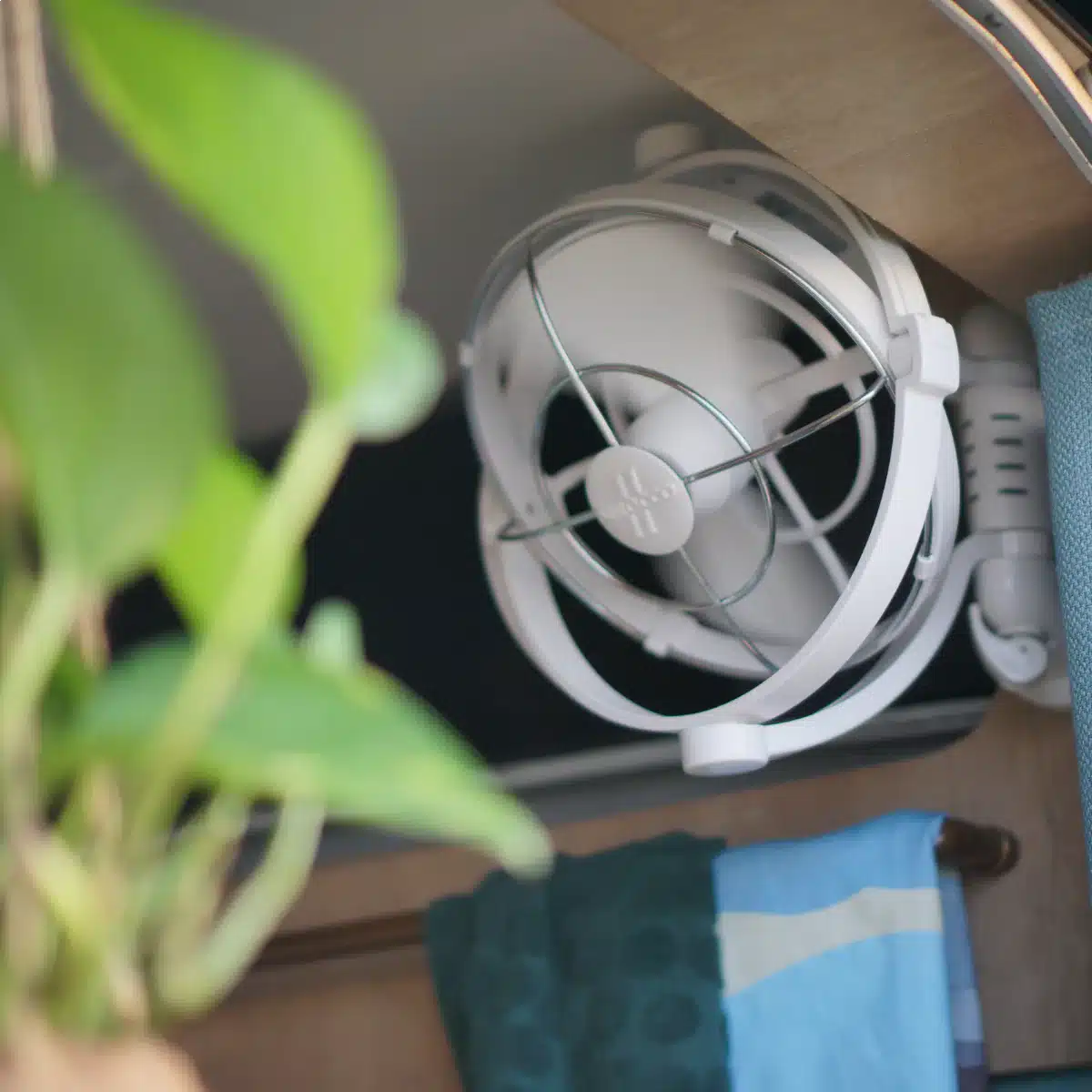
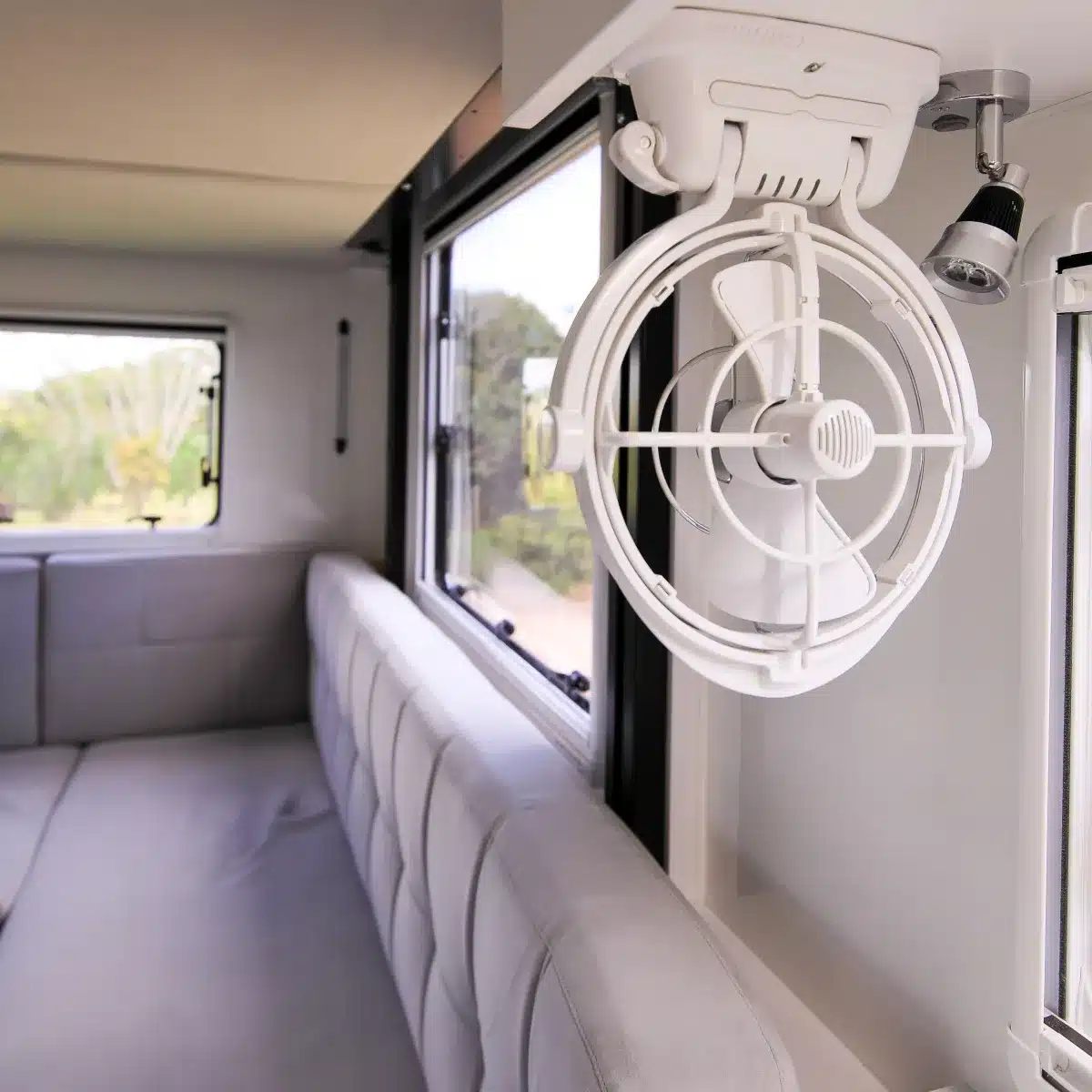
1. 12V Caravan Fans – Moving Air Without Mains Power
What Problem It Solves
Summer heat can make sleeping in a caravan or camper uncomfortable, even with windows open. Poor airflow also contributes to condensation and stale air.
What to Look For
- Low current draw
- Quiet operation
- Adjustable or multi-directional airflow
- Secure mounting options
Why It’s Popular Right Now
With more travellers avoiding powered sites, managing airflow without air conditioning has become essential. A quality 12V fan keeps air moving day and night with minimal impact on battery capacity.
Typical cost: $150–$200
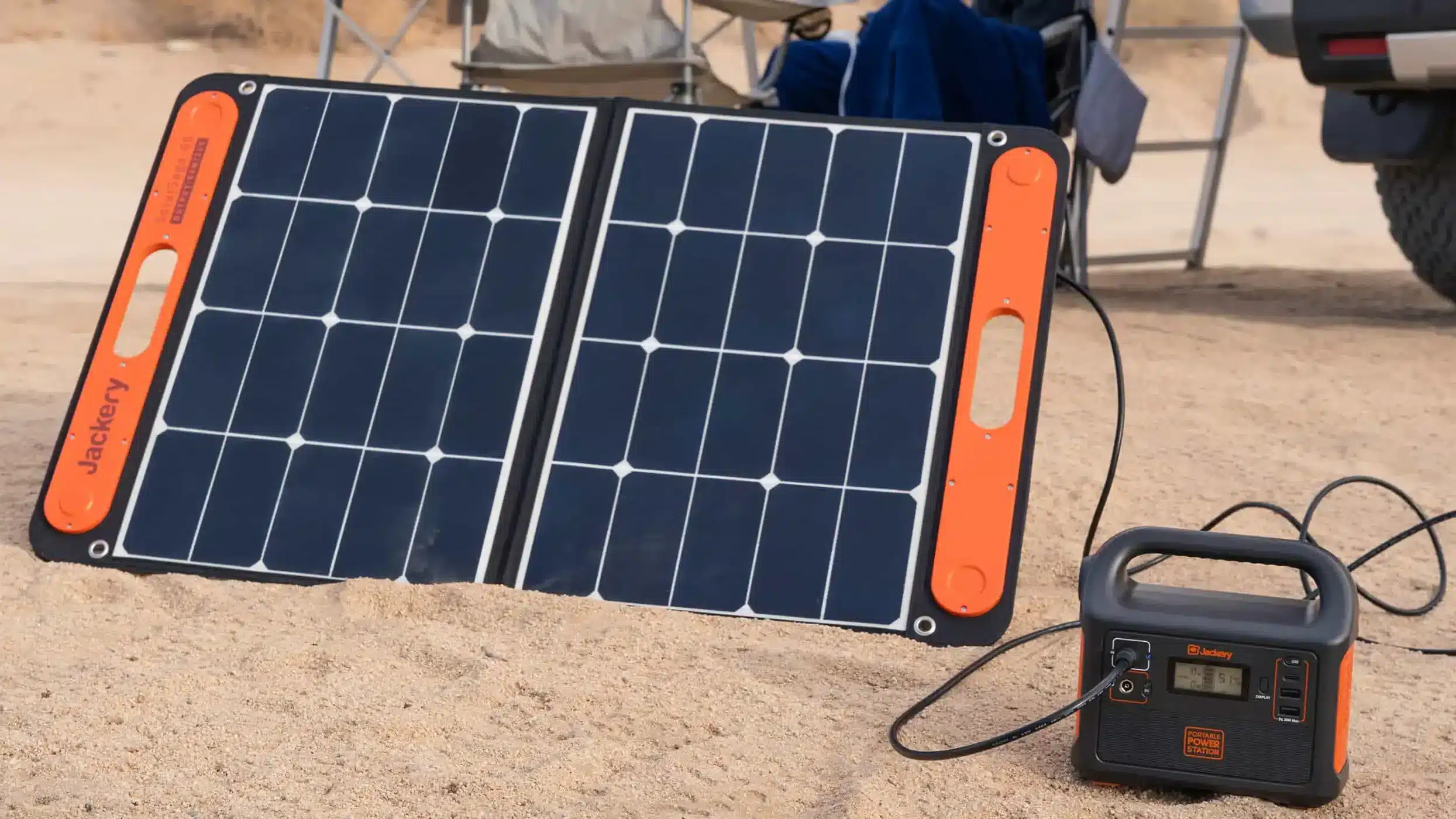
2. Portable Solar Panels or Blankets – Extending Off-Grid Time
What Problem It Solves
Fridges, lighting and charging gear quickly drain batteries when staying off-grid for multiple days.
What to Look For
- 120W–160W output for most touring setups
- Anderson plug compatibility
- Durable folding hinges or blanket stitching
- Built-in regulator or external MPPT support
Why It’s Popular Right Now
Portable solar allows travellers to park in shade while positioning panels in full sun, a practical advantage during summer touring. As prices have dropped and performance improved, portable solar has become one of the most common upgrades for free camping, often paired with portable power systems that support short stays, frequent movement and off-grid travel without powered sites.
Typical cost: $150–$300
3. Water Tank Gauge – Knowing Exactly What You’ve Got Left
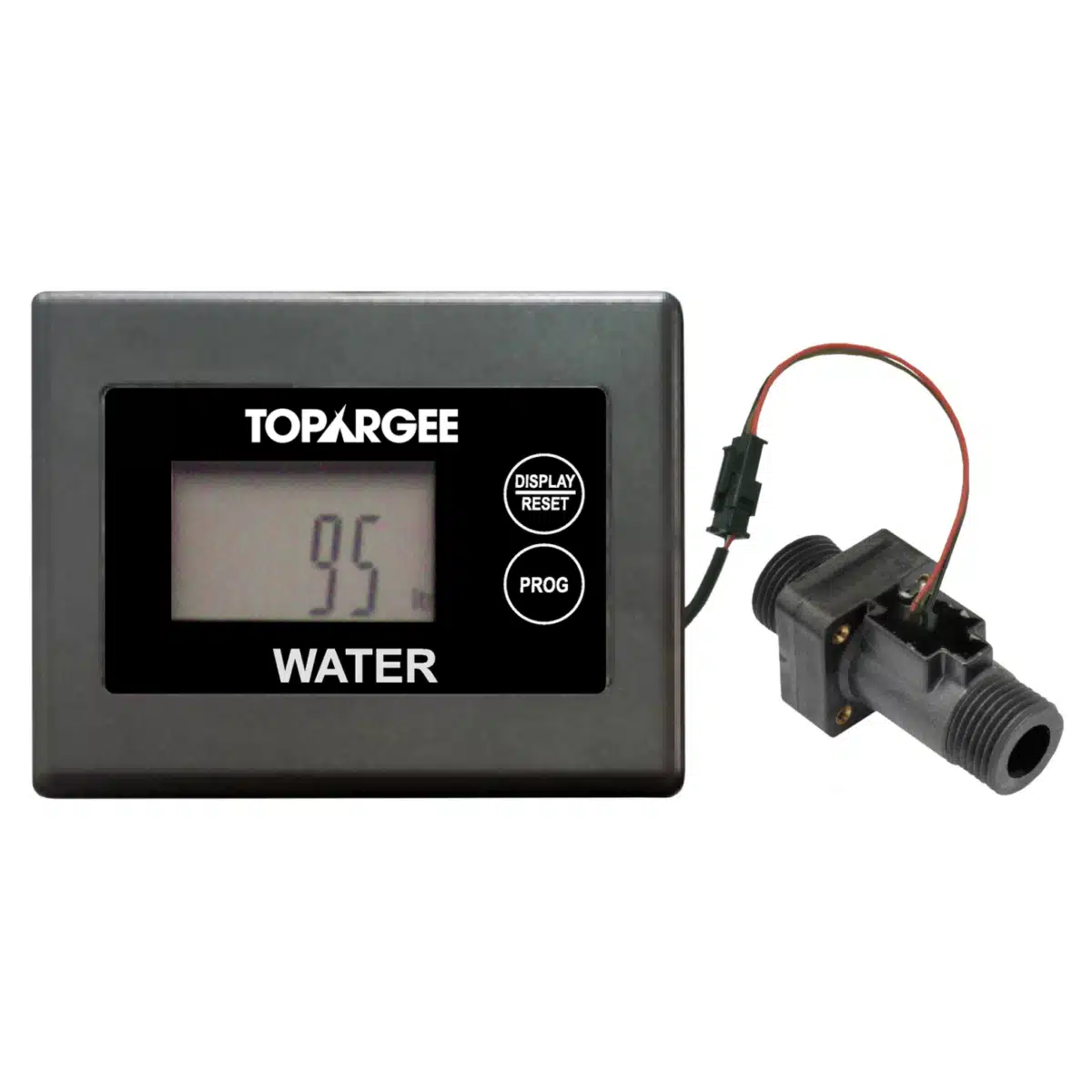
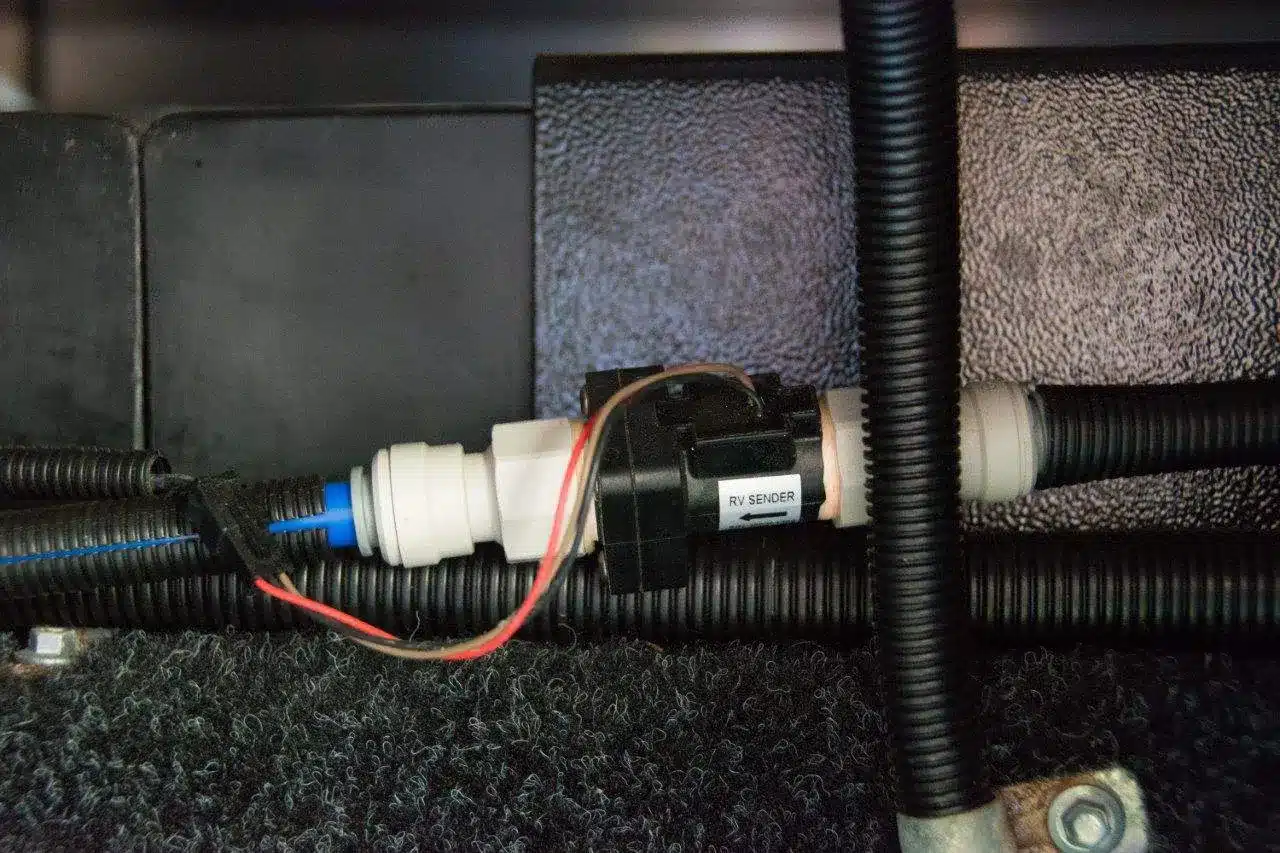
What Problem It Solves
Guessing water levels leads to unnecessary rationing… or worse, running dry unexpectedly.
What to Look For
- Inline flow sensor (no tank drilling)
- Clear digital readout
- Reset function after refilling
- Compatibility with existing pump systems
Why It’s Popular Right Now
Longer off-grid stays mean water planning matters more. Inline gauges provide accurate usage tracking without complex installs, making them a common retrofit on older vans.
Typical cost: $120–$200
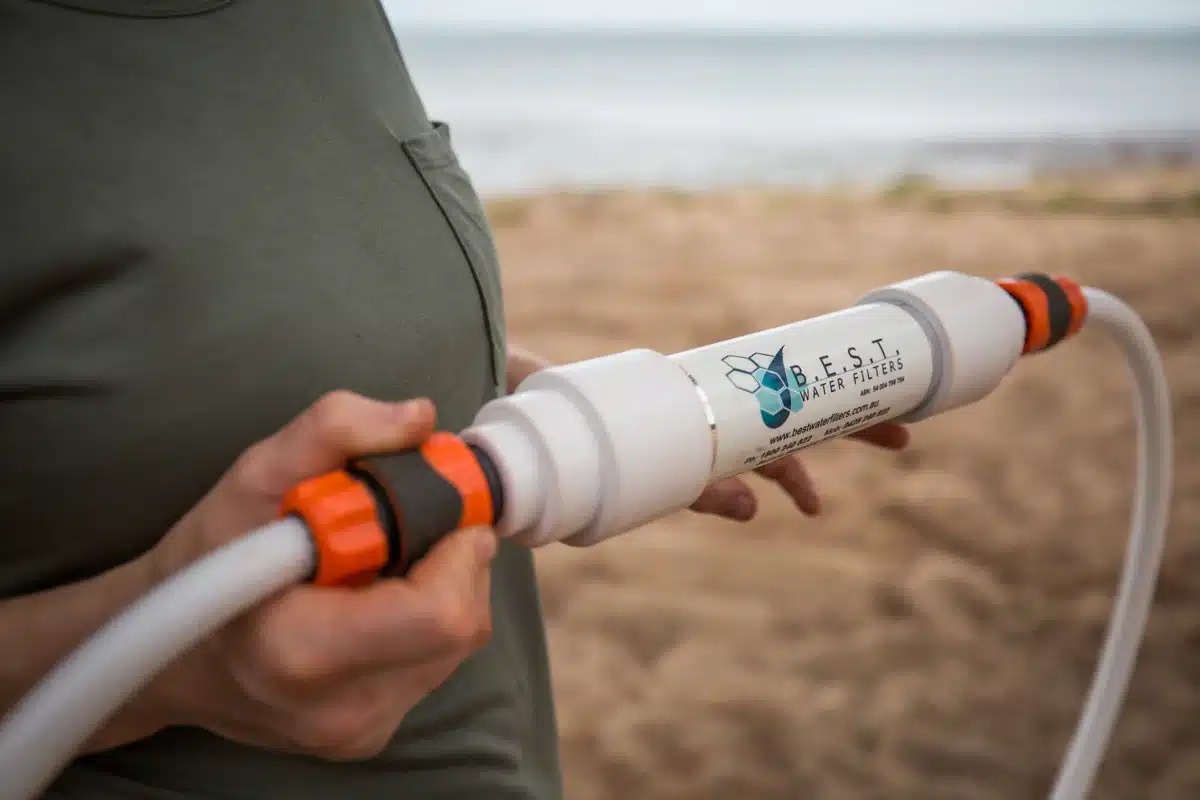
4. Drinking Water Filters – Cleaner Water, Fewer Issues
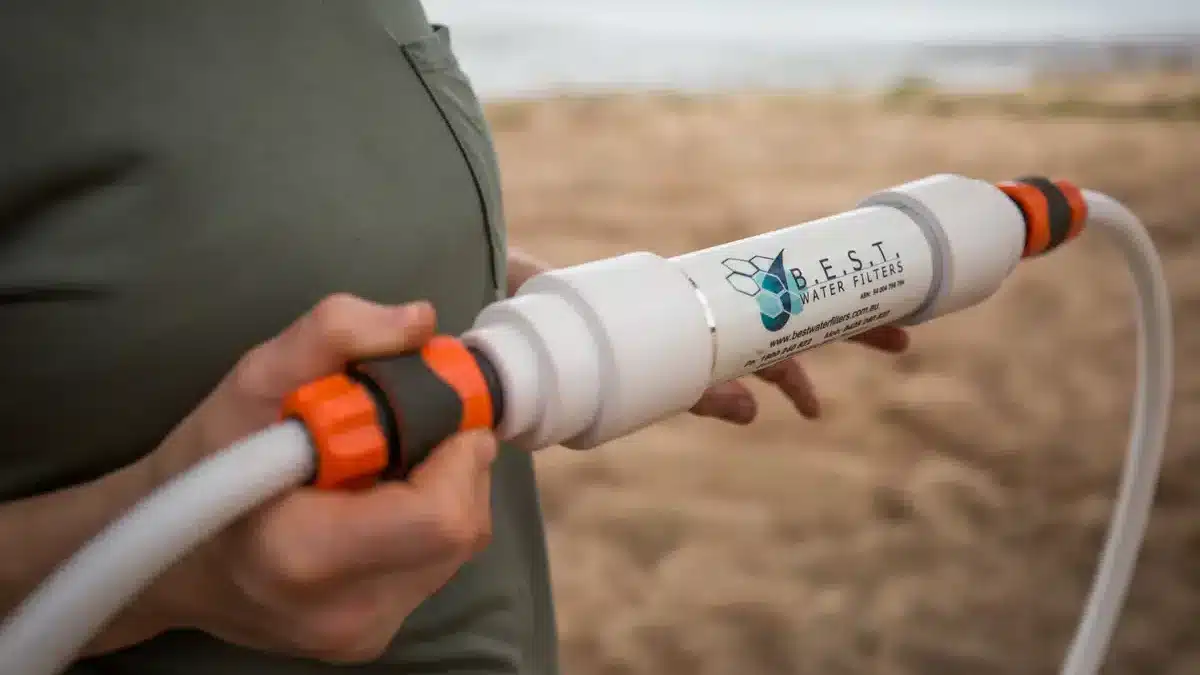
What Problem It Solves
Remote taps, rainwater tanks and bore water can affect taste, smell and safety.
What to Look For
- Inline hose compatibility
- Bacteria and sediment filtration
- Reversible flushing to extend lifespan
- Australian conditions suitability
Why It’s Popular Right Now
Travellers are filling up from a wider range of sources. Inline filters reduce the risk of unpleasant surprises and help protect internal plumbing and tanks.
Typical cost: $90–$120
5. Reflective Window Covers & Heat Shields – Keeping the Heat Out
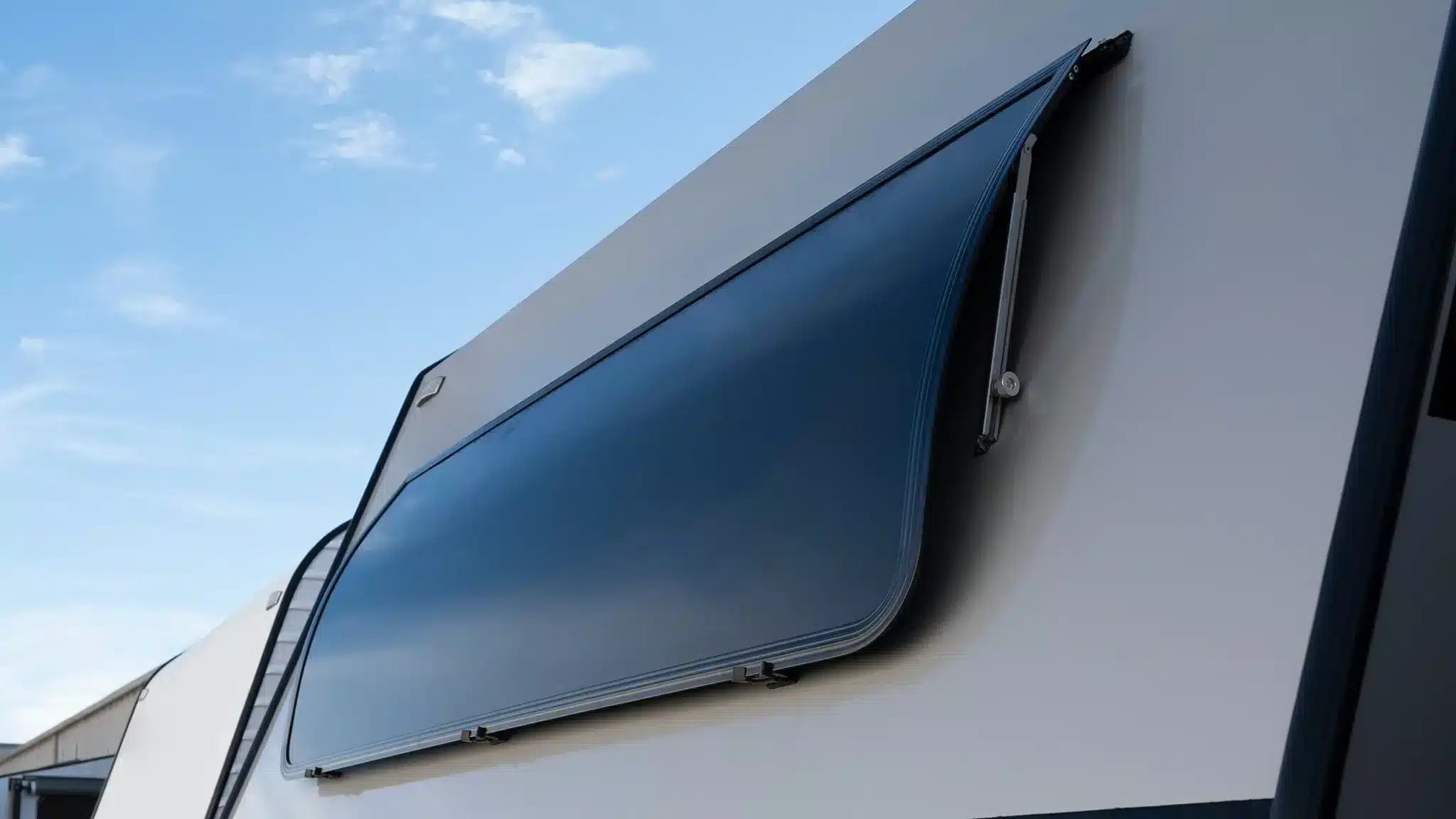
What Problem It Solves
Direct sun quickly heats vehicle and caravan interiors, increasing reliance on fans and draining batteries.
What to Look For
- Reflective or insulated backing
- Secure fit (magnets, suction or Velcro)
- Easy removal and storage
- Window-specific sizing
Why It’s Popular Right Now
Heat management is one of the biggest summer challenges. Reflective covers reduce radiant heat before it enters the vehicle, lowering interior temperatures and reducing power use.
DIY options are common, but off-the-shelf kits offer faster setup and better fit.
Typical cost: $40–$150
6. Tyre Pressure Monitoring Systems – Hot Road Safety
What Problem It Solves
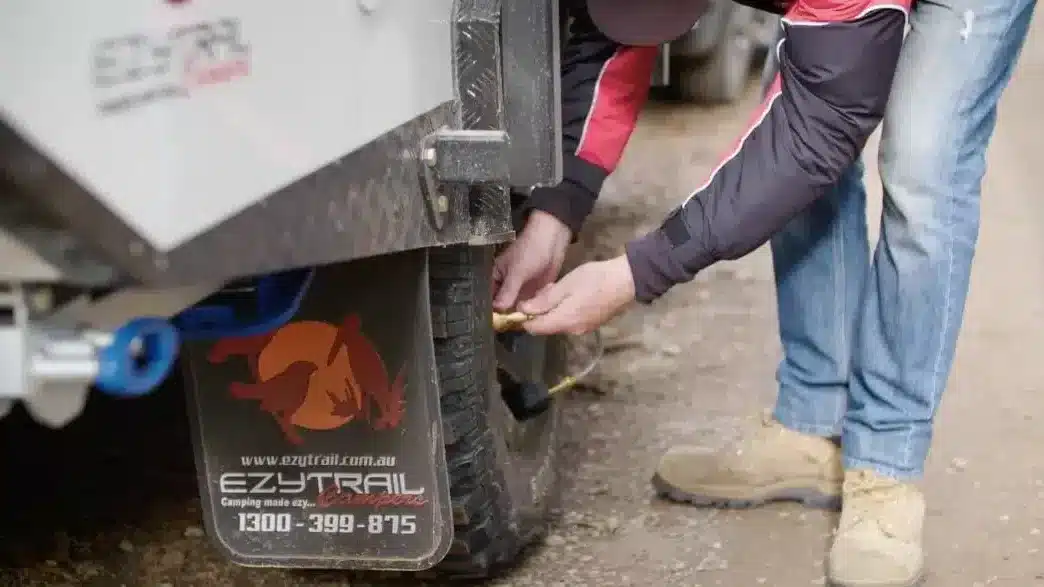
Tyre pressure changes rapidly on hot bitumen, increasing the risk of blowouts, especially when towing.
What to Look For
- Real-time pressure and temperature readings
- Sensors for both tow vehicle and caravan
- Audible alerts
- Solar or USB-charged display
Why It’s Popular Right Now
As more travellers tackle long distances in summer heat, TPMS units provide early warnings that can prevent costly and dangerous failures.
Maintaining correct tyre pressures becomes even more important in hot conditions, particularly when towing. Many travellers use pressure monitoring systems alongside established tyre pressure guidelines to reduce the risk of heat-related tyre failures on long summer drives.
Typical cost: $200–$300
7. 12V Travel Ovens – Hot Meals Without the Stop
What Problem It Solves
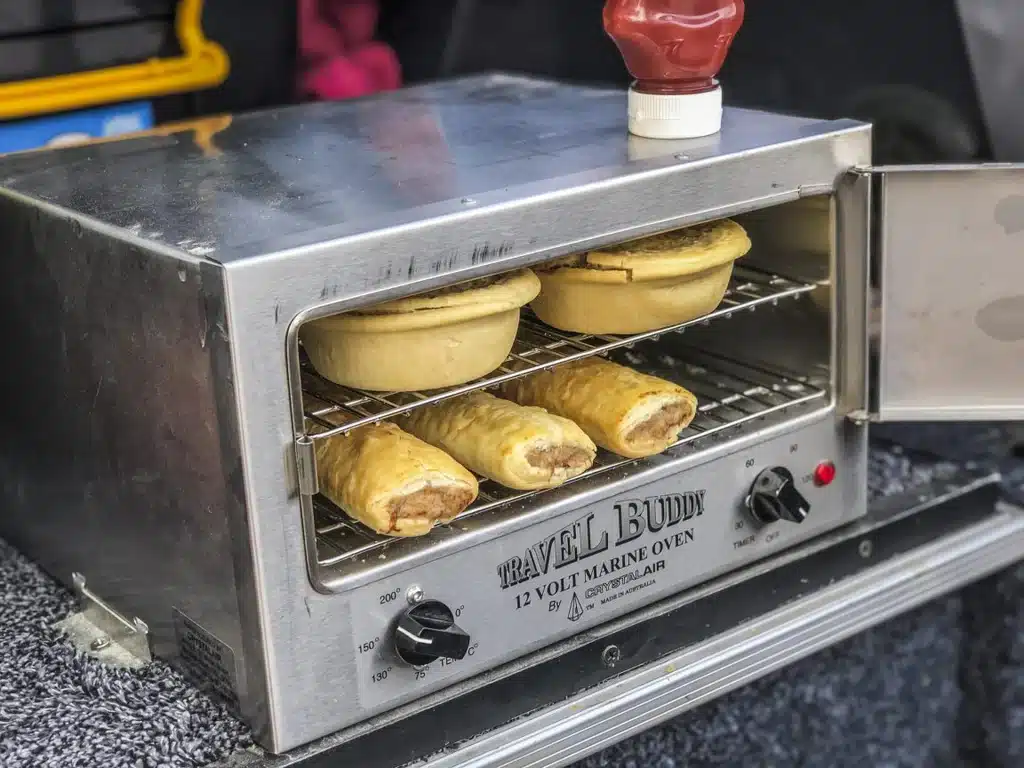
Long driving days often mean cold food or expensive servo stops.
What to Look For
- Consistent internal temperature
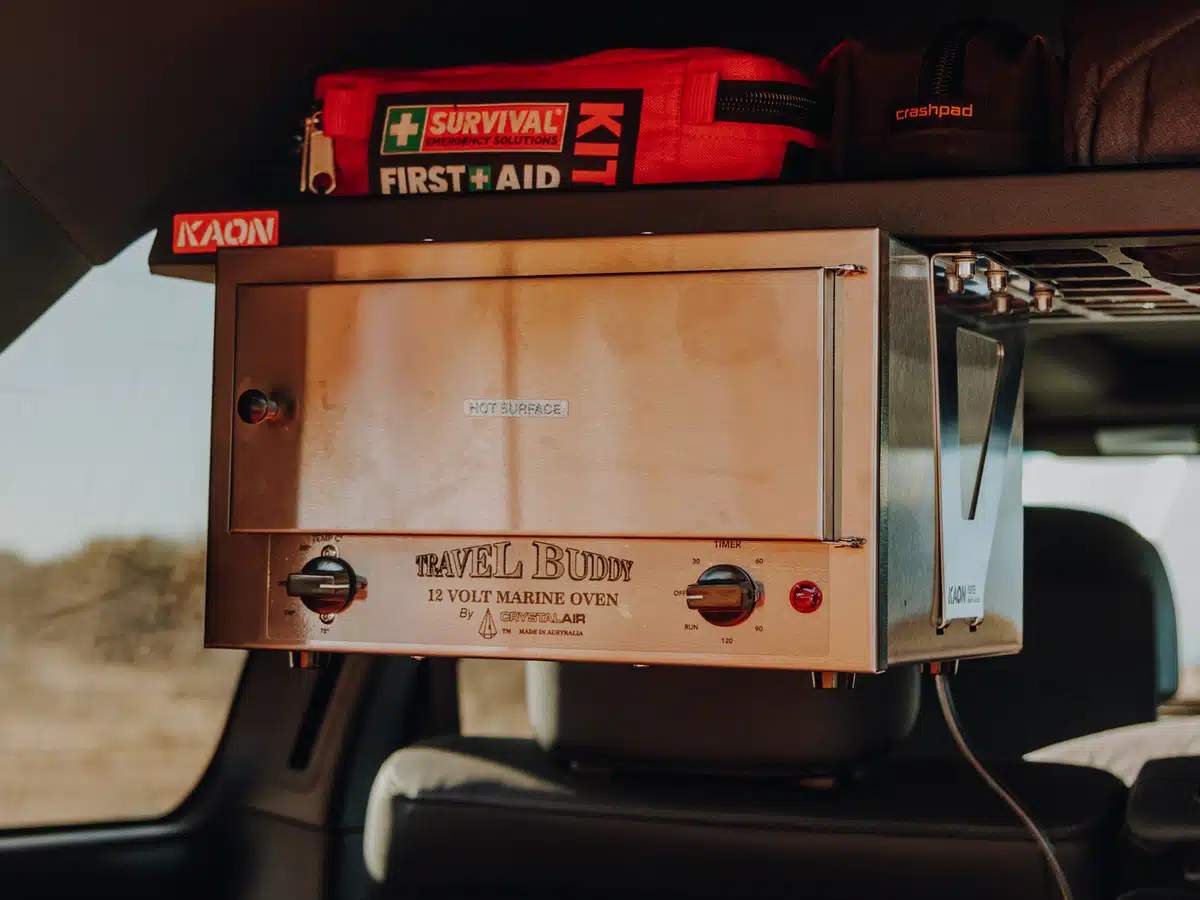
- Secure mounting
- Adequate internal capacity
- Proven reliability
Why It’s Popular Right Now
Being able to heat meals while driving saves time, money and effort at camp. It’s a comfort upgrade that quickly becomes part of daily travel routines.
Typical cost: $250–$280
What Travellers Should Know Before Adding Upgrades
- Small upgrades still add to total power draw, battery capacity matters.
- Weight adds up quickly, particularly on tow vehicles.
- Compatibility checks prevent unnecessary modifications.
- Some installs are DIY-friendly, others are best handled professionally.
The Takeaway
Big improvements don’t always come from big spending.
These upgrades focus on the everyday realities of summer travel. Heat, water, power and safety. All designed to make touring simpler rather than more complicated. For many travellers, they’re the difference between managing a trip and enjoying it.