

The “Set and Forget” Insurance Era Is Ending
For many caravanners, insurance has long been a background cost, essential, rarely revisited, and often renewed without much thought. However, rising insurance costs for caravanners are now becoming a significant concern for many.
That approach is changing. In fact, rising insurance costs for caravanners are a topic many discuss when faced with their renewal notices.
As insurance premiums continue to rise across Australia, more travellers are opening renewal notices and asking a pointed question: am I paying for genuine protection, or paying more each year for the same level of cover?
Premiums Are Rising — Even Without Claims
Insurance costs have been increasing steadily across Australia, even for households with clean claims histories. According to consumer finance research from Canstar, average home and contents insurance premiums rose by around 14 per cent nationally over the past year. Some states recorded even higher increases.
While caravan insurance premiums are not reported separately at a national level, they operate within the same insurance market and are influenced by similar cost pressures. For instance, rising insurance costs for caravanners reflect these broader market changes.
Insurers consistently cite higher claim volumes, rising repair and rebuilding costs, labour shortages, and increased reinsurance expenses as the main drivers behind these premium increases. This position is echoed by the Insurance Council of Australia and major insurers in public commentary.
Extreme Weather Is Reshaping Insurance Risk
One of the strongest contributors to rising insurance costs has been the growing impact of extreme weather.
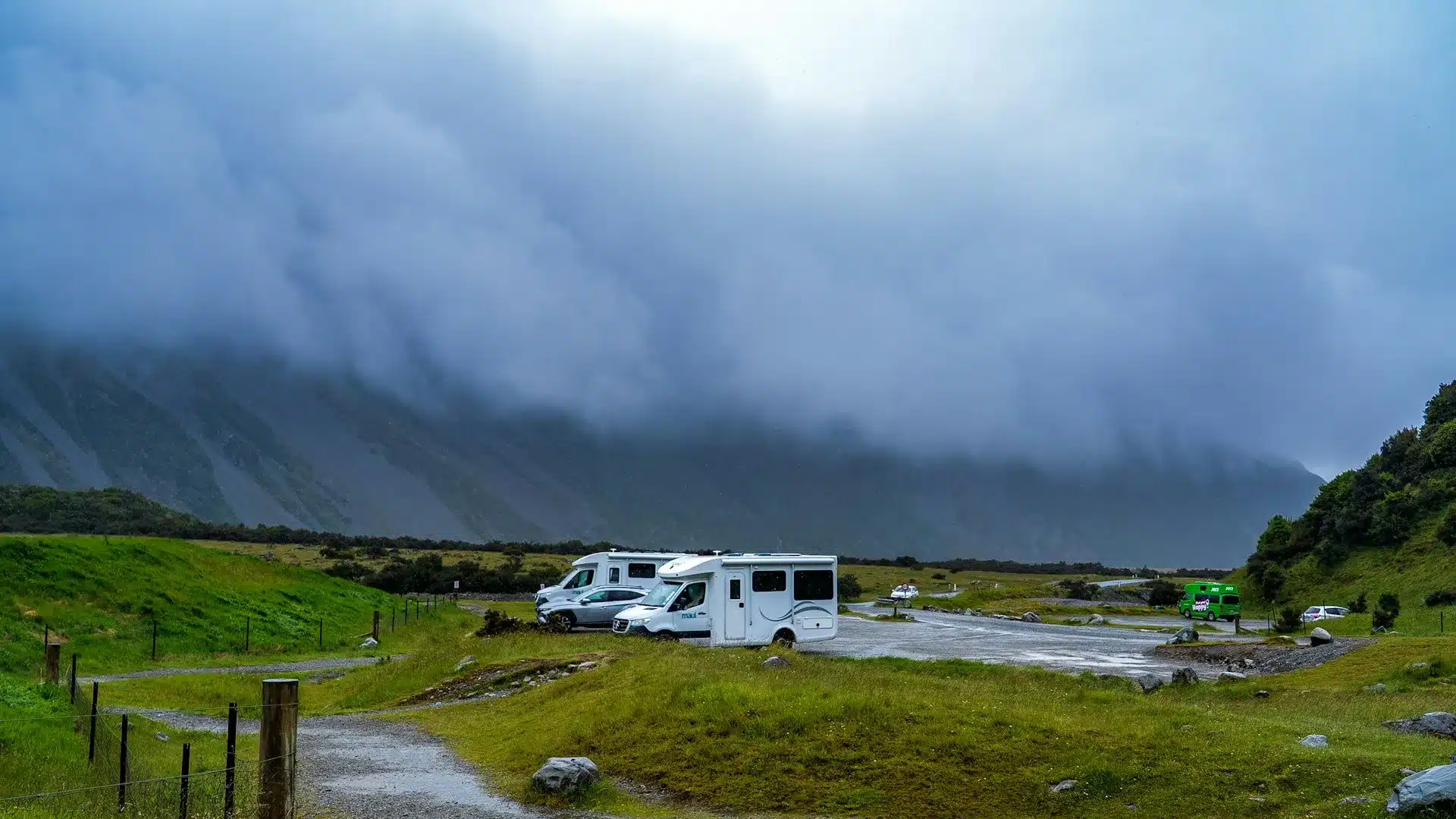
travel disruptions linked to extreme weather
Industry data from the Insurance Council of Australia shows that insured losses from floods, bushfires, storms and hail have increased significantly over the past decade. There are more frequent events and higher average claim costs. In some recent reporting periods, weather-related insurance claims were substantially higher than historical averages. This has placed sustained pressure on insurers.
For caravanners, this risk profile is particularly relevant. Caravans are mobile assets, commonly stored outdoors and often used in regional, coastal or bushfire-prone areas, locations that are more exposed to severe weather events. As insurers reassess risk across these environments, higher costs are increasingly reflected in premiums. As a result, these pressures are increasingly reflected in caravan insurance premiums.
This Is Where Caravanners Start to Disagree
As insurance costs rise, travellers are responding in different ways.
Some caravanners are reassessing whether comprehensive cover still makes sense, particularly for older vans, shorter trips, or tighter household budgets. Adjusting excess levels, reviewing contents cover, or bundling vehicle and caravan insurance with the same provider are among the strategies being used to manage costs.
Others take a different view.
With floods, fires and storms affecting popular touring regions more regularly, some travellers argue that reducing cover increases financial risk at the very moment risk is rising. For those travelling long-term or far from home, a major insurance loss can involve significant recovery costs, delays, and logistical challenges. This can potentially outweigh any savings made on premiums.
Are We All Overestimating What We’re Covered For?
Another factor fuelling the debate is policy complexity.
Many travellers assume their insurance automatically covers flood damage, off-road travel, or theft from campsites. In reality, coverage varies significantly between policies, and exclusions can apply depending on location, usage and circumstances. Consumer advocates and insurers alike have warned that misunderstandings around policy wording remain a common cause of dispute.
As premiums rise, more caravanners are reading policy documents more closely and, in some cases, discovering gaps or limits they were not previously aware of. Consequently, rising insurance costs for caravanners make it vital to review your policy carefully.
Is Insurance Becoming a Travel Decision?
The discussion now extends beyond premiums alone.
Research into insurance affordability has shown that a growing number of Australian households are experiencing insurance stress, defined as spending a disproportionate share of income on cover. Studies cited by the Actuaries Institute and consumer groups suggest this pressure has increased in recent years as premiums outpace wage growth.
For caravanners, insurance sits within a broader cost equation that includes fuel, park fees, maintenance and vehicle running costs. As those expenses rise together, insurance decisions are increasingly influencing not just how people insure. Instead, they affect how often they travel, how far they go, and how long they stay on the road.
No Single Answer — But a Shift Is Clearly Underway
There is no universal solution.
Some caravanners will prioritise maximum protection and accept higher premiums as part of travelling in an increasingly unpredictable environment. Others will take on more risk to remain mobile and manage costs. Above all, rising insurance costs for caravanners shape the way people travel and budget.
What is clear is that insurance decisions are no longer passive. As 2026 approaches, caravanners are being pushed to actively balance affordability, risk and peace of mind. Many are making different choices than they would have a few years ago.
And that leaves a final question hanging over the debate:
are rising insurance costs quietly reshaping who can afford to travel Australia by caravan?