
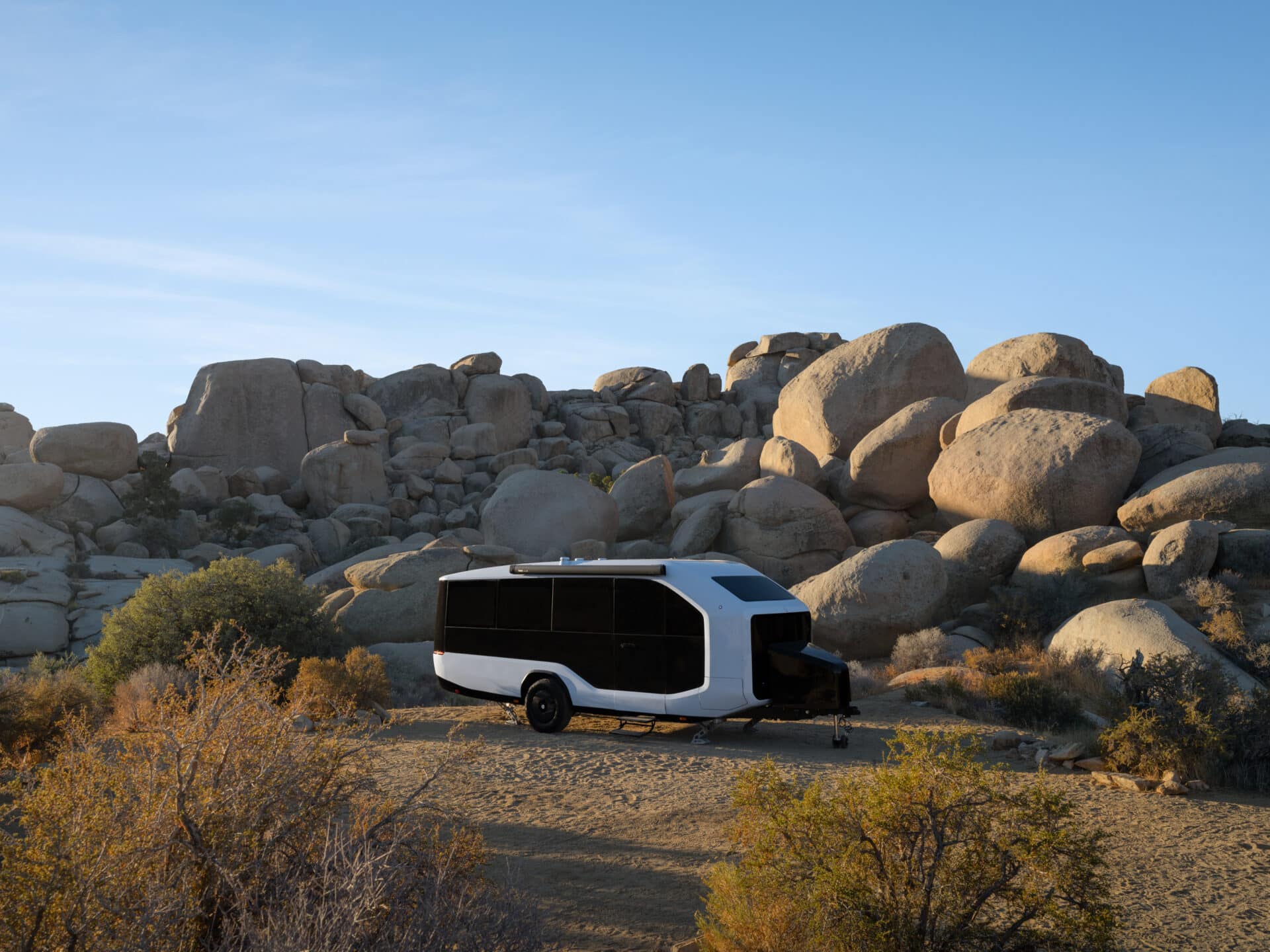



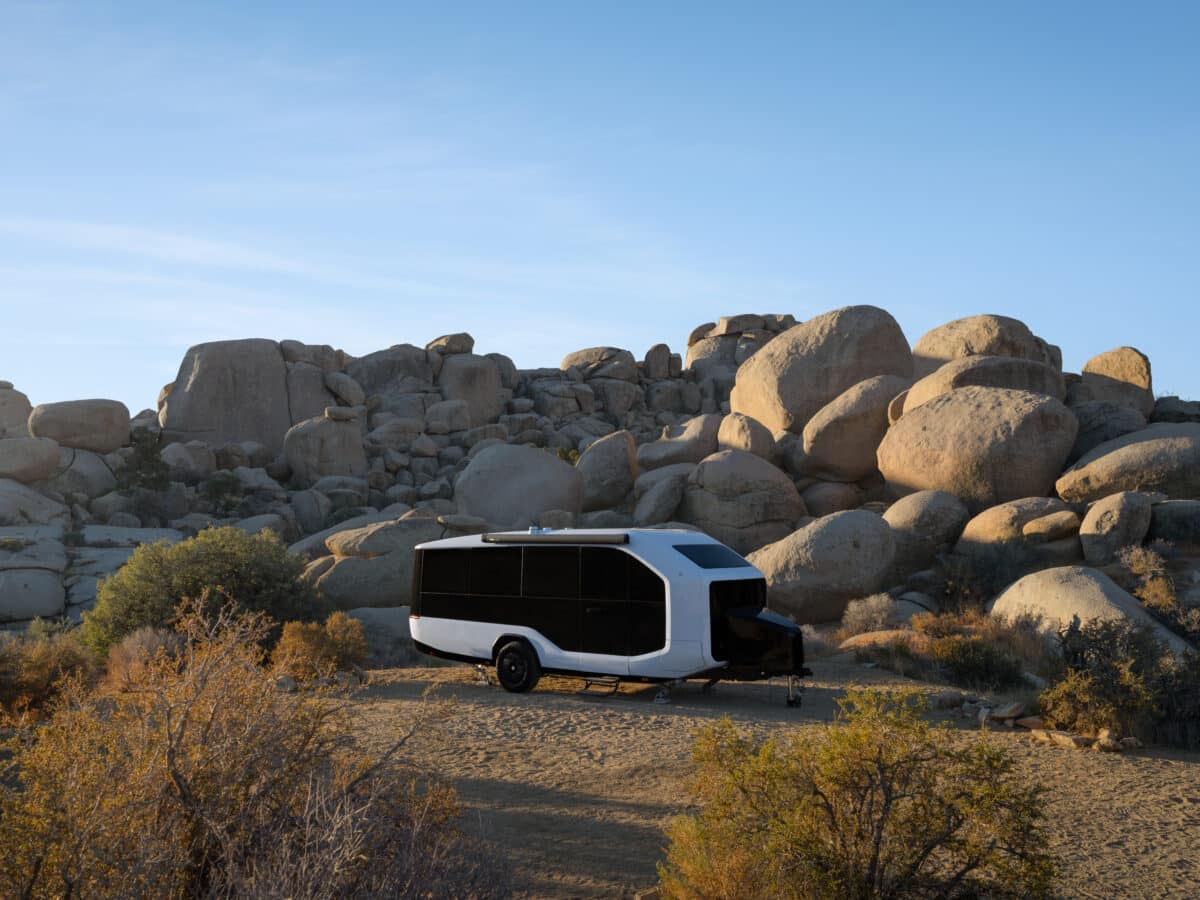
California-based startup PebbleLife has entered the global RV conversation with the Pebble Flow, a fully electric travel trailer designed to reduce the complexity traditionally associated with towing, setup and off-grid living.
Developed by a team with backgrounds in automotive and consumer technology, the Pebble Flow reflects a growing push to modernise recreational vehicles through electrification, automation and software-driven design.
Who Is PebbleLife?
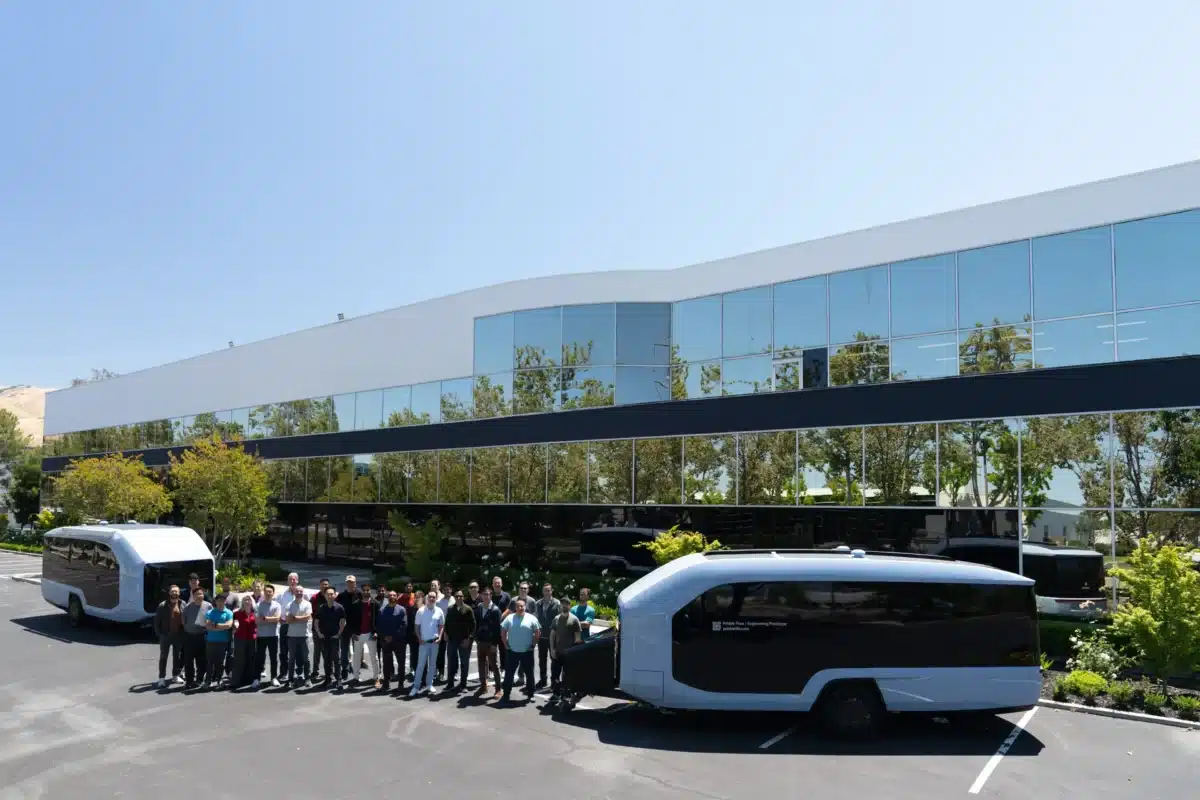
Former engineers from companies including Apple, Tesla and other autonomous vehicle firms founded PebbleLife as a US-based technology startup.
Rather than positioning itself as a traditional RV manufacturer, the company approaches the sector from a product design and systems perspective. Its stated aim is to simplify how people travel and live on the road by removing manual processes that have long been part of RV ownership.
The Pebble Flow: A Different Approach to Travel Trailers
At the centre of PebbleLife’s offering is the Pebble Flow, a 100 per cent electric travel trailer that operates without propane or petrol-powered generators.
The trailer uses a 45kWh lithium-iron phosphate battery, with optional 1kW rooftop solar panels providing additional charging support. Depending on usage, PebbleLife says the system can support up to seven days of off-grid camping.
The Pebble Flow supports AC charging, DC fast charging, solar input and regenerative charging while towing, giving owners more flexibility across different travel and campsite scenarios.

Towing and Setup, Reworked
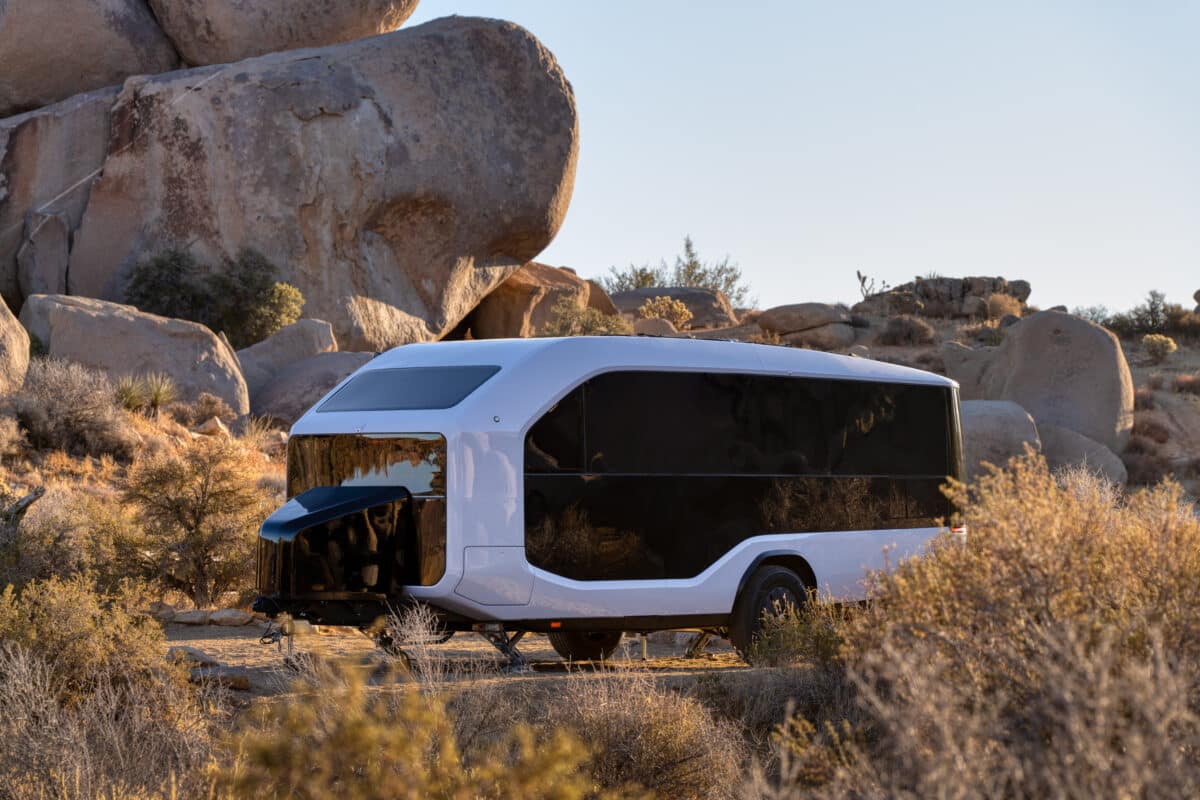
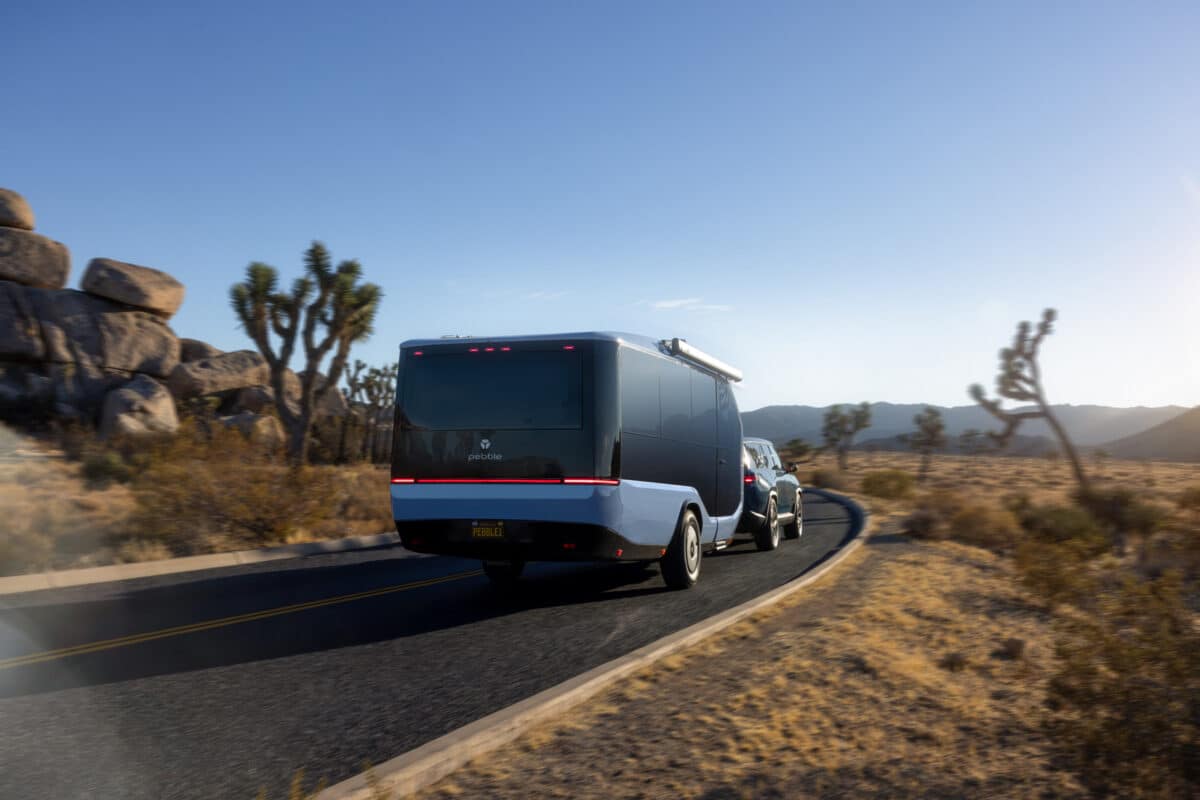
One of the Pebble Flow’s more notable features is its dual-motor Active Tow Assist system. Electric motors mounted on the trailer axle provide propulsion support while towing, reducing load on the tow vehicle.
According to PebbleLife, the system aims to:
- Improve stability while towing
- Reduce energy loss for electric tow vehicles
- Improve efficiency for petrol and diesel vehicles
Once unhitched, users can manoeuvre the trailer remotely using a smartphone app, making it easier to position in tight campsites.
The system also automates most of the campsite setup process. Pebble’s InstaCamp system handles levelling, stabilisers, steps, awning deployment and basic interior systems at the touch of a button. Packing down follows the same process in reverse.


Designed to Minimise Friction
PebbleLife’s design focus is firmly on reducing friction for users, particularly those new to RV travel.
A single mobile app controls most trailer functions, including:
- Power and battery management
- Lighting and climate control
- Hitching assistance
- Waste management
The goal, according to the company, is to make the experience intuitive rather than technical.
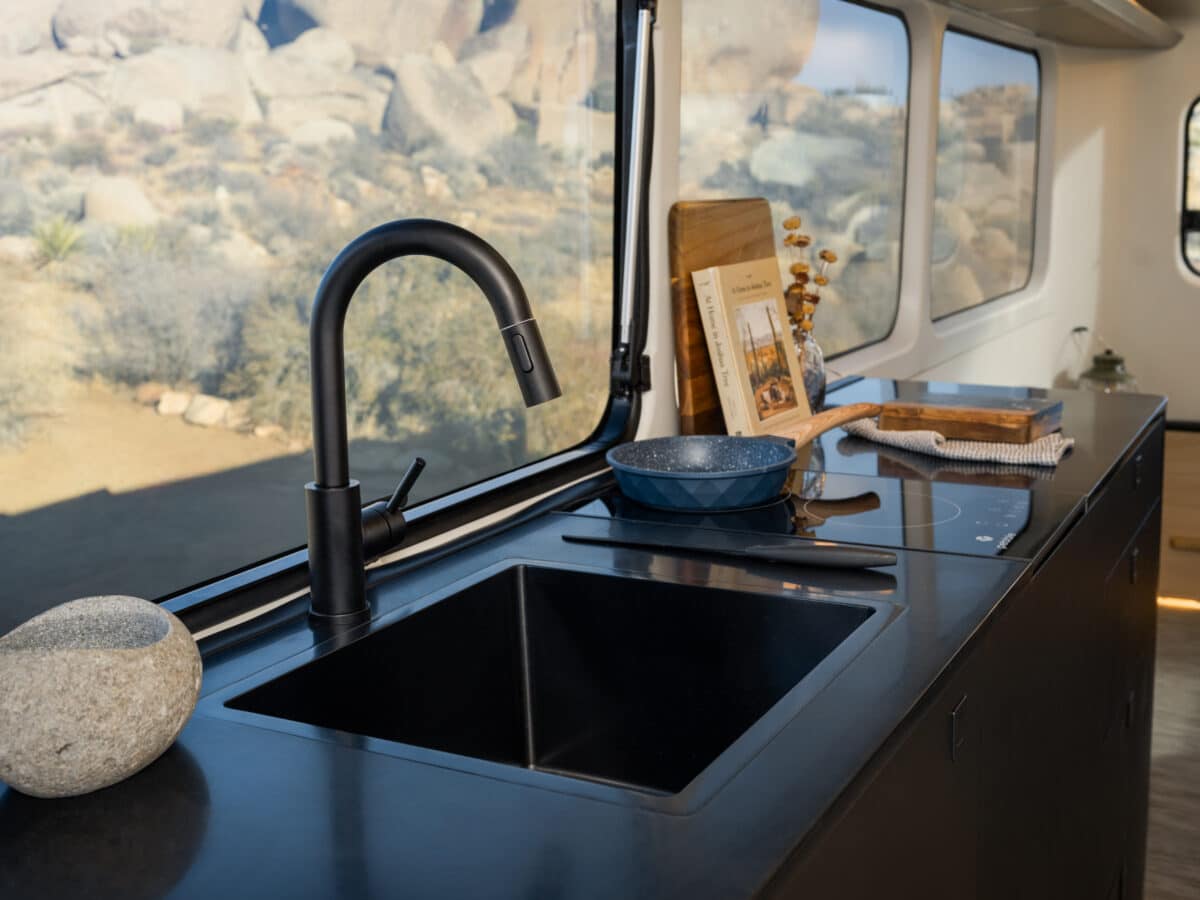
Inside, the Pebble Flow uses a flexible layout with convertible furniture, large panoramic windows and built-in power systems. The interior supports both travel and remote work, reflecting broader shifts toward mobile lifestyles.



Business and Market Context
PebbleLife operates from California and has raised more than US$13 million through seed and Series A funding rounds. Investors include Lightspeed and Vision+ Capital.
The company draws heavily on automotive and consumer electronics experience, applying software, electrification and automation principles to a sector that has traditionally evolved slowly.
Its arrival comes amid increasing global interest in electric vehicles, off-grid capability and low-emission travel options.
Industry Recognition
In 2024, Fast Company included PebbleLife in its World Changing Ideas list in the transportation category, citing the Pebble Flow’s potential contribution to sustainable travel and mobility.
The company has also involved early adopters through a co-creation program, allowing selected users to provide feedback during development and testing phases.
Pricing and Availability
Pebble Flow entered limited production in late 2024, with initial customer deliveries commencing in 2025.
Indicative pricing (USD) includes:
- Standard model: from approximately US$113,500
- Magic Pack model: around US$139,500
- Founders Edition: approximately US$179,000 (limited allocation)
Buyers must place a refundable US$500 deposit to secure a reservation. PebbleLife expects production to increase through 2025 and into 2026.
At this stage, the company has not confirmed plans for international sales, including Australia.
Why It Matters
While PebbleLife currently targets the US market with the Pebble Flow, the trailer signals where parts of the global RV industry may be heading.
Automation, electric power systems and reduced reliance on manual setup are becoming more prominent in new designs. For travellers, that points to quieter campsites, easier towing and fewer barriers to getting on the road.
Whether PebbleLife expands beyond North America remains uncertain. The Pebble Flow reflects a broader shift in how manufacturers rethink recreational vehicles, not as purely mechanical products, but as integrated systems built around user experience.