
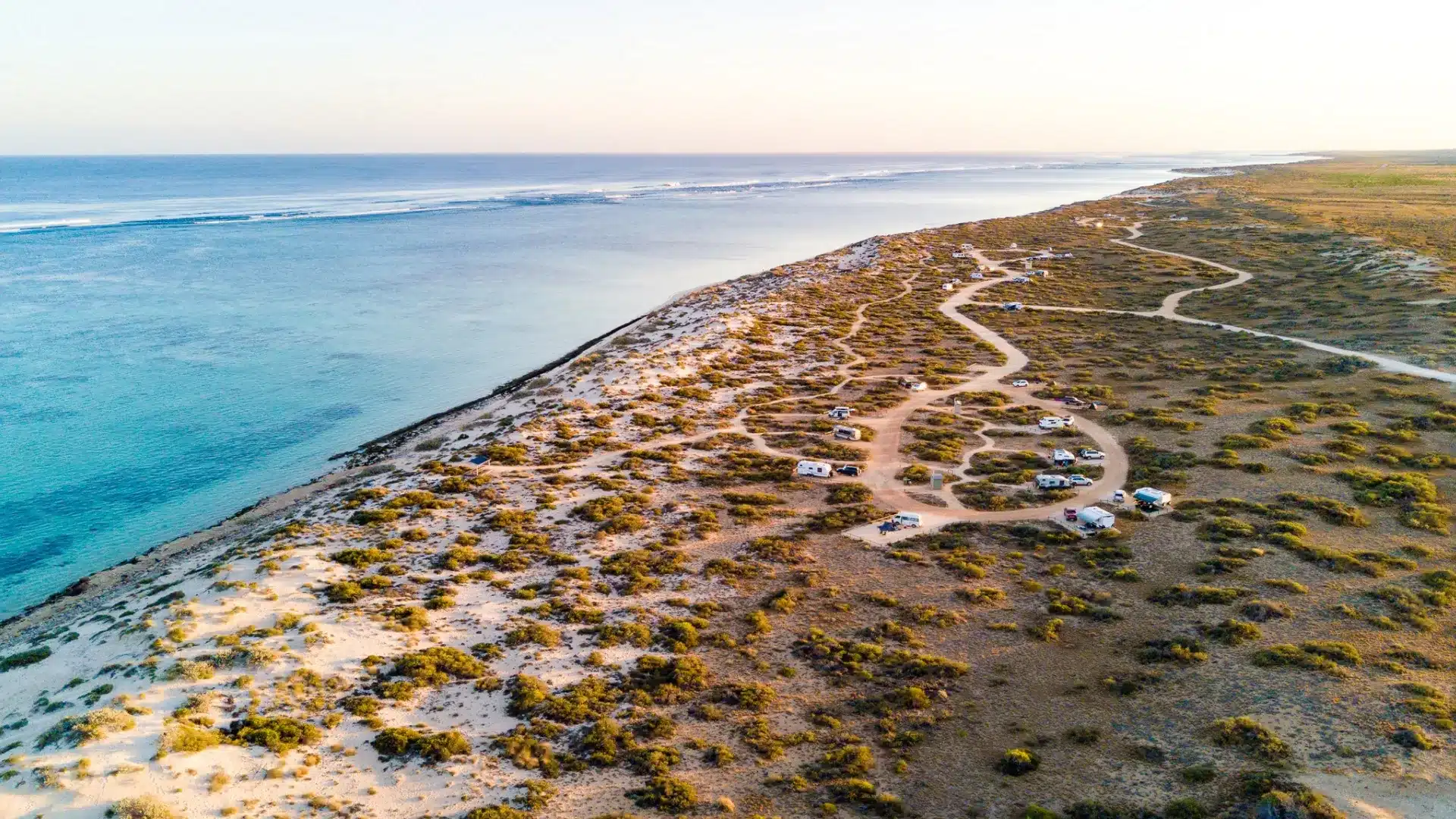
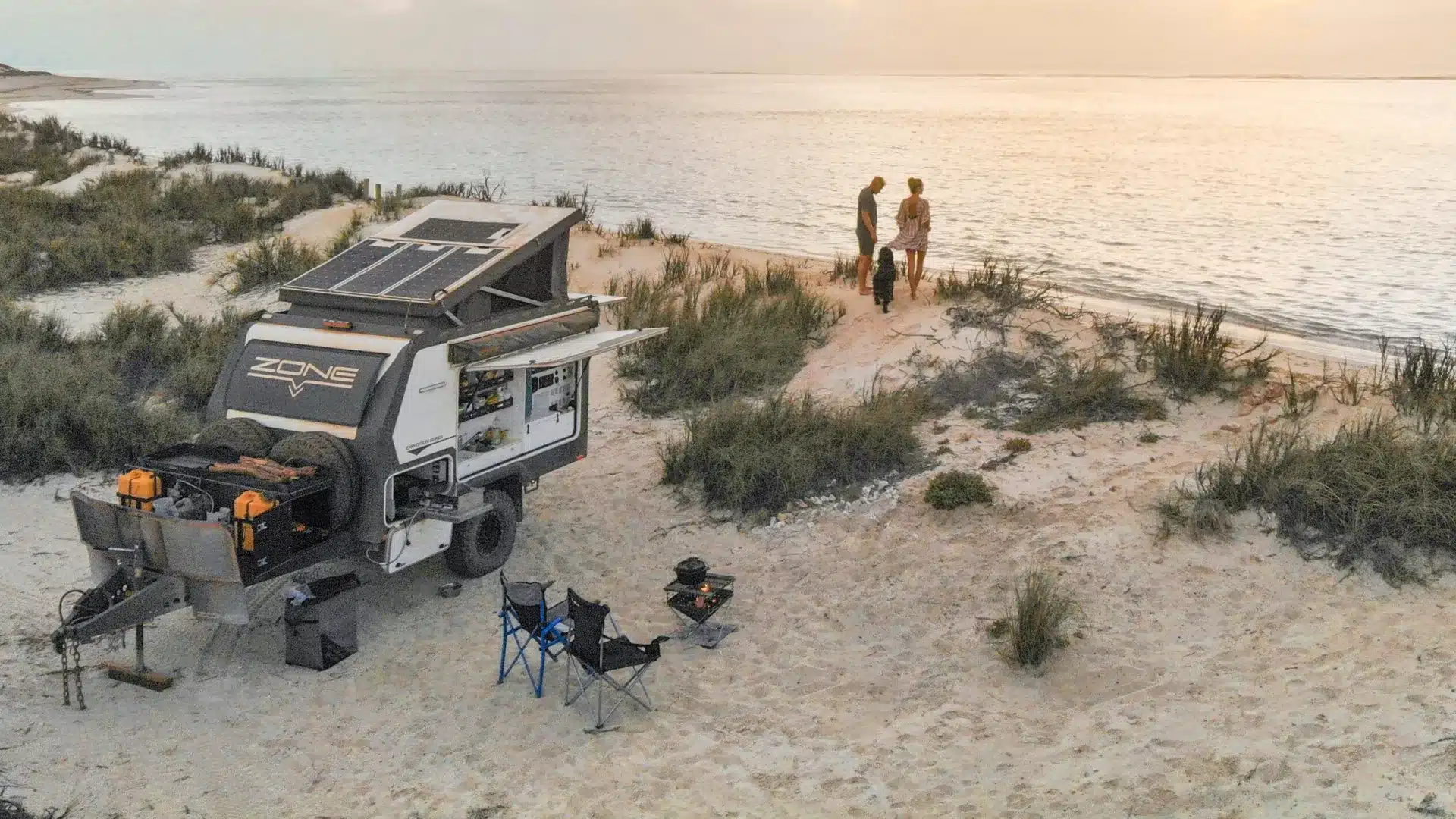
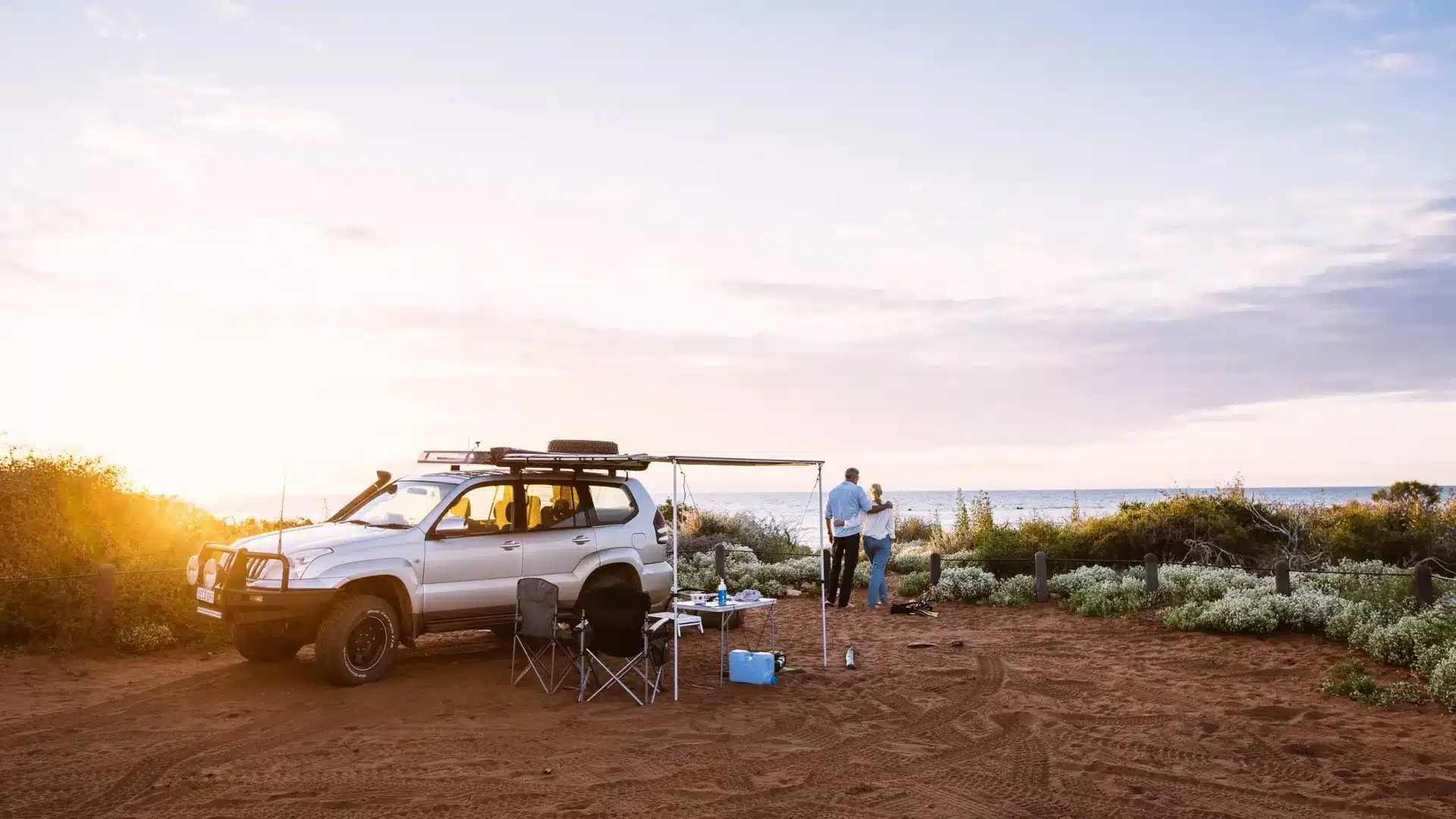

The three-month trial replaces daily rollovers with fixed monthly release dates, changing when campsites become available to book.
From February 2026, camping bookings along Western Australia’s Ningaloo Coast will change under a new trial system, with campsites released in monthly blocks instead of daily rollovers during peak travel periods.
The Department of Biodiversity, Conservation and Attractions (DBCA) has confirmed the three-month trial will apply to all Parks and Wildlife Service campgrounds along the Ningaloo Coast World Heritage Area, replacing the current rolling 180-day booking model.
How the New Booking System Will Work
Under the trial, Ningaloo Coast campsites will be released six months in advance, in set monthly blocks rather than day-by-day.
Bookings will open at 10am (AWST) on the first Tuesday of each month, with each release adding roughly one month of availability.
2026 booking release schedule
When bookings open, and the stay dates each release covers.
3 Aug – 27 Aug 2026
28 Aug – 24 Sep 2026
25 Sep – 29 Oct 2026
This replaces the existing system where new dates became available nightly at midnight, a structure that has long shaped how travellers plan peak-season trips.
DBCA says the change is designed to make booking times clearer and more consistent, while easing pressure during periods of high demand.
Which Campgrounds Are Included
The trial applies to all Parks and Wildlife Service campgrounds along the Ningaloo Coast, including sites within:
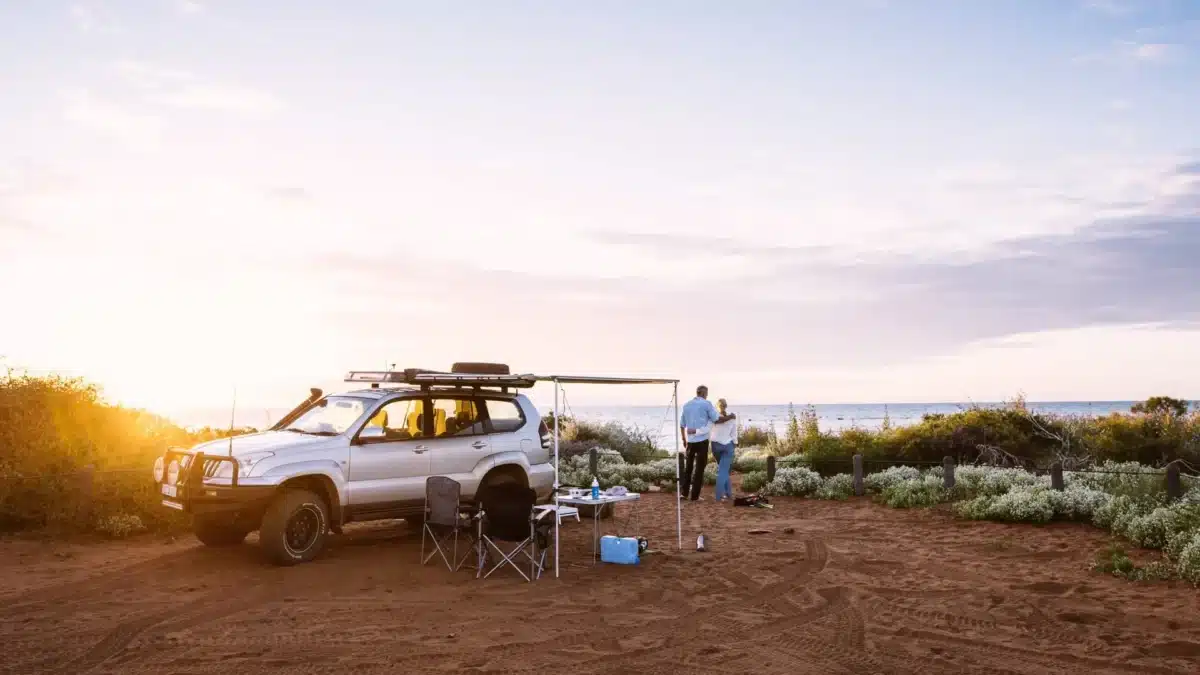
- Cape Range National Park
- Nyinggulara National Park (formerly Ningaloo Station)
- Nyinggulu Coastal Reserves
This includes popular campgrounds such as Osprey Bay, Yardie Creek, Kurrajong and 14 Mile Beach.
No other WA parks are included in the trial. All remaining Parks and Wildlife Service campgrounds across Western Australia will continue operating under the standard rolling booking system.
Why the Change Is Being Trialled
Ningaloo is one of Western Australia’s most popular coastal camping destinations, particularly during winter and school holiday periods.
DBCA says the trial responds to high cancellation and no-show rates, where campsites are booked well in advance but then cancelled late or left unused.
In some cases, campgrounds appear fully booked online while travellers report vacant sites once on the ground. Rangers can cancel bookings after extended no-shows, and the Park Stay WA system allows full refunds up to one day before arrival, but DBCA says booking behaviour remains a challenge during peak periods.
The department says the block-release model may help reduce speculative bookings by limiting how far ahead dates can be secured and by making release times more predictable.
What Travellers Need to Know
Travellers planning a Ningaloo trip in 2026 will need to adjust how they approach bookings.
Key points:
- Bookings only open on set days — the first Tuesday of each month at 10am AWST
- High demand is expected, particularly for winter and school holiday periods
- Time zones matter for travellers booking from eastern and central Australia
- Split bookings may be required for trips that span two booking blocks
Camping fees, maximum stay limits and park rules are not changing as part of the trial. The system affects when bookings become available, not how long travellers can stay or what they pay.
DBCA also notes that cancellations will continue to occur, meaning availability may reappear closer to travel dates.
More details on the trial, including full campground listings and booking conditions, are available through the official DBCA Ningaloo Coast camping trial FAQs.
What Happens After the Trial
The Ningaloo Coast booking trial will run for three months, with the final scheduled release in April 2026. DBCA will then review whether the system has reduced cancellations and improved access for campers.
If the trial is considered successful, similar booking models could be tested at other high-demand camping destinations in Western Australia. For now, Ningaloo remains the sole testing ground.
For travellers, the takeaway is straightforward: planning ahead still matters — but under the new system, knowing when to book will be just as important as knowing where to camp.
Further Reading