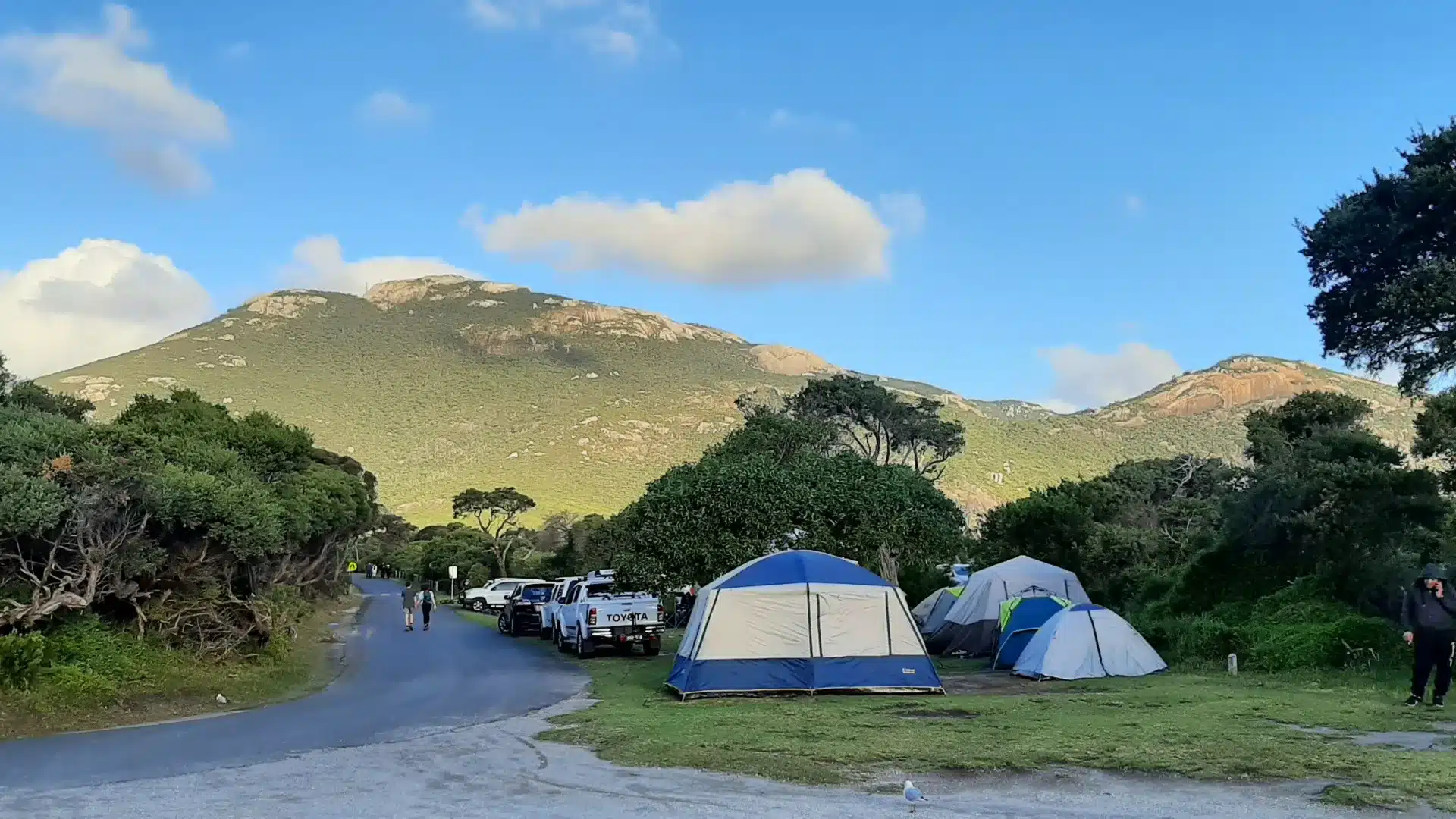

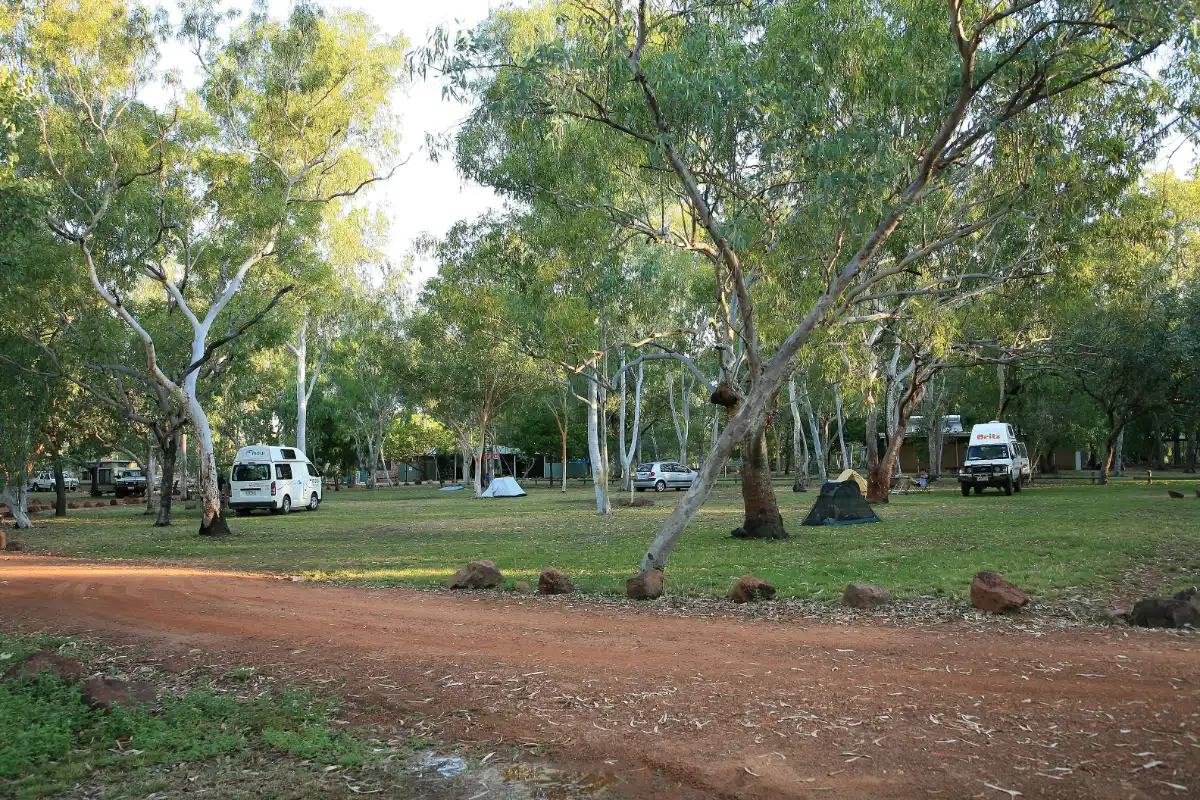
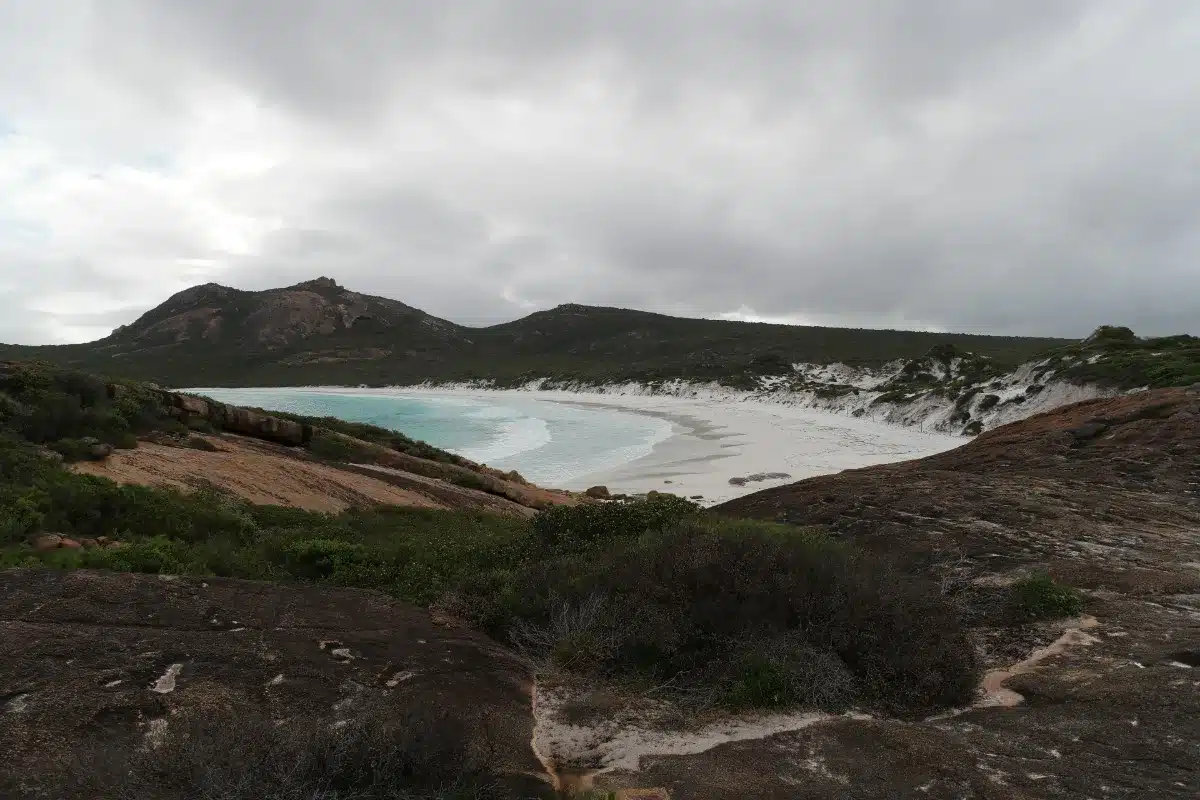
Australia does not have a national park camping fee. It has eight of them, and they barely resemble each other. Some states charge per person, some per site. Victoria is currently charging half its own price. Tasmania is about to change its whole system.
So we priced the same night for the same family in every state and territory: two adults and two children aged 6 to 15, at a basic national park campground with toilets. Every figure comes from the parks authority’s own fee schedule or booking system, checked on 14 October 2026.
What one night costs in every state
| State | How it is charged | Family of four |
|---|---|---|
| NSW | Per site for two people, plus each child and a 2.5% booking fee | $36.90 (Mill Creek) |
| VIC | Per site, currently half price | $16.00 to $17.80 (mid category) |
| QLD | Per person, capped at a family rate | $31.00 (statewide) |
| WA | Per person | $40.00 (basic facilities) |
| SA | Per site, usually including vehicle entry | $27.50 (Trig, Deep Creek) |
| TAS | Two-person minimum plus extras, or a family rate (until 2 November) | $16.00 (Richardsons Beach) |
| NT | Per person, or a family rate | $25.00 (category B) |
| ACT | Per person | $24.50* (Orroral) |
Prices vary between campgrounds in most states, so each figure is a named example of a basic campground with toilets. *ACT Parks’ booking system did not charge for children when we checked. All figures are for a weeknight in late October (Tuesday 27 October 2026); NSW is Mill Creek campground in Dharug National Park. Most SA campgrounds cost $15.40 to $27.50 a site, and Tasmanian unpowered family rates range from $15 to $22 until 2 November.
The dearest state, Western Australia at $40, charges this family two and a half times what Victoria charges off-peak, and what Tasmania charges until 2 November. Part of that gap is the rate itself, and Victoria’s subsidy. The rest is how each state counts.
Western Australia charges per person per night: $15 per adult and $5 per child at a campground with toilets and tables. That is fair to a couple and expensive for a family. South Australia goes the other way and prices by the site, so a family of five pays the same $27.50 as a solo camper at Trig campground in Deep Creek National Park, and most SA campground bookings include the vehicle entry fee as well. Queensland sits in between, at $7.75 per person or $31 per family per night, the same rate in its national parks, other protected areas and state forests.
Per-person pricing is kinder to couples than to families. Per-site pricing is the reverse, which is why the same family pays $40 at a basic WA campground and $27.50 at Trig, while a couple would pay $30 and $27.50.
Tasmania changes its prices on 3 November
Tasmania is switching to a flat price per site, for up to six people, from 3 November 2026, when its new online booking system starts. The price varies by campground. Parks and Wildlife Service Tasmania has already paused new bookings for stays from that date while the system changes over.
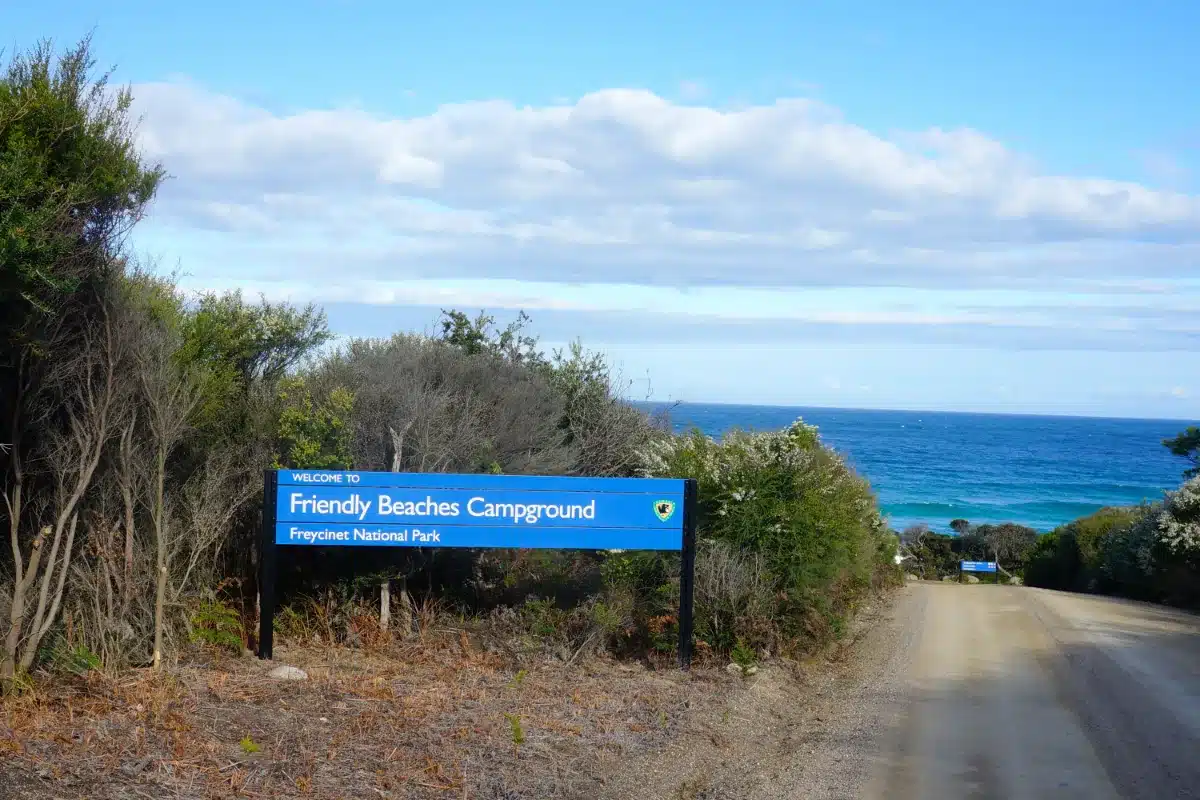
At Freycinet’s Richardsons Beach, the published fees show what that means. An unpowered site for two people costs $13 until 2 November and $24 from 3 November, a rise of 85 per cent. The family rate, for two adults and three children, is $16 now, so our family of four pays $16 until 2 November and $24 afterwards. Powered sites move further: a couple goes from $16 to $35, more than double.
Larger groups come out ahead. Six adults sharing an unpowered site pay $33 under the current rules and $24 under the new ones. Some campgrounds also sit at a lower $18 a site, including Honeymoon Bay, Maria Island’s Darlington and Narawntapu. Remember the camping fee comes on top of the parks pass Tasmania requires for every national park.
Two adults, two kids, one night: what each state charges
A basic national park campground with toilets. Camping fee only, priced from each parks authority’s own fees and booking systems on 14 October 2026.
One night, family of four
Notes: Tuesday 27 October 2026. Named examples: NSW Mill Creek (incl. 2.5% booking fee), SA Trig, Tasmania Richardsons Beach (unpowered), ACT Orroral; Victoria is the mid category, WA basic facilities, NT the category B rate. *ACT’s booking system did not charge for children when we checked.
The numbers behind the bills
Dearest vs cheapest
2.5x
WA’s $40 against $16 in Victoria off-peak, or at Richardsons Beach until 2 November.
Tasmanian couple
+85%
An unpowered site at Richardsons Beach goes from $13 to $24 on 3 November.
Powered: $16 to $35Tasmania Holiday Pass
Day 3
Two $49.15 daily passes cost 5c less than the $98.35 Holiday Pass.
WA Annual All Parks Pass
Park 8
The $130 pass beats $17 vehicle entry from the eighth park.
5-day pass: park 2Assumptions: two adults and two children aged 6 to 15, one night, basic category with toilets, no concessions, park entry excluded. Victoria’s rates include the government’s 50% discount. Pass maths assumes one entry fee per park visited. Sources: NPWS, Parks Victoria, QPWS, DBCA, NPWS SA, PWS Tasmania, NT Parks, ACT Parks.
Victoria’s half-price camping runs to July 2027
Victoria’s figures look cheap because they are. The Parks Victoria fee schedule states that its 2026-27 rates already include the government’s 50 per cent discount, and the state is spending $10.5 million to keep camping fees half price at Parks Victoria campgrounds until July 2027.
Fees are per site and vary by season. A mid-category campground, Parks Victoria’s cheapest bookable category, with pit or composting toilets and no showers, costs $17.80 a night at peak times (Friday and Saturday nights from Melbourne Cup weekend to the end of February, plus the December and January school holidays, Labour Day weekend, the Easter school holidays and the Anzac Day long weekend), $16.90 on shoulder nights including weekdays from November to April, and $16.00 off-peak. At the top of the scale, a powered site at Tidal River on Wilsons Promontory is $43.00 in peak season. Booking through an operator costs $13.10; the schedule lists no fee for booking online.
The scheme has changed shape before: a $9 million free camping initiative ran until 30 June 2025, and half-price fees returned on 1 July 2025. This summer is covered. Parks Victoria has already published 2027-28 rates that also include the discount, but the funding announced so far runs to July 2027.
NSW still prices campground by campground
New South Wales has no statewide price list. Each campground has its own fee, and a booking can include a site fee, extra per-person charges and a booking fee, which is 2.5 per cent at the paid campgrounds we priced. Mill Creek in Dharug National Park is $24 a site plus $6 per child. At Depot Beach in Murramarang National Park, which has hot showers, a standard site is $34 plus $8.50 per child, and a large or powered site is $43 plus $11 per child, or $66.63 for our family once the booking fee is added. Even some free campgrounds carry a $6 booking fee.
You may have read that NSW has moved to a six-tier, per-site system with standard sites up to $89 a night in high season. That was a proposal. NPWS put it on public exhibition from 15 April to 25 May 2025, and its consultation page says the consultation has closed and that updates on any changes to camping fees will be provided on that page. When we checked on 14 October 2026, no decision had been published there, and the NPWS booking system was still quoting the per-campground structure for November stays.
Worth knowing: young children camp free in several states. Western Australia charges nothing for children aged 5 and under, and Queensland and Tasmania charge nothing for children under 5. The NT and NSW start their child rates at 5.
Park entry is a separate bill
Camping fees rarely include getting in. Here is where entry costs bite, and when a pass pays for itself.
- Western Australia charges $17 per vehicle at fee-paying parks, and if you are camping you pay it only for the first day. The 5-day Holiday Pass at $30 pays for itself on the second park. The $130 Annual All Parks Pass pays for itself on the eighth.
- Tasmania requires a pass for every national park. A daily pass, valid for up to 24 hours and excluding Cradle Mountain, is $49.15 per vehicle, and a Holiday Pass covering up to two months is $98.35. Two daily passes cost 5 cents less than the Holiday Pass, so it only wins from the third day. The annual pass is $104.75.
- NSW charges vehicle entry at 45 of more than 890 parks and reserves, $8 a day at most of them. The Multi Park Pass at $65 a year (excluding Kosciuszko) pays for itself on the ninth day; the All Parks Pass is $190.
- The Northern Territory charges visitors who do not live in the Territory a Parks Visitor Pass, priced per person. A family pays $25 for one day, $50 for three days or $75 for two weeks, so the two-week pass costs the same as three day passes. Kakadu and Uluru-Kata Tjuta are not covered.
- South Australia lets you drive into most of its 350-plus parks free, and where a vehicle fee applies, most campground bookings include it.
The Verdict
Do not compare the headline rates. Compare how each state counts. Per-person pricing rewards couples and penalises families, and per-site pricing does the opposite. That one difference is most of the reason our family pays $40 a night in Western Australia and $27.50 in South Australia.
Two dates matter. Victoria’s discount is funded to July 2027, and Tasmania’s new per-site prices start on 3 November. If you are planning a Tasmanian loop as a couple, budget for the new rates. If you are travelling as a big group, the new system is better news.
How we priced it
Figures are camping fees only and exclude park entry, extra vehicles and concessions. Fees change, so always check the booking page before you go. You can read more on holiday parks versus free camping, Ningaloo’s new monthly booking releases, and why ghost bookings make popular campsites so hard to get.
Images via Wikimedia Commons, cropped and resized: Sgroey, CC BY-SA 4.0 (featured image); W. Bulach, CC BY-SA 4.0; Dhx1, CC0; Pascal Vuylsteker, CC BY-SA 2.0; wanderingchina, CC BY-SA 3.0.