

Proposed new legislation in Tasmania could significantly strengthen protections for long-term caravan park residents. This marks a shift in how governments view caravan parks. They are now seen as part of Australia’s broader housing landscape rather than solely short-stay tourist accommodation.
The Tasmanian Government has released draft legislation aimed at modernising the rights and obligations of residents and park operators. This follows growing concern that existing laws no longer reflect how caravan parks are being used by many Australians.
Growing Use of Caravan Parks as Long-Term Housing
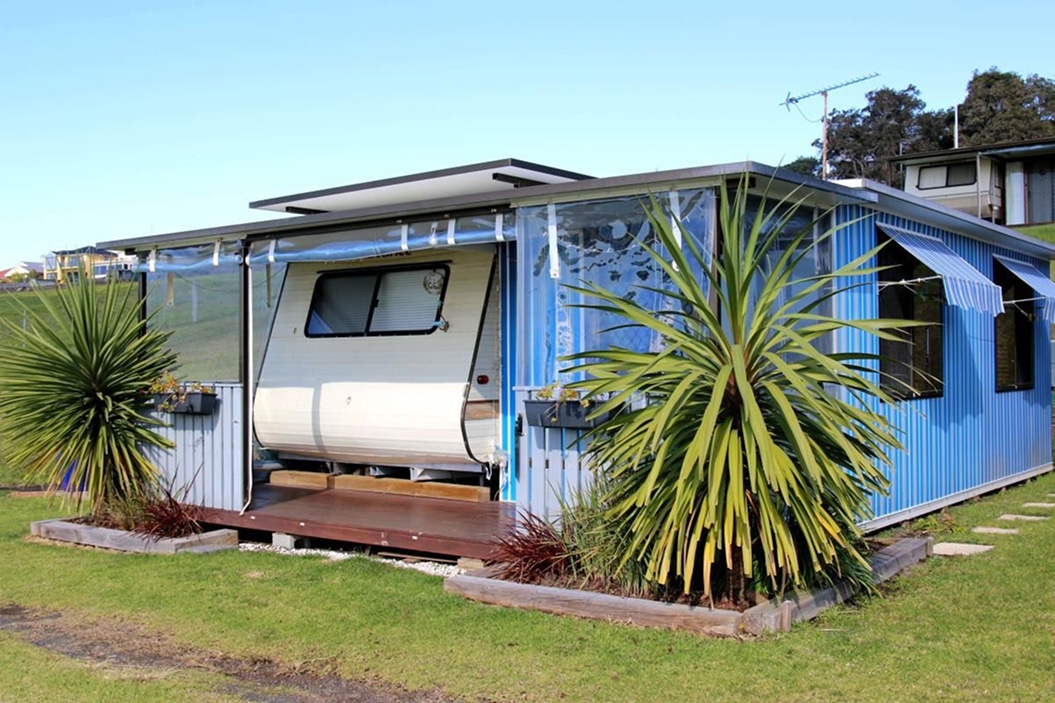
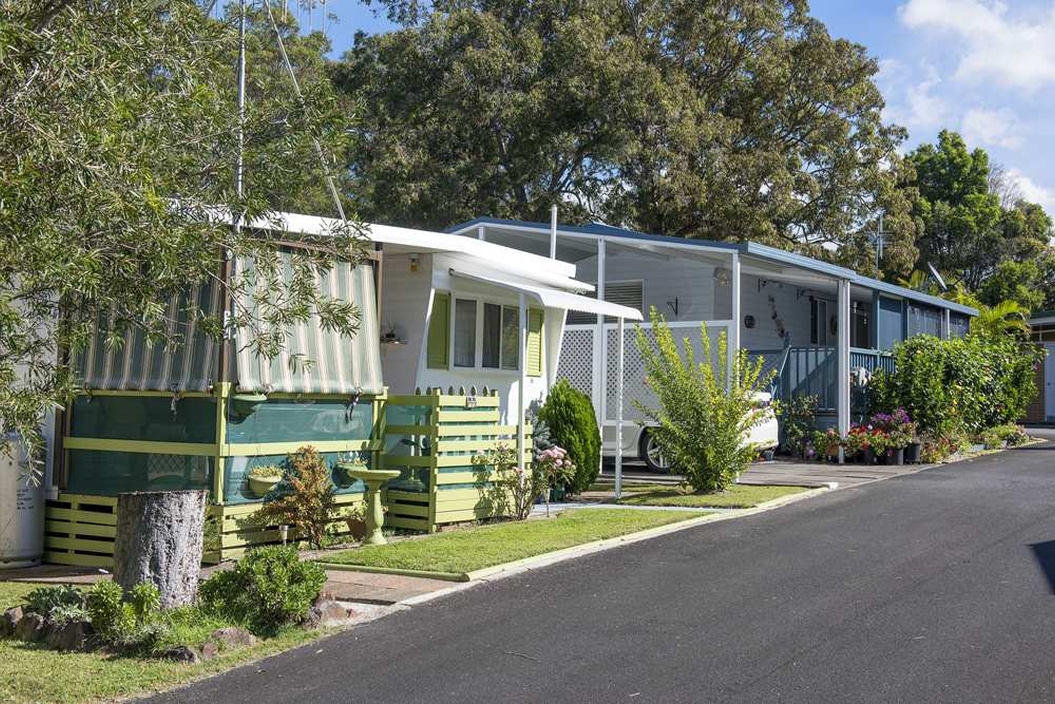
Across Australia, caravan and residential parks are increasingly home to long-term residents, including retirees, pensioners, and people seeking more affordable housing options. Rising rents, low vacancy rates, and cost-of-living pressures have pushed some Australians to consider caravan park living. It’s becoming a permanent or semi-permanent solution.
However, under current arrangements, long-term residents often sit in a legal grey area. While they may own their caravan or relocatable home, they typically rent the site beneath it. This leaves them exposed to rent increases, eviction notices, or restrictions that do not apply to standard residential tenants.
Under current Tasmanian legislation, long-term caravan park residents are not automatically covered by standard residential tenancy protections. This is despite often owning their homes and renting the land beneath them. This legal gap has been a key driver behind calls for reform, particularly in cases involving rent increases, evictions, or disputes over site agreements.
Why Reform Is Being Considered

In Tasmania, several high-profile disputes have highlighted these gaps. Residents have raised concerns about sudden rent hikes, limited notice periods, and uncertainty. They worry whether they can sell their homes on-site. In some cases, residents have lived in the same park for decades without the protections afforded under residential tenancy laws.
The proposed reforms follow a formal consultation process that began in 2024. This was after the Tasmanian Government released discussion papers examining the rights and obligations of caravan park owners and long-term residents. That process identified growing concern that existing legislation no longer reflects the reality of caravan parks being used as long-term housing.
Key Changes Proposed Under the Draft Laws
If passed, the legislation would introduce a framework more closely aligned with residential tenancy protections. Yet, it would still recognise the unique nature of caravan parks. Measures outlined in the draft reforms include:
- Restrictions on no-grounds evictions for residents holding long-term agreements, providing greater security of tenure
- Limits on rent increases, with site fees permitted to increase no more than once every 12 months and with appropriate notice
- Clear rights for residents to sell their homes on-site, preventing park operators from unreasonably blocking or delaying sales
- Formal dispute resolution pathways, allowing residents to challenge rent increases or park decisions through established legal processes
The proposed changes form part of the broader Residential Parks Bill 2026. This would apply to caravan parks as well as other residential park settings where people live long-term. The government says the aim is to create a clearer and more consistent framework across different types of residential parks. At the same time, it recognises the operational differences between permanent living and short-stay tourism.
Part of a Broader National Conversation
Tasmania’s proposal reflects a wider national discussion about the role caravan parks now play in Australia’s housing system. Different states already regulate residential park living in varying ways, reflecting the growing overlap between tourism accommodation and long-term housing. As affordability pressures persist, caravan parks are increasingly viewed as a semi-permanent housing option rather than purely holiday destinations.
For a deeper look at the broader market forces shaping the sector, including production pressures and post-pandemic demand shifts, see our analysis of the caravan industry after the pandemic boom.
What Happens Next
The draft legislation is currently open for public consultation, allowing residents, park operators and industry bodies to provide feedback. Submissions will inform the final version of the laws before they are introduced to parliament.
For long-term caravan park residents, the proposed reforms represent a potential step toward greater security and certainty. For the caravan industry, they signal increasing recognition that caravan parks are no longer just part of the tourism sector. They are also an important component of Australia’s evolving housing landscape.