
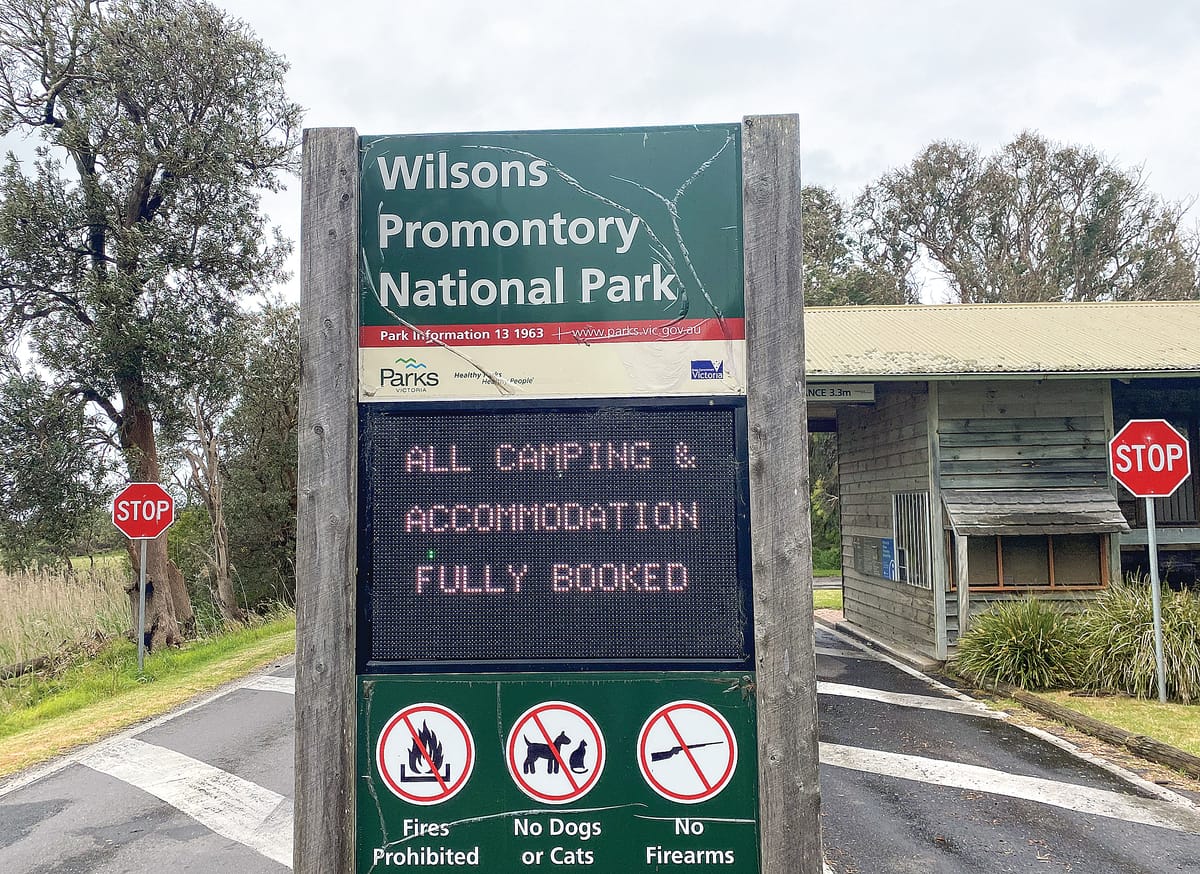
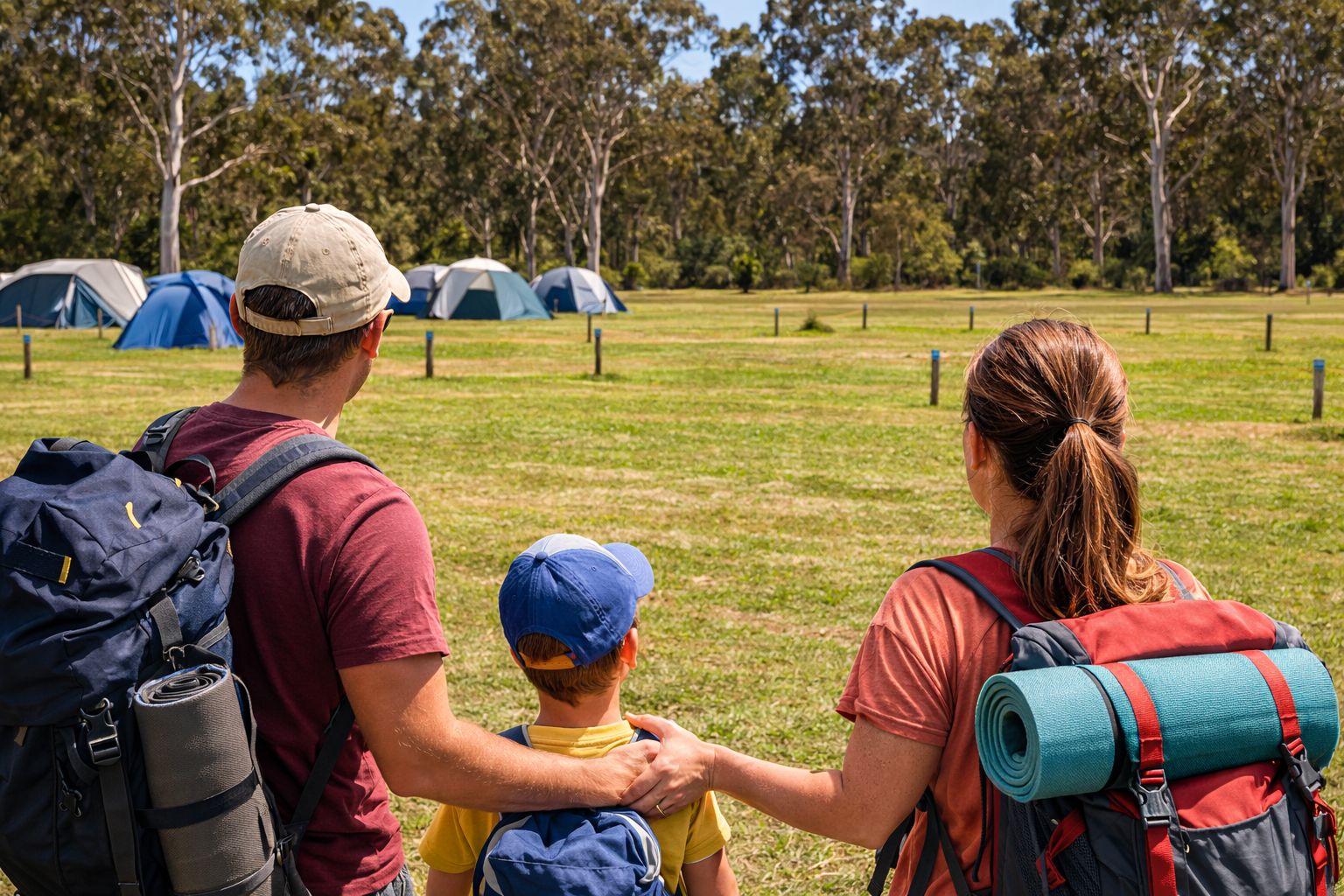


For many travellers planning an Australian road trip, the story is becoming frustratingly familiar. You check the booking system for a campground weeks ahead of time and it’s already marked as full. Yet when you finally drive past the site, half the campsites appear empty.
Welcome to the growing problem of ghost camping.
Across Australia’s national parks, free camping areas and even some caravan parks, sites are increasingly being booked but never used. The result? Travellers miss out, local tourism loses visitors and prime campsites sit unused during peak seasons.
While the term might sound like a camping campfire story, ghost camping is becoming a genuine issue across the country’s outdoor tourism industry.
The Problem
Ghost camping generally happens in two ways.
The first is the no-show booking. A traveller reserves a campsite online but never arrives. Sometimes plans change, but in other cases people simply hold multiple bookings “just in case” and only use one.
The second is placeholder camping, where someone leaves a tent, caravan or vehicle on a site to reserve it while they travel elsewhere.
Both scenarios create the same outcome: a campsite that appears booked online but sits empty in reality.
During busy periods like school holidays, Easter and long weekends, this can leave genuine travellers with nowhere to stay, even though physical campsites may still be available.
Why It’s Increasing
Demand for camping in Australia has surged over the past decade.
Domestic road travel, caravan ownership and nature-based tourism have all grown rapidly, particularly since the pandemic years when Australians rediscovered local travel.
At the same time, many campground booking systems moved online, making it easier than ever to reserve a site weeks or months in advance.
That convenience has also made it easier to overbook, reserve multiple sites or forget to cancel unused bookings. With little penalty in some systems, unused reservations can simply sit there while other travellers miss out.

Why It Matters
Ghost camping might seem like a minor inconvenience, but the ripple effects are significant.
When travellers can’t find legitimate campsites, many end up stopping in roadside rest areas, beaches or informal bush locations not designed for overnight stays.
That creates pressure on local councils, increases environmental impact and can lead to conflicts with local communities.
Regional towns also lose out when visitors bypass an area because the booking system shows no available campsites.
Put simply, empty campsites mean lost opportunities for travellers and regional economies alike.
What Could Fix It
There is no single solution, but several practical changes could dramatically reduce ghost camping.
Improved booking systems could automatically release unused sites if campers don’t check in within a certain timeframe.
Deposits or small booking fees can also discourage people from holding multiple reservations they never intend to use.
Some park agencies are also exploring waitlists and real-time availability updates, allowing travellers to claim cancelled sites quickly.
Most importantly, clear campsite occupancy rules (combined with fair enforcement) can ensure campsites are used for their intended purpose.
Camping demand has stayed high — and 2025 added another real pressure point
This version combines verified registrations data, verified 2025 occupancy data and a simple newsroom-style visual trend to show why campsite pressure keeps building.
The Bottom Line
Camping has always been about access to the outdoors, freedom on the road and sharing Australia’s incredible landscapes.
But if campsites are locked up by bookings that never get used, that access starts to disappear.
Fixing ghost camping isn’t about blaming travellers it’s about smarter systems, clearer rules and making sure campsites are available for the people who actually plan to use them.
Because when it comes to camping in Australia, the last thing anyone wants is a campground full of ghosts.