

Australia’s caravan boom is no longer a one-generation story
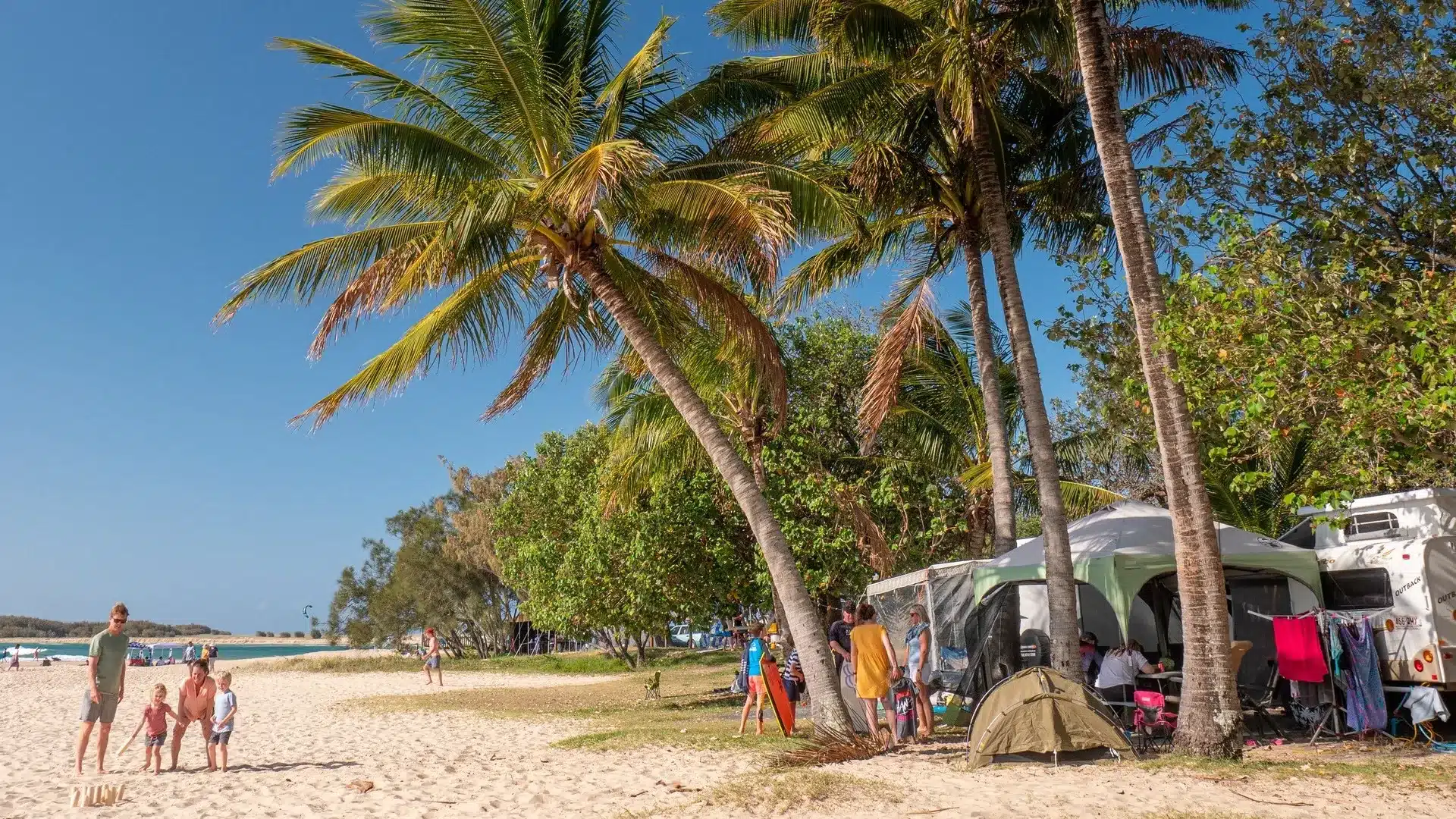
The changing scene in holiday parks is a clear sign of the Australia caravan boom. A walk through a busy holiday park during school holidays tells you everything you need to know. Where once winter mornings were dominated by retired couples sipping coffee beside their vans, today’s parks are just as likely to echo with kids on scooters, parents setting up annexes, and laptops open on camp tables.
Caravanning in Australia is booming, but the drivers of that growth have changed. While Grey Nomads remain a crucial part of the picture, they are no longer the dominant force they once were.
Instead, young families, working-age couples and a growing cohort of remote workers are reshaping what caravan travel looks like, when it happens, and where money is being spent.
So who is really behind Australia’s caravan surge? The answer is broader, and more interesting, than the old stereotypes suggest.
A demographic shift on the open road
Australia’s caravan and camping traveller base has diversified rapidly over the past five years. According to national tourism data, adults aged 30 to 54 now account for roughly 46% of caravan and camping trips, overtaking the traditional over-55 market. Families with children have become the single largest travel group, responsible for around 31% of all caravan trips.
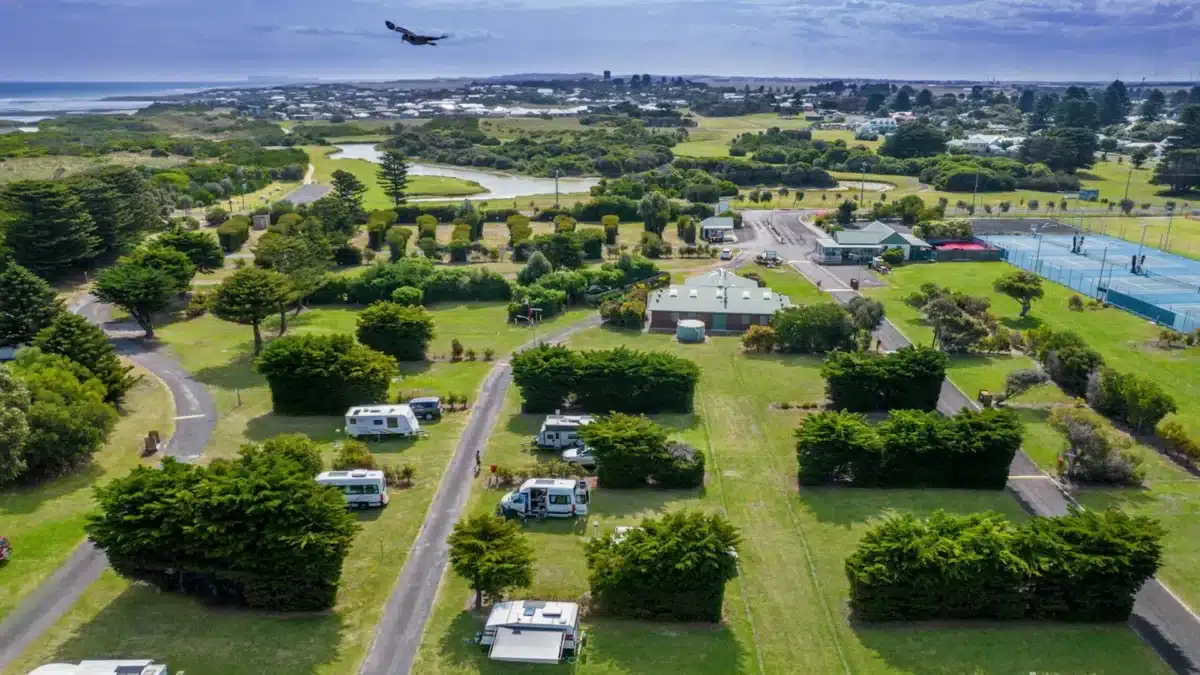
Grey Nomads have not disappeared. Far from it. However, their share of total trips has declined as younger travellers have surged. Retirees still contribute a significant proportion of total nights stayed, thanks to longer trips and extended regional stays, but they are now sharing space with families, couples and solo travellers in unprecedented numbers.
The modern caravan park reflects this mix. Grandparents doing the Big Lap, parents juggling school holidays and work flexibility, and solo travellers setting up for a few quiet nights by the coast or bush.
Grey Nomads: still a backbone, no longer the majority
Grey Nomads remain one of the most influential segments in Australian caravanning. Typically retirees or semi-retirees aged 60 and over, they travel for longer, spend more nights per trip, and play a vital role in sustaining regional tourism outside peak holiday periods.
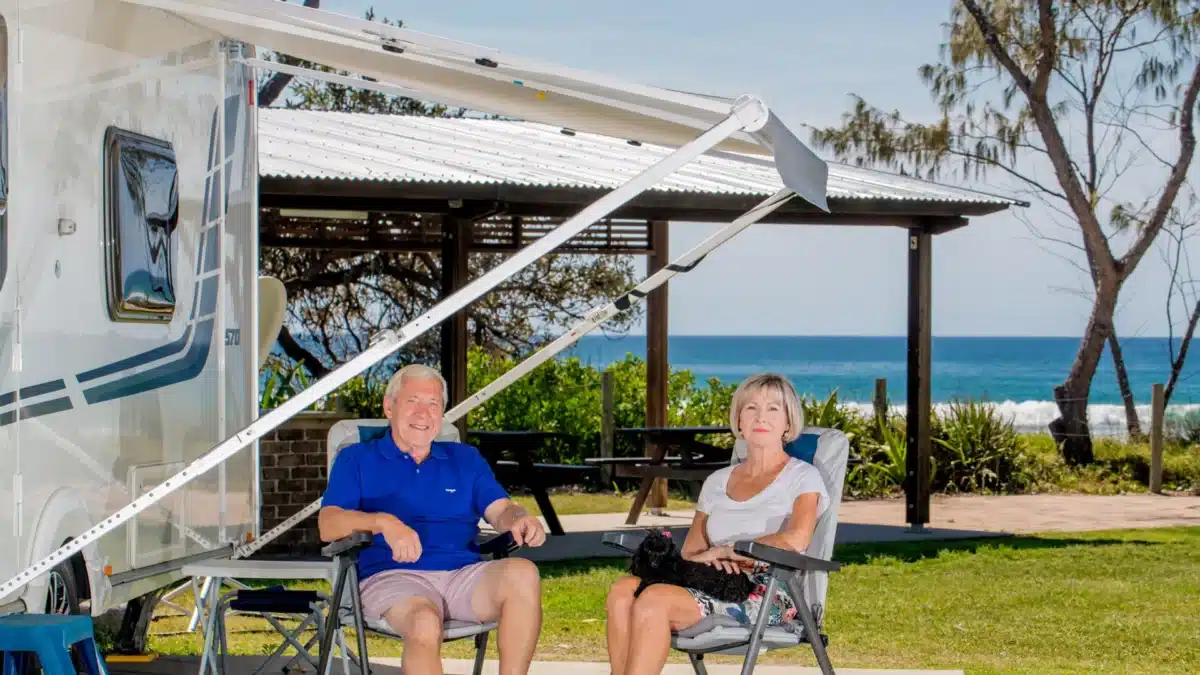
For many, caravanning is about freedom earned after decades of work. The ability to follow warm weather north in winter, linger in regional towns, and explore Australia at an unhurried pace remains deeply appealing. Routes through outback Queensland, the Northern Territory and Western Australia continue to attract large numbers of older travellers each dry season.
Economically, Grey Nomads punch above their weight. While often budget-conscious, their consistent daily spending on fuel, groceries, park fees and local businesses adds up. In many small towns, they are still described as the quiet backbone of the visitor economy.
However, recent years have seen some retirees return to overseas travel, slightly reducing their dominance during certain seasons. That shift has created space for younger travellers to step into the spotlight.
Young families take the wheel
Perhaps the most striking change in the caravan landscape is the rise of young families. Parents in their 30s and 40s are increasingly choosing caravans and campers as their preferred way to holiday, and sometimes to live.
Why families are embracing caravanning
Affordability is a major factor. With airfares and accommodation costs climbing, caravanning offers families a way to holiday more often without the ongoing expense of hotels and restaurants. Once the upfront investment is made, or a rental arranged, costs become far more predictable.
Lifestyle appeal also plays a big role. Caravan trips offer children outdoor experiences that many parents value highly, from beach days and bush walks to wildlife encounters and time away from screens. Holiday parks have adapted quickly, adding water parks, playgrounds and kids programs that make them destinations in their own right.
Work, school and flexibility
Remote work has quietly enabled this shift. Some families now travel for weeks or months at a time, with parents working remotely and children learning via distance education or flexible schooling arrangements. Others simply extend holidays by working part-time from the road.
Technology, including mobile broadband and satellite internet, has made this far more viable than it once was, blurring the line between holiday and everyday life.
During school holidays, demand from families is intense. Popular coastal and regional holiday parks are often booked out months, sometimes a year, in advance. It is a clear signal of where growth is coming from.
Beyond retirees and parents: who else is on the road?
Australia’s caravan boom is not being driven by just two groups.
Remote workers and digital nomads
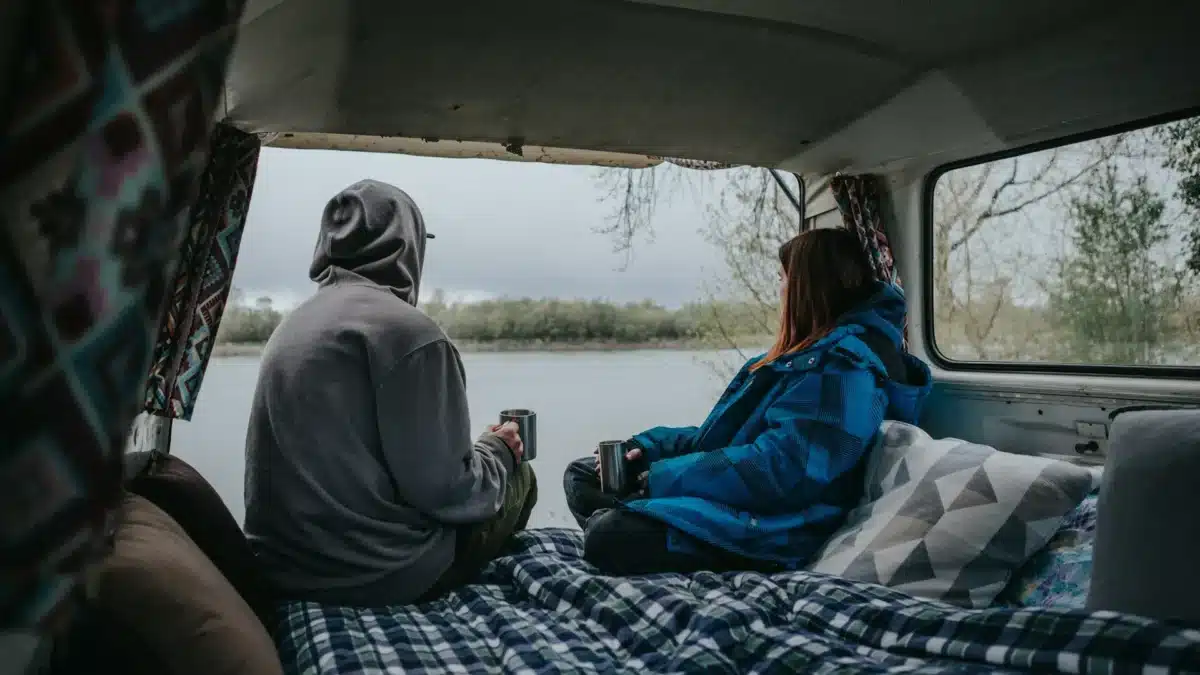
A growing number of working-age Australians are taking their jobs on the road. Often travelling as couples or solo, these travellers prioritise connectivity and tend to stay longer in each location. Some holiday parks now actively market work-friendly facilities in response.
Young couples and friend groups
Not all younger travellers have kids in tow. Couples and groups of friends are increasingly using campervans and caravans for extended road trips, short breaks and seasonal escapes. This group values flexibility, outdoor access and the social atmosphere that parks and campgrounds provide.
Solo travellers
Solo caravanning is also on the rise, spanning all age groups. Improved technology, strong online communities and the social nature of caravan parks have made solo travel feel safer and more accessible than ever.
What’s motivating the boom?
Across generations, several shared motivations stand out:
- Freedom and flexibility in choosing where to go, how long to stay and when to move on
- A stronger connection to nature through national parks, coastlines and regional Australia
- Community, from happy hour chats to shared advice and help on the road
- Value for money, especially during cost-of-living pressures
While the emphasis differs, retirees prioritising time and comfort and families focusing on bonding and value, the underlying appeal is remarkably consistent.
A powerful engine for regional Australia

The economic impact of caravanning is substantial. Industry data shows Australians took more than 15 million domestic caravan and camping trips in the year to 2024, contributing around $14 billion in visitor spending. Roughly 90% of caravan nights are spent in regional Australia, making this sector one of the most important drivers of non-metro tourism.
Caravanners spread their spending across multiple towns, supporting fuel stations, cafes, bakeries, caravan parks and local attractions. For many regional communities, this steady flow of visitors is essential.
Challenges that come with popularity
The boom has not come without issues. Upfront vehicle and caravan costs remain a barrier for some, booking ahead has become essential in peak periods, and infrastructure in popular free camping areas is under pressure.
However, solutions are emerging. Rental platforms, lighter vans, expanded park facilities and better online planning tools are helping travellers adapt. The industry, councils and travellers themselves are adjusting quickly.
So, who’s really driving the caravan boom?
The honest answer is everyone.
Grey Nomads continue to underpin regional travel with time, experience and consistency. Young families are now the fastest-growing and most visible force. Remote workers, couples and solo travellers add flexibility and year-round demand.
Together, they have transformed caravanning from a niche retirement pursuit into one of Australia’s most inclusive and resilient travel styles.
What was once a stereotype has become a shared national habit. One that connects generations, supports regional communities and reflects a growing desire to explore Australia on our own terms.