

Travellers across Australia are increasingly mixing holiday park stays with free and low-cost camping, rather than choosing one over the other. The shift reflects changing travel habits, with cost, flexibility, and access to facilities all influencing decisions in 2026.
Two Different Styles of Travel
Holiday parks and free camping serve different purposes, and most travellers now use both depending on the stage of their trip.
Holiday parks provide powered sites, amenities, and structured environments. Free camping, on the other hand, typically involves unpowered sites with limited or no facilities, often in regional or remote areas.
The choice often comes down to convenience versus independence.
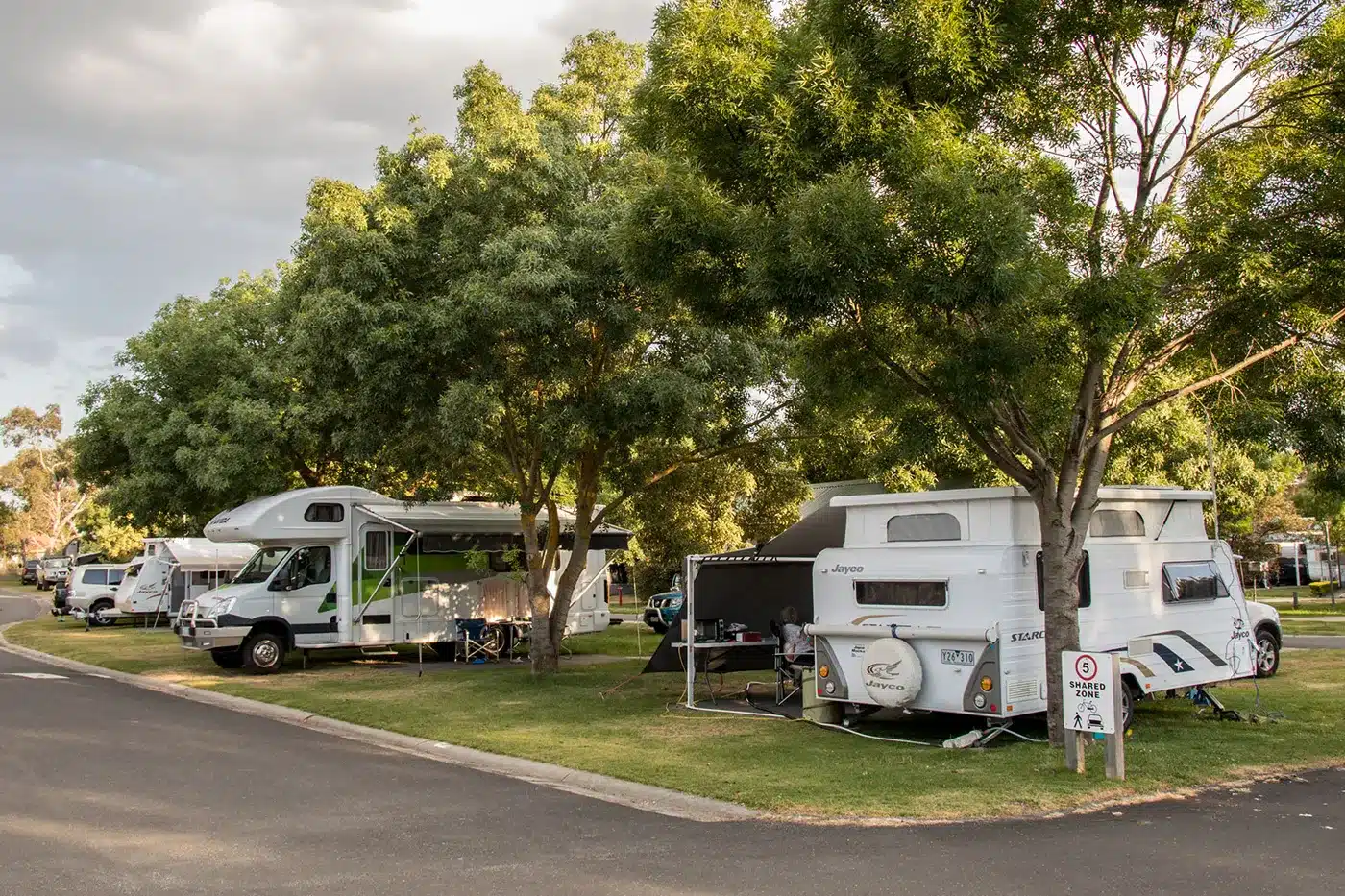
Why Holiday Parks Still Play a Key Role
Holiday parks remain a central part of the touring network, particularly for families, long stays, and travellers who need reliable services.
Key reasons travellers continue to choose holiday parks include:
- Access to power, water, and amenities
- Laundry and dump point facilities
- Safer, well-maintained environments
- Suitable locations near towns and tourist hubs, which is one reason more Australians are skipping hotels for caravan parks.
In peak periods, particularly along the coast, demand remains high and bookings are often required well in advance.
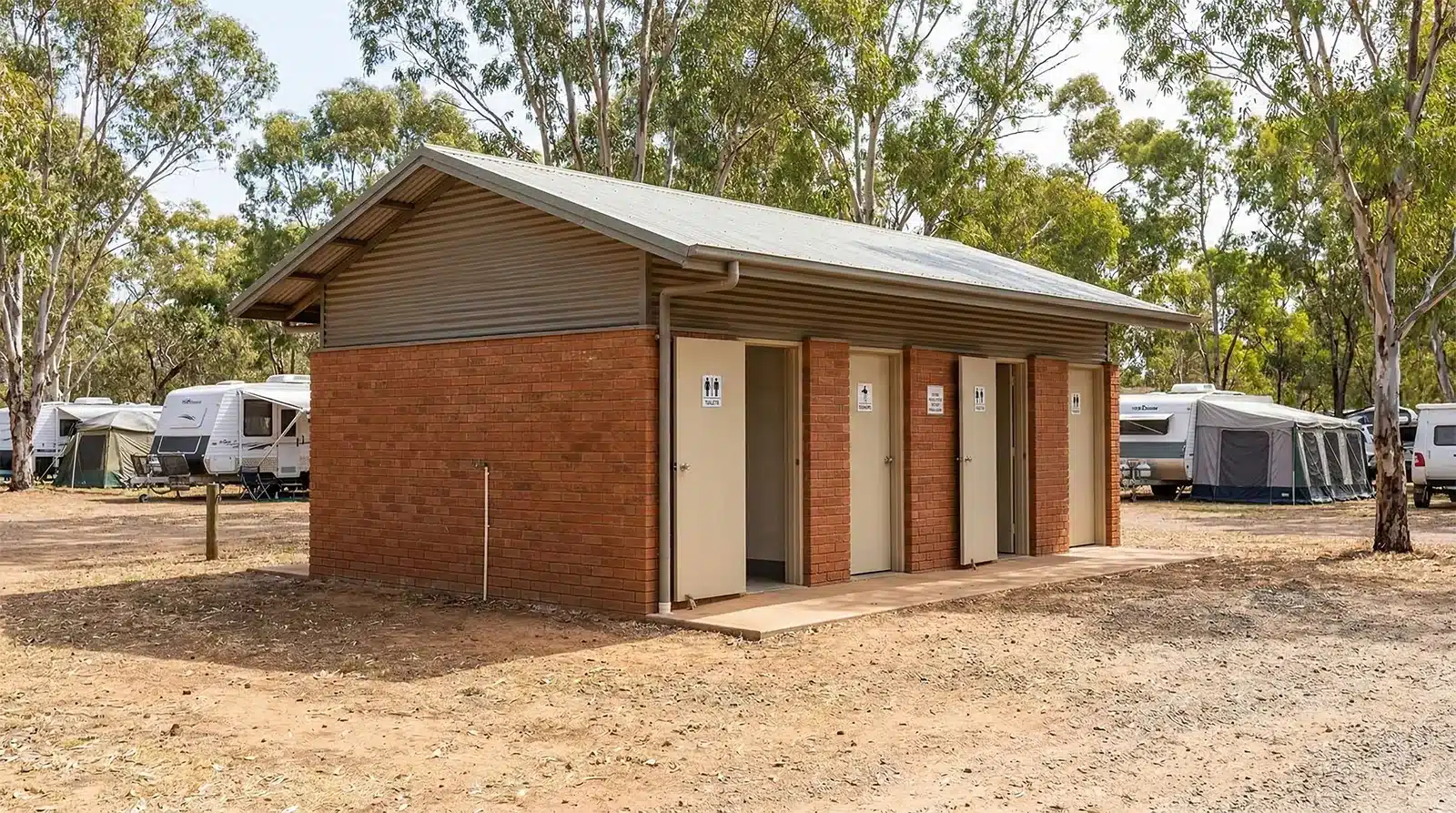
Why Free Camping Is Growing
Free and low-cost camping is becoming more common, particularly among travellers looking to reduce costs or avoid busy locations.
Several factors are contributing to this increase:
- Rising travel and accommodation costs
- Growth in self-sufficient caravans and 4WD setups
- Expansion of council-supported and donation-based camps
- Greater interest in remote and nature-based travel
For many travellers, free camping allows longer trips without the need to rely entirely on paid accommodation.
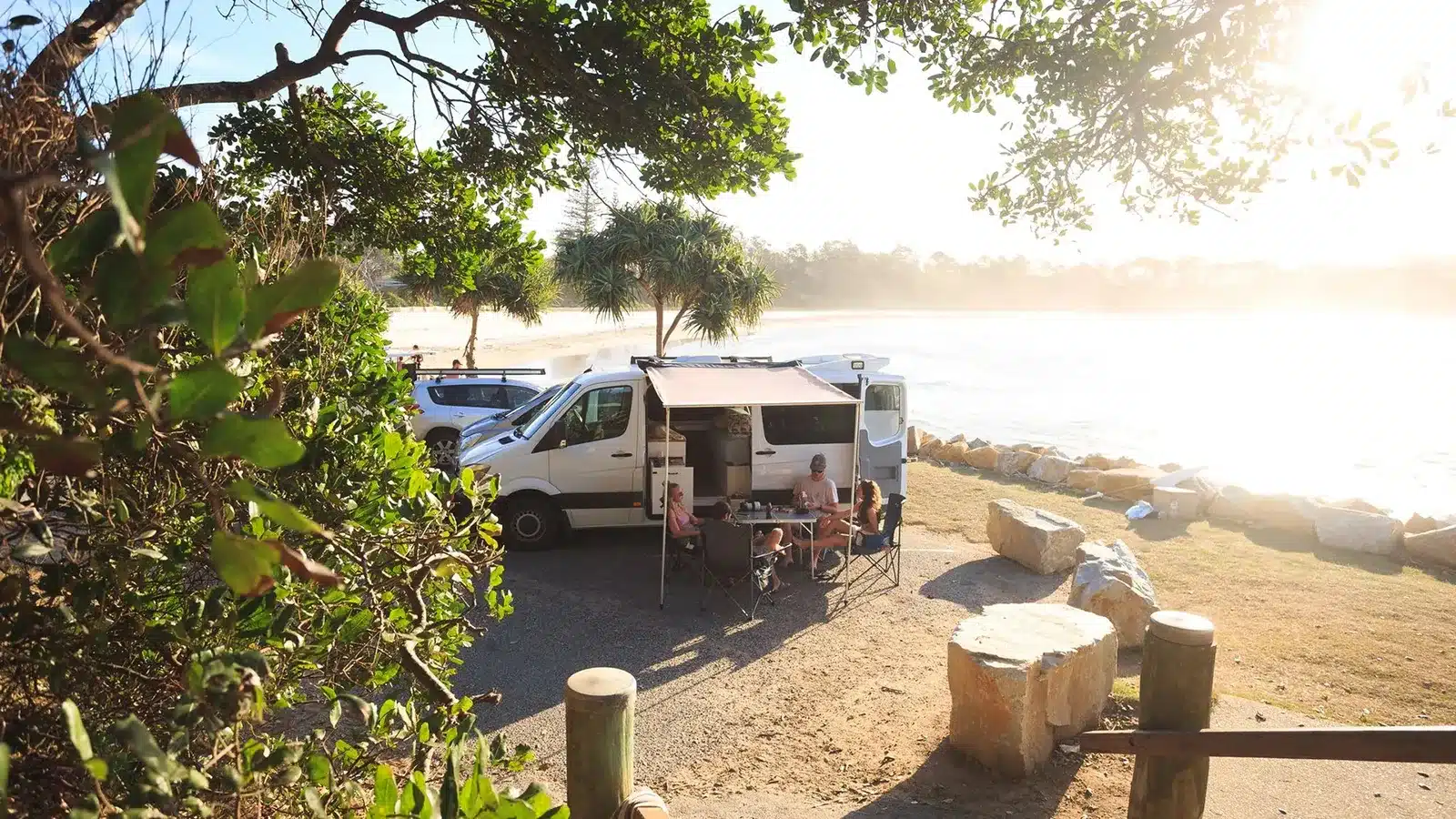
What Travellers Are Choosing in 2026
Rather than a clear shift away from holiday parks, most travellers are combining both options.
A typical travel pattern now includes:
- Using free camps between destinations
- Staying in holiday parks every few days to access facilities
- Planning routes based on available low-cost camping options
This approach helps balance cost, comfort, and convenience.
Practical Trade-Offs
Each option comes with limitations that travellers need to consider.
Holiday Parks:
- Higher nightly costs, especially in peak seasons
- Limited availability in popular regions
- Less privacy in busy periods
Free Camping:
- No guaranteed facilities or services
- Requires self-contained setups
- Restrictions or time limits in some locations
Local council regulations and land management rules continue to vary, particularly in high-demand areas.
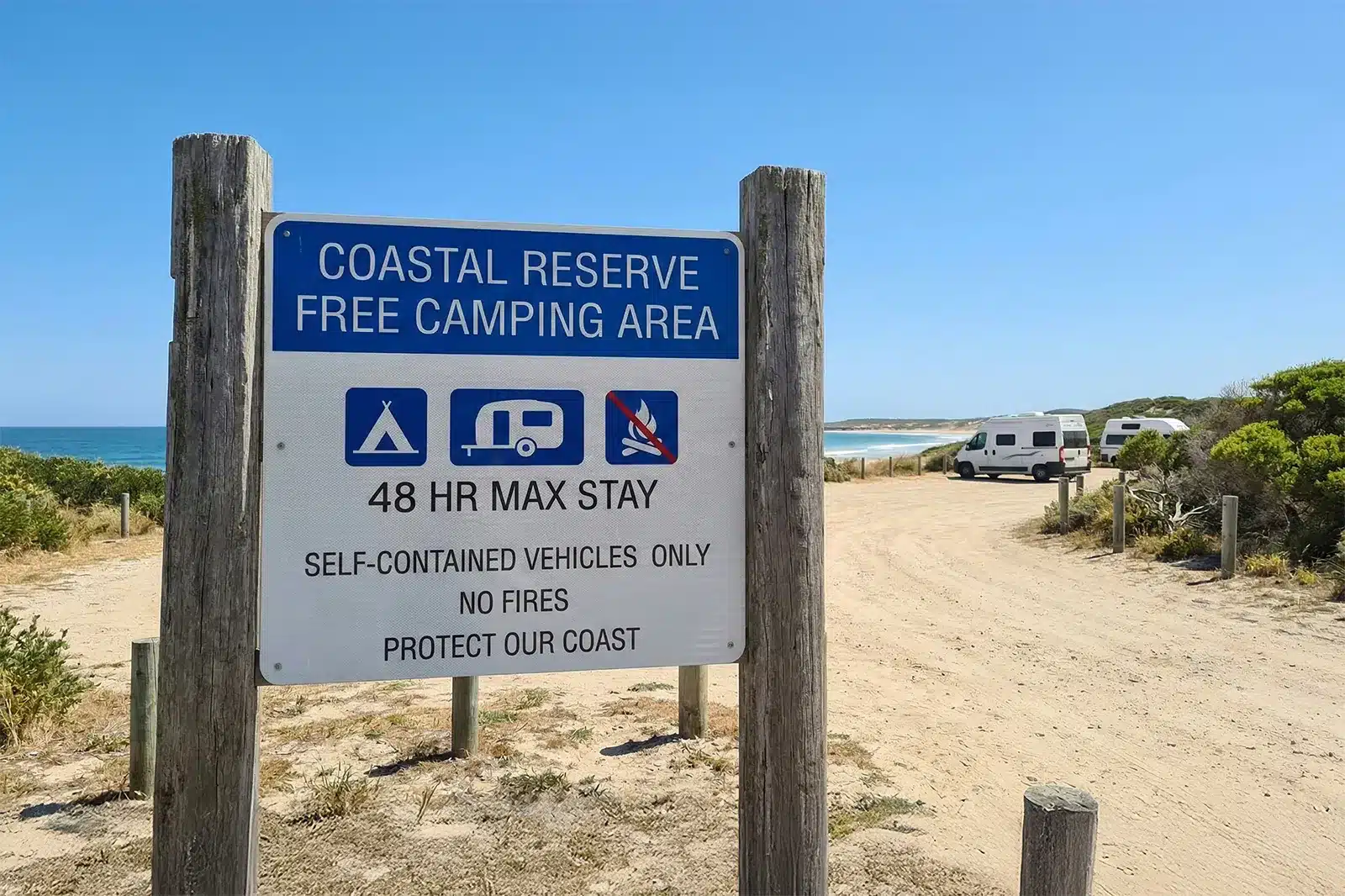
What Travellers Should Know
- Not all free camps are suitable for caravans, particularly larger vans
- Some regions require self-containment, including onboard toilets and water storage
- Popular free camps can reach capacity quickly
- Holiday parks may still be necessary for power, water refills, and maintenance
Planning ahead remains important, even when travelling without fixed bookings.
The Bigger Picture
The way Australians travel is continuing to evolve. Holiday parks remain essential infrastructure for caravanners, while free camping is becoming a more regular part of trip planning.
Rather than replacing one another, both options are being used together to support longer, more flexible travel across the country.
As more travellers invest in off-grid capability, this blended approach is expected to continue shaping how people move around Australia.