


A route that looks simple when you plan it at home can change quickly once weather, fire danger, flooding, roadworks, local closures or emergency warnings come into play.
For caravanners, this matters more than it does for everyday drivers. You are not just moving a car. You are towing weight, carrying gear, relying on fuel stops and booking places to stay. A small detour can become a major day. A flooded causeway can stop the trip completely. A fire warning can mean leaving earlier than planned, changing direction or cancelling a leg altogether.
Good travel planning is not about being nervous. It is about being prepared enough to make better decisions when conditions change.
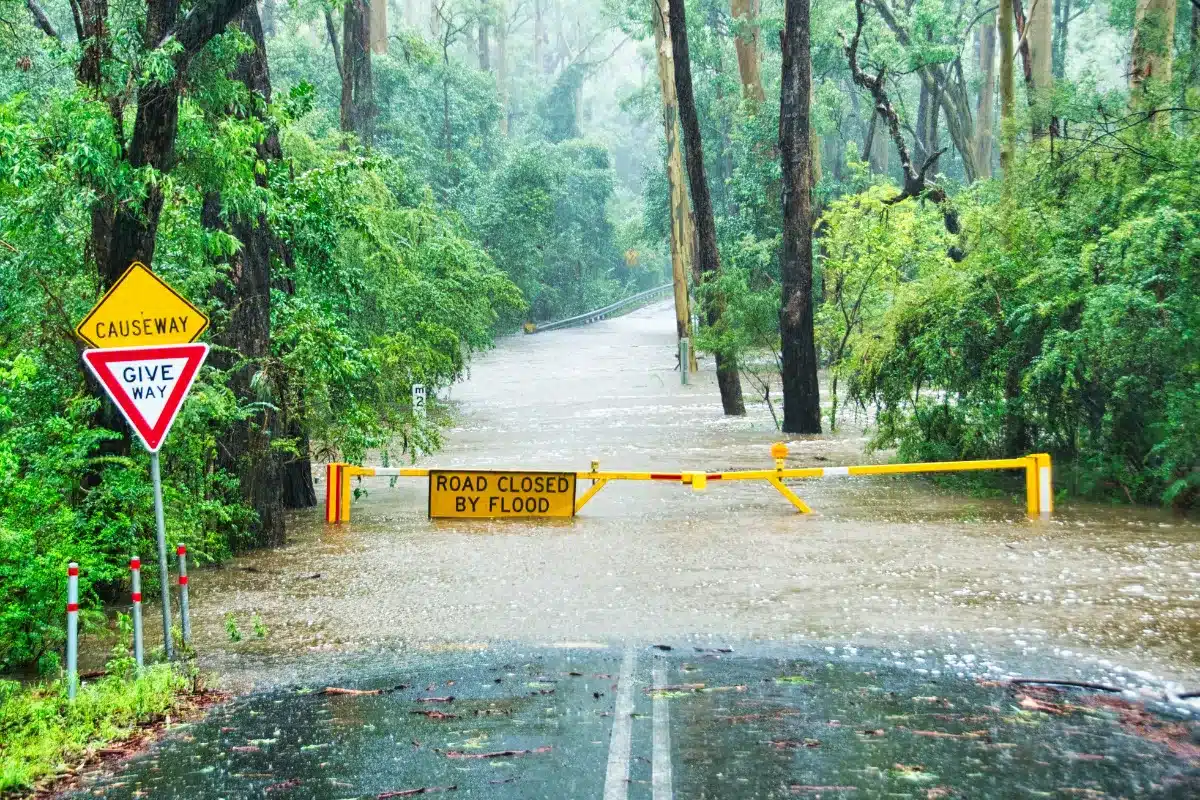
Start with the mindset: the route is never fixed
The biggest mistake many travellers make is treating the route as locked in.
When you are touring Australia, the planned route should be a guide, not a promise.
Weather can change. Roads can close. National parks can restrict access. Gravel roads can be damaged after rain. River crossings can rise. Bushfire risk can shift with wind, heat and lightning. A town you planned to stop in may suddenly be difficult to access.
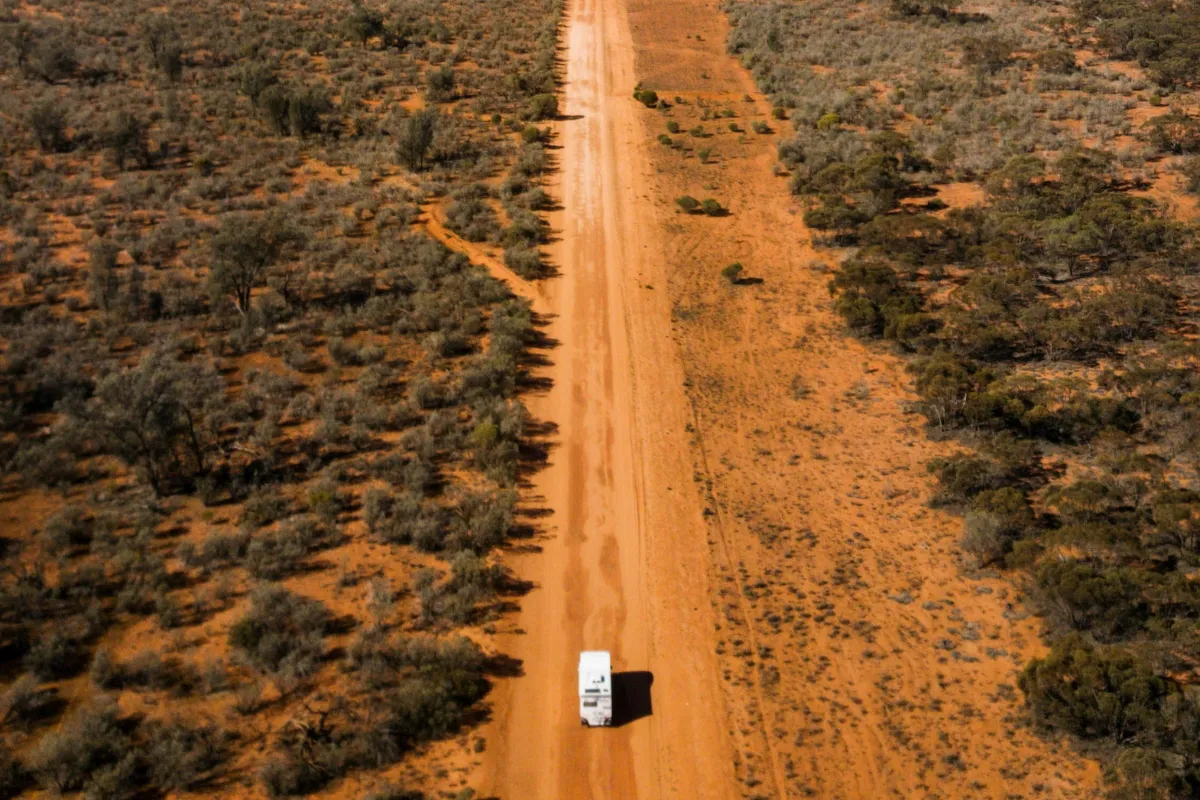
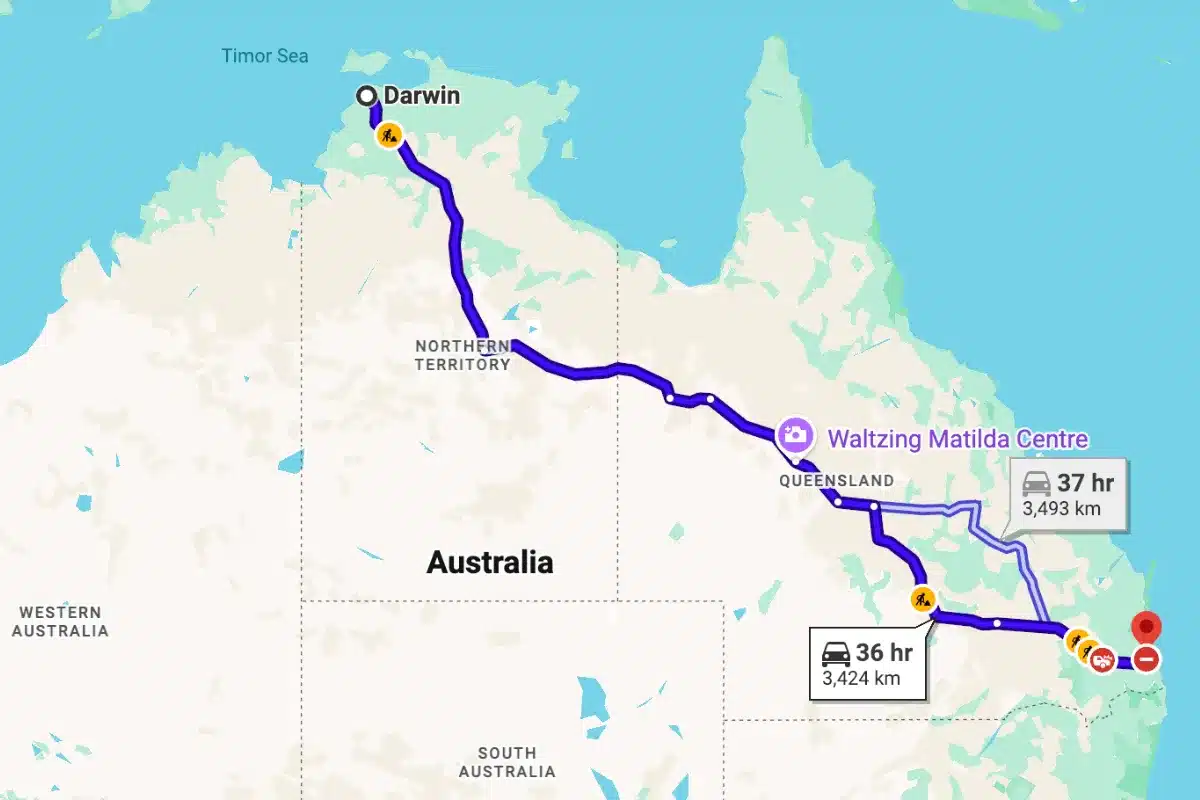
This is especially true when towing a caravan. A road that is technically open may not be suitable for every rig. A detour that adds 80 kilometres in a car may be far more demanding when towing a heavy van through hills, narrow roads or rough surfaces.
Build your trip with room to move. That means spare time between major stops, backup accommodation options and a willingness to change direction early.
The best travellers are not the ones who stick to the plan no matter what. They are the ones who know when to adjust.
Travel safety checklist
Route Planning Checklist for Changing Conditions
Before you tow into uncertain weather, fire risk or remote conditions, run through these checks so you have safer options if the road ahead changes.
| Stage | What to check |
|---|---|
| Before leaving |
|
| On the road |
|
| At camp |
|
| Insurance and records |
|
Check conditions before you leave – then keep checking
Route planning should not stop once the caravan is packed.
Before heading off each day, check:
- weather forecasts
- fire danger ratings
- flood warnings
- road closure updates
- national park alerts
- local council notices
- fuel availability
- campground access
- mobile reception gaps
For major trips, check more than one source. State road authority websites, emergency service apps, weather warnings, local council updates and caravan park operators can all provide different pieces of the picture.
A park owner or visitor information centre may know that a road is technically open but badly damaged. A local council notice may explain that a bridge has restricted access. Emergency services may recommend avoiding an area even before a full closure is in place.
The key is not just checking whether a destination is open. It is checking whether the route to get there is suitable for your vehicle, caravan and travel experience.
Floodwater is never worth the risk
Flooded roads are one of the most dangerous conditions travellers can face.
For caravanners, the risk is even greater. A caravan changes how the vehicle handles, how quickly it can stop and how easily it can be pushed or destabilised by moving water.
Even shallow-looking water can hide washed-out road edges, damaged surfaces, debris, potholes or fast-moving current. A crossing that looks manageable from the driver’s seat may be deeper or stronger than it appears.
The rule is simple: do not drive through floodwater.
If a road is flooded, turn around and find another route. If there is no safe alternate route, wait.
It can be frustrating to lose a day, miss a booking or delay the trip. But that is far better than damaging the vehicle, losing the caravan or putting people at risk.
Fire conditions can change faster than your itinerary
Bushfire risk is part of travel in Australia, especially through summer, during heatwaves and in dry inland or forested regions.
For caravanners, the safest fire decision is often made early. Do not wait until smoke is visible or roads are already closing.
Fire Danger Ratings are used across Australia to help people understand how dangerous conditions could become if a fire starts. Ratings can change with heat, wind, humidity and local conditions, so travellers should check the rating for the district they are travelling through, not just the destination.
Before travelling through bushfire-prone areas, check:
- the fire danger rating
- total fire ban status
- emergency warnings
- park and campground closures
- planned burns
- wind direction
- exit routes
- fuel levels
- mobile reception
If authorities advise people to leave early, take that advice seriously. Towing a caravan slows you down, limits turnaround options and can make narrow or congested roads more difficult.
It is also worth thinking about where you camp. A beautiful bush site may not be the right choice during high fire danger. Look at access roads, nearby exits, tree cover, fuel load and whether you have more than one way out.
Road closures are not the only problem
When conditions change, a road does not need to be fully closed to become a poor choice.
Look out for:
- soft shoulders
- water-damaged edges
- potholes
- fallen branches
- reduced visibility
- single-lane sections
- steep detours
- gravel diversions
- narrow bridges
- roadworks without easy passing room
- areas with limited turning space
A road may be open but still unsuitable for your caravan.
This is where local knowledge matters. If conditions are uncertain, call ahead. Speak to the caravan park, local visitor centre, roadhouse or council. Ask practical questions:
“Is the road suitable for towing a caravan?”
“Are other caravans getting through?”
“Is there a better route in?”
“Are there tight sections, low trees, soft shoulders or steep grades?”
“Has the road been affected by recent rain or fire activity?”
Give yourself a Plan B before you need one
A good route plan should always include alternatives.
That does not mean planning every minute. It means knowing what you will do if the first option falls over.
Before a travel day, identify:
- an alternate route
- a safe place to stop early
- a fuel stop before the risky section
- a caravan-friendly turnaround option
- a backup caravan park or rest area
- a place with mobile reception
- the next major town with supplies
This is especially important in regional and remote areas. A closure may not just add 15 minutes. It may add hours, change fuel needs or push you into travelling later than planned.
For caravanners, driving tired is its own risk. If a detour turns a short day into a long one, stop early where you can.
It is better to arrive tomorrow than push through bad conditions today.
Keep fuel, water and supplies topped up
When roads close or detours change, the basics suddenly matter more.
Fuel is the big one. Towing uses more fuel, and detours can be longer than expected. Do not run tanks low when travelling through areas affected by weather, fire or road damage.
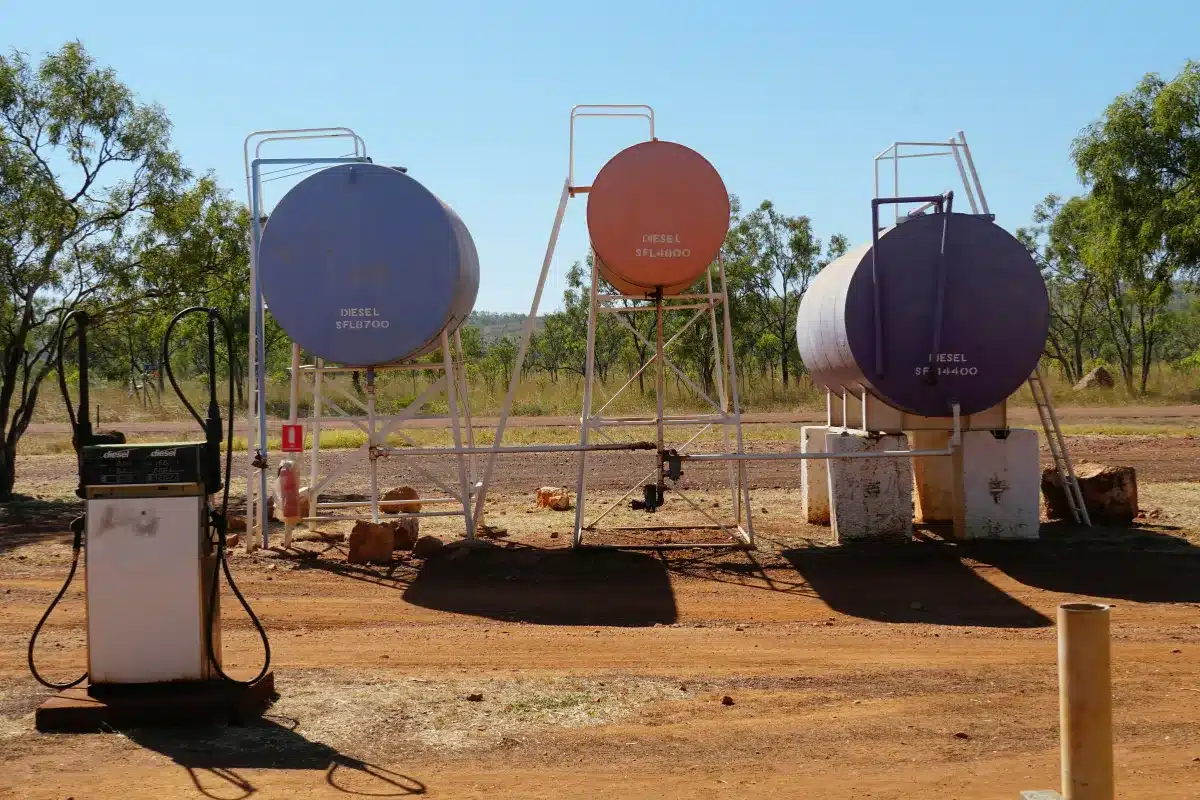
Water matters too. If you are delayed, stuck between towns or forced to change campgrounds, having drinking water on board gives you more options.
A sensible travel buffer includes:
- extra drinking water
- food for an extra day or two
- medication
- phone charging options
- printed or offline maps
- torch or headlamp
- basic first aid kit
- warm clothing
- wet weather gear
- spare pet supplies, if travelling with animals
This is not about overpacking. It is about giving yourself enough margin to wait, reroute or stop safely.
Know when to delay, turn around or cancel
Caravan trips take planning. Bookings, fuel, leave from work and family commitments all create pressure to keep moving.
But conditions do not care about the itinerary.
There are times when the smartest decision is to delay departure, change destination, turn around or cancel a section of the trip.
That might be the right call if:
- heavy rain is forecast across the route
- flood warnings are active
- bushfire warnings are escalating
- roads are closed or access is uncertain
- strong winds make towing unsafe
- visibility is poor
- the only detour is unsuitable for your rig
- emergency services are asking travellers to stay away
The earlier you make the decision, the more options you usually have.
Waiting until everyone is tired, fuel is low and the weather has worsened makes every choice harder.
Secure the van before the weather hits
Sometimes the risk is not on the road. It is at camp.
If storms, strong winds, heavy rain or fire risk are forecast, prepare the caravan and campsite early.
Pack away loose outdoor items. Secure chairs, tables, mats and cooking gear. Wind in the awning. Take down shade walls or annex sections if needed. Move valuables out of weather-exposed areas. Check that windows, hatches and storage lockers are closed.
If conditions are serious, speak to park management or local authorities about whether it is safer to leave, relocate within the park or shelter elsewhere.
A caravan is comfortable, but it is not the right place to ride out every weather event.
Keep records if plans change or damage occurs
If severe weather, fire, flooding or road closures affect your trip, keep good records. Photos, receipts, screenshots of warnings, booking changes, repair paperwork and notes about when and where damage occurred may be useful if you need to speak with your insurer, repairer, accommodation provider or roadside assistance service. Always check your own PDS, policy schedule and any relevant limits or exclusions before relying on cover.
These records can be useful if you need to speak with your insurer, accommodation provider, repairer or roadside assistance service.
The Bottom Line
Floods, fire and road closures are part of travelling in Australia. They do not have to ruin the trip, but they do need to be taken seriously.
For caravanners, the safest route is not always the shortest route. The best plan is not always the original plan. And the smartest decision is often the one made early, before conditions get worse.
Check the warnings. Ask locals. Keep fuel and water in reserve. Build in spare time. Know your alternatives. Keep records. And be willing to change direction when the road ahead is no longer the right one.
Good route planning is not about removing every risk. It is about giving yourself better options when conditions change.
This article was produced with support from CIL Caravan Insurance. What’s Up Downunder maintains full editorial independence.
Disclaimer: Disclaimer: This content has been prepared by CIL Insurance, a trading division of AAI Limited ABN 48 005 297 807 AFSL 230859, and is intended to provide general information only. It does not take into account your objectives, financial situation or needs. Before making any decision, consider whether the product is right for you and read the relevant Product Disclosure Statement. The Target Market Determination is also available.
The information is intended to be of a general nature only. Subject to any rights you may have under any law, we do not accept any legal responsibility for any loss or damage, including loss of business or profits or any other indirect loss, incurred as a result of reliance upon it – please make your own enquiries.