
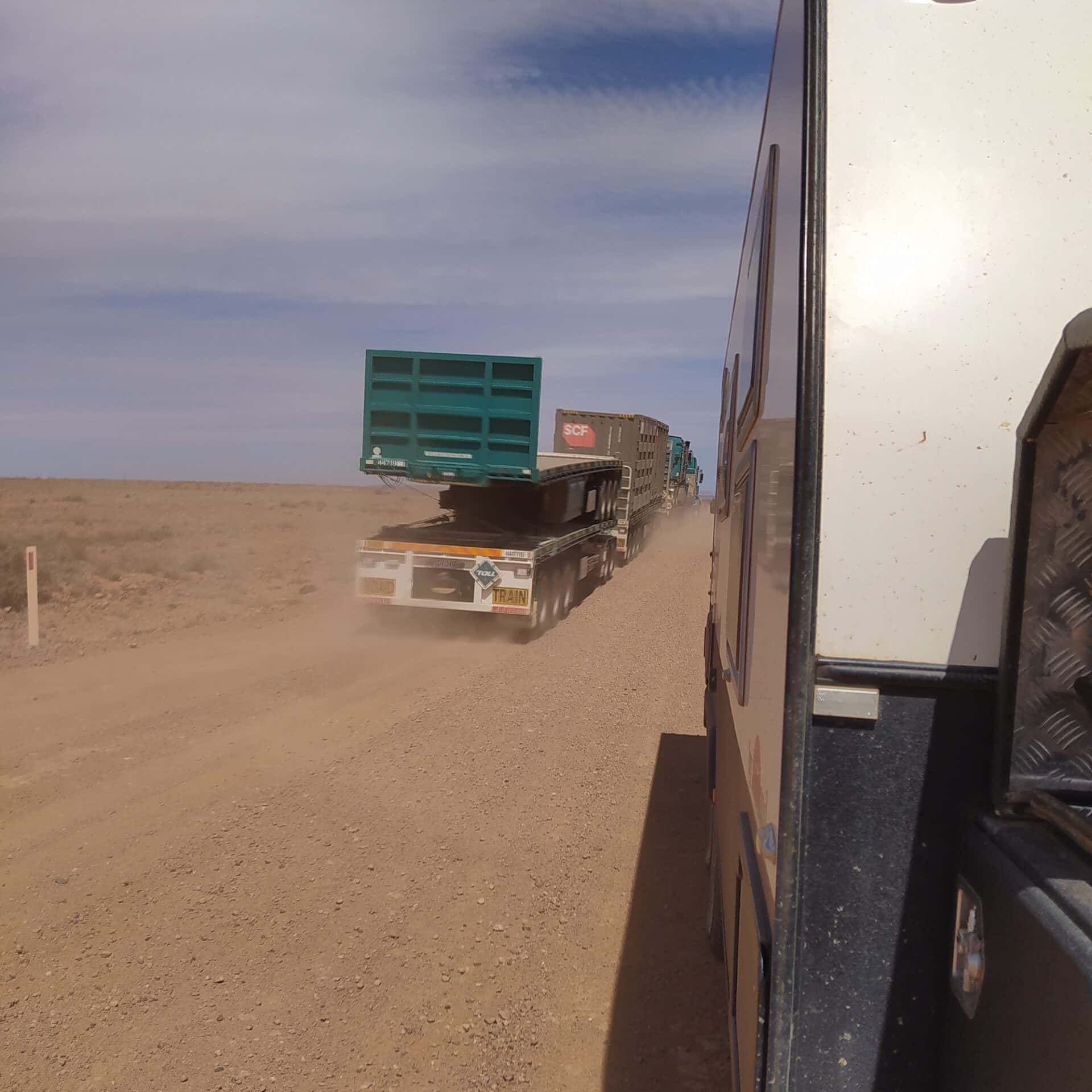

Australia offers sensational adventures but with the majority of our mainland being arid, remote travel dangerous without preparation. Luckily, with the right planning, you can have a safe trip. Here are the essential tips, tricks and techniques.
Overview – Why This Matters
Australia maybe the sixth largest nation in the world but we still have a surprisingly low population, which makes it pretty easy to escape the rat race and find a nice, isolated piece of real estate for a few weeks.
However, 70% of our mainland is classified as arid or semi-arid land, which means it gets less than 500mm of rain fall per year on average. That makes it hot, dry and remote, which is just downright dangerous if you’re not well prepared.
The good news is with some basic equipment, experience, planning and preparation you really can have the trip of a lifetime. So, if you get the butterflies every time you think of an outback adventure, here’s the tips, tricks and techniques you’ll need to make the trip happen, safely.
Best For
- Caravanners planning “The Big Lap”
- 4WD enthusiasts heading off-grid
- Remote area touring novices and veterans
Words Michael Borg, Weigh Me RV
Strategic Route Planning
While idea of setting off with no plan in mind might sound like the epitome of freedom, the reality is remote regions require a level of planning and thought in order to make it a success. Planning everything down to a tee almost never works but there are some basic things that need to be sorted out.
One of the best ways to lay a plan out is to determine roughly when you want to be in a certain location. This will allow you work out how much fuel, food, water and supplies you’ll need before re-supplying. If you’re relying on a small country town for any essential supplies, make sure you’re passing through mid-week in business hours to ensure the shops are going to be open.
- Time vs. Distance: Travellers often cram too much driving into one day. Towing a trailer on corrugated dirt roads or low-range tracks takes significantly longer than blacktop driving.
- Buffer Days: Always allow for natural events – flooding, heavy rain or even locust plagues can halt progress.
- Resupply Logic: Plan your arrival in small country towns for mid-week during business hours. Relying on a small general store to be open on a Sunday afternoon is a recipe for disaster.
Essential Communications & Navigation
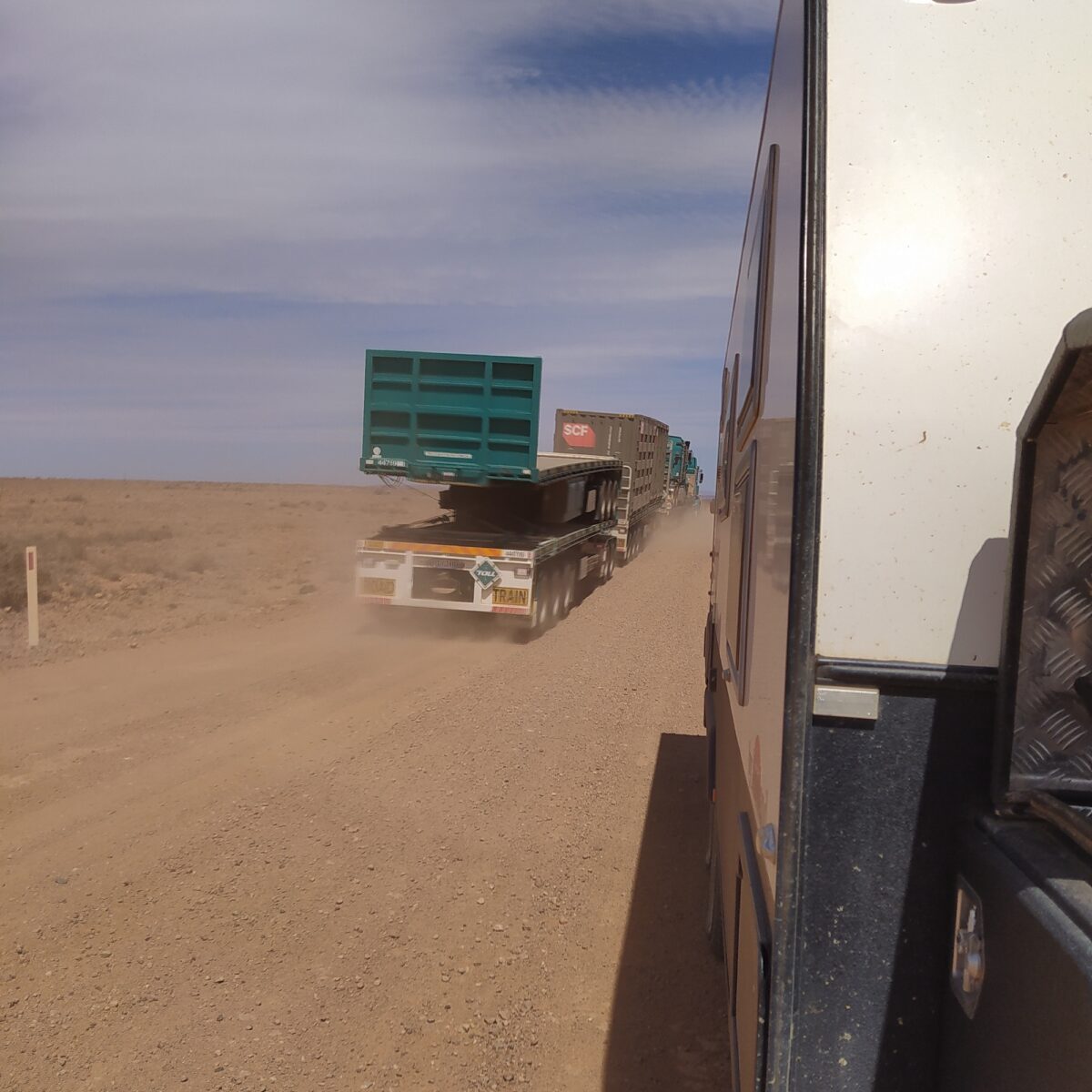
For remote travel, I’d recommend carrying a UHF radio as a bare minimum, but a satellite phone or messenger beacon, or HF radio is highly recommended for long-distance communication.
Good maps are essential – a GPS with off-road and topographic maps can save countless hours, but always carry hard copies as a backup. After all, paper maps won’t run out of battery or require an update on the fly.
- UHF Radio: For convoy communication and interacting with trucks or other travellers.
- Long-Range Comms: Carry a satellite phone, messenger beacon (like a PLB or Garmin inReach), or an HF radio.
- Navigation: A GPS with off-road topographic maps is essential, but always carry paper maps as a backup. Paper maps don’t run out of battery or require software updates.
Remote Food Storage and Emergency Rations
There’s a lot more than meets the eye when it comes to choosing travel-friendly food on a big, remote trip. There are two main things to consider, they are how much food you need including emergency rations, and how you’re going to store it, so it lasts long enough. Little things like getting your meat supplies vacuum sealed and stored in the freezer can go a long way. Don’t forget to carry a variety of emergency canned foods such as baked beans and mixed veggies, which have a long shelf life and don’t need to be handed into quarantine state border checks too. Oh, and a tub of flour is also a welcome inclusion if you lose your supply of food, too. It’ll be an old traditional damper to the rescue!
- Vacuum Sealing: Vacuum seal meat supplies to extend shelf life in your fridge/freezer.
- Emergency Rations: Carry canned foods (baked beans, mixed veggies) that have a long shelf life and don’t need to be surrendered at state quarantine checkpoints.
- The “Flour Tub”: A simple tub of flour ensures you can always cook a traditional damper if other supplies run out.
Water Storage
Working out exactly how much drinking water you’ll need to carry will depend on the location you’re travelling, the time of year, the number of passengers and the duration of the trip. A good rule of thumb is to allow 5L of water per person per day at a minimum, but if you’re travelling in extremely hot climates this figure could jump up to around 10L per person per day.
Tips for Convoy and Group Travel
The saying of “safety in numbers” rings true when it comes to remote area travel. Unfortunately, there have been plenty of failed adventures due to group members that aren’t necessarily on the same page. So make sure you’ve had plenty of time away with group members before you plan that big, remote adventure. This will allow you to determine if they are a compatible travelling companion. Also, make sure you take the time to meet and discuss the details so everybody knows what’s happening.
Spare parts for that ‘just in case’ factor takes up heaps of space. Sharing the duty of carrying spare parts for your camper trailer or 4WD reduces the expense, load on your 4WD and the hit on your back pocket thanks to increasing fuel prices.
Create a Packing Strategy for the Big Stuff
If you are travelling as a group, sort out amongst yourselves who will take what, reducing what each person carries. After that, work out who is taking a chainsaw, a shower or two that everyone can share, even the kids toys. If everyone shares the load, then everyone can reduce the amount of gear they carry.
Vehicle & Trailer Preparation
The “Pre-Departure” Digital Checklist
Use this interactive tool to track your preparation. Your progress is saved automatically on this device, so you can come back to it as you pack.
⚡ Pre-Departure Memory List
Mechanical Checks
Being smack bang in the middle of the desert isn’t the place to be learning about your trailer. What do mean by that? Well, there’s definitely better locations to discover your 12V system isn’t up to scratch, or that spare wheel has 19mm lug nuts when the rest of the wheels are 21mm… yep, that happens!
To save yourself a heap of dramas, take the time to learn all the nitty gritty details about your set-up. Pay attention to things like what wheel bearing, suspension and axle your camper runs, so you can track down spare parts with minimal fuss if you need to.
The ‘Refuel Check’
Remote destinations usually mean you’ll be travelling plenty of kilometers between stops. That makes it important to keep a good eye on the mechanical side of your touring set-up. A great habit to get into run your eye around your 4WD and camper trailer every time you fill up your fuel tank. The idea is to catch and rectify a simple problem before it gets too bad. It might be as simple as a bit of fencing wire being caught around the camper’s axle or hub or using the back of your hand to see if the wheel bearings are getting hot.
Know Your Lug Nuts: Be sure to check if the spare wheel has 19mm nuts while the trailer uses 21mm before you leave
Daily Inspections: Inspect your rig every time you refuel. Look for fencing wire caught in axles and use the back of your hand to check if wheel bearings are overheating.
Weight Distribution & Loading
When it comes to loading your trailer, put the larger items in front of the axle rather than behind the axle
Your trailer is more likely to track straighter and not sway at higher speeds. When travelling on corrugated surfaces, the rear of your trailer will be subjected to more shaking and bouncing, too. So, the more fragile items are safer up the front end too.
Centre of Gravity: Place heavy items in front of the axle, not behind it. This reduces sway and helps the trailer track straight.
Fragile Items: The rear of the trailer experiences the most “whip” and bouncing. Keep fragile gear (and eggs!) towards the front or in the tow vehicle.
Key Takeaways
Highlights/Practical info:
| Highlights: Top Experiences | Practical Info for Caravanners |
| Finding a campsite with no one else for 100km. | Water: 5L–10L per person/day depending on heat. |
| Mastering the art of camp oven damper. | Resupply: Hit towns mid-week/business hours for supplies. |
| Navigating low-range tracks to hidden gems. | Communications: UHF (short range) + Satellite comms (long range). |
| Pacing: Allow double travel time for dirt/corrugations. |
FAQ
Q. How much water do I need for remote travel?
A. Allow a minimum of 5L per person per day. In hot conditions (35°C+), budget for 10L per person per day to ensure safety.
Q. What communication gear works in the outback?
UHF radio is essential for convoy and truck communication. For emergencies, a Satellite Phone, HF Radio, or PLB is required as mobile coverage is non-existent.
Q. How do I pack a caravan for dirt roads?
Load heavy items forward of the axle to prevent sway. Avoid placing fragile items at the very rear of the caravan, as this area experiences the most violent shaking on corrugations.