

How do I keep the van warm without chewing through power, relying on campground facilities or spending the night wrapped in three doonas?
That is where diesel heaters have become one of the most talked-about caravan upgrades.
They are compact, efficient and popular with off-grid travellers, especially those heading into colder regions or camping without 240V power. But like any heating appliance inside a caravan, there is one question that matters more than price, brand or convenience.
Is it safe?
The short answer is yes, a diesel heater can be a safe and useful upgrade when it is the right unit, installed correctly and used properly. The problems usually start when people chase the cheapest option, attempt a poor DIY install, ignore ventilation or forget that any combustion appliance needs to be treated with respect.
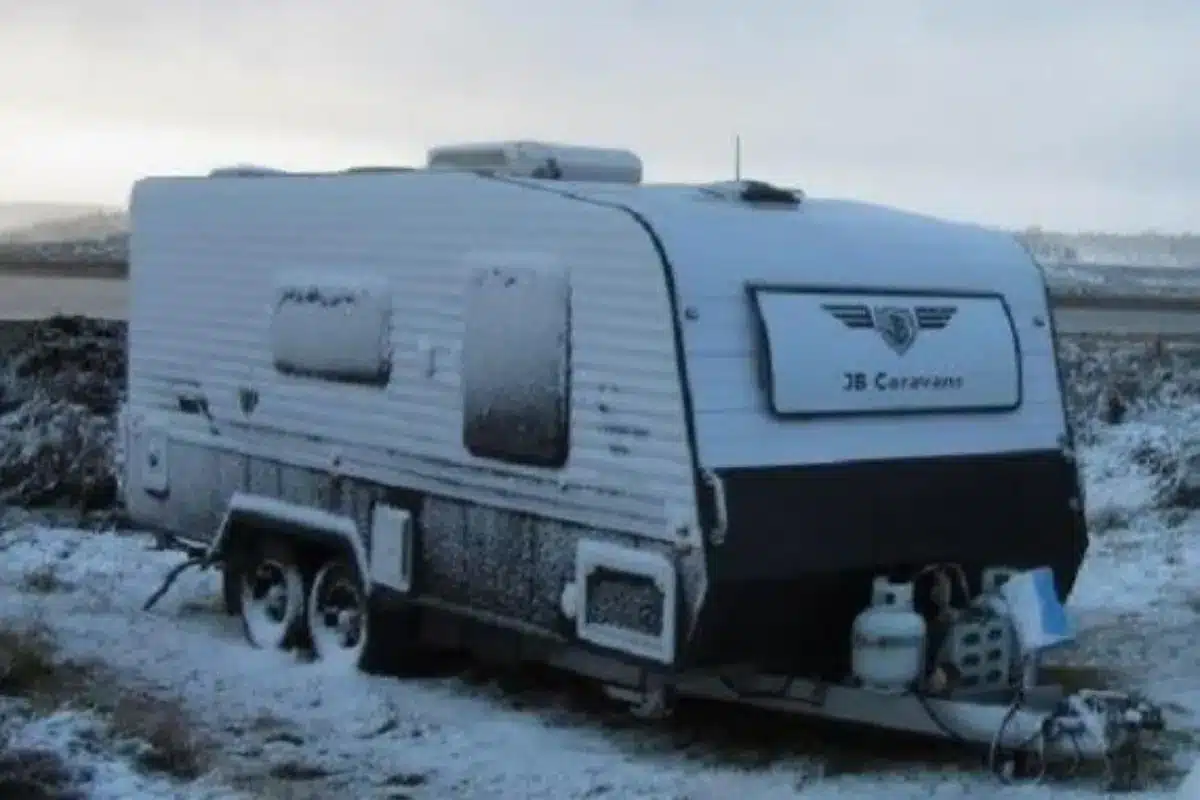
Why Diesel Heaters Are So Popular With Caravanners
A diesel heater uses a small amount of diesel fuel to create warm air, which is then blown into the caravan, camper or motorhome. Many setups draw combustion air from outside and exhaust fumes back outside, keeping the heated cabin air separate from the combustion process.
That is one of the reasons they have become popular for winter touring.
They can be useful for:
- Free camping in cold regions
- Overnight stops without powered sites
- Older caravanners who want more comfort
- Families travelling in shoulder seasons
- Off-grid setups where running a reverse-cycle air conditioner is not realistic
Compared with trying to run electric heating from batteries, a diesel heater can be far more practical for many touring setups. But that does not mean every heater or every installation is equal.
The Safety Question: What Can Go Wrong?
The main concern with any fuel-burning appliance is carbon monoxide.
Carbon monoxide is dangerous because you cannot see it or smell it. It can build up when combustion appliances are faulty, poorly installed, incorrectly vented or used in enclosed spaces without enough ventilation.
With diesel heaters, the biggest risks usually come from:
- Poor exhaust routing
- Leaking exhaust fittings
- Incorrect installation under the van
- Exhaust fumes entering through windows, vents or annex areas
- Cheap or non-compliant parts
- Poor electrical connections
- No carbon monoxide alarm inside the van
- Using appliances in ways they were not designed for
A diesel heater should never be treated as a “set and forget” gadget. It needs proper installation, regular checks and common sense.
Installed vs Portable Diesel Heaters
There are two broad types travellers often look at.
Fixed diesel heaters
These are permanently installed into the caravan, camper or motorhome. When done properly, this is usually the cleaner and more convenient option. The heater body, exhaust, fuel line, intake and warm air outlet all need to be positioned correctly.
For many caravanners, this is a job best left to someone experienced with caravan installations.
Portable diesel heaters
Portable diesel heaters have become popular because they are cheaper and do not always require a permanent install. However, they still burn fuel and still produce exhaust.
That means they need to be used with extreme care. The exhaust must remain outside and well away from doors, windows, vents and enclosed annex spaces. A portable unit should never be run inside the caravan itself.
The word “portable” does not mean “safe anywhere”.
2kW or 5kW: Which Size Suits a Caravan?
Bigger is not always better.
A common mistake is buying a heater that is too powerful for the space. Many caravans do not need a large heater to warm the interior, especially if the van is reasonably insulated.
A 2kW diesel heater may be enough for many smaller caravans, campers and motorhomes. A 5kW unit may suit larger spaces, but it can also cycle poorly or run too hot in a small van.
Before buying, consider:
- The size of your van
- How well it is insulated
- Where you usually travel
- Whether you free camp in alpine or inland winter conditions
- Where the heater can be safely installed
- Whether you have space for fuel, ducting and exhaust routing
The best heater is not the biggest one. It is the one that suits your actual setup.
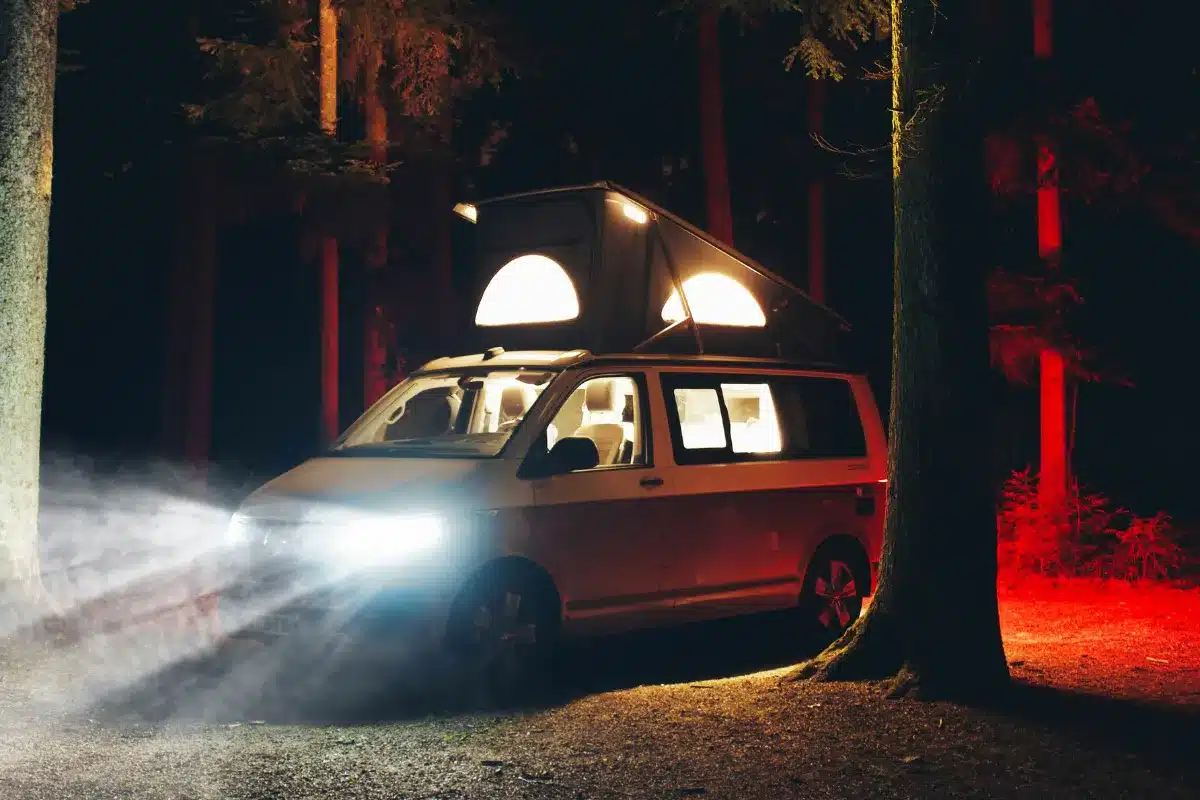
What To Check Before Installing a Diesel Heater
Before you buy or install a diesel heater, ask these questions:
- Is the heater suitable for caravan or RV use?
- Where will the exhaust exit?
- Can exhaust fumes enter through a window, vent, door or annex?
- Is the fuel tank safely mounted?
- Are the fuel lines protected from heat and damage?
- Is the electrical wiring suitable and fused correctly?
- Can the heater be serviced later?
- Will the install affect warranty or insurance?
- Do you have a working carbon monoxide alarm?
- Has the unit been installed by someone who understands caravan layouts?
If you are unsure about any of these, get professional advice before drilling holes or mounting parts.
Carbon Monoxide Alarms Are Not Optional
Every caravan with combustion appliances should have a working carbon monoxide alarm.
This is especially important if you use gas appliances, a diesel heater, a generator nearby, or camp close to other vehicles and RVs.
A carbon monoxide alarm is a small investment compared with the risk. Make sure it is suitable for caravan or RV use, installed according to the manufacturer’s instructions and tested regularly.
Do not rely on smell. Carbon monoxide does not give you that warning.
The Big Mistakes To Avoid
The most common diesel heater mistakes are usually not complicated. They are practical things that get overlooked.
Avoid:
- Buying the cheapest heater without checking quality
- Running a portable unit inside the caravan
- Letting exhaust discharge under an enclosed annex
- Installing the exhaust near windows, doors or vents
- Ignoring strange smells, soot or shutdown issues
- Running a heater with damaged ducting or wiring
- Assuming all online installation videos suit Australian caravans
- Forgetting to check insurance or warranty implications
If something smells wrong, sounds wrong or looks wrong, turn it off and investigate before using it again.
Are Diesel Heaters Worth It?
For many winter travellers, yes.
A properly installed diesel heater can make cold-weather touring far more comfortable. It can help you stay warm while free camping, reduce reliance on powered sites and make winter trips more appealing.
But it is not the sort of upgrade to rush.
The heater itself is only part of the equation. The installation, ventilation, exhaust routing, electrical setup and ongoing checks matter just as much.
Other Ways to Heat a Caravan in Winter
Diesel heaters might be one of the most searched winter caravan upgrades, but they are not the only option. The best heating choice depends on how you travel, whether you stay on powered sites, how much battery capacity you have and how often you camp in genuinely cold conditions.
Reverse-cycle air conditioning
Many modern caravans already have reverse-cycle air conditioning, which can provide heating as well as cooling.
This can be a simple option when you are staying at a powered caravan park. The downside is power use. For most travellers, reverse-cycle heating is not practical for overnight free camping unless the van has a serious battery and inverter setup designed to handle it.
Best for: powered sites, caravan parks and vans already fitted with reverse-cycle air conditioning.
Electric fan heaters
A small electric fan heater can warm a caravan quickly when you are plugged into 240V power.
They are affordable and easy to use, but they are not usually suitable for off-grid camping. They can draw a lot of power and should only be used with safe, suitable electrical setups. Keep them clear of bedding, curtains and anything that could overheat.
Best for: short stays on powered sites.
Oil column heaters
Oil column heaters provide a slower, steadier heat and are usually quieter than fan heaters.
They still need 240V power, and they do take up floor space, which can be an issue in smaller vans. As with any portable heater, they need to be positioned safely where they cannot tip over or sit too close to bedding, furniture or walkways.
Best for: powered sites and travellers who want gentle, quiet heat.
Final Word
Diesel heaters are popular for a reason. They can be efficient, practical and well suited to Australian caravan travel, especially for those who like to keep moving through winter.
But the safest setup is not always the cheapest one.
Before you buy, think about your van, your travel style and how the heater will be installed. Use a suitable unit, follow the instructions, get professional help where needed and install a carbon monoxide alarm.
A warm van is wonderful.
A safe warm van is what really matters.