
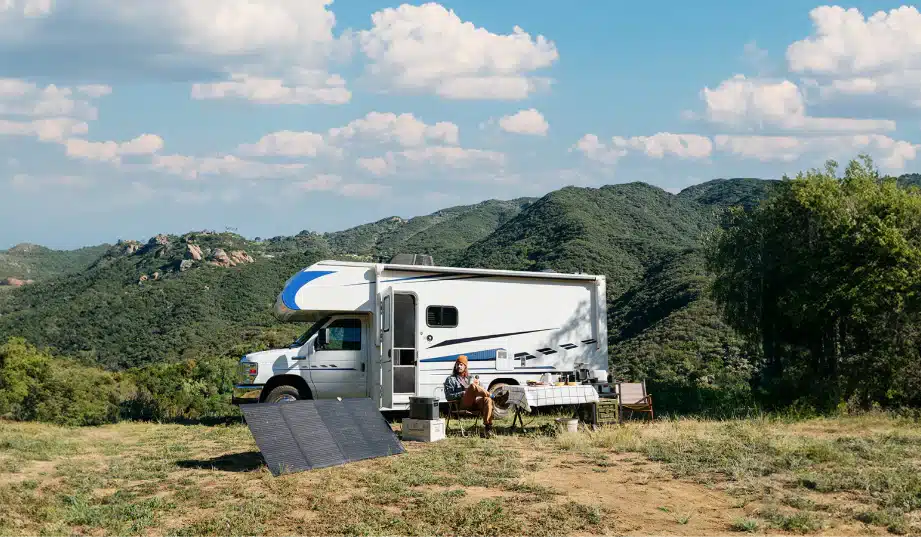
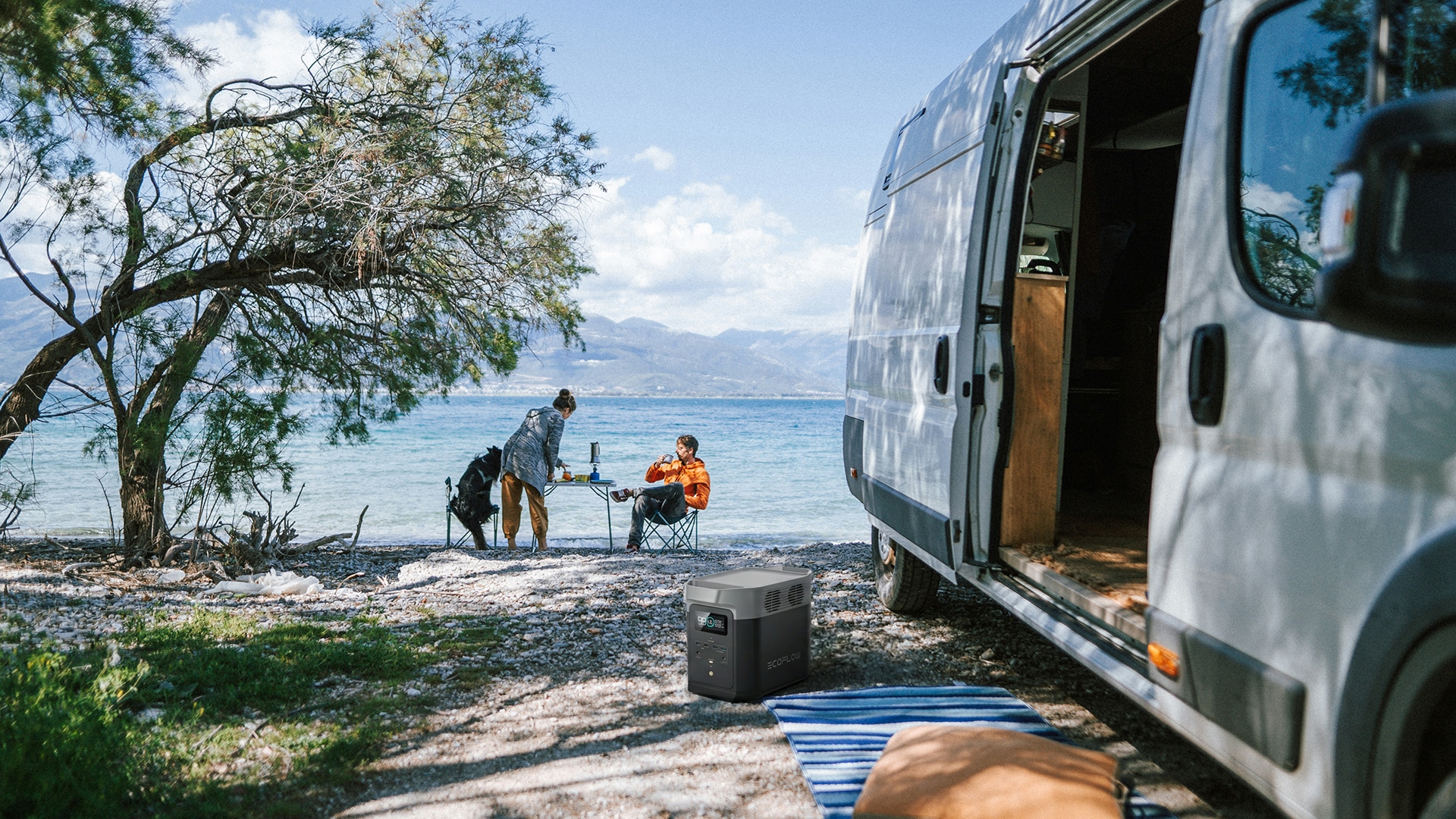

Portable power stations around the 1kWh mark are now common in Australian caravan and camping setups. They promise quiet, self-contained power without the cost or installation work of a full lithium house battery system.
But what does 1024Wh actually mean in practical touring terms?
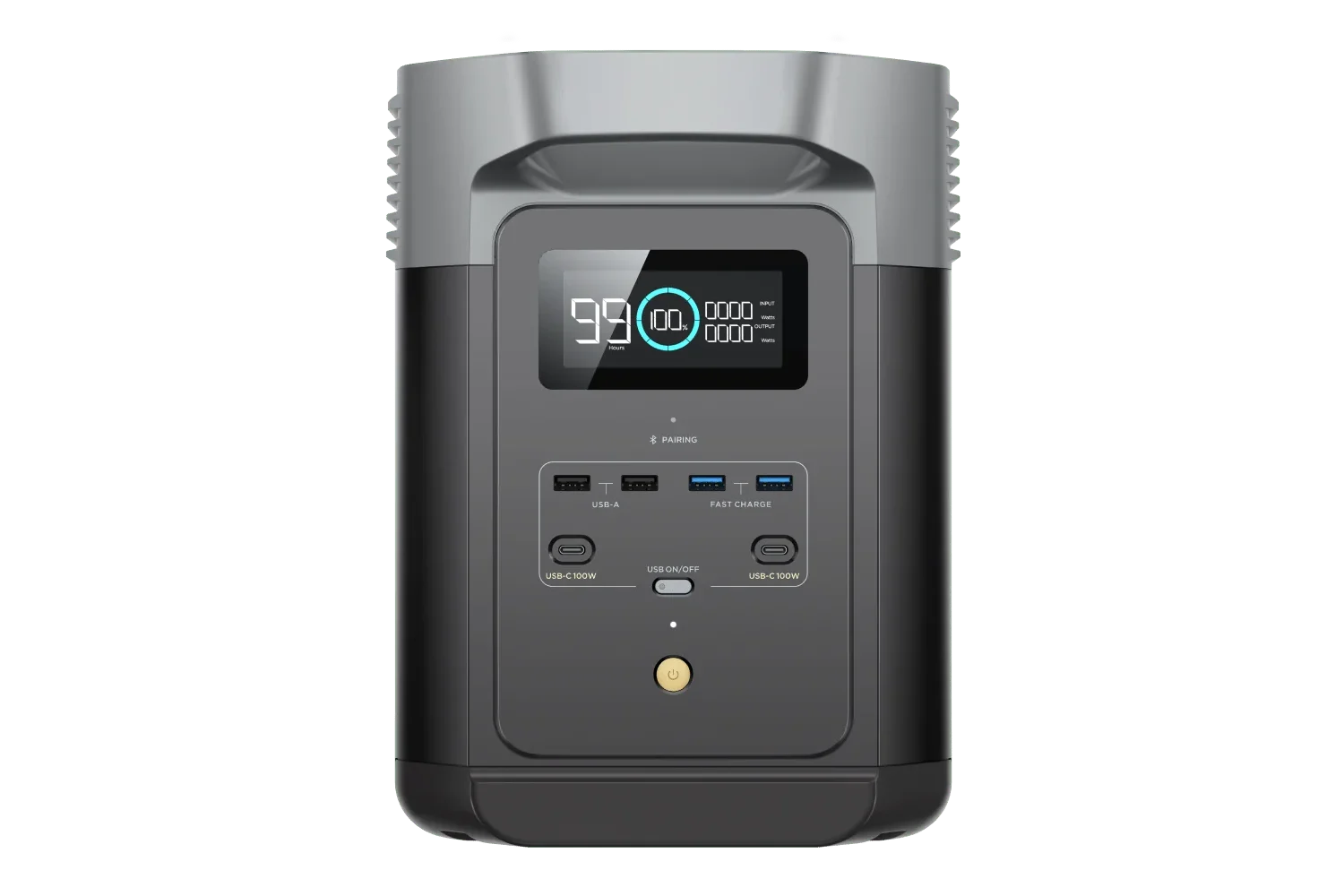
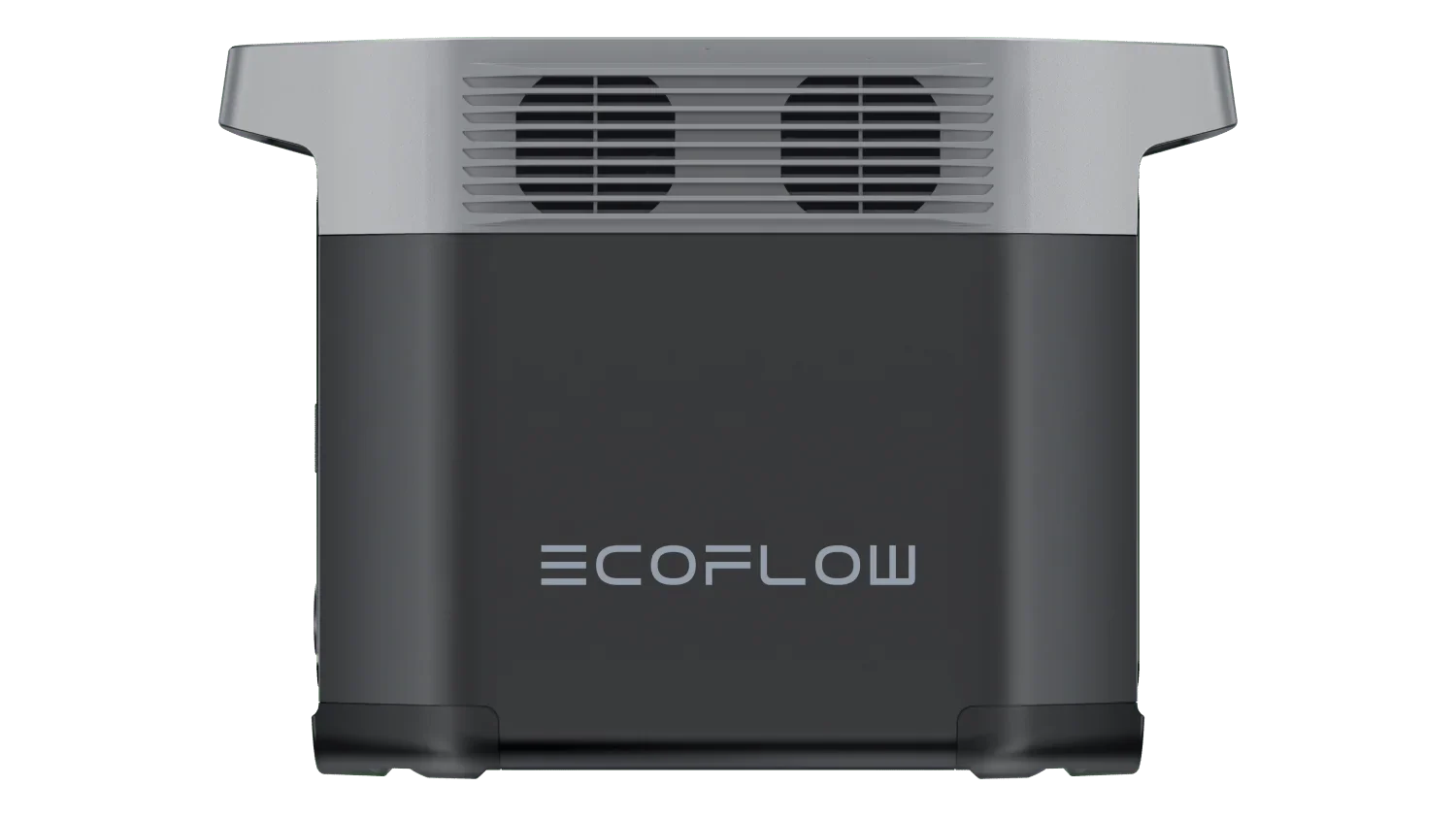
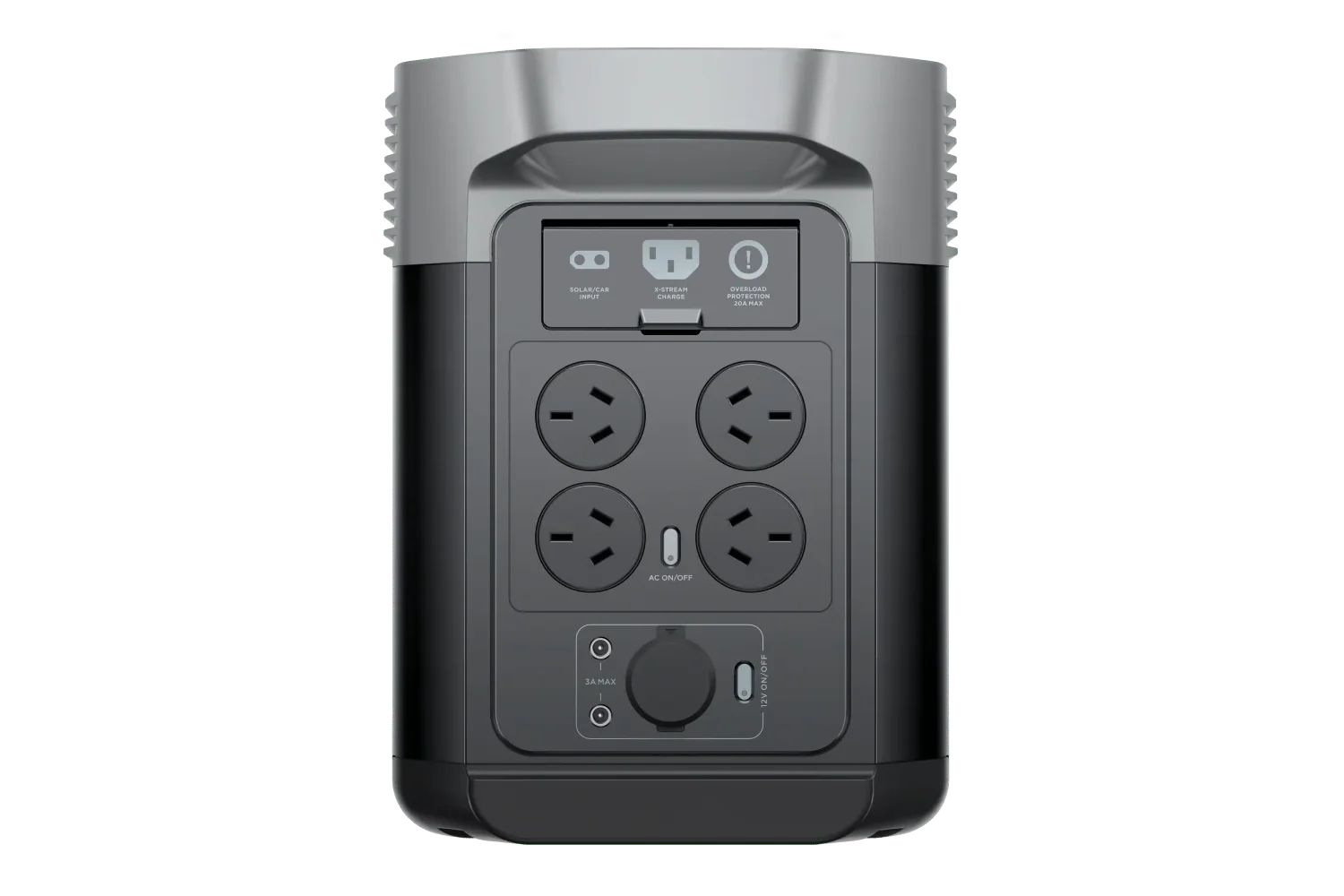
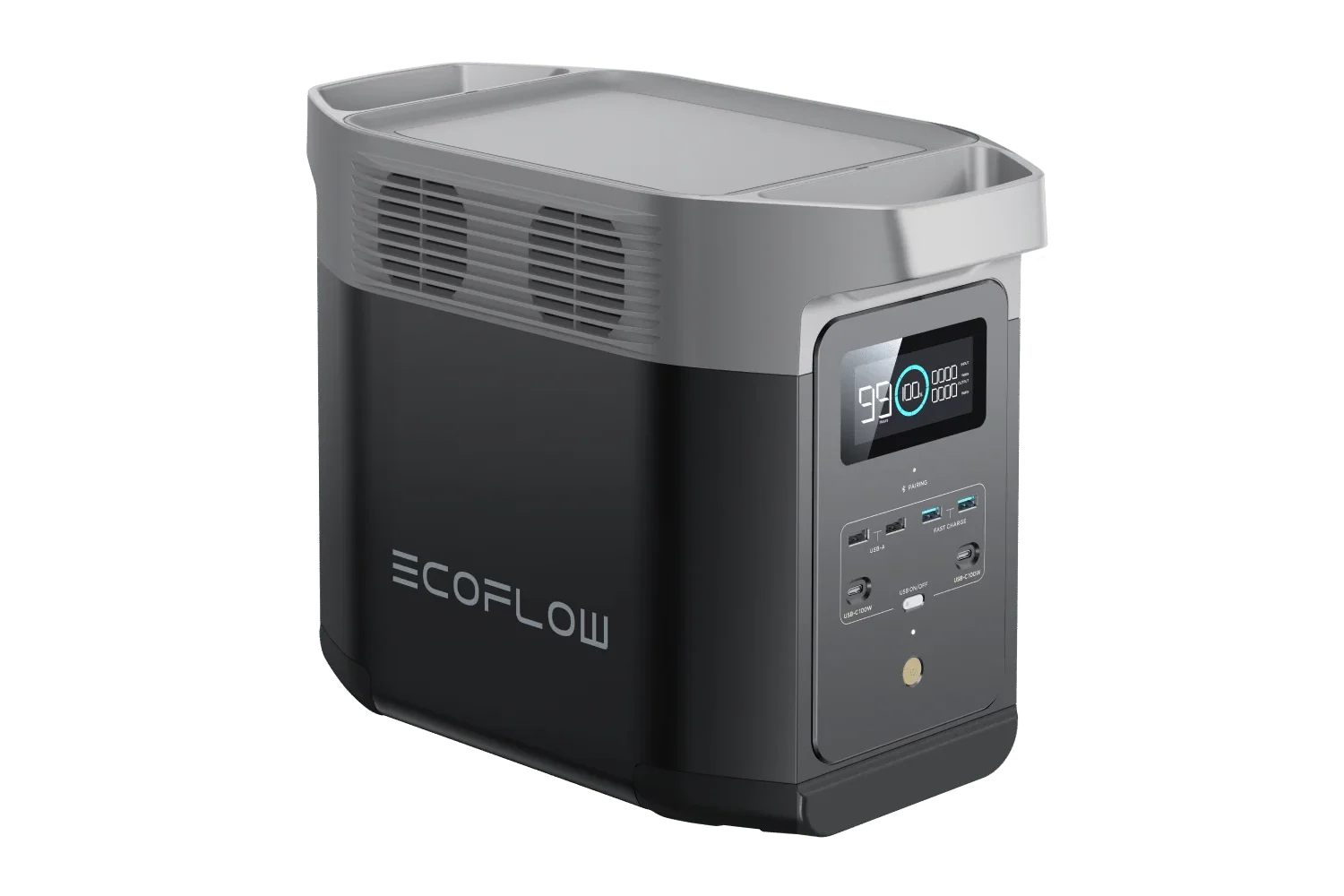
Using the EcoFlow DELTA 2 as a reference example, here’s a practical breakdown of what a 1kWh power station can realistically handle on a short off-grid trip.
What Does 1kWh Actually Mean?
A 1kWh battery stores roughly 1000 watt-hours of energy. The EcoFlow DELTA 2 is rated at 1024Wh.
In simple terms:
- A 50W appliance running for one hour uses 50Wh
- A 100W appliance running for one hour uses 100Wh
Most caravan appliances do not run constantly. Fridges cycle on and off. Lights are used intermittently. Charging devices happens in bursts.
The important question is not just battery size. It is what you are running, and how often.
Typical Caravan Power Use
Below are realistic consumption ranges for common touring setups. These are conservative averages based on standard appliance behaviour, not manufacturer marketing figures.
12V Compressor Fridge (40–60L)
- Average daily use: 400 to 600Wh
- Heavily influenced by:
- Outside temperature
- Fridge insulation
- How often it is opened
LED Camp Lighting
- 5 to 20W combined
- Overnight use: 40 to 100Wh
Charging Devices
- Phones and tablets: 20 to 40Wh per device
- Laptop: 60 to 100Wh per charge
Coffee Machine or Kettle
- 1000 to 1500W draw
- Short 3–5 minute use: 70 to 120Wh
Induction Cooktop
- 1200 to 1800W draw
- 10–15 minutes cooking: 200 to 400Wh
High-draw appliances consume significant energy quickly. This is where 1kWh systems reach their limits.
Scenario Breakdown
Scenario 1: Fridge, Lights and Devices
Estimated daily use:
- Fridge: 500Wh
- Lighting: 60Wh
- Devices: 100Wh
Total: roughly 660Wh per day.
In this situation, a 1kWh power station can comfortably handle an overnight stay and often stretch into a second day. This is the most common touring scenario for couples or small families.
Scenario 2: Add a Morning Coffee
Add approximately 100Wh per use.
Daily total moves closer to 750 to 800Wh. Still manageable, but there is less buffer.
Scenario 3: Regular Induction Cooking
Add 300Wh or more per day.
Now total usage approaches or exceeds 900 to 1000Wh daily. Without solar or recharging, a 1kWh unit will need daily top-ups.
What can 1kWh actually do?
Overnight
Fridge, Lights & Devices. Easy win for 1kWh.
The Limit
Adding Induction cooking requires daily solar top-ups.
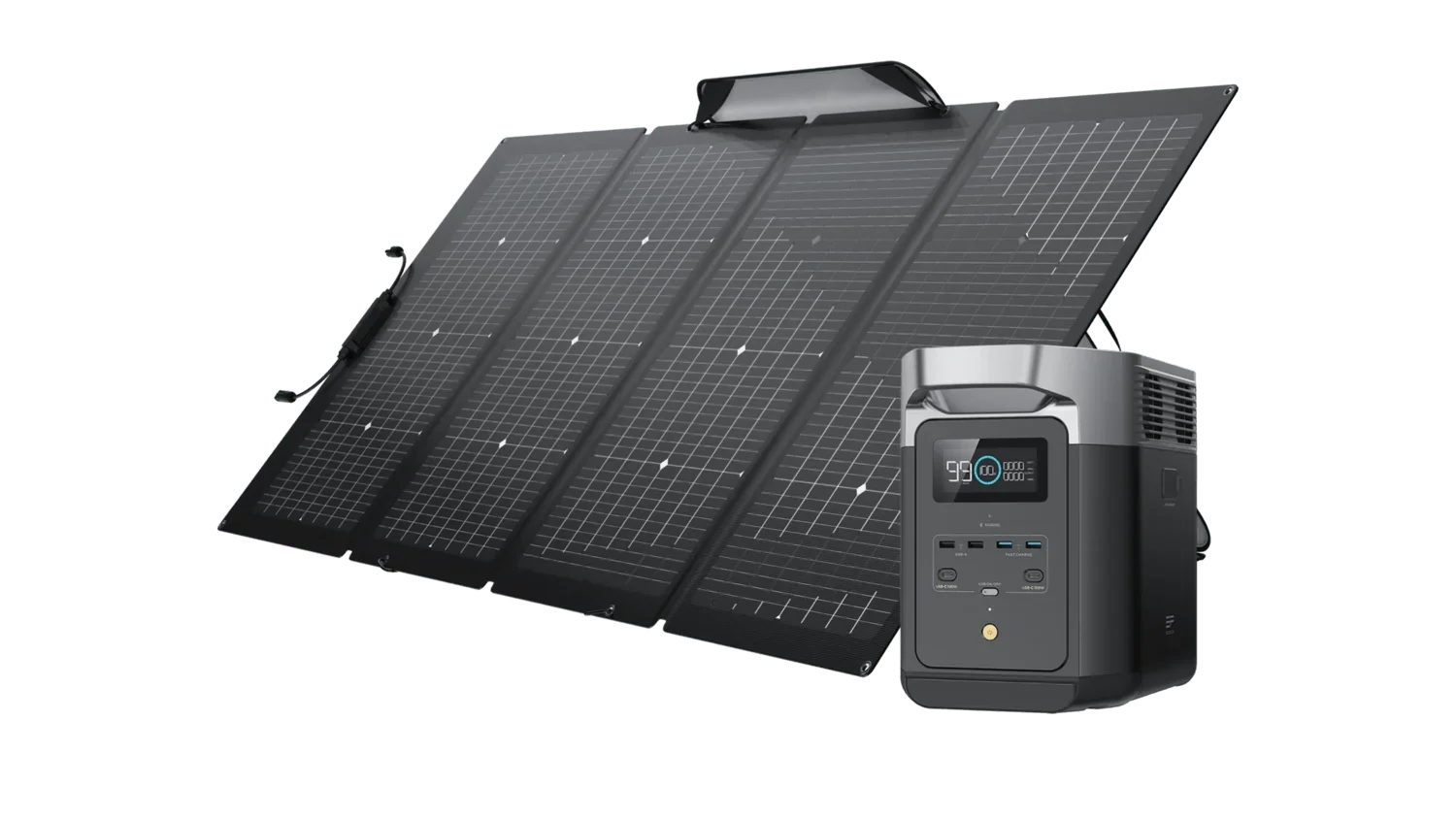
Where the EcoFlow DELTA 2 Sits
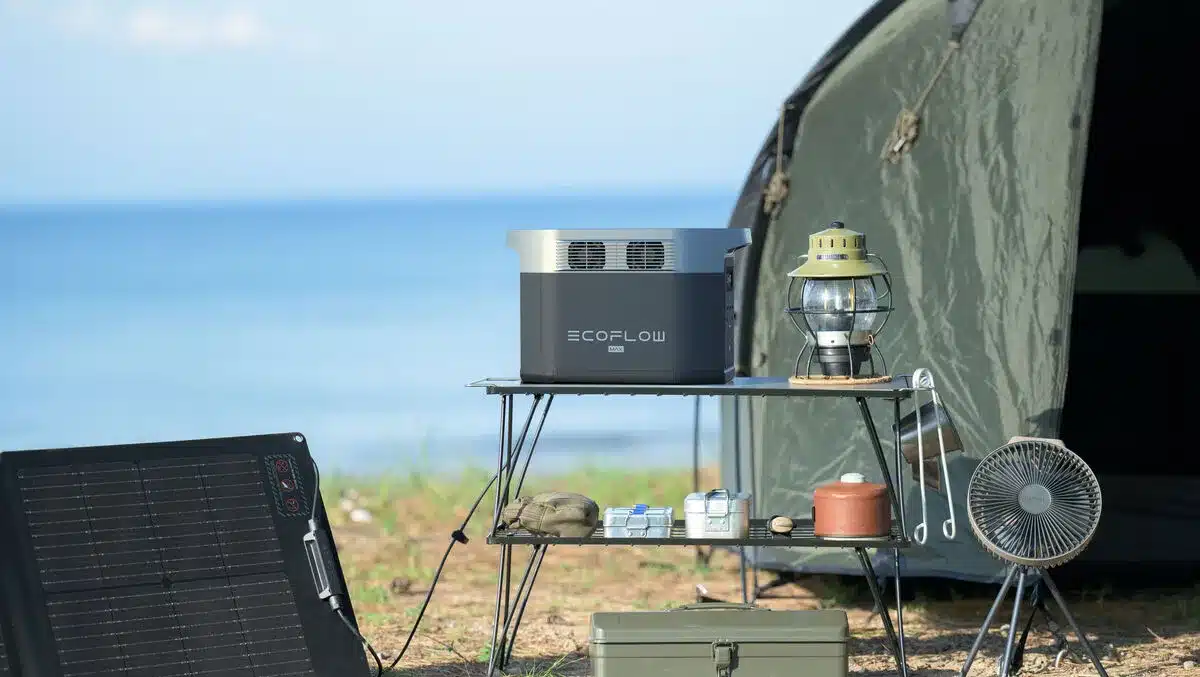
The EcoFlow DELTA 2 is a 1024Wh portable power station with:
- 1800W inverter output
- LiFePO₄ battery chemistry
- Solar input capability up to 500W (as per manufacturer specification)
- Weight of approximately 12kg
This places it in the practical middle of the market.
It is larger than entry-level 300 to 700Wh units.
It is smaller than 2kWh and above systems often used for extended off-grid touring.
For many caravanners, it represents a balance between portability and meaningful capacity.
The Solar Factor
Solar changes the equation significantly.
A 200W portable solar blanket in good Australian sun can realistically contribute 600 to 800Wh per day, depending on conditions.
That can offset most fridge and lighting usage. With solar support, a 1kWh power station becomes far more sustainable for multi-day stays.
Without solar, careful energy management becomes important.
When 1kWh Is Likely Enough
A 1kWh power station suits:
- Weekend off-grid stays
- Portable fridge setups
- Travellers pairing with portable solar
- People wanting flexible backup power
It offers independence without permanent installation work.
When It May Not Be Enough
It may fall short if you:
- Cook regularly with induction
- Run multiple high-draw appliances daily
- Travel in extreme heat where fridges work harder
- Camp long term without solar input
In those situations, 2kWh and above systems become more practical.
Final Word
For most Australian caravan travellers doing short off-grid stays, 1kWh is workable.
It will not power everything without thought. It will not replace a full lithium caravan setup.
But paired with sensible load management and ideally solar support, it sits in a practical middle ground for modern touring.
The real answer to whether 1kWh is enough depends less on the battery size and more on how you camp.