
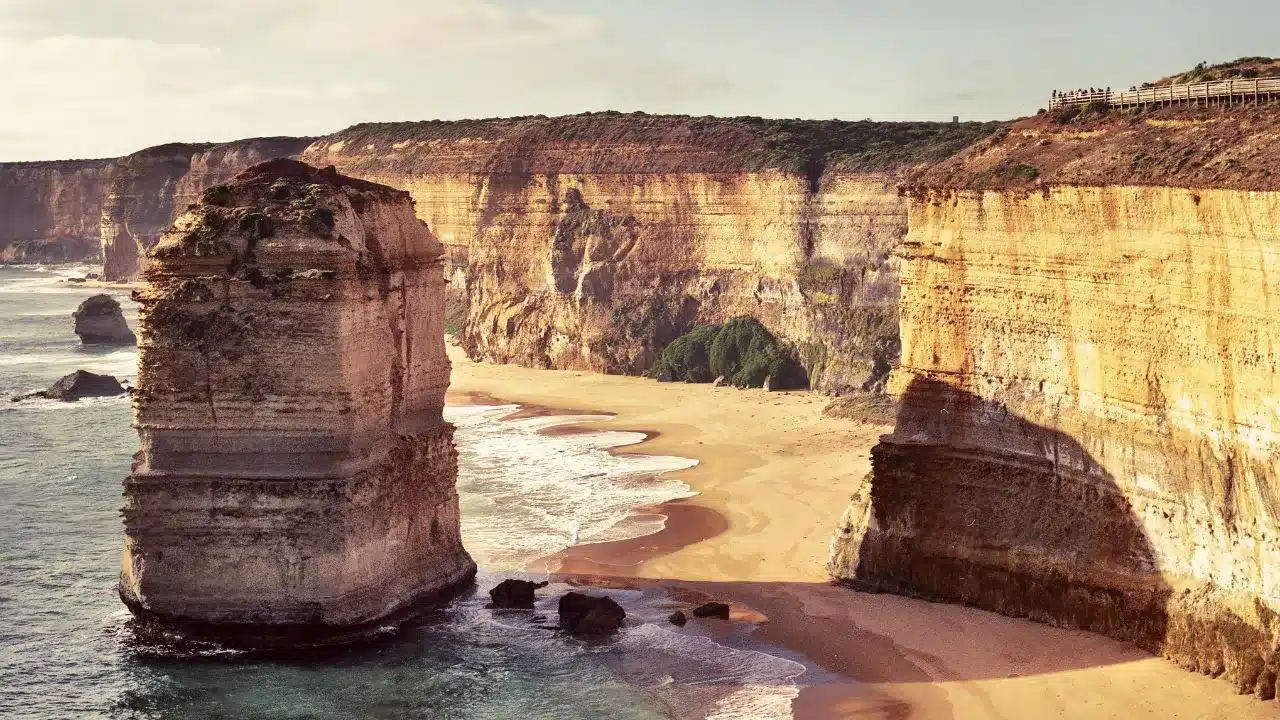
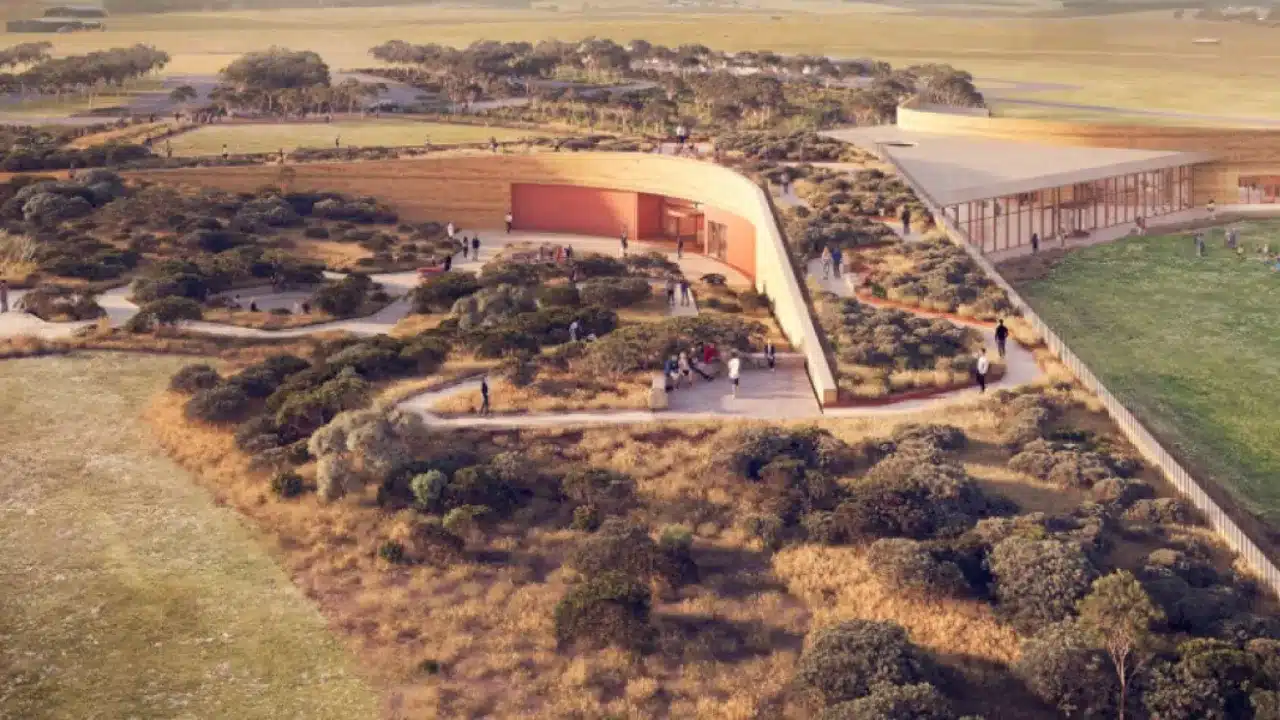
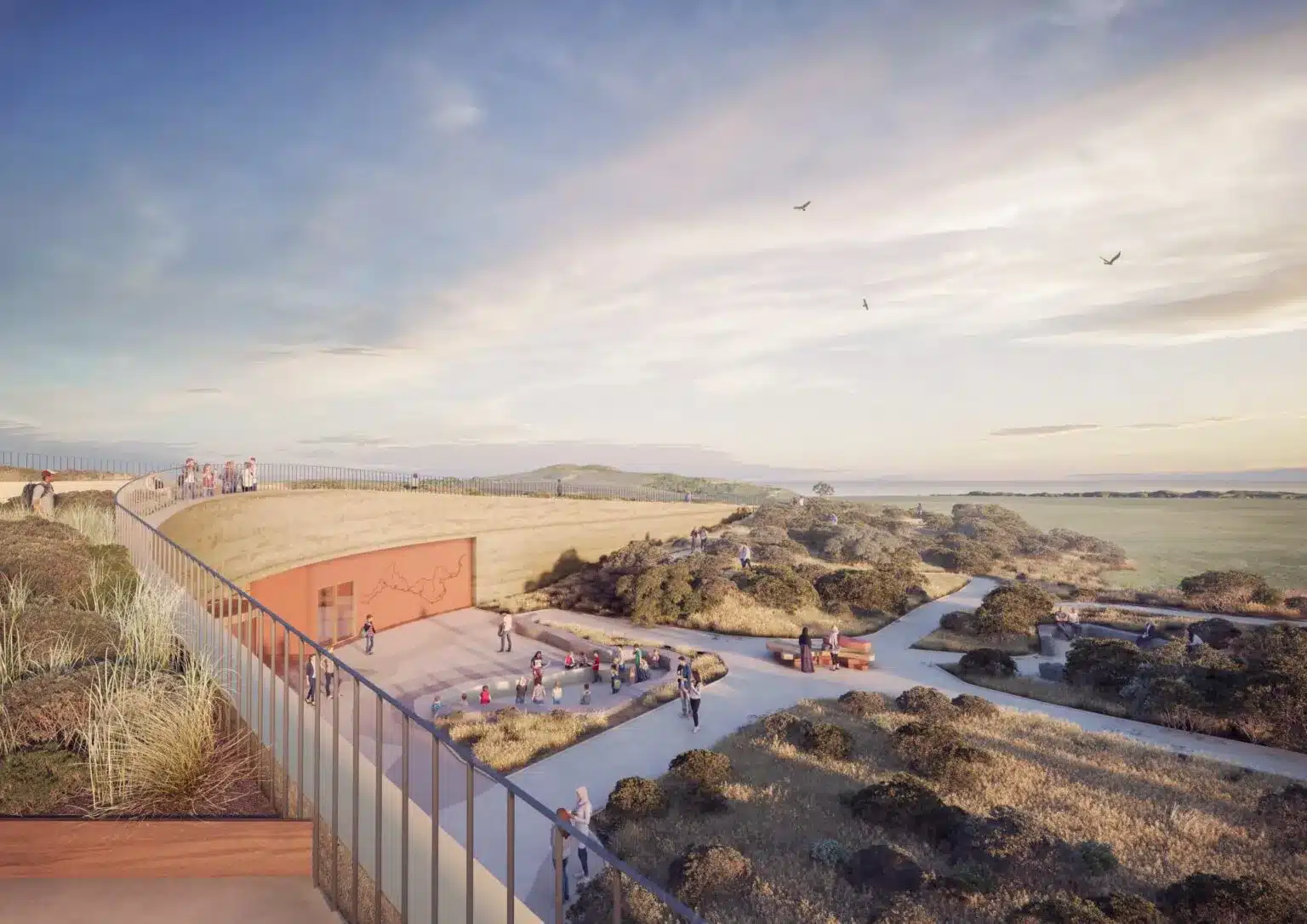

You have paid for the fuel, booked the caravan park and bought lunch in a local town. But what about the Twelve Apostles entry fee – should you also have to pay to stand at a lookout and see the coastline?
That is the question facing travellers as Victoria prepares to introduce a booking and fee model at the new Twelve Apostles Visitor Centre. Visiting the landmark currently carries no admission fee, but soon the Twelve Apostles entry fee will be a factor to consider for all visitors.
The amount visitors will pay and the exact fee commencement date are still being finalised. Anyone planning to visit should keep an eye out for official updates regarding the Twelve Apostles entry fee and how it may affect their travel budget.
But the principle is already worth discussing. Is charging visitors a fair way to look after a heavily visited destination, or should seeing a natural landmark remain something everyone can afford?
Are we paying for the facilities or the view?
There is an important difference between choosing to buy an experience and needing to pay to reach a view. A guided tour, an exhibition or a meal offers a service travellers can decide to purchase. A coastal lookout feels different.
For someone towing along the Great Ocean Road, the attraction may be the landscape itself – not a restaurant, rooftop garden or immersive exhibition.
The new booking system covers parking and Visitor Centre access. That makes the final access arrangements important: what options will exist for someone who simply wants to see the Apostles without using the additional attractions? ‘
That question deserves a clear answer before travellers can judge whether the model is fair.
The case for charging visitors
A free visit does not mean a destination costs nothing to maintain.
Paths, toilets, parking areas and visitor facilities require upkeep. Managing access to a fragile coastal environment also involves work that may be largely invisible during a short visit.
The Great Ocean Road Coast and Parks Authority says the fees will help cover precinct operating and maintenance costs, as well as fund improvements to visitor facilities and environmental conservation along the coast. Its explanation includes beach access upgrades and improvements to caravan parks and campgrounds.
There is a reasonable argument that visitors should contribute to facilities they use.
A fee that delivers well-maintained amenities, clearer access and better care for the landscape could represent good value. The challenge is making those benefits clear and keeping the cost proportionate. In any case, the introduction of a Twelve Apostles entry fee could play a key role in funding these improvements.

The case for keeping natural sights accessible
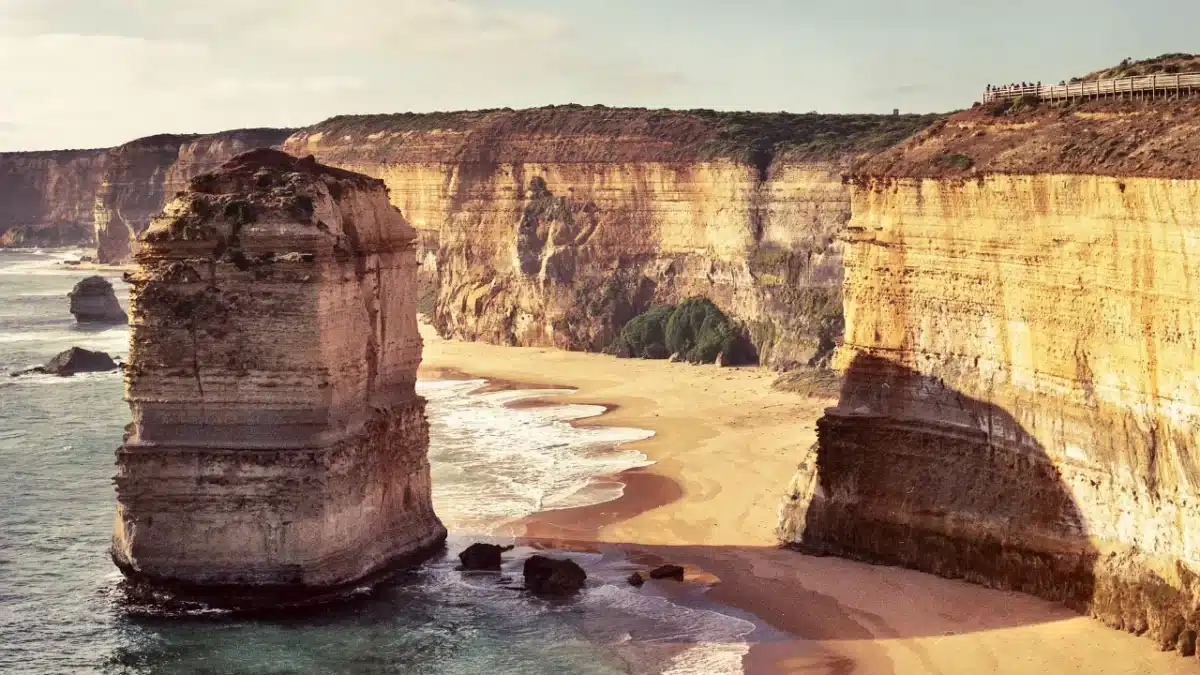
The opposing argument is not that maintenance should happen for free. It is about how that work should be funded.
Should essential access to a natural landmark be supported through public funding, with visitors choosing whether to pay for additional experiences? Or should people who visit make a direct contribution?
For caravanners, this can feel particularly personal. A road trip is often built around simple experiences: a beach walk, a lookout, a picnic and a stop in a regional town.
Add a charge to each stop and the character of an affordable holiday starts to change. At this point, the reality of the Twelve Apostles entry fee becomes especially significant for families and budget-conscious travellers.
That does not mean this announcement introduces fees at other lookouts. It does explain why the decision matters beyond the price of one ticket.
What would make the fee fair for travellers?
The details will matter more than the promise of a better visitor experience. A charge per person could affect a family differently from a charge per vehicle. Concessions could make a difference for retirees. Return-entry rules would matter to anyone hoping to visit at sunset and come back the next morning.
These are questions to ask when the conditions are released, not confirmed features of the new system. Furthermore, understanding exactly what is included in the Twelve Apostles entry fee will help travellers make informed choices.
Caravanners also need practical information: whether their full rig can be accommodated, which vehicle category to book and what happens if they arrive later than planned. A touring day can change. A booking system should be straightforward enough to work with that reality.
What is changing, and when?
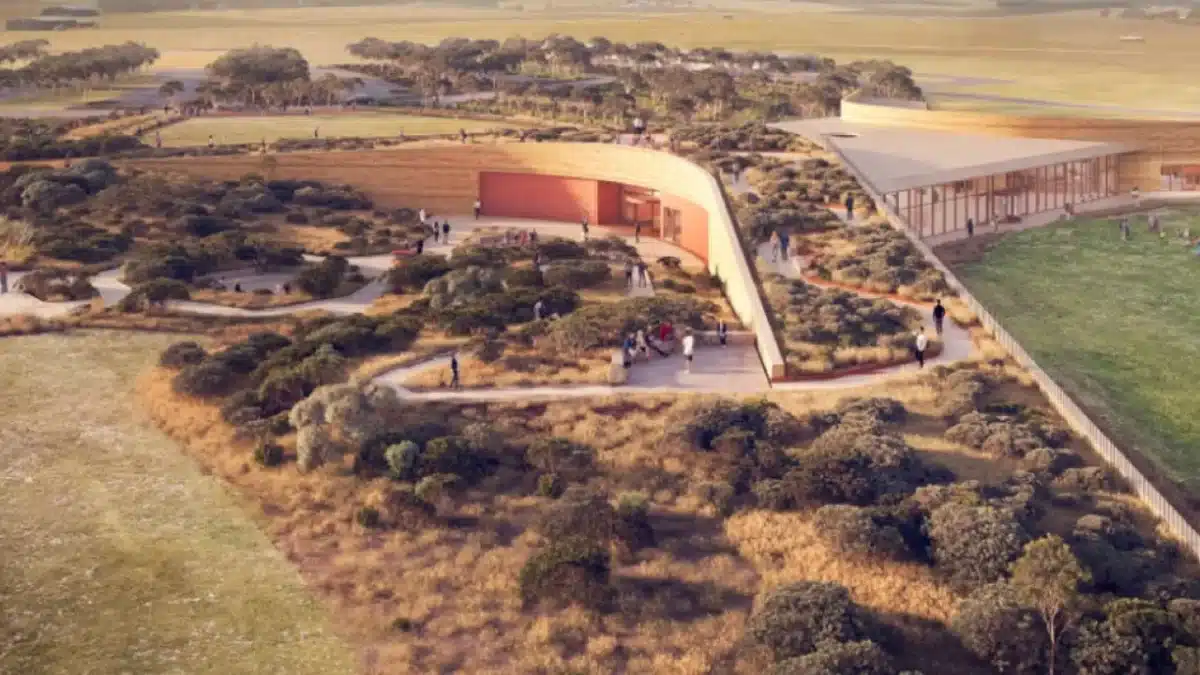
The new precinct is part of a $126 million redevelopment, with the Visitor Centre planned to open in mid-October 2026. The booking system is scheduled to open on 5 October.
Those dates should not be confused with a confirmed start date for fees. The latest official update says fee timing and transition arrangements are still being finalised.
For now, travellers should check official information before visiting, especially if their trip falls after the new centre opens.
So, should we have to pay?
There is a case for asking visitors to help maintain the places they enjoy. There is also a case for ensuring that experiencing Australia’s natural landscapes does not depend on how much money is left in the holiday budget.
The fairest outcome would be transparent: a clearly explained price, practical arrangements for different travellers and a clear distinction between essential access and optional extras.
Until the full conditions are published, it is too early to judge the final model. But it is not too early to ask the question.
Should seeing the Twelve Apostles remain free, with charges for additional experiences – or is a reasonable visitor fee a fair contribution to its upkeep?
Find out more here: https://www.twelveapostles.org.au/news/what-to-expect/