
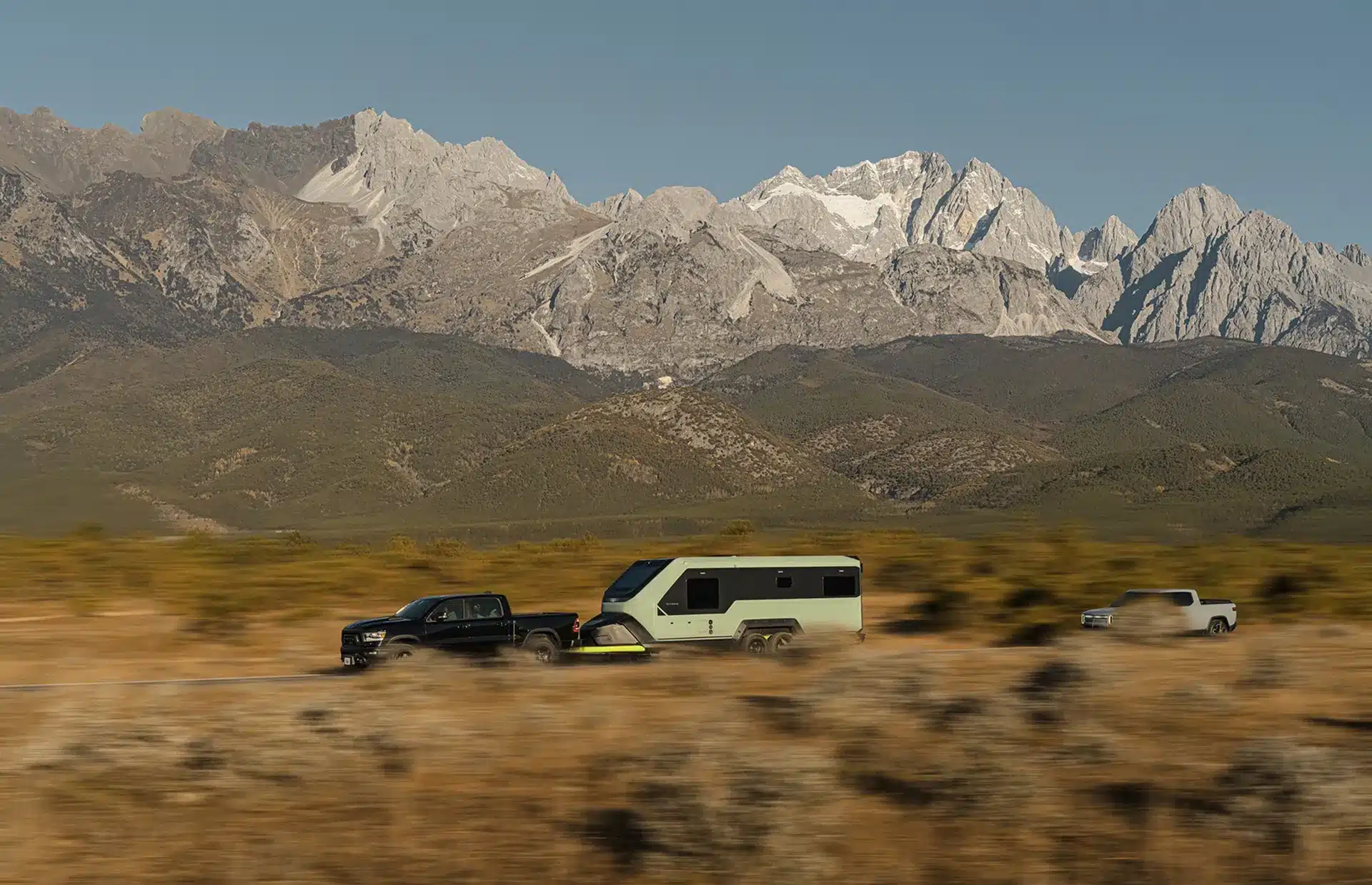
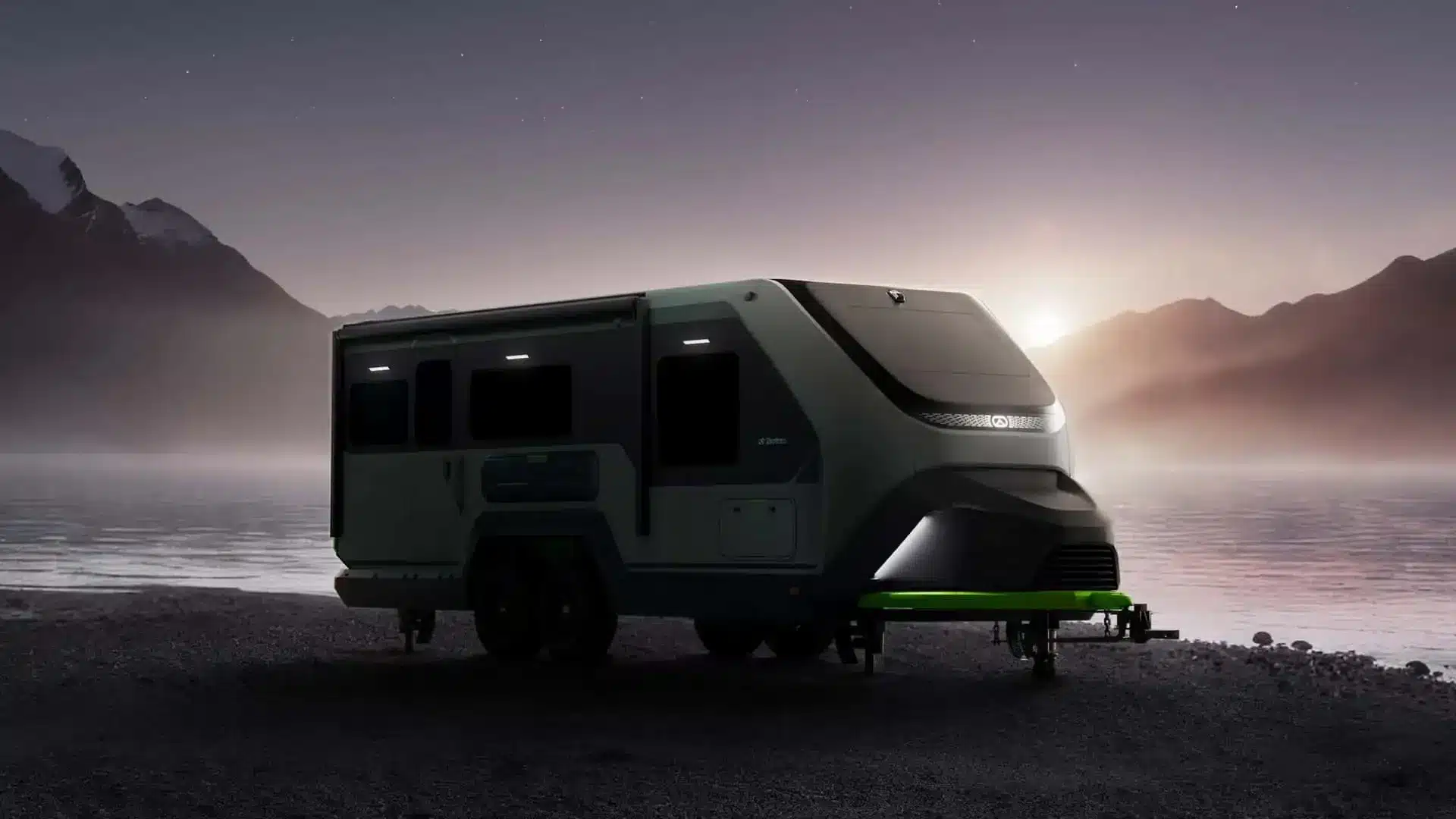

A US startup plans to unveil what it claims is the world’s first power-generating RV trailer at CES 2026. While the Evotrex trailer remains a prototype, the concept points to a broader shift in how recreational vehicles may approach off-grid power, with potential implications for Australian caravanners in the years ahead.
A Shift Beyond Solar and Generators
For most caravans today, off-grid power relies on a familiar mix of rooftop solar, battery storage and, in some cases, diesel generators. While these systems work well in many conditions, they have clear limits — particularly during extended stays, poor weather or high power demand.
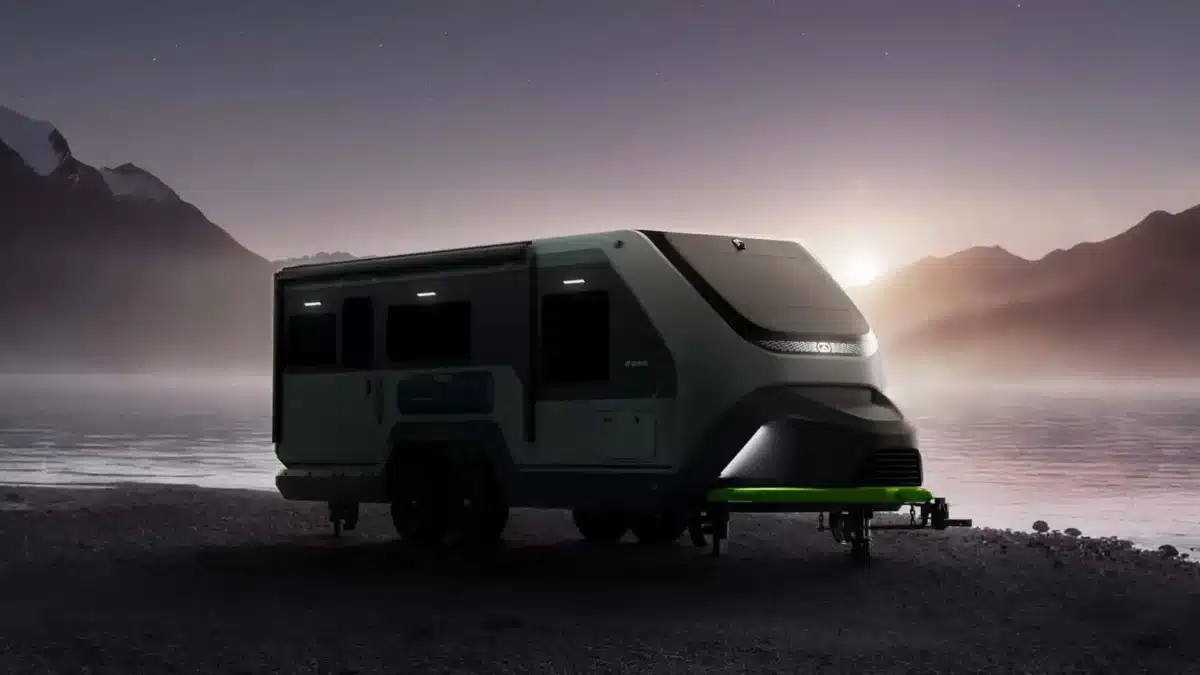
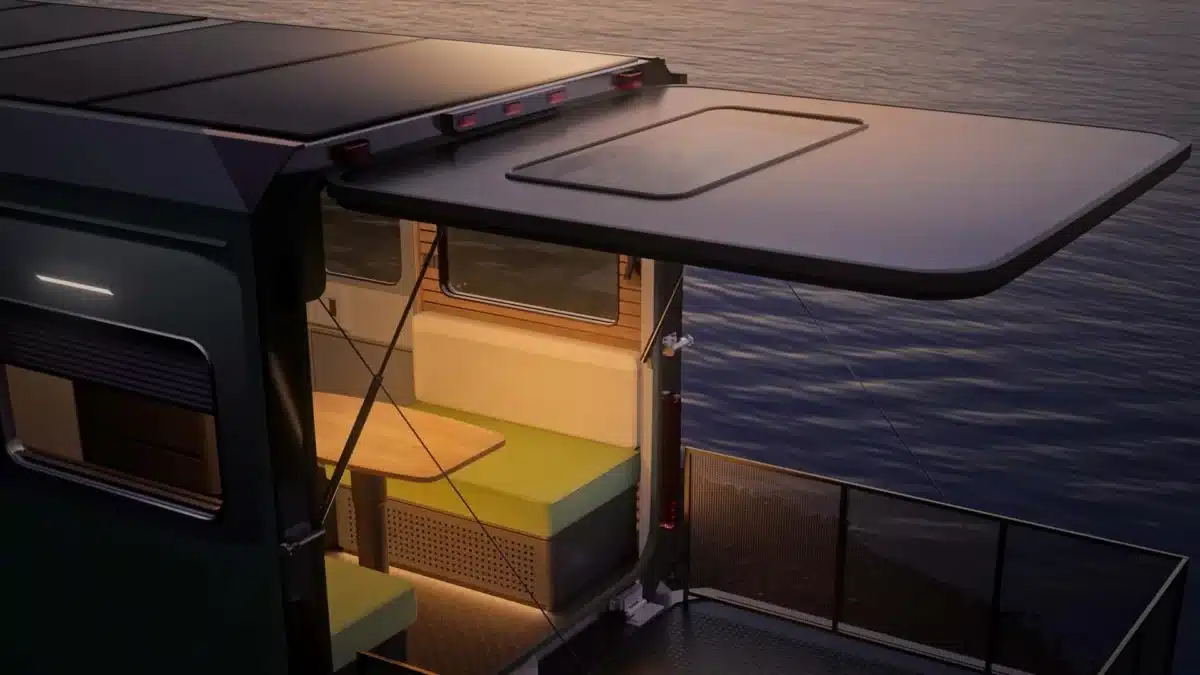
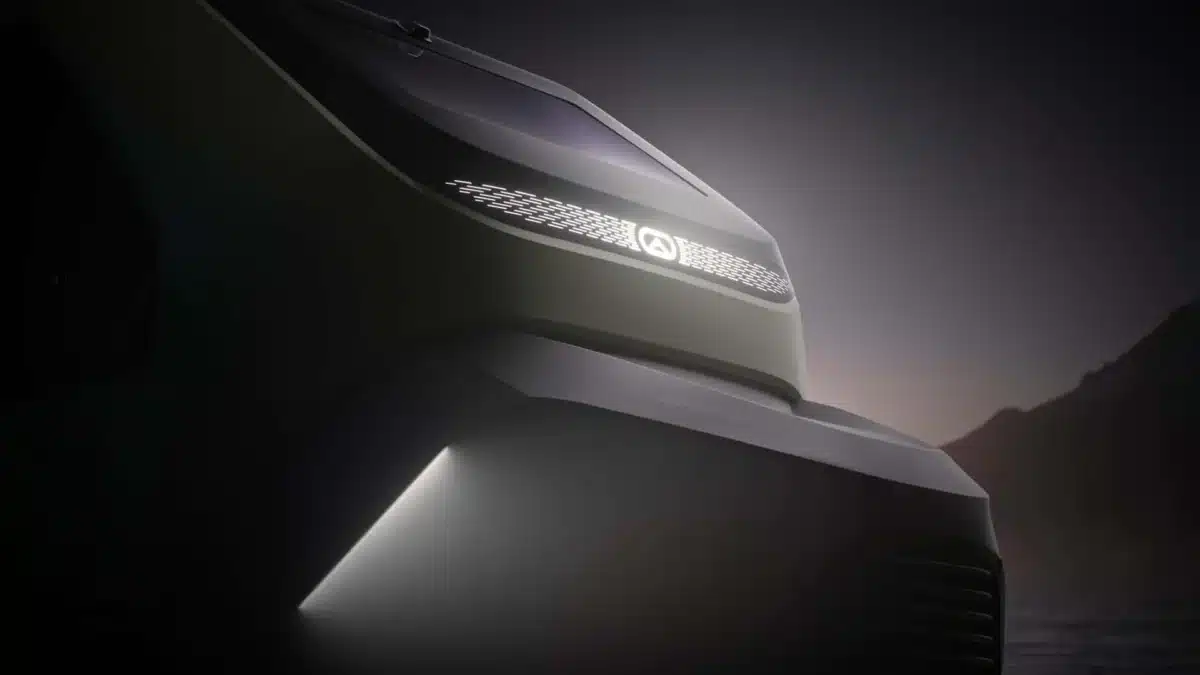
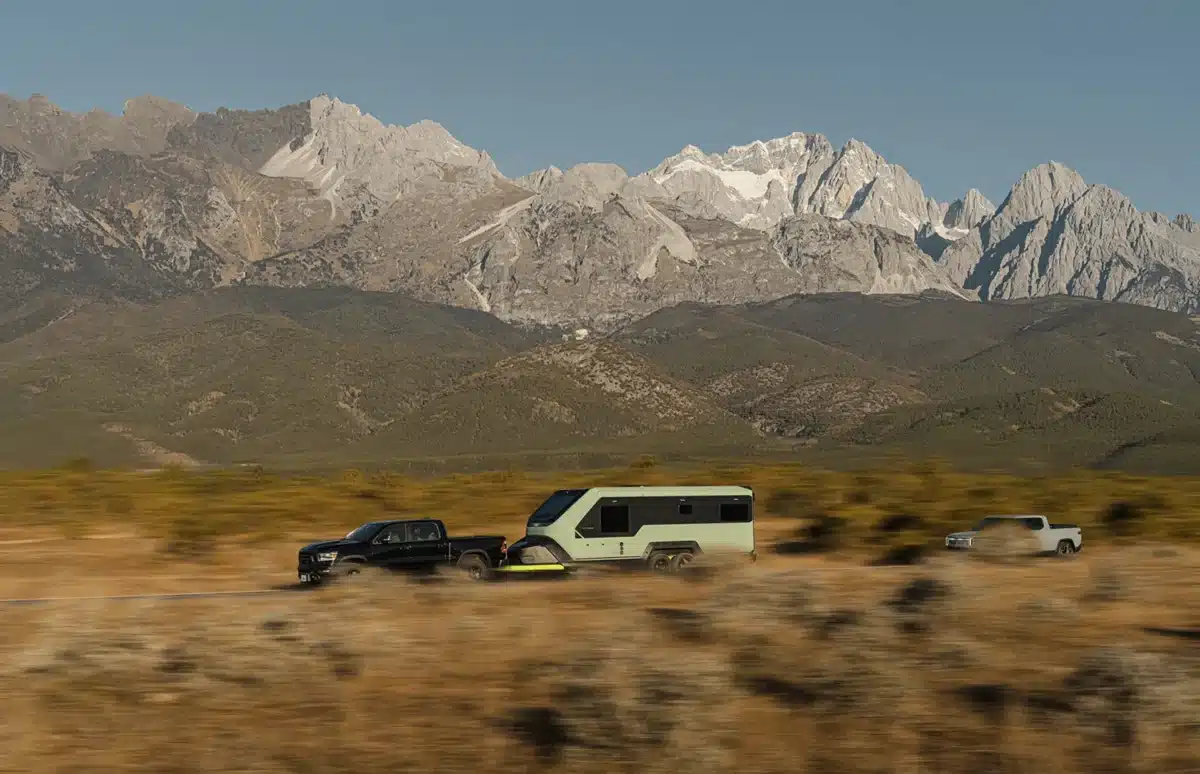
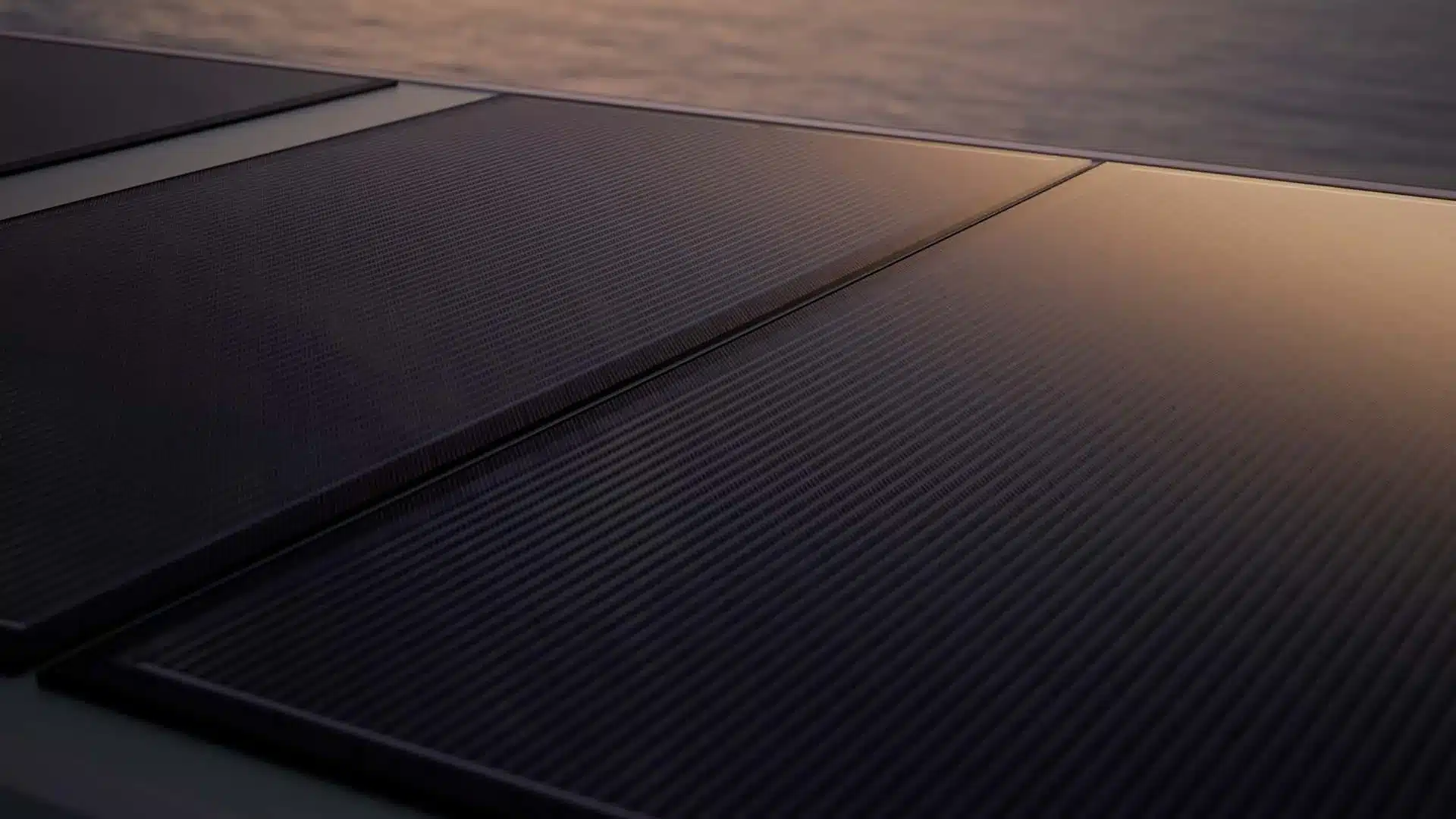
The Evotrex concept suggests an alternative approach: integrating power generation directly into the trailer itself. Rather than relying solely on stored energy, the trailer is designed to actively produce electricity while in use.
If the idea proves practical, it could reduce the need for oversized solar arrays, extra batteries or backup generators — all of which add weight, cost and complexity to a setup.
Why This Matters for Australian Touring
Australia’s long distances and remote travel conditions place unique demands on caravan power systems. Extended off-grid stays are common, particularly in regional and outback areas where powered sites are limited or unavailable.
A trailer capable of generating its own power could:
- Support longer stays in remote locations
- Reduce reliance on fuel-based generators
- Lower noise levels in bush camps
- Simplify energy planning for long-distance touring
For travellers who spend weeks or months on the road, power independence is often one of the biggest constraints on where they can stay and how long they can remain there.
Part of a Broader Technology Shift
The Evotrex trailer sits within a wider trend of electric vehicle and energy-management technology flowing into the RV and caravan sector. Advances in batteries, inverters and power electronics — many driven by the EV industry — are increasingly influencing caravan design.
In recent years, this has already led to:
- Larger lithium battery systems as standard
- Higher-capacity solar setups
- More efficient power management and monitoring
Power-generating trailers represent a potential next step in that evolution, particularly as manufacturers look for ways to improve off-grid capability without continually increasing battery size.
What’s Still Unknown
While the concept is promising, several key questions remain unanswered.
Evotrex has released a power-use calculator showing estimated energy demand under different trip conditions. However, the tool does not provide independently verified data on real-world power generation or system performance.
Key unknowns include:
- How much power the system can reliably generate in real touring conditions
- How performance varies across weather, terrain and extended off-grid use
- The weight, maintenance and cost implications of the technology
- Whether the system can meet Australian compliance, certification and towing requirements
Until production models are tested independently, power-generating RV trailers remain an emerging concept rather than a proven off-grid solution.
What Travellers Should Take From This
For now, Australian caravanners should view announcements like Evotrex’s CES debut as a sign of where the industry may be heading, rather than a product to buy in the near term.
Solar and battery systems will continue to dominate off-grid setups in Australia. However, as global manufacturers experiment with new ways to generate and manage energy, travellers can expect more choice — and potentially fewer compromises — in future caravan designs.
Closing
Power-generating RV trailers are still at an early stage, but they highlight a growing focus on energy independence in recreational travel. For Australian caravanners who value remote touring and self-sufficiency, this is a trend worth watching as the next generation of off-grid technology takes shape.