

The NSW Caravan Camping Supershow 2026 at Rosehill was not just another big shed full of caravans.
It felt sharper than that.
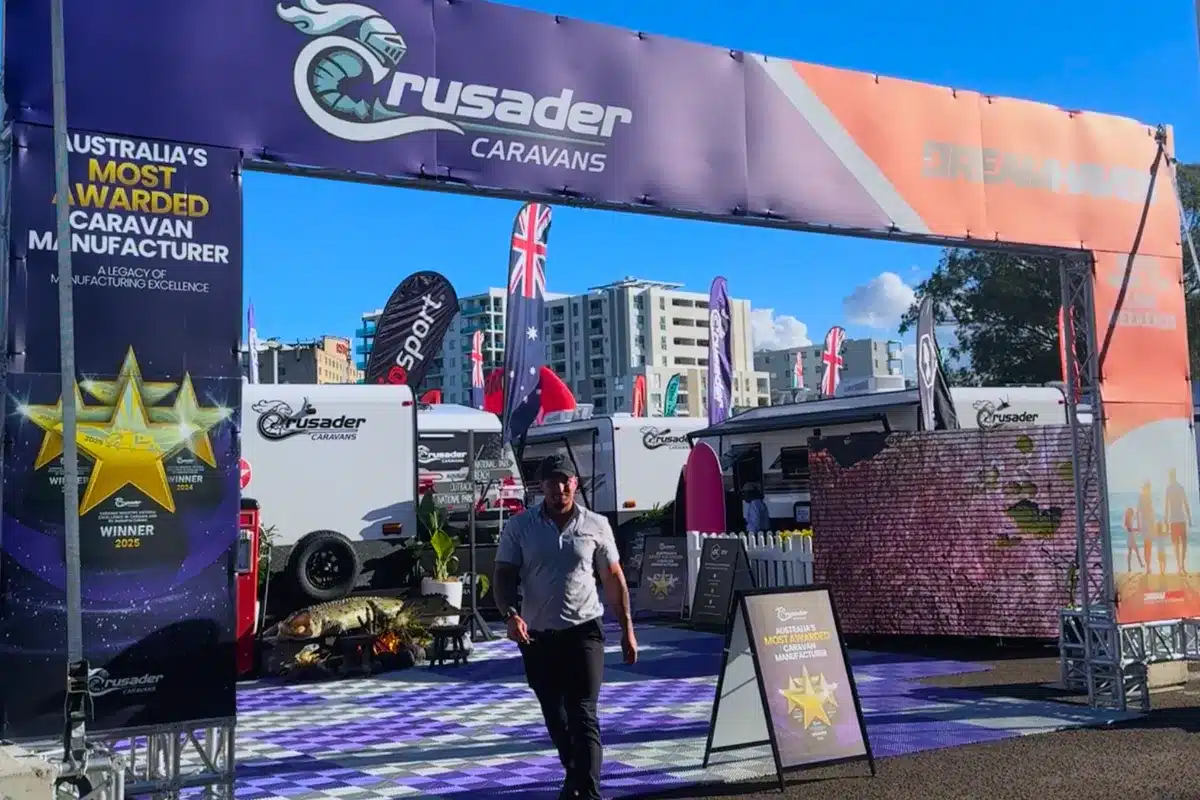
Delivered by Caravan Camping Industry Association NSW, the Supershow ran from Tuesday 28 April to Sunday 3 May 2026 at Rosehill Gardens Racecourse, with more than 250 exhibitors and thousands of vehicles on show.
But the real story was not simply the number on display. It was the way people were shopping.
Buyers were slower, sharper and more prepared. They were asking better questions. Brands were being pushed to explain not just what a caravan includes, but how it actually performs once you are living with it.
That is where the 2026 Supershow became interesting.
Buyers Are Slowing Down and Doing It Properly
One of the biggest shifts at Rosehill was not in the product. It was in the people.
There was less wandering, less rushing, and far more deliberate decision-making.
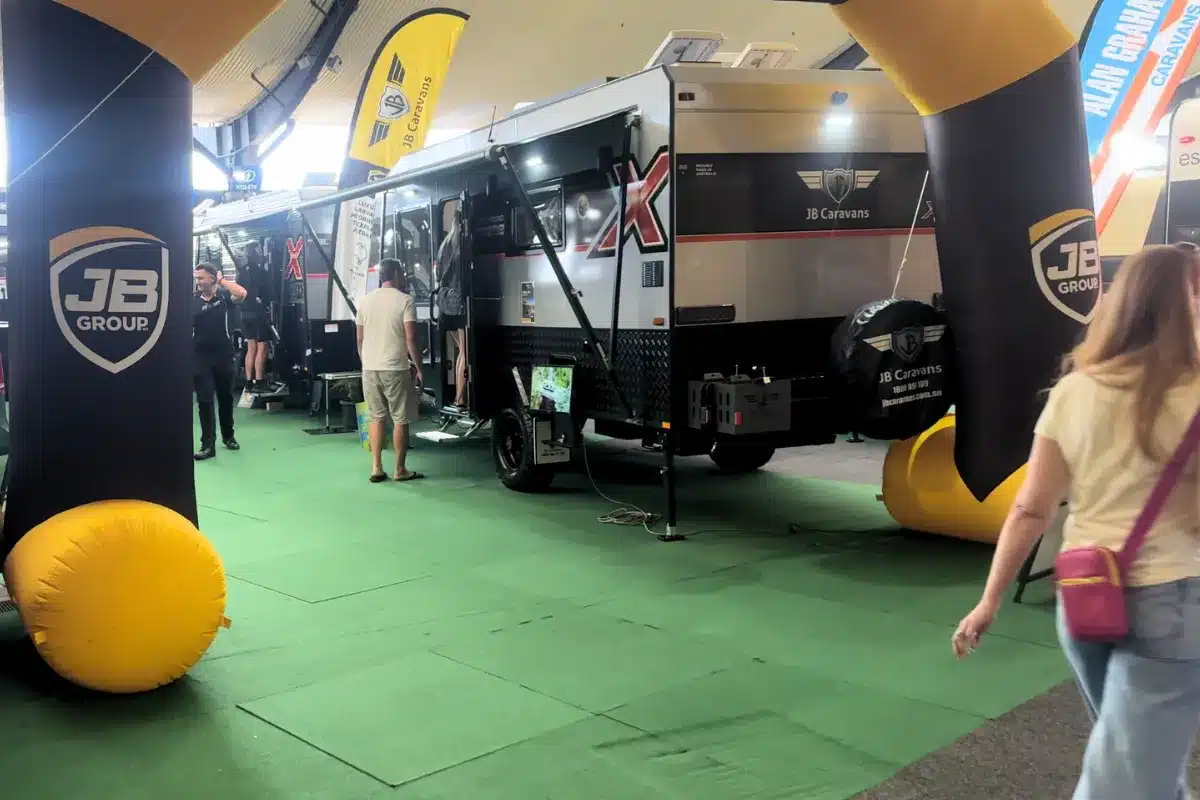
Buyers were spending longer inside each van. They were opening cupboards, checking storage, sitting at dinettes, looking at payload, asking about towing setups, and comparing one brand against another with a lot more confidence.
This is a more educated caravan market than it was even a few years ago.
People are no longer walking into a show and asking, “What can I get for the money?” They are asking:
- Will this layout actually work for how we travel?
- Can my vehicle legally and safely tow it?
- What happens after the sale?
- Will this van still make sense in three years?
- Will it hold its value when we upgrade?
That change matters, because it is forcing better conversations between buyers, dealers and manufacturers.
Resale Value Was a Huge
Topic of Conversation
Buyers were not just looking at what a caravan costs today. They were asking what it may be worth when it is time to upgrade, trade in, or move into a different style of touring.
Resale value is no longer an afterthought. For many caravan buyers, it is becoming part of the buying conversation from the very beginning.
Layout and Liveability Are Leading the Conversation
Specs still matter. But layout is where buyers are becoming far more discerning.
The vans that stood out were not always the most expensive. They were the ones that felt right to live in.
People were looking closely at kitchen usability, storage access, seating comfort, bathroom flow, bed placement, and whether the van would work for longer stays rather than just a quick weekend away.
There is a clear shift from “what does it have?” to “how does it feel day to day?”
That is exactly where good design becomes obvious.
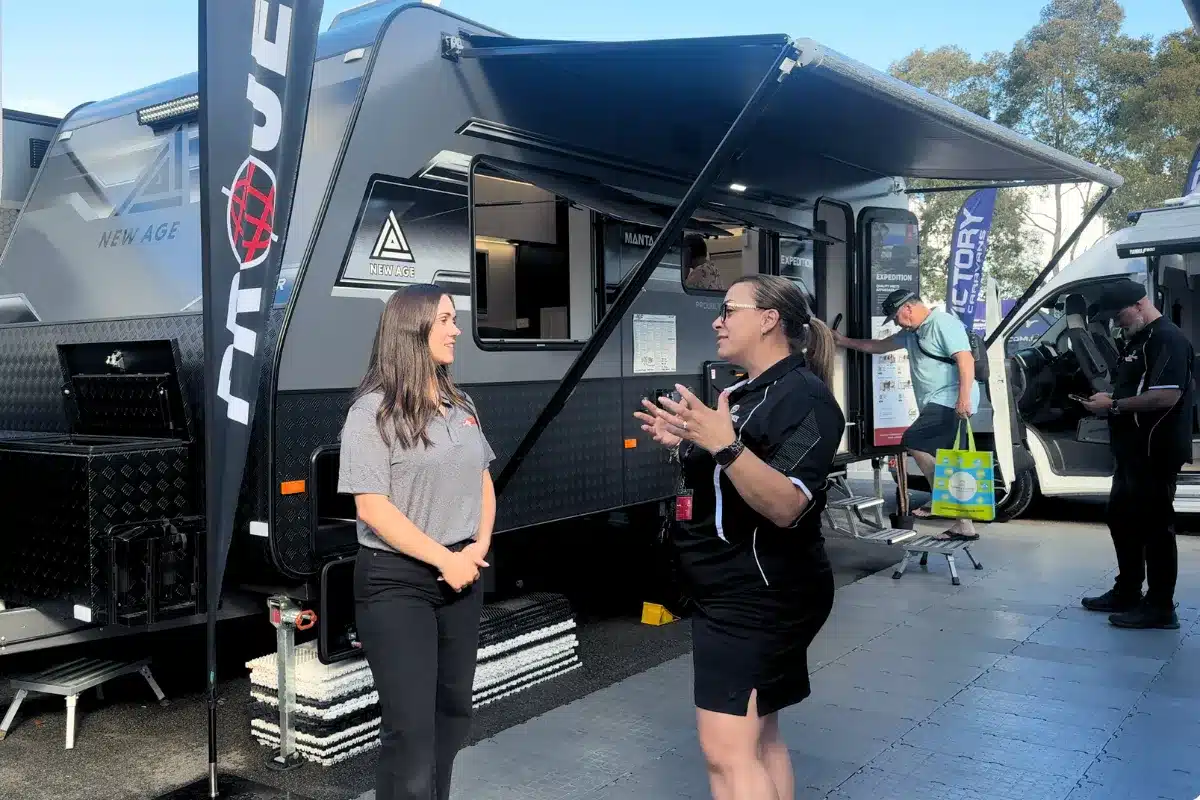
At New Age, Ang Sinni pointed to a practical change that reflects this thinking, explaining that “all kitchens have been moved to the awning side for better conversations around meal times.” It is a small design decision on paper, but a meaningful one in real life. When the kitchen opens toward the social side of camp, the van starts working with the way people actually travel.
That is what buyers were responding to at Rosehill.
Not gimmicks. Not just bigger spec sheets. Real liveability.
The Seminar Stage at Caravan Camping Supershow is Where Confidence Builds
One of the most valuable parts of the NSW Caravan Camping Supershow 2026 sat just off the main floor.
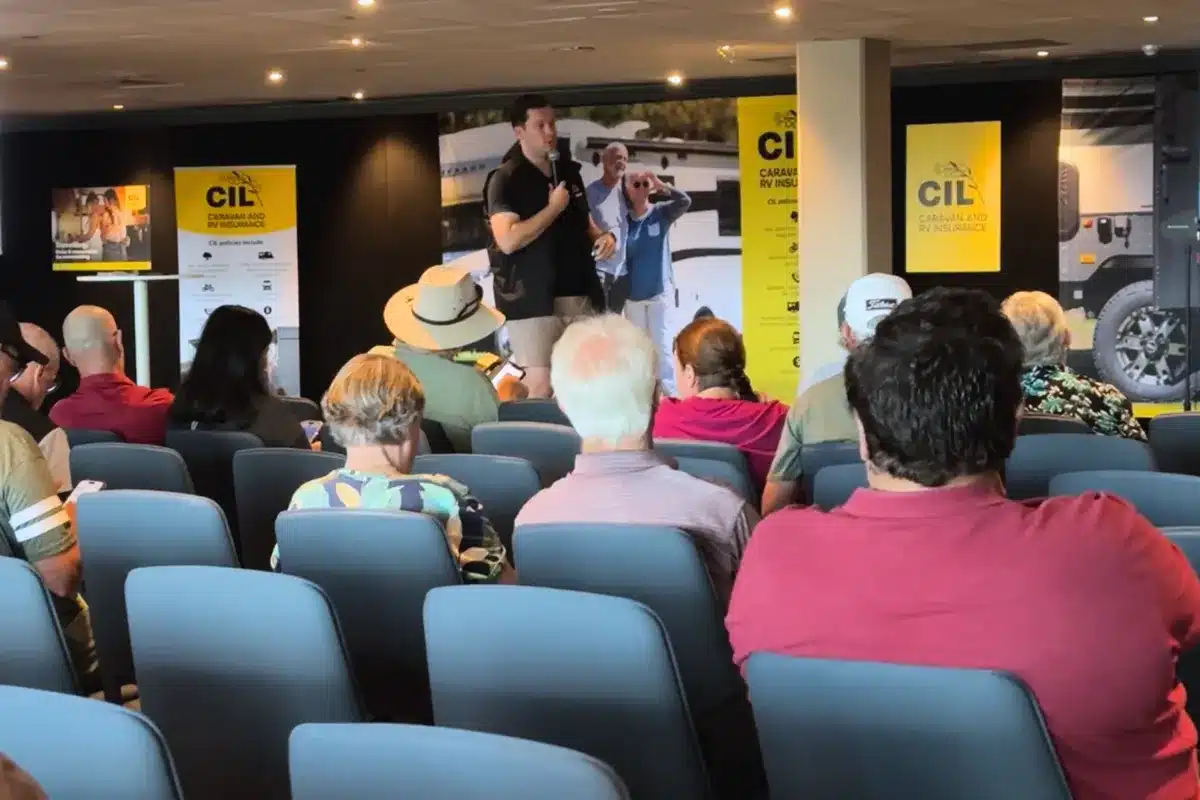
The CIL Stage, supported by CIL Insurance, delivered practical, experience-based sessions throughout the day, and the crowds showed how important education has become for buyers and travellers.
These were not sales presentations. They were built around helping people travel safer, make better decisions, and avoid costly mistakes.
The official Supershow program listed daily sessions covering first RV buying, towing, lithium batteries and electrical installation laws, outback travel, and RV maintenance for safety. Sessions were held in the Seminar Area on the Lower Ground Floor of the J.R. Fleming Grandstand.
For anyone new to caravanning, this part of the show is worth prioritising. It is where the excitement of buying a van meets the responsibility of using it properly.
As Wayne from Caravan Camping Industry Association NSW explained during the event, “The goal of the Supershow is not just to showcase product, but to help people travel better and safer.”
Roxanne echoed a similar message, noting that “Education is a huge part of what we do here. When people leave feeling more confident, that is a win for the entire industry.”
That is the right direction for the industry. Better educated buyers make better decisions, and better decisions lead to safer roads, fewer regrets, and longer-term confidence in the lifestyle.
Standouts That Drew Attention
A number of models consistently pulled crowds at Rosehill, and not just because they looked impressive.
These were the vans and motorhomes people kept coming back to. They were the ones people sat in twice, opened the cupboards again, asked follow-up questions about, and compared against everything else they had seen.
Here are the standouts we kept hearing about across the show floor.
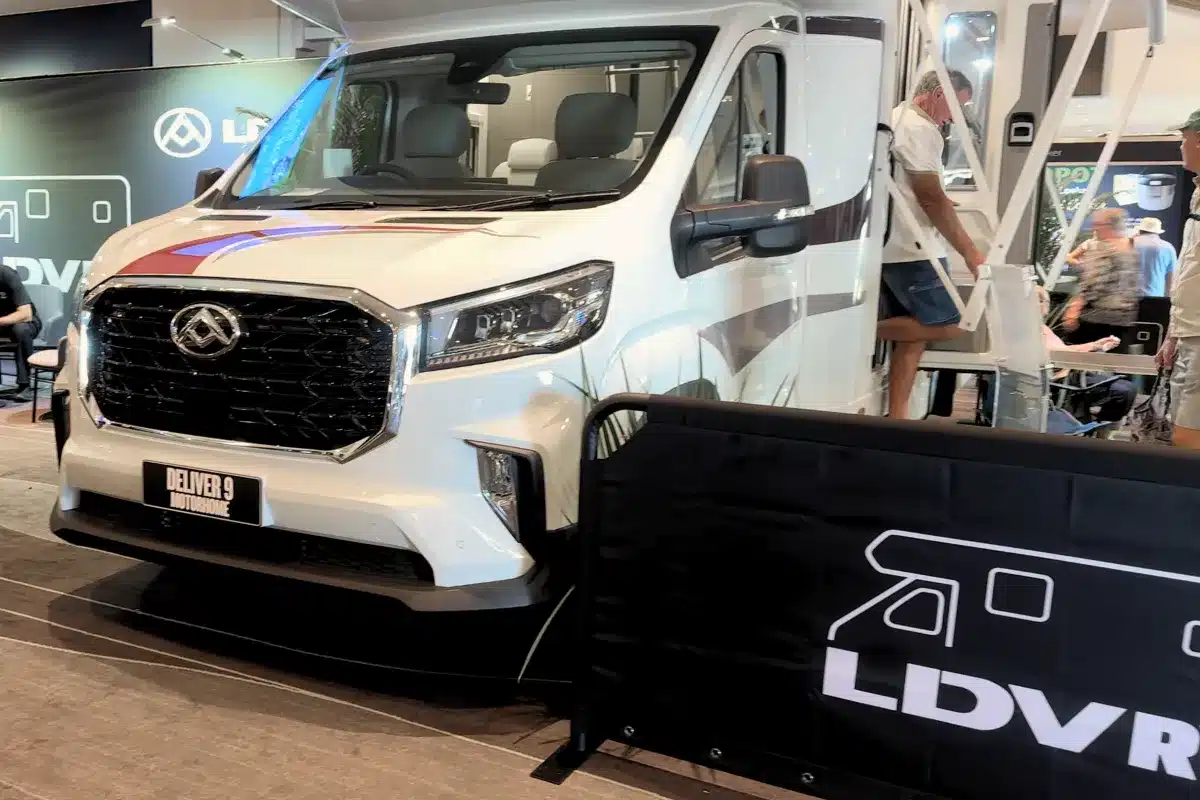
LDV RV – Deliver 9 Motorhome
The LDV RV Deliver 9 Motorhome stopped people in their tracks for one very simple reason: value.
A four-berth motorhome sitting around the $100,000 mark is going to get attention in the Australian market, especially from buyers who have assumed motorhome ownership sits well beyond reach.
What made this one interesting was not just price. It was the way it opened the door for a different type of buyer. For couples, small families, or first-time motorhome shoppers who want something ready to drive rather than tow, this felt like a serious conversation starter.
The broader LDV brand already has an established presence in Australia through vans, utes, SUVs and people movers, which helps give the RV conversion more visibility than a niche-only product.
– Steph’s takeaway: this is one to watch because it speaks directly to affordability, accessibility and the growing appetite for easier touring.
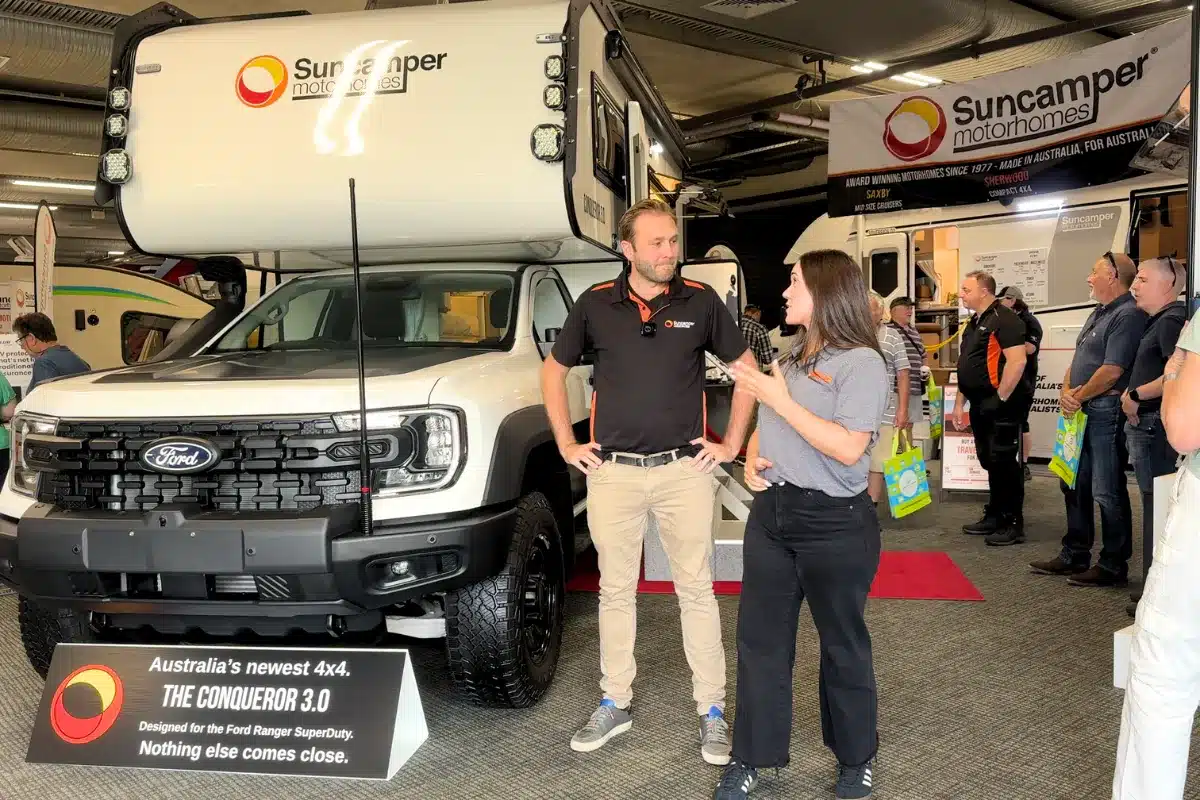
Suncamper Ford Super Duty Camper
This brought a different kind of presence to the show floor.
Built for a serious Ford platform, this was not trying to blend in with the traditional caravan crowd. It appealed to buyers looking for strength, self-contained touring capability, and the confidence of a tough tow vehicle-style base with the living setup already integrated.
What made it stand out was the sense of freedom it offered. For travellers who want to move quickly, access more remote locations, and avoid towing a separate van, this style of camper makes a lot of sense.
It also speaks to a growing part of the market: buyers who want capability without overcomplicating the setup. They are not necessarily looking for the biggest caravan on the floor. They are looking for something strong, practical and ready for serious travel.
– Steph’s takeaway: the Suncamper Ford Super Duty Camper shows how the market is stretching beyond traditional caravans, with more buyers considering self-contained touring options that offer strength, mobility and simplicity.
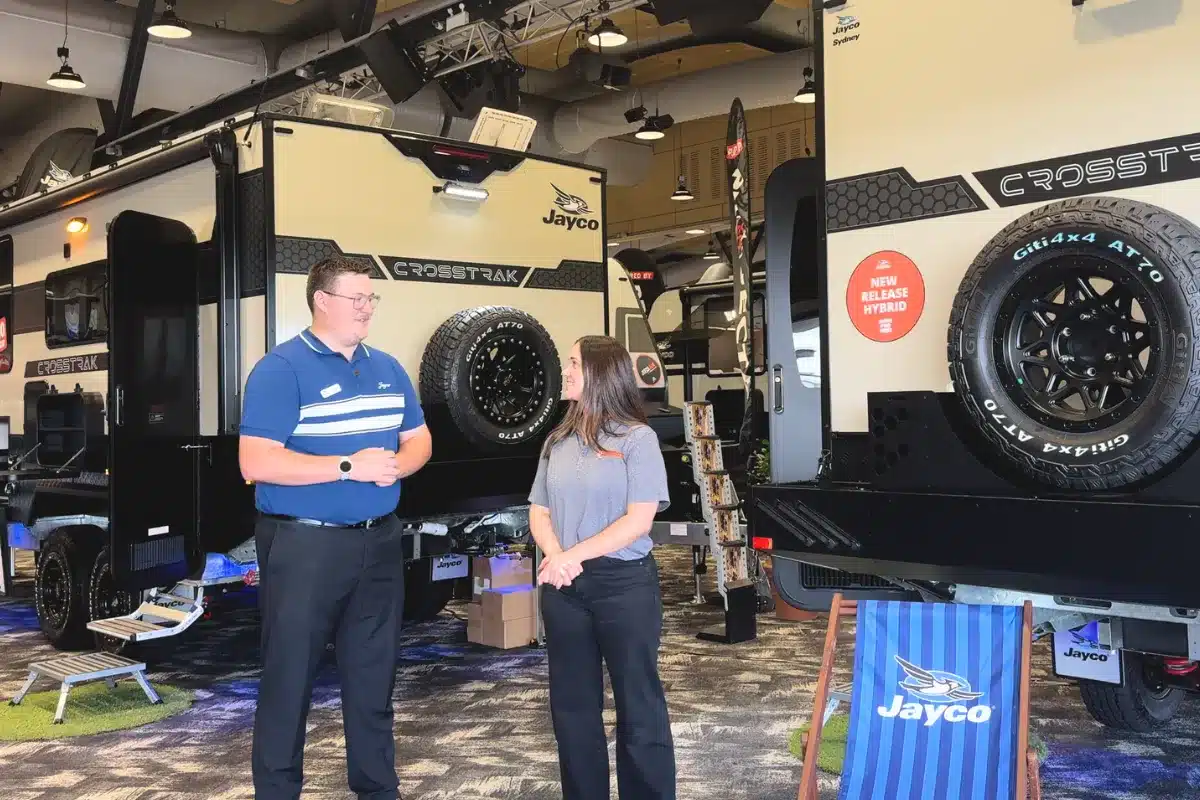
Jayco – CrossTrak Caravan
The Jayco CrossTrak Caravan was one of the more talked-about releases at the show.
It sits in a practical middle ground, appealing to buyers who want more than a light-duty weekender but do not necessarily want to push into the premium off-road price bracket.
That middle space is becoming increasingly important. Many buyers want touring comfort, dirt-road confidence and a recognisable dealer network, but they are also watching price, weight and long-term usability.
The CrossTrak drew consistent attention because it felt familiar enough to trust, but different enough to make people stop and compare.
Steph’s takeaway: this is a strong example of where the mainstream caravan market is heading – more capability, more comfort, and more focus on real-world touring.
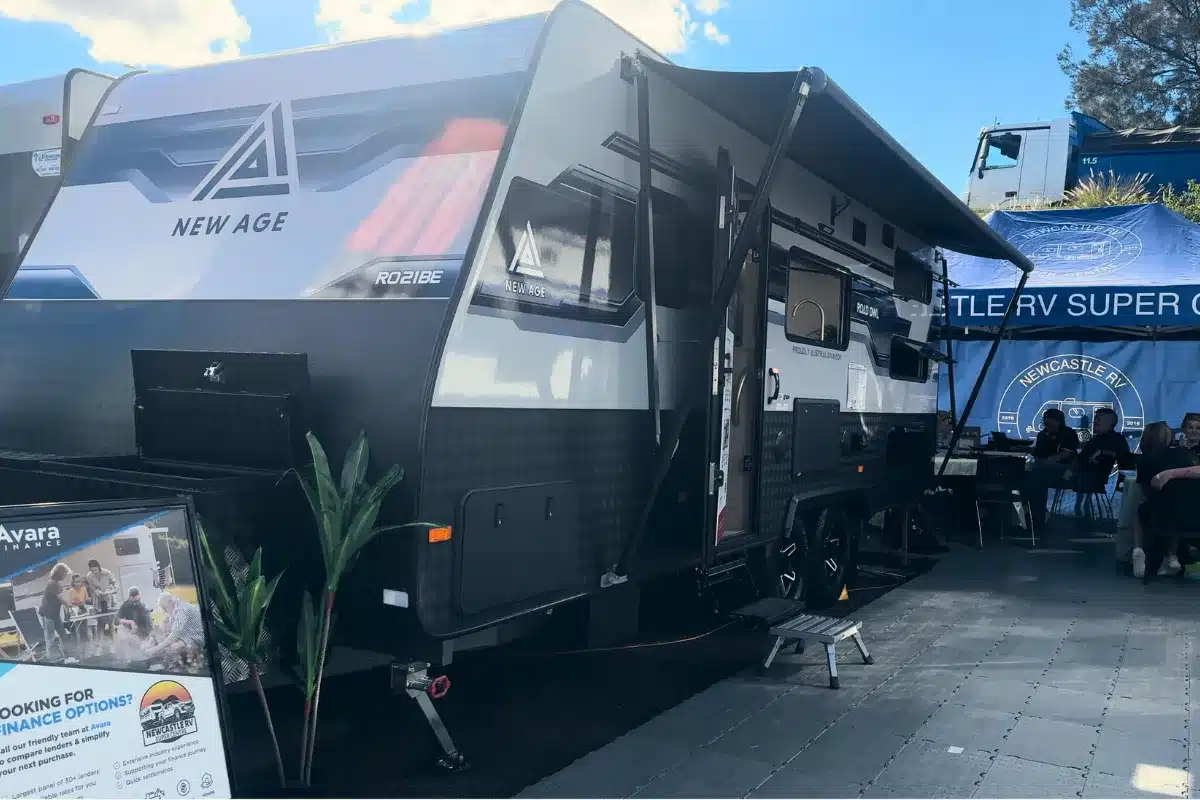
New Age – Expedition Range
The New Age Expedition Range attracted the more experienced end of the market.
These were not the buyers asking basic questions about where to start. These were people looking closely at strength, durability, off-road ability and long-term touring confidence.
This range speaks to travellers who know they want to go further and stay out longer. It is not trying to be everything to everyone, and that is part of its appeal.
– Steph’s takeaway: serious off-road buyers are becoming more specific. They want substance, not just rugged styling.
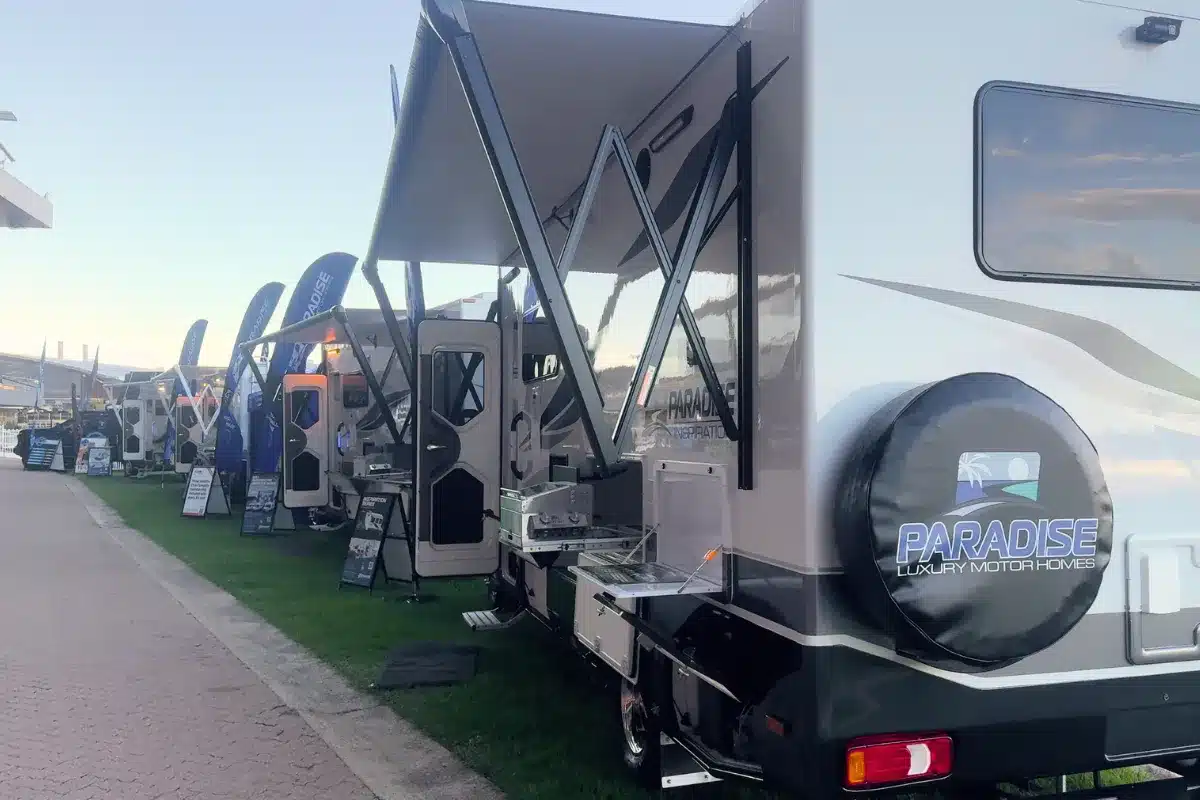
Paradise Motorhomes
Continued to draw steady interest, particularly from buyers thinking beyond short trips.
The appeal here is comfort, layout and ease of use. For many buyers looking at longer-term travel, the question is less about squeezing everything into a van and more about how comfortably they can live on the road.
That is where Paradise continues to resonate.
Steph’s takeaway: the longer people plan to travel, the more they care about flow, comfort and everyday usability.
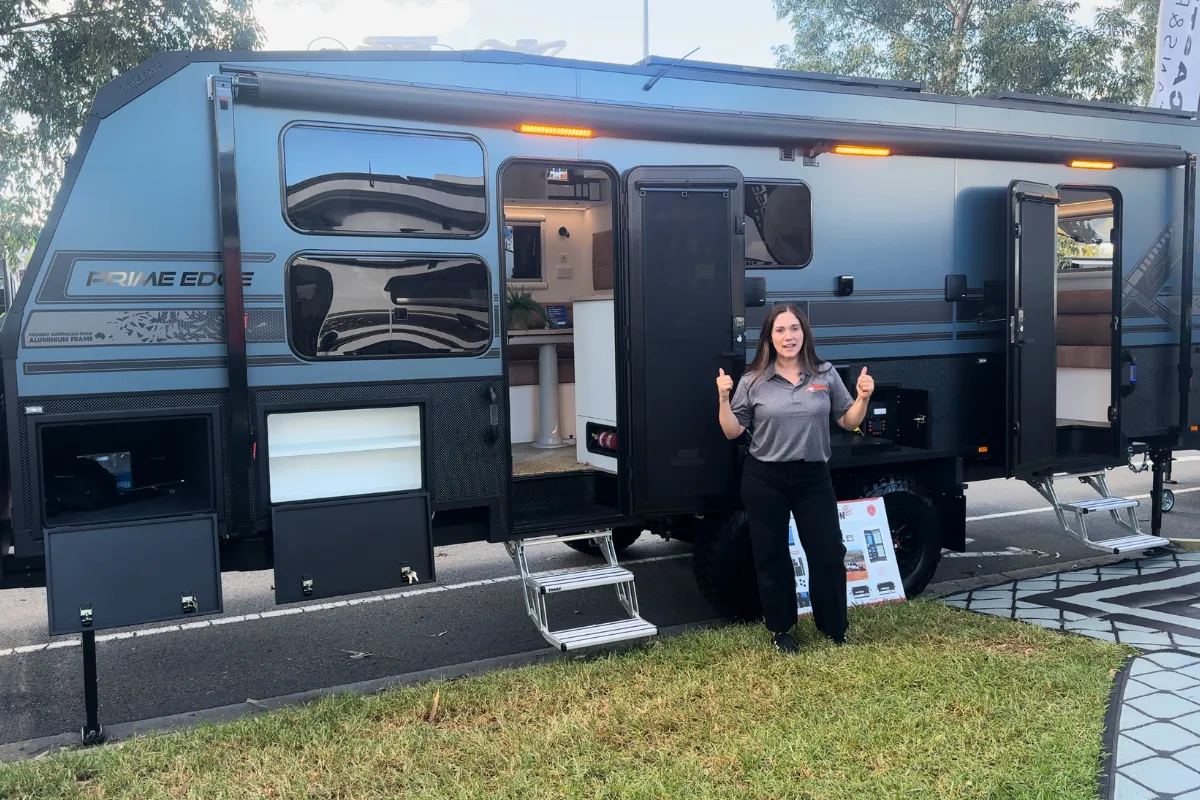
Prime Edge – Warrior Dual Entry
The Prime Edge Warrior Dual Entry was a layout people wanted to talk about.
Dual entry designs are gaining attention because they offer flexibility a single-entry van cannot. For families, travellers with older kids, or anyone who likes separation between living zones, this style of layout makes sense.
It is also a good example of how buyers are now looking for practical design advantages, not just standard floorplans with more features added.
Steph’s takeaway: layout innovation does not need to be complicated. If it solves a real problem, buyers notice.
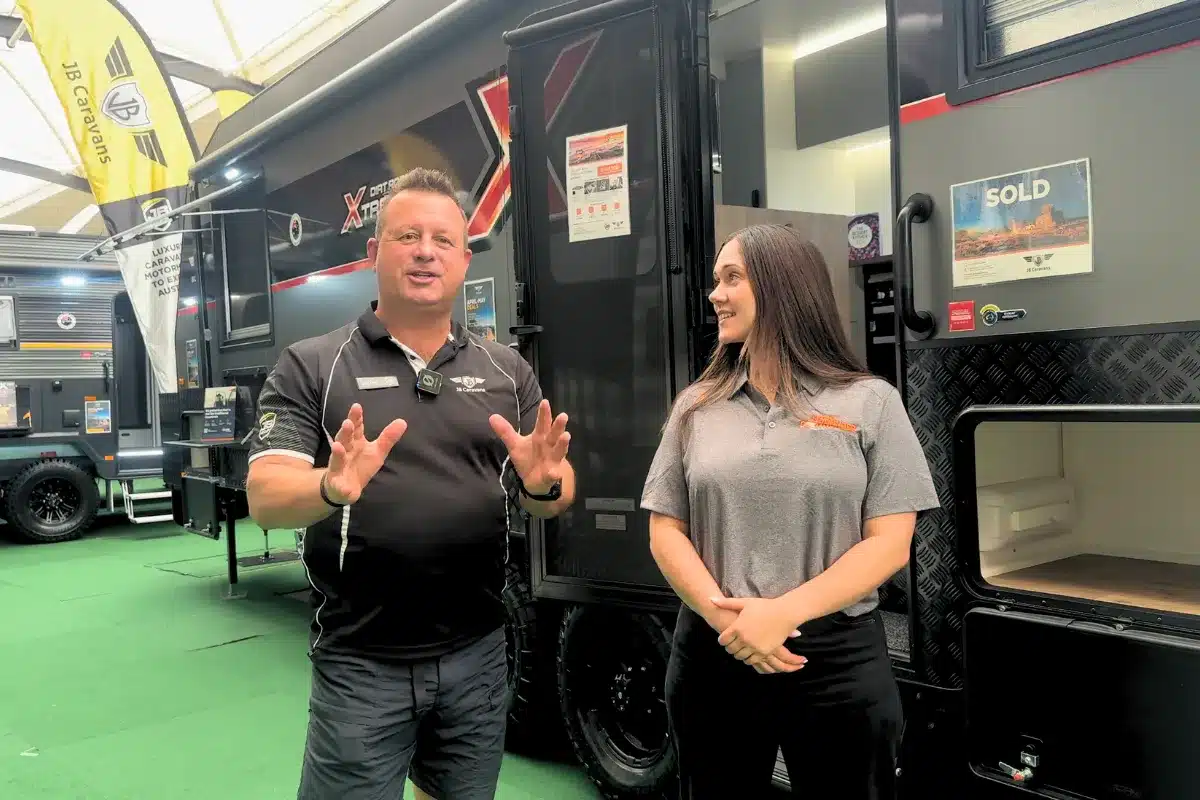
JB Caravans – Dirt Road Extreme 26 with Centre Ensuite
The JB Dirt Road Extreme 26 with centre ensuite was another strong layout story.
The centre ensuite changes the way the van flows. It creates separation, improves privacy, and gives the van a more liveable feel for longer stays.
This is exactly the kind of layout buyers were spending time with at the show. Not because it is unusual for the sake of being different, but because it makes sense once you imagine living in it.
Steph’s takeaway: bathroom placement is becoming a much bigger part of the buying decision, especially for couples and families planning longer trips.
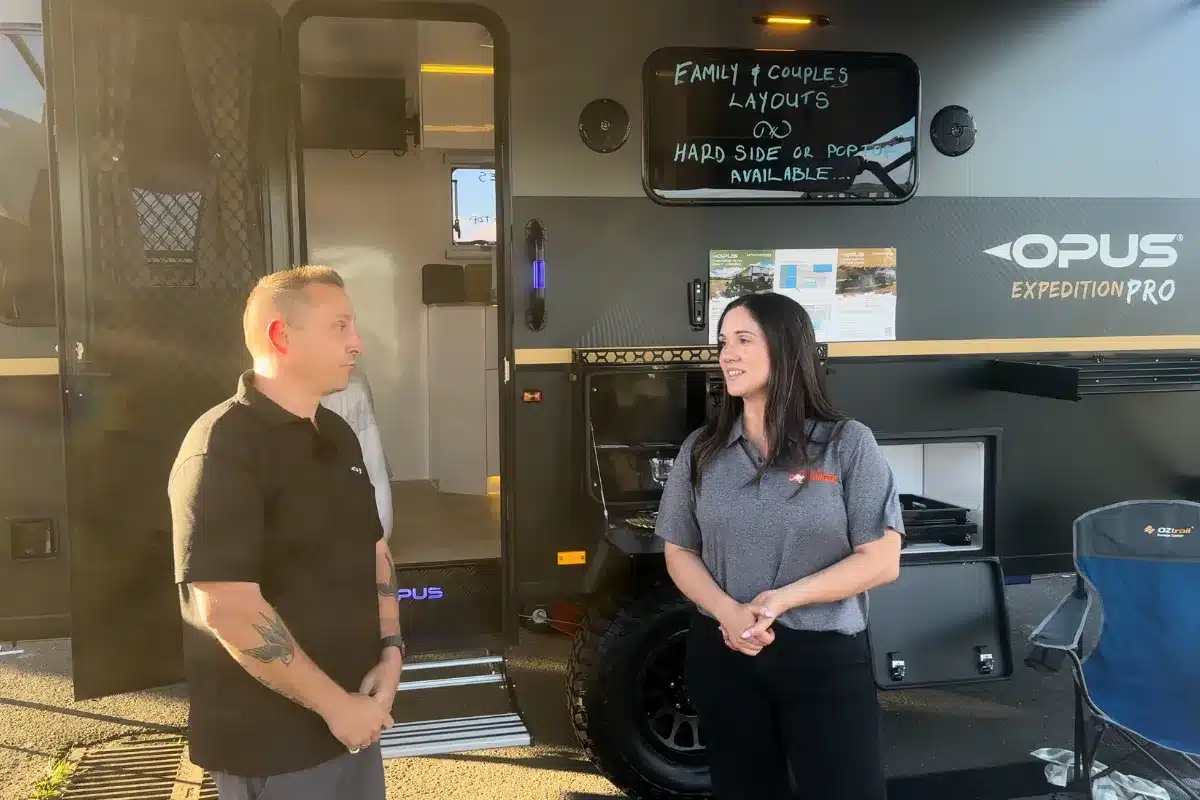
OPUS – Redesigned Hybrid
The redesigned OPUS hybrid showed where the hybrid category is evolving.
The appeal of hybrids has always been the balance between compact towing and capable touring, but buyers are now expecting more refinement. Setup needs to be easier. Storage needs to be smarter. The whole package needs to feel less like a compromise.
The OPUS updates appeared to lean into that shift, with a stronger focus on usability and real-world travel.
Steph’s takeaway: the hybrid market is maturing quickly. Buyers want clever design, but they also want comfort and simplicity.
These were not the only strong options on display, but they were the ones consistently drawing people back for a second look.
So, What Does It All Mean?
After walking the show, the takeaway is clear.
Caravanning is maturing.
Buyers are more informed. Expectations are higher. The old sales pitch is not enough anymore.
People want to know what a van weighs, how it tows, how it is supported, how it holds value, and whether the layout will still work after the first few trips.
That is a good thing.
It means brands have to be clearer. Dealers have to be better prepared. Buyers have to take more responsibility for understanding what they are purchasing.
The NSW Caravan Camping Supershow still does what it does best. It puts a huge cross-section of the industry in one place and gives buyers the chance to compare, question and make sense of the market. The official event positioning also reflects this, promoting the Supershow as a place to compare caravans, motorhomes, camper trailers, camping gear, destinations and holiday parks in one location.
For anyone serious about buying, upgrading, or even just understanding where the market is heading, Rosehill remains one of the clearest places to do it.