

The $18.19 billion Australian recreational vehicle market is undergoing a seismic shift . For many, the arrival of the modular campervan has offered a new alternative. For decades, the dream of “van life” required a binary choice: a six-figure factory motorhome or a permanent, $30,000+ custom conversion that stripped a vehicle of its everyday utility.
In 2026, that era is ending. A new movement in modular architecture is decoupling the “home” from the “horse,” transforming standard commercial vans into high-end habitats that can be removed in under an hour. This type of modular campervan conversion shows how innovation is redefining possibilities. This “Architecture of Autonomy” is no longer just for the DIY enthusiast; it is a sophisticated design-led disruption reshaping how Australians view vehicle assets.
Professional Pods: The Turnkey Habitat
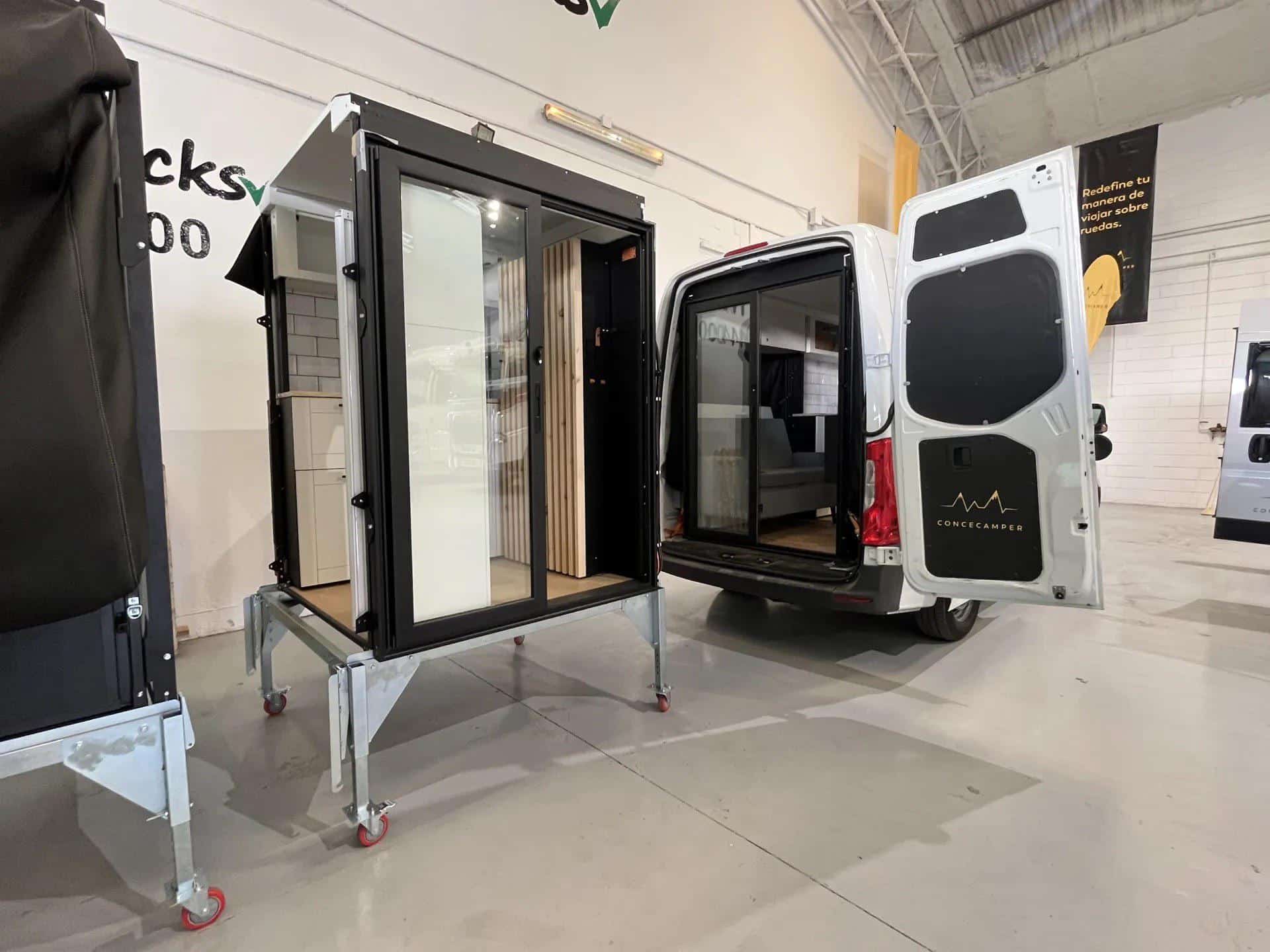
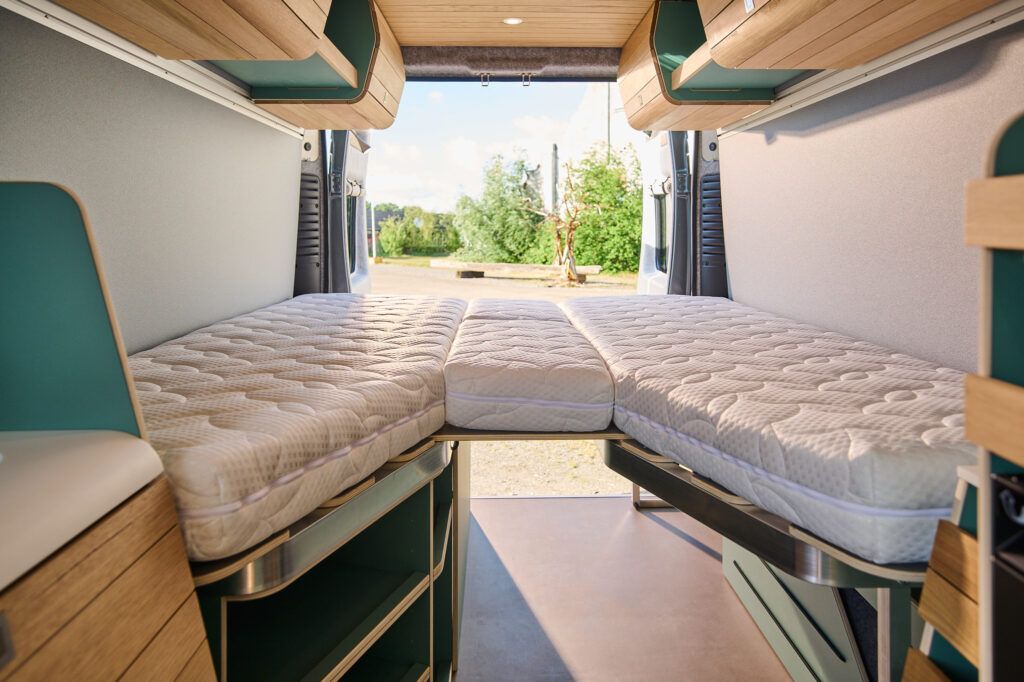
Leading this disruption are “Plug-and-Play” systems like those from Spanish innovator Vancubic. Their approach treats the van interior as high-end cargo rather than a vehicle modification, allowing for a “work-by-day, adventure-by-weekend” utility. Notably, these solutions highlight why a modular campervan setup is so versatile in modern travel.
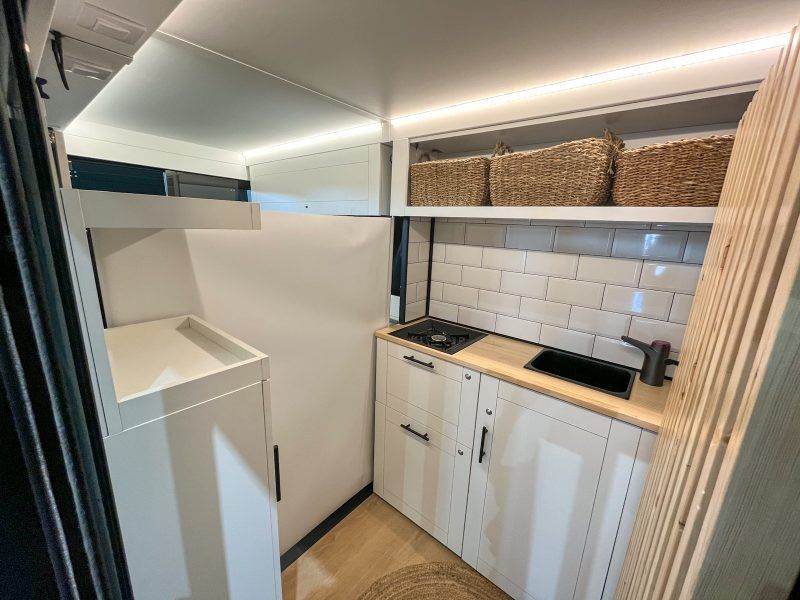
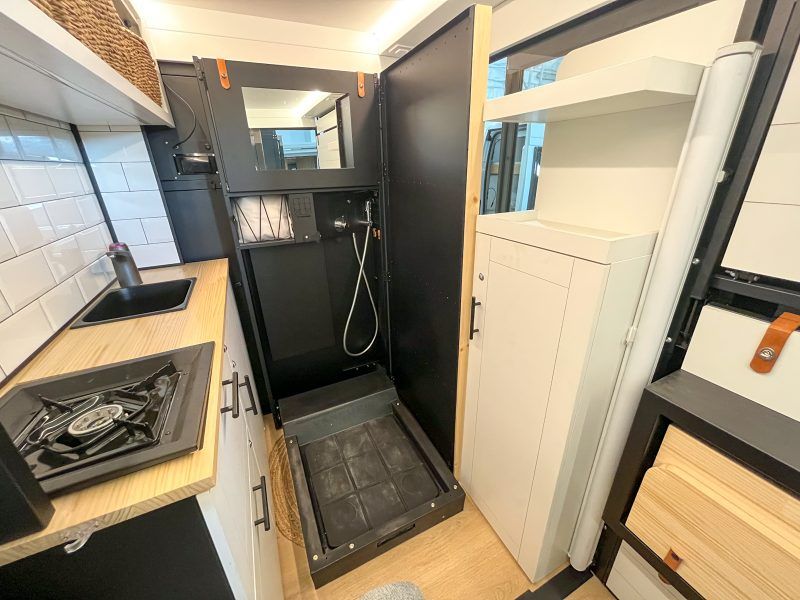
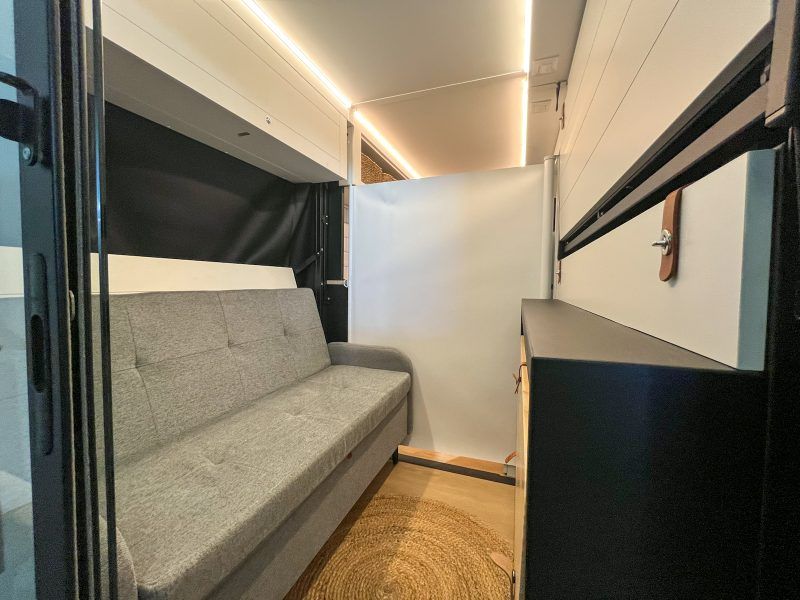
- The System: Two self-contained aluminium “cubes” (Living/Bedroom and Kitchen/Bath) slide into any L2H2 van, such as a Mercedes Sprinter or Fiat Ducato.
- The Disruption: Installation takes less than 60 minutes. Because the modules are secured with approved straps (slings) and not permanent bolts, they are legally classified as “cargo”.
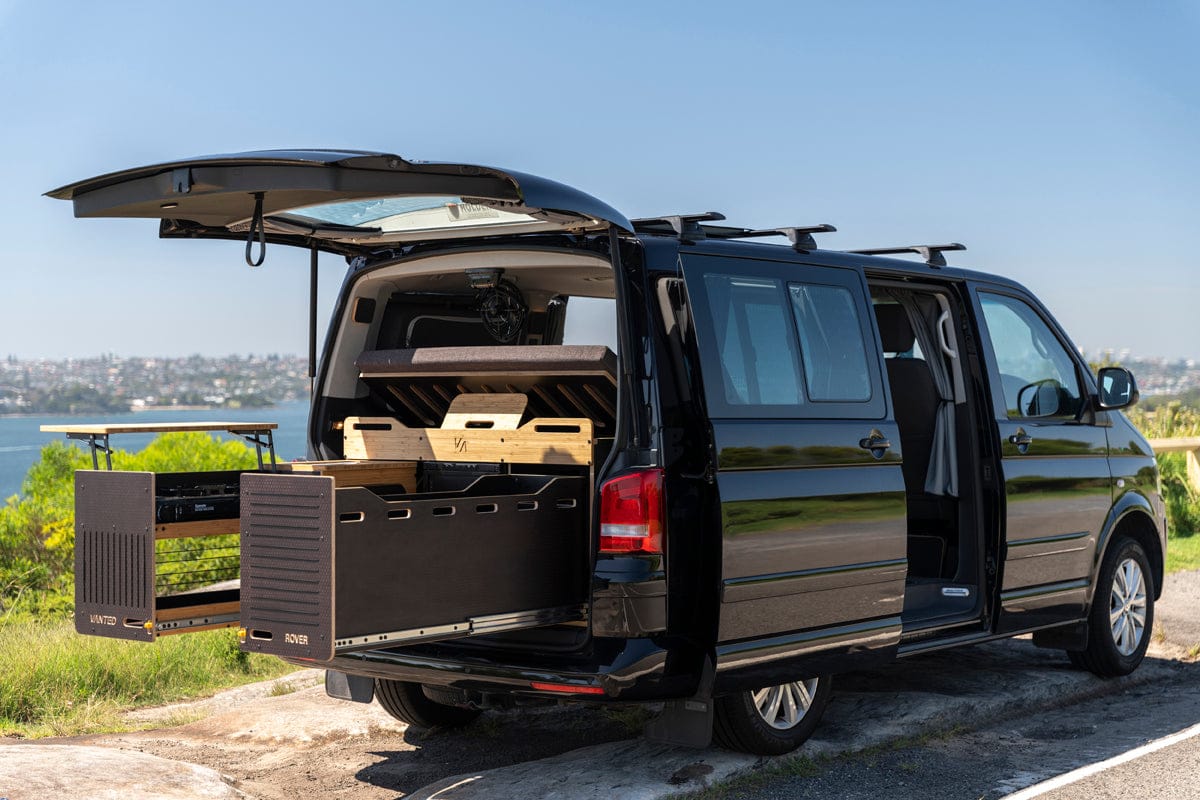
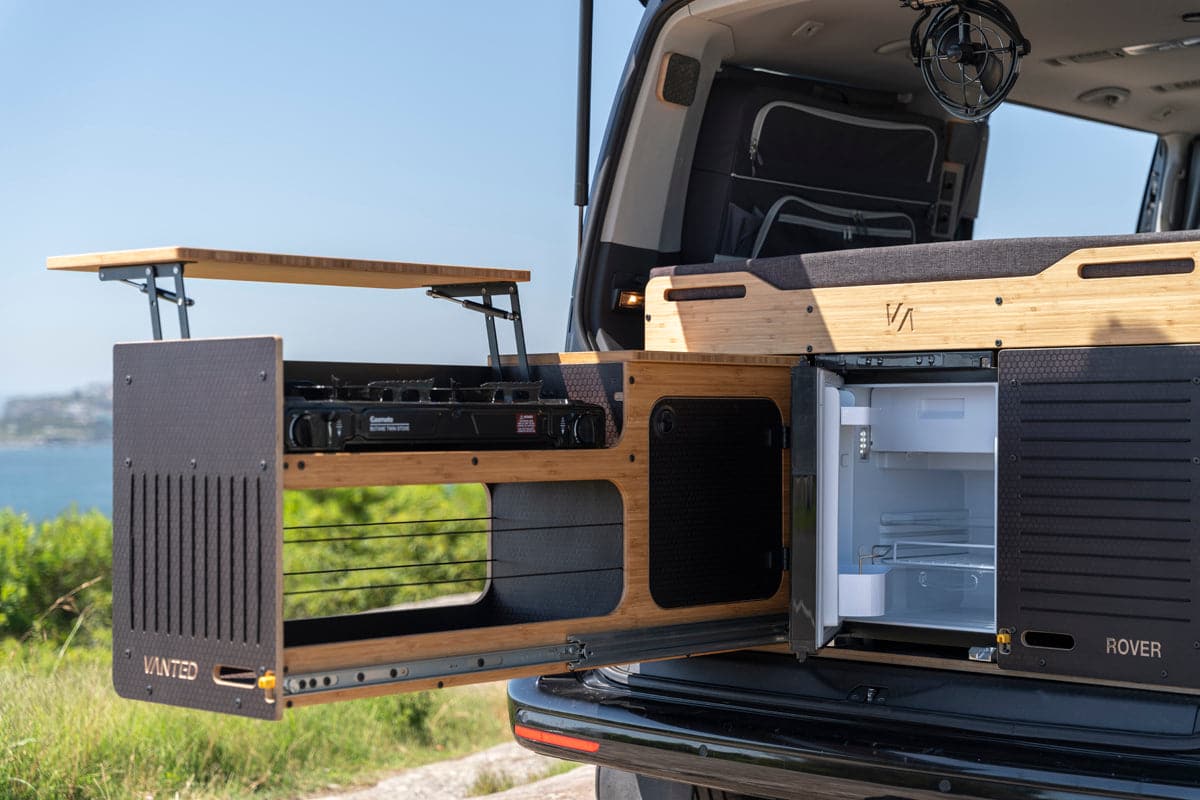
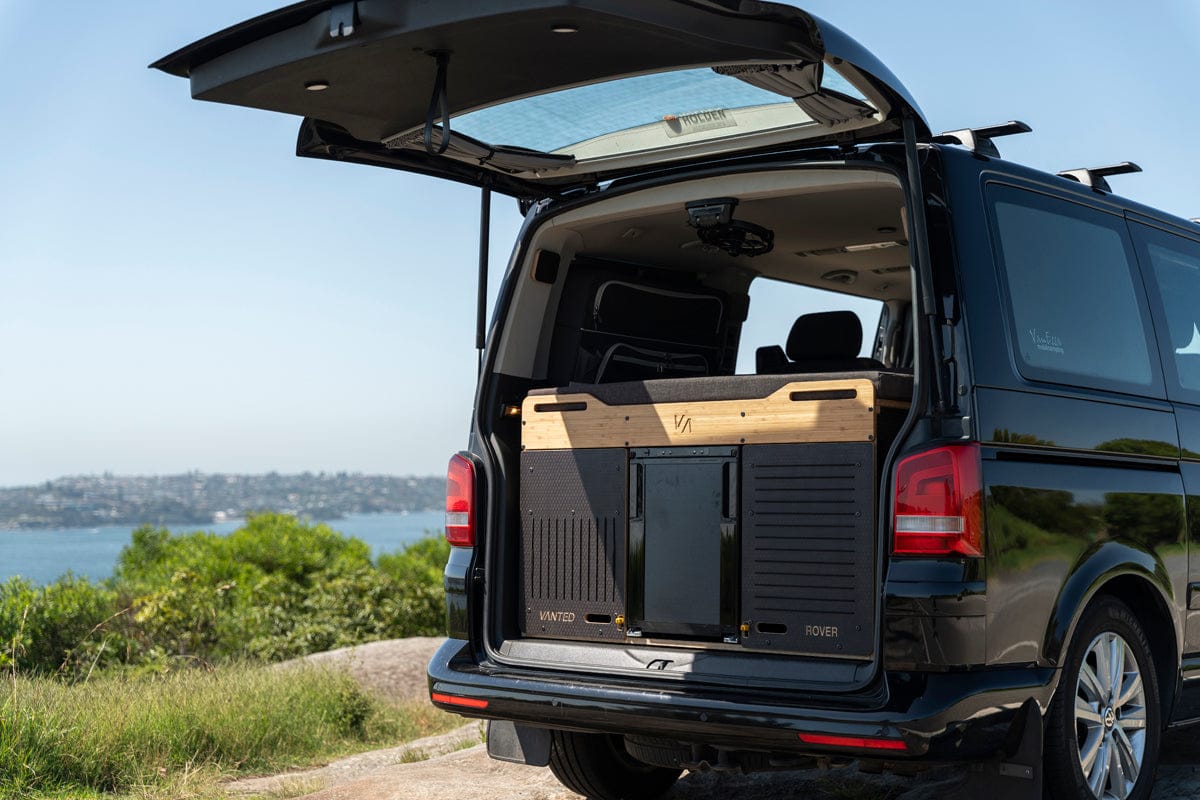
- Aussie Equivalents: Local brands like Vanted in Brookvale are mirroring this trend with their “Rover” and “Cross” pods, which integrate portable power stations like Bluetti to maintain a completely modular electrical spine. And with this modular campervan approach, Aussies can swap pods based on needs.
Flat-Pack Kits: IKEA for the Outback
For those seeking a middle ground between luxury pods and raw DIY, the “IKEA-style” kit market is booming. Australian companies like Vanlifer and Nomad Vans provide precision-cut, vehicle-specific modules that democratise high-end design. With simple assembly, modular campervan kits make creative travel accessible.
- Democratic Design: These kits arrive flat-packed and can be assembled with basic tools in just a few days.
- Economic Shift: Often labeled as “Flat-pack freedom,” these systems start from approximately $2,900 to $10,000 AUD-a fraction of the cost of a full custom build.
- Hybrid Utility: Designed for the “Work-by-Week, Vibe-by-Weekend” reality, these kits allow a tradie van to retain its commercial function Monday through Friday while providing a professional finish that protects resale value. This modular campervan flexibility is why they’re popular with tradie van owners.
Bespoke DIY: LEGO for Adults
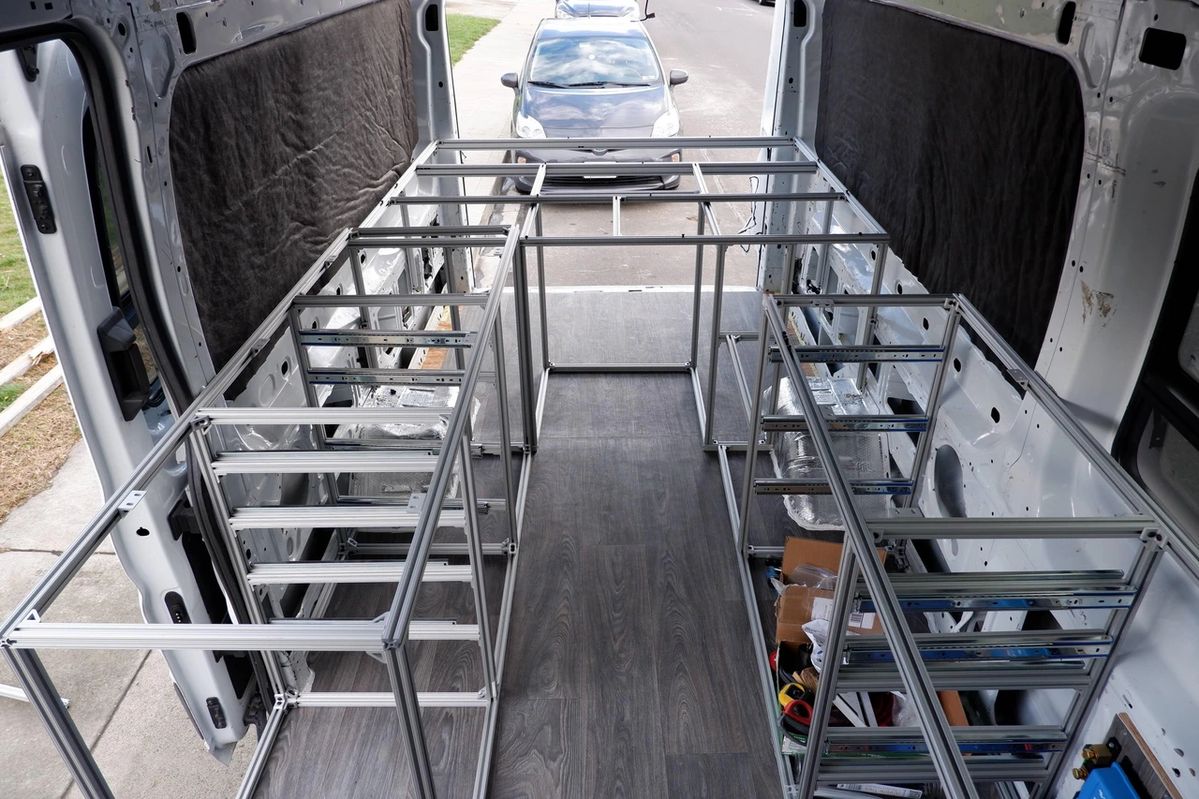
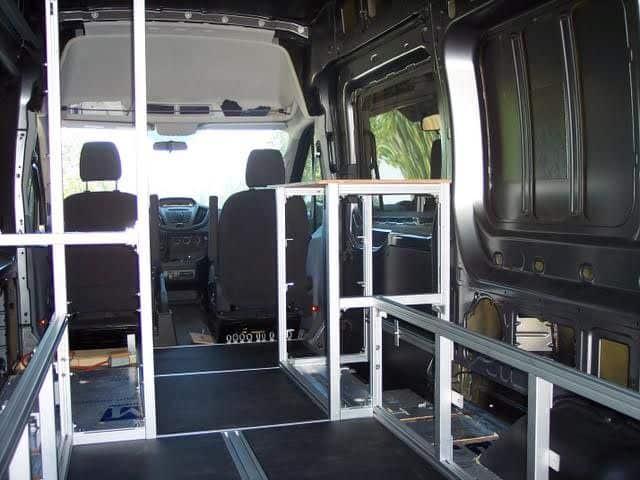
The most sophisticated tier of this revolution is the rise of 80/20 T-slot aluminium extrusions. This industrial material has replaced traditional plywood as the “gold standard” for architectural DIY builds . DIY modular campervan enthusiasts are now favouring these extrusions for maximum customisation.
- Infinite Flexibility: Unlike wood, which is fixed once cut, 80/20 frames are described as “LEGO for adults” . They allow builders to adjust cabinet heights, splice in new sections, or reorganize layouts as their needs evolve. Modular campervan projects make endless adaptability possible.
- Engineering Edge: Aluminium frames are rot-proof, warp-proof, and significantly lighter than traditional timber cabinetry, helping vehicles stay under their 3.5-tonne GVM (Gross Vehicle Mass) limit .
- Space Efficiency: The strength of T-slot aluminium allows for full-width bed spans without vertical supports, creating a more spacious “garage” for adventure gear. Increasing storage is a priority for modular campervan builders.
| Level | Implementation | Best For | Typical Cost (AUD) |
| Professional Pods | Vancubic, Vanted ROVER | Turnkey “house-in-a-box” | $10,000 – $30,000 |
| Flat-Pack Kits | Vanlifer, Nomad Bruny | “IKEA-style” assembly | $4,000 – $10,000 |
| Bespoke DIY | 80/20 Aluminium, Bunnings Plywood | Maximum personalization | $2,000 – $6,000 |
The “Cargo” Loophole: Navigating Australian Legality
The primary driver of the modular boom is Australia’s stringent regulatory landscape. Under Australian Vehicle Standards, a “permanently fixed” camper fitout requires certification by a VASS engineer. For modular campervan owners, knowing the distinction between ‘cargo’ and ‘modification’ is crucial.
By maintaining a “removable” status, modular users can often bypass the “permanency test” applied by the Department of Infrastructure. If the fitout is treated as a load rather than a modification, the vehicle remains registered as a commercial van. However, Victorian users in areas like Pakenham are reminded that any mains-voltage (240V) electrical or fixed gas systems still require professional certification regardless of the “removable” status of the furniture. Remember, the regulatory environment is especially relevant for modular campervan conversions.
The Future: Flexible Assets
As we move through 2026, the RV market is trending toward electrification and smart monitoring . With upcoming modular platforms the ability to “hot-swap” van interiors for different uses is becoming the new standard for the modern nomad . Ultimately, the modular campervan concept exemplifies asset flexibility for Australians.
Modular architecture has turned the campervan from a permanent commitment into a flexible asset-allowing Australians to build their “Architecture of Autonomy” without ever losing the utility of the vehicle itself. The modular campervan trend is shaping the future of travel and adventure.