
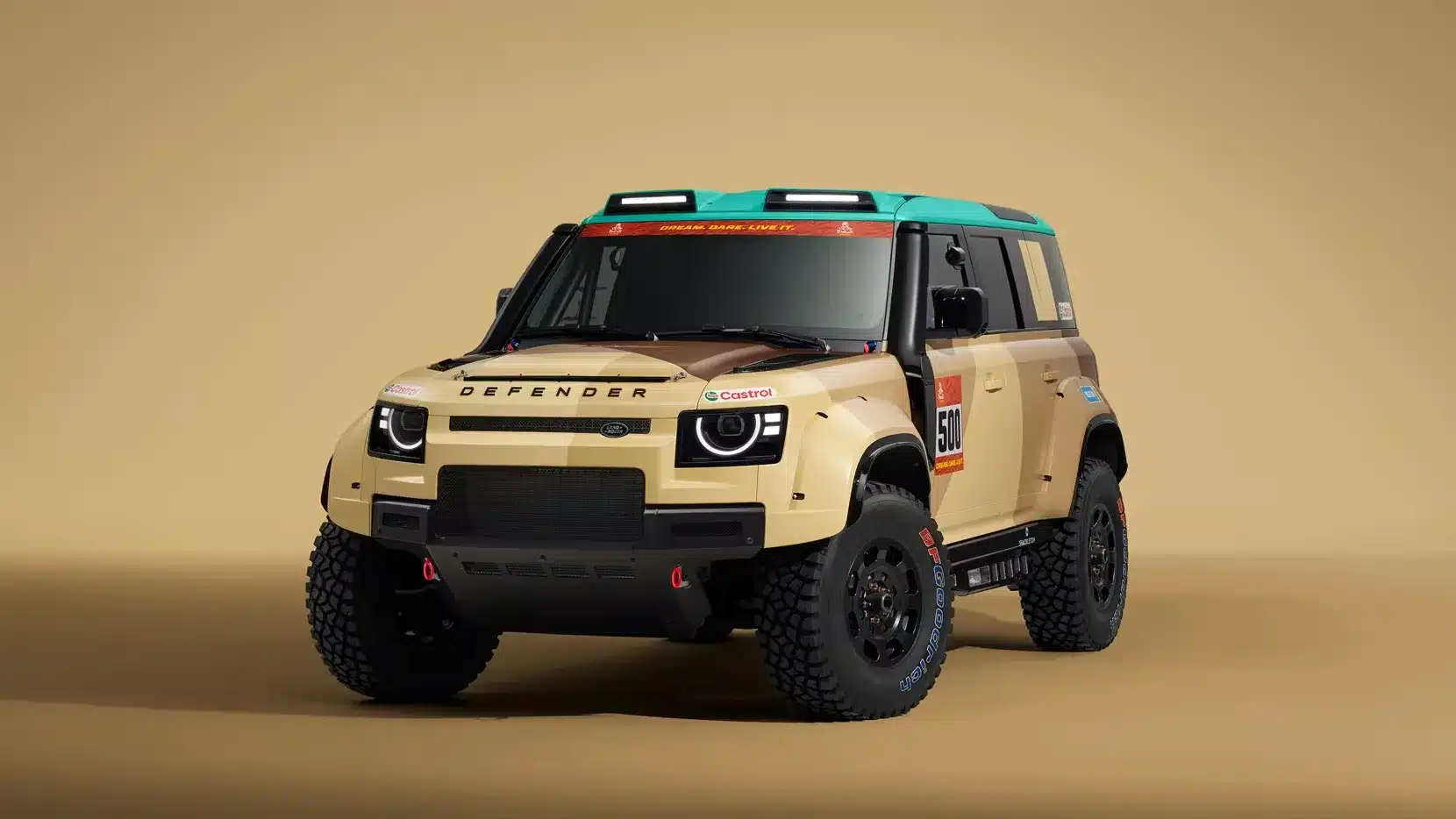

The Land Rover Defender Dakar Rally campaign has begun, with the iconic 4WD entering one of the world’s toughest off-road events for the first time.
Land Rover has confirmed the Defender is competing in the Dakar Rally as part of the FIA World Rally-Raid Championship. This marks the vehicle’s first competitive entry into elite rally-raid motorsport.
The Land Rover Defender Dakar Rally entry is running in the event’s Stock category, which is reserved for production-based four-wheel drives. The category places a strong emphasis on durability, reliability, and real-world capability rather than outright speed.
Key details
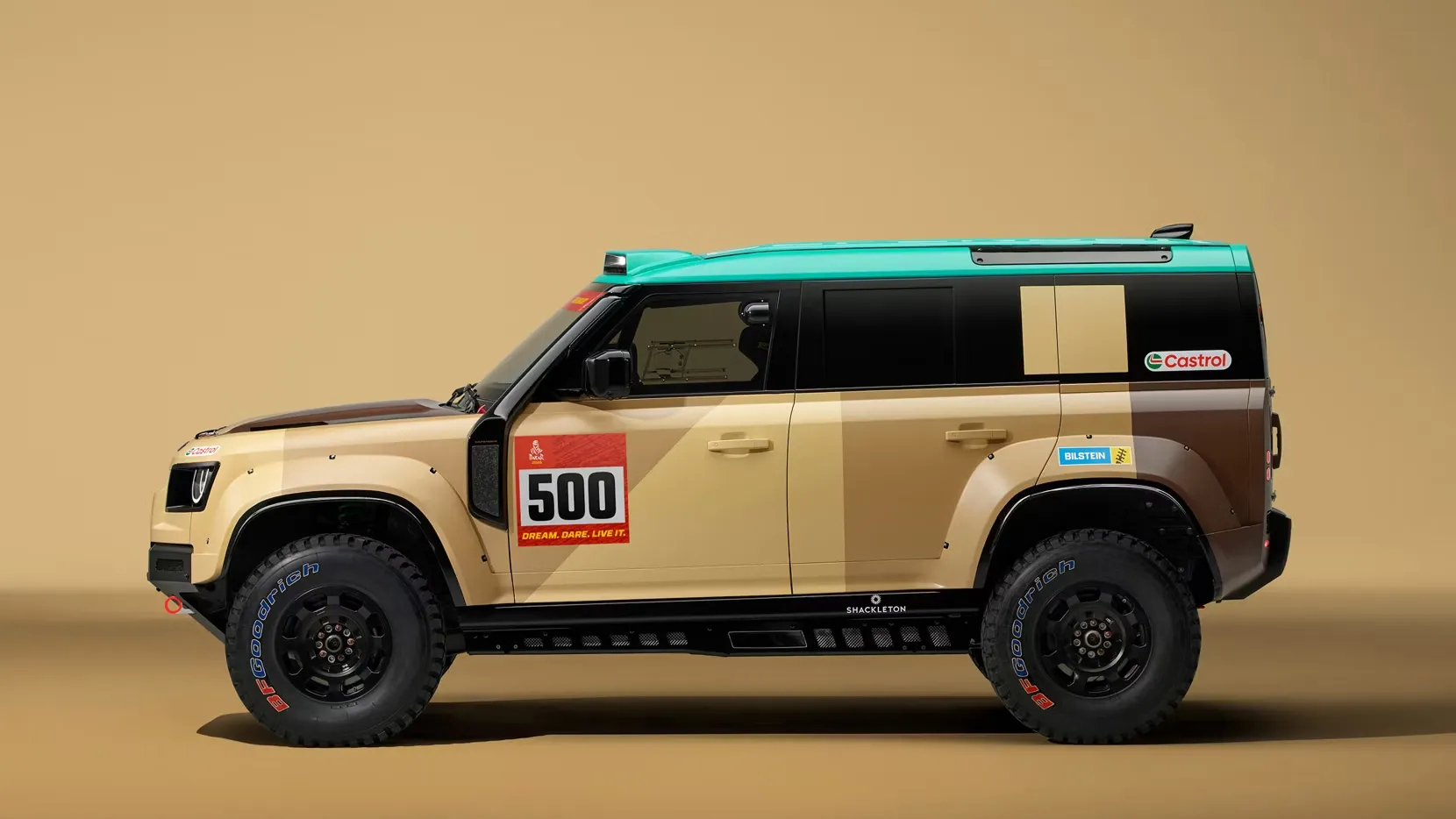
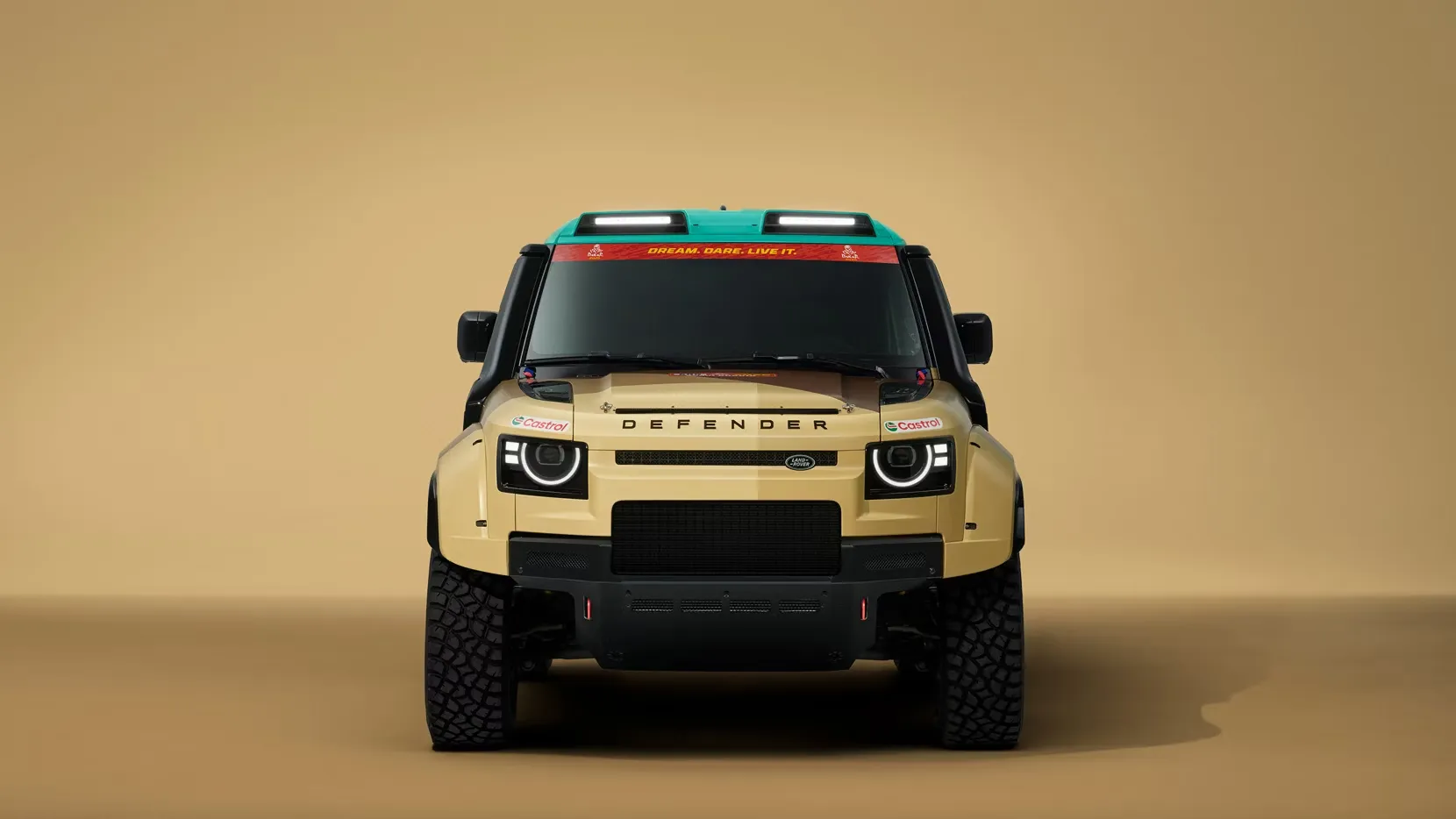
The competition vehicle, known as the Defender Dakar D7X-R, is based on the Defender OCTA. It has been prepared for rally-raid conditions while retaining the core structure of the production model.
The Dakar Rally is held in Saudi Arabia and covers close to 5,000 kilometres across desert dunes, rocky plains, and extreme heat. Meanwhile, the Defender program includes multiple entries, with crews contesting long stages and limited service access over several weeks.
Importantly, the Dakar event also serves as the opening round of the World Rally-Raid Championship. Land Rover has confirmed the Defender will continue competing in future rounds beyond this event.
Why this matters for 4WD travellers
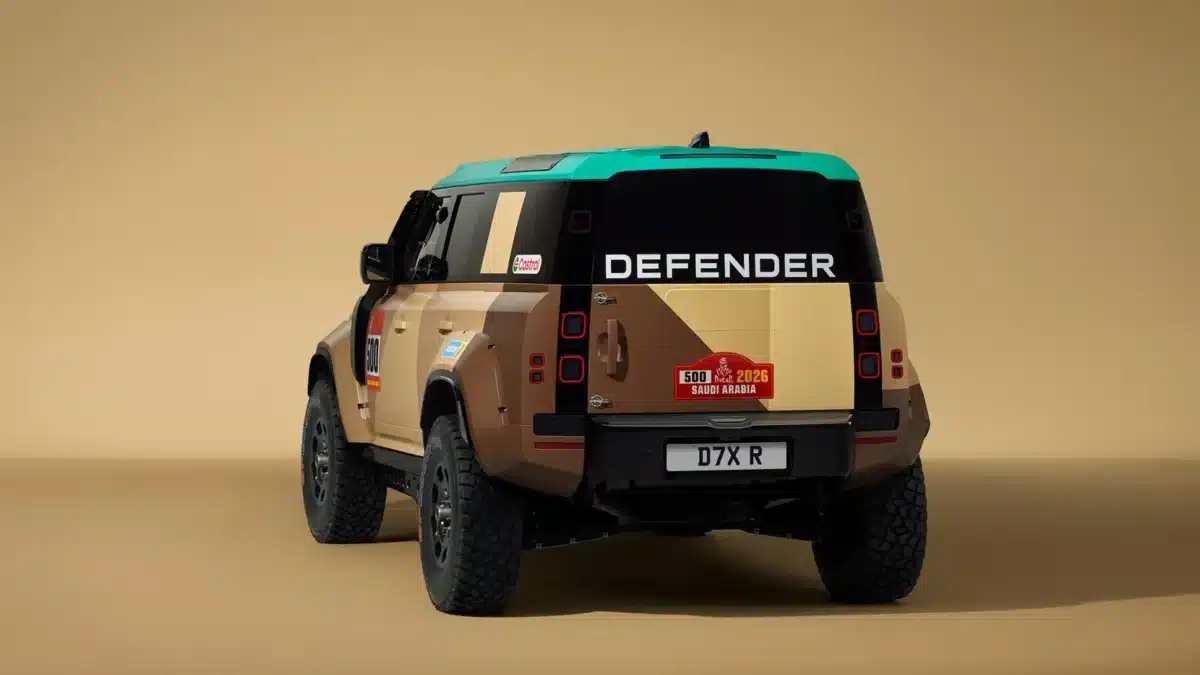
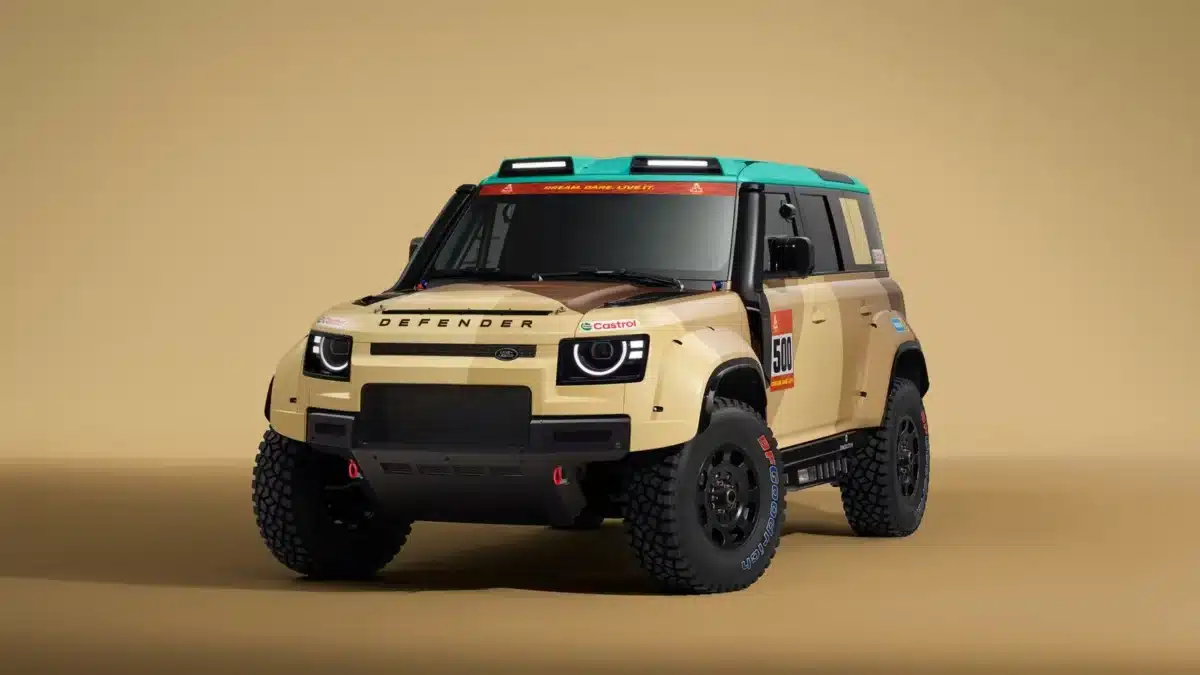
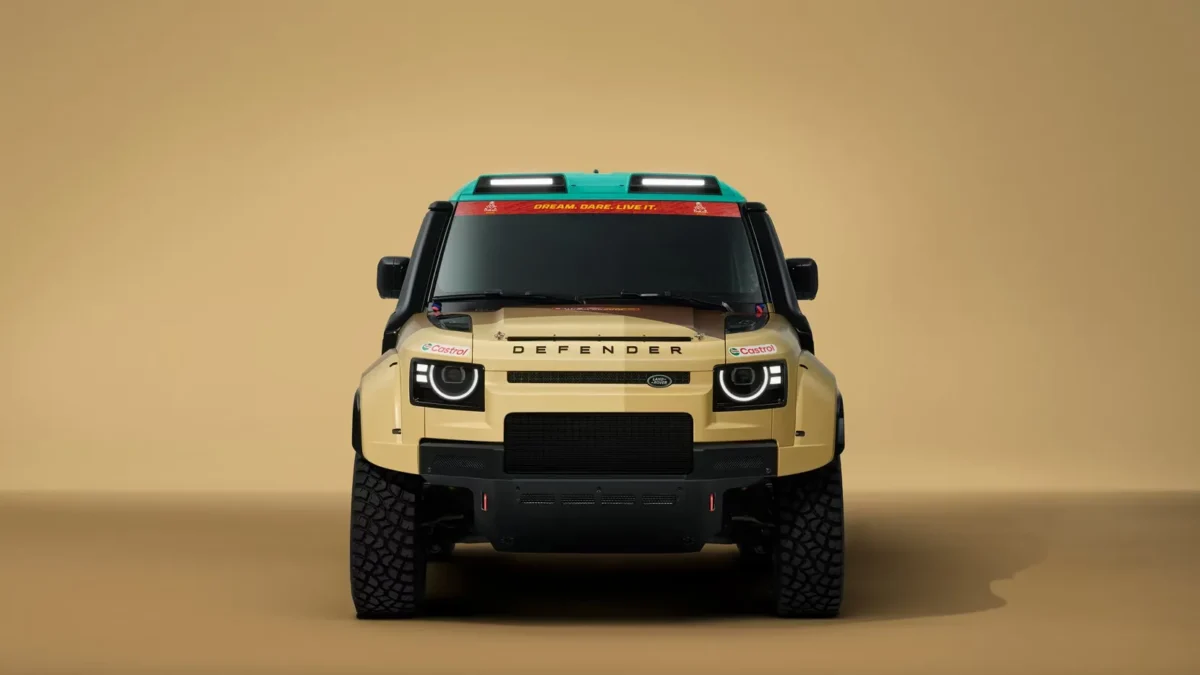
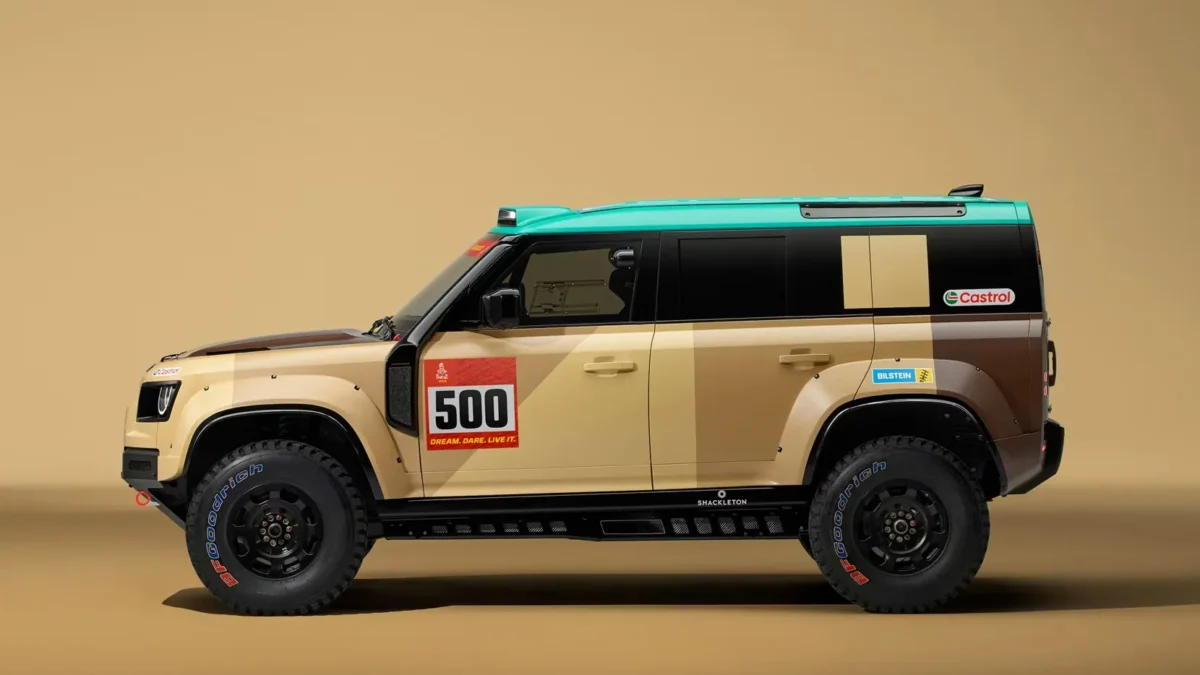
Unlike prototype race vehicles, the Stock category requires competitors to remain closely aligned with showroom models. Consequently, the Land Rover Defender Dakar Rally effort offers valuable insight for Australian four-wheel-drive owners who use similar vehicles for remote touring and long-distance travel.
Conditions faced during the rally, including sustained heat, corrugations, sand driving and extended distances between service points, closely reflect challenges encountered on outback tracks and remote camping routes.
For travellers weighing up vehicle capability, this type of competition provides real-world stress testing under controlled but extreme conditions.
For travellers interested in vehicles built for long-distance and remote touring, the Dakar Rally program offers useful context around durability. A factor that also matters when towing or travelling with rigs like the Vacationer Dakar 199R off-grid caravan.
Context
The Dakar Rally is widely regarded as one of the most demanding endurance events in global motorsport. Over time, it has become a proving ground not just for drivers, but for vehicle engineering and long-term durability.
At the same time, manufacturer involvement in production-based off-road racing has increased. Now, brands use sanctioned competition to validate vehicle platforms rather than relying solely on marketing claims.
Land Rover’s decision to enter the Defender in this environment places its off-road credentials under public scrutiny.
What travellers should know
- The Defender is competing in a production-focused Stock category, not a prototype class
- Dakar conditions mirror many challenges faced during remote Australian travel
- Rally-raid programs often influence future vehicle design and durability upgrades
- The Defender’s campaign will continue in other World Rally-Raid Championship events
The Land Rover Defender Dakar Rally entry represents a significant real-world test of the vehicle’s off-road credentials. By competing in a production-based category under extreme conditions, the Defender is being pushed well beyond everyday use. This offers travellers and 4WD owners a clearer picture of what the platform is capable of when durability matters most.