

Chinese-built caravans are appearing in greater numbers at Australia’s major shows in 2026, as import volumes remain elevated and local manufacturers report a sharp downturn in sales.
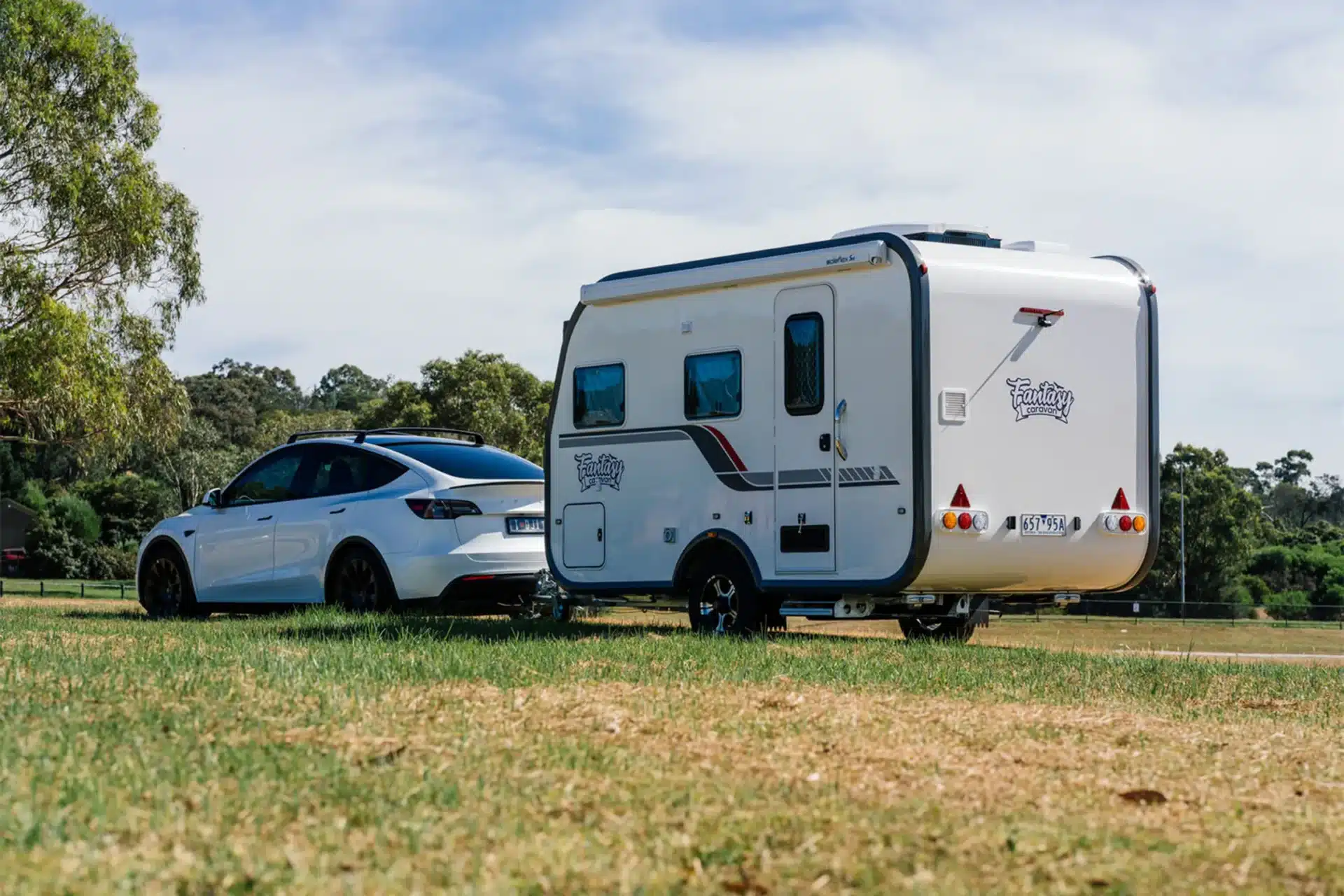
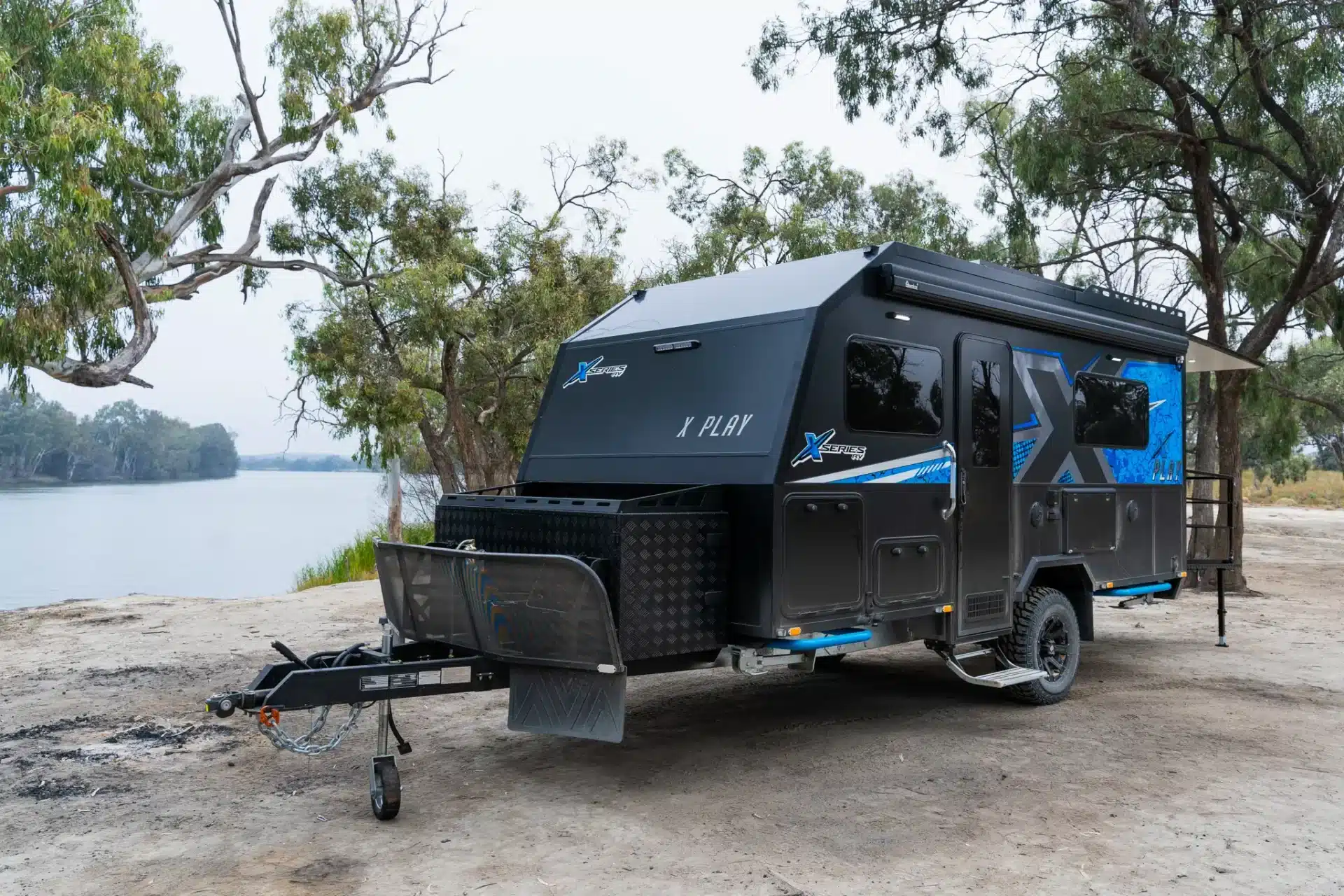
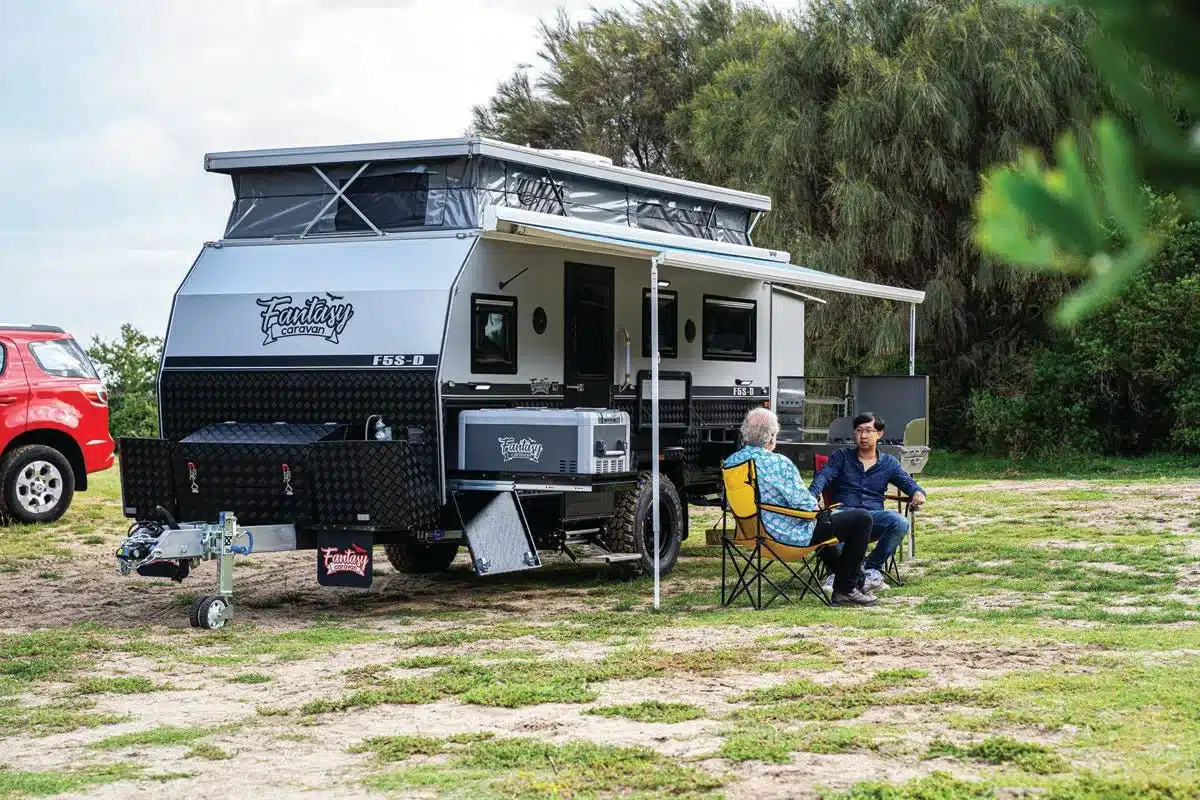
At the Geelong Outdoor Living & Caravan Expo in January 2026, visitors were met with expanded displays of imported, Australian-style “big box” caravans. Several brands promoted lower entry pricing and high-spec finishes aimed directly at the mainstream touring market.
The shift is unfolding at the same time Victorian manufacturers, who build the majority of Australia’s locally made caravans, are reporting a significant contraction in new sales.

Imports Rising as Market Cools
The most recent full-year trade reporting available shows caravan and camper trailer imports sitting at around 20,000 units nationally, up approximately 5 per cent year-on-year. While complete 2025–26 figures are not yet publicly finalised, industry observers say imported product remains a growing share of the market.
At the same time, Caravan Industry Victoria has reported that new caravan sales have dropped substantially from post-pandemic highs, with commentary indicating declines in the order of 30 to 40 per cent across parts of the sector.
Victoria accounts for the overwhelming majority of Australia’s caravan manufacturing base, making the slowdown particularly significant for the state’s industry. which is why any sustained downturn hits hardest there.
Australia’s Caravan Market Shift
Current industry reporting highlights a competitive landscape where international imports are challenging a stabilizing domestic manufacturing sector.
01. Import Snapshot
Imported caravan and camper trailer units continue to grow, with full-size Chinese “big box” vans becoming a primary disruptor.
02. Domestic Status
Victoria remains the manufacturing hub. While retail sales have dipped 30–40% in some segments, production is still 17% above 2019 levels.
The 2026 Context: Buyers are increasingly value-driven, opting for either highly-specced imports or locally-built vans that offer superior composite technology and off-grid capabilities.
Show Floors Reflect the Shift
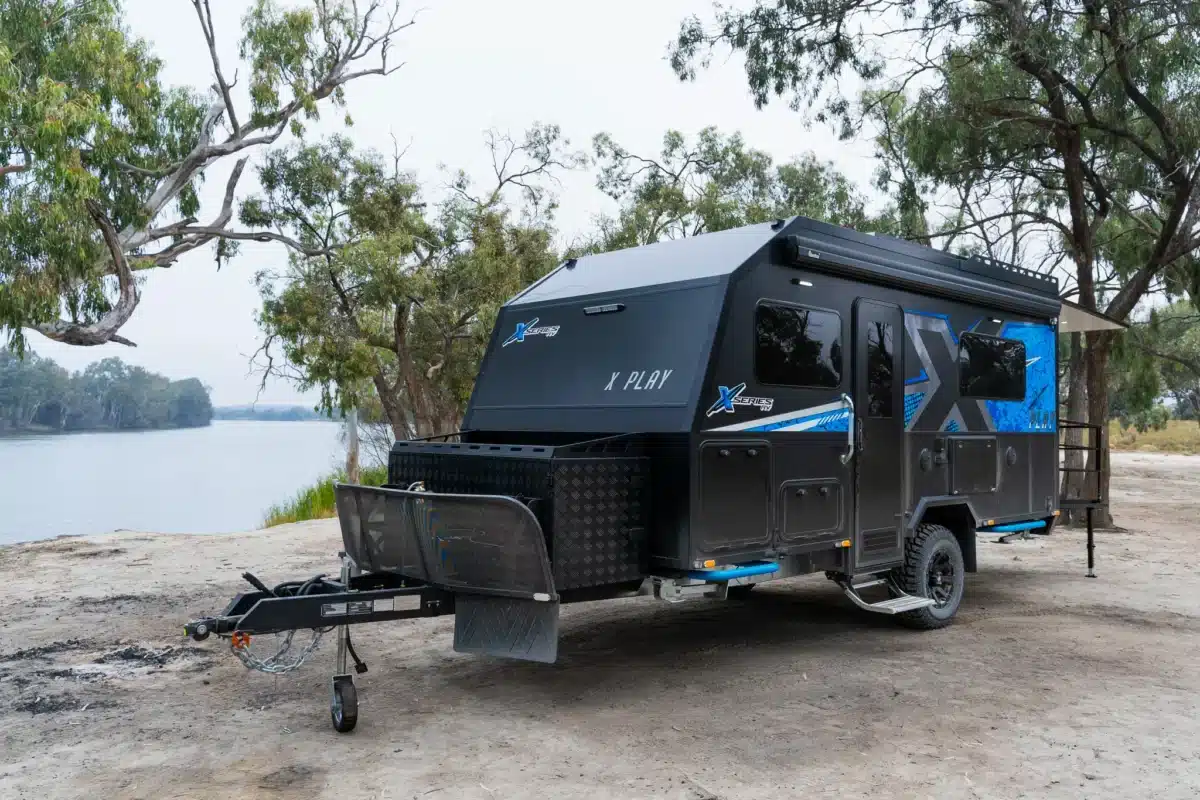
At Geelong, several Chinese-built caravans were positioned alongside established Australian brands, often with similar layouts — tandem axle touring vans, composite panel construction and upgraded suspension systems.
Some displays referenced suspension systems developed in collaboration with Chinese automotive brand Chery, signalling an attempt to address long-standing consumer concerns about durability and off-road capability.
Dealers report strong interest from price-sensitive buyers, particularly first-time owners and families entering the caravan market in 2026.
Why the Change Is Happening Now
Australia’s caravan market expanded rapidly during the COVID-era travel boom. As domestic travel demand has normalised and interest rates have remained elevated, discretionary spending has tightened.
Industry reporting indicates that new caravan orders have slowed considerably compared with 2021 and 2022 peaks. At the same time, the second-hand market remains active, placing further pressure on new van pricing.
Imported caravans, often positioned below the price of comparable Australian-built models, are entering the market during this cooling phase, increasing competitive pressure.
What This Means for Travellers
For Australian caravanners, the immediate impact is increased choice.
More imported caravans in 2026 means:
- Broader price points across similar layouts
- Greater variation in brand origin and dealer networks
- Increased competition across the mid-range touring segment
All caravans sold in Australia must comply with national vehicle standards. However, warranty structure, parts availability and after-sales support can vary between manufacturers and importers.
Industry bodies have previously raised concerns about compliance oversight and consistency across imported product categories, particularly during periods of rapid growth.
A Structural Market Shift
The growing presence of Chinese-built caravans in Australia is not a short-term show trend. It reflects a broader restructuring of supply chains and consumer demand following the pandemic travel surge.
Whether imports continue to gain share through 2026 will depend on buyer confidence, product durability in Australian conditions and the strength of local dealer support networks.
For now, the 2026 show season has made one thing clear: Chinese-built caravans are no longer a niche presence in Australia’s touring market. They are competing directly with established local manufacturers at a time when the industry is recalibrating.
As the year progresses and updated trade data becomes available, the scale and permanence of this shift will become clearer.