

Australian summer travel trends are pointing to a clear shift this season. Australians are still travelling in strong numbers, but many are changing where they go and how they plan their trips.
New data from Expedia’s Summer Travel Outlook for 2025–26 shows travellers are increasingly moving away from crowded coastal hotspots. Instead, more people are choosing cooler inland regions, quieter regional towns and destinations that suit road trips and short domestic breaks.
The change reflects a mix of cost pressures, heat avoidance and a growing desire to avoid peak-season congestion during the busiest part of the summer holiday period.
Queensland still dominates but demand is spreading
Queensland continues to lead domestic summer travel demand, with the Gold Coast, Sunshine Coast and Far North Queensland remaining among the most searched destinations outside capital cities.
However, Australian summer travel trends suggest demand is no longer focused only on major beach hubs. Interest is spreading across a broader range of regional and inland destinations, particularly places that offer better value and a more relaxed experience during school holidays.
Inland and regional destinations see strong growth
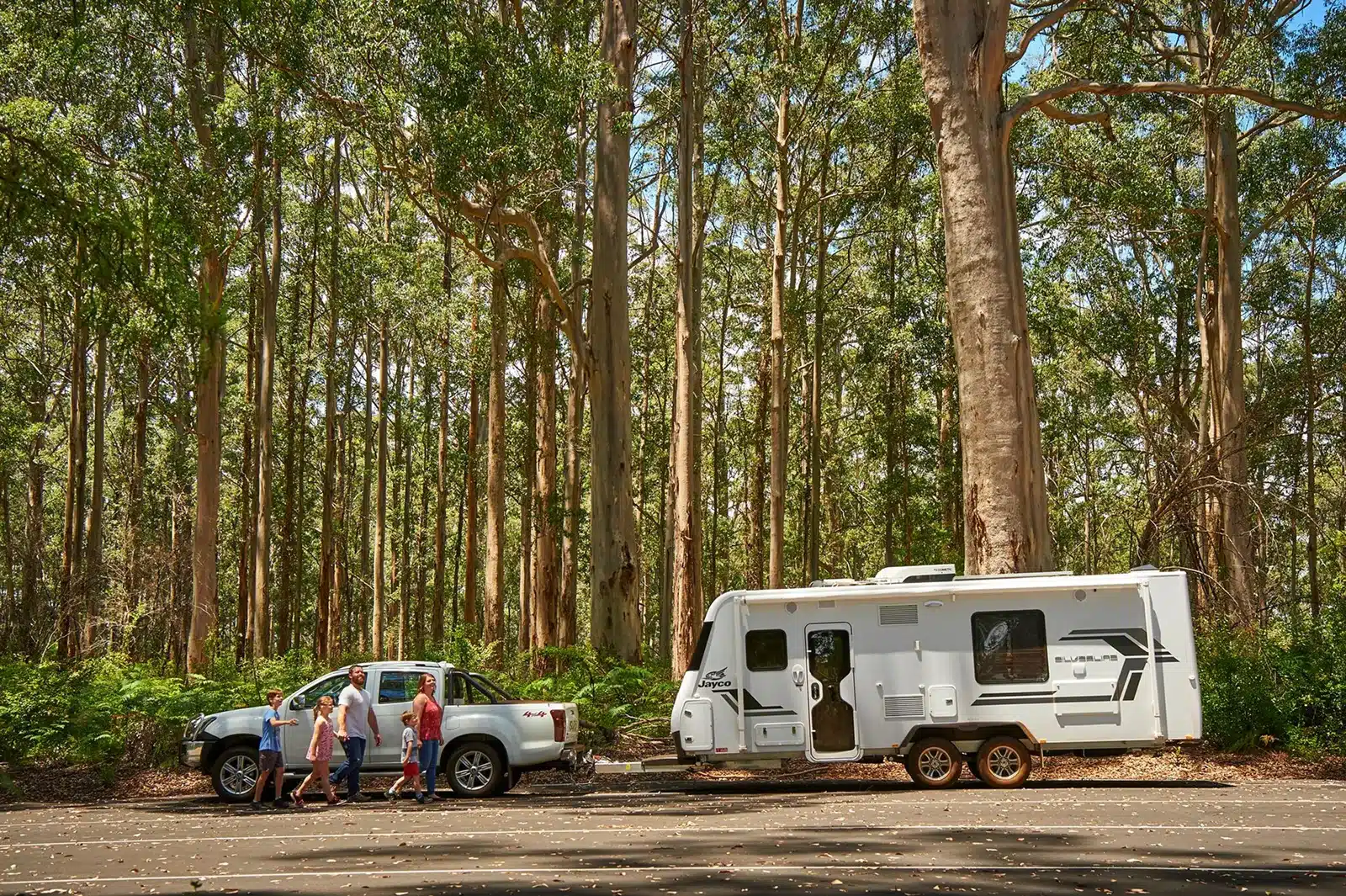
Beyond the most searched locations, Expedia reports sharp year-on-year growth in interest for a number of regional and inland destinations. Many of these places are well suited to road travel and caravan holidays.
Expedia data shows the strongest year-on-year growth is coming from regional and inland destinations.
Australia’s Fastest-Growing Getaway Destinations

Yarra Valley, VIC

Jindabyne, NSW
Tweed Heads, NSW

New Norfolk, TAS

Daylesford, VIC

Kingscliff, NSW

Kangaroo Valley, NSW

Kiama, NSW

Mission Beach, QLD

Barossa Valley, SA
These Australian summer travel trends point to growing interest in destinations that offer cooler conditions, fewer crowds and a strong mix of caravan parks, cabins and regional accommodation.
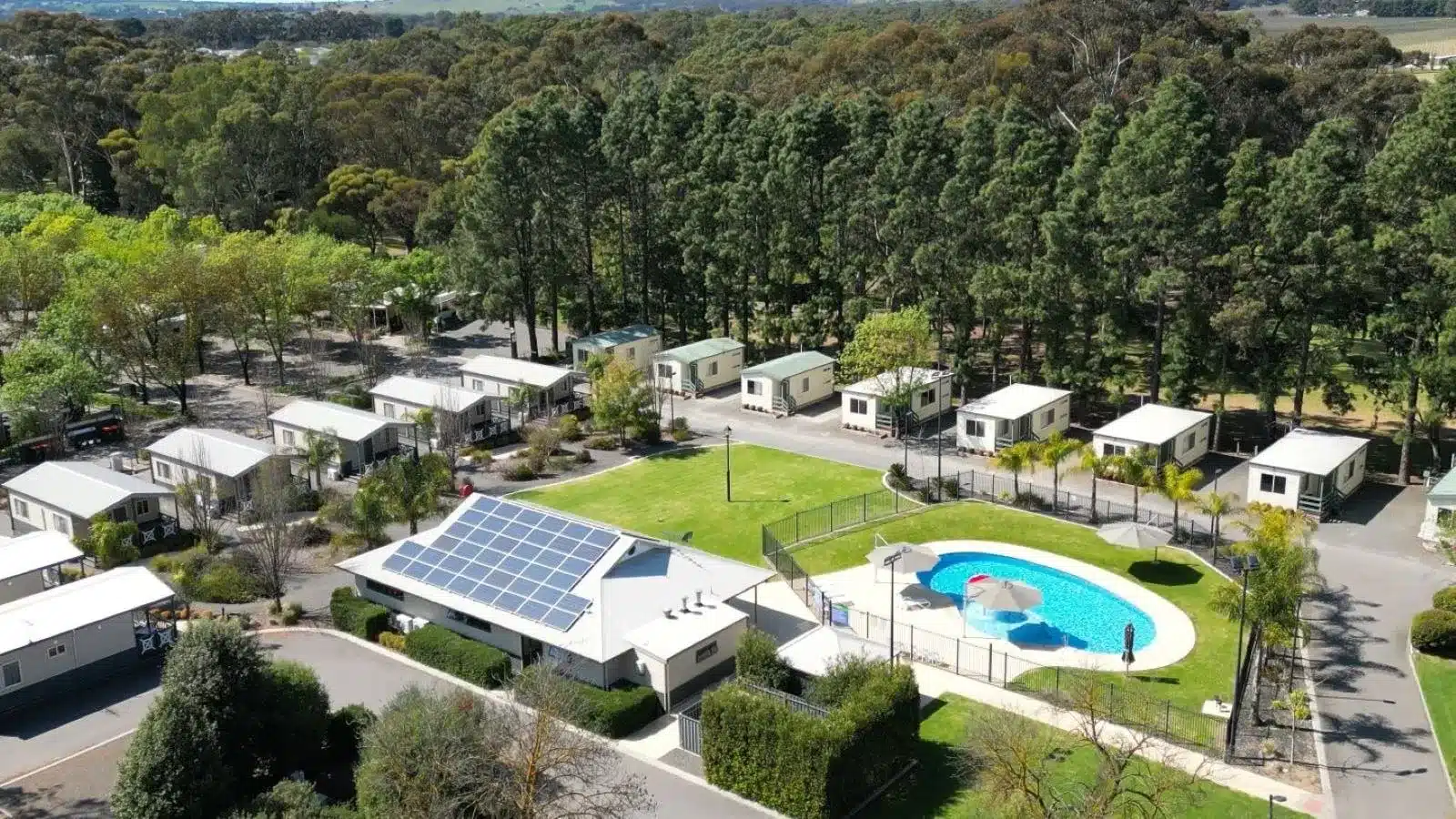
Wine regions such as the Barossa Valley are also seeing increased interest, including holiday park stays in the region, as travellers combine short breaks with food, wine and nature-based experiences.
Cooler climates and quieter towns shaping choices
Climate comfort is playing a bigger role in summer travel planning.
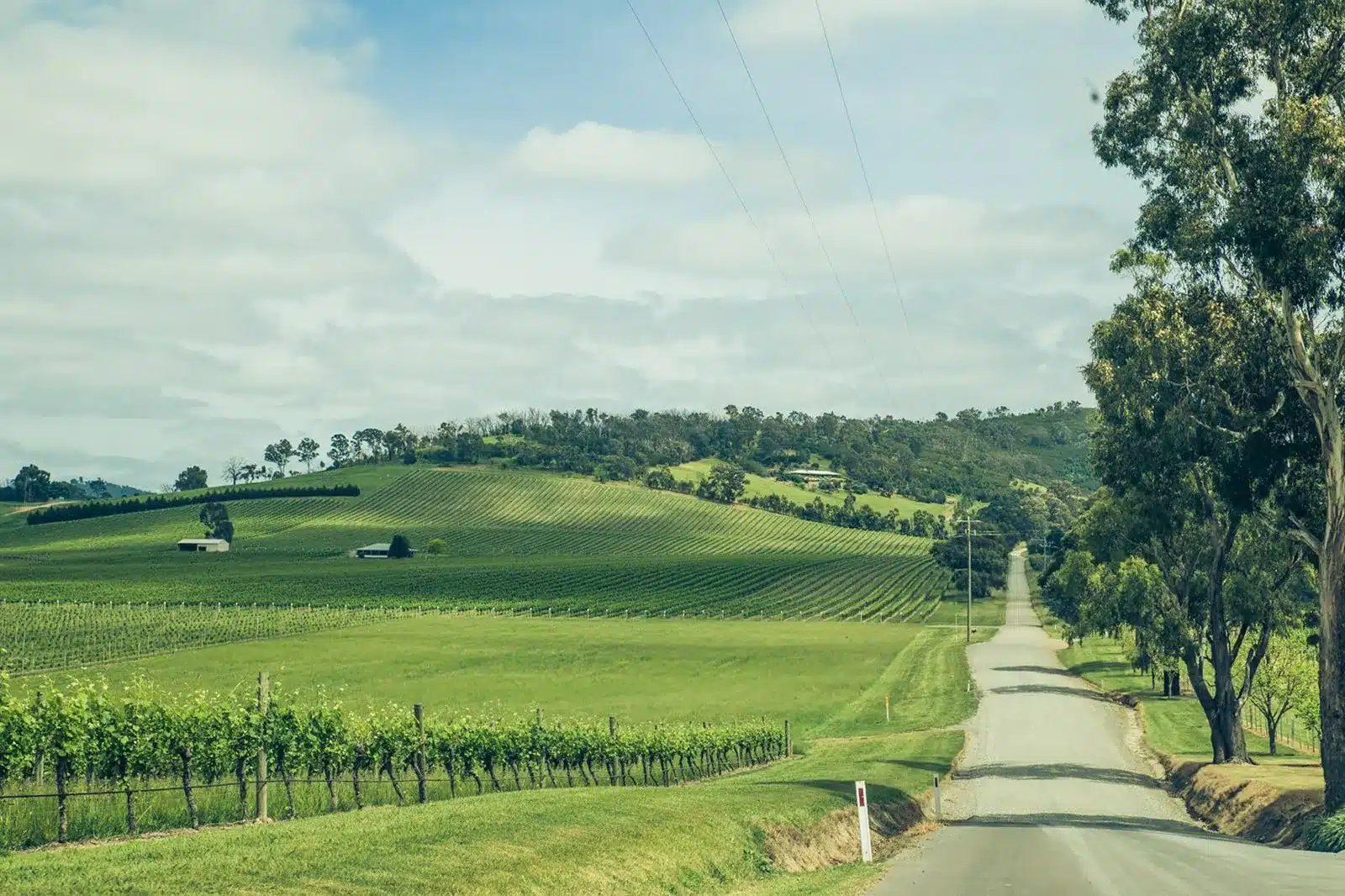
Regions such as Daylesford, the Yarra Valley and the Snowy Mountains provide relief from extreme heat while still offering lakes, walking trails, food and wine experiences and family-friendly activities.
At the same time, coastal towns like Kingscliff and Tweed Heads are attracting travellers who want beach access without the congestion and price pressure seen in nearby high-profile destinations.
Value and flexibility are favouring road trips
Cost remains a major factor influencing Australian summer travel trends, particularly for families travelling during school holidays.
According to Expedia, accommodation in regional and inland destinations can be significantly cheaper than in heavily booked coastal areas. In some cases, nightly rates are reported to be up to 50 per cent lower than those found in popular beach locations.
That difference is encouraging more travellers to choose self-drive holidays, including caravanning and cabin stays. These trips allow people to shorten stays, adjust routes or change plans if conditions shift.
What this means for caravan and camping travellers
For caravan and camping travellers, the shift mirrors patterns already emerging across many regional holiday parks.
Parks in inland and regional areas are attracting travellers looking for:
- Shorter and more flexible stays
- Destinations within a day’s drive of major cities
- Cooler climates and shaded sites
- Access to food regions, lakes and national parks
Recent changes at parks such as Coonamble Riverside Holiday Park reflect this growing demand, as regional locations adapt to increased interest during the summer period.
A summer shaped by adjustment, not slowdown
Overall, the latest Australian summer travel trends show travellers remain keen to take holidays, but they are adjusting plans to suit current economic conditions, climate concerns and crowd levels.
Rather than travelling less, Australians are choosing differently. Domestic road trips, regional destinations and value-focused experiences are playing a bigger role in summer travel decisions. For many caravan-friendly towns and inland regions, that shift is already translating into stronger interest throughout the 2025–26 summer season.