
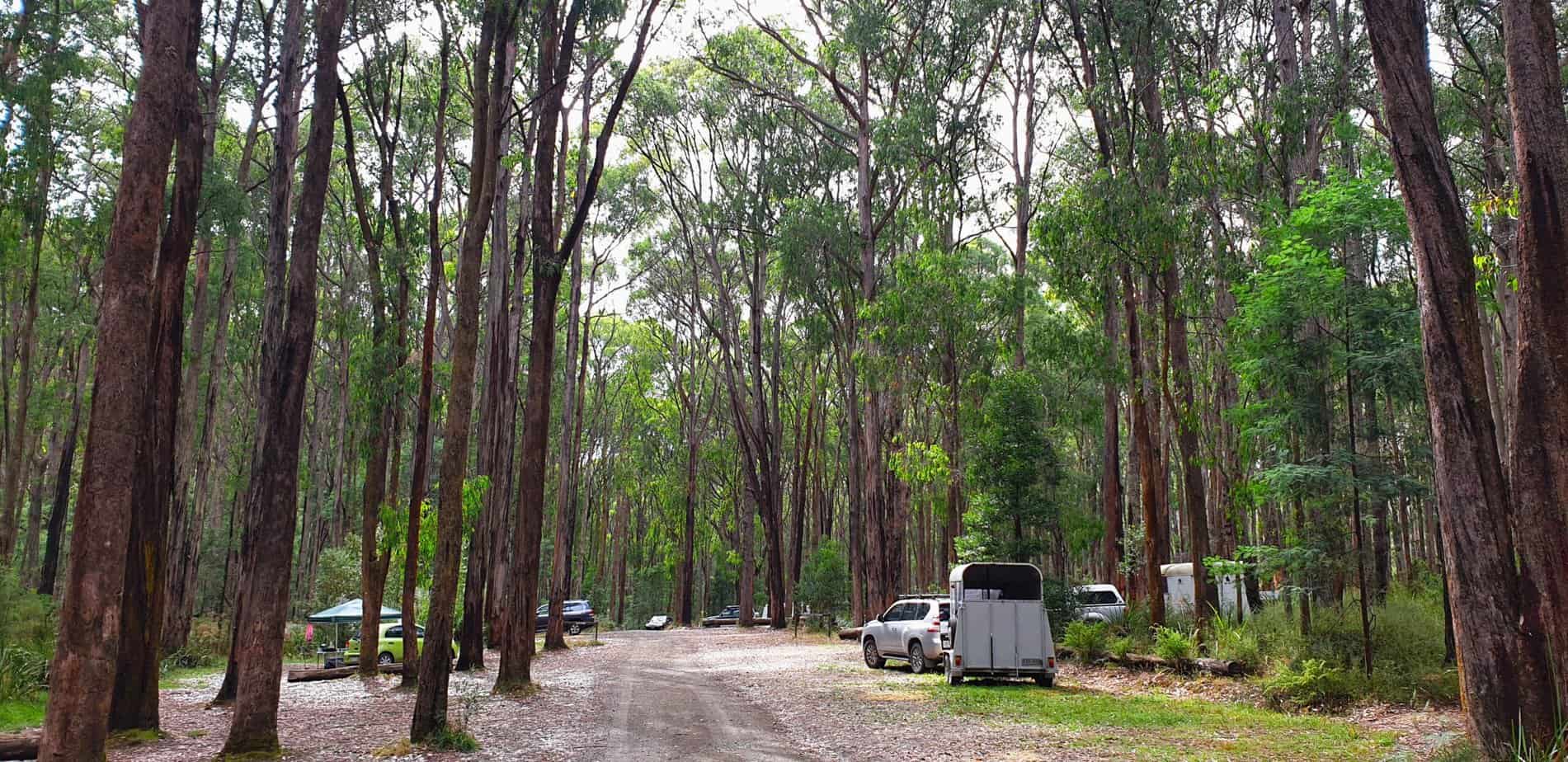

Pulling into Kurth Kiln Scout Loop, the first impression is exactly what most campers are chasing: tall trees, filtered light, and that familiar stillness you only get once you leave sealed roads behind.
The drive in is straightforward. A dirt road, nothing technical, and entirely manageable in a standard 2WD. It sets the tone early — this is accessible bush camping, not a remote off-grid challenge.
Once you arrive, though, the experience settles into something a bit more layered. It’s peaceful, yes. But it’s also popular.
The campsite: space to breathe, but not always solitude
The campsites themselves are a pleasant surprise. They’re a good size, with enough room to set up comfortably without feeling cramped. For groups or families, that space matters.
But Kurth Kiln Scout Loop isn’t a hidden secret. It’s free, legal to camp, and within reach of Melbourne — which means it draws a steady flow of visitors.
At times, it can feel busy.
The balance is that there are quite a few sites spread around the loop. Even when numbers pick up, you’re not stacked on top of each other. It’s more a shared bush setting than a packed campground.
Facilities: basic, and that’s the point
This is not a holiday park setup, and it doesn’t try to be.
Each campground has a long-drop toilet — functional, but simple. Beyond that, you’re on your own:
- No water
- No showers
- No bins
You need to arrive fully self-sufficient and leave the place as you found it. Bring your own water, manage your waste, and take all rubbish home.
It’s a setup that suits campers who are comfortable being independent. If you’re expecting convenience, this isn’t the place. If you’re happy with a more stripped-back experience, it works.
The social side of bush camping
One of the unexpected strengths here is the atmosphere.
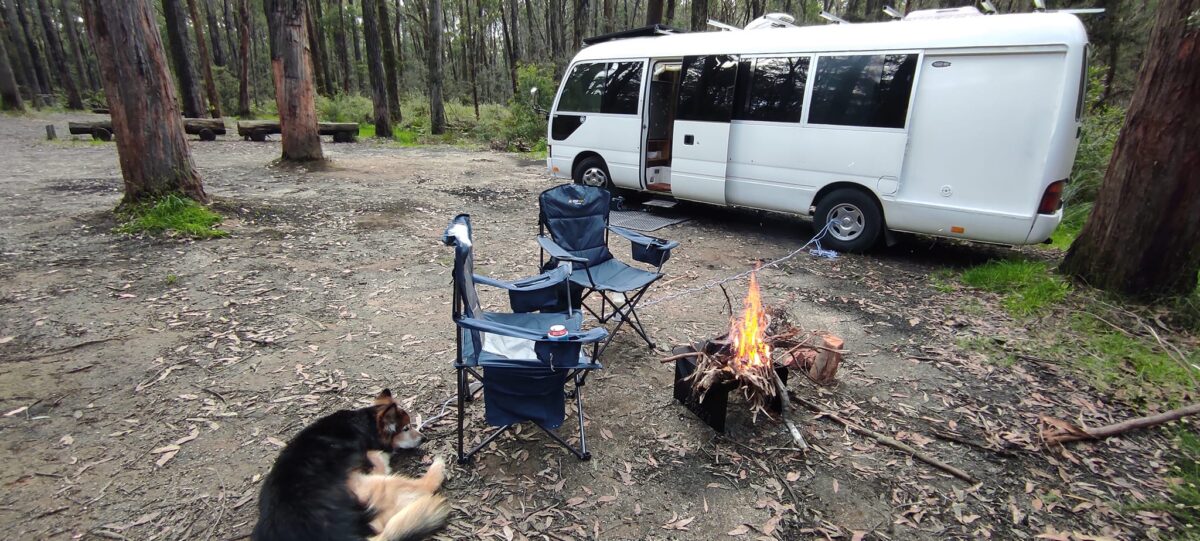
Shared fire pits naturally bring people together. Even without planning it, there’s a sense of community — conversations starting over a fire, people swapping trip notes, and a generally relaxed, friendly vibe.
It’s not loud or rowdy, but it’s not isolated either. You’re camping alongside others who’ve chosen the same kind of stay.
Walking tracks and getting out of camp
Kurth Kiln State Park is well set up for walking.
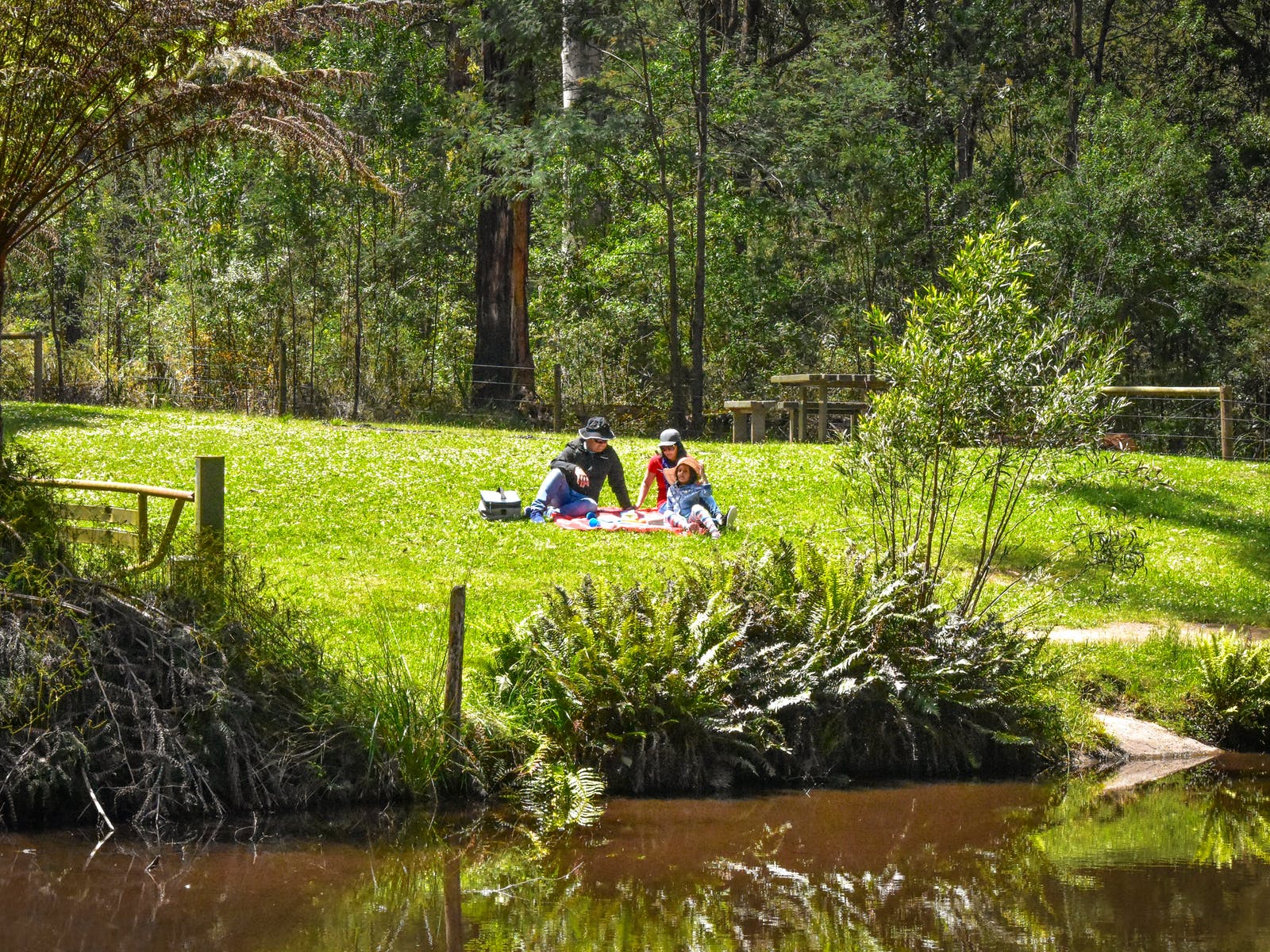
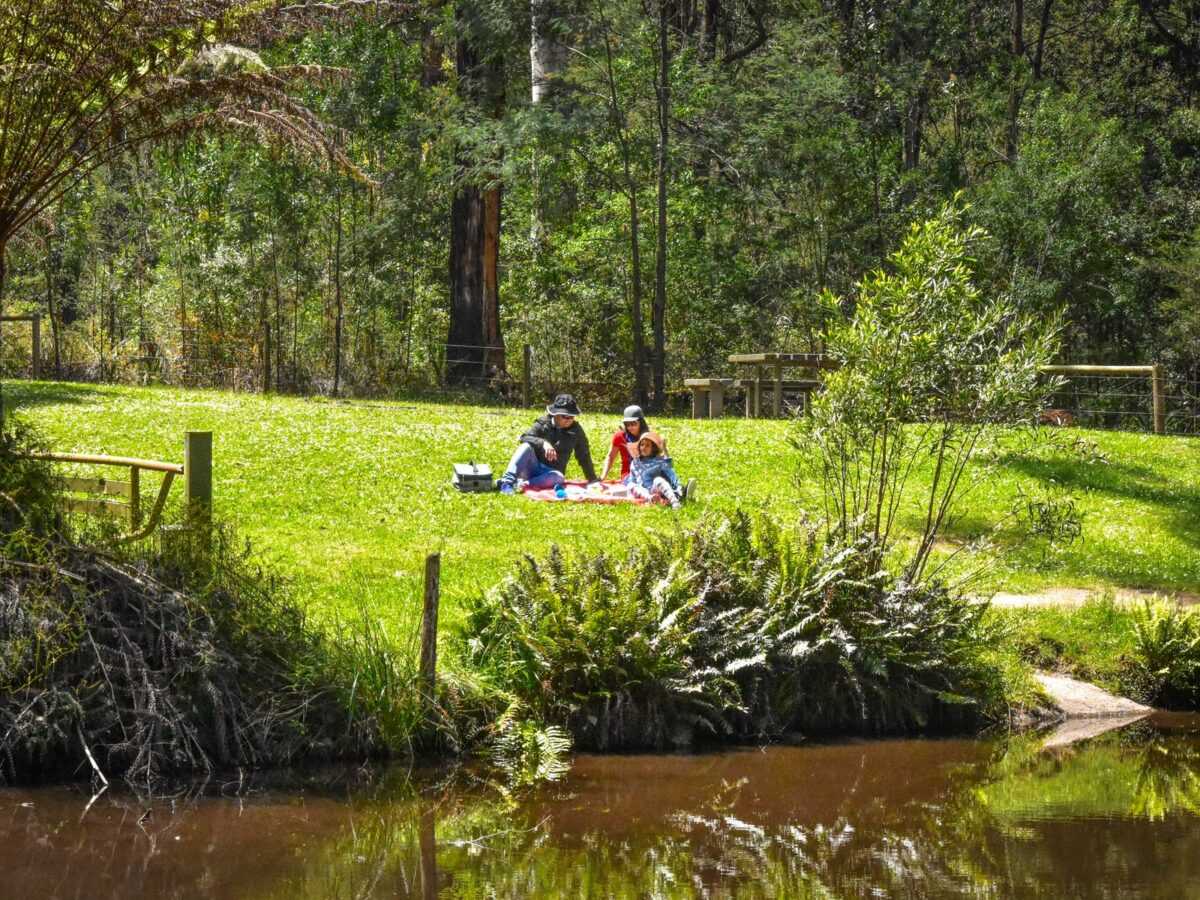
There are plenty of tracks branching out from the campground, ranging from short wanders to longer walks through the forest. You don’t need to drive anywhere else — you can step straight out of camp and into it.
It’s one of the stronger drawcards of the area, especially if you’re looking to fill a weekend without relying on external attractions.
The small trade-offs
Like most bush camping spots, Kurth Kiln Scout Loop comes with a few downsides.
Flies are part of the experience — and at times, there are a lot of them. It’s not unusual, but it’s noticeable.
The lack of water and showers also becomes more apparent the longer you stay. For an overnight or weekend trip, it’s manageable. For longer stays, it requires planning.
Phone reception is patchy but present. You can usually get a signal, just not consistently strong.
Kurth Kiln Scout Loop sits in a practical middle ground.
It’s accessible without needing a 4WD.
It’s free and legal to camp.
It offers a genuine bush setting with enough space to stay comfortable.
At the same time, it’s not remote, not empty, and not equipped with modern amenities.
If you go in expecting a simple, self-sufficient camping experience — with a bit of company and plenty of walking tracks — it delivers.
For many campers, that’s exactly what makes it worth the trip.
What Riley Noticed During a Recent Stay
After a recent trip out to Kurth Kiln Scout Loop, Riley’s experience paints a clear picture of what campers can expect — especially if it’s your first time heading in.
Getting there is part of the appeal. The drive is along a dirt road, but nothing demanding. Riley made it in without needing a 4WD, which makes this spot far more accessible than many bush camps in Victoria. It’s the kind of place you can reach without overthinking the vehicle setup.
One of the standout points Riley mentioned is that camping here is both free and legal — something that’s becoming harder to find, particularly this close to Melbourne. That alone explains why it sees a steady flow of visitors.
Facilities are minimal, and Riley was clear about that. Each campground has a long-drop toilet, but that’s where it stops. There’s no water, no showers, and no bins. You need to arrive prepared — bring your own supplies, and take everything back out with you. It’s a simple setup that works well if you’re organised, but it’s not forgiving if you’re not.
In terms of space, Riley found the sites themselves to be a good size, which helps offset the fact that it can get busy. It’s not a secluded, tucked-away camp — especially on weekends — but there are enough sites spread around the loop that it doesn’t feel overcrowded. It’s more of a shared bush experience than a private escape.
The road in holds up to expectations — a straightforward dirt track without any surprises — and once you’re set up, there’s enough around camp to keep things interesting. Riley pointed out that there are plenty of walking tracks nearby, making it easy to get out and explore without needing to pack up and drive elsewhere.
Phone reception is there, but only just. Riley was able to get some signal, though it’s not something you’d rely on for consistent connectivity.
The overall experience comes down to a mix of small highlights and minor frustrations. Riley found the social side of the campground to be a real positive — shared fire pits, friendly people, and a relaxed atmosphere. On the flip side, the lack of amenities is noticeable, and the flies can be hard to ignore at times.
Even with those trade-offs, Riley’s impression was straightforward: it’s a place worth returning to. Not because it’s polished or comfortable in the usual sense, but because it delivers a simple, accessible bush camping experience that still feels genuine.