
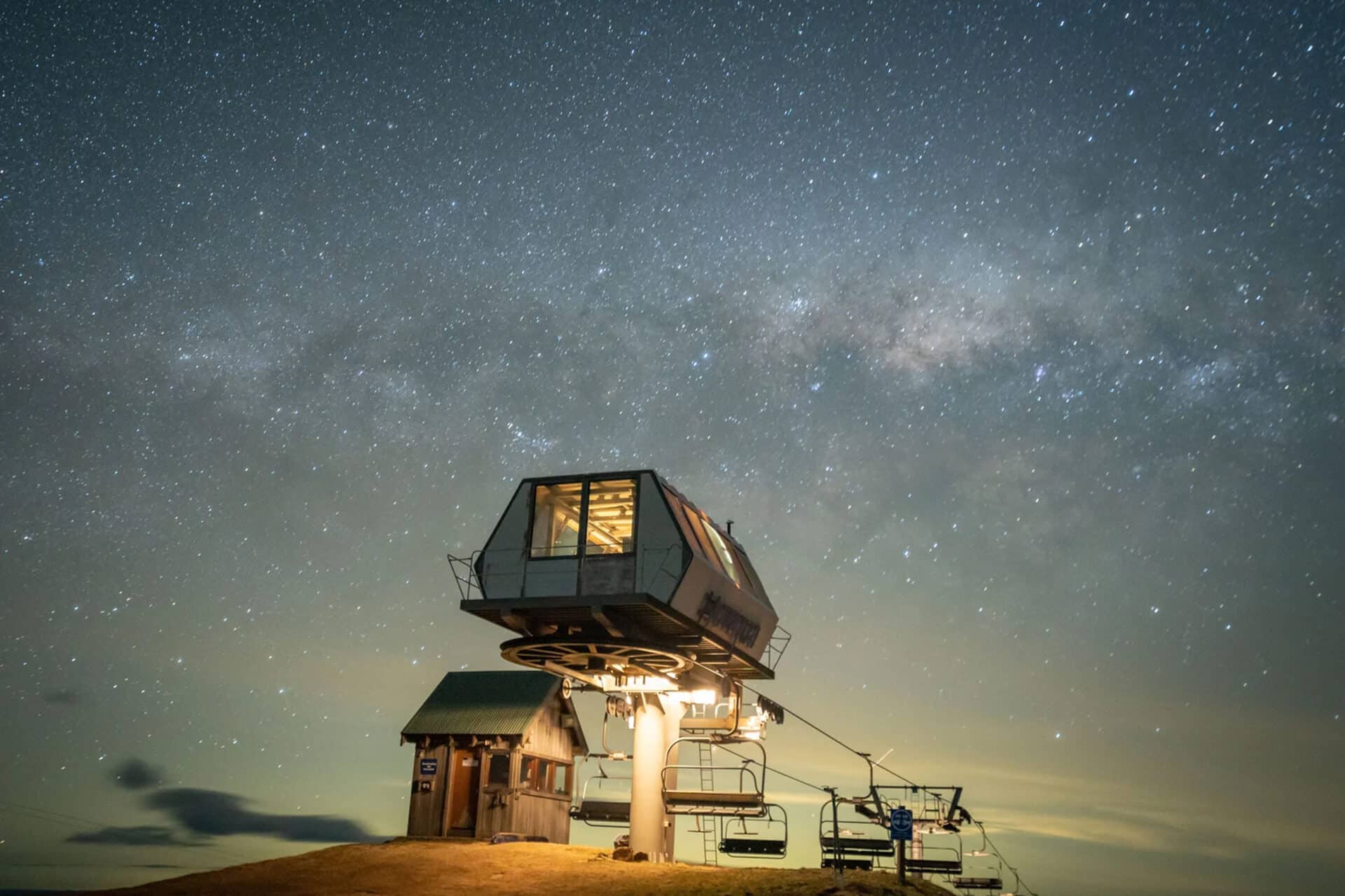

Dark Sky Locations for Caravaners, Campers, Families & Photographers
Victoria might not be Australia’s most remote state; however, once you leave the city glow behind, it delivers some genuinely impressive stargazing. In fact, some of the best stargazing destinations in Victoria are found across the wide mallee plains of the north-west, through alpine high country and into quieter coastal hinterlands, where the night sky opens up and the Milky Way becomes clearly visible.
This guide brings together the best stargazing destinations in Victoria, focusing on places that work for caravaners, campers, families, photographers and off-grid travellers. Rather than listing every dark patch on the map, it highlights national parks, bush camping areas and accessible campgrounds chosen for their low light pollution, practical access and consistent night-sky viewing potential.
Whether you’re planning a road trip, travelling with kids or free camping off-grid, these best stargazing destinations in Victoria help narrow the choice. As a result, you can match locations to access, facilities, seasonality and travel style, instead of relying on guesswork.
If you’re specifically chasing no-cost options, see our guide to the best free camping spots for stargazing in Victoria, which focuses on self-contained caravan and camper setups.
Is Victoria Good for Stargazing?
Yes — if you know where to go.
While areas close to Melbourne and major regional centres suffer from light pollution, conditions improve quickly once you travel two to three hours beyond urban areas. In particular, western Victoria and the state’s north-west consistently deliver some of the best stargazing destinations in Victoria, thanks to flat terrain, low population density and wide horizons.
Importantly, Victoria’s strength lies in variety. Desert parks, mountain regions, coastal hinterlands and mallee landscapes all offer different night-sky experiences. As such, travellers can choose locations based not just on darkness, but also on comfort, access and season.
What Makes a Great Stargazing Destination?
The best stargazing destinations in Victoria tend to share a few practical characteristics.
For starters, low light pollution from towns and highways is essential. Equally important are open horizons or elevated viewpoints, which improve sky clarity. In addition, safe night access from nearby campsites makes a real difference, particularly for families and photographers.
Reliable weather patterns also matter. Cooler months generally deliver clearer skies, although camping suitability varies by region. As a result, even the darkest destination can disappoint during a full moon or unstable conditions.
Best Stargazing Destinations in Victoria
Murray-Sunset National Park
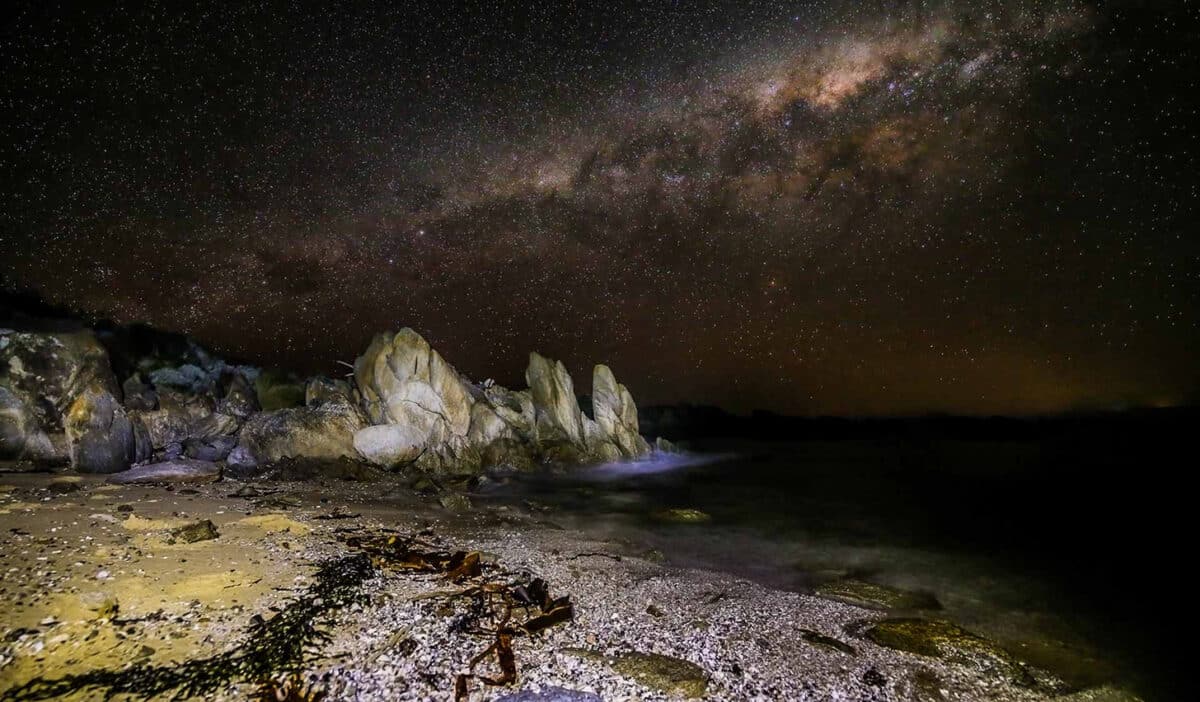
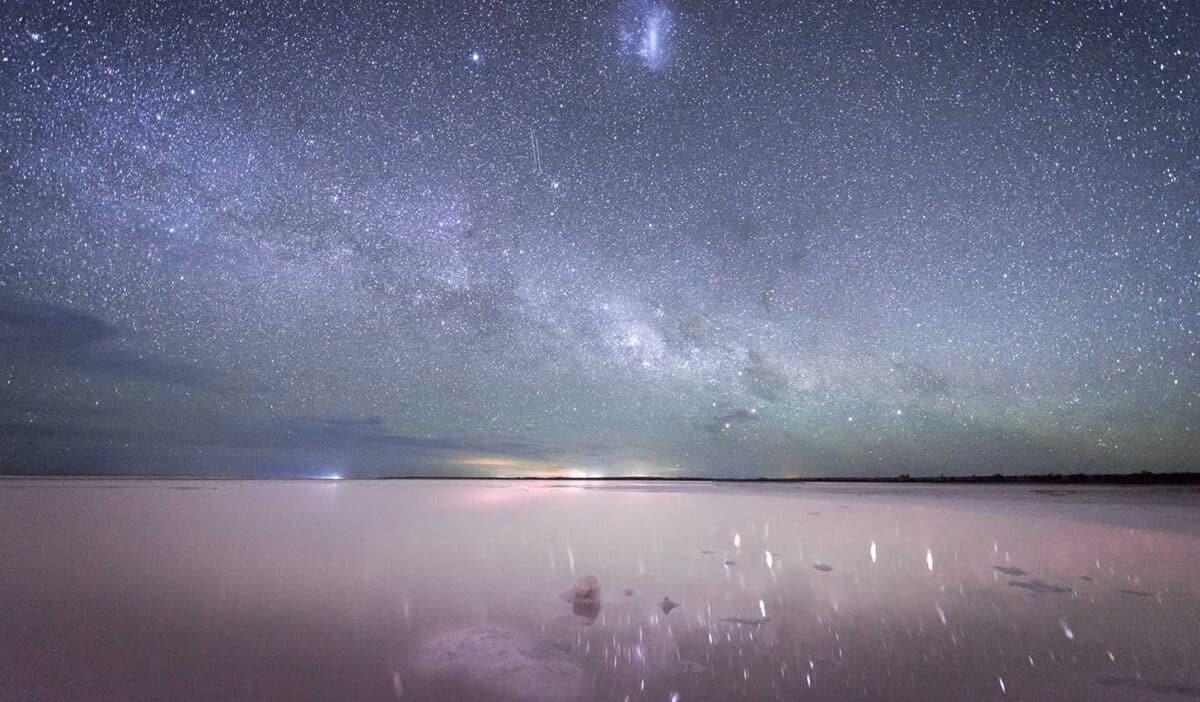
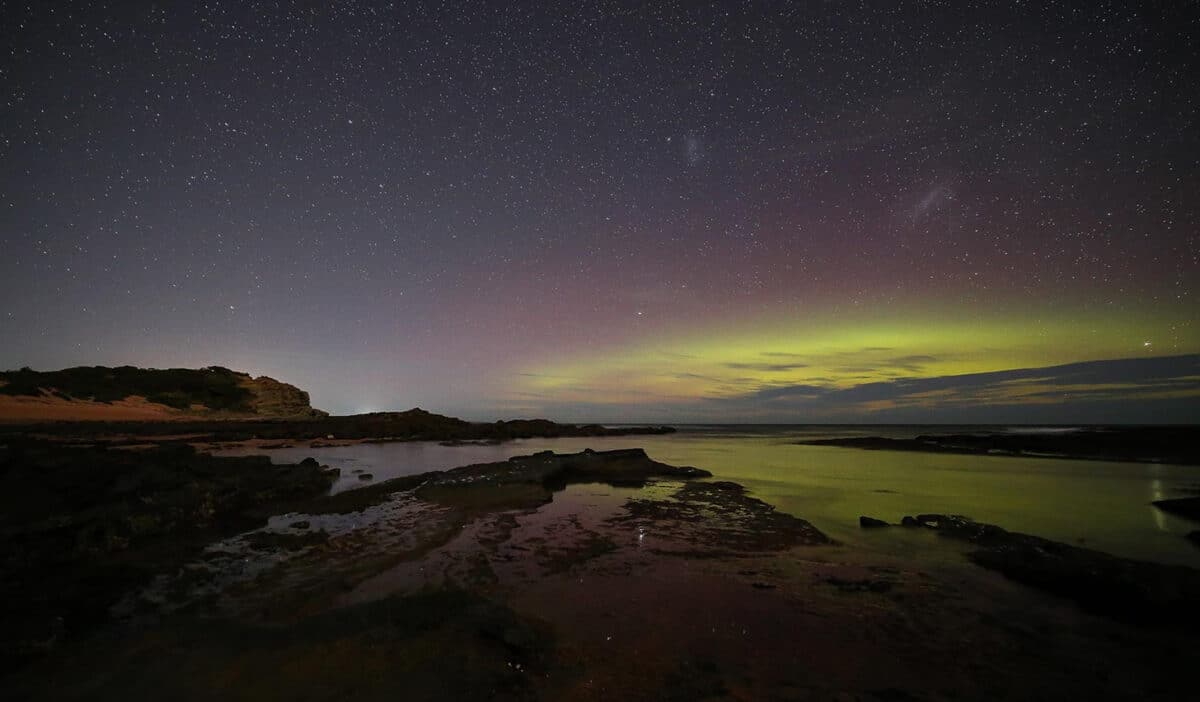
Best overall dark-sky destination
If you’re chasing the darkest skies among the best stargazing destinations in Victoria, Murray-Sunset National Park stands out immediately. Located in the far north-west of the state, it’s one of the few areas where light pollution is virtually nonexistent.
On clear, moonless nights, the Milky Way stretches from horizon to horizon. As a result, salt flats and dunes are often faintly illuminated by starlight alone — a rare experience this close to the southern coast.
Who this destination suits best
Solo Trips & Couples
Ideal for experienced campers, photographers and off-grid travellers seeking quiet nights and uninterrupted skies.
Families & groups
Best suited to confident families with older children who are comfortable with remote bush camping and limited services.
 | Why it works: Low light pollution, wide horizons and minimal night-time traffic make this area ideal for stargazing. Once the sun goes down, artificial light is virtually non-existent. |
 | Camping & access: Free bush camping is available throughout the area. Most sites are accessible with 2WD in dry conditions, although sandy sections can become difficult after rain. |
 | Best time to visit: Autumn and winter offers the most reliable conditions, with clear skies and comfortable overnight temperatures. |
The Grampians (Gariwerd National Park)
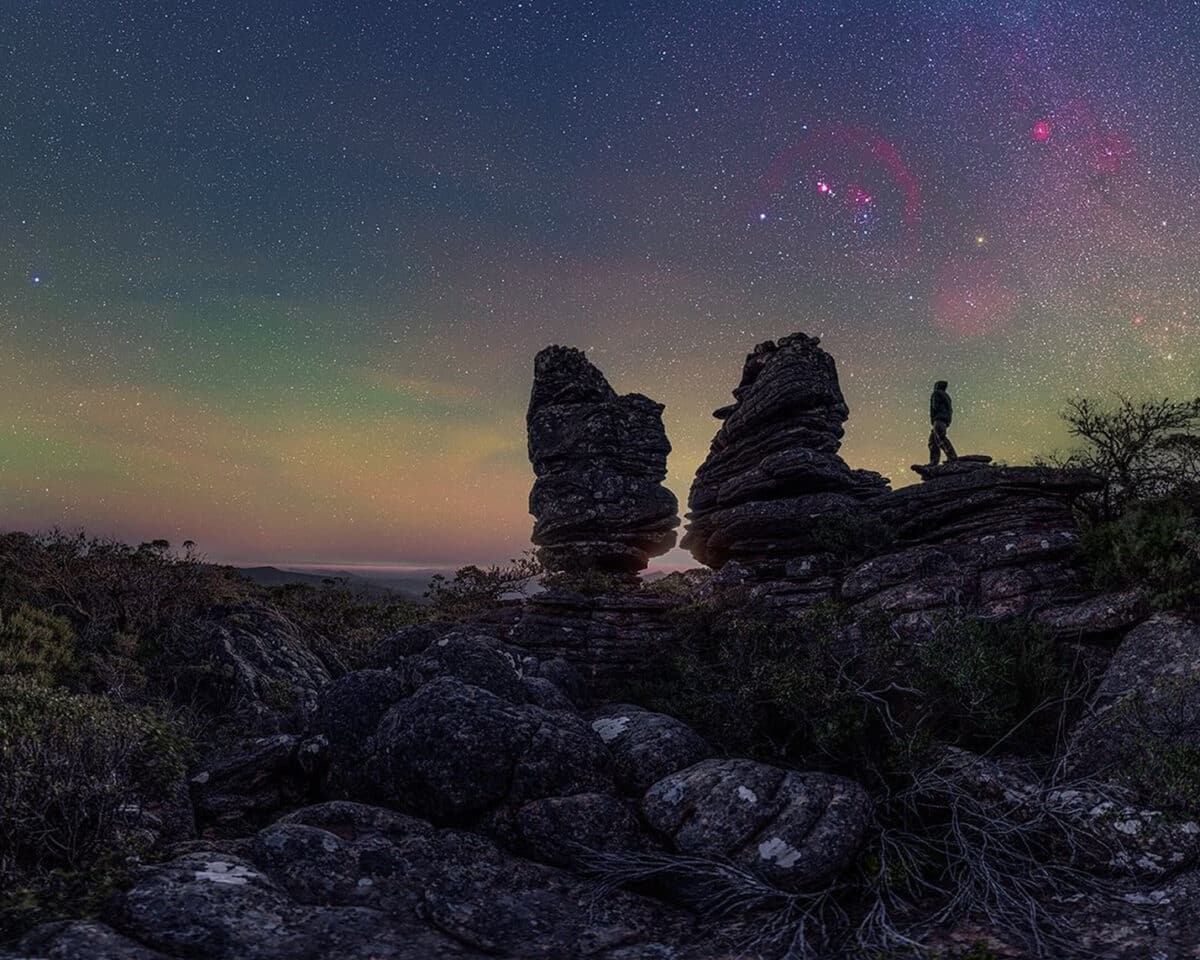
Best Accessible Stargazing Destination
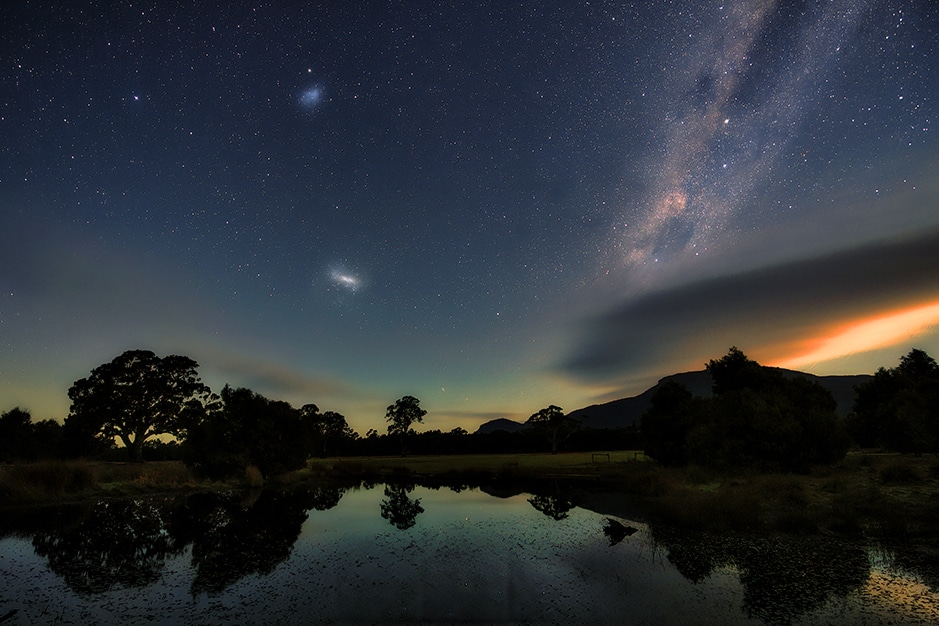
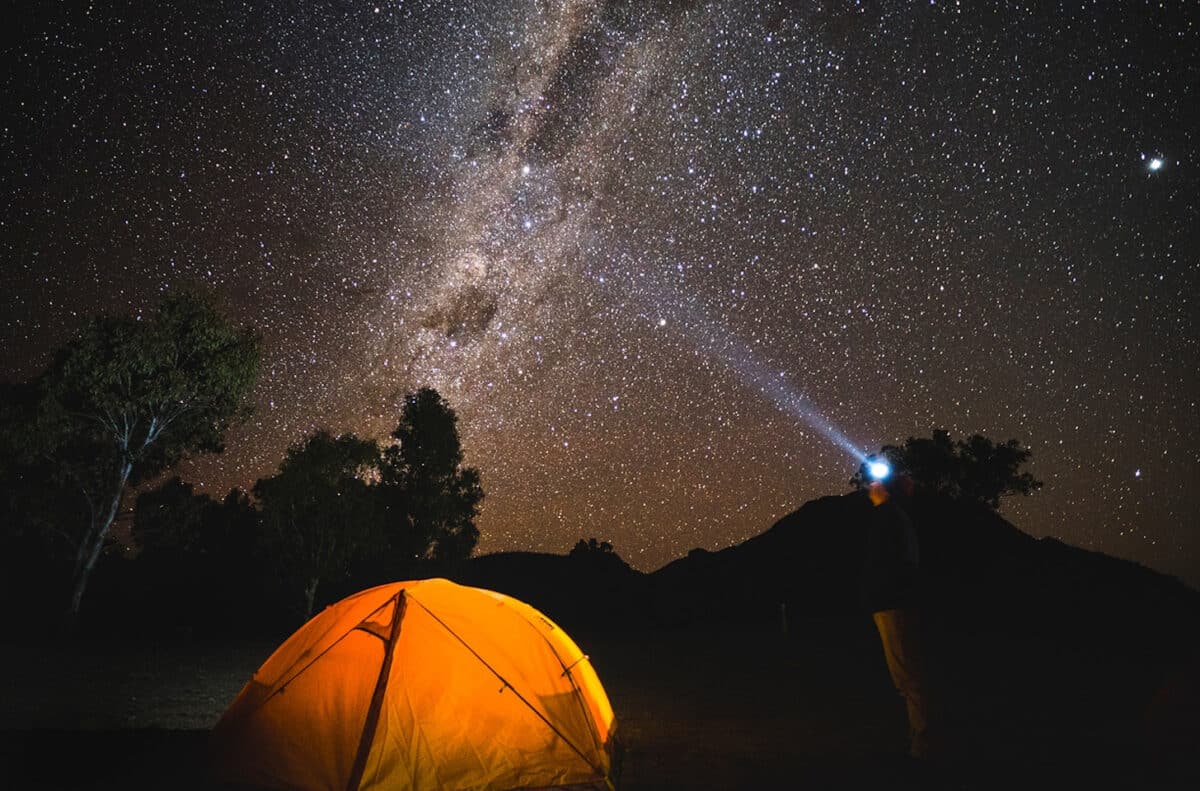
Although better known for hiking and scenery, the Grampians deserve a place among the best stargazing destinations in Victoria. Once you move away from Halls Gap township, skies darken significantly, particularly from elevated lookouts and quieter campgrounds.
Because the park offers sealed access roads and established facilities, it’s a practical option for families or first-time stargazers who still want dark skies.
Who this destination suits best
Families
A strong option for families wanting dark skies without sacrificing facilities or easy access.
Caravaners
Well suited to caravans and camper trailers thanks to sealed roads and serviced campgrounds.
| Why it works: While parts of the Grampians are affected by light from Halls Gap, conditions improve significantly once you move away from town. Elevated lookouts and quieter campgrounds provide clearer skies, particularly on still nights. |
| Camping & access: The park offers a range of established campgrounds, many suitable for caravans and camper trailers. Toilets and picnic facilities are common, making it one of Victoria’s more accessible stargazing destinations. |
| Best time to visit: Autumn and winter bring longer nights and fewer visitors, improving both sky quality and overall camping experience. |
Big Desert Wilderness Park
Best for off-grid stargazing and astrophotography
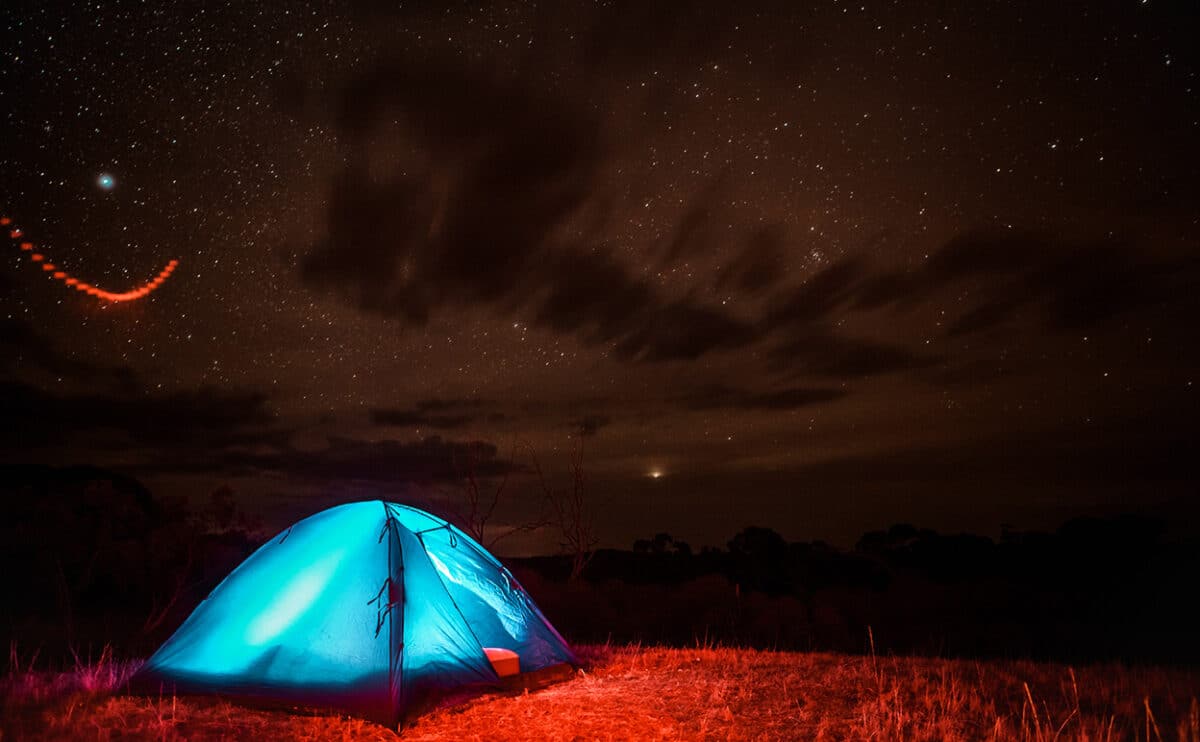
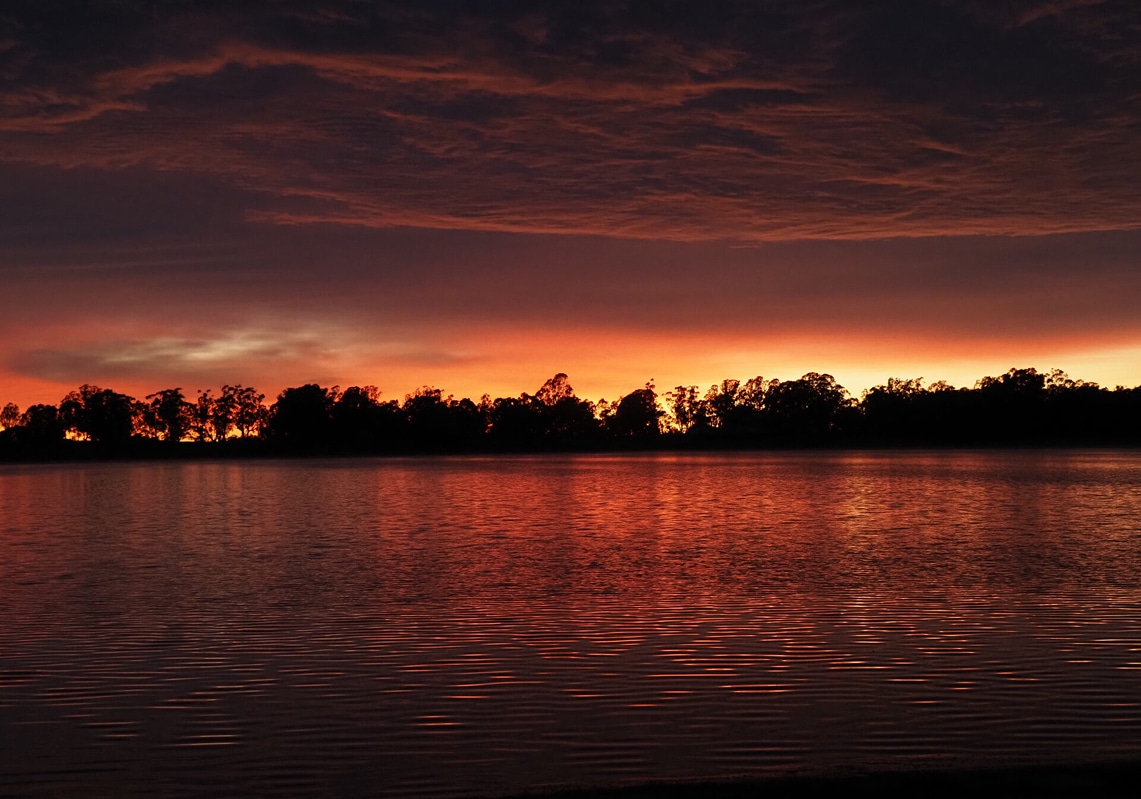
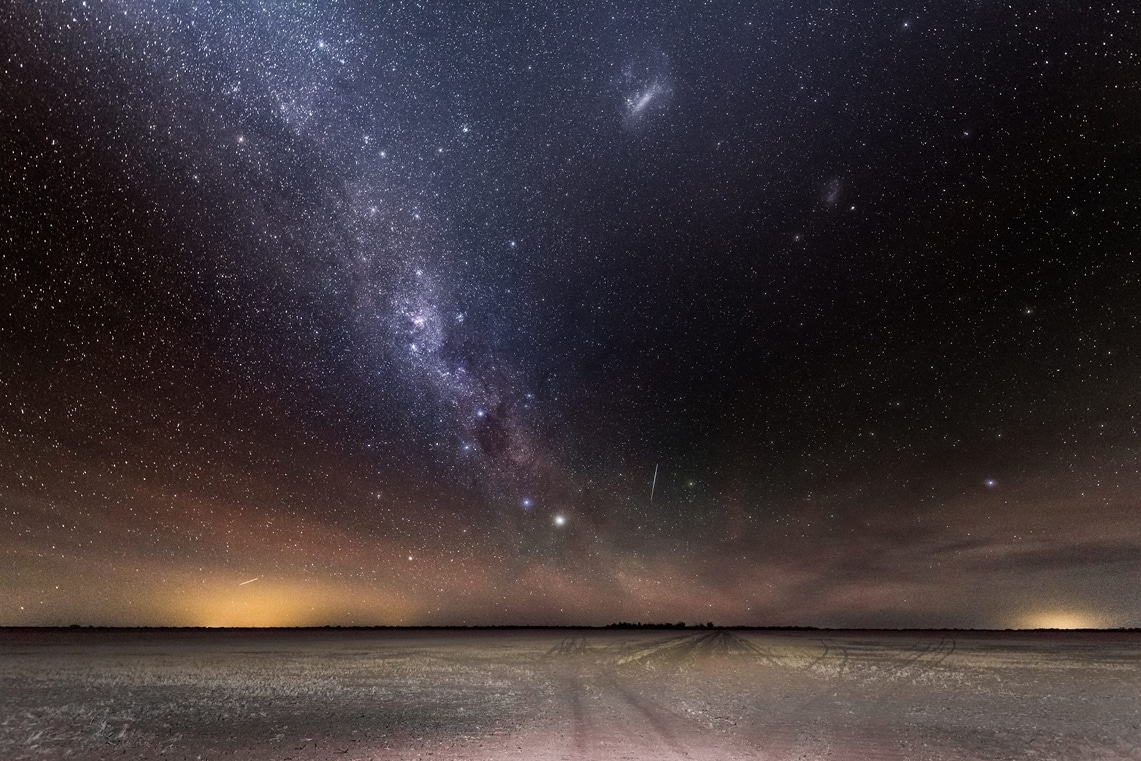
For travellers seeking remote conditions, Big Desert Wilderness Park comfortably earns its place among the best stargazing destinations in Victoria. Visitor numbers are low, and once night falls, artificial light almost completely disappears.
Consequently, the park is well suited to long-exposure photography and uninterrupted star watching, provided you’re properly prepared.
Who this destination suits best
Astrophotographers
Excellent for long sessions under dark skies with minimal disturbance.
Off-grid travellers
Best for well-prepared campers comfortable with remote conditions.
| Why it works: Big Desert Wilderness Park offers a true off-grid stargazing experience. With very low visitor numbers and almost no artificial light, night skies here are exceptionally dark and well suited to long-exposure photography. |
| Camping & access: Camping is limited to free bush sites with no facilities. Sandy tracks are common, and 4WD is recommended in many areas. Travellers must be fully self-sufficient. |
| Best time to visit: Late autumn through to early spring provides the most comfortable conditions, avoiding extreme summer heat. |
Alpine National Park
Best high-altitude stargazing
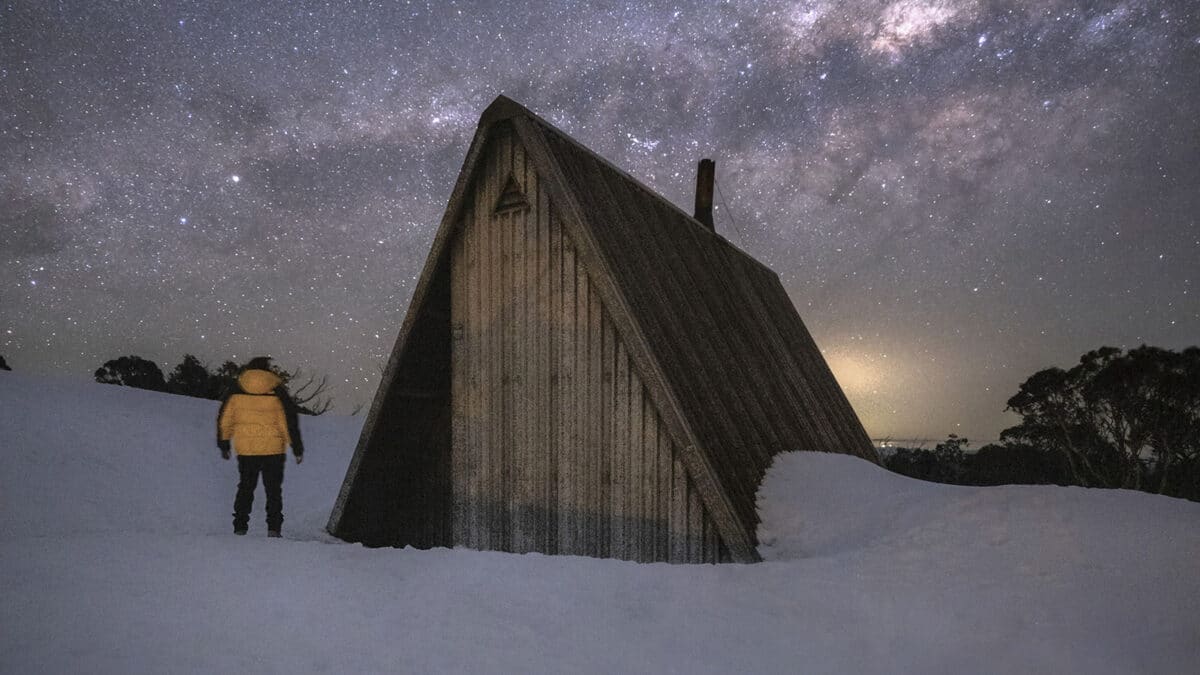
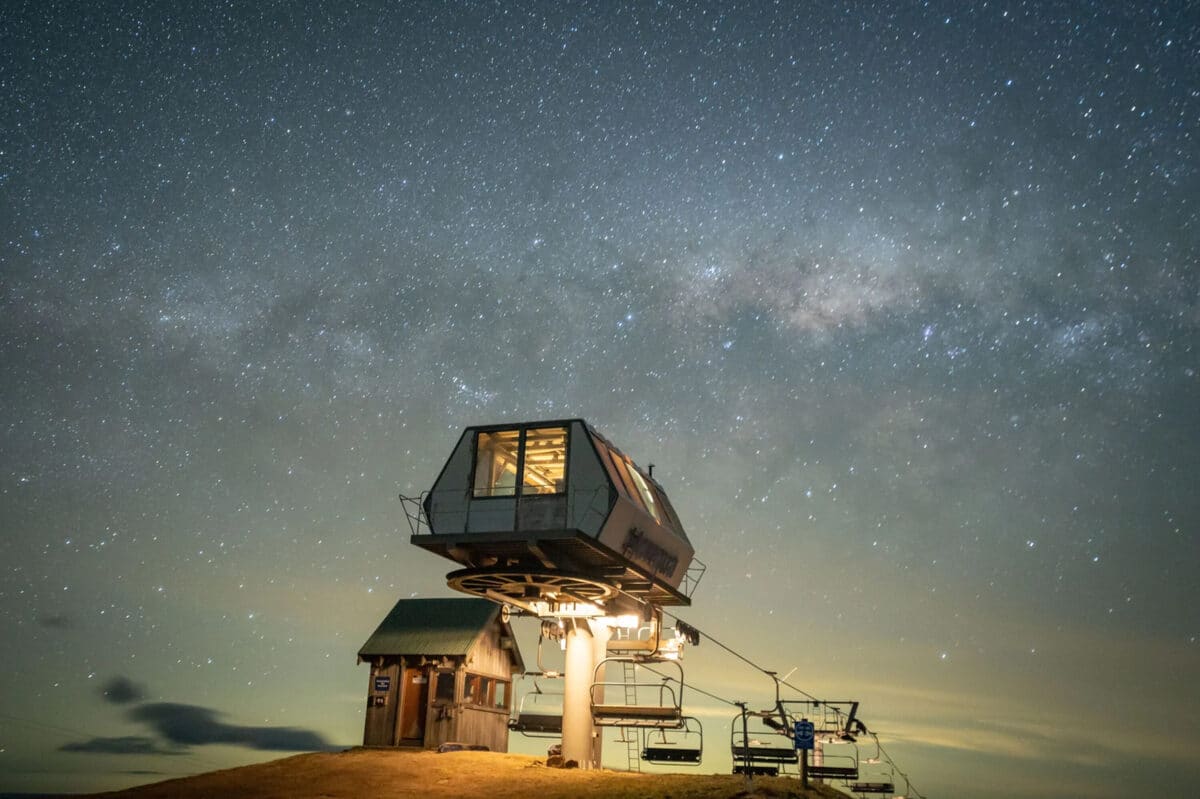
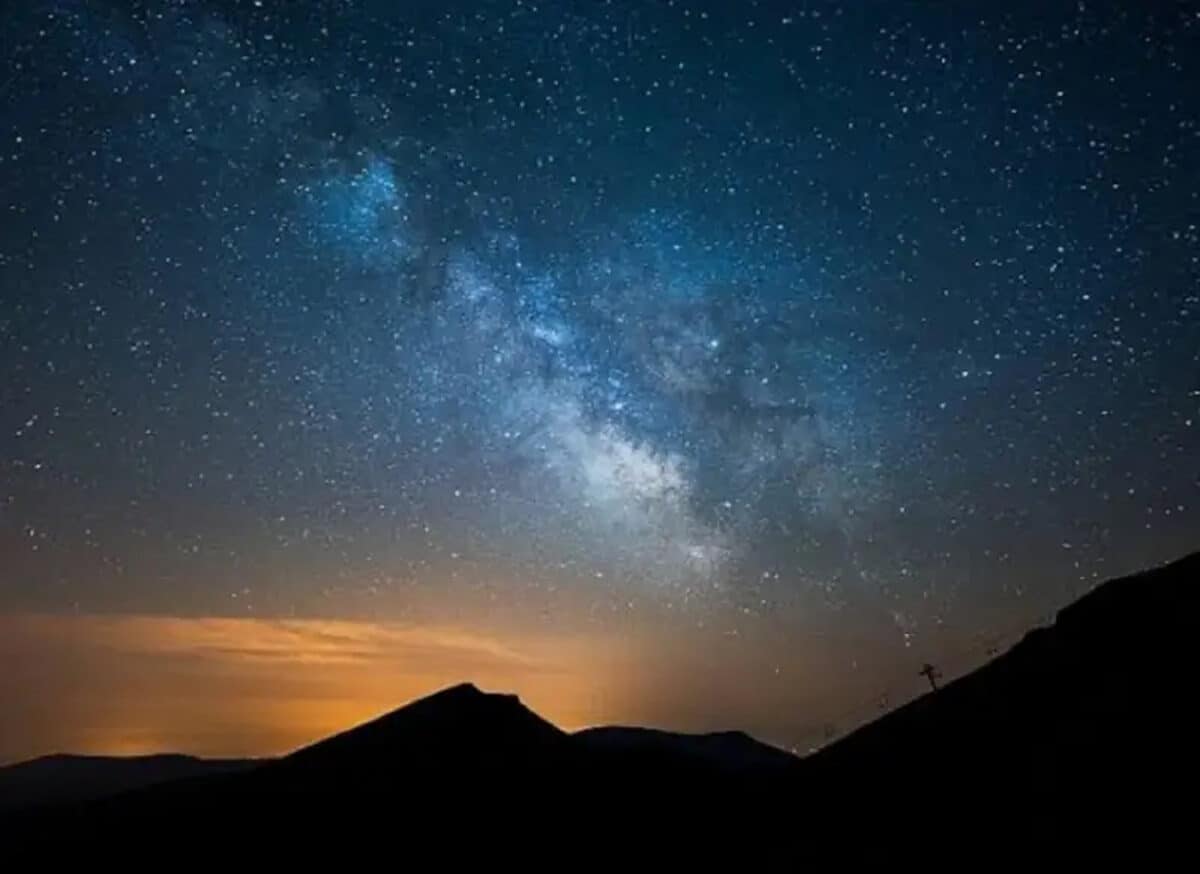
Victoria’s High Country offers a very different stargazing experience. Thanks to higher elevation and cleaner air, winter nights can deliver exceptional clarity.
That said, access can be limited by weather, so planning is essential when including Alpine National Park among the best stargazing destinations in Victoria.
Who this destination suits best
Experienced campers
Best for travellers confident with cold weather, changing conditions and limited services.
Photographers
Well suited to those chasing high-altitude clarity and dramatic mountain backdrops.
| Why it works: Higher elevation and cleaner air give Alpine National Park a different stargazing character. On clear winter nights, reduced atmospheric haze can deliver impressive clarity and contrast. |
| Camping & access: Access is seasonal, with many areas closed during winter due to snow. Some campsites require 4WD, and caravan suitability is limited, particularly in colder months. |
| Best time to visit: Winter offers the clearest skies, although conditions can be harsh and access restrictions apply. Late autumn is a more comfortable alternative. |
Cape Otways Hinterland
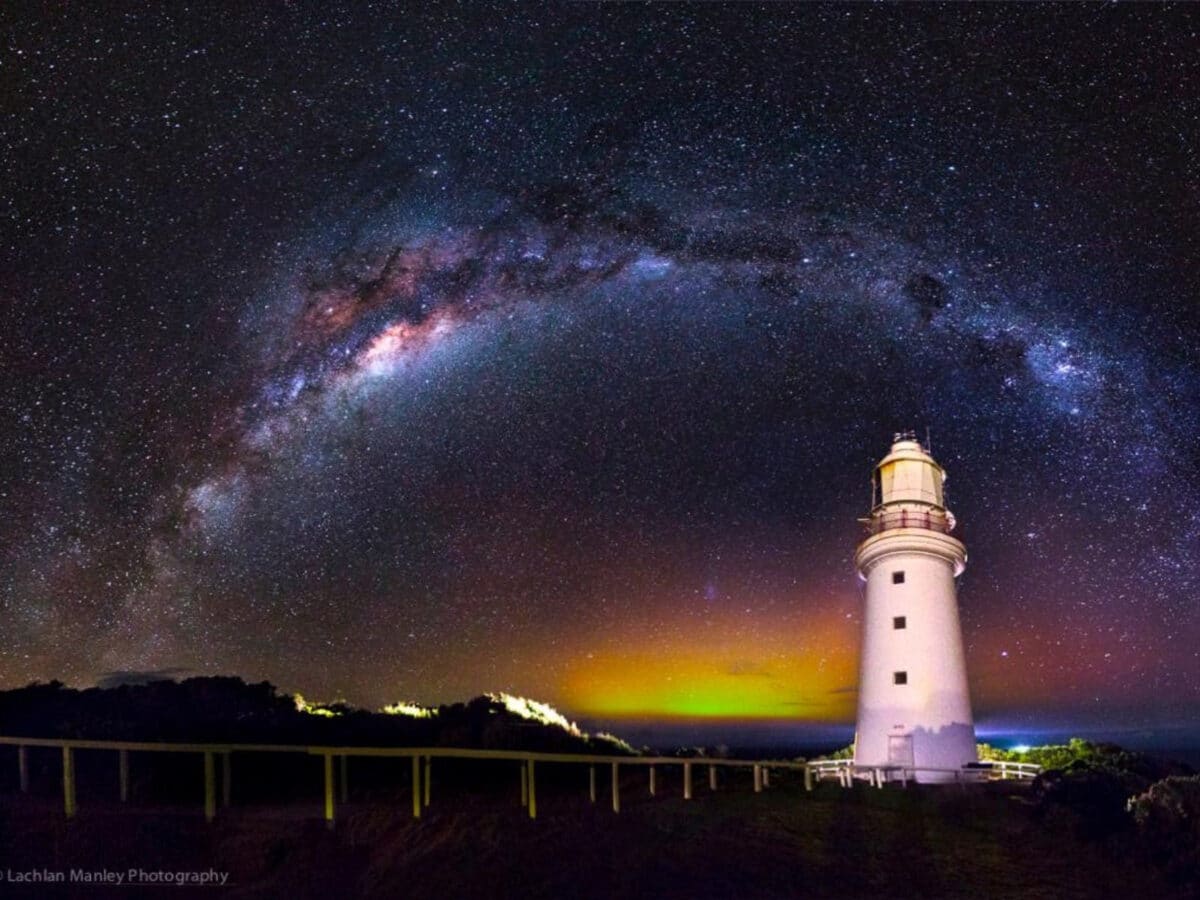
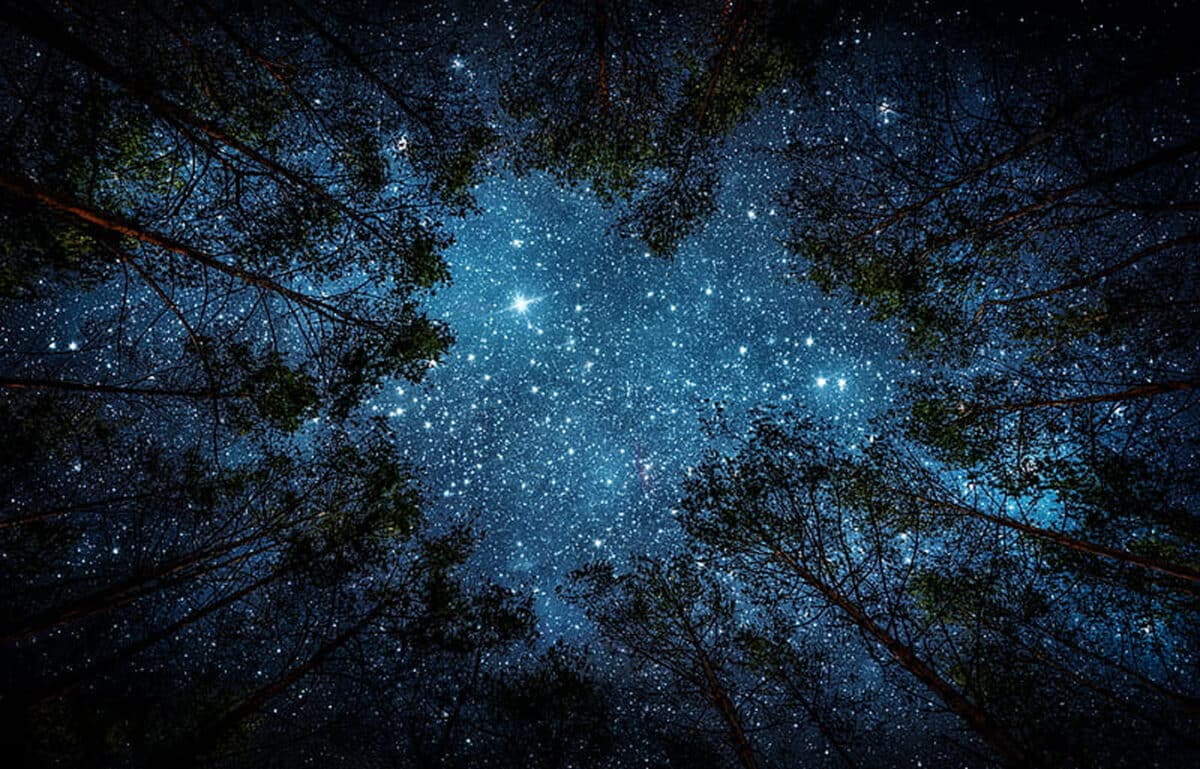

While coastal areas often struggle with light pollution, inland sections of the Cape Otways still qualify as some of the more accessible best stargazing destinations in Victoria. Camping away from major towns makes a noticeable difference here.
As a bonus, the region’s milder climate appeals to travellers who prefer cooler summer nights without heading inland.
Who this destination suits best
Families
A good balance of accessibility, comfort and night-sky viewing.
Couples
Ideal for relaxed trips combining stargazing with coastal experiences.
| Why it works: Away from coastal towns, the inland areas of the Cape Otways provide surprisingly good stargazing. Tree-covered valleys help reduce light glow, while the surrounding landscape shields camps from coastal exposure. |
| Camping & access: The region features a mix of well-maintained campgrounds, many with caravan-friendly access. Facilities vary by site, but access is generally straightforward. |
| Best time to visit: Autumn and winter deliver darker skies and fewer visitors, while milder temperatures make overnight stays comfortable. |
Wyperfeld National Park
Quiet, underrated and excellent for stargazing
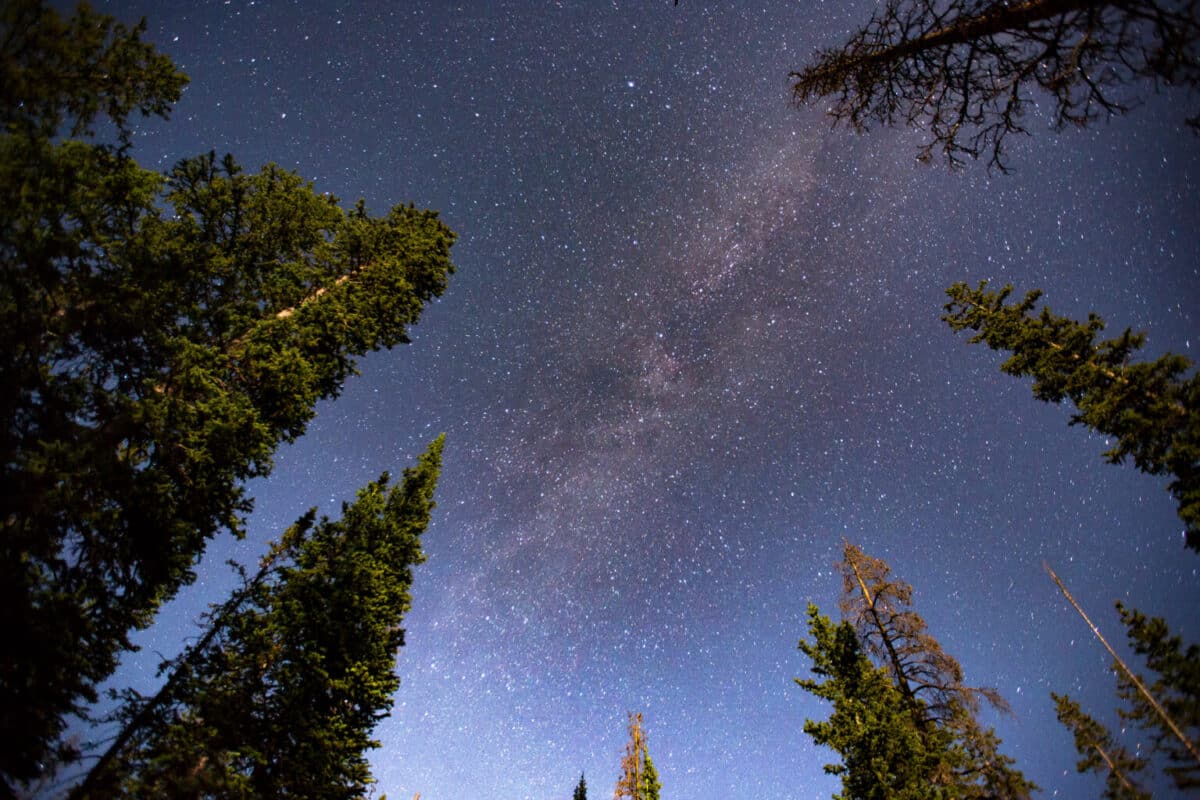
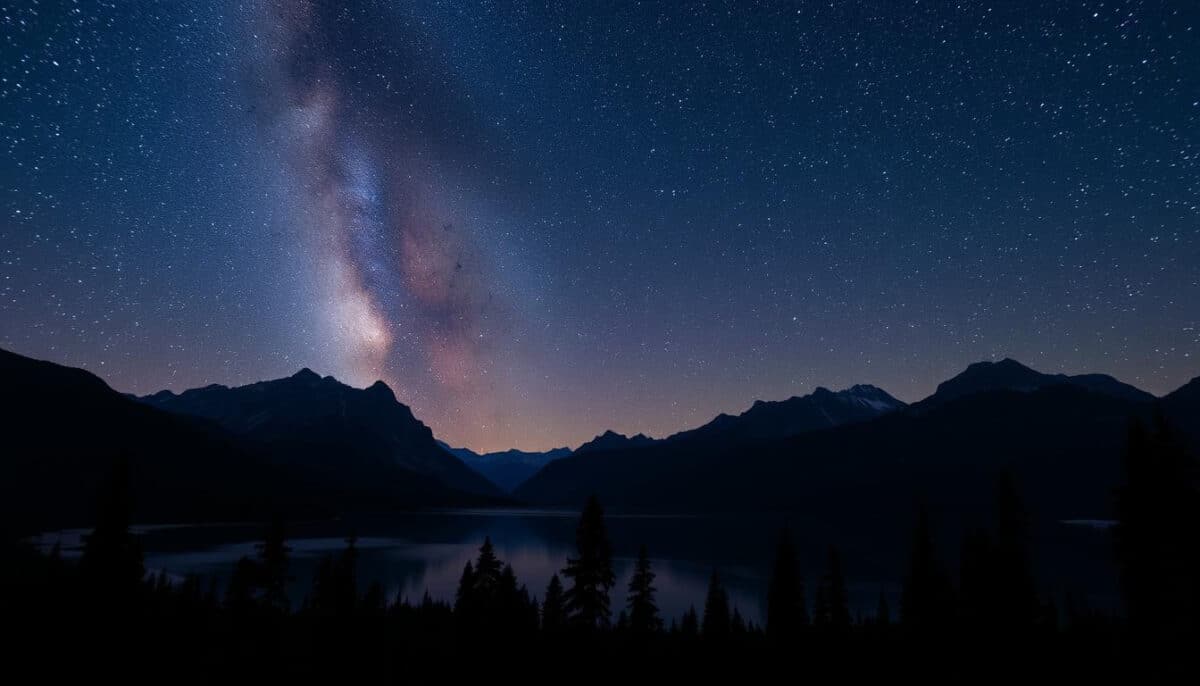
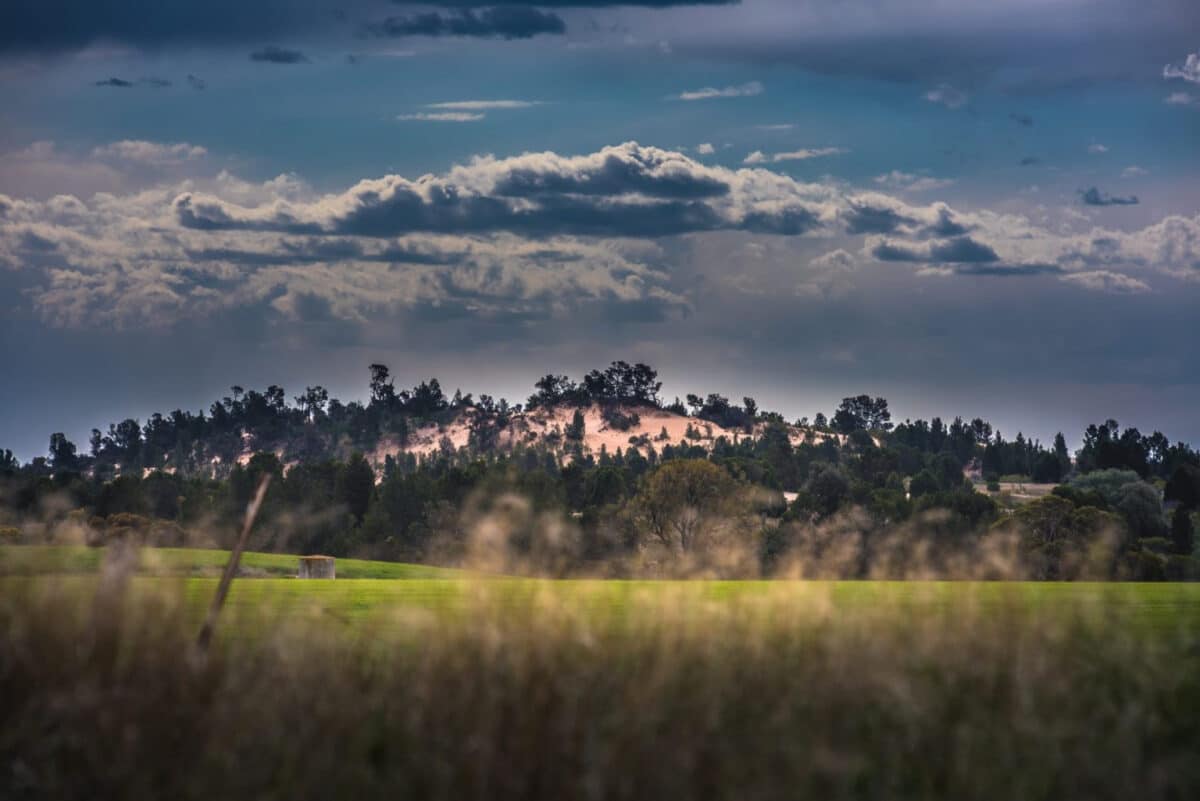
Often overshadowed by Murray-Sunset, Wyperfeld remains one of the quieter best stargazing destinations in Victoria. With wide horizons, minimal light pollution and peaceful bush camps, it suits travellers who value space and solitude.
Who this destination suits best
Caravaners
Well suited to self-contained setups looking for quieter alternatives to more popular parks.
Off-grid travellers
Appeals to campers seeking space, solitude and minimal infrastructure away from crowds.
| Why it works: Wyperfeld offers dark skies similar to Murray-Sunset, but with fewer visitors. Flat landscapes and wide horizons allow uninterrupted views of the night sky, particularly in quieter sections of the park. |
| Camping & access: Free bush camping is available, with most areas accessible by 2WD in dry weather. Roads are unsealed and conditions can change quickly after rain. |
| Best time to visit: Autumn provides the best balance of clear skies, mild temperatures and reliable access. |
Comparison Table
| Location | Darkness | Caravan Friendly | Best For | Best Season |
|---|---|---|---|---|
| Murray-Sunset NP | ⭐⭐⭐⭐⭐ | ✔️ | Darkest skies | Autumn–Winter |
| Grampians | ⭐⭐⭐⭐ | ✔️✔️ | Families | Autumn |
| Big Desert | ⭐⭐⭐⭐⭐ | ⚠️ | Off-grid astro | Autumn–Winter |
| Alpine NP | ⭐⭐⭐⭐ | ⚠️ | Winter clarity | Winter |
| Cape Otways | ⭐⭐⭐ | ✔️✔️ | Coastal trips | Autumn |
| Wyperfeld NP | ⭐⭐⭐⭐ | ✔️ | Quiet camping | Autumn |
When Is the Best Time for Stargazing in Victoria?
While winter offers the clearest skies, many travellers use summer and early autumn to plan trips and shortlist destinations for peak stargazing season.
Spring tends to be milder but cloudier, while summer provides warmer evenings at the cost of later darkness. Regardless of season, planning around new moon periods makes the biggest difference.
What You Can See in Victoria’s Night Skies
Under good conditions, Victoria’s darker regions reveal:
- The Milky Way
- Southern Cross and the Pointers
- Magellanic Clouds
- Bright planets (seasonal)
- Meteor showers
In most locations, these are visible to the naked eye, with no telescope required.
Practical Stargazing Tips for Campers
Before heading out, a little preparation goes a long way:
- Choose camps well away from towns and highways
- Use red lights to preserve night vision
- Pack warm clothing year-round
- Check weather forecasts and moon phases
- Avoid night driving in wildlife areas
Final Thoughts
Victoria offers far more stargazing potential than many travellers expect. Whether you’re free camping off-grid, travelling with kids, towing a caravan, or chasing astrophotography opportunities, there are dark-sky destinations across the state that suit every travel style.
For budget-friendly bush camps and no-cost options, explore our guide to the best free camping spots for stargazing in Victoria. If you’re travelling with children, our family-friendly stargazing guide highlights safe and accessible locations.
Frequently Asked Questions About Stargazing in Victoria
Yes. While areas near Melbourne have light pollution, many regional and remote parts of Victoria offer excellent stargazing, particularly in the state’s north-west, alpine regions, and quieter national parks.
Some of the darkest skies in Victoria can be found in Murray-Sunset National Park, Big Desert Wilderness Park, and Wyperfeld National Park, where light pollution is minimal and horizons are wide.
Absolutely. Many national parks and bush camping areas in Victoria are ideal for stargazing, especially those away from towns and major highways. Both free camps and caravan-friendly campgrounds offer good night sky viewing.
Autumn and winter offer the best stargazing conditions in Victoria, with longer nights and clearer skies. The Milky Way is most visible from late autumn through winter, particularly around new moon periods.
No special equipment is required. Many stars, planets, and the Milky Way are visible to the naked eye. Stargazing apps and binoculars can enhance the experience but are optional.