
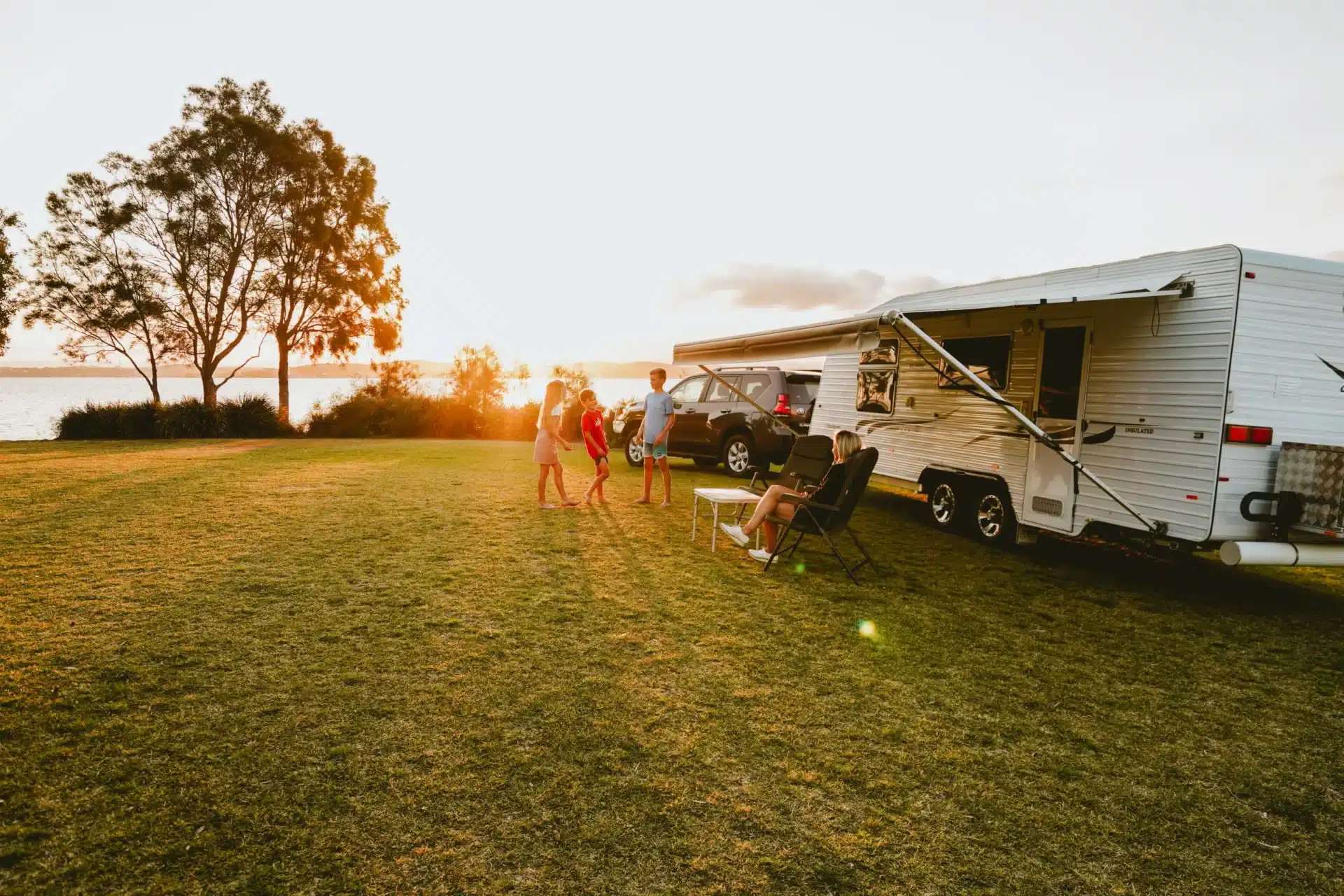

There’s usually a moment on every trip when something small tests your setup. A cut finger while preparing dinner. A blown fuse just as the lights go out. A sudden change in weather when you’re hours from the nearest town.
Most of the time, these aren’t major emergencies. But they quickly expose the items many caravanners forget to pack or forget to maintain.
This guide looks at the commonly overlooked essentials that sit outside the “big ticket” gear list. It focuses on practical safety, first aid, and ownership habits that keep trips running smoothly.
Why This Matters
Modern caravans are better equipped than ever. Solar systems, lithium batteries, larger water tanks and upgraded kitchens are now common.
Yet small, low-cost items are often the ones missing when they’re needed most.
For first-time buyers and seasoned tourers alike, preparation isn’t about expecting the worst. It’s about reducing stress, avoiding unnecessary detours and staying self-sufficient when travelling regionally or off-grid.
1. The Incomplete First Aid Kit
Most caravanners carry a first aid kit. Fewer have checked what’s actually inside it.
Pre-packed kits are convenient, but they are often designed for general use rather than touring Australia. Over time, items expire, adhesives fail in heat, and key components get used and never replaced.
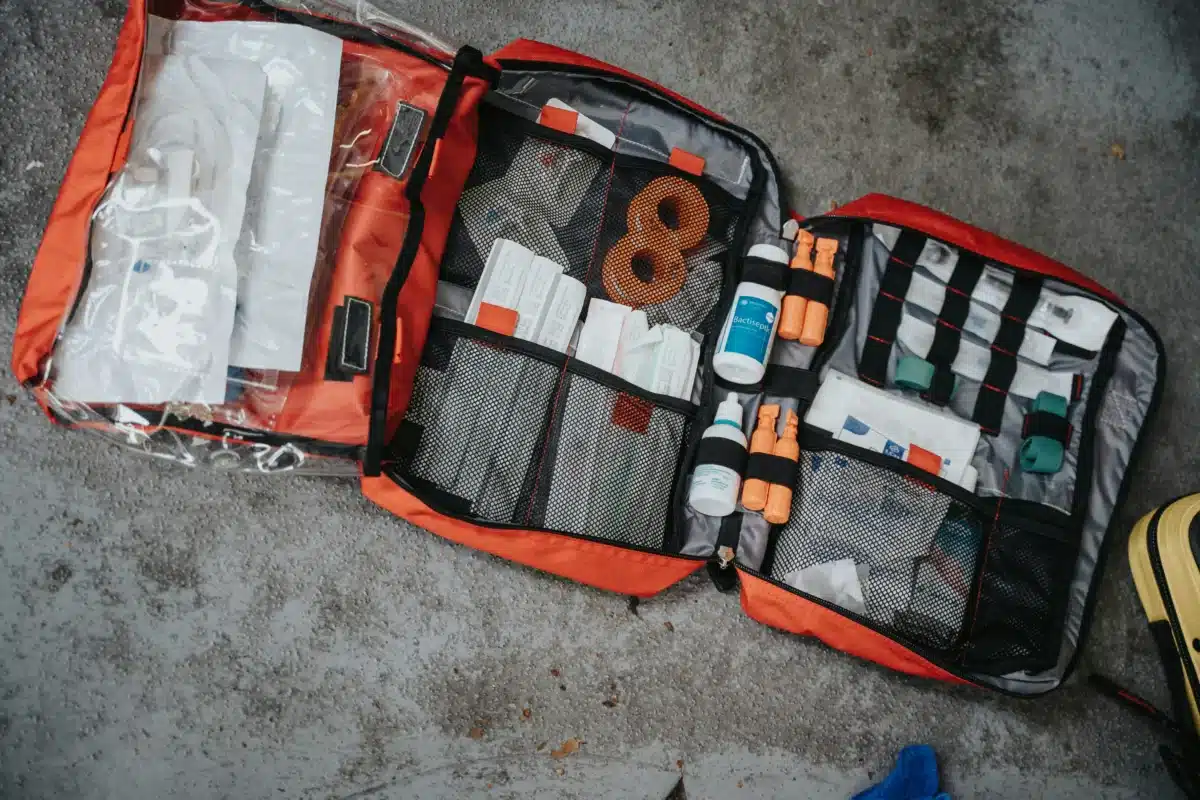
Commonly missing or overlooked items
- Compression bandage suitable for snake bite treatment
- Proper burn dressings or burn gel
- Saline pods for eye irrigation
- Instant cold pack
- CPR face shield
- Tweezers for splinters or ticks
- Electrolyte sachets
- Spare dressings and adhesive tape
- A written list of emergency contacts
- Copies of prescriptions if travelling long-term
Storage is another issue. Kits buried under a bed or packed in an external locker are not practical in a hurry. Every caravan should have a clearly accessible kit inside the main living area.
Ownership tip
Set a reminder to check your first aid kit at least once a year, ideally before peak touring season. Replace expired items and top up anything used.
Touring-Ready
First Aid Guide
Standard home kits often fall short in remote areas. Use this checklist to ensure your caravan is equipped for real-world Australian touring.
Essential Inventory
- • Compression Bandages (Snake bite rated)
- • Burn Dressings & Hydro-gels
- • Saline Pods (Eye & Wound wash)
- • Instant Cold Packs & CPR Shield
- • Tweezers (Tick/Splinter specific)
- • Emergency Contact & Prescription Cards
The Upgrade Path
Basic dressings, minimal tape, often not heat-resistant.
Reinforced supplies, trauma shears, larger dressings, and heat-protected storage.
! Snake Bite: PIT Response
- Keep the patient completely still.
- Apply Pressure Immobilisation Bandage (PIT).
- Splint the limb to prevent movement.
- Call 000. Do NOT wash or cut the wound.
Strategic Storage
- ✔ Entry-side cupboard (Grab-and-Go)
- ✔ Kitchen drawer or overhead locker
- ✔ Within reach of the main bed area
- Avoid: External lockers
Disclaimer: General information only. Not a substitute for professional medical advice or training. Always carry a secondary comms device (Sat-Sled/PLB) in remote areas.
2. Electrical Spares That Save a Trip
Electrical issues are one of the most common minor disruptions on the road. Fortunately, many are easy to fix if you have the right small parts.
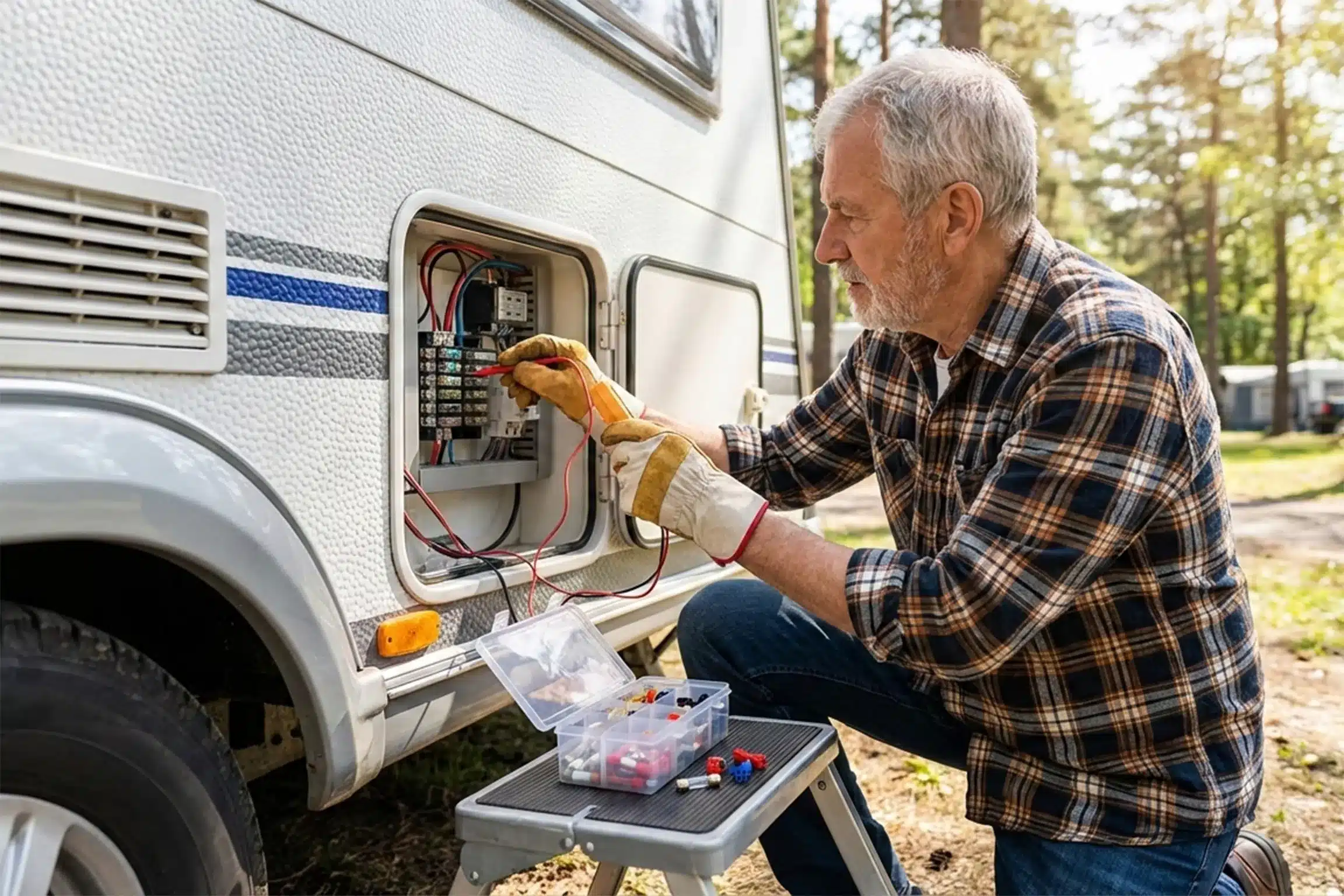
Often forgotten:
- Spare blade and glass fuses
- Spare 12V connectors
- Anderson plug components
- A basic multimeter or 12V test light
- Head torch or torch with fresh batteries
- Spare extension lead adaptor
These items take up little space but can prevent a night without lights or a fridge that stops charging.
Buyer consideration
When setting up a new caravan, allocate a small labelled container for electrical spares. It is a simple addition that supports long-term ownership.
3. Fire and Emergency Equipment Beyond the Basics
Most caravans leave the factory with a fire extinguisher. That’s a start, but it is not always enough.
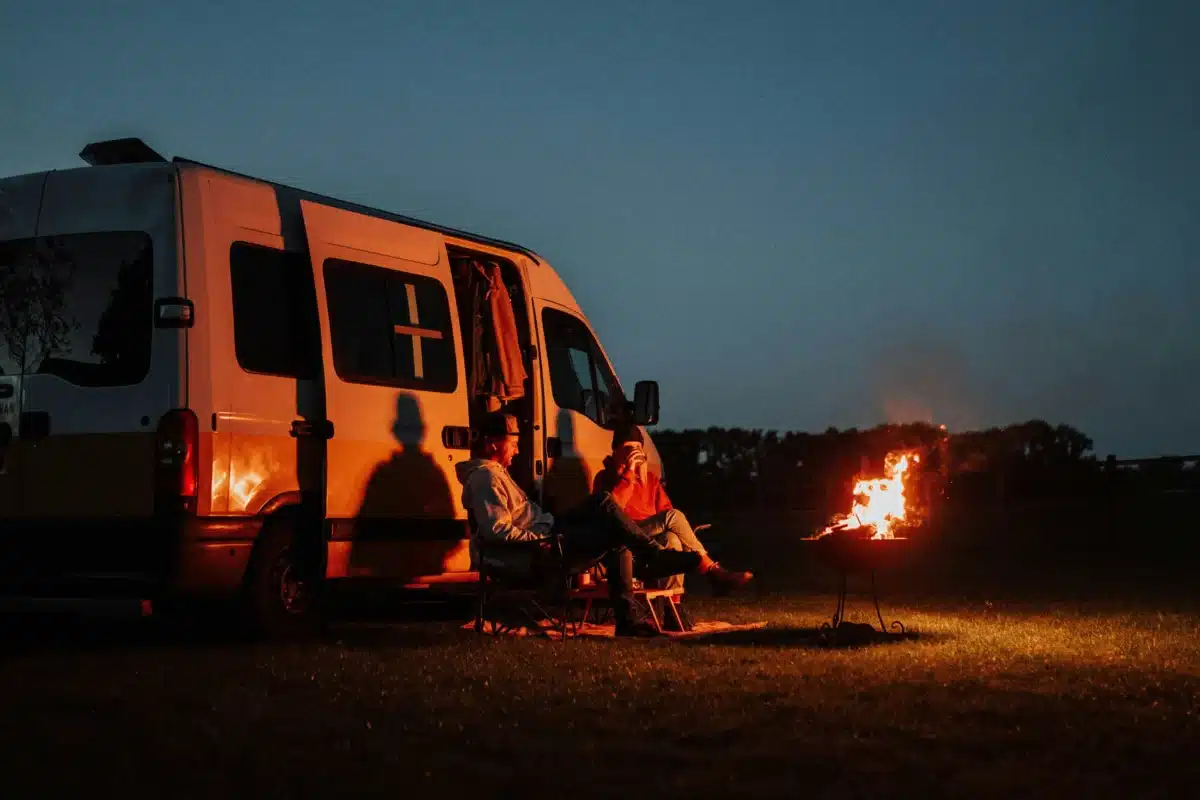
Commonly overlooked:
- Fire blanket for kitchen flare-ups
- Secondary extinguisher near the bed area
- Emergency blanket
- Spare drinking water separate from tank supply
- Whistle or signalling device in remote areas
- Printed emergency contact list
Fire blankets are particularly useful for cooking-related incidents, which are among the most common causes of caravan fires.
Ownership reminder
Check the pressure gauge on fire extinguishers and confirm service dates. Replace or service units as required.
4. Heat and Hydration Planning
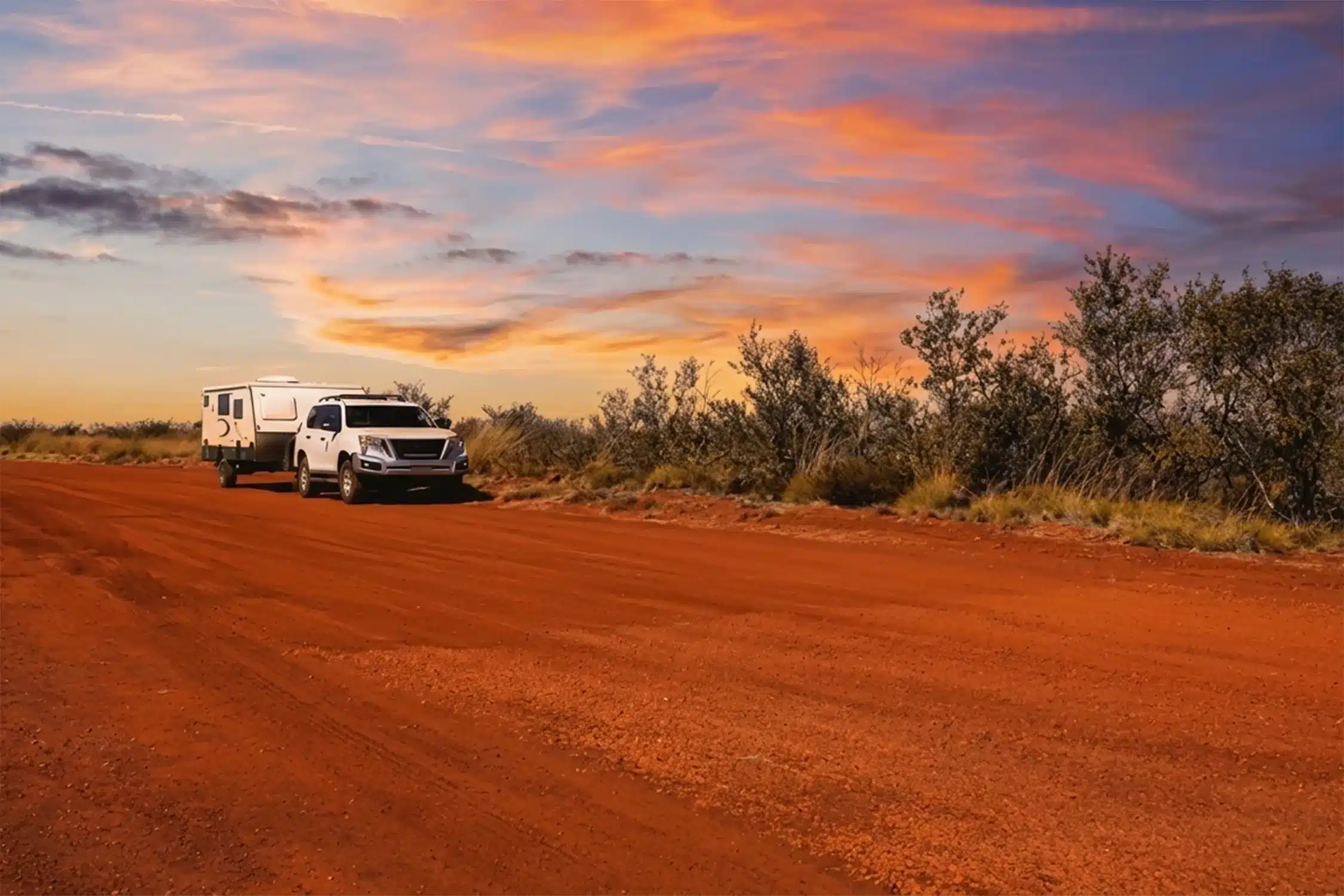
Australian touring conditions vary widely, but heat is a constant risk during much of the year.
Items frequently forgotten:
- Electrolyte replacements
- Wide-brim hat stored near the entry door
- Sunscreen stored where it is easily accessed
- Digital thermometer inside the van
- Backup shade solution
Caravanners often rely on their water tanks without carrying additional emergency water. In remote areas, a separate emergency supply is a sensible precaution.
For travellers heading beyond major centres, our Remote Touring Guide: The Ultimate Outback Survival Blueprint outlines the broader safety planning required for regional and outback routes.
Heat-related illness develops gradually. Having the right supplies and monitoring internal van temperature helps reduce risk.
5. The “Second Kit” Many Don’t Carry
Most travellers keep their first aid and safety gear inside the van.
Few carry a small secondary kit in the tow vehicle.
A compact grab-and-go kit in the car can be valuable if:
- You are away from the van
- You stop roadside
- The van is inaccessible
This does not need to duplicate everything. A small kit with basic dressings, compression bandage, gloves and emergency contacts is usually sufficient.
6. Documents and Compliance Essentials
Physical paperwork is becoming less common, but connectivity is not guaranteed in regional Australia.
Often forgotten:
- Printed insurance details
- Ambulance cover confirmation
- Registration papers
- Roadside assistance contacts
- Offline maps
Keeping a waterproof folder with key documents adds another layer of preparedness, particularly when travelling beyond major centres.
A Practical Pre-Trip Check
Before your next departure, take ten minutes to review:
- First aid kit contents and expiry dates
- Fire equipment condition
- Electrical spare kit
- Emergency water supply
- Torch batteries
- Prescription medication levels
These checks are quick but can prevent minor issues from escalating.
The Bottom Line
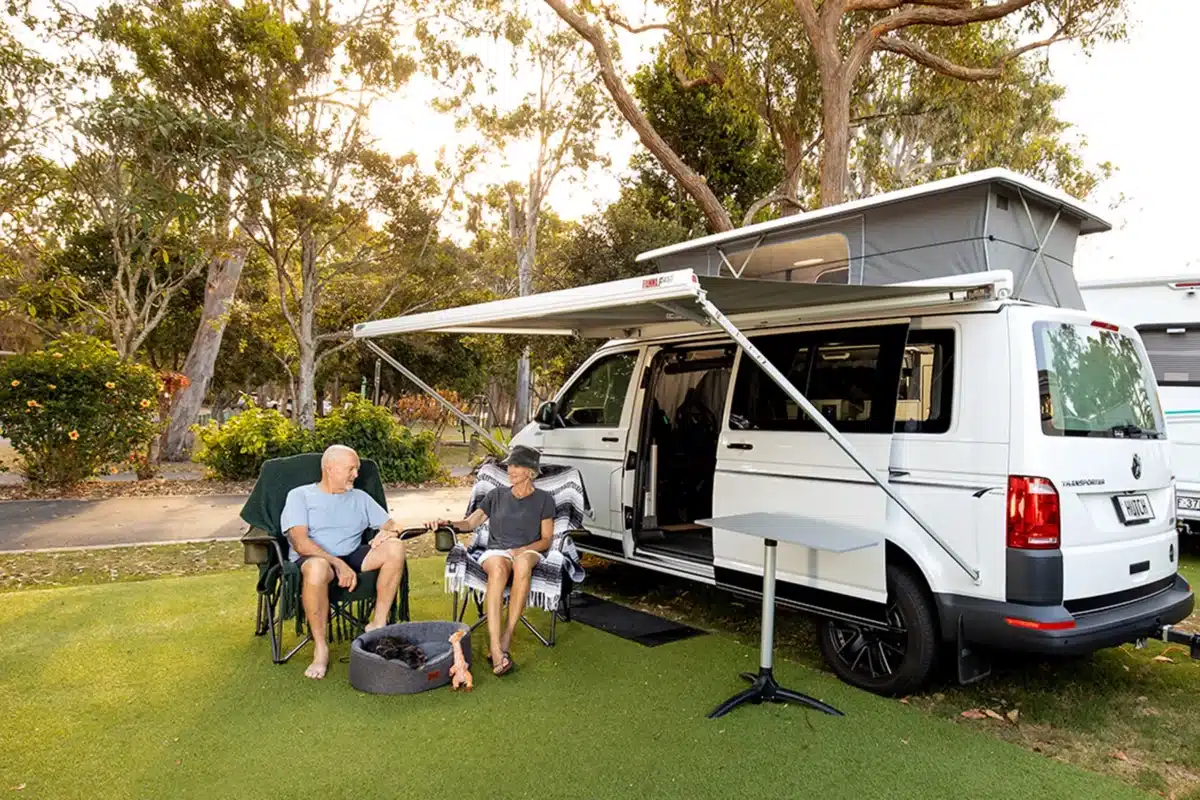
Most touring disruptions are not dramatic. They are small inconveniences made harder by missing equipment.
As explored in our feature Real World Lesson: Handling Six Tyre Failures on One Outback Lap, minor problems can escalate quickly when travelling in regional Australia.
A well-prepared caravan setup is not defined by expensive upgrades. It is supported by simple systems, maintained regularly and reviewed before each major trip.
Packing the right essentials, and knowing where they are stored, is part of responsible caravan ownership. It supports safer travel, particularly when heading into regional and remote parts of Australia.
Before your next trip, open the cupboard, check the kit and ask a simple question: if something minor happens tonight, are we ready to handle it?
That small check can make all the difference.